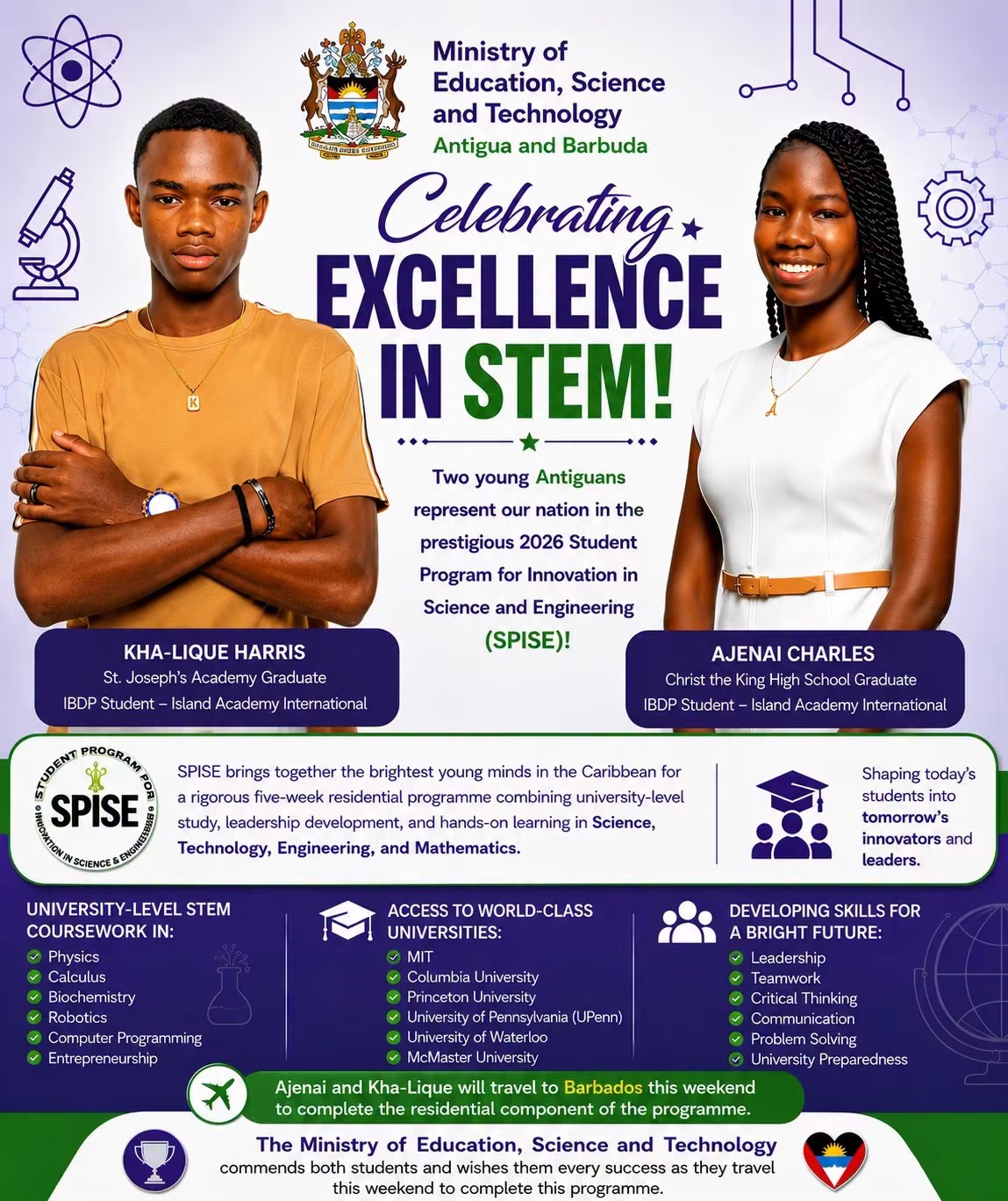
Two outstanding young students from Antigua and Barbuda have secured coveted positions in the 2026 Student Programme for Innovation in Science and Engineering (SPISE), opening the door for them to collaborate and learn alongside the Caribbean’s most promising emerging STEM talents. The nation’s Ministry of Education, Science and Technology made the official announcement this Friday, confirming that Ajenai Charles and Kha-Lique Harris will depart this weekend for Barbados to complete the programme’s intensive residential learning segment. In an official statement released to the public, the ministry extended warm congratulations to the selected pair, praising them as extraordinary young representatives of Antigua and Barbuda who will carry their nation’s pride into an experience of advanced academic study and cross-regional collaborative problem-solving. “We wish them every success as they continue to represent Antigua and Barbuda with pride,” the statement read. SPISE is widely recognized as one of the Caribbean’s most competitive youth STEM initiatives, structured as an immersive, intensive program that integrates rigorous university-level coursework, targeted leadership skill building, and hands-on practical training across all STEM disciplines: science, technology, engineering and mathematics. The program was developed specifically to equip high-achieving secondary students from across the Caribbean with the foundational skills and networks needed to build successful long-term careers in fast-growing STEM sectors. Both selected students currently pursue the International Baccalaureate Diploma Programme (IBDP) at Island Academy International, with distinct academic backgrounds prior to their enrollment: Charles is a graduate of Christ the King High School, while Harris completed his earlier secondary education at St. Joseph’s Academy. Beyond celebrating the individual achievements of Charles and Harris, the ministry emphasized that their selection to the competitive program is a tangible reflection of Antigua and Barbuda’s sustained, long-term investment in advancing academic excellence and nurturing the next generation of homegrown innovators in STEM fields.
作者: admin
-
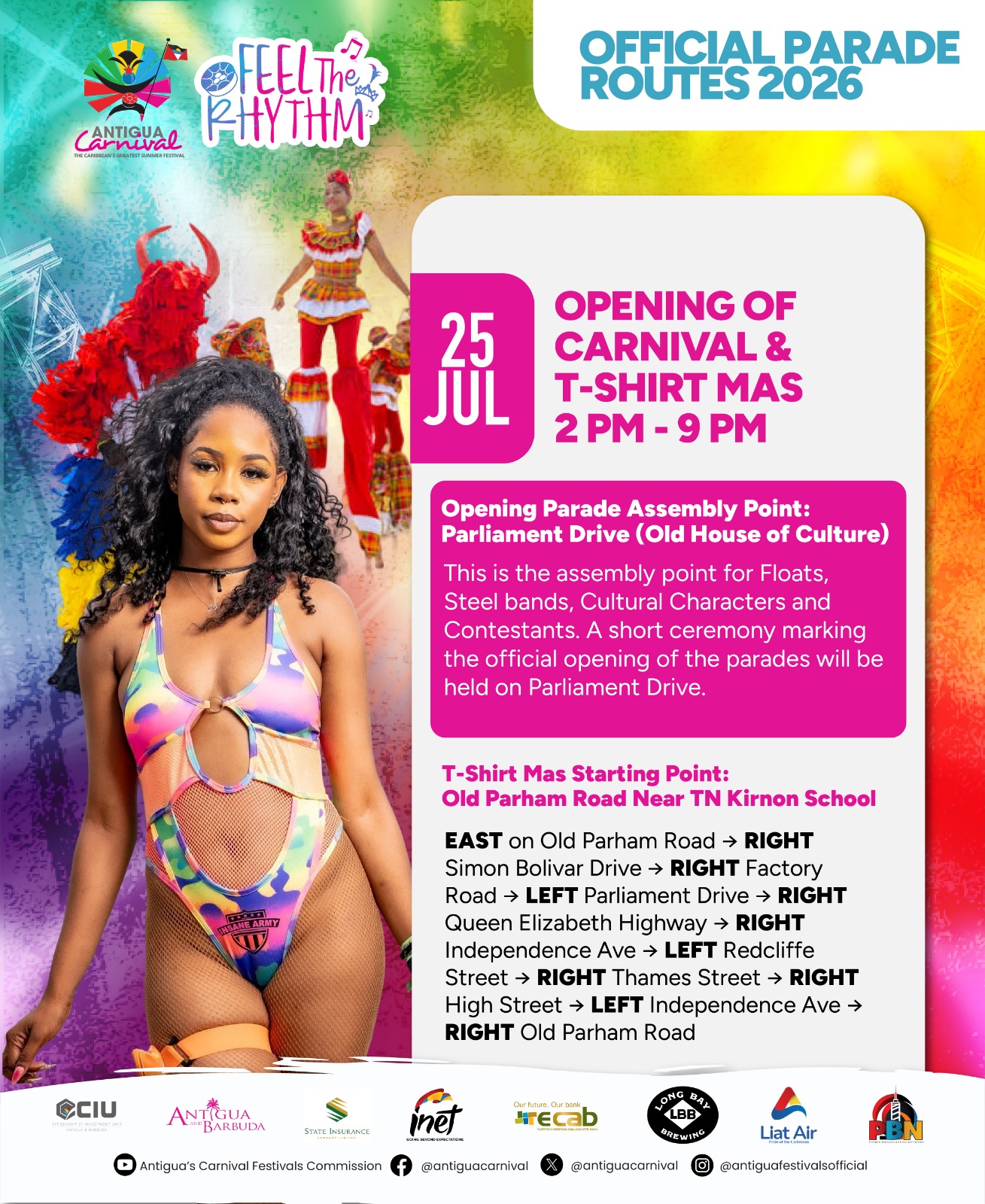
Carnival Opens Today with T-Shirt Mas Parade Through St. John’s
One of the Caribbean’s most anticipated annual cultural celebrations, Antigua Carnival 2026, has officially launched today, starting with the iconic Opening Parade and beloved T-Shirt Mas event that is expected to draw thousands of celebration-goers, talented performers and curious spectators to the capital city of St. John’s. The festivities will run from 2 p.m. through 9 p.m., turning the streets of the capital into a vibrant hub of music, color and cultural heritage.
The official opening proceedings will convene at Parliament Drive, the site of the old House of Culture, where elaborately decorated floats, world-famous Antiguan steel bands, traditional cultural performers and this year’s carnival pageant contestants will gather ahead of the procession. From this assembly point, the celebration will move through the pre-planned parade route to showcase the energy of Antigua and Barbuda’s cultural identity to onlookers.
The T-Shirt Mas procession, a popular accessible segment of the carnival open to wide participation, will begin at Old Parham Road, adjacent to the T.N. Kirnon School. The full route winds through key thoroughfares across St. John’s, taking procession participants along Old Parham Road, Simon Bolivar Drive, Factory Road, Parliament Drive, Queen Elizabeth Highway, Independence Avenue, Redcliffe Street, Thames Street and High Street, before looping back to the starting point at Old Parham Road. This route is designed to give as many community members and visitors as possible the chance to watch the festivities from vantage points across the city.
Event organizers have issued practical guidance for attendees ahead of the event, urging anyone planning to attend to arrive early to secure good viewing positions along the parade route. They have also reminded the public that widespread traffic diversions will be in place across St. John’s throughout the afternoon and evening to accommodate the procession, and road users should plan alternate routes for any travel during this period.
For attendees seeking elevated experiences, VIP tickets are still available for two major themed carnival events: the Melting Pot cultural showcase and the I Am Woman celebration, which highlights female creators and performers in the carnival community. This year’s 10-day celebration of Antiguan and Barbudan culture operates under the official 2026 theme “Feel the Rhythm,” which was selected to encapsulate the infectious energy, musical heritage and community spirit that defines the annual carnival tradition.
-
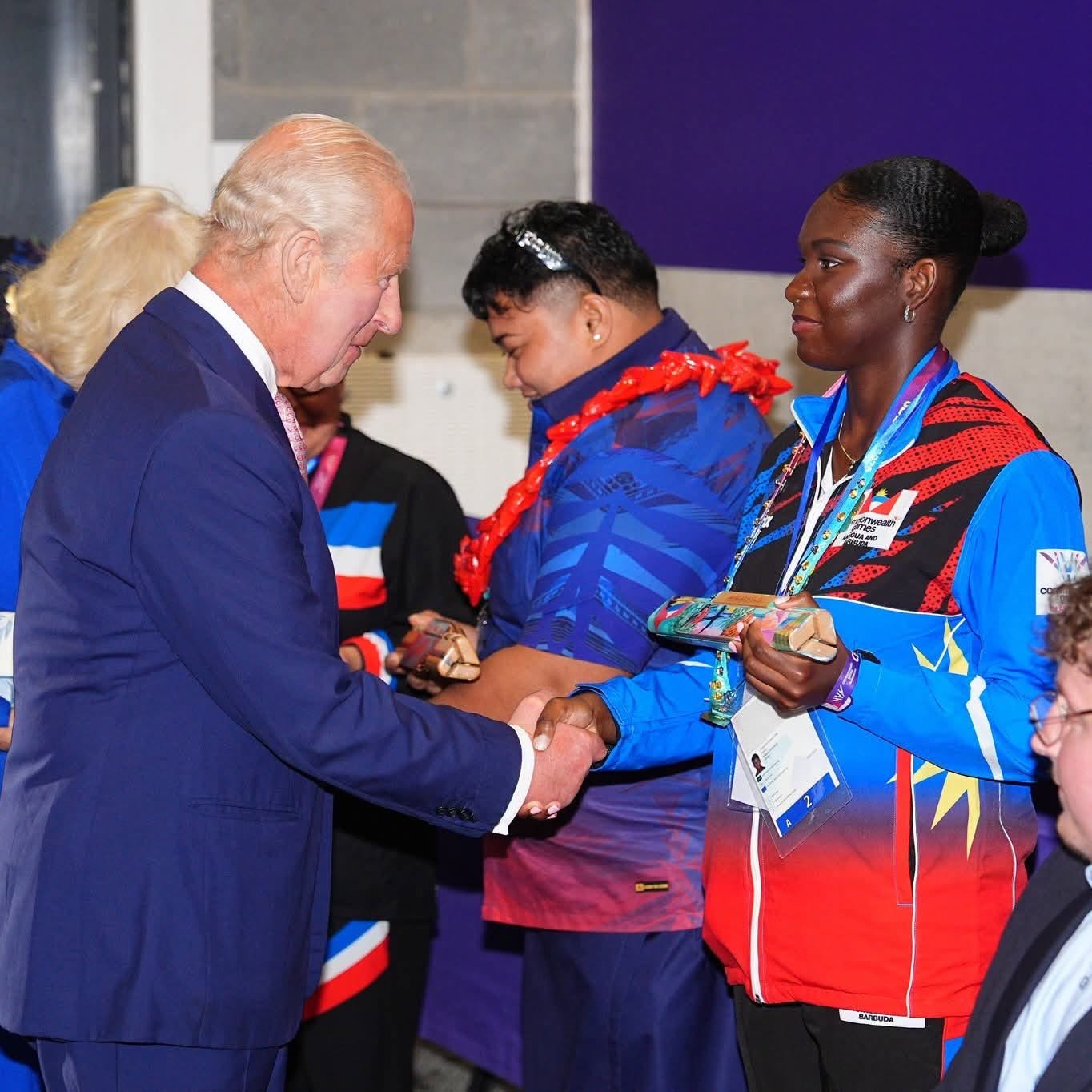
Antigua and Barbuda Athletes Begin Commonwealth Games Campaign in Glasgow
GLASGOW, Scotland – The 2026 Commonwealth Games officially got underway for Team Antigua and Barbuda on Friday, with the Caribbean nation’s delegation making their first appearance across two core sports to open the multi-sport tournament. As the competition enters its second day on Saturday, the small island nation will pin its hopes on a single athlete, with welterweight boxer Zalaan set to step into the ring as the centerpiece of the country’s Day 2 schedule.
Zalaan is scheduled to clash with Happy Ngwira of Malawi in the men’s 80-kilogram Round of 32. The preliminary bout is set to get underway at 11:45 a.m. local Scotland time inside SEC Centre Hall 5, where the boxing competition will continue to run through early-round matches across a full slate of weight categories. Saturday’s boxing lineup features Round of 32 contests for men’s 60kg and 80kg divisions, alongside Round of 16 matches in the women’s 65kg and 70kg weight classes.
While Zalaan is the only Antigua and Barbuda athlete scheduled to compete on Day Two, action across the Games’ swimming program will stay in full swing at Glasgow’s Tollcross International Swimming Centre. The day’s morning session will host qualifying heats for six individual events: the women’s 200-metre freestyle, men’s 50-metre freestyle, women’s 100-metre backstroke, men’s 100-metre butterfly, women’s 100-metre breaststroke, and men’s 400-metre freestyle. The lineup also includes para-swimming competitions and the mixed 4×100-metre freestyle relay heats. When the evening session kicks off, spectators will see semi-final races in the women’s 100-metre backstroke, men’s 50-metre freestyle and men’s 100-metre butterfly, followed by medal-deciding finals for the women’s 200-metre freestyle, men’s 50-metre backstroke and women’s 50-metre butterfly.
Looking back at Team Antigua and Barbuda’s opening day, the nation’s campaign launched with two swimmers and one boxer making their debuts. Aunjeliqué Liddie and Jadon Williez both took part in their respective qualifying heats, while Alston Ryan competed in his first ever Commonwealth Games bout in the men’s 63.5kg division.
The 2026 Glasgow Commonwealth Games will run through next week, with Antigua and Barbuda’s athletes working to gain momentum as the tournament progresses and competition grows tighter across all sports. -
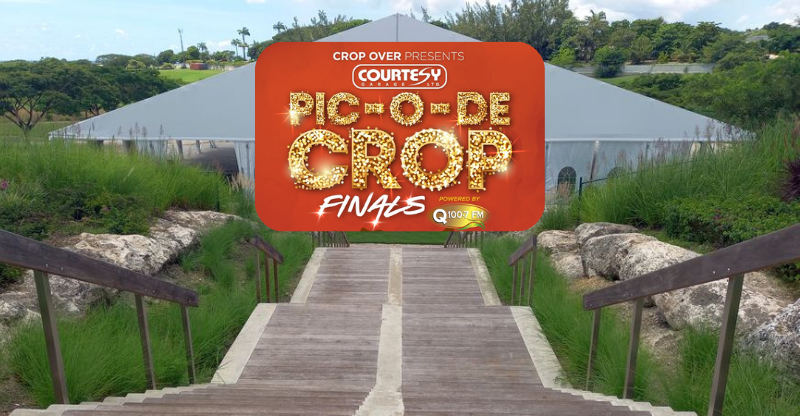
Pic-O-De-Crop Finals now at National Botanical Gardens
After weeks of back-and-forth consultations between the National Cultural Foundation (NCF), competing calypsonian finalists, and performance tent managers, Barbados’ iconic 2026 Courtesy Garage Pic-O-De-Crop competition has secured a new permanent venue: the National Botanical Gardens. Crucially, the event’s original scheduled timing – 8 p.m. on Friday, July 31 – will stay unchanged, eliminating potential confusion for ticketholders and performers alike.
This third venue shift traces back to a major national commemoration: preparations for the State Service of Thanksgiving honoring Sir Garfield Sobers, Barbados’ beloved national hero and legendary cricket icon. The competition was first moved from its long-time home at Kensington Oval to CARIFESTA House in Waterford to clear space for event organizers working on the national tribute. However, stakeholders raised concerns about CARIFESTA House’s suitability, prompting the NCF to launch a full round of inclusive negotiations to find a more fitting space.
In an official statement released late Friday, the NCF confirmed that after evaluating multiple potential sites, all participating parties reached a consensus on the National Botanical Gardens. Ronnie Clarke, better known by his professional moniker Ronnie De Announcer, represented the interests of calypsonians and tent managers throughout the negotiation process, ensuring all concerns were heard directly. Kensington Oval, the original host, remained off the table because the timeline for the July 29 State Service did not leave enough time to reset and prepare the grounds for the competition just two days later.
Beyond settling on a new venue, the collaborative discussions helped bridge understanding between all groups about why the initial venue change was unavoidable. “During the negotiations, the finalists and tent managers agreed on the National Botanical Gardens as their preferred venue and the best path forward in the interests of the calypsonians, patrons and the integrity of the competition,” the NCF statement noted.
Following the stakeholder agreement, NCF Chief Executive Officer formally secured all required government approvals from top national leaders, including Prime Minister Mia Mottley and Senator Shane A. Archer, Minister of State with responsibility for Youth and Culture, as well as sign-off from the NCF Board of Management.
“This outcome reflects a constructive and collaborative process, with all parties now united in moving forward,” the statement added. The NCF extended its gratitude to finalists, tent managers, and all involved stakeholders for their flexibility and cooperation, noting that its teams and event partners are already working tirelessly to transform the National Botanical Gardens into a world-class performance space. Organizers say they are committed to delivering a polished, memorable, grand spectacle that delivers an exceptional experience for both performing artistes and attending patrons.
-
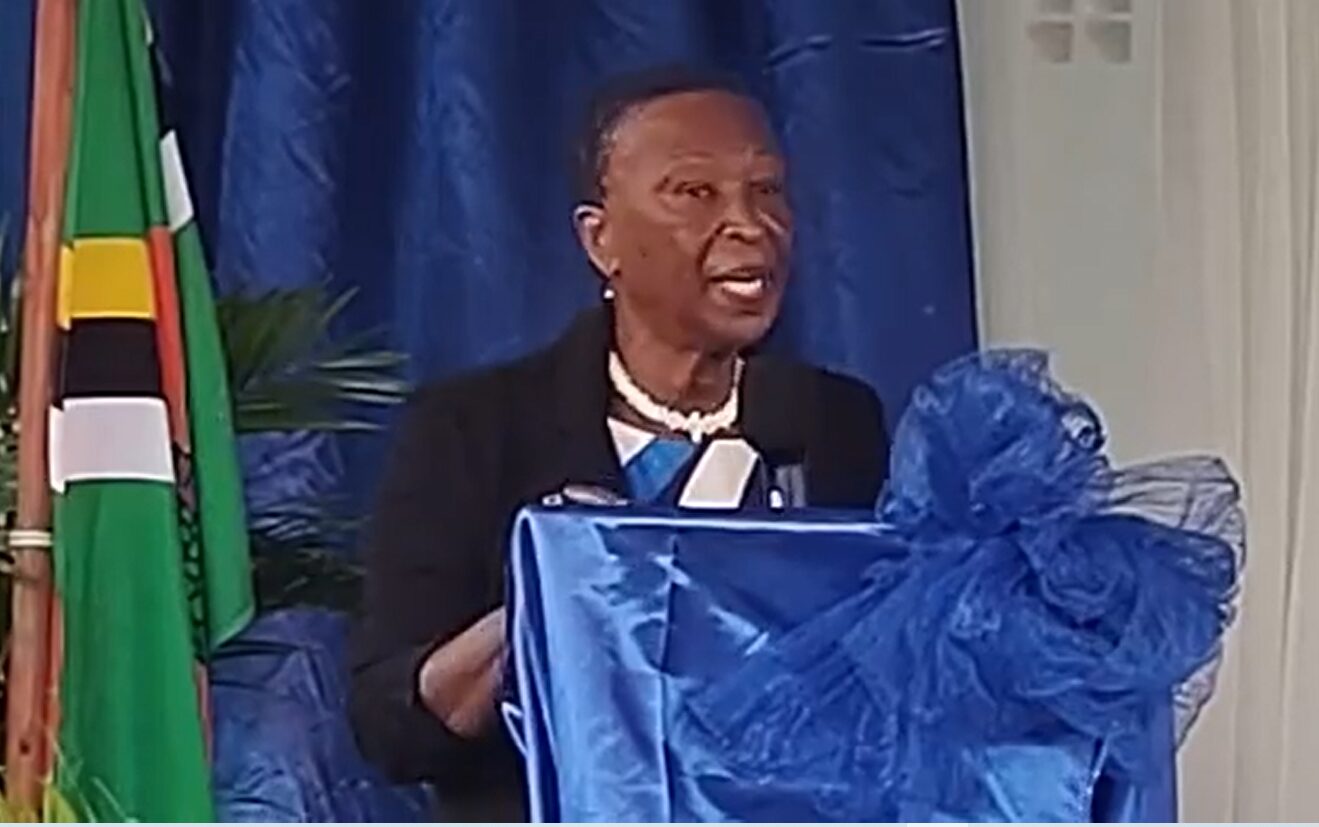
UWP candidate for Castle Bruce Ernie Jno Finn – participate in democracy or risk being governed by your inferiors
At a recent United Workers Party (UWP) press conference, Ernie Jno Finn, the party’s official candidate for the Castle Bruce Constituency, framed her selection as a public recognition of her long-held dedication to advancing community progress, upholding unwavering integrity, and delivering genuine public service.
Opening her remarks with a memorable, crowd-pleasing quote from ancient philosopher Plato — “One of the penalties for refusing to participate in politics is that you end up being governed by your inferiors” — Jno Finn set a reflective yet determined tone for her announcement. She opened up about her rocky 2019 campaign experience, recalling a bittersweet moment when she claimed an overnight election lead that ultimately evaporated the next day. “That victory was stolen from me,” she shared, “but the challenging journey taught me invaluable lessons that will form the foundation of this new campaign chapter.”
Jno Finn expressed clear excitement to return to the electoral race, reaffirming her commitment to serving Castle Bruce constituents with honesty, dedication, and a laser focus on the local issues that impact daily life. She laid out three core pillars for her upcoming campaign: full transparency with voters, inclusive outreach across all community segments, and empowering local residents to shape their own collective future. Central to her policy agenda is rebuilding open lines of communication between constituents and their representative, upgrading local healthcare access, advancing proactive environmental protection, and centering the unmet needs of community members in all decision-making.
The candidate stressed that the Castle Bruce Constituency is grappling with a backlog of critical, long-unresolved issues that demand immediate action. One high-priority project she highlighted is the expansion of Castle Bruce Secondary School, where construction on needed additional classroom space began years ago but has been stalled repeatedly. If elected, Jno Finn pledged to see the long-delayed project through to completion to give students the learning space they desperately need.
She also called out unkept promises from incumbent officials for residents of Petite Soufriere and Good Hope, who were forced to evacuate and promised relocation after damage from a weather trough system. “A sitting minister publicly announced construction would start this past September — that was back in 2025,” Jno Finn pointed out. “To this day, not a single stone has been laid.” She made a firm commitment that if given the opportunity, she will deliver on that relocation promise for the affected families. Jno Finn added that addressing the widespread issue of inadequate housing across the constituency is another non-negotiable priority, noting that all residents deserve safe, stable housing regardless of their political leaning. “A government is elected to serve all people, not just those who supported it,” she emphasized.
-
Geiten als trofeeën
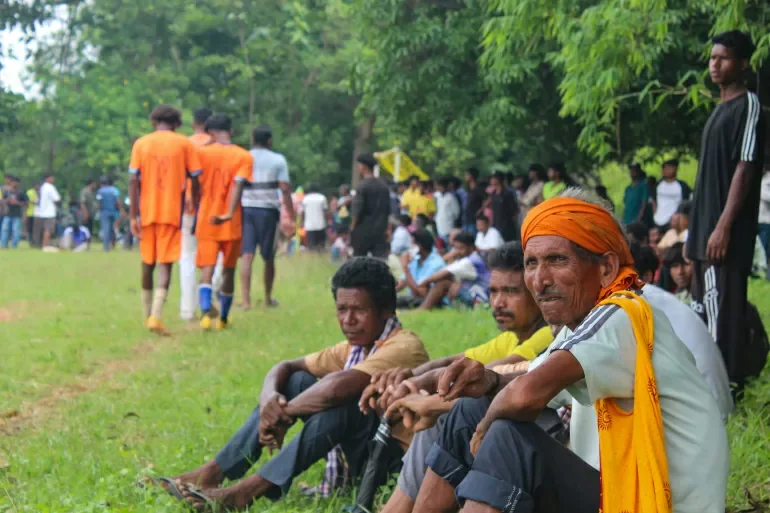
As the world turned its collective attention to Spain’s historic second FIFA World Cup victory this July, a remote tribal village in eastern India has marked the global football frenzy with a one-of-a-kind local tournament that blends global sport with centuries-old indigenous tradition.
Nestled in the tribal-dominated Chaibasa district of Jharkhand state, the village of Tirilbasa played host to the Rangila Star Tirilbasa Tournament, a community-driven football competition that draws teams from across the region to celebrate both the love of the game and the cultural identity of the local Ho tribe, the area’s original inhabitants. Held from July 14 to 17, the tournament welcomed 64 teams from surrounding villages, but what sets it apart from mainstream competitions is its distinctive prize structure: alongside cash awards, winning teams take home live goats, known locally as *khassi*, that hold deep cultural significance for the Ho community.
For the Ho people, khassi are far more than livestock. Beyond their value as a food source, the animals play a central role in traditional tribal ceremonies and community gatherings, making them a meaningful symbol of victory rather than just a practical reward. This year’s champion side, NCS Maudi, claimed the top title, walking away with 15,000 Indian rupees in cash and three goats. Winning teams often slaughter the goats during community feasts to share the joy of victory with the entire village, strengthening social bonds, while some choose to keep the animals as living trophies of their success.
While the tournament adheres to most core FIFA rules, it includes thoughtful local adjustments to fit the needs of rural tribal communities. Squads are limited to nine players per side, at least six of whom must be permanent residents of the team’s home village, and the offside rule is eliminated entirely. These tweaks not only reinforce village solidarity but also create a level playing field that allows young talent from small, marginalized communities to showcase their skills without the barriers of mainstream competitive football.
Beyond the on-pitch action, the four-day tournament serves as a major annual social gathering for the entire region. Thousands of villagers travel to Tirilbasa to cheer on their local teams, sample traditional tribal cuisine, share homemade rice beer, and take part in additional festivities including folk games and community competitions. The event has become a cornerstone of social connection in the sparsely populated district, bringing dispersed tribal communities together around a shared love of sport.
As a state, Jharkhand is one of India’s least economically developed, but it boasts an extraordinarily rich cultural heritage rooted in its large indigenous population. In recent years, the region has quietly emerged as an unexpected hotbed for grassroots football, with community-run tournaments like the Rangila Star Tirilbasa event providing critical platforms for young talent to develop and helping nurture a growing, inclusive local football culture.
Ultimately, the tournament stands as a powerful reminder that football is far more than a global commercial spectacle. While the FIFA World Cup unites billions of fans across the planet, this small tribal tournament in eastern India demonstrates how the love of the game can be deeply woven into local culture and community identity, creating a uniquely joyful, inclusive celebration that honors both global sport and ancient tradition.
-
Specialised wheelchairs changing children’s lives
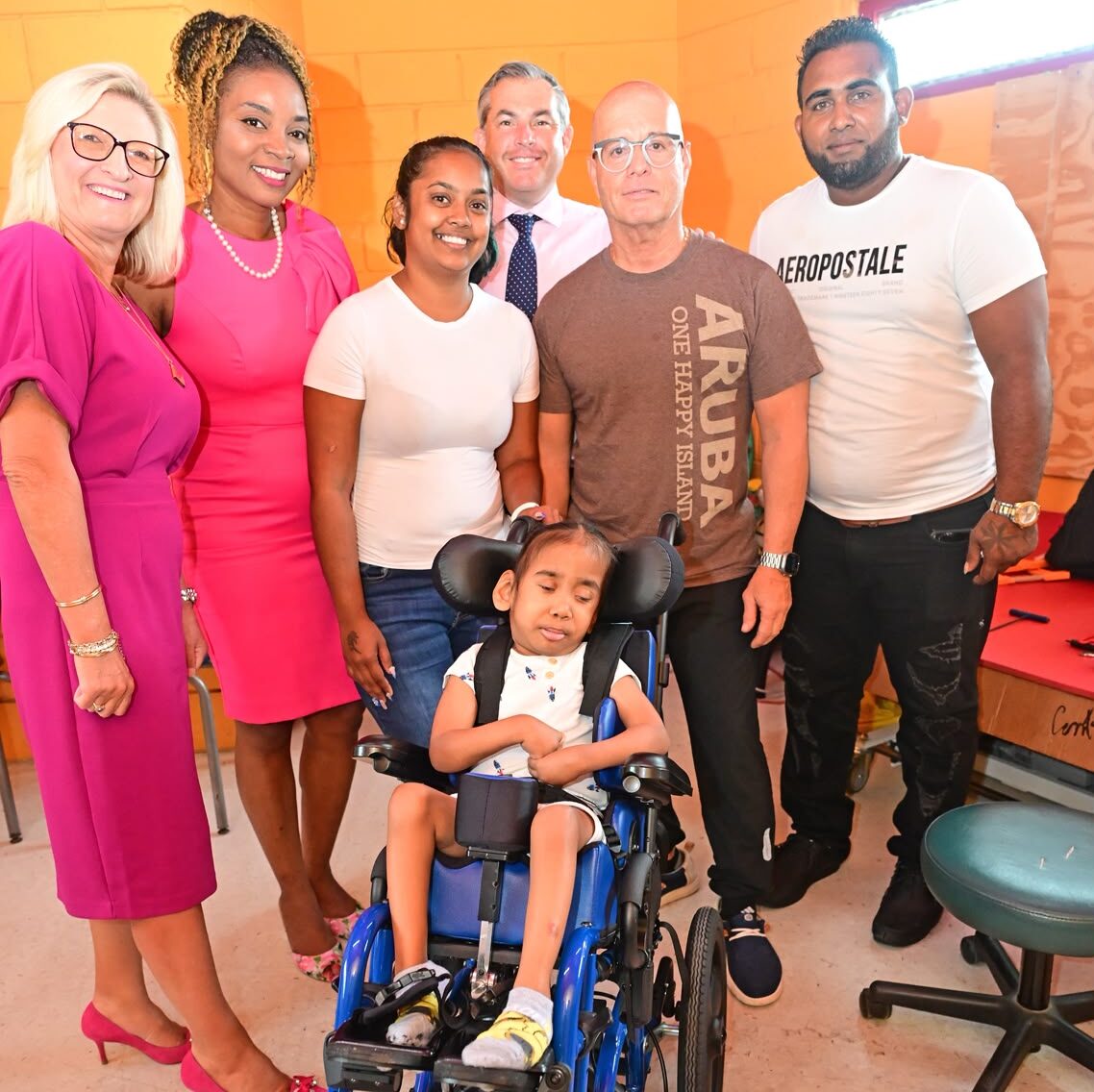
For more than 25 years, a life-changing annual program funded by the Sandy Lane Charitable Trust has been transforming the daily lives of children living with mobility challenges across Barbados, by delivering specially customized wheelchairs that boost comfort, correct posture, and foster greater independent living.
Hosted at the Albert Cecil Graham Development Centre, the annual clinic brings together local Barbadian physiotherapists and experienced wheelchair technicians from Puerto Rico to conduct personalized assessments, retrofit existing devices, and build custom seating and frame configurations tailored to each child’s unique physical needs. What began as a small community initiative in 1998 has grown into a vital support service that removes barriers to education and social inclusion for young people with limited mobility.
Yvonne Wnuck-Ward, a leading physiotherapist at the centre, explained that the custom-designed wheelchairs deliver far more benefits than basic movement support. Beyond enabling independent travel, proper body alignment provided by specialized seating prevents serious long-term health complications that often arise from prolonged incorrect positioning. For children with severe mobility impairments, extended periods of lying down or misalignment can lead to permanent muscle contractures, skeletal deformities, and scoliosis—an abnormal curvature of the spine. Correct alignment also directly improves core bodily functions, including breathing and digestion, that are often disrupted by poor positioning.
Every wheelchair delivered through the program is built around the specific needs of the individual child. The process begins with a referral to the centre’s physiotherapy department, where clinicians evaluate each child to confirm their need for mobility support and identify specific risk factors for secondary health conditions. The high level of customization comes with a significant price tag: advanced models with specialized features can cost up to $8,000 USD, with individual components such as adjustable headrests, custom support straps, and safety seatbelts adding substantially to the total cost. This makes achieving a precise, long-lasting fit a top priority for the clinical team.
To maximize the value and impact of every investment, the wheelchairs are engineered with adjustable components that can be modified as children grow. Frames can be extended, seating can be widened, and support structures can be repositioned to accommodate changes in height and body size as children age. Once a wheelchair is outgrown completely, it is refurbished and reissued to another child in need, extending the lifespan of each device and stretching program funding further.
Unlike many one-time outreach programs, the centre offers ongoing wheelchair support year-round, in addition to the annual specialist clinic. Wnuck-Ward noted that the centre runs weekly wheelchair clinics, serving roughly 30 additional patients annually. Local physiotherapists have received specialized training to handle routine adjustments, repairs, and refitting, meaning only the most complex cases require input from visiting external specialists. Common repairs, from faulty brake systems to broken tilt mechanisms, can be addressed in-house quickly, minimizing disruption to a child’s daily routine. This continuous support ensures that children always have access to well-fitting, functional equipment that supports their quality of life, participation in school, and engagement in community activities.
Pippa Challis, a trustee with the Sandy Lane Charitable Trust, which provides core funding and logistical support for the program, credits the local clinical team for the initiative’s decades-long success. “It’s their passion. They do it day in and day out, and it really is their dedication to these very, very special children that drives this,” Challis said. While the trust secures funding and coordinates the annual specialist visits, the local physiotherapy team works directly with children and families on an ongoing basis, developing deep understanding of each child’s evolving needs and communicating exactly what resources are required to keep the program running effectively.
-

OP-ED: ‘Let’s be objective’ – The most misunderstood phrase in public debate
In the heat of countless public debates, there is a phrase that has become a near-universal conversation ender: “Let’s be objective.” The moment those words leave a speaker’s mouth, a subtle but profound shift occurs. The speaker often straightens their posture, implicitly positioning themselves on higher moral and intellectual ground. Any continued pushback suddenly risks being framed as emotional, ideological, or even anti-scientific. The unspoken message is clear: pure objectivity has arrived, and the argument is effectively over.
But what exactly does this invocation of objectivity actually bring to the table? The term “objective” stands as one of the most rhetorically powerful tools in modern public discourse. It inherently signals neutrality, and promises distance from personal bias, partisan politics, and individual experience. To claim objectivity is to claim that one’s stance reflects unvarnished reality itself, not just one limited perspective on it.
Look closer, however, and a curious contradiction emerges. What most people label objectivity often looks far too similar to unshakable confidence in one’s own personal experiences and unexamined assumptions. This question was first explored decades ago by philosopher and psychologist William James, who probed whether a person can feel fully convinced that an idea aligns perfectly with all their existing knowledge, and still be wrong about its objective truth. It is an uncomfortable inquiry, one that forces us to confront a simple, disquieting fact: the feeling of certainty is not the same as the existence of truth.
This distinction carries particular weight in evidence-reliant fields such as epidemiology, medicine, and public health. These disciplines rightfully center data, statistical inference, and rigorous methodological standards. Their public credibility is built on the promise that knowledge is generated through systematic inquiry, not arbitrary personal opinion.
Yet knowledge never emerges fully formed from laboratories, untouched by human decision-making. Scientists themselves choose which research questions are worth exploring. Funding institutions decide which projects get the resources to move forward. Researchers interpret results through existing theoretical frameworks that shape how evidence is understood and categorized. Even the selection of a specific statistical model rests on underlying assumptions about how the world works.
None of this undermines the reliability of science. In fact, it strengthens it. Science functions precisely because it acknowledges the constant possibility of error. It progresses through criticism, replication of results, and ongoing revision. Every scientific finding is inherently provisional, and every conclusion is open to challenge by newer, better evidence. Put another way, science is powerful not because it promises unwavering certainty, but because it has institutionalized the practice of doubt.
The trouble starts when the language of objectivity is used not as an aspirational methodological goal, but as a tool to shut down intellectual inquiry entirely. This dynamic played out prominently during the global COVID-19 pandemic. Public health communications repeatedly leaned on appeals to “the science,” treating scientific knowledge as a static, finished product rather than an evolving body of work. As new data about the novel virus accumulated, public health guidance shifted and evolved – exactly what should happen when responding to an emerging pathogen.
For many members of the public, however, these shifting recommendations sparked widespread confusion. Policies that had once been presented as unquestionable, objective fact were suddenly updated. What was actually the normal, healthy process of scientific learning appeared to outsiders as inconsistency. The earlier framing of objectivity as absolute certainty turned this necessary evolution into a perceived contradiction that eroded public trust.
The real problem was never that science changed – science always changes, and that is by design. The problem was the misleading narrative we had built around what objectivity actually is. When objectivity is framed as a final destination rather than an ongoing process of inquiry, any revision of conclusions looks like a failure instead of the progress it actually is.
Yet the most robust knowledge systems in human history – from modern scientific inquiry to democratic governance – are built on the core recognition that no single perspective is ever complete. They depend on open disagreement, rigorous public scrutiny, and the constant testing of existing ideas to grow stronger.
True objectivity, it turns out, may not be found in the bold, confident declaration that one holds exclusive claim to the truth. Instead, it lives in the willingness to continually ask whether we might be wrong. This posture is quieter, less dramatic, and far less satisfying in the heat of a heated argument. But it is also the closest we can ever realistically get to the ideal of objectivity we so often invoke.
So the next time someone throws out “let’s be objective” to end a debate, the most honest response is neither to concede the point nor dig in for a fight. It is to ask a better question: are we here searching for truth, or just trying to shut down the conversation?
-
Exchange and Engage with Rootz Herbal
When submitting news content for professional processing and analysis, only social media sharing buttons and an image link were provided, with no actual core news text, context, or event details included. Without the full, substantive content of the original news report, it is impossible to conduct an in-depth review of the event, verify key claims, reconstruct a coherent narrative, or deliver accurate analysis aligned with the required processing standards. This incomplete submission prevents any meaningful journalistic processing or classification of the intended news content. To receive a full, compliant analysis and rewrite, submitters must provide the complete text of the original news article alongside any supplementary materials.
-

UWP candidate for Wesley calls on Dominicans to ‘stand up so we can save this blessed land’
At a candidate nomination rally hosted at the Alliance Française this Thursday, Jean Francois, the United Workers Party (UWP) nominee for Dominica’s Wesley Constituency, delivered a impassioned call to action for all Dominican citizens, urging collective action to protect what he described as the nation’s “blessed land.”
Centering his address on the responsibility of everyday citizens to drive national progress, Francois emphasized that a country’s greatest asset is its population. Without collective, proactive action from the public, he argued, no nation can move forward. Currently, he claimed, Dominica has stalled under the incumbent Dominican Labour Party, which he said has failed to deliver for the Dominican people. “We are stuck under this party. The Dominican Labour Party has failed us,” Francois told the gathering. “It is our responsibility as citizens to stand up. I rise not for my own sake, not for UWP’s sake, but for the sake of all Dominica. That is why every single one of us must mobilize to preserve our nation.”
Francois acknowledged that pushing for meaningful change would not be a quick or easy process, but maintained that clear priorities and aligned collective effort would yield positive results. He pointed to Dominica’s abundant natural advantages — vast fertile soil, abundant freshwater reserves, and inherent agricultural potential — to criticize the incumbent government’s neglect of the agricultural sector, calling the abandonment of core agricultural development “a shame.”
“Unless we return our focus to the soil, our country will never make meaningful progress,” Francois stressed, adding that reviving the agricultural sector is the clearest path forward for sustainable national growth. He framed it as the opposition UWP’s core responsibility to demonstrate the economic and social benefits of agriculture, particularly to younger generations of Dominicans, who will shape the nation’s future.
If given the opportunity to represent the Wesley Constituency, Francois pledged that supporting smallholder and independent farmers would be his top policy priority. “I will prioritize ensuring that farmers have all the resources and support they need to operate independently,” he said. “We want the Dominican people to be self-sufficient. We will build an enabling environment where you can work, grow your own livelihoods, and keep the earnings you deserve in your pocket.”