作者: admin

  • Kerby Young bridges cultures at Swahili Fashion Week

    Kerby Young bridges cultures at Swahili Fashion Week

    Trinidad and Tobago-based designer Kerby Young, originally from Guyana, achieved a remarkable cultural synthesis at Swahili Fashion Week 2025, emerging as a standout advocate for sustainable fashion practices. The prestigious event, celebrating its 18th anniversary this December in Dar Es Salaam, served as a global platform for innovative designers who prioritize environmental consciousness alongside creative expression.

    Young made history last year as the first Caribbean designer featured at this acclaimed fashion gathering. His return in 2025 proved even more impactful with ‘The Journey’ collection—a deeply personal narrative exploring his evolution from Guyanese roots to his established presence in Trinidad and Tobago through his brand, Kerby Young Designs (KYD).

    The collection drew inspiration from Santorini’s iconic color palette, featuring deep Mediterranean blues evoking tranquil waters, crisp whites reminiscent of Grecian architecture, vibrant greens mirroring lush island foliage, and rich reds symbolizing the flowers adorning Santorini’s stone structures. Beyond color, Young incorporated traditional artisan techniques including intricate tie-dyeing, sophisticated fabric manipulation, and collaborative handcrafted crochet elements through partnership with Crochet Peace.

    Each garment became a testament to cultural fusion as models moved to the rhythm of African drums accompanied by the soulful vocals of Ella Andall and the late Devon Matthews’ ‘D Journey’. The finale, set to Square One’s ‘Lala’, transformed the show into an interactive celebration that had the audience clapping along—not merely observing fashion but participating in a story of resilience and self-belief.

    The commercial response was immediate, with half the collection finding new homes in Africa. Young plans to produce additional pieces upon returning to Trinidad, though certain signature designs will remain exclusive to their Tanzanian debut.

    Reflecting on the experience, Young shared: ‘This is one I will carry with me forever. It stands as testament to never abandoning your dreams. I’m profoundly grateful for Tanzania’s warm welcome and the unwavering support from my Caribbean and Guyanese heritage.’

    The growing momentum continues with expanding social media engagement and a successful pop-up shop accompanying his showcase. Swahili Fashion Week’s commitment to sustainability provided the ideal environment for Young’s vision, creating what the designer described as ‘a wonderful bridge of cultures’ that he anticipates crossing again in future collaborations.


  • Everybody does not win with new fireworks rules

    Everybody does not win with new fireworks rules

    A recently enacted amendment to Trinidad and Tobago’s Summary Offences Act has ignited substantial public controversy over its potential societal and environmental consequences. The legislation, which eliminates permit requirements for fireworks usage on 14 designated public holidays, faces sharp criticism for prioritizing commercial interests over community welfare.

    The legislative changes have effectively transferred regulatory control to fireworks importers, creating concerns about unchecked noise pollution and public safety hazards. Critics characterize the constant explosions during holiday periods as “noise terrorism” that disproportionately affects vulnerable populations including elderly citizens, hospital patients, autistic children, and domestic animals.

    The economic implications are equally contentious, with foreign exchange reserves potentially being depleted through increased fireworks imports while generating substantial profits for a limited commercial sector. This development represents a significant policy reversal from previous governmental commitments to address noise pollution concerns nationwide.

    Tragic incidents, including the death of a child during Divali celebrations and numerous cases of traumatized pets, underscore the urgent safety concerns surrounding fireworks proliferation. The legislation provides only minimal protection measures, with just a half-mile buffer zone established around zoos and medical facilities.

    Community advocates are calling for comprehensive reforms that would prioritize public welfare over commercial interests, including potential restrictions on fireworks importation and sales. The government’s assertion that “with UNC everyone wins” faces direct challenge from those demanding greater quality-of-life protections for Trinidad and Tobago’s citizens.

  • Can police really monitor fireworks?

    Can police really monitor fireworks?

    A resident of Monte Grande has issued a compelling public appeal through a letter to the editor, expressing grave concerns regarding newly enacted legislation governing fireworks usage and noise pollution in residential neighborhoods. The author, S Bhagwandeen, poses a series of critical questions challenging the regulatory framework’s effectiveness and enforcement capabilities.

    The correspondence highlights a significant oversight in the legislation, which explicitly prohibits fireworks near hospitals, nursing homes, airports, zoos, animal shelters, and nature reserves while conspicuously omitting residential zones from protected areas. This exclusion raises urgent questions about the safety of vulnerable populations including elderly citizens, infants, and domestic animals who inhabit these communities.

    Further scrutiny is directed toward the enforcement mechanism, with the author questioning whether police departments possess adequate resources and personnel to address violations, particularly regarding prohibited explosive devices like scratch bombs that are frequently thrown near homes. The letter references recent legislation permitting fireworks between 8-9 PM on public holidays, expressing apprehension about its implementation.

    The critique extends to noise pollution from residential gatherings, describing how loud music from house parties causes structural vibrations in nearby homes until early morning hours, particularly affecting vulnerable residents including a recently injured neighbor with fractured ribs and hip. The author questions the practical enforcement capabilities of authorities when elderly and infirm residents require assistance.

    The letter concludes with a poignant rhetorical challenge regarding the beneficiaries of these regulatory gaps, specifically noting the commercial interests of fireworks companies promoting aggressive sales campaigns while enforcement mechanisms remain inadequate.

  • Fireworks hypocrisy

    Fireworks hypocrisy

    A scathing critique has emerged regarding Trinidad and Tobago’s approach to fireworks regulation, accusing authorities of engaging in political theater rather than implementing genuine public safety measures. The criticism, articulated in a letter to Newsday by Gordon Laughlin, highlights fundamental contradictions in current policy enforcement.

    The controversy centers on the apparent disconnect between official rhetoric and practical enforcement capabilities. While government officials publicly discuss imposing curfews on fireworks usage, the police service lacks adequate personnel and vehicles to effectively monitor hillside communities once celebrations commence. Historical patterns indicate that law enforcement typically avoids areas of high tension during festive periods, further undermining the credibility of these proposed measures.

    At the heart of the accusation lies a significant procedural contradiction: Police Commissioner Allister Guevarro personally authorizes permits allowing fireworks to enter the country. This creates a situation where permits are granted through official channels first, followed by subsequent threats of enforcement against citizens who use these legally imported products. The writer characterizes this two-tiered approach as institutionalized double standards rather than legitimate public safety policy.

    The critique suggests that the entire fireworks debate serves as political performance rather than meaningful governance, with officials creating the appearance of action while failing to address practical realities of enforcement. This perspective challenges the authenticity of government commitments to community safety during celebratory events, pointing to systemic failures in policy coordination between permitting and enforcement agencies.

  • Alex Cassidy’s proper love for Trinidad and Tobago

    Alex Cassidy’s proper love for Trinidad and Tobago

    For UK-born content creator Alex Cassidy, what began as a casual documentation of his Tobago home construction project has evolved into a profound cultural mission. The 24-year-old musician, who now divides his time equally between Tobago and the United Kingdom, has unexpectedly become a social media sensation with his heartfelt celebrations of Trinidad and Tobago’s vibrant culture.

    Cassidy’s connection to the twin-island nation runs deeper than typical tourist appreciation. Since age seven, he has been visiting through his Trinidadian stepfather’s family connections, gradually developing what he describes as a ‘gradual awakening’ of affection for the culture. His childhood experiences—from community harvest festivals to roadside interactions where neighbors called him by his local nickname ‘What ah ting’—forged an enduring bond that now informs his content.

    As a professionally trained pianist from England’s Platform One creative college, Cassidy performs both as a classical pianist and steelpan artist at weddings and private events. His musical background unexpectedly converged with content creation in March 2024 when a video showcasing his modest £3,000 Tobago board house captivated audiences. Surprisingly, the viral response came primarily from Trinidadians abroad hungry for cultural connection.

    Cassidy’s content organically expanded to encompass Trinidad and Tobago’s culinary traditions, linguistic quirks, Carnival celebrations, and the art of ‘liming.’ His videos highlight aspects he finds particularly enchanting: the remarkable openness of communities, the practice of cooking communal pots at riversides or beaches, and the distinctive accent he considers ‘one of the world’s most unique blends’ of East Indian, African, and European influences.

    The content creator acknowledges Trinidad and Tobago’s international reputation challenges but emphasizes his personal safety and positive experiences through exercising ‘common sense.’ He believes the nation remains critically underappreciated globally compared to Caribbean neighbors like Barbados or Jamaica, despite being the birthplace of calypso, limbo, and the steelpan.

    With over 136,000 TikTok followers and 91,000 Instagram supporters, Cassidy’s mission has demonstrated tangible impact. He recently met a visitor who chose Tobago specifically based on his videos. While juggling dual-country life, Cassidy ultimately aspires to full-time Tobago residence, joking about his acquired ability to ‘steups,’ appreciation for Puncheon rum, and quest for a Trini wife.

    During this holiday season spent in Tobago, Cassidy extends poignant advice to homesick nationals abroad: embrace traditional celebrations while managing the ‘tabanca’ of missing paradise. His content ultimately seeks to capture the profound warmth and hospitality that, as he experienced when a roti shop owner invited him to learn buss-up-shut preparation, transcends ordinary cultural exchange.

  • Giskar Multi-Purpose Indoor Sports Facility transforms athlete development

    Giskar Multi-Purpose Indoor Sports Facility transforms athlete development

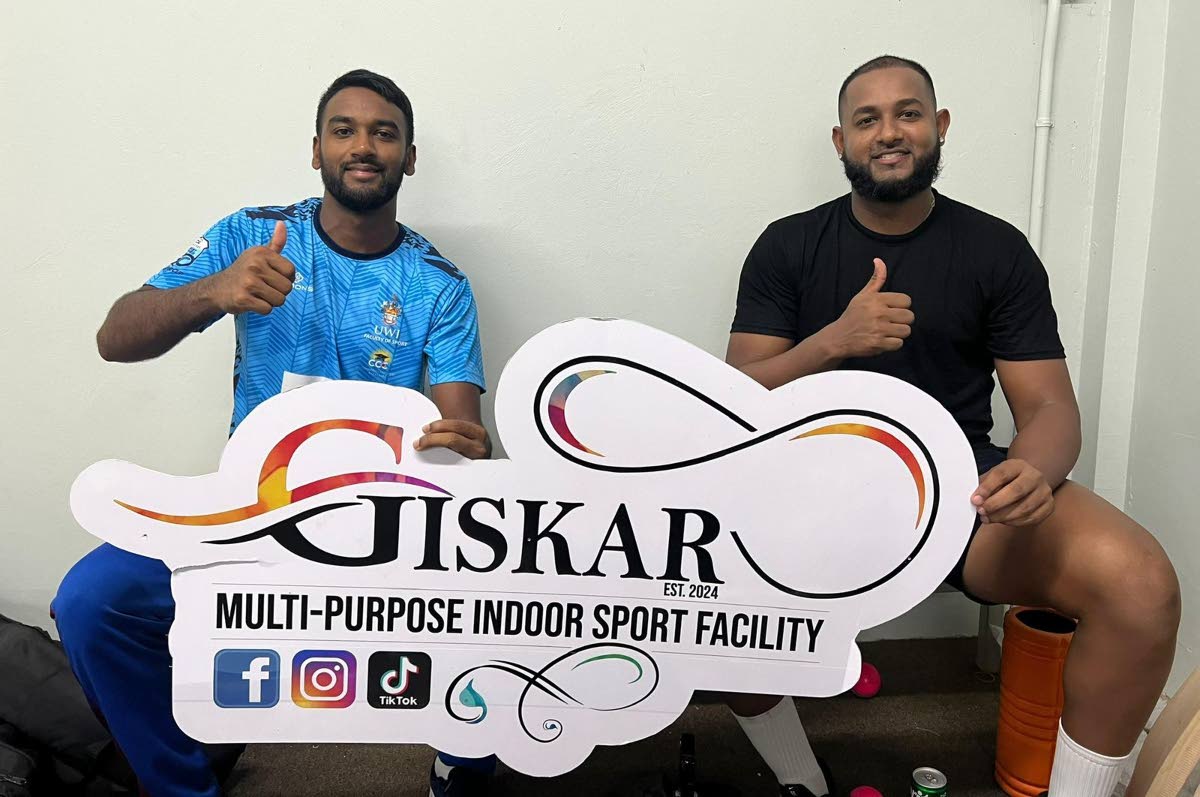
    In less than two years since its February 2024 inauguration, the Giskar Multi-Purpose Indoor Sports Facility has established itself as a transformative sporting institution in southern Trinidad. This world-class indoor complex located in Boodoo Trace, Debe has successfully addressed longstanding infrastructure deficiencies that previously hindered athletic development in the region.

    The facility represents a significant advancement for cricket training in Trinidad and Tobago, featuring three full-length indoor practice lanes equipped with state-of-the-art bowling machines, specialized lighting systems, and integrated video analysis technology. This controlled environment enables year-round training unaffected by weather conditions, providing both emerging talents and established national cricketers with previously unavailable technical refinement opportunities.

    Under the leadership of owner and director Keshava Ramphal—a High Performance Level 3 cricket coach and performance analyst with Cricket West Indies—the facility combines elite-level expertise with grassroots development initiatives. Ramphal’s current involvement with West Indies Under-19, West Indies A Team, and West Indies Academy programs brings professional standards to the facility’s operations.

    The complex extends beyond cricket training to include a comprehensively equipped gym designed for sport-specific conditioning, strength development, and injury prevention. A dedicated health and recovery zone offers therapy services, ice baths, and structured wellness programs, addressing what facility manager Satesh Persaud describes as “an essential but often overlooked component of long-term athlete development.”

    Giskar’s reputation has attracted numerous top-tier cricketers including Evin Lewis, Denesh Ramdin, Jason Mohammed, and national youth players Mbeki Joseph and Ryan Bandoo. During the recent CG United Super50 Cup, both Trinidad and Tobago Red Force and Leeward Islands Hurricanes utilized the facility for match preparations.

    Co-owner Shirley Ann Ramphal, holding a Master’s degree in biodiversity and conservation, has expanded the facility’s role to include corporate functions, fitness classes, and community wellness initiatives. The venue now serves as a hub for surrounding clubs and schools including Victoria Sports Club, Woodland Sports Club, and Presentation College San Fernando.

    Testimonials from athletes highlight the facility’s impact. West Indies Academy player Steffi Soogrim, currently recovering from injury, noted the convenience of having world-class training infrastructure in southern Trinidad. Emerging all-rounder Ryan Bandoo, despite traveling from Couva, emphasized how the batting machines and specialized equipment have accelerated his development.

    With plans to launch a sporting goods store by year’s end and increasing regional demand, Giskar Sports is positioning itself as the Southern Caribbean’s flagship venue for comprehensive athlete development and community engagement.

  • Football, fit players and bush-baths: Indy Premier’s winning trip to Trinidad

    Football, fit players and bush-baths: Indy Premier’s winning trip to Trinidad

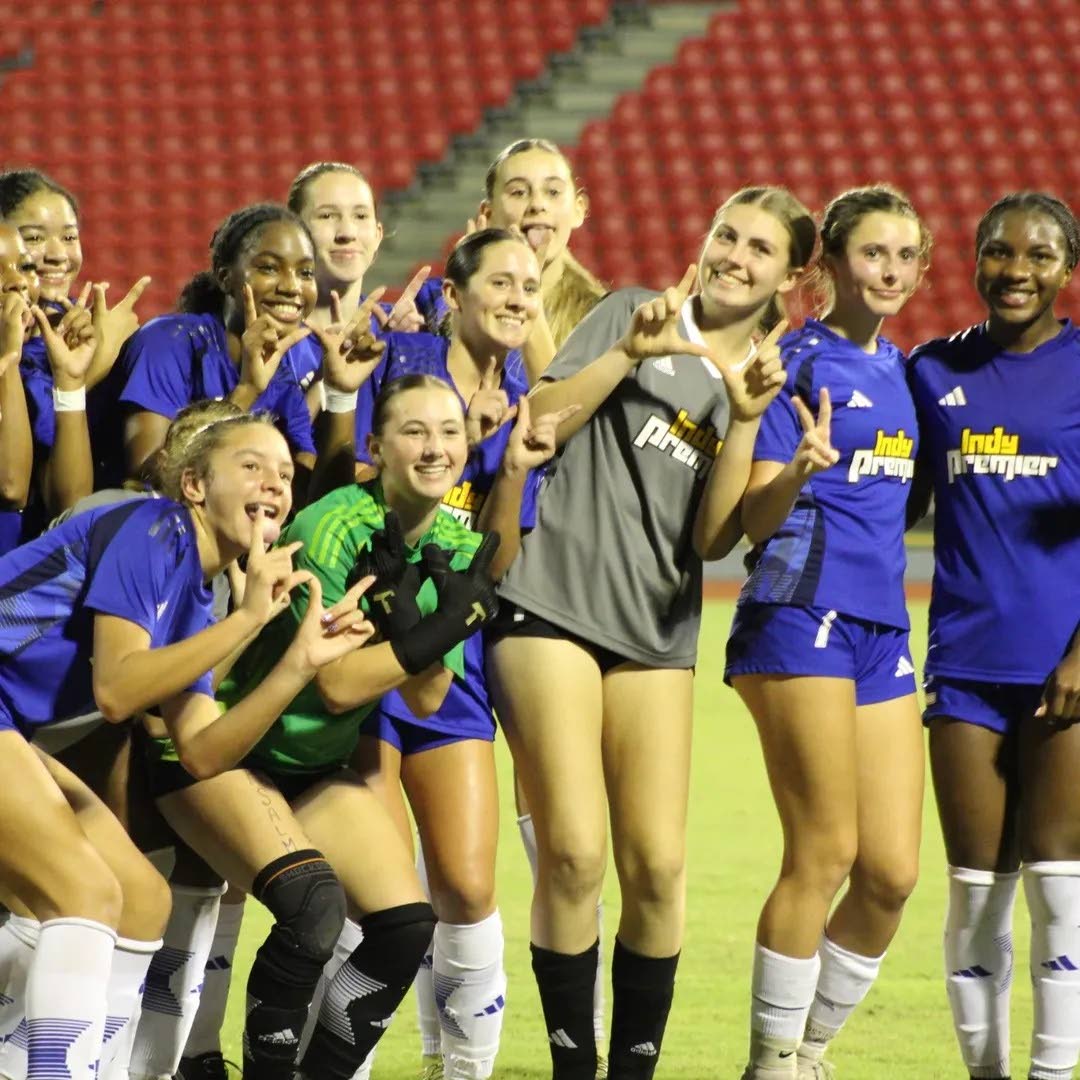
    Indianapolis-based football academy Indy Premier SC achieved a spectacular double triumph at the Jewels of the Caribbean invitational tournament in Trinidad, showcasing a revolutionary approach to player development that prioritizes cognitive skills over traditional positional coaching.

    The academy’s Under-17 squad delivered a breathtaking performance, securing victory in all matches while scoring 20 goals and maintaining a perfect defensive record without conceding any. Their Under-20 team mirrored this success, netting 12 goals while allowing only two across four matches to complete the championship sweep.

    Trinidad-born head coach Kenrick Ramirez, who leads the program alongside Indiana Coaching Hall of Fame inductee Russell Gee and U20 defender Aubrey Robertson, attributes their success to a philosophy that emphasizes game intelligence, decision-making, and positional fluidity over rigid tactical systems. “We don’t teach positions,” Ramirez explained. “When you teach positions, decision-making becomes an issue. We have players who excel in multiple roles because they understand the game fundamentally.”

    The academy’s preparation involved sophisticated data-driven analysis and GPS monitoring to manage player workload throughout the seven-day tournament. Despite rotating squad members constantly to maintain fitness levels, the team’s performance remained consistently dominant, including decisive victories against Trinidad and Tobago’s national team (4-0) and Jamaica’s national squad (5-0 and 3-0).

    Ramirez’s strategic focus centered on three critical aspects: decision-making in the attacking third, transition to attack, and transition to defense. “We implemented an aggressive forward-passing game,” he noted. “When possession was lost, we immediately pressed because we identified defensive transition as a vulnerability in our opponents.”

    Beyond the tactical achievements, the academy overcame significant logistical challenges, arriving in Trinidad with only 11 Under-20 players and supplementing their roster with U-17 athletes. Ramirez praised the Trinidad and Tobago Football Association for their exceptional organization and hospitality, which helped mitigate these complications.

    The cultural experience formed an integral part of the journey, with players enjoying traditional ‘bake-and-shark’ at Maracas Beach and observing local league matches. The trip even included humorous superstitions, as two players took extended “bush-baths” after learning about the practice for eliminating bad luck—both subsequently broke scoring droughts and earned tournament honors.

    Ramirez’s coaching journey emerged from personal adversity after a serious accident ended his promising playing career. His relocation to Columbus, Indiana, revealed the untapped potential for structured football development in a basketball-dominated region. At just 26, he became Indiana’s youngest club director and has since developed a proven framework that produces scholarship athletes and national team players.

    Now as sporting director at Indy Premier, Ramirez oversees a nonprofit organization that has experienced substantial growth through unified leadership and a clear developmental vision. His ultimate measure of success extends beyond trophies: “We aim to develop responsible, well-rounded human beings who become good stewards of society. Winning naturally follows proper development.”

  • TTCB secures new youth sponsorships for 2026 push

    TTCB secures new youth sponsorships for 2026 push

    The Trinidad and Tobago Cricket Board (TTCB) has successfully secured renewed sponsorship for its youth development programs heading into 2026, marking a significant recovery from the complete loss of youth tournament funding experienced in 2024. This announcement was made by TTCB President Azim Bassarath during the board’s annual end-of-year luncheon at the National Cricket Centre in Couva on December 17.

    The sponsorship package will comprehensively cover the Under-13 and Under-15 inter-zone tournaments, North/South Classics, along with four-team competitions at both Under-17 and Under-19 levels. Bassarath characterized this development as a strong vote of confidence in the organization’s restructured governance and enhanced focus on grassroots cricket development.

    This financial backing arrives as the TTCB intensifies its youth cricket initiatives following a challenging period in early 2024. The previous sponsorship withdrawal stemmed from administrative disputes involving former treasurer Kiswah Chaitoo and a police investigation into financial mismanagement by another ex-employee. Despite these setbacks, the board successfully completed all inter-zone tournaments throughout 2025, culminating in Trinidad and Tobago’s championship victory in the West Indies Rising Stars Under-17 50-over tournament hosted domestically.

    Notable among 2025’s achievements was the innovative Under-23 Cup, which strategically featured an Under-19 team competing against older opponents to accelerate player development through exposure to advanced physical, mental, and tactical challenges. The board also completed level one coaching certification programs across most zones, with plans to extend coverage to remaining areas.

    The 2026 competition calendar will commence with the Under-15 inter-zone tournament on January 28, followed by Under-19 competitions starting February 20. The Under-17 tournament begins April 1, with Under-13 matches commencing April 23. Significantly, the TTCB has committed to maintaining its local Under-17 tournament despite the absence of regional competition at this level, emphasizing the importance of continuous development for this age group.

    Beyond competitive events, the TTCB will collaborate with SporTT to conduct club development seminars nationwide, focusing on governance, administration, and organizational sustainability. Additionally, a coaching caravan will visit underserved communities including Toco, Blanchisseuse, Mayaro and Point Fortin, targeting both male and female players under 20 years old.

    TTCB General Secretary Henry Chase affirmed that the sponsorship return indicates restored confidence in the board’s leadership after what he described as a ‘turbulent 2025’ period.

  • Police get 12 vehicles for Christmas

    Police get 12 vehicles for Christmas

    The Trinidad and Tobago Police Service (TTPS) has significantly enhanced its operational capacity with the acquisition of 12 fully restored police vehicles, marking the culmination of a rapid fleet rehabilitation initiative that has delivered 52 vehicles within a mere three-week timeframe.

    This strategic infrastructure enhancement occurred on December 24 through collaboration between government ministries and the Vehicle Management Corporation (VMCOTT). The ceremony represented the fulfillment of Prime Minister Kamla Persad-Bissessar’s directive to strengthen law enforcement capabilities, particularly ahead of the Christmas season when security demands typically escalate.

    Homeland Security Minister Roger Alexander publicly commended VMCOTT and associated stakeholders for their exceptional expediency in returning previously decommissioned vehicles to active duty. “These vehicles, some of which had been out of service for several months to a couple of years, have now been returned to full operational readiness,” confirmed an official TTPS release.

    The government statement emphasized its unwavering commitment to national security, declaring: “The government reaffirms its commitment to equipping the police with practical and reliable resources to strengthen national security and enhance public safety. Promise made, promise kept.”

    The handover ceremony attracted high-ranking officials including Transport and Civil Aviation Minister Eli Zakour, Deputy Commissioner of Police Junior Benjamin, VMCOTT chairman Amrall Mohammed, acting CEO Brian Aliendre, alongside additional board members and corporate executives from the state-owned vehicle management entity.

    This development follows a previous vehicle transfer ceremony held on December 12 at the Diplomatic Centre in St. Ann’s, which was personally attended by Prime Minister Persad-Bissessar, underscoring the administration’s prioritization of law enforcement infrastructure modernization.

  • Archbishop Gordon: Trinidad and Tobago will see the light

    Archbishop Gordon: Trinidad and Tobago will see the light

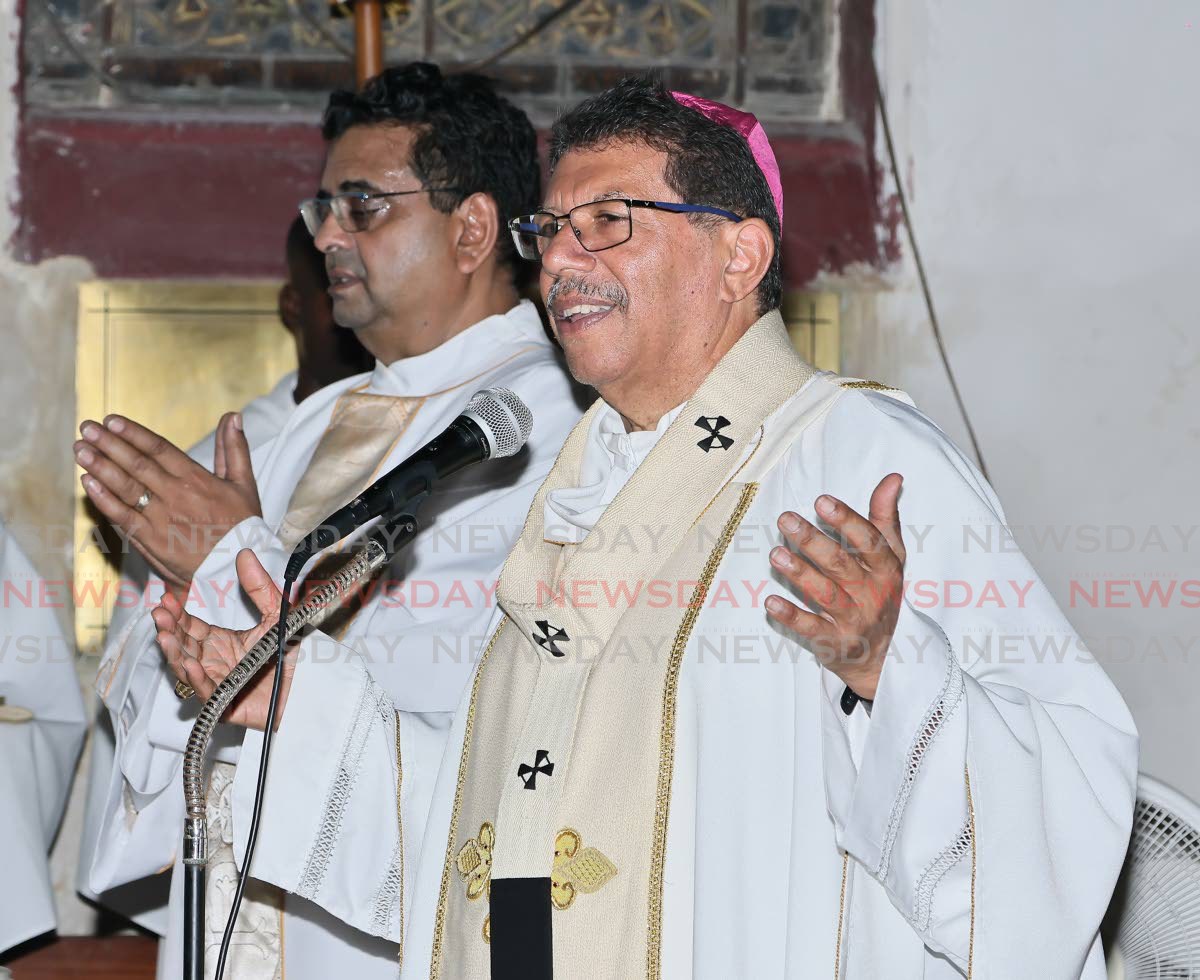
    In a nation grappling with profound economic distress and geopolitical uncertainty, Archbishop Charles Jason Gordon delivered a powerful Christmas message of hope during Mass at Sacred Heart RC Church in Port of Spain. The spiritual leader acknowledged the unprecedented challenges facing Trinidad and Tobago this holiday season, citing widespread food insecurity and national anxiety as defining features of this traditionally joyous period.

    Economic realities have cast a long shadow over celebrations, with parliamentary representatives reporting thousands of desperate requests for food hampers and assistance cards from constituents across eastern Trinidad regions including Arima, Sangre Grande, and Tunapuna. Charitable organizations faced overwhelming demand, with the Salvation Army distributing approximately 1,000 hampers in mid-December while acknowledging their capacity fell far short of actual need.

    Compounding these domestic concerns, Archbishop Gordon addressed the geopolitical tensions reshaping Trinidad’s regional position. Recent months have witnessed significant US military engagement in the southern Caribbean, including the October arrival of the USS Gravely destroyer, November visits by Joint Chiefs Chairman General Dan Caine, military drills with US Marines, and the installation of advanced radar systems in Tobago. These developments have placed the nation at the center of international media attention, with Gordon noting the unusual experience of seeing Trinidad featured prominently on global news networks.

    The Archbishop referenced Prime Minister Kamla Persad-Bissessar’s November statement supporting US military action against narco traffickers, which alongside the reported elimination of over 100 alleged traffickers off Venezuela’s coast, has positioned Trinidad among Caribbean nations backing US military initiatives. This new reality has generated genuine fear among citizens accustomed to observing international conflicts from a distance.

    Despite acknowledging the isolation affecting both youth and elderly populations, Gordon maintained an unwavering message of hope, drawing from biblical teachings about light overcoming darkness. He encouraged those experiencing joy to cherish it, while offering comfort to those feeling anxious or afraid by emphasizing the transformative power of hope in challenging times.