作者: admin

  • Bouwbeurs 2026 start met blik op toerisme en groeiende vraag naar accommodatie

    Bouwbeurs 2026 start met blik op toerisme en groeiende vraag naar accommodatie

    Suriname’s President Jennifer Simons officially inaugurated the 13th edition of the Bouw-, Woon- & Huishoudbeurs, the country’s leading construction, housing and household trade fair, on Friday. This year’s event, hosted at the Live Entertainment Center, centers the rapidly growing tourism sector, aligning with national development priorities that have placed tourism at the core of Suriname’s economic expansion strategy.

    Against a backdrop of rising international attention to Suriname as a travel and investment destination, demand for high-quality visitor and residential accommodation has surged. Speaking at the opening ceremony, President Simons emphasized that the Suriname government identifies tourism as a key strategic pillar for long-term national development. To address the growing gap in quality housing and accommodation, the administration has finalized a national housing plan that will be submitted to the National Assembly for review in the near term, she confirmed.

    Event organizers note the trade fair has evolved far beyond its original scope to become a critical regional platform for industry innovation and cross-sector collaboration. Two major economic shifts have driven the rising demand for accommodation across Suriname: the emergence of the country’s new oil and gas sector, which has drawn a wave of foreign workers and investment, and the consistent growth of international tourism. In response to these trends, tourism industry organizations have been given a prominent, dedicated space on this year’s trade fair floor, a first in the event’s history.

    The five-day event brings together three key stakeholder groups: national and local government bodies, private sector construction and hospitality entrepreneurs, and consumers seeking new housing options. Attendees have access to comprehensive displays outlining the latest developments in construction technology, sustainable housing design, tourism accommodation infrastructure, and household innovation, creating opportunities for networking, partnership building, and market expansion across interconnected sectors.

  • Multilateral Seminars for May: People’s Republic of China

    Multilateral Seminars for May: People’s Republic of China

    A comprehensive official schedule of international seminars and training programs scheduled for May and June 2026, targeted at partner countries participating in the Belt and Road Initiative (BRI) and developing nations across the Global South, has been publicly released. The planned activities cover a wide range of priority sectors aligned with global development goals, reflecting China’s ongoing commitment to South-South cooperation and capacity building for emerging economies.

    ### Overview of Scheduled Activities
    In total, more than 190 events are split between the two months, with 80 seminars and training courses confirmed for the first batch in May, plus an additional 119 events planned for June. Most of the activities will be hosted in Beijing, the national capital, with other host cities spread across 30+ Chinese provinces and municipalities, including Chengdu, Shanghai, Hangzhou, Guangzhou, and Nanjing, allowing international participants to experience different regional development landscapes across China.

    ### Key Sector Focus Areas
    The programs are designed to address the most pressing development needs of developing countries, with clear thematic clusters shaping the schedule:
    1. **Green Development and Climate Action**: A large share of events focus on low-carbon energy transition, carbon peaking and neutrality planning, renewable energy development, climate change adaptation, biodiversity conservation, and green finance. Examples include the Seminar on Implementing the 2030 Agenda for Sustainable Development in Developing Countries — Clean Energy Topic (May 13-26, Beijing) and the Seminar on Experience Sharing of Addressing Climate Change for Developing Countries (June 18-July 1, Beijing).
    2. **Economic and Trade Cooperation**: Multiple programs center on strengthening BRI economic ties, tax cooperation, trade facilitation, industrial park construction, and financial cooperation. Key events include the opening Seminar on Strengthening Economic and Trade Cooperation Between Belt and Road Countries and the Core Area of the Silk Road Economic Belt (May 7-16, Beijing) and the Seminar on Digital and Green International Economic and Trade Cooperation (May 28-June 8, Beijing).
    3. **Public Health and Medical Technology**: A range of training programs and seminars will share China’s advances in medical care, including ultrasound and medical imaging technology, malaria prevention and treatment with artemisinin, intensive care techniques, and traditional Chinese medicine. Standout events include the 21-day Training Course on Ultrasound and Medical Imaging Technology for Developing Countries (May 12-June 1, Beijing) and the Seminar on the Application of Artemisinin in Malaria Prevention and Treatment for Developing Countries (May 20-June 2, Beijing).
    4. **Digital Transformation and Technology Innovation**: Events covering artificial intelligence capacity building, cybersecurity, 5G and navigation technology, and digital economy development have been included to support developing countries in closing the digital divide. Notable programs are the Seminar on AI Capacity Building for Women from Belt and Road Countries (May 21-June 3, Beijing) and the Seminar on Developing Artificial Intelligence for Developing Countries (June 4-17, Nanjing).
    5. **Agricultural Development**: Multiple training programs focus on improving agricultural productivity and sustainability across developing nations, covering tropical crop pest control, grain processing technology, edible mushroom cultivation, and hybrid maize technology. These include the Training Course on New Technology of Tropical Agriculture for Developing Countries (May 20-June 8, Haikou) and the Seminar on Integrated Hybrid Maize Technology under the Global Development Initiative (June 11-July 8, Changsha).
    6. **Women’s Empowerment and Youth Development**: A dedicated series of programs address inclusive development, with targeted seminars for women entrepreneurs, female officials, youth leaders, and women’s capacity building in tech and governance. Examples include the Seminar for Youth Leaders of the Belt and Road Countries (May 19-June 1, Beijing) and the Ministerial Workshop on New Media Capacity Building for Women from Belt and Road Countries (June 24-July 3, Beijing).

    All events are structured as capacity building initiatives, combining knowledge sharing, technical training, and experience exchange to support developing countries in advancing their sustainable development goals. The schedule confirms that most programs run between one and four weeks, with longer specialized training courses extending up to five weeks for technical skill development.

  • LETTER: UPP’s “ChatGPT Manifesto” Would Mean Higher Taxes, Lost Jobs, a Mountain of Debt & Economic Uncertainty

    LETTER: UPP’s “ChatGPT Manifesto” Would Mean Higher Taxes, Lost Jobs, a Mountain of Debt & Economic Uncertainty

    The recent launch of the United Progressive Party (UPP)’s election manifesto has drawn sharp criticism from political opponents, who argue the document is not just underwhelming in its ambition, but carries deeply concerning financial risks for the national economy if the party takes power.

    At the heart of the backlash are two of the party’s flagship campaign pledges: a multi-billion-dollar entertainment and sports complex, and sweeping across-the-board pay increases for public sector workers. Critics dismiss the infrastructure project as a fanciful, fairy-tale proposal that would place an unprecedented strain on public coffers both during construction and for decades of ongoing maintenance, while the promised pay hikes are labeled as fiscally irresponsible, carrying an multi-billion-dollar price tag that the party has failed to account for in its public proposals.

    Critics have broken down the only three possible pathways the UPP could use to fund these expensive campaign promises, each of which carries serious negative consequences for ordinary citizens and long-term national growth. The first option would be broad-based tax increases: the party could choose to hike the existing General Sales Tax (here referenced as ABST), reinstate a abolished personal income tax, and raise fees on vehicle purchases and imported goods, passing the entire cost of the party’s pledges directly onto consumers and working households.

    The second alternative would be deep, damaging cuts to core public services and benefits. To free up funding for their new priorities, the UPP could be forced to lay off thousands of public sector workers, slash pension payments for retirees, cut unemployment support for out-of-work citizens, and pause critical public investments including road infrastructure construction and the development of new affordable housing.

    The third and final option would be to finance the promises through massive new government borrowing. While this would delay the immediate pain of tax hikes or cuts, critics warn that a growing national debt would siphon off an ever-larger share of annual tax revenue away from core public services and future national investment, leaving a legacy of financial hardship for future generations.

    In closing, critics have dismissed the UPP’s platform as a slapdash, unplanned document they have labeled the “ChatGPT Manifesto”, arguing it is more than just a campaign joke. The unworkable, underfunded proposals, they claim, prove the UPP is not a serious contender for government and does not represent a responsible choice for voters in the upcoming election.

  • Motivatiedag in Para moet examenleerlingen extra boost geven

    Motivatiedag in Para moet examenleerlingen extra boost geven

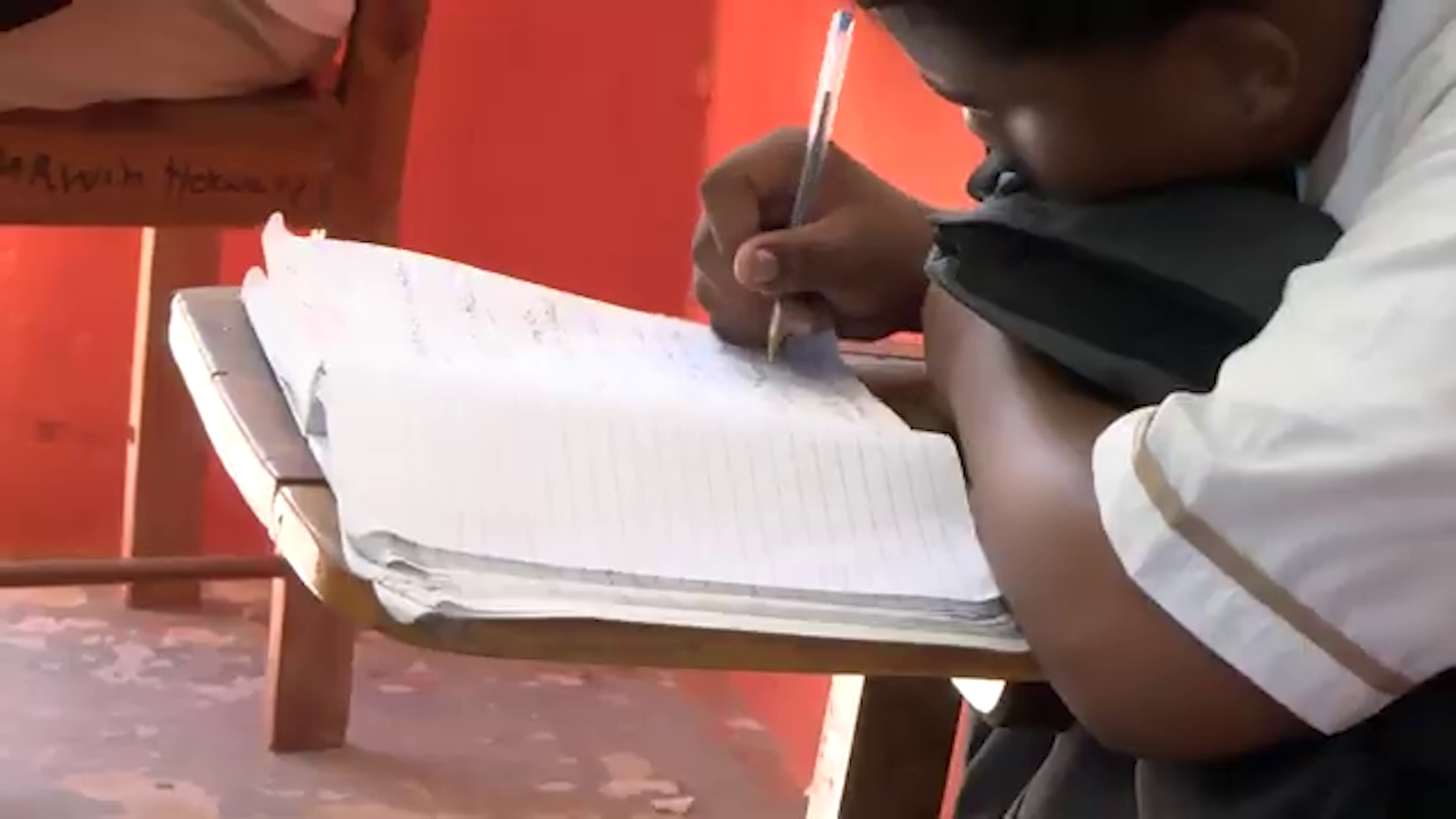
    On a recent Friday, the Para chapter of Lions Club, a global community service organization, organized a dedicated motivation day to support final-year secondary students from across the Para district’s VOJ secondary school network, ahead of their upcoming graduation exams. The full-day event was hosted at the assembly hall of the Emiel Briel Stadium in Lelydorp, a city in northern Suriname, and built on the success of the initiative’s first launch during the 2024/2025 academic year.

    Roughly 130 students from three local secondary schools — Mulo Onverwacht, Mulo Onverdacht, and Mulo Paranam — participated in the 2026 event. Organizers provided free bus transportation to and from the venue for all attending students, removing logistical barriers for young people looking to take part. The core of the day was an intensive, hands-on and interactive training session led by Michael Watson, a representative from the Surinamese education non-profit Stichting KIME. During the session, students learned practical, actionable strategies to strengthen their exam preparation, including how to set clear academic goals, adopt time-efficient study methods, build a consistent, personalized study schedule, and manage stress ahead of high-stakes testing.

    In remarks to participants and organizers, Lions Club Para president Melvin Mackintosh explained that the motivation day is part of the organization’s long-standing commitment to expanding educational opportunity for students in the Para district. For nearly 20 years, the club has run a separate school recognition program that honors the highest-achieving graduating students from both VOJ and LBO secondary schools across the region. Mackintosh noted that students in rural and suburban districts like Para often face structural barriers and fewer access to academic support resources than their peers in more urbanized areas, making community-led initiatives like this particularly important.

    “This event is meant to give students that extra push they need to not only pass their exams, but to rise and rank among the top performers in their cohort,” Mackintosh said. While all Mulo secondary schools in the Para district received invitations to the 2026 motivation day, two schools were unable to attend due to scheduling conflicts with their scheduled mid-term (SO) assessment period. Organizers have already noted that they plan to continue the annual initiative in coming academic years, to expand support for more pre-exam students across the district.

  • Antigua and Barbuda joins in celebrating inaugural International SIDS Day

    Antigua and Barbuda joins in celebrating inaugural International SIDS Day

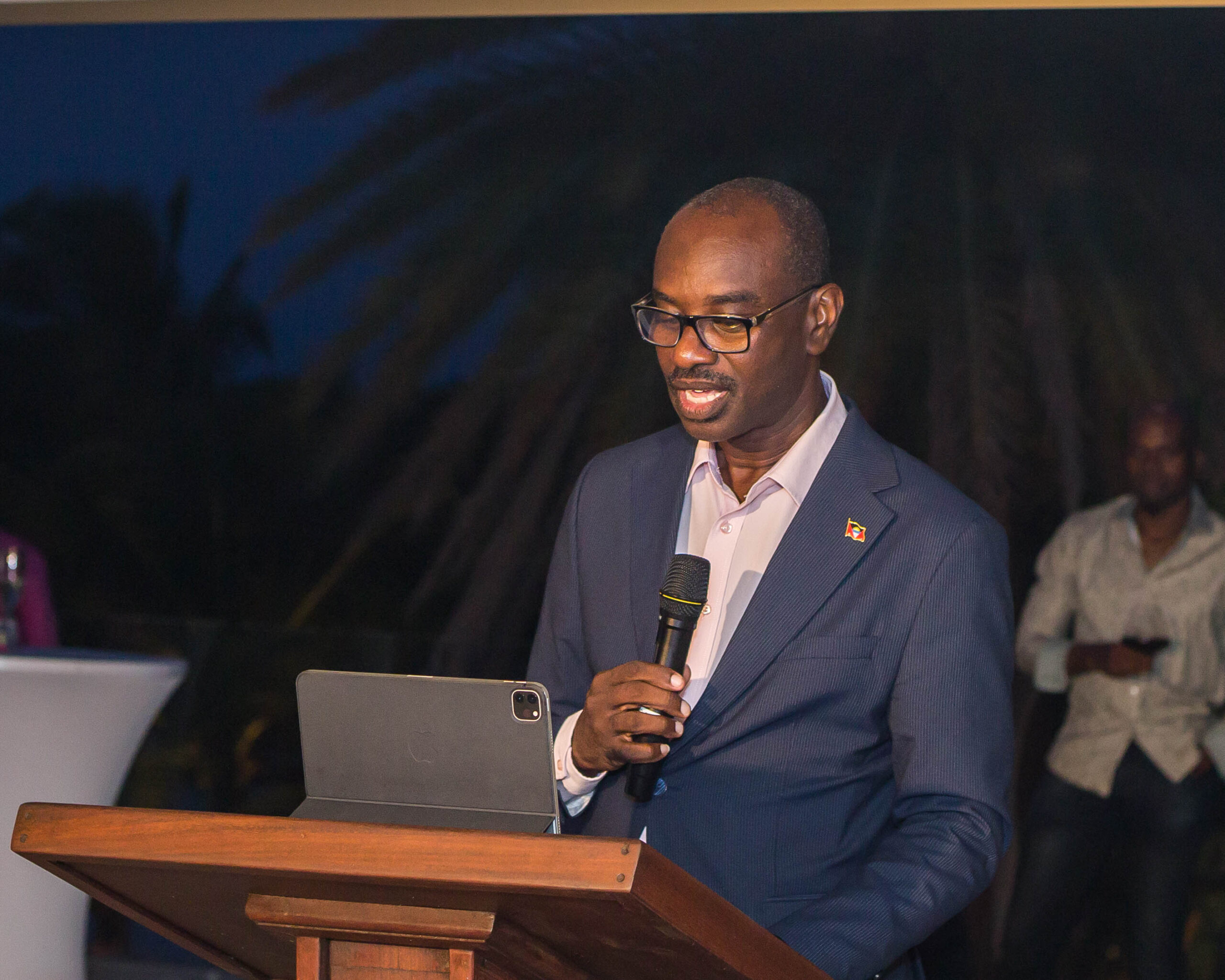
    In a landmark gathering at United Nations Headquarters in New York, Antigua and Barbuda stood alongside fellow Small Island Developing States (SIDS) this week to mark the launch of the first-ever International SIDS Day, a momentous occasion designed to elevate the global profile of small island nations. The celebratory event, held one day ahead of the official inaugural observance of the international day, brought together representatives from SIDS across the globe to highlight the unique strengths and pressing challenges that define these nations. Backed by organizational support from the United Nations Educational, Scientific and Cultural Organization (UNESCO), the gathering served a dual purpose: to celebrate the deep, diverse cultural roots that are the hallmark of many small island states, and to reaffirm the global community’s collective commitment to advancing inclusive, long-term sustainable economic development across SIDS. For Antigua and Barbuda, as for many small island nations, the urgency of this agenda is amplified by the growing threat of climate change. SIDS have consistently shouldered a far heavier share of climate impacts than most larger, more industrialized nations, despite contributing a negligible fraction of global greenhouse gas emissions. This event offered a critical platform to refocus global attention on this inequity and drive forward targeted action to support SIDS’ resilience-building efforts. Officials from Antigua and Barbuda extended special public recognition to the team from the nation’s Permanent Mission to the United Nations, whose meticulous planning and on-the-ground leadership made the country’s vibrant participation in the event possible. Honored for their work were Counsellor Glentis Thomas, First Secretary Asha Challenger, Second Secretary Dr. Jerri-anne Jeremy, and Attaché and Executive Assistant Jackley Peters. Additional recognition went to the New York office of the Antigua and Barbuda Tourism Authority, whose partnership helped infuse the event with the distinctive cultural energy and vibrancy that the Caribbean nation is known for. The launch of International SIDS Day marks a historic step forward in granting small island developing states a more prominent, formal voice in global governance and development conversations, with participants framing the inaugural observance as a starting point for ongoing collective action.

  • LETTER: Are Caribbean Schools Enforcing Slavery-Era Hair Standards?

    LETTER: Are Caribbean Schools Enforcing Slavery-Era Hair Standards?

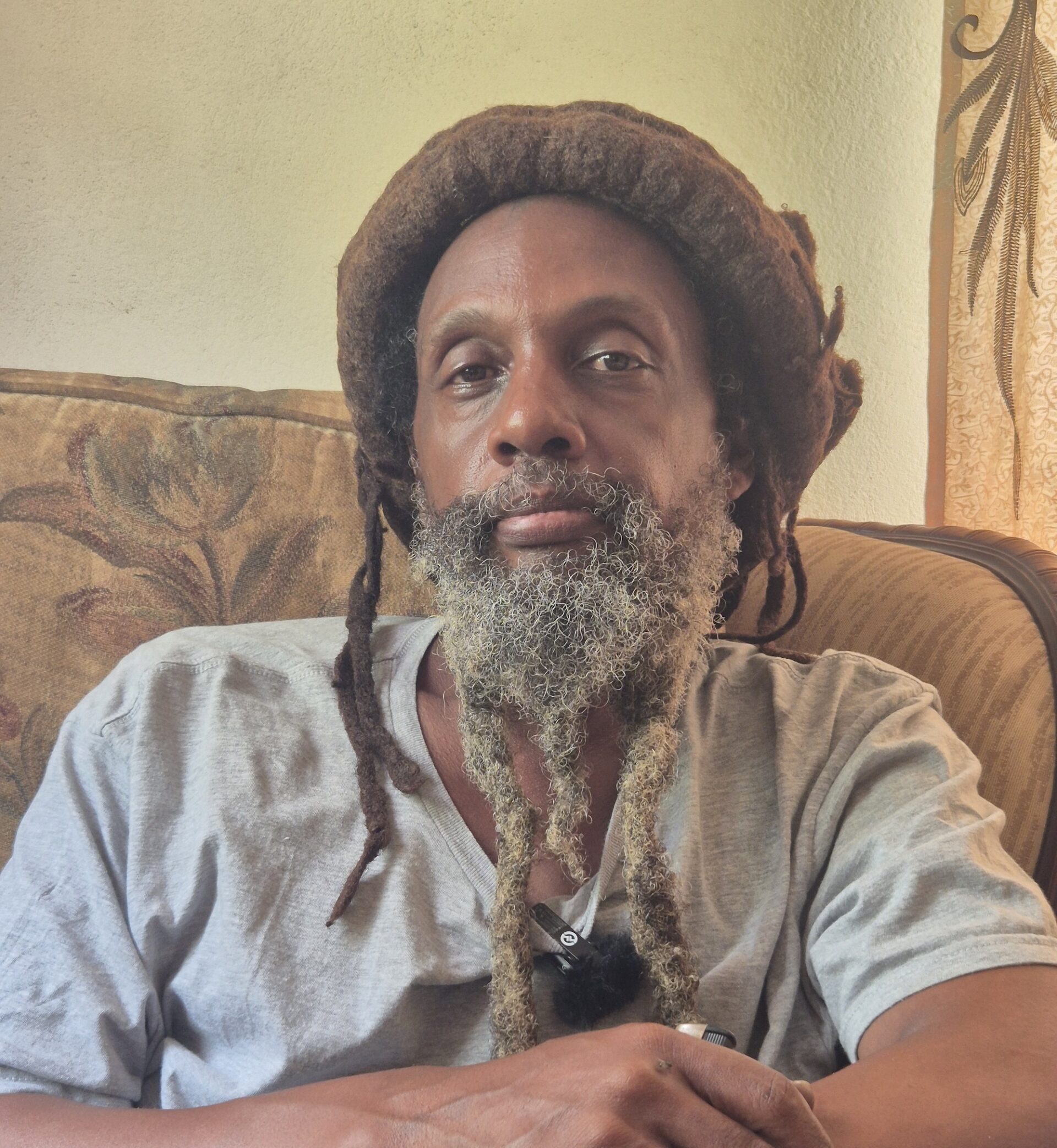
    For generations, stigma targeting the natural hair of Black Caribbean children has carried a heavy legacy that stretches directly back to the era of slavery and colonial oppression. Today, young Black people across schools, households, and local communities still face dehumanizing criticism about the natural texture, volume, and traditional styles of their hair. This harmful bias endures through discriminatory school policies, pervasive societal double standards, and internalized negative self-perception, pushing countless young people to reject their natural hair rather than celebrate it as a core part of their identity.

    To understand the origins of this stigma, one must look to the deliberate dehumanizing tactics used during the transatlantic slave trade and centuries of chattel slavery. For African peoples, hair had long functioned as a sacred, meaningful marker of tribal identity, social standing, and spiritual connection. But European colonizers and slave owners deliberately framed Afro-textured hair as something less than human, comparing it to animal wool or fur to justify their brutal control. One of their earliest tools of erasure was forced shaving: stripping enslaved people of their hair to strip them of their freedom, dignity, and individual identity. Centuries later, this colonial logic persists in modern school policies that demand children cut their natural hair to meet arbitrary standards of “tidiness” and “neatness”. In far too many cases, students are even barred from entering classrooms and accessing education simply because their hair does not conform to these slavery-influenced rules.

    Beyond explicit school policies, persistent ideological control has shaped modern beauty standards that perpetuate bias against natural Black hair. This double standard is impossible to ignore: when a Black person wears their natural textured hair grown out, it is frequently labeled “untidy” or “unprofessional”, but when a white person wears long, unstructured hair, it is widely praised as attractive or healthy. This contradiction exposes how deeply ingrained Eurocentric definitions of beauty and professionalism remain in society: European features are normalized and celebrated, while natural Black hair is constantly policed and unfairly criticized. These biases are not just superficial insults; they shape the self-image of young Black people from childhood, forcing them to alter their hair through cutting, straightening, or chemical processing to fit standards that were never created to include them.

    The long history of this oppression has also left a lasting mark on internalized self-perception: many Black people continue to struggle with self-acceptance of their natural hair, even as younger generations begin to embrace their natural textures with pride. Decades of societal pressure and negative stereotyping have made it all too easy to perpetuate the stigma by conforming to outdated biased rules, extending the ideological control that originated in the holds of slave ships centuries ago. Advocates argue that this cycle must be broken. Stigma against natural Black hair should be actively challenged, not carried forward. Schools, communities, and broader society must commit to rethinking biased policies and norms, and respecting all hair textures as equally valid without discrimination.

  • Stolen Hilux Recovered After Police Chase

    Stolen Hilux Recovered After Police Chase

    In an early morning law enforcement operation on April 25, 2026, Belize police recovered a stolen Toyota Hilux that had been taken from the Football Federation of Belize’s compound in Belmopan City, ending a high-speed pursuit near Calla Creek Village in Cayo District.

    The operation unfolded shortly before 4 a.m., when members of the San Ignacio Special Operation Team were conducting routine mobile patrols and received an official alert about the missing vehicle. Acting quickly on the tip, the team traveled to the Bullet Tree Falls police substation, where they linked up with officers from the Mobile Interdiction Unit to expand their search along the Santa Rosa Road corridor.

    As the combined patrol scanned the route, officers spotted the unreported stolen vehicle traveling toward them. They gave standard traffic signals to order the driver to pull over, but instead of complying with the law enforcement instruction, the driver immediately accelerated and attempted to evade capture.

    Simultaneously, patrol officers noticed a male suspect sitting on a parked motorcycle along the side of the road close to the encounter. That individual was taken into custody without incident right away, while officers initiated a formal pursuit of the fleeing truck in the direction of Calla Creek Village.

    The chase finally concluded at a small hammock bridge within the village limits, where law enforcement found the abandoned Hilux. A preliminary on-site inspection revealed that the vehicle’s ignition key had been left inside, and a valid Belizean driver’s license was discovered on the floorboard near the driver’s seat.

    After the recovery, the stolen vehicle underwent forensic processing and evidence photography at the scene before it was transported to the San Ignacio Police Station, where it is currently being held in police impound as the investigation into the theft continues.

  • CARICOM election observation mission arrives in Antigua and Barbuda

    CARICOM election observation mission arrives in Antigua and Barbuda

    In response to an official invitation extended by Antigua and Barbuda Prime Minister Gaston Browne, the Caribbean Community (CARICOM) Secretariat has formally confirmed the deployment of a nine-member CARICOM Election Observation Mission (CEOM) to monitor the twin-island nation’s upcoming 2026 General Elections, scheduled to take place on April 30.

    Headed by Maxine McClean, a sitting member of Barbados’ Electoral and Boundaries Commission, the mission draws seasoned electoral experts from across the Caribbean bloc to ensure impartial, comprehensive oversight. Herman St. Helen, Chief Elections Officer of Saint Lucia, serves as Deputy Chief of Mission. The remaining core observer team includes senior electoral and governance officials from five other CARICOM member states: Ambassador Felix Gregoire, Chairman of Dominica’s Public Service Commission; Rohan Porter, Acting Assistant Director of Elections for Field Operations in Jamaica; Stephanie Bram, a member of Suriname’s Electoral Bureau; and Karla Dayton Edwards, Commissioner of Trinidad and Tobago’s Election and Boundaries Commission. Three CARICOM Secretariat staff from the Foreign and Community Relations portfolio — Programme Manager Brian Bellevue, Project Officer Amos Lindor, and Administrative Assistant Denise Morgan — provide administrative and logistics support to the mission.

    The advance core contingent of the mission touched down in Antigua and Barbuda on April 23, and has already begun laying the groundwork for its observation work by scheduling consultations with a broad spectrum of national stakeholders. These planned meetings include representatives from the Antigua and Barbuda government, opposition parties, the national Electoral Commission, and the Supervisor of Elections. Beyond official political and electoral bodies, the mission will also hold discussions with civil society groups representing marginalized and key community segments, including women, youth, persons with disabilities, the local business community, religious organizations, labor unions, and independent media outlets.

    On election day, April 30, observers will deploy to polling sites across the country to monitor every stage of the electoral process, from the opening of polling stations and the casting of ballots, through the closure of voting sites, the counting of ballots, and the official compilation of poll statements. To produce a rigorous, evidence-based assessment, the team will gather both quantitative data to verify election results and qualitative observations to evaluate the conduct of electoral officials, the behavior of political actors, and the overall inclusivity and fairness of the pre-election and election-day environment.

    Following the close of polls, the mission will first release a Preliminary Statement outlining its immediate findings and initial assessment of the electoral process. A full, comprehensive final report will be compiled at a later date, submitted to CARICOM Secretary-General, shared with Antigua and Barbuda’s government, opposition leader, and national Electoral Commission, and ultimately published publicly on the official CARICOM website. The full mission is scheduled to conclude its work and depart Antigua and Barbuda on May 3, 2026.

    In the mission’s official arrival statement, released on April 25 and signed by Chief of Mission McClean, the team expressed sincere gratitude for the warm welcome and cooperation it has received since entering the country. Mission members reaffirmed their commitment to supporting the strengthening of democratic governance in Antigua and Barbuda through independent, transparent observation.

    Founded in 1973 via the Treaty of Chaguaramas, CARICOM is a 15-member regional bloc with six associate members, representing roughly 16 million Caribbean residents. Revised in 2001 to establish a regional single market and economy, the organization centers its work on four core pillars: economic integration, coordinated foreign policy, human and social development, and cross-border security cooperation, with the overarching goal of building an integrated, inclusive, and globally competitive regional community that guarantees human rights, social justice, and shared prosperity for all citizens.

  • He’s 16—and already running his own marine services business

    He’s 16—and already running his own marine services business

    Against the overcast, quiet backdrop of Rodney Bay Marina, 16-year-old Elim Estava and his mother Darnelly Estava-St Ange paused their pre-travel preparations to sit down with the St. Lucia Times to share the inspiring origin story of the young man’s bold new entrepreneurial venture, King of Clean Marine Services.

    Tall, laid-back and remarkably thoughtful for his age, Elim openly admits he carries a small amount of nervous excitement as he navigates his first months running a business while still balancing studies at the Saint Lucia Sports Academy. Just two months before this conversation, he stood before a packed crowd at the islands’ first ever Creativity and Innovation Forum to formally announce his launch, a leap of faith encouraged by his mentor from the program, Natalie John. The early returns have already been promising: his dedicated business Instagram page has quickly built an engaged audience of local boat owners.

    The business idea grew organically from Elim’s lifelong connection to the water, a bond rooted in his family’s multi-generational history of sailing. It all started when he helped a friend scrub down a long-uncleaned vessel, and he felt immediate satisfaction seeing the dull, neglected boat shine again after a thorough cleaning. He brought the idea of turning this enjoyable task into a full business to his mother, and together they mapped out the brand: King of Clean, a name that honors Elim’s grandfather while nodding to his commitment to spotless results. Today, Elim offers comprehensive hull scrubs plus full interior and exterior cleaning services for marine vessels, with plans to expand his offerings as his customer base grows.

    Beyond his entrepreneurial pursuits, Elim is also an accomplished competitive cyclist who competes at the national level, proving his ability to juggle multiple passions alongside his high school studies. But his path to launching his own business has not been without obstacles. Elim lives with ADHD and dyslexia, neurodivergent conditions that have led to unfair misunderstandings in some academic settings. In interviews, Elim and his mother explained that many educators fail to accommodate neurodiverse learning differences, often writing off struggling students as unmotivated or difficult rather than investigating the root of their challenges. While Elim has found supportive mentors including cycling coach Andy Bail and some understanding school faculty, his family has long fought to reframe what success looks like for neurodivergent young people.

    As a parent, Darnelly has positioned herself as Elim’s biggest advocate and supporter, rejecting the common narrative that pushes all young people toward traditional employment after graduation. “The education system often trains young people to be employees, but I want Elim to chart his own path,” she explained. “I’ve always told him that success doesn’t only come from academic excellence. You can thrive in any field you’re passionate about, so long as you commit to it.” She added that from the time Elim could walk, he has felt most at home on the water, so building a marine-focused business was a natural fit for his strengths and interests.

    For Elim, building his own business is also a personal stand against the negative cycles that trap many young people in his community. He notes that too many local youth with untapped talent end up drawn into gang violence, in large part because they lack the support and encouragement to pursue their own positive ambitions. “I want to build something of my own, for myself,” he said. “I want to show other young people what’s possible when you get the right support.”

    Just over a month into official operations, Elim is still balancing business growth with his academic responsibilities, so he is moving at a deliberate pace, sourcing all his current clients through his Instagram page. After he graduates, he plans to scale the business, expand his service range to cover more vessel types beyond the sailboats he currently serves, and eventually bring the King of Clean brand to other countries. For now, though, he remains focused on what drew him to the work in the first place: helping more boat owners get back that sparkling, like-new finish he loves to create.

  • CRICKET: The Quiet Hunger of Akeem Auguste

    CRICKET: The Quiet Hunger of Akeem Auguste

    ST JOHN’S, Antigua – For Akeem Auguiste, the story of his relationship with cricket begins on a sun-warmed pitch when he was just four years old. Standing at the crease for the first time, with his own father rolling in deliveries, the young Saint Lucian had no idea that this casual introduction would grow into a lifelong passion that would shape every part of his growth. By the time he turned 12, his deep love for the sport was already paired with an unshakeable hunger to compete at the highest level he could reach. But it was a painful early rejection that would forge the relentless work ethic that defines him today.

    When Auguiste was left off the roster for the Windward Islands Under 15 cricket side, the disappointment of that exclusion hit harder than any delivery he had ever faced. Rather than letting the snub break his confidence, the young cricketer turned that heartache into fuel. In a recent reflection on his early journey, Auguiste opened up about how that moment changed his entire approach to the game.

    “I didn’t get selected and from then on, I never wanted to get that feeling again of being left out of a team,” he said. “I started to train a little harder and be more intentional with the things I was working on.”

    That fateful decision to double down on his training set Auguiste on a path toward competitive cricket at the regional level, with Cricket West Indies highlighting his journey as an example of how early setbacks can build the resilience needed to succeed in elite sport. What began as a father-son game on a local pitch has grown into a promising career, all rooted in one 12-year-old’s promise to himself that he would never again know the sting of being passed over.