作者: admin

  • MOE Discusses Temporary Buildings for Caye Caulker Students

    MOE Discusses Temporary Buildings for Caye Caulker Students

    BELIZE – Senior officials from Belize’s Ministry of Education convened with Caye Caulker community leaders this week to address pressing educational infrastructure needs on the island. The high-level meeting, attended by Belize Rural South Area Representative Andre Perez, Caye Caulker Village Council members, and Ocean Academy’s Board of Governors, focused on developing both immediate and long-term solutions for the island’s growing student population.

    The discussions centered on establishing a new pre-primary facility and converting the existing institution into a government-operated high school. With construction projected to require 12-13 months for completion, officials prioritized identifying temporary instructional spaces to ensure educational continuity during the building phase. One prominent proposal involves erecting transitional structures adjacent to the existing Catholic primary school campus.

    Representative Perez characterized the negotiations as “productive and reassuring” for concerned community stakeholders. He confirmed the Ministry team conducted comprehensive site evaluations following previous consultations with parents and educators regarding Ocean Academy’s operational challenges.

    Notably, the dialogue addressed community-driven efforts that had raised approximately $100,000 for temporary facilities. Ministry officials advised against substantial investment in short-term infrastructure, emphasizing practical considerations regarding the transitional nature of any interim solution.

    Perez further clarified the institution’s administrative future, stating: “Whatever is built there eventually becomes what is called the government high school. It’s not going to be Ocean Academy anymore.” This confirms the planned transition from private to public management once governmental investment commences, marking a significant shift in the island’s educational landscape.

  • FAO Deepens Belize Partnerships in Agriculture, Education, and Conservation

    FAO Deepens Belize Partnerships in Agriculture, Education, and Conservation

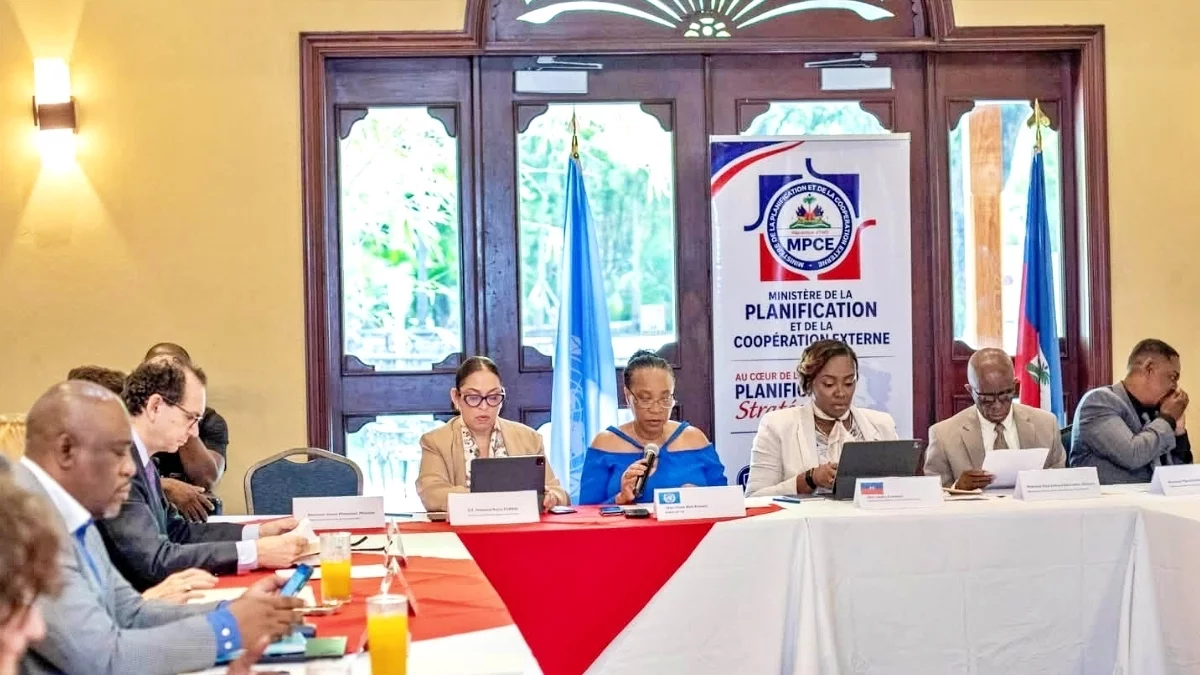
    The Food and Agriculture Organization of the United Nations (FAO) has significantly enhanced its collaborative framework with Belize following an extensive high-level mission from February 9-13, 2026. Led by FAO Representative Dr. Ana Touza and Assistant Representative Alicia Abrahams, the diplomatic engagement focused on sustainable development across multiple sectors including agriculture, education, biodiversity conservation, and blue economy initiatives.

    During the strategic meetings, Dr. Touza convened with Rodwell Ferguson, Belize’s Minister of Agriculture, to finalize details of the 2026-2028 Technical Cooperation Programme and the forthcoming 2027-2031 Country Programming Framework. Their discussions emphasized climate-resilient agricultural practices, enhanced participation of youth and women in farming sectors, agro-processing advancements, and the expansion of educational school garden programs.

    A notable site visit occurred at Eden Garden SDA Primary School, where FAO-supported covered gardens demonstrate practical agricultural education, teaching students about locally sourced nutrition and sustainable food production. Subsequent discussions with Ramon Cervantes, Minister of State for Education, explored methodologies for integrating FAO’s expertise into national school feeding programs to improve both nutritional outcomes and educational performance.

    The mission’s conservation segment featured an expedition to Belize’s Maya Golden Landscape in collaboration with the Ya’axché Conservation Trust, highlighting successful implementations of agroforestry, apiculture, and sustainable forest management techniques. Parallel discussions with Andre Perez, Minister of Blue Economy, addressed sustainable ocean resource management and coastal community resilience, while meetings with Osmond Martinez, Minister of Economic Development, focused on synergistic opportunities between agricultural and blue economy sectors.

    Dr. Touza emphasized that “this comprehensive visit reaffirmed the robust partnership between FAO and Belize, demonstrating the critical importance of cross-sectoral coordination in agriculture, education, biodiversity, and blue economy initiatives to achieve sustainable resource management, nutritional security, and livelihood resilience.” The FAO commits to continuing this integrated approach through upcoming programming cycles to deliver transformative solutions in Belize’s development landscape.

  • UN highlights critical role of Caribbean media in promoting progress toward the SDGs

    UN highlights critical role of Caribbean media in promoting progress toward the SDGs

    The United Nations has formally recognized Caribbean journalists as pivotal agents in advancing regional progress toward equality, economic development, and environmental sustainability. In a significant endorsement of media influence, the UN Office for Barbados and the Eastern Caribbean has partnered with the Caribbean Broadcasting Union (CBU) to establish the SDG Champion Award—a new category within the CBU’s annual Media Awards program.

    This prestigious accolade will celebrate outstanding journalistic contributions across print, radio, television, and digital platforms that effectively highlight the Sustainable Development Goals (SDGs). The initiative aims to amplify reporting that connects these global frameworks to local contexts, making complex issues like climate change and inequality accessible to general audiences while promoting actionable solutions.

    Eligibility extends to media professionals from multiple Caribbean territories including Dominica, Anguilla, Antigua and Barbuda, Barbados, British Virgin Islands, Grenada, Montserrat, St. Kitts and Nevis, St. Lucia, and St. Vincent and the Grenadines. The award will feature four distinct categories, each designed to recognize content that aligns with national development priorities and inspires concrete action toward achieving the SDGs.

    UN Resident Coordinator Simon Springett emphasized the media’s role as a valuable partner, stating: “We see this initiative as a continuation of our solid partnership, which we hope to strengthen by celebrating journalistic excellence that educates communities, drives sustainable development and inspires meaningful action.”

    CBU President Anthony Greene echoed this sentiment, noting the natural alignment between the partnership and the organization’s mandate to contribute to regional development through media and communications.

    The submission window for the 37th CBU Media Awards opened in November 2025 and will close on February 28, 2026. Shortlisted candidates will be announced in May 2026, with the awards ceremony scheduled for August 2026. Interested participants can access detailed guidelines and submission procedures through the CBU’s official website or via email at [email protected].

  • PRESS RELEASE: EU and IOM enhance Caribbean disaster preparedness with critical relief supplies

    PRESS RELEASE: EU and IOM enhance Caribbean disaster preparedness with critical relief supplies

    The European Union and the International Organization for Migration’s Caribbean office (IOM Caribbean) have established a strategic emergency stockpile in Barbados, marking a significant advancement in regional disaster preparedness. This initiative, valued at approximately €340,000, addresses the critical need for rapid humanitarian response when hurricanes devastate Caribbean nations.

    The repository contains essential relief materials specifically identified as priority needs for vulnerable populations affected by disasters. The inventory includes heavy-duty tarpaulin sheets, comprehensive shelter repair kits, family tents, hygiene kits, multipurpose communal tents, and mosquito nets. These supplies are strategically positioned to provide immediate assistance to up to 1,000 families through IOM and partner organizations following major emergencies.

    Housed at the Caribbean Regional Logistics Hub operated by the Caribbean Disaster and Emergency Management Agency (CDEMA) with logistical support from the UN’s World Food Programme, this Barbados stockpile complements existing IOM and EU reserves in Panama. This multi-location strategy ensures life-saving support can be deployed immediately after disasters strike, overcoming the logistical challenges that have hampered previous response efforts.

    The initiative draws from hard-learned lessons during recent catastrophic hurricanes. Patrice Quesada, IOM Caribbean Coordinator, highlighted the proven effectiveness of pre-positioned supplies: ‘In 2024 and 2025, our ability to quickly mobilize stocks pre-positioned in Barbados enabled rapid assistance to St Vincent & the Grenadines, Grenada, and Jamaica following Hurricanes Beryl and Melissa.’

    Daniela d’Urso, head of EU Humanitarian relief in the Caribbean, emphasized the non-seasonal nature of preparedness: ‘This stockpile allows the EU to boost regional response capacity and deliver timely assistance where it’s needed most, as we have just witnessed with Hurricane Melissa where anticipation and timing of response were key.’

    Concurrently, through the ‘Resilient Caribbean’ project, the EU is supporting the development and training of a network of regional partners to ensure efficient management of relief items. This comprehensive approach includes the establishment of the Caribbean Shelter Sectoral Working Group by CDEMA and IOM, which promotes information sharing, resource pooling, and collaboration among agencies, NGOs, and civil society groups, ultimately strengthening local capacity and community resilience across the region.

  • NOTICE: Writ of By-Election, Appointment of Returning Officer, Notice of Election

    NOTICE: Writ of By-Election, Appointment of Returning Officer, Notice of Election

    The Electoral and Boundaries Commission of Barbados has formally commenced the procedural machinery for a parliamentary by-election in the constituency of St. Philip North. This administrative action was set in motion through the official publication of three critical electoral documents.

    The process was initiated with the issuance of a ‘Writ of Election,’ a legal instrument formally commanding the holding of an election to fill a vacant seat in the House of Assembly. This was promptly followed by the ‘Notice of Appointment of Returning Officer,’ which designates the independent official responsible for overseeing the electoral process within the constituency to ensure fairness and adherence to the law. Concurrently, the publication of ‘Form 2 – Notice of Election’ serves as the public declaration, marking the official start of the election period and outlining key timelines for prospective candidates and electors.

    This procedural sequence indicates that the vacancy, which may have resulted from the resignation, incapacitation, or passing of the previous representative, has triggered a constitutional requirement for a by-election. The publication of these documents opens the nomination period, allowing political parties and independent candidates to formally submit their applications to contest the seat. The electoral timeline will now progress through stages of nomination, campaigning, and ultimately, polling day, where constituents will determine their new parliamentary representative.

  • Eight Women Graduate from Sea View Farm Sewing Project

    Eight Women Graduate from Sea View Farm Sewing Project

    In a significant stride for community development, eight women have successfully completed their training and graduated from the Sea View Farm Sewing Project in Antigua. The graduation ceremony, held on February 18, was orchestrated by the Rotary Club of Antigua, celebrating the culmination of an intensive program focused on vocational skills development.

    The program is meticulously designed to equip participants with comprehensive, hands-on sewing expertise while simultaneously cultivating essential soft skills such as discipline, creativity, and self-sufficiency. Upon completion, each graduate was presented with a formal certificate, acknowledging their proficiency and dedication. The initiative’s core mission is to serve as a catalyst for entrepreneurship and enhance employability, thereby fostering sustainable personal growth and economic independence.

    Elisa Graham, President of the Rotary Club of Antigua, delivered a keynote address during the ceremony. She articulated that the project is a tangible manifestation of Rotary’s foundational commitment to empowering individuals by creating opportunities and facilitating skills development. Graham further elaborated on the initiative’s broader societal impact, emphasizing its crucial role in fortifying family structures, enriching local communities, and contributing meaningfully to the nation’s developmental agenda.

    Adding historical context, Project Coordinator and Past President Cordel Josiah detailed the project’s extensive legacy and widespread influence. He revealed that since its inception, the sewing initiative has positively impacted the lives of over 600 individuals. Josiah powerfully underscored the indispensable link between practical, skills-based training and robust economic development. He explained that such programs are vital engines for income generation, stimulating entrepreneurial ventures, and ultimately paving the way for a more resilient and prosperous national economy.

  • Guyana assisting T&T to search for financing to restart Petrotrin refinery

    Guyana assisting T&T to search for financing to restart Petrotrin refinery

    In a significant move for Caribbean energy cooperation, Guyana is actively assisting Trinidad and Tobago in securing crucial financing to restart the long-dormant Petrotrin oil refinery. The development emerged during the 5th Guyana Energy Conference held in Georgetown from February 17-20, 2026.

    Guyana’s Energy Minister Roodal Moonilal revealed that President Irfaan Ali’s administration has been instrumental in connecting Trinidadian officials with potential Arab investors and local banking representatives. The collaborative effort aims to secure approximately US$200 million needed for the comprehensive revitalization of the refinery complex.

    Minister Moonilal expressed optimism about the project timeline, suggesting that if financial arrangements are finalized by mid-year or the third quarter, preparatory work could commence as early as the last quarter of 2026. This would potentially allow operations to resume within approximately one year thereafter.

    The financial requirements are structured in two phases: an initial US$50 million injection for short-term recommencement of operations, followed by a larger US$200 million investment to restore the refinery’s full capacity. This expanded capability would enable Trinidad to resume its historical role as a primary fuel supplier to the 15-nation Caribbean Community (CARICOM).

    Minister Moonilal highlighted that the Saudi Arabian investment community has shown particular interest in the venture during discussions held in Guyana. The allocated funds would address critical technical upgrades, design modifications, and essential health and safety improvements at the facility.

    While acknowledging Trinidad’s substantial domestic expertise in refinery operations, Moonilal indicated that international partnerships might be necessary. Potential collaborators could include specialized subcontractors from Houston, Texas, alongside technical experts from energy giants Shell and BP.

    Addressing questions about crude compatibility, Moonilal clarified that technological advancements have largely eliminated the historical distinction between heavy and light crude processing. Modern conversion technologies and potential oil swap arrangements would allow the refinery to efficiently process various crude types, including Guyana’s light sweet crude.

    The Petrotrin refinery was shuttered in November 2018 by the previous People’s National Movement administration following years of financial challenges and substantial debt accumulation.

  • UN Report Warns Haitian Gangs Trafficking Children

    UN Report Warns Haitian Gangs Trafficking Children

    A stark warning has been issued by the United Nations regarding the systematic trafficking of children by armed criminal factions in Haiti, posing a grave threat to the nation’s future stability. The comprehensive report, jointly published on February 20, 2026, by the UN Integrated Office in Haiti and the Office of the UN High Commissioner for Human Rights, reveals that the majority of the country’s 26 active gangs are engaged in this exploitative practice.

    According to the disturbing findings, trafficked minors are being forced into various criminal capacities ranging from logistical support and surveillance operations to direct participation in violent acts. These include collecting extortion money, conducting kidnappings, executing targeted assassinations, destroying property, and perpetrating sexual violence.

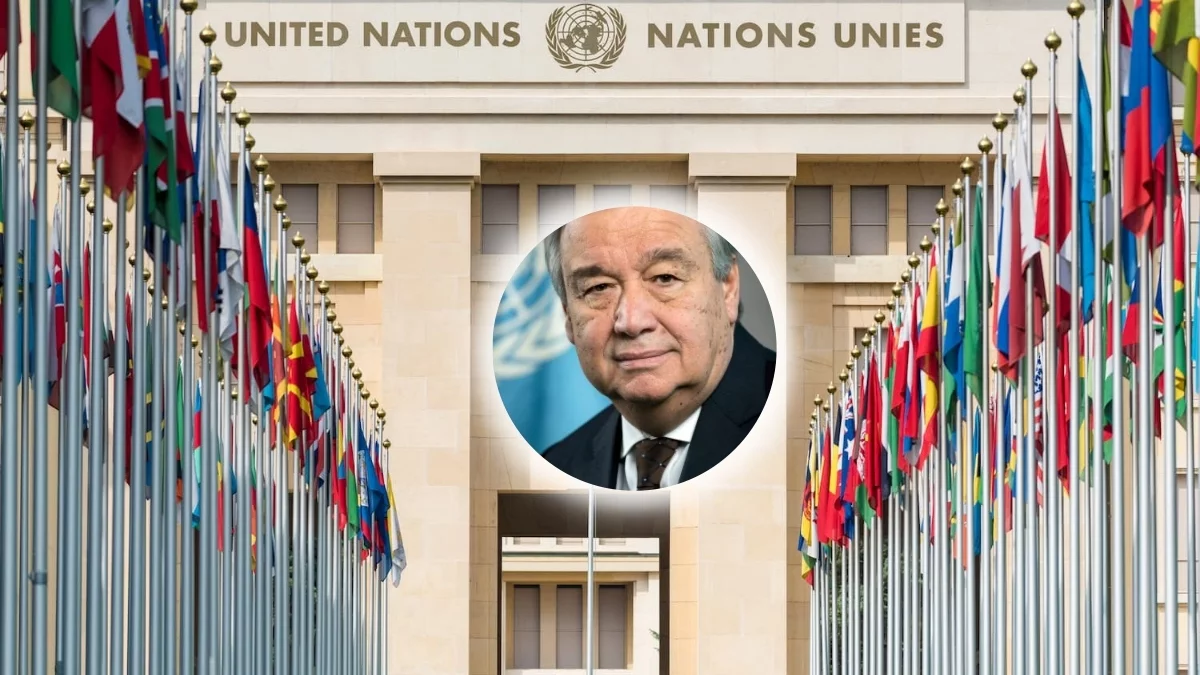
    UN Human Rights Chief Volker Türk emphasized the severity of the situation, stating: “Children in Haiti are being robbed of their childhoods and their futures. The devastating impact extends beyond individual victims and their families to threaten the very foundation of the country’s social fabric.”

    The report connects this crisis to deep-rooted structural issues including extreme poverty, institutional weaknesses, social marginalization, and persistent armed conflict. Vulnerable children from impoverished backgrounds, particularly those in street situations or displacement camps, are most at risk of being lured with false promises of protection, status, or coerced through threats and substance manipulation.

    While acknowledging ongoing efforts by Haitian authorities and international partners, the assessment concludes that current responses remain critically under-resourced and fragmented. The document further highlights alarming instances where trafficked children face retribution rather than rescue, with some reportedly executed by police or vigilante groups under suspicion of gang affiliation.

    The UN calls for implementing a comprehensive, rights-based strategy that addresses both immediate protection needs and underlying causes. Key recommendations include expanding social safety nets, reinforcing educational institutions as secure environments, creating child-appropriate spaces, enhancing youth employment pathways, and ensuring judicial accountability for perpetrators while safeguarding victims’ rights.

  • Suriname mikt op sterkere regionale rol tijdens jubileumeditie Caricom-top

    Suriname mikt op sterkere regionale rol tijdens jubileumeditie Caricom-top

    Suriname is poised to enhance its regional standing during the landmark 50th Regular Meeting of the Conference of Heads of Government of the Caribbean Community (CARICOM), scheduled from February 24-27 in Saint Kitts and Nevis. President Jennifer Simons will make her inaugural appearance at this annual gathering of Caribbean leaders, marking a significant diplomatic debut.

    According to Foreign Minister Melvin Bouva, Suriname will dispatch a compact yet highly functional seven-member delegation to the summit. This meeting not only commemorates CARICOM’s golden anniversary but also serves as the first direct introductory platform for President Simons to engage with her regional counterparts.

    Minister Bouva emphasized to the Communication Service Suriname that participation holds critical importance amid rapidly shifting global geopolitical dynamics. He articulated that robust regional cooperation represents Suriname’s strategic pathway to fortifying its international position.

    The minister asserted that regional integration is essential for effectively responding to global developments in trade, security, and climate challenges. ‘The world is in constant motion. Within this dynamic environment, Suriname must chart its course collaboratively with the region,’ Bouva stated.

    A central focus for the Surinamese delegation will be deepening regional integration, particularly through enhanced Caribbean connectivity. This includes facilitating smoother transport networks, trade mechanisms, and movement of people between member states.

    Bouva indicated the government intends to approach international challenges through more coordinated efforts. CARICOM collaboration, he noted, should contribute to greater economic resilience and more efficient management of transnational issues.

    The government also identifies substantial economic opportunities for Suriname within the region. CARICOM nations annually import billions of dollars worth of goods from outside the Caribbean. Thanks to its geographical positioning and agricultural potential, Suriname could assume a larger role in regional food security.

    Beyond economic cooperation, President Simons will advocate for the Caribbean as a zone of peace, stability, and sustainable development during the summit.

    The meeting additionally serves as preparatory groundwork for Suriname’s upcoming CARICOM chairmanship in 2027. Bouva characterized this first physical participation by Suriname’s new government as a crucial step toward strengthening relationships and aligning priorities in advance.

    ‘We will soon shoulder significant responsibility within the region. Therefore, we are already preparing to deliver optimal outcomes for both Suriname and CARICOM,’ Bouva concluded.

  • CARPHA joins regional policy gathering on digital health data

    CARPHA joins regional policy gathering on digital health data

    PORT OF SPAIN – A landmark regional conference has set the stage for a transformative digital health revolution across the Caribbean. The Inter-American Development Bank (IDB) Group, hosting the ONE Caribbean Connect Regional Policy Dialogue in Trinidad and Tobago, successfully convened a coalition of leading health and technology institutions to forge a unified path toward secure, cross-border health data exchange.

    The high-level dialogue brought together a powerful consortium of regional bodies, including the Caribbean Public Health Agency (CARPHA), the Pan American Health Organization (PAHO), and the Caribbean Community (CARICOM). Delegations from seven Caribbean nations—The Bahamas, Barbados, Belize, Guyana, Jamaica, Suriname, and host Trinidad and Tobago—participated in intensive strategic planning sessions.

    Central to the discussions was the urgent need to establish interoperable digital health systems that can seamlessly share critical health information across national borders. This initiative builds upon the foundational work of the Pan-American Highway for Digital Health (PH4H), a collaborative framework established by the IDB and PAHO.

    CARPHA’s delegation, led by Executive Director Dr. Lisa Indar, played a pivotal role in the proceedings. The agency demonstrated its advanced digital surveillance capabilities, particularly its real-time, integrated early warning and response surveillance systems (REIWSS), which are being implemented through a Pandemic Fund Grant with the IDB as a key partner.

    The conference yielded a major strategic outcome: the formal adoption of the ONE Caribbean Digital Health Roadmap Commitment. This comprehensive document outlines concrete priority actions across three critical domains: establishing robust governance structures, developing supportive legal and policy frameworks, and ensuring technical interoperability. The roadmap sets an ambitious target for the initiation of cross-national health data sharing by 2028.

    Technical expertise flowed from multiple directions throughout the event. IDB representatives facilitated crucial strategy sessions, while PAHO contributed specialized knowledge in digital health and surveillance systems. CARICOM provided valuable insights on regional digital transformation through its leadership in information and communication technology for development.

    The collective effort represents a significant leap forward in regional health cooperation, positioning the Caribbean to better respond to public health challenges through enhanced data-driven decision-making and coordinated outbreak response capabilities.