
A fatal workplace traffic accident on Lord’s Bank Road has claimed the life of a local sanitation worker, leaving authorities and community members grappling with the tragedy that once again underscores the daily dangers frontline public service workers face. The incident unfolded at approximately 1:15 p.m. on August 5, 2026, when the victim, Andrew Smith, a sanitation employee from the Belize District, was carrying out his duties near a garbage truck parked along the roadside. Initial investigative findings from local police indicate Smith was positioned near the left rear of the parked truck when he accidentally stepped into the active traffic lane. Mere moments after he entered the lane, a passing bus collided with him. The impact of the collision proved fatal, and Smith died at the scene from his injuries. In the wake of the crash, law enforcement officials have taken the bus driver into custody as part of their formal investigation. As part of standard procedure for serious traffic fatalities, investigators have collected urine samples from the detained driver to test for potential impairment, though no results have been released to the public as of yet. Officials have also declined to comment on whether criminal or traffic charges will be filed against the driver, noting that the investigation is still in its early stages and all findings are still preliminary. Smith’s death has reignited long-standing conversations about the occupational hazards that sanitation workers encounter on a daily basis. These essential workers regularly perform cleanup and collection duties along high-traffic public roads, often with limited protection from passing vehicles, making fatal incidents an ever-present risk in their line of work. At this time, the investigation remains open and active, with authorities continuing to piece together the full circumstances of the crash and any contributing factors. No further updates have been released pending the completion of forensic and investigative processes.
作者: admin
-
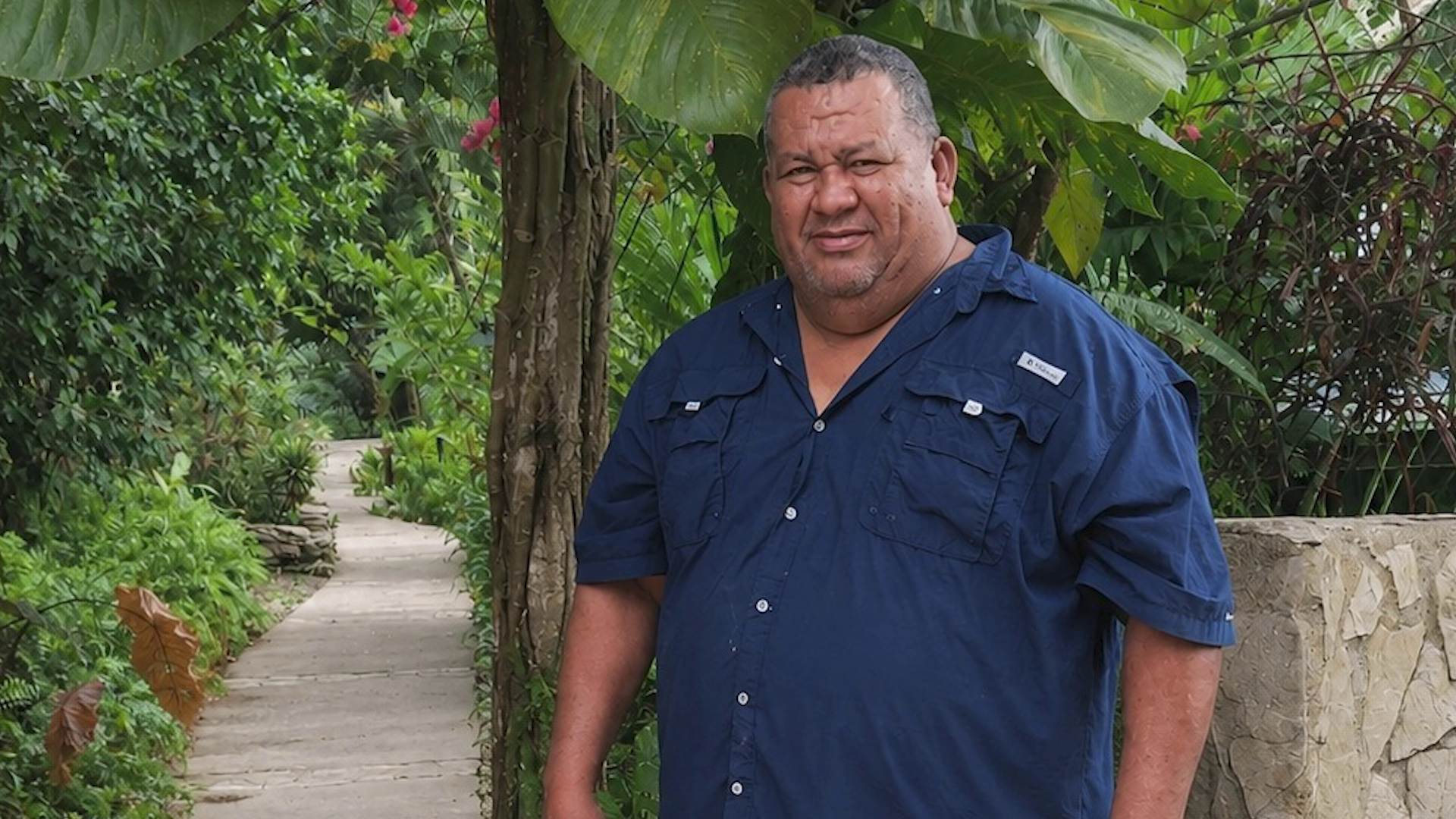
Former Evangelical Leader Convicted; Church Accountability in Focus
In a landmark ruling that has thrust long-simmering conversations about institutional accountability within religious organizations into the national spotlight, a high-profile former evangelical leader in Belize has been found guilty on charges of sexual violence.
On Wednesday, High Court Justice Antoinette Moore delivered the guilty verdict against 67-year-old Victor Hernandez, the former president of the National Evangelical Association of Belize. The charges stem from a 2024 complaint filed by a 35-year-old woman who was once a member of Hernandez’s congregation. During courtroom testimony, the complainant became visibly overwhelmed by emotion as she shared that she had faced threats in the period before she formally lodged her allegation against the once-powerful religious leader.
Hernandez was convicted on two counts of rape and one count of sexual assault, marking one of the most high-profile convictions of a senior religious figure in Belize’s recent history. The verdict has immediately reopened questions about internal oversight, power dynamics, and protections for congregants within faith-based institutions across the country.
Local media reached out to Church Senator Louis Wade for comment on the ruling, and his response acknowledged the gravity of the case while affirming support for the judicial outcome. “I am very saddened by the entire saga. No pastor should find themselves in a position where they have to be defending themselves against a congregant; something has gone wrong from the very beginning and I place no fault on the victim,” Wade stated in his remarks.
“ We are the leaders, the pastors, the shepherds, we have a responsibility to conduct ourselves whether in public or private, to the highest moral and ethical standards. Walls were clearly broken down that enabled this terrible activity to occur,” he added.
Wade emphasized that the court’s ruling has settled any question of whether the offences occurred, noting “We are no longer at a point where we need to ask ourselves did it really happen. The courts of Belize has made a decision that two counts of rape and a count of sexual assault occurred.”
While Wade noted that faith communities will continue to pray for Hernandez, who led one of the nation’s most prominent evangelical organizations for years, he made clear that no one is above legal or moral accountability. “The laws of Belize nor the laws of God does not exempt anyone from violating any other human being. So we forgive, we pray for both victim and the perpetrator, but justice must be served,” he said.
This report is adapted from a televised evening news transcript, originally published online in August 2026. -

Blue Teddy Bear Campaign Expands Child Protection Effort
Against a persistent backdrop of child abuse and violence threatening the well-being of children across Belize, a national child protection initiative has taken a critical step forward by putting educators at the center of prevention and response efforts. On August 5, 2026, the Blue Teddy Bear Campaign launched a new phase of its work, rolling out specialized safeguarding training to equip frontline teachers with the tools to spot, respond to, and formally report suspected cases of child mistreatment. More than 80 educators from primary and secondary institutions across the country are participating in the hands-on training sessions, which aim to build a stronger, more connected national network of trusted adults prepared to protect vulnerable young people.
A team of reporters visited the ongoing training session hosted at Belize’s EP Yorke High School to speak with campaign organizers and participating educators about the initiative’s goals and impact. Carla Alvarez, lead consultant for the Blue Teddy Bear Campaign, explained the strategic shift that brought the program into the nation’s classrooms. “In the first phase of our work, we partnered with community-based organizations and private sector groups to build foundational child protection capacity across the country,” Alvarez said. “Now, we are moving into schools, because teachers are the first consistent adults children interact with outside their homes. We’ve already completed training for three high schools in Belize City earlier this week, and this week we are wrapping up sessions for another three institutions, with training running over two days at this location.”
Paulette Gentle-Augustus, principal of Belize’s Anglican Cathedral College, one of the participating institutions, emphasized that the training fills a critical gap for school staff working directly with children every day. “This work is non-negotiable for us as frontline workers,” Gentle-Augustus said. “It gives our entire team — teachers, counselors, and school leadership — clear clarity on our legal and ethical mandate to report suspected abuse when we see it. We spend more waking hours with our students than most other adults in their lives, so this training gives us critical insight to recognize the different forms of abuse that many of our children are enduring silently.”
Denroy Tillett, a classroom teacher at Anglican Cathedral College, added that the training helps educators connect unaddressed trauma to common classroom challenges that are often misdiagnosed. “As educators, we are uniquely positioned to reach children who are suffering, because we see them in their daily learning environment,” Tillett explained. “This training helps us understand what children might be going through physically, emotionally, and mentally, so we can support them properly. Too often, when learning stalls in the classroom, we question our own teaching methods. But what we don’t always recognize is that unreported abuse is one of the biggest hidden barriers holding our students back.”
Looking ahead, the Blue Teddy Bear Campaign has already planned its next phase of expansion: after completing training for educators across the country, the initiative will roll out targeted safeguarding programming for parents and students to build a holistic, multi-layered child protection network across Belize.
-
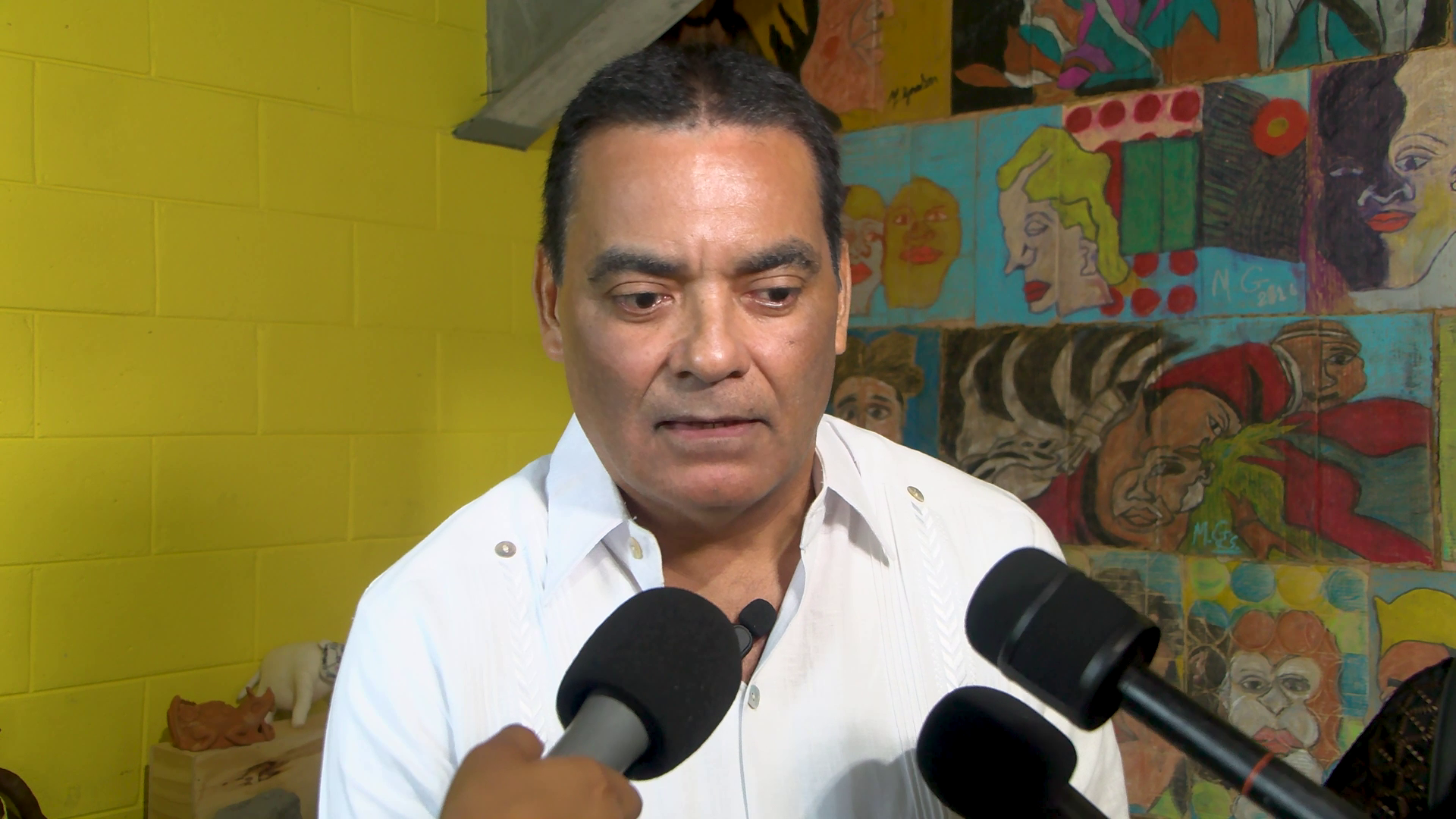
PUP Convention Nears as Mayoral Contest Intensifies
As the countdown begins to the People’s United Party (PUP) internal convention scheduled for August 30, 2026, competition for the party’s Belize City mayoral nomination has entered a high-stakes final stretch, with two sitting councilors vying for the coveted spot on the party’s general election ticket.
Current Belize City councilors Eluide Miller and Allan Pollard are the two contenders seeking the support of PUP delegates, who will cast their votes to select the party’s official candidate for the upcoming municipal elections. The contest has already drawn prominent backing from senior party leadership: Foreign Affairs Minister Francis Fonseca, who also serves as Area Representative for Freetown, has publicly thrown his weight behind Miller in the lead-up to the convention vote.
In comments to reporters, Fonseca confirmed that preparations for the closely watched internal vote are progressing according to the timeline set by the PUP national executive. “The convention is set. As you know the national executive set a date for it. It’s August thirtieth. So, I think the delegates list will be prepared, and submitted sometime this week. And then, you know, the campaign proceeds over the next few weeks to engage with those delegates and we move forward from there,” Fonseca explained.
Beyond the high-profile Belize City mayoral contest, the PUP is reporting widespread interest from candidates across all municipal seats up for grabs in the upcoming elections. Party data shows a total of 115 aspiring politicians have submitted applications to run under the PUP banner across all municipal contests, reflecting a deep pool of potential candidates for the party to draw from.
This report is adapted from a transcript of an evening television news broadcast, with original Kriol-language commentary standardized to written English spelling per the original outlet’s editorial process.
-
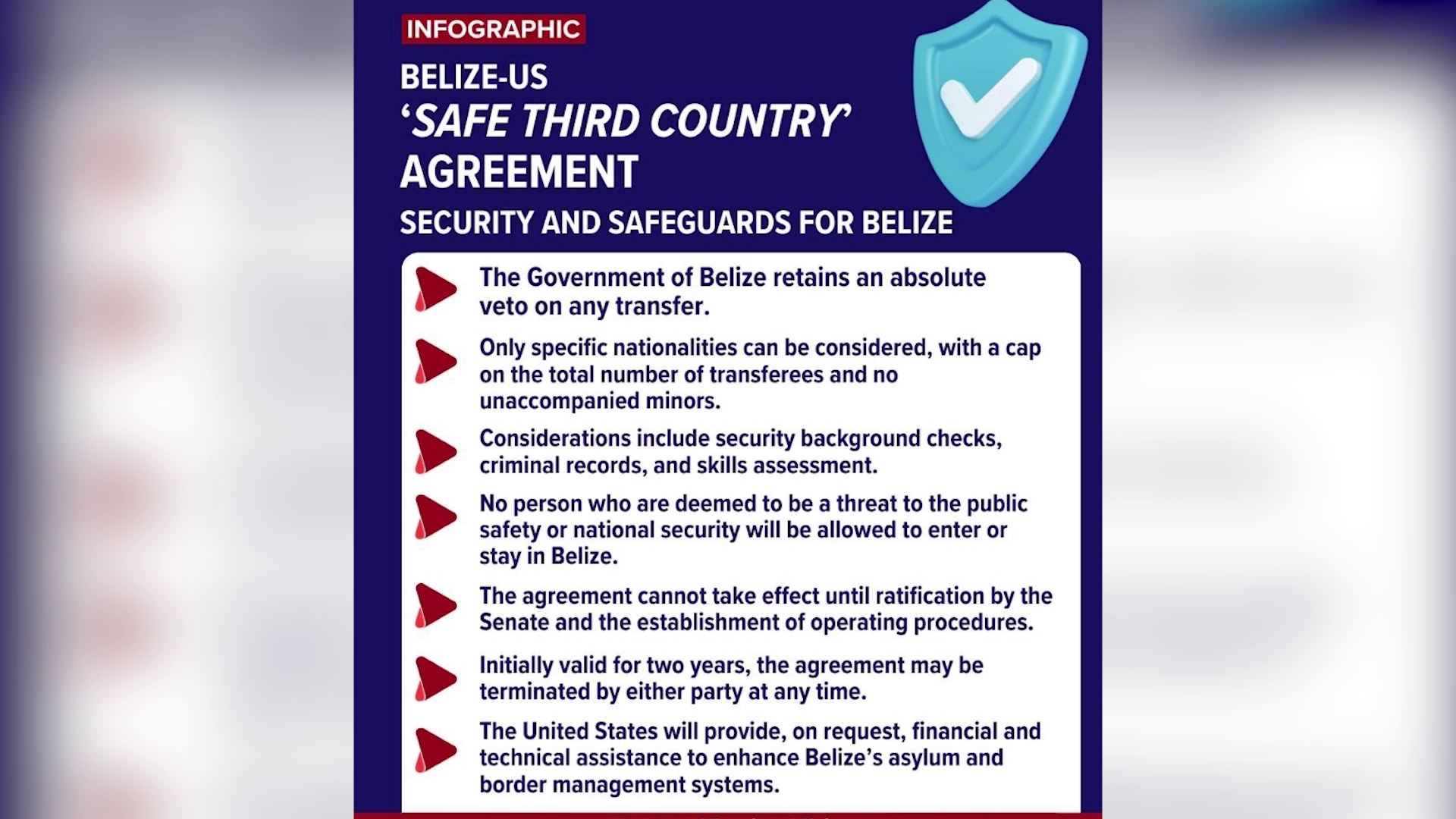
Eight New Arrivals Reignite Safe Third Country Debate
In a development that has pulled a controversial bilateral migration agreement back into the public spotlight, Belize has received eight additional foreign nationals transferred under its Safe Third Country arrangement with the United States. The new arrivals, which include four Haitian citizens and four nationals from other Central American countries, have reignited public debate around the policy, with the most prominent criticism centering on unaddressed concerns over whether any transferred individuals could have a criminal history.
Both the Government of Belize and the U.S. Embassy in Belize have moved quickly to push back against these concerns, issuing clear assurances that every person accepted into the program goes through rigorous multi-layered security vetting before any transfer is finalized. Foreign Affairs Minister Francis Fonseca defended the framework in an interview with local reporters, emphasizing that the entire screening process is conducted with extreme care, and that the agreement operates fully within the bounds of Belize’s existing national asylum and refugee infrastructure.
Fonseca laid out the gradual rollout of the program to date, noting that the first transfer involved a single Haitian individual, with the eight new arrivals marking the latest group to enter the country under the pact. He framed the agreement as a complementary addition to Belize’s long-standing amnesty and refugee processing systems, pointing out that the Central American nation already accepts hundreds of people seeking refuge and protection from across the region every year. “So far it has been going very well,” Fonseca said of the program’s implementation.
When questioned about support structures for the program, Fonseca confirmed that the United Nations Refugee Agency provides backing for asylum seekers transferred under the Safe Third Country agreement. Reporters also raised questions about support for Belizean citizens who are deported back to the country with no local family or social ties, a situation that has been documented in previous cases. Fonseca clarified that the government already maintains dedicated programming for this group, with support delivered through the Ministry of Human Development and the national refugee department, matching the assistance framework offered to transferred asylum seekers.
A government spokesperson reiterated that every transfer request is subject to a rigorous individual case review, and Belizean authorities retain full authority to reject any application that fails to meet the country’s established security and eligibility requirements. This news report is a transcript of an evening television newscast, with Kriol language statements transcribed using a standardized spelling system for publication.
-
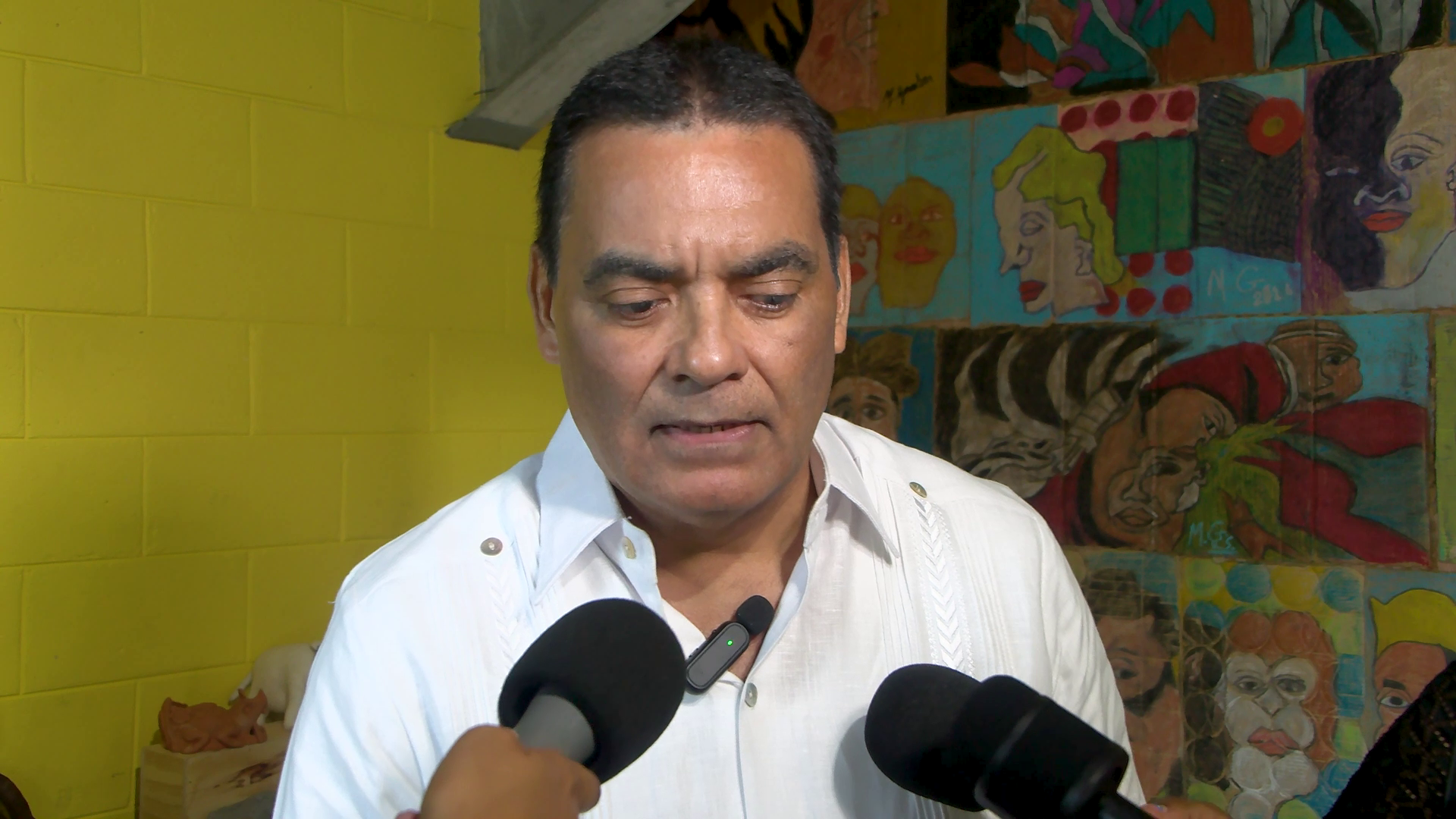
Fonseca Explains Absence from High-Level Washington Meeting
A high-profile diplomatic gathering in Washington D.C. that brought together top leaders from Belize and U.S. diplomatic officials to address critical foreign policy priorities was marked by one notable absence earlier this week. The meeting, which covered pressing agenda items including cross-border security, regional migration management, bilateral trade and inclusive economic development, saw Belize Prime Minister John Briceño hold talks with U.S. Deputy Secretary of State Christopher Landau. However, Belize’s top diplomat, Foreign Affairs Minister Francis Fonseca, was not present for the high-stakes discussions.
In a public explanation of his absence shared on August 5, 2026, Fonseca confirmed that the decision to skip the Washington trip came down to ongoing health recovery: the minister recently underwent triple bypass heart surgery, and his medical team has not yet granted approval for international travel. To ensure Belize still had full representation at the talks, Fonseca and Prime Minister Briceño jointly invited Senator Courtenay to step in and accompany the prime minister during the Washington engagements.
When asked by reporters to update the public on his current health status, Fonseca shared that he has made steady progress in his recovery. “Yeah, a lot better. I think getting stronger every day. So, you know, not one hundred percent yet, but getting there,” he told reporters.
This update comes over a month after Fonseca first returned to his official ministerial duties. Following a two-month post-surgery recovery period, the foreign minister resumed his regular work responsibilities on July 1. This report is adapted from a transcribed broadcast of the outlet’s evening television newscast, with all quoted content preserved in its original context.
-

Cabinet to Decide Future of Cuban Medical Brigade in September
For years, Cuban medical professionals have been a foundational, well-recognized component of Belize’s public healthcare network, providing critical care access to communities across the small Central American nation. But as of August 2026, the long-term future of the Cuban Medical Brigade within Belize’s borders remains unresolved, with the country’s Cabinet set to cast a final vote on the program’s status when it convenes next month.
Belizean officials are currently evaluating a range of potential paths forward for the existing brigade members, from maintaining a scaled presence to a full phased withdrawal of the program, before formal recommendations are put to Cabinet for a final decision. Among the most actively pursued options is a framework that would allow individual Cuban doctors, nurses, and other medical staff to remain in the country through either temporary work permits or permanent residency status, a solution that requires diplomatic coordination with United States authorities, Foreign Affairs Minister Francis Fonseca confirmed in a recent press briefing.
The issue has continued to advance through diplomatic channels in recent weeks, following a high-profile meeting between Belize’s Prime Minister and U.S. Deputy Secretary of State Landau in Washington D.C. that included discussion of the medical brigade’s future. “It’s an ongoing discussion between our Ministry of Foreign Affairs, the Ministry of Health and Wellness, and our U.S. counterparts,” Fonseca explained. “Our position remains that there is a clear opportunity to retain key members of the brigade who have already become integral to our healthcare system. We are still working through the details of how to structure this arrangement, but I am optimistic that we can reach a solution that allows Cuban medical professionals to stay through work permits, permanent residency, or a similar status.”
While the final outcome remains undetermined, the government’s ongoing evaluation process reflects the significant role that Cuban medical staff have played in addressing Belize’s persistent healthcare workforce gaps for years. Any decision to restructure or phase out the brigade would have wide-ranging impacts on access to care in both urban and rural areas of the country, making the September Cabinet decision a closely watched development for Belize’s healthcare sector.
-

Four Delegates Vie for Miss Earth Belize Crown
The 2026 edition of Miss Earth Belize officially launched its pageant week on August 5, 2026, with organizers introducing four standout contestants competing for the national title and the opportunity to represent Belize at the global Miss Earth pageant. Aligning with the competition’s core mission of centering sustainability, the candidates kicked off the week by joining a community cleanup drive in Belize City on launch day. The initiative will continue through Friday at the Belmopan Market, where the delegates will work to raise public awareness about the harms of single-use plastics and encourage shoppers to adopt more eco-friendly consumption habits.
Unlike traditional beauty pageants that focus solely on physical aesthetics, Miss Earth Belize structures its entire week of activities around advancing environmental literacy and community-led climate action. The pageant’s core goal is to empower young women to step into visible roles as sustainability advocates, leveraging their platform to drive tangible change across the country. Each of the four competitors — Gwendolyn Galvez, Vashti Thompson, Heavenly Bradley, and Kendall Morgan — brings a unique, targeted environmental advocacy focus to the competition. Their priorities range from embedding conservation into daily community life and expanding grassroots environmental protection, to promoting widespread reuse of consumer goods, and safeguarding the Belize River and Belize’s rich natural heritage for future generations.
In a statement shared during the launch, Wendy Castillo, Finance Director of the Miss Earth Belize Foundation Ltd., outlined the organization’s longstanding vision for the pageant. “The journey to select our 2026 titleholder began months ago, as we searched for a candidate who embodies not just the extraordinary beauty and cultural diversity of Belize, but also brings genuine passion for advancing environmental sustainability and meaningful change,” Castillo explained. She emphasized that Miss Earth fills a unique niche among Belize’s pageant landscape: as an international platform, it gives young women the tools and visibility to use their voices to advocate for planetary protection, motivate local action, and champion policies that benefit the environment.
Castillo noted that the pageant’s environmental mission aligns deeply with Belize’s national identity: “Belize is blessed with unmatched natural beauty and biodiversity, and this work is core to who we are as a people.” The public is invited to follow the delegates’ progress throughout pageant week, and attend the final coronation event scheduled for Saturday, August 8 at the Belize City Center, where the new titleholder will be named. Castillo also recalled a historic milestone for the country: in 2021, Belize claimed the international Miss Earth crown, and organizers are hopeful the 2026 delegate will not only advance national environmental priorities at home, but also bring the global title back to Belize when she competes on the international stage.
-

EdTech Summit Charts Future of Belizean Classrooms
On August 5, 2026, education leaders from every corner of Belize packed the Belize City Civic Center for the second and final day of the Ministry of Education’s National EdTech Summit, a landmark two-day gathering designed to reimagine how technology integrates into the country’s education system. Following a well-attended first day that drew hundreds of practicing teachers, the second day shifted focus to school administrators and principals, centering discussions on how institutional leadership can leverage emerging digital tools to strengthen collaboration across management teams, teaching staff, and student bodies.
Held under the provocative theme “Teaching Hacks,” the summit reclaims a term most often associated with cybersecurity breaches to reframe it as a creative, efficiency-focused approach to education reform. Organizers broke the concept into four core focus areas: reworking time management to cut down on administrative busywork, expanding imaginative problem-solving in lesson design, rethinking physical and virtual learning spaces, and updating rigid curricula to meet modern student needs.
Education Minister Francis Fonseca opened the day’s proceedings by emphasizing the summit’s core purpose: creating an open, collaborative space for the Ministry of Education to engage directly with educators, school leaders, and key education stakeholders to explore how technology and teaching can intersect to improve outcomes for all Belizean students.
The event comes amid a growing global and national conversation about the need for systematic innovation across all levels of education, not just in direct classroom instruction but also in institutional planning, administrative organization, and capacity building. Participants highlighted practical use cases for emerging tools like artificial intelligence that are already shifting how teachers work. Jeanne Link, Assistant Dean at Sacred Heart Junior College, shared on-the-ground insights into AI’s impact on her campus, noting that the technology has already streamlined time-consuming tasks for faculty. “With our faculty it has been wonderful, especially in doing calculations for like key assessment analysis, in order to review a lot of information very quickly,” Link explained. “So I’ve seen it enhancing the time effectiveness of our teacher’s work. They can easily have the AI edit their work so that saves a lot of time.”
Even as educators expressed enthusiasm for the potential of new technologies, summit speakers also centered the key barriers that still stand in the way of widespread, effective implementation. Ray Lawrence, Principal of Stann Creek Ecumenical College, pointed to the critical gap in targeted capacity building for current educators as Belize transitions to a new competency-based national curriculum. “We’re asking our current educators to deliver the national curriculum, which is a competency based curriculum now, but we have not trained them,” Lawrence noted. “And so a lot of training will be necessary because if the teachers themselves don’t know how to leverage technology then how can they teach the students how to leverage technology? So that’s one of the greatest challenges between ministry, management and teachers. The teachers have the desire to do it, but they require the capacity building and so the training is important.”
Organizers framed the summit as more than just a discussion forum: it marks the official launch of a new era of cross-stakeholder partnership between school management, teaching staff, and technology partners, all aimed at strengthening institutional cohesion and improving learning outcomes. When fully implemented, participants agreed that thoughtful technology integration will create a more accessible, effective curriculum and a more supportive working environment for educators, with ripple effects that extend from classrooms to students’ homes and Belize’s future workforce. Local outlet News Five sent reporter Devin Sabal to cover the event, who filed this report on the ground from the Belize City Civic Center.
-
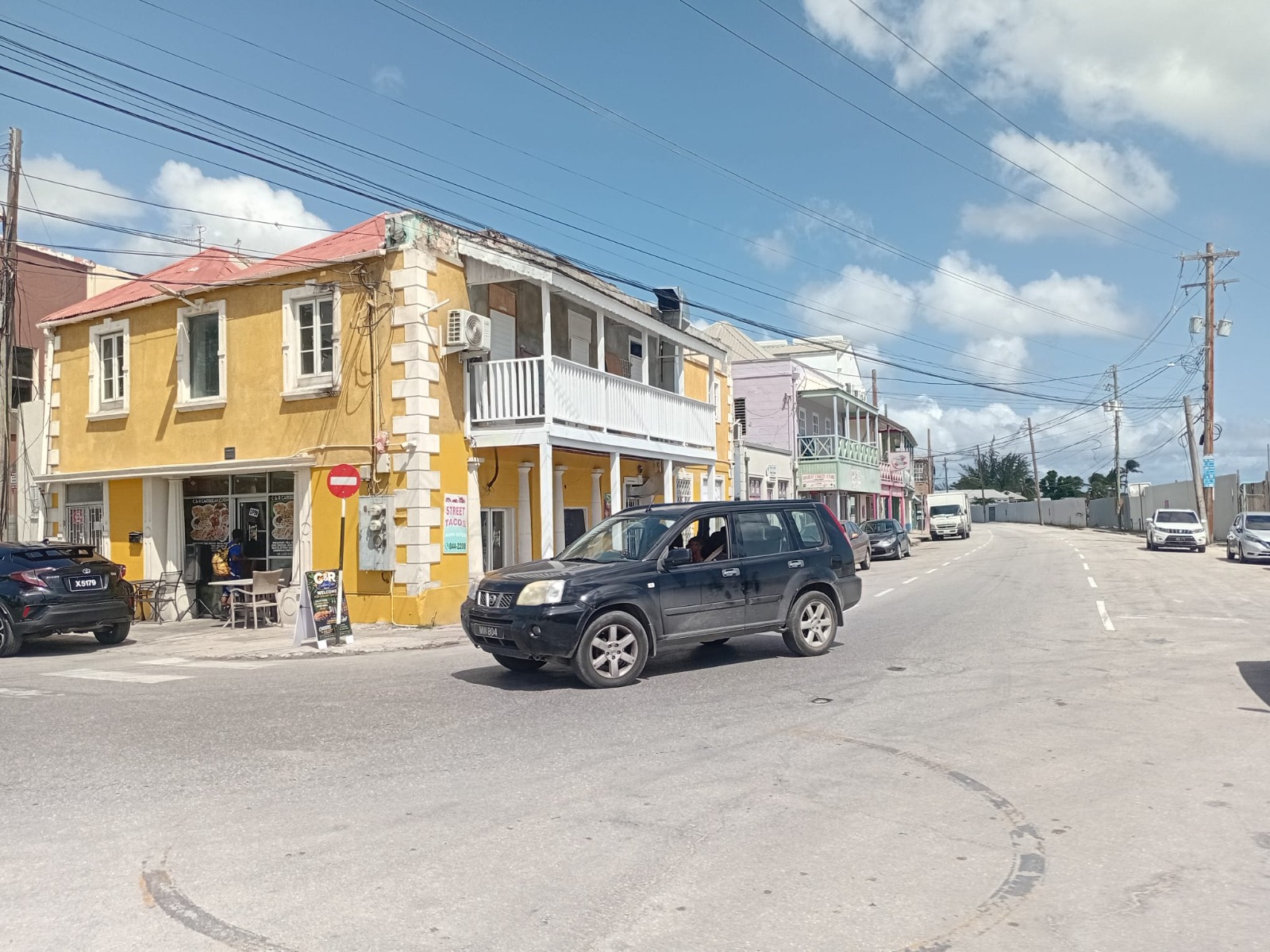
Merchants fret as ‘the bridge in Bridgetown’ closed to pedestrians
In the heart of Bridgetown, Barbados, a 150-year-old historic infrastructure landmark is triggering growing financial strain for local retailers and food service operators, multiple business proprietors have confirmed to local outlet Barbados TODAY. The structure in question is Chamberlain Bridge, better known to locals as the Swing Bridge – a key pedestrian link connecting the lower Careenage district to Bridgetown’s southern commercial hub, currently managed by state-owned Barbados Port Inc. (BPI).
In a recent operational shift that has upended daily movement across the city center, BPI has implemented a fixed schedule that closes the bridge to foot traffic for extended blocks throughout the day, with no set end date for the new restrictions. Notices posted at both ends of the converted lift bridge outline the staggered operating routine: the bridge is raised for marine traffic between 5 a.m. and 8:30 a.m., 10:45 a.m. to 1 p.m., and 3 p.m. to 6 p.m. Pedestrians are only permitted to cross during three windows: 8:30 a.m. to 10:45 a.m., 1 p.m. to 3 p.m., and 6 p.m. to 5 a.m. the following day.
For business owners along Lower Bay Street, the restricted access has already translated to a measurable drop in foot traffic and revenue, with the midday lunch rush hit hardest. Many regular patrons who travel from the other side of the Careenage for midday meals and errands are opting to stay away rather than take the long detour around the waterway, owners report. “Some people across town who come over the bridge for lunch complain that walking all the way around is too much,” shared one local restaurant owner. “It is definitely affecting my business.” The proprietor added that office and bank workers from nearby districts – once a consistent core customer base – are among those skipping the trip entirely.
Navin, operator of Bhairav Variety Store, echoed those frustrations, noting that inconsistent adherence to the published schedule has made the problem even worse. “I am losing business and people who depend on me are inconvenienced,” he said. “The bridge says it is open at a certain time, but when you get there, it is not open. It has happened many times.” That unpredictability, he explained, has deterred even committed regulars from attempting to cross. “When people go there expecting it to open and it does not, they have to walk all the way around. That is not how business works. They need to organise it better so that when they say it will open, it opens.”
Reactions from everyday pedestrians to the new schedule have been split, with some dismissing the disruption as a minor hassle and others describing it as a major break from daily routine. A Jamaican visitor to the island said the unexpected closure extended her travel plans during a recent trip, calling the change “an inconvenience.” For daily commuter Astor Whitehall, however, the longer walk is no cause for complaint: “It doesn’t matter to me — the exercise is good,” he said.
Another regular user acknowledged that the operational change may serve a practical purpose, but argued that the impact on ordinary Bridgetown residents has been underplayed. “For the most part, it will be an inconvenience for ordinary people,” he said. Samantha Yearwood, who crosses the bridge every day for work, said the new rules have completely upended her commute. “It is an inconvenience because I now have to go around the other side to get to work,” she explained.
Elderly pedestrian Frederick Young struck a more conciliatory tone, noting that the restrictions could be justified if they address critical infrastructure needs. “If there is a good reason, I don’t see anything wrong with the time limits,” he said.
As of press time, senior BPI officials have not responded to requests for comment on the new schedule or the concerns raised by local business owners.
Chamberlain Bridge carries deep historical roots for Bridgetown – the city takes its name from the original Indian Bridge that stood on the same site, with the current structure constructed between 1865 and 1867. For more than a century, it accommodated both vehicles and pedestrians, with operators manually swinging the span open to allow schooners to access the Inner Basin. Small fishing vessels could even pass beneath the closed span when mooring in the basin. By the 1990s, age and wear left the original swing mechanism unreliable, with engineers warning that the bridge could get stuck open if activated. It was closed to vehicle traffic for years, before undergoing a conversion to a lift bridge in 2006 that preserved its function as a key pedestrian crossing.