作者: admin

  • E.P. Chet Greene Declares 2026 the Year of the Youth in St. Paul’s

    E.P. Chet Greene Declares 2026 the Year of the Youth in St. Paul’s

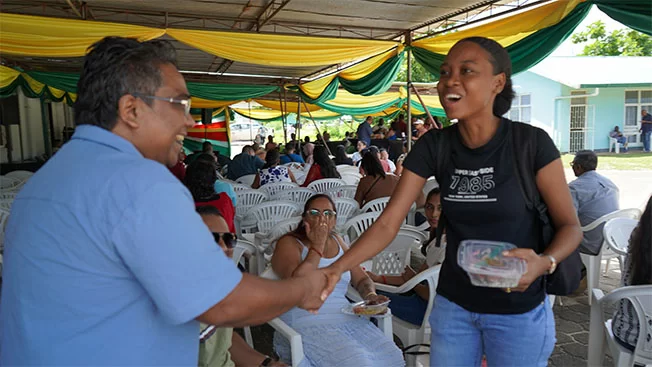
    In a profoundly hopeful New Year’s address to the community of St. Paul’s, a visionary roadmap for 2026 was unveiled, centered on empowering the younger generation and fostering collective progress. The message, delivered with spiritual reverence and community solidarity, framed the new year not as a mere calendar change but as fertile ground for shared promise.

    The cornerstone initiative declared 2026 the ‘Year of the Youth,’ recognizing young people not as future leaders but as a present force to be unleashed. This commitment will be materially supported by the soon-to-be-completed Leroy ‘Billy’ Tonge Technical Center in Liberta, hailed as a beacon for vocational training in cosmetology, architecture, and building trades. The center is presented as an inheritance for the youth to actively claim and shape their destinies.

    Beyond youth empowerment, the address outlined a multi-faceted community development plan. This includes advancing home ownership programs, fueling local entrepreneurship to strengthen the economic soul of St. Paul’s, and nurturing spiritual roots to maintain unity. The message also emphasized honoring elders with unwavering support while ensuring every child has access to educational resources and opportunities.

    The community’s recent upgrades, including health facilities in Liberta and Cobbs Cross, were reframed not as distant infrastructure but as monuments to shared well-being, entrusted to the people for their use and protection. The address also acknowledged the ongoing work to renew roadways and water services, requiring collective patience.

    A special tribute was paid to local athletes, whose discipline and victories are celebrated as pathways to inspire others and lift community spirit. The speech concluded with a powerful call for a chorus of commitment rooted in deep mutual love and biblical hospitality, urging residents to be their brothers’ and sisters’ keepers in building a community renowned for compassion, opportunity, and unshakeable faith.

  • Zon, wolkenvelden en buien

    Zon, wolkenvelden en buien

    Meteorological conditions across the region remained volatile on the inaugural day of the new year, with atmospheric instability prompting weather authorities to issue nationwide forecasts of intermittent cloud cover and dispersed rainfall activity throughout afternoon hours. Thermal readings consistently ranged between 28°C and 31°C across all monitored zones, accompanied by elevated humidity levels characteristic of the minor rainy season. Interior territories and southern districts experienced particularly pronounced thermal conditions, with meteorological models indicating increased precipitation probability during latter daylight hours. The combination of elevated temperatures and humidity created sultry conditions despite periodic rainfall, suggesting residents should prepare for rapid weather transitions throughout the day. Weather patterns align with typical seasonal expectations for this transitional meteorological phase, though the persistence of unstable atmospheric conditions warrants attention for outdoor activities. Regional meteorological services continue monitoring developments as the minor rainy season progresses into its peak phases.

  • Ontslagen SLM-directieleden misleidden president met onjuiste cijfers

    Ontslagen SLM-directieleden misleidden president met onjuiste cijfers

    Surinam Airways (SLM) has terminated two top executives after an external audit revealed significant financial discrepancies and potential misconduct. Former directors Steven Gonesh and Santosh Baidjoe were dismissed for presenting misleading financial data to President Jennifer Simons, according to Board Chairman Marlon Telting.

    The preliminary audit uncovered material inconsistencies between reported figures and actual accounting records. Telting stated that the executives’ presentation of inaccurate financial information compromised the shareholder’s decision-making process. The investigation revealed tens of millions of U.S. dollars in outstanding receivables from debtors—funds that could have sustained operations for nearly a year without state subsidies.

    Authorities are investigating why these substantial amounts remained uncollected and why lower revenue figures were reported in official presentations. The findings suggest potential crimes including document forgery, financial statement manipulation, and economic offenses. Specific concerns include possible embezzlement of airport fees collected through ticket sales and discrepancies in a loan agreement with Grassalco that exceeded recorded amounts.

    Telting attributed the situation to years of inadequate internal controls at SLM, noting a complete absence of checks and balances within the organization. The dismissed executives were given opportunity to respond to the allegations but failed to provide adequate justification for the discrepancies.

    The audit represents merely the initial phase of a comprehensive review. An accountant under contract with SLM will be questioned regarding missing audits that were due in 2024. The supervisory board aims to complete its deepened investigation by late January 2026 before making decisions regarding policy changes and potential partnerships.

    Concurrently, the board is restructuring the executive leadership framework, expanding it to four members with specific vacancies for operational and financial directors. Telting acknowledged the dedication of SLM employees who continued working through significant post-COVID measures and recognized that union concerns had previously been insufficiently addressed.

    Despite the challenges, Telting clarified that not all SLM operations are loss-making. While the core airline business operates at a deficit, catering, cargo, and other divisions remain profitable, contradicting narratives of comprehensive institutional failure.

  • Ali, Norton talk up good governance in New Year addresses

    Ali, Norton talk up good governance in New Year addresses

    In their respective New Year addresses for 2026, Guyana’s President Irfaan Ali and opposition leader Aubrey Norton presented competing visions of governance while both emphasizing commitments to democratic principles. President Ali, leading the People’s Progressive Party Civic administration, made a personal pledge to govern with “integrity, discipline, and compassion,” vowing to prioritize national interests and practice attentive leadership. Meanwhile, APNU leader Norton positioned his party as a government watchdog, promising to vigorously challenge any perceived lapses in transparency, accountability, or rule of law. The exchange occurs against a backdrop of corruption allegations against government ministers from We Invest in Nationhood party leader Azruddin Mohamed, which have been denied by Agriculture Minister Zulfikar Mustapha and Tourism Minister Susan Rodrigues. Norton framed the political struggle as a defense against “corruption and dictatorial myopia,” urging citizens to reject the current administration and instead envision a future where oil wealth translates to improved quality of life for all Guyanese, particularly youth, Indigenous communities, and public servants. APNU parliamentary leader Dr. Terrence Campbell reinforced this message in a separate address, calling for enhanced public security and an end to discrimination based on ethnicity, gender, or sexual orientation.

  • Divested bus company ‘won’t interfere’ with pensioners, children

    Divested bus company ‘won’t interfere’ with pensioners, children

    The Barbados government is proceeding with its controversial plan to divest the state-owned Transport Board while simultaneously developing a new mass transit framework, Deputy Prime Minister Santia Bradshaw confirmed Wednesday. The announcement comes despite mounting opposition from various sectors, including the influential Congress of Trade Unions and Staff Associations (CTUSAB).

    Speaking during the arrival of 35 new electric buses at Bridgetown Port, Bradshaw emphasized that the process remains in its consultative phase, with workers’ interests positioned as the central consideration. The government intends to conduct comprehensive dialogues with employees and stakeholders before finalizing any decisions regarding the public transportation overhaul.

    “Multiple meetings are often necessary when engaging stakeholders on major reforms,” Bradshaw stated, adding that she would not prejudice ongoing discussions. The government recognizes the need for thorough, transparent conversations that allow for potential adjustments to initial proposals.

    The Transport Minister underscored the administration’s particular obligation to long-serving employees, many of whom have dedicated decades to the institution. “I feel that we owe it to them first and foremost, along with their representatives, to have conversations without prejudice from opinions in the public domain,” Bradshaw explained, referencing her recent attendance at a ceremony honoring employees’ years of service.

    While Cabinet has already approved preliminary proposals for stakeholder discussion, Bradshaw revealed that the government remains open to modifications based on consultation feedback. The administration has simultaneously committed to protecting vulnerable groups throughout the transition process, assuring continued transportation access for pensioners, school children, and essential service personnel.

    Bradshaw framed the divestment initiative as part of a broader worker empowerment strategy, stating: “While we divest on one hand, our intention is to enfranchise the Transport Board workers who have given committed service for decades.” The government views the divestment process and worker enfranchisement as intrinsically linked components of their transportation reform agenda.

  • Prime Minister Mia Mottley’s New Year message to the nation

    Prime Minister Mia Mottley’s New Year message to the nation

    In a comprehensive New Year’s address marking Barbados’ entry into its Diamond Jubilee year, Prime Minister Mia Mottley articulated a vision of national resilience and progress while acknowledging ongoing challenges facing the Caribbean nation. The speech, delivered on January 1, 2026, blended reflection on past achievements with forward-looking policy directives for the nation’s 60th anniversary of independence and fifth year as a parliamentary republic.

    The Prime Minister emphasized the concept of “Bajan-strong” resilience that has characterized the nation’s response to recent global crises, including pandemics, extreme weather events, and economic turbulence. She highlighted how this collective strength has enabled Barbados to “bend, brace, and build” rather than fold under pressure, drawing parallels between national endurance and diamond formation under duress.

    Significant policy achievements from 2025 were detailed, including a 24% increase in the national minimum wage, introduction of statutory paternity leave, expanded disability benefits, and the creation of price monitoring tools like the Ask Dealia app. The government’s infrastructure investments were noted, with 60 roads assessed for rehabilitation under the Focused Roads Programme and substantial progress on highway expansions.

    Economic milestones received particular attention, with successful completion of BERT 1, BERT 2, and IMF Extended Fund Facility programs leading to the announcement of BERT 3.0—a new initiative designed to enhance national competitiveness. Tourism sector developments were highlighted, including Hotel Indigo’s upcoming opening and record airport traffic exceeding 10,000 passengers daily.

    The address balanced these achievements with candid acknowledgment of persistent challenges, including cost-of-living pressures, healthcare system improvements, and infrastructure demands exacerbated by climate change. Prime Minister Mottley outlined 2026 priorities focusing on digital transformation through FinTech initiatives, enhanced emergency healthcare services, and continued road infrastructure development.

    A substantial portion of the speech addressed societal values and intergenerational responsibility, calling for a national recommitment to service, respect, and character development. The Prime Minister emphasized that technological progress must be balanced with ethical guardrails, particularly regarding AI’s potential misuse for spreading misinformation.

    The address concluded with an invocation of collective responsibility, urging citizens to actively participate in shaping the nation’s future through the “Beacons of Renewal” framework focusing on environmental resilience, social cohesion, and digital transformation. The Prime Minister framed the Diamond Jubilee year as an opportunity to strengthen both institutional foundations and civic values for future generations.

  • Norton wants more oil money for Guyanese, Ali promises lower taxes, higher wages

    Norton wants more oil money for Guyanese, Ali promises lower taxes, higher wages

    Guyana’s political leadership has presented divergent blueprints for the nation’s burgeoning oil revenues in their New Year addresses, setting the stage for a consequential policy debate in 2026. Opposition Leader Aubrey Norton of the People’s National Congress Reform (APNU) advocated for radical redistribution of petroleum earnings, while President Irfaan Ali detailed concrete economic measures including tax reductions and wage enhancements.

    Norton emphasized the urgent need to address Guyana’s alarming poverty rate exceeding 50 percent, arguing that current resource allocation predominantly benefits wealthy elites while exacerbating economic disparities. “The government should change the pattern of allocation of resources from benefitting the few and making the rich richer and the poor poorer,” Norton asserted in his message. He called for a fundamental reorientation toward people-centered policies that would ensure all Guyanese citizens share in the nation’s natural resource wealth.

    The opposition leader, whose party suffered a significant electoral defeat in September 2025, pledged to reinvent his political approach, promising to become “the solid choice for development focused governance” in the coming year. He stressed that the unprecedented oil revenues demand a comprehensive strategic plan specifically designed to benefit ordinary citizens.

    President Ali countered with specific economic commitments for 2026, announcing that national prosperity would directly translate into improved individual and community circumstances. His administration plans to increase disposable income through a three-pronged approach: direct financial support, elevated wages, and reduced taxation. Beyond fiscal measures, Ali outlined ambitious social programs including accelerated housing development to create “a nation of homeowners grounded in security and dignity.”

    The President also revealed plans to bolster the creative sector through investments in artistic and cultural entrepreneurship, terming this initiative the growth of Guyana’s “orange economy.” Additionally, communities nationwide are slated to receive infrastructure upgrades including improved road networks, enhanced lighting systems, recreational playgrounds, and modern sporting facilities.

  • Column: Decentralisatie van de schoolsport

    Column: Decentralisatie van de schoolsport

    Suriname’s upcoming hosting of the 2026 Inter Guyanese Games has sparked critical examination of athlete selection processes and regional representation disparities. Having reportedly claimed the overall championship title during the 2025 edition in neighboring Guyana, Suriname now bears responsibility for organizing the next iteration of this regional sporting event.

    The coordination of Surinamese representation falls under the purview of the Foundation School Sports Federation Suriname (SSFS), whose nationwide mandate theoretically ensures equal opportunity for students across all districts. Selection criteria should logically prioritize two fundamental qualifications: appropriate age categorization and active sports participation. However, reality demonstrates a persistent pattern where athletes primarily training in the capital city of Paramaribo consistently dominate national selections.

    This geographical bias creates significant barriers for district children seeking competitive opportunities. The Inter Guyanese Games present an ideal platform to actualize decentralization principles through sports. The camaraderie and connections formed during these games provide immeasurable value for participants—benefits that should not remain exclusive to urban-based athletes.

    As host nation, Suriname possesses expanded capacity to include more competitors in its delegation. This flexibility enables the reservation of placement quotas for each district, ensuring broader regional representation. District-based SSFS representatives would determine which athletes merit selection, provided they maintain active sporting engagement.

    Corporate entities operating within districts could be engaged to address financial constraints through sponsorship programs, while local sports associations might collaborate with national governing bodies to elevate training standards. With timely preparation commencing immediately, the 2026 Games could inaugurate a new era of equitable regional participation in international sports forums.

    Systemic reforms must ensure that birthplace ceases to determine athletic opportunity. Every young athlete deserves equitable access to development pathways and competitive experiences that build confidence and foster national pride through sports participation.

  • US steps up pressure on Venezuela with further sanctions on Maduro

    US steps up pressure on Venezuela with further sanctions on Maduro

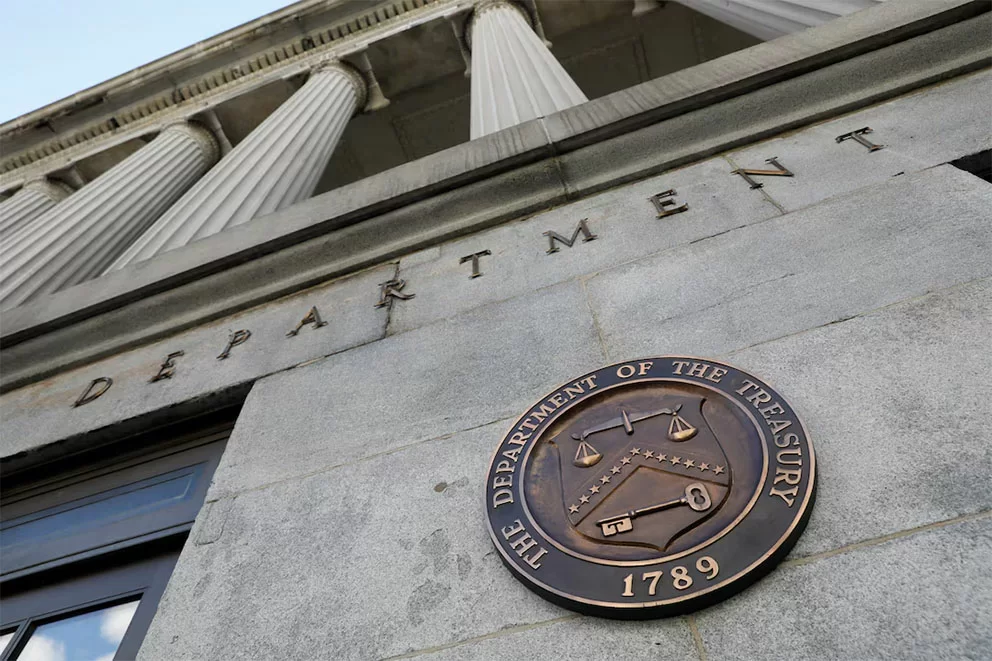
    The Trump administration has escalated its economic campaign against the Venezuelan government through imposing stringent new sanctions targeting entities within the nation’s oil transportation network. On January 1, 2026, the Department of the Treasury’s Office of Foreign Assets Control (OFAC) designated four companies operating in Venezuela’s petroleum sector and identified four associated oil tankers as blocked property.

    According to official statements, these measures specifically target what U.S. officials characterize as a ‘shadow fleet’ that continues to generate substantial revenue for President Nicolás Maduro’s administration. Treasury Secretary Scott Bessent emphasized the administration’s determination to prevent what he described as ‘Maduro’s illegitimate narco-terrorist regime’ from profiting from oil exports while allegedly flooding American markets with illicit drugs.

    The sanctioned vessels include NORD STAR (IMO: 9323596), owned by Corniola Limited and managed by Krape Myrtle Co Ltd; ROSALIND/LUNAR TIDE (IMO: 9277735) owned by Winky International Limited; and both DELLA (IMO: 9227479) and VALIANT (IMO: 9409247) linked to Aries Global Investment Ltd. These tankers have been identified as actively transporting Venezuelan crude despite existing restrictions.

    This latest action represents a continuation of the comprehensive sanctions strategy implemented throughout Trump’s presidency, which has systematically targeted Maduro’s inner circle, family members, and associated organizations. U.S. authorities maintain that the Venezuelan leader maintains connections to narcotics trafficking and criminal organizations including Tren de Aragua.

    The Treasury Department’s release further clarified that these measures complement previous sanctions imposed on PDVSA-linked officials and vessels in mid-December, underscoring the ongoing campaign to exert maximum economic pressure on Caracas.

  • President: 2026 jaar van herstel en voorbereiding op toekomst

    President: 2026 jaar van herstel en voorbereiding op toekomst

    In her nationally televised New Year’s address, President Jennifer Simons of Suriname reflected on the transformative events of 2025 while charting a comprehensive roadmap for national recovery in 2026. The President’s speech struck a delicate balance between acknowledging recent tragedy and projecting determined optimism for the nation’s future.

    The address began with solemn recognition of the Commewijne tragedy that marked the final days of 2025, with President Simons announcing January 2, 2026, as a National Day of Mourning. ‘We find ourselves immersed in collective grief,’ stated the President, extending solidarity to affected families while emphasizing the government’s commitment to supporting citizens through difficult times.

    Looking forward, the administration unveiled a dual-track approach for 2026 focused on immediate restoration and long-term foundational development. The government will prioritize repairing critical public services including healthcare, education, and social welfare programs, aiming to achieve ‘socially acceptable standards’ by year’s end. Simultaneously, officials will lay groundwork for post-2028 economic development, particularly anticipating future revenue increases.

    President Simons emphasized collaborative governance, revealing that seven to eight specialized working groups—streamlined from approximately ninety committees inherited from previous administrations—will drive implementation based on the governing agreement. The strategy explicitly engages private sector expertise and includes representation from all political organizations in the National Assembly.

    Addressing economic challenges, the administration acknowledged ongoing currency volatility as a primary inflation driver and confirmed intensive collaboration with national and international partners to stabilize exchange rates. Despite economic constraints, the government maintains that digital transformation remains essential for strengthening governance and combating corruption.

    The President concluded with a call for unified national effort: ‘Everything we must accomplish in 2026 requires our collective determination—government supporting citizens, and citizens supporting one another.’ This mutual commitment, Simons asserted, forms the essential foundation for strengthening both economy and governance as Suriname advances toward better tomorrow.