作者: admin

  • Fortuna Belle the top pick in Security Department Trophy

    Fortuna Belle the top pick in Security Department Trophy

    Caymanas Park prepares to host the prestigious $1.25-million Security Department Trophy this weekend, featuring an elite field of eleven thoroughbreds competing over the challenging 5-furlong straight course. The Overnight Allowance contest for three-year-olds and upward highlights Saturday’s nine-race card, drawing particular attention to several standout performers based on recent form and training patterns.

    Among the top contenders, Zulu Warrior demonstrates remarkable consistency with consecutive second-place finishes in his previous outings. The five-year-old chestnut horse, sired by Soul Warrior out of Lookatmenow, appears perfectly suited to the distance and is expected to mount a serious challenge for the championship title.

    Fortuna Belle (USA) presents another compelling case for victory following an impressive third-place debut behind California Crown at 5.5 furlongs last November. The dark bay/brown mare, descended from Uncaptured and Double Seven, has shown exceptional training form and possesses the pedigree to potentially lead the field.

    Champion Bubbler (USA) merits consideration despite a disappointing performance in the Mouttet Mile. The seven-year-old bay mare has since dropped in class and demonstrated significant improvement during training sessions, positioning herself as a legitimate threat for top honors.

    Norblar brings proven experience at this distance, having secured third place behind Mighty Gully in previous competition. The six-year-old bay horse continues to show competitive form and should deliver another solid performance.

    Another One emerges as an interesting prospect following his recent victory at identical distance, clocking an impressive 58.3 seconds. The four-year-old bay colt represents a genuine contender based on his demonstrated speed capabilities.

    The remaining field includes several runners facing significant challenges: Laban struggles with inconsistent form, Major Danger (USA) seeks to break a ten-race winless streak, while A Gift From Ben, Divine Force (USA), Smart Trick, and Cookie Day N Night appear unlikely to challenge the established favorites based on current assessments.


  • SHOWDOWN OVER KINGSTON’S SKYLINE

    SHOWDOWN OVER KINGSTON’S SKYLINE

    Jamaica’s National Environment and Planning Agency (NEPA) has significantly intensified its regulatory oversight, rejecting seven multi-storey residential proposals throughout 2025 amid growing concerns about excessive urban density and environmental compliance. This represents a notable increase from the five refusals recorded in 2024, with the majority concentrated in Kingston and St. Andrew where land scarcity continues to drive developers toward increasingly intensive projects.

    The agency’s decisions reveal a pattern of rejecting developments that exceed established planning thresholds rather than merely addressing procedural deficiencies. In Kingston 6, NEPA dismissed two high-density housing proposals containing 78 and 82 units respectively at Dillsbury Avenue locations, declaring them ‘premature and overintensive’ for the Jack’s Hill area. The agency determined that both projects surpassed approved density levels and plot area ratios for the locale.

    Critical examination of refusal notices indicates NEPA’s heightened focus on substantive planning violations including excessive densities, inadequate sewage treatment solutions, and unsuitable site conditions. A Russell Heights development was rejected for proposing 50 habitable rooms per acre where only 30 were permitted, while a Barbican Heights project faced refusal due to steep slopes and unstable limestone formations that rendered the site inappropriate for intensive construction.

    Wastewater management emerged as a decisive factor in multiple rejections. Proposals in Arlene Gardens and Pigeon Valley were refused primarily due to absent or inadequate sewage treatment plans, with NEPA warning of potential environmental and public health risks. A Westmoreland project met similar resistance on sewage-related grounds.

    This regulatory hardening occurs against a backdrop of significant legal challenges that have exposed weaknesses in Jamaica’s development approval framework. The protracted legal battle over the Birdsucker Drive apartment complex resulted in the Supreme Court overturning permits granted by both NEPA and the Kingston and St. Andrew Municipal Corporation (KSAMC) in 2020, though the Court of Appeal partially reversed this decision in June 2025. The case prompted KSAMC to implement procedural reforms aimed at preventing future legal challenges and ensuring proper community consultation.

    NEPA’s stringent approach extends beyond residential projects. The agency refused a commercial subdivision in St. Catherine for violating agricultural zoning regulations and rejected a slaughterhouse operation in St. Elizabeth due to inadequate effluent treatment and odor control measures, citing environmental safety concerns.

  • Money Market impressive in Boxing Day Sprint

    Money Market impressive in Boxing Day Sprint

    In a spectacular display of racing prowess, the Gary Subratie-trained thoroughbred Money Market captured the prestigious $1.25-million Boxing Day Sprint on December 26, 2025, at a Jamaican racetrack. Ridden by jockey Dane Dawkins, the four-year-old bay gelding demonstrated exceptional tactical intelligence and finishing speed to claim victory by 2¼ lengths.

    The triumph marked a remarkable comeback for Money Market, who had previously finished as runner-up to the highly-rated foreign contender Of A Revolution in the Bruceontheloose Sprint just three weeks earlier. The horse’s training team implemented a revised racing strategy that proved decisive in both performances.

    Executing a perfectly timed race plan, Money Market was held off the pace during the early stages, conserving energy behind frontrunners Commander Z, A Gift From Ben, Huntsman, and Supremasi down the backstretch. Approaching the critical half-mile turn, Dawkins initiated his move, expertly navigating through the field to secure third position.

    The winning moment arrived in the final stretch when Money Market unleashed a devastating acceleration, powering past his rivals to cross the finish line in a commanding time of 1:20.0 for the 6½-furlong (1,300m) Overnight Allowance contest. Supremasi, piloted by Dane Nelson, secured second place, while Huntsman with Jaheim Anderson completed the top three positions.

    Trainer Gary Subratie expressed particular satisfaction with the strategic execution, noting: ‘Dane knows that horse inside out. We’ve modified his running approach to conserve energy for the final stretch, and the results have been extraordinary.’ The victory represents Money Market’s second win from twelve starts this season, signaling his emergence as a formidable contender in sprint events.

    Bred by Successful Native out of the Dance Master mare Soca Dancer, Money Market has demonstrated consistent improvement throughout the racing season, with his Boxing Day performance standing as a career highlight.

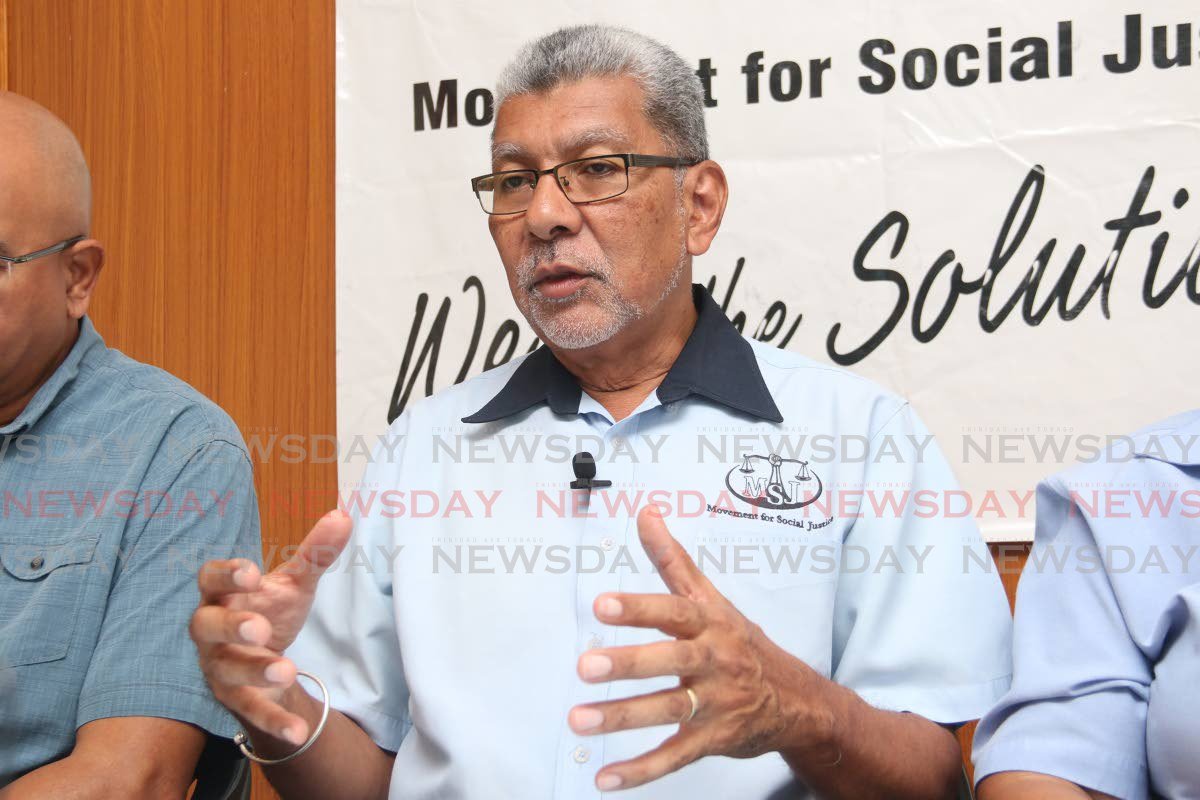
  • MSJ’s Abdulah slams PNM, UNC

    MSJ’s Abdulah slams PNM, UNC

    In a sharply critical New Year’s address, Movement for Social Justice (MSJ) political leader David Abdulah delivered a sweeping condemnation of Trinidad and Tobago’s two dominant political parties, accusing both the ruling United National Congress (UNC) and opposition People’s National Movement (PNM) of fundamental governance failures.

    Abdulah characterized 2025 as a historically significant year marked by consequential elections in both Trinidad and Tobago and the United States. He expressed deep concern about the international political climate, particularly referencing Donald Trump’s return to power and the subsequent Project 2025 initiative, which he described as promoting “an ultra right-wing agenda rooted in white supremacy and the aggressive rewriting of historical narratives through executive overreach.”

    The MSJ leader elaborated on global implications, stating this agenda represents “imperialism on steroids” characterized by resource exploitation tactics, unilateral tariff impositions contravening WTO regulations, visa revocation threats, illegal sanctions, and the resurgence of gunboat diplomacy.

    Domestically, Abdulah presented a detailed electoral analysis, noting that the PNM suffered a catastrophic collapse in public support during the April general election. The party’s vote count plummeted by over 100,000 ballots from 322,180 in 2020 to merely 220,160 in 2025. He attributed this dramatic rejection to the PNM’s alleged arrogance in governance, its adherence to neoliberal economic policies that disproportionately favored the wealthy, and specific controversial actions including the closure of Petrotrin refinery and mass worker retrenchments.

    While acknowledging the UNC’s electoral victory under Kamla Persad-Bissessar’s leadership, Abdulah highlighted concerning democratic metrics. Despite securing 26 of 41 parliamentary seats (68% representation), the UNC coalition garnered only 350,734 votes representing approximately 30% of electoral support amid a record-low 54% voter turnout—the poorest participation rate since the 1971 ‘No Vote’ campaign.

    The opposition leader criticized the new government for exhibiting concerning tendencies reminiscent of its predecessor, citing Prime Minister Persad-Bissessar’s characterization of Trinidad as “a lawless dump” and abrupt reversals of longstanding foreign policy positions. While acknowledging some positive developments including stakeholder consultations on scrap iron regulations, refinery restart committees, and settled wage negotiations, Abdulah noted troubling patterns of insufficient consultation with maxi-taxi associations and Carnival stakeholders, and what he termed “a new manifestation of prime ministerial power.”

    Abdulah concluded that neither major party demonstrates capacity for the fundamental transformation required—a shift from top-down governance to participatory democracy and economic reconstruction that benefits all citizens rather than select elites. He called for emergence of a new mass movement capable of challenging the status quo, citing growing civic engagement around peace vigils, Palestinian solidarity, and global liberation movements as promising indicators of potential change.

  • Old Hilarians’ Association announces new executive for 2025–2027

    Old Hilarians’ Association announces new executive for 2025–2027

    The Old Hilarians’ Association of Bishop Anstey High School has ushered in a transformative era with the inauguration of its newly constituted executive committee for the 2025-2027 term. This development, announced on December 31, signals a revitalized commitment to strengthening alumni connections and institutional legacy.

    The freshly appointed leadership team comprises dedicated volunteers from the alumni community who bring diverse expertise and unwavering passion to their roles. This executive body embodies the enduring Hilarian tradition of service, united by a shared vision to reinvigorate the association’s programs and outreach initiatives.

    Key priorities for the new term include rebuilding organizational momentum, enhancing communication channels among graduates, and creating meaningful engagement opportunities for both past and present students. The executive has pledged to foster collaborative efforts that facilitate reconnection and contribution from the broader alumni network.

    A central component of their strategy involves implementing robust mentorship programs and advocacy initiatives designed to support current students. This intergenerational approach aims to bridge historical legacy with contemporary educational needs while maintaining the institution’s proud traditions.

    The association emphasizes that all executive services remain entirely voluntary, motivated by profound gratitude and responsibility toward the school community. This leadership transition represents both continuity and transformation—honoring historical foundations while adapting to modern alumni aspirations.

    The association encourages all graduates to actively participate in this renewal process, contributing to the development of a dynamic and impactful alumni body that strengthens institutional bonds across generations.

  • PM, TTPS celebrate success ‘restoring peace’: Murders fall to 10-year low

    PM, TTPS celebrate success ‘restoring peace’: Murders fall to 10-year low

    Trinidad and Tobago has achieved a remarkable breakthrough in public safety, recording a 42% reduction in homicides for 2025 with 369 murders compared to 626 the previous year. This represents the nation’s lowest murder rate since 2014 and one of the most significant crime reductions globally this year.

    The Trinidad and Tobago Police Service (TTPS) implemented comprehensive strategies including evidence-based policing, intelligence-led operations, and technology-driven solutions. Under the state of emergency declared on July 18, officers conducted 12,574 operations, targeted 3,723 priority offenders, and performed over 82,000 searches while seizing 673 illegal firearms and more than three tonnes of marijuana.

    Prime Minister Kamla Persad-Bissessar publicly commended Commissioner of Police Allister Guevarro and the TTPS, stating: “I promised that my government would act decisively to reduce crime, and we have delivered on that commitment. Their relentless work, discipline, and determination have been critical in lowering both the murder rate and serious crime across Trinidad and Tobago.”

    The crime reduction extended beyond homicides, with serious reported crimes dropping by 8%, violent crimes decreasing by 15%, larceny of motor vehicles falling by 21%, and fatal road traffic accidents declining by 22%. Police also improved detection rates significantly, with murder investigations increasing from 15% to 20% solved cases and serious crimes moving from 29% to 36% detection rates.

    Deputy Commissioner of Police Junior Benjamin attributed success to strategic leadership and enhanced community partnerships: “The results were not something that came by accident but through strategic direction. We recognized that we’ve done a lot in terms of community partnership where officers are bonding more with the public and creating greater atmosphere of trust.”

    As the state of emergency approaches its conclusion in January, authorities are implementing new legislation and training programs to maintain security gains. These include leveraging the Administration of Justice Act to streamline judicial processes and training officers to utilize expanded warrant authorities for faster response to criminal activity.

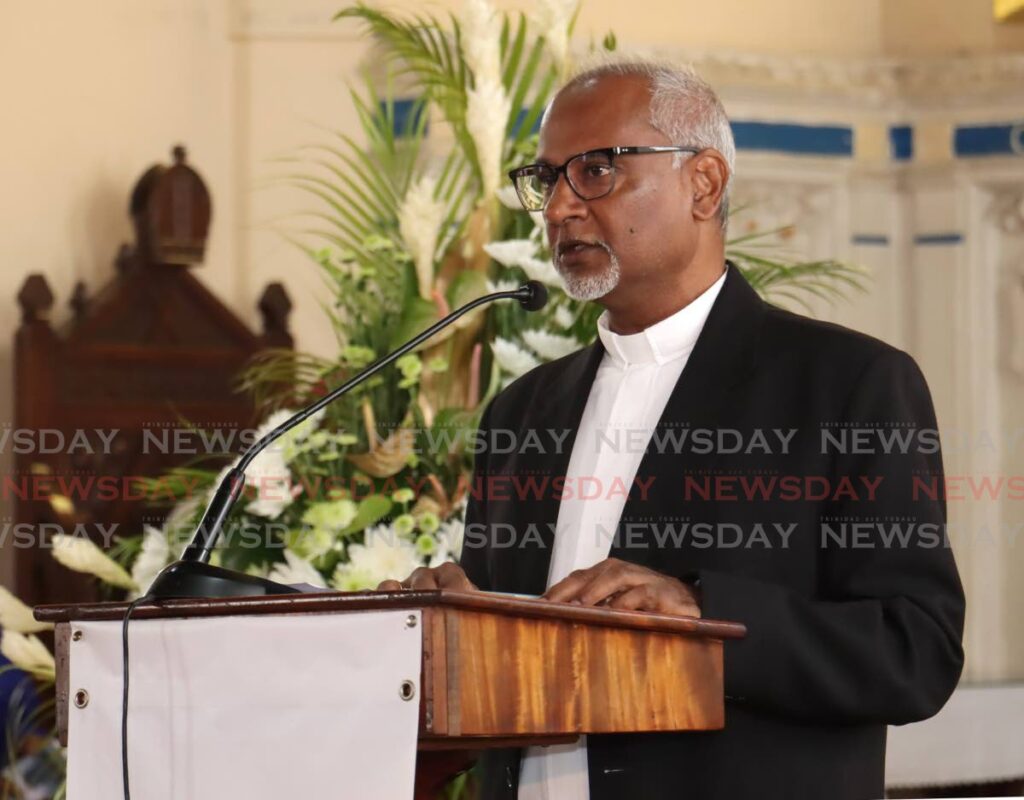
  • Reflections on hope

    Reflections on hope

    In a profound philosophical and theological examination, religious scholar Fr Martin Sirju has undertaken an extensive exploration of hope’s fundamental nature, prompted by the recent conclusion of the Catholic Church’s Jubilee Year in December 2024. This significant religious observance, occurring every quarter-century, carried the thematic banner “Hope does not disappoint” from Romans 5:5—a declaration that Sirju finds critically inadequate when confronted with life’s complex realities where hopes frequently shatter.

    The analysis draws substantially from Western philosophical traditions, particularly engaging with French existentialist writer Gabriel Marcel’s distinction between diluted hope—mere wishes for pleasant occurrences—and genuine hope that transcends superficial optimism. Marcel characterizes optimism as either a “firm conviction” or “vague feeling” predicated on external evidence and rational calculation, what philosopher Charles Taylor subsequently termed “the immanent frame.”

    This framework of modern secular hope operates within a self-contained system where meaning derives exclusively from human reason, nature, or psychological depths. While achieving commendable advancements in humanistic values like equality and democratic principles, this perspective creates what Taylor describes as a “buffered self”—individuals experiencing spiritual disconnection and community alienation.

    The examination identifies parallels between exclusive humanism and “created hope”—the deliberate generation of optimism through actionable strategies including goal establishment, cognitive reframing techniques, and therapeutic support systems. Sirju observes that this represents the predominant stance among contemporary Western Christians, particularly those identifying as “spiritual but not religious” who prioritize social improvement projects over traditional religious observance.

    However, the analysis argues that these conceptualizations prove ultimately unsatisfactory when measured against humanity’s most traumatic historical experiences. References to post-Hiroshima Japan, Transatlantic slavery’s devastating legacy, contemporary crises in Gaza and El Fasher, persistent structural racism affecting African Americans, and local murder victims demonstrate how religious hope—rather than secular endurance—enabled survival and cultural expression through spiritual songs.

    The scholarly work concludes that human courage and persistence against evil provide insufficient consolation without tangible manifestations of ultimate victory. Sirju finds resolution exclusively within Christian narrative traditions featuring an incarnate deity who lived impoverished under Roman tyranny, maintained non-violent yet prophetic resistance, and demonstrated acute awareness of systemic exploitation through labor and wage parables.

    The resurrection event emerges as the critical differentiator—transforming disappointed hopes into communal renewal and extraordinary courage. Despite attempts by atheists, agnostics, and academic researchers to deconstruct this phenomenon, the analysis maintains that the resurrection represents hope with transcendental reference points encompassing cosmic renewal rather than merely human-centered optimism. This hope extends beyond individual concerns to embrace regional geopolitical challenges, environmental anxieties, and collective suffering—a hope that ultimately will not disappoint.

  • Na jaren weer proefzending fruit en gewassen naar Frans-Guyana

    Na jaren weer proefzending fruit en gewassen naar Frans-Guyana

    In a significant development for Suriname’s agricultural sector, the first trial shipment of fruits and crops to French Guiana has been successfully conducted after years of inactivity. This milestone achievement stems directly from Agriculture, Livestock, and Fisheries Minister Mike Noersalim’s policy agenda focused on reducing imports while expanding export capabilities.

    Throughout the past year, the ministry has demonstrated exceptional commitment to this strategic shift. Minister Noersalim has outlined ambitious plans for 2026 to accelerate export growth, emphasizing that certain fundamental conditions must be established first. Critical institutions and departments require strengthening—a priority the ministry is currently addressing with urgency. Effective communication with exporters remains essential, as they need clear guidance on compliance requirements and standards.

    The ministry acknowledges its vital role in encouraging farmers to increase production, particularly of climate-resilient crops. “These are matters we intend to address expediently, in collaboration with entrepreneurs. The current challenge lies in moving forward collectively,” stated the minister. He stressed that success depends entirely on establishing mutual trust. To facilitate this, Noersalim advocates for increased funding to the NOVA fund, enabling more farmers to access low-interest loans and ramp up production.

    In a notable operational shift, the ministry has significantly reduced outsourcing of repair and maintenance work. Noersalim revealed that the Surinamese government had previously acquired equipment through loans specifically for agricultural purposes, yet these resources were seldom utilized as intended. Many machines were diverted for third-party use—a matter currently under investigation. Emergency tasks such as dam breach repairs or urgent drainage canal cleaning were consistently contracted out.

    “Over the past five months, we’ve managed all emergencies internally,” Noersalim announced. “The state incurred enormous costs from continuous outsourcing. We’ve completed these tasks at expenses substantially below contractor prices, often covering only labor costs, diesel, and machine maintenance. This policy will continue alongside ongoing support for cooperatives.”

    The minister champions fundamental solutions and establishing minimum baseline conditions for optimal operational processes. This approach extends to the rice sector, where significant improvements have been made. “When I assumed leadership, we essentially had half a pumping station operational. Today, three stations are functional with adequate water supplies and guaranteed fuel availability. We maintain ongoing dialogue with various organizations and sectors. These are all initiatives we’ll accelerate starting January, having established a solid foundation for progress.”

    During today’s year-end gathering, Minister Noersalim encouraged LVV staff to maintain courage and determination. Recent months have exposed several institutional issues that required addressing. The minister described this organizational overhaul as necessary for creating a robust foundation that will support accelerated agricultural development. He assured integrity-driven employees they have nothing to fear while promising continued efforts toward staff revaluation in the new year.

  • Pringle Says UPP Would Move Quickly to Repair U.S. Relations

    Pringle Says UPP Would Move Quickly to Repair U.S. Relations

    Antigua and Barbuda’s political landscape is bracing for potential diplomatic shifts as Opposition Leader Jamale Pringle announced ambitious plans to repair strained relations with the United States should his United Progressive Party (UPP) gain power. The declaration comes amid escalating concerns over recently imposed visa restrictions that threaten both citizen mobility and economic stability.

    In his comprehensive New Year’s address, Pinter highlighted the immediate ramifications of the visa constraints, noting that effective January 1st, numerous visa categories have become inaccessible to Antiguan and Barbudan nationals. “Prospective applicants find themselves confronting closed doors at the dawn of this new year,” Pinter emphasized, adding that those without existing valid visas face indefinite limitations on US entry permissions.

    The opposition leader challenged the current administration’s approach, asserting that Prime Minister Gaston Browne’s assurances of diplomatic resolution have yielded no tangible progress. “Despite repeated governmental promises that negotiated solutions would emerge, the situation remains fundamentally unchanged,” Pinter stated, positioning his party as the alternative capable of genuine diplomatic breakthrough.

    Pinter outlined a strategic framework for engagement, promising that a future UPP government would leverage all available diplomatic channels and historical goodwill to rapidly normalize relations with Washington. Central to this initiative would be preventing additional economic sanctions that could further destabilize the nation’s fragile economy and compromise citizen welfare. The proposed diplomatic offensive aims to safeguard national interests while restoring critical access to American markets and mobility options.

  • Fire Service responds to 13 000 emergency calls in 2025

    Fire Service responds to 13 000 emergency calls in 2025

    The Saint Lucia Fire Service (SLFS) experienced a significant escalation in operational demand throughout 2025, responding to a total of 13,480 emergency and assistance calls according to its year-end operational report. This volume represents a notable five percent increase compared to the 12,839 incidents handled in the previous year, underscoring growing public reliance on the agency’s services.

    An in-depth breakdown of response data reveals a fundamental shift in the nature of emergencies confronting the fire service. Medical emergencies constituted the predominant category, accounting for 6,723 responses. These interventions addressed critical health crises including cardiac arrests, acute respiratory distress, and various life-threatening medical situations requiring immediate pre-hospital care.

    Trauma-related incidents formed the second largest category with 2,194 responses, encompassing accidents, falls, and injuries resulting from violent encounters. Meanwhile, traditional fire emergencies accounted for 679 responses, involving structural fires across residential, commercial, and industrial settings, alongside vegetation fires, vehicle blazes, electrical fires, and smoke-related incidents.

    The service also dedicated substantial resources to 3,884 non-emergency calls, providing essential public assistance, conducting minor investigations, and performing safety inspections throughout communities across the island.

    This operational data illustrates the SLFS’s evolution beyond conventional firefighting into a comprehensive emergency response organization. The statistics highlight the service’s critical function as a primary first responder for medical and trauma emergencies, in addition to its traditional fire suppression role.

    SLFS Press Officer Sherise John reaffirmed the organization’s commitment, stating: ‘The Saint Lucia Fire Service remains dedicated to serving our community and ensuring safety for all residents,’ emphasizing the agency’s preparedness to meet diverse public safety needs.