作者: admin

  • Rubio ‘anticipates no further action in Venezuela’ with Maduro’s capture

    Rubio ‘anticipates no further action in Venezuela’ with Maduro’s capture

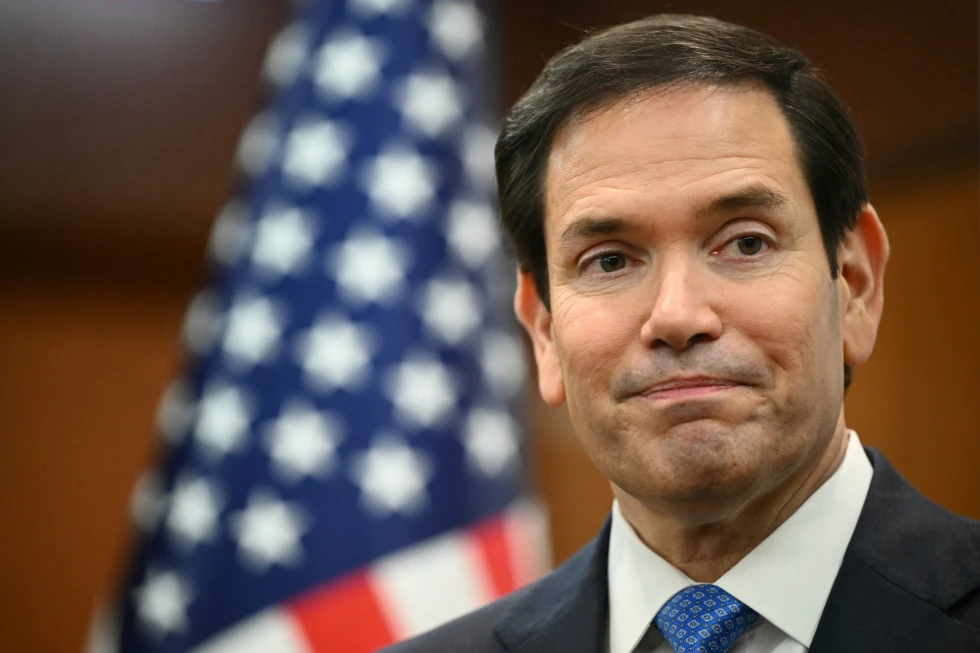
    WASHINGTON, United States — A significant development in U.S.-Venezuela relations has unfolded with the reported capture of Venezuelan President Nicolas Maduro by U.S. military personnel. According to Republican Senator Mike Lee of Utah, Secretary of State Marco Rubio confirmed the operation, indicating Maduro will face trial in the United States on criminal charges.

    Senator Lee disclosed on social media platform X that he received direct confirmation from Rubio, who characterized the military action as necessary to protect personnel executing an arrest warrant. Lee suggested the operation might fall under the president’s constitutional authority under Article II to respond to actual or imminent threats against U.S. personnel.

    The operation received presidential endorsement from Donald Trump, who described it as “brilliant” in a post on his Truth Social network. Trump confirmed that Maduro and his wife had been “captured and flown out of the country” in a joint operation conducted “in conjunction with U.S. Law Enforcement.”

    However, the military action has drawn sharp criticism from both sides of the political aisle. Democratic Senator Ruben Gallego, a Marine Corps veteran, condemned the operation as “illegal” and “the second unjustified war in my lifetime,” expressing concerns about its constitutional basis.

    The controversy emerges amid broader apprehension among legislators regarding Trump’s escalating military presence in the Caribbean Sea, ostensibly to combat narco-trafficking. Administration officials report over 125 casualties in maritime operations targeting alleged drug-trafficking vessels since early September.

    Vermont Senator Peter Welch has emphasized congressional concerns about these deployments, urging greater transparency and accountability under the War Powers Act. Both Democratic and Republican lawmakers have called for more congressional oversight before any further military actions are authorized.
  • Opposition Leader: US attack in Venezuela ‘deeply troubling’

    Opposition Leader: US attack in Venezuela ‘deeply troubling’

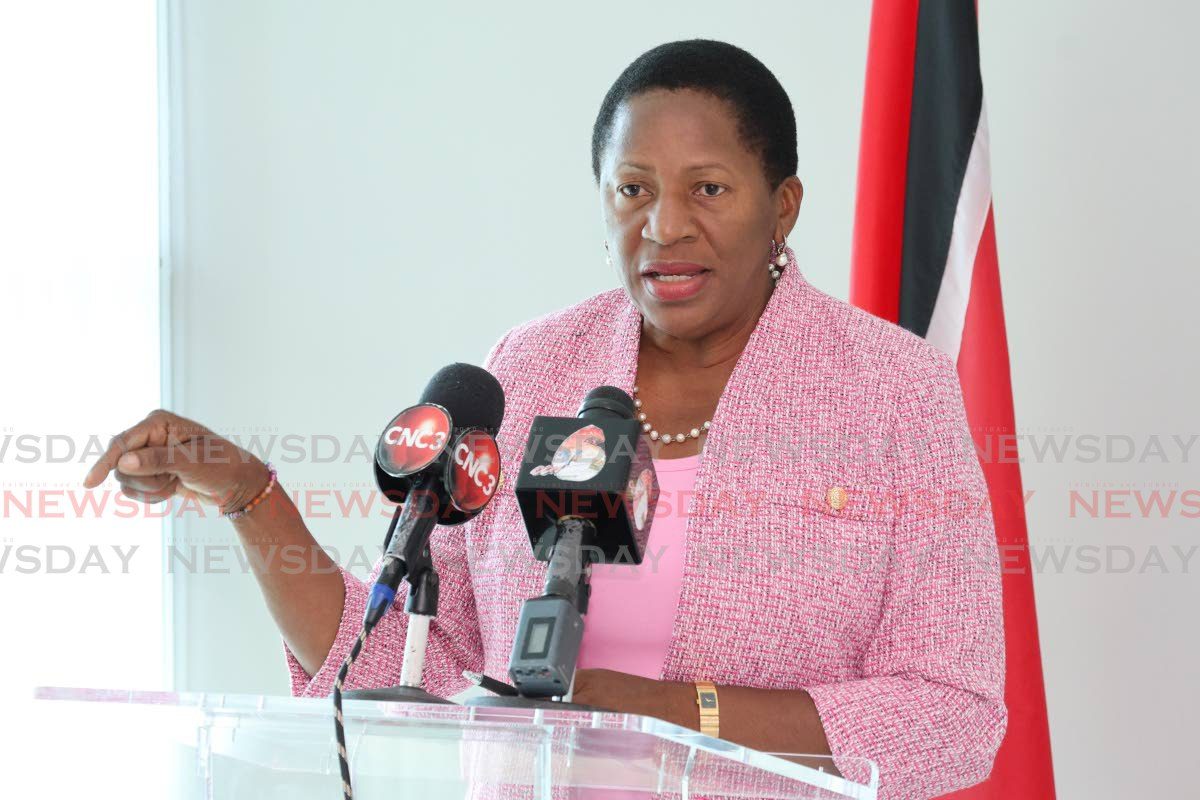
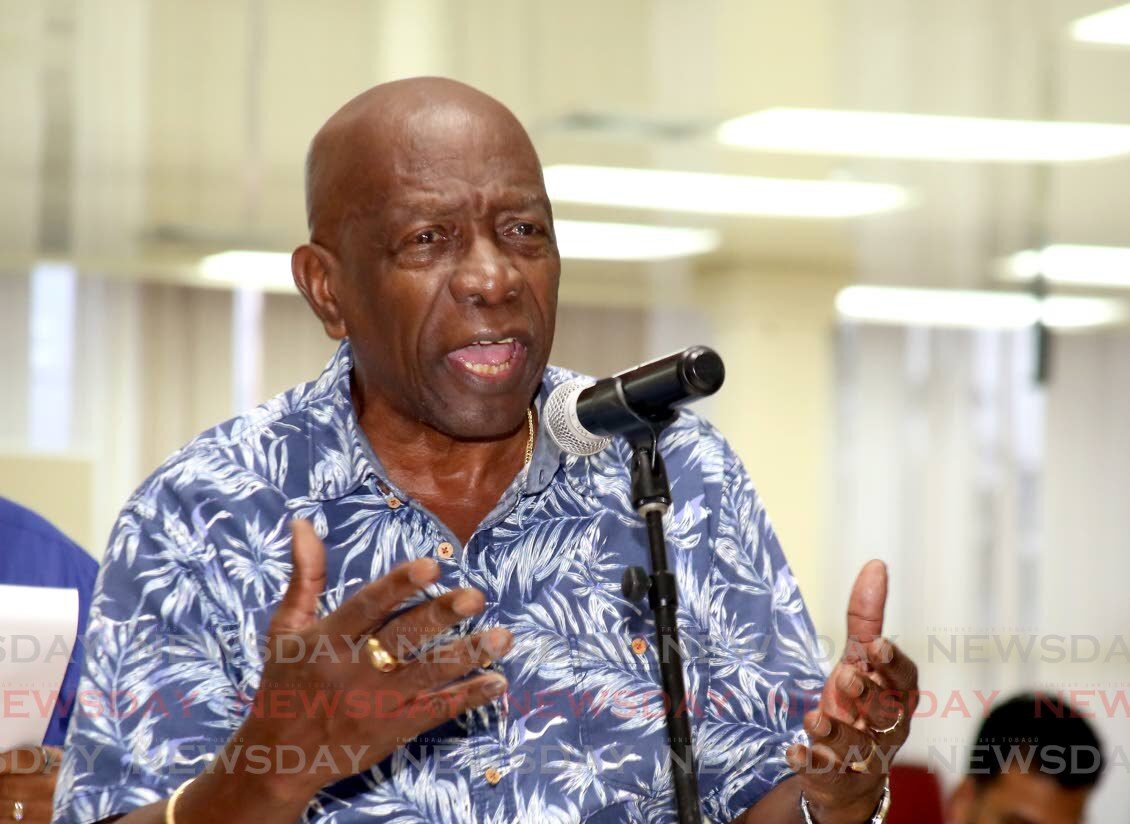
    Opposition Leader Pennelope Beckles has issued a sharp rebuke of Prime Minister Kamla Persad-Bissessar’s response to the recent US military operation in Caracas, condemning her failure to address the safety concerns of Trinidad and Tobago embassy personnel stationed in the Venezuelan capital.

    The criticism follows early morning operations on January 3rd when US Delta Force special operations units conducted a large-scale strike in Caracas, reportedly resulting in the capture of Venezuelan President Nicolas Maduro and his wife Cilia Flores. The operation occurred amid significant US military mobilization in the Caribbean region, including the positioning of the USS Gerald R. Ford aircraft carrier and multiple warships.

    Beckles characterized the Prime Minister’s three-line statement acknowledging the events as insufficient, noting it completely omitted reference to Trinidad’s diplomatic presence in Venezuela. “We place on record our concern for the safety and welfare of the staff and all TT nationals in Venezuela,” Beckles stated, describing the military intervention as “deeply troubling.”

    The Opposition Leader emphasized that while some operational details remain unconfirmed, any military development within Trinidad’s immediate geographic sphere represents a matter of serious concern for the nation, CARICOM, and the broader Caribbean community. Beckles reiterated her party’s commitment to maintaining the Caribbean as a zone of peace, upholding principles of sovereignty, non-interference, and peaceful dispute resolution.

    Citing recent US military actions including the seizure of two Venezuelan oil tankers and deadly strikes on alleged drug trafficking vessels that killed over 100 people, Beckles called for restraint from all involved parties. She urged adherence to international law and emphasized that “the protection and preservation of human life must remain paramount.”

    Prime Minister Persad-Bissessar, in her social media response, acknowledged the attacks but explicitly stated that “Trinidad and Tobago is not a participant in any of these ongoing military operations.”

  • Warner: Are state vehicles held to same standards?

    Warner: Are state vehicles held to same standards?

    In a striking development within Trinidad and Tobago’s transportation sector, former Works and Transport Minister Jack Warner has issued a compelling challenge to current minister Eli Zakour regarding the implementation of newly doubled traffic fines effective January 1. While expressing support for the punitive measures designed to combat roadway lawlessness, Warner has raised critical questions about whether government fleets will be subjected to the same rigorous standards now imposed on citizens.

    Warner’s open letter, composed during his tenure in the People’s Partnership administration (2011-2012), acknowledges the necessity of strengthened penalties to address the escalating disregard for traffic regulations. However, he pivots to two fundamental concerns: the alarming prevalence of jaywalking behavior and the roadworthiness of state-owned vehicles.

    The former minister describes an emerging ‘bounce me nah’ culture where pedestrians immersed in mobile devices step into traffic with dangerous confidence, ignoring signals and crossings. This behavior, he notes, endangers both pedestrians and motorists alike, particularly elderly drivers navigating congested thoroughfares.

    More significantly, Warner scrutinizes the maintenance standards of government vehicles spanning multiple agencies—including ministerial SUVs, NP tankers, T&TEC, WASA, TSTT vehicles, emergency response units, and PTSC buses. He questions whether these vehicles undergo regular inspections matching the newly intensified standards applied to private citizens. Warner emphasizes that public confidence in enforcement hinges on the perception of equal application to both citizens and government entities.

    Calling for full transparency, Warner requested disclosure of inspection protocols, associated taxpayer costs, and implementation timelines if such measures exist. If not, he demands explanation for the exemption. The former minister concludes by commending Zakour’s courage while urging comprehensive, fair, and credible enforcement supported by functioning systems and visible accountability.

  • PNM: Paying more to register births, deaths ‘insulting’

    PNM: Paying more to register births, deaths ‘insulting’

    In a scathing critique of the current administration, Opposition Leader Pennelope Beckles has vehemently condemned the government’s sweeping increases to civil registry fees and customs charges that took effect January 1st. Beckles characterized the measures as “reckless, desperate, and insulting” to the citizens of Trinidad and Tobago, marking a significant escalation in political tensions.

    The revised fee structure, gazetted on Christmas Day, introduces substantially higher costs for essential services. Late birth registration (between three months and one year) now costs $40, while registrations for children over one year require written authority and carry fees of $100-$150. Corrections to birth registers now incur a $30 charge, while certified copies of birth or death certificates range from $25 to $50.

    Beckles specifically highlighted the irony of taxing citizens at moments of birth and death while questioning the government’s failure to deliver on campaign promises, particularly the previously pledged “baby grant.” She asserted that “this is a government that has chosen to attack citizens” rather than implement sustainable economic policies.

    The opposition leader’s criticism extends beyond civil registry fees to encompass doubled customs declaration fees (from $40 to $80 per package) and significantly increased container examination charges. Traffic penalties have also seen dramatic increases, with fines for speeding, seatbelt violations, and uninsured driving all doubling.

    Beckles warned that these measures represent poor fiscal management and government overreach that will disproportionately affect small and medium enterprises (SMEs) and households already facing financial strain. She argued that increased customs charges would drive up business costs, slow commercial activity, and ultimately force consumers to bear higher prices for everyday goods.

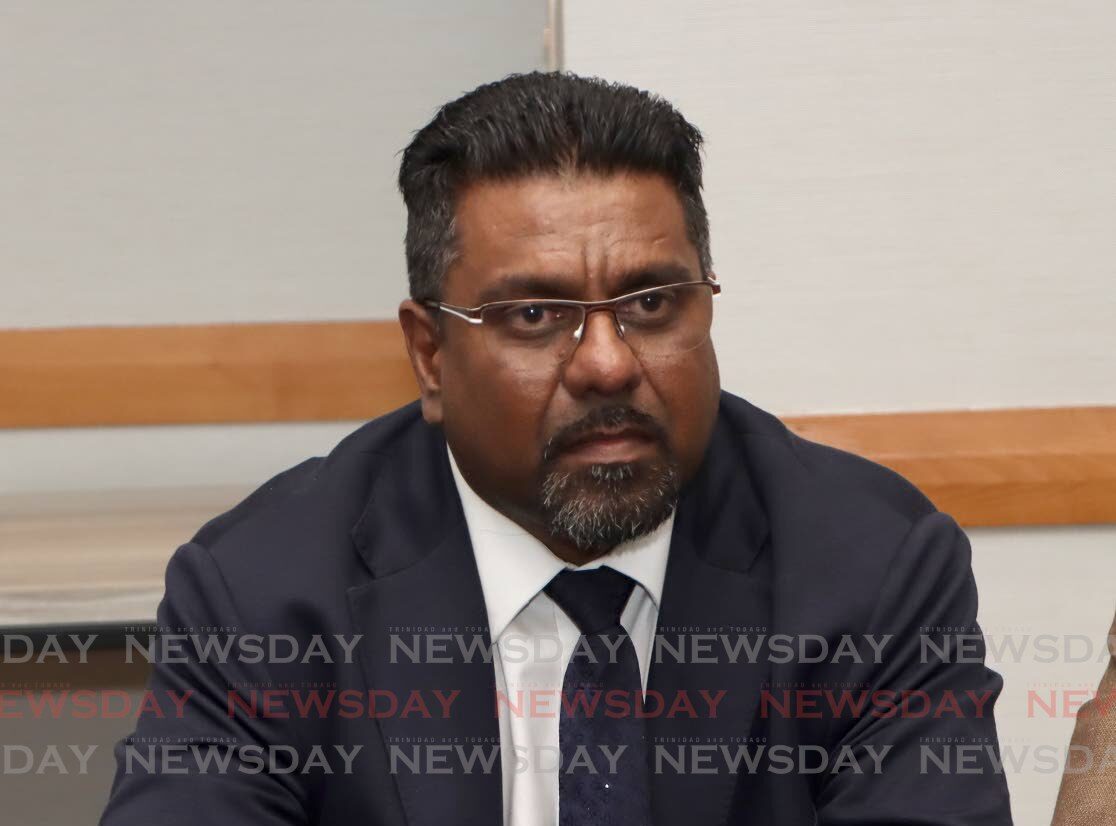
    The opposition leader challenged Prime Minister Kamla Persad-Bissessar and Finance Minister Dave Tancoo to publicly address what she termed “draconian and harsh measures,” suggesting the fee hikes indicate the administration’s failure to meet revenue projections from the 2025/26 budget.

  • Residents told mud volcano still active

    Residents told mud volcano still active

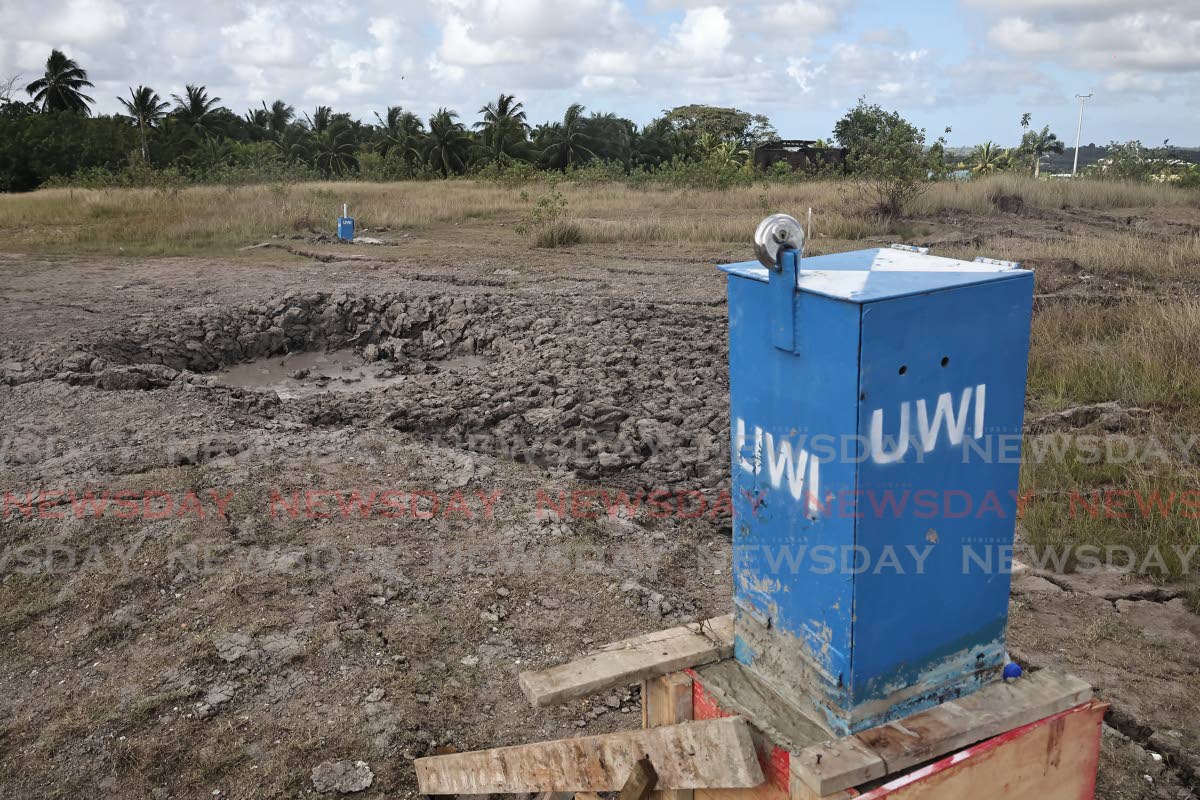
    The Piparo mud volcano in Trinidad continues demonstrating significant geological instability, with researchers from the University of the West Indies (UWI) documenting multiple new fractures emerging around the site in recent days. According to the team’s third official update issued on January 1st, sophisticated monitoring systems have captured the underground structure essentially ‘breathing’ through cycles of pressure accumulation and subsequent release via both existing and newly formed surface cracks.

    At monitoring well #3, positioned adjacent to the primary vent, instrumentation recorded pressure fluctuations displaying a general downward trajectory. While this pattern indicates temporary pressure alleviation, the persistent variability confirms the system remains actively unstable rather than achieving equilibrium. Simultaneously, at northwest monitoring well #6, scientists observed another zone of oscillating pressure, where fractures developing between December 29th and 30th precipitated a sharp pressure decline from approximately 61 to 59 pounds per square inch (PSI). Following this abrupt release, pressures resumed their cyclical rise and fall, confirming the volcano’s ongoing activity.

    The report emphasized that despite these temporary pressure releases through surface fractures, substantial risks persist for adjacent communities. Current advisories consequently maintain warnings for residents to remain vigilant, avoid the main crater and fractured zones, report emergent cracks or gas emissions, and adhere to guidance from emergency authorities.

    This heightened activity follows a significant event on December 24th that induced substantial ground movement, partially destroying at least two residences, collapsing roadways—rendering one completely impassable—and disrupting utility services. UWI’s assessment suggests this activation potentially stemmed from tectonic compression or human-induced environmental alterations, notably absent typical triggers like seismic activity or prolonged rainfall.

    Researchers also identified that mud and pressure flows are migrating northwestward away from the principal vent. In response to these developments, the UWI team has issued an urgent appeal for enhanced funding to bolster monitoring capabilities, improve eruption prediction models, and develop more effective risk mitigation strategies. This data would subsequently inform comprehensive risk assessments and detailed hazard zoning maps for vulnerable communities.

    The Office of Disaster Preparedness and Management recently coordinated a meeting at the Piparo Community Center, convening first responders including the Fire Service, Police Service, Electricity Commission, and regional disaster management units. During this session, UWI researchers presented their scientific findings to inform and refine emergency response planning.

  • Unease in Caracas after US strike

    Unease in Caracas after US strike

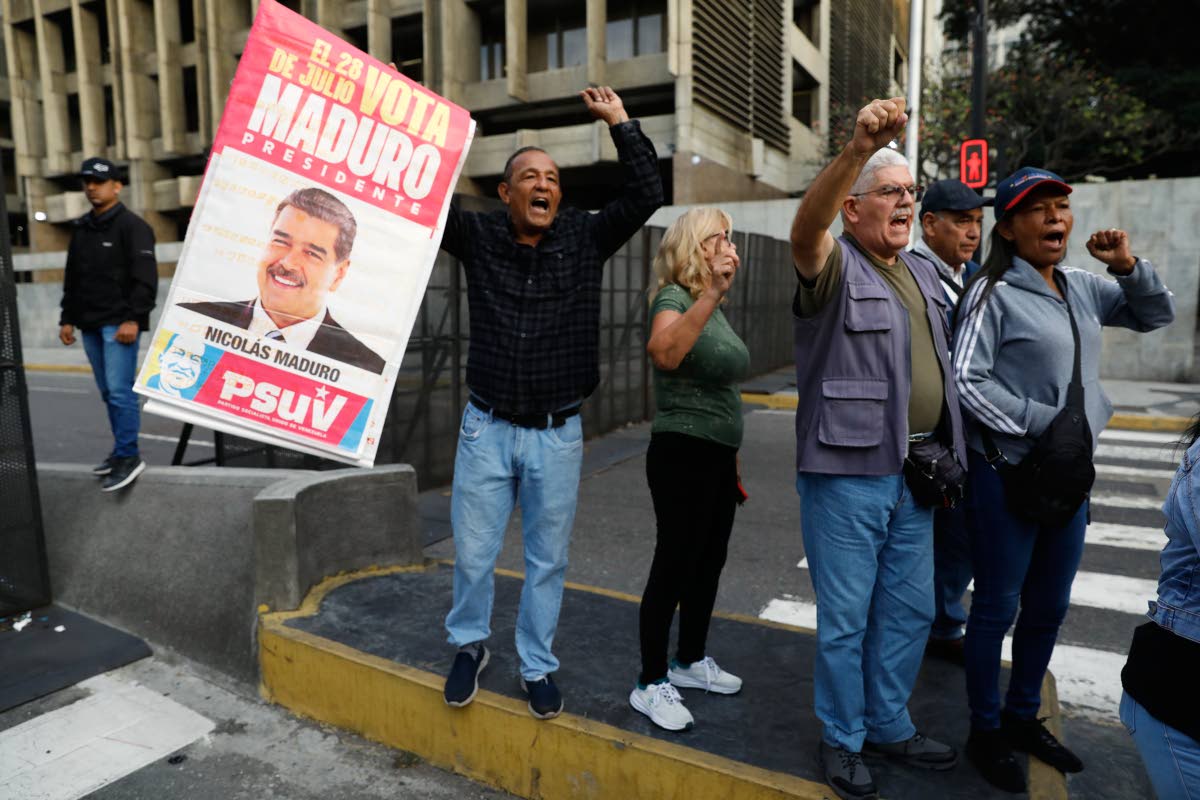
    In an unprecedented military operation, United States forces have captured Venezuelan President Nicolás Maduro and his wife following a large-scale assault on the South American nation. The dramatic events unfolded in the early hours of January 3rd, when explosions rocked Venezuela’s capital city of Caracas at approximately 1:50 AM local time.

    President Donald Trump confirmed the operation through social media, characterizing the action as a decisive strike against the Venezuelan leadership. According to international media reports, the military intervention resulted in multiple casualties among government officials, military personnel, and civilians caught in the crossfire.

    The operation marks a significant escalation in the ongoing tensions between the United States and Venezuela, following months of missile strikes targeting suspected narcotics trafficking operations in the Caribbean Sea and Eastern Pacific regions. These previous engagements had already claimed over 100 lives before culminating in the ground assault that resulted in Maduro’s capture.

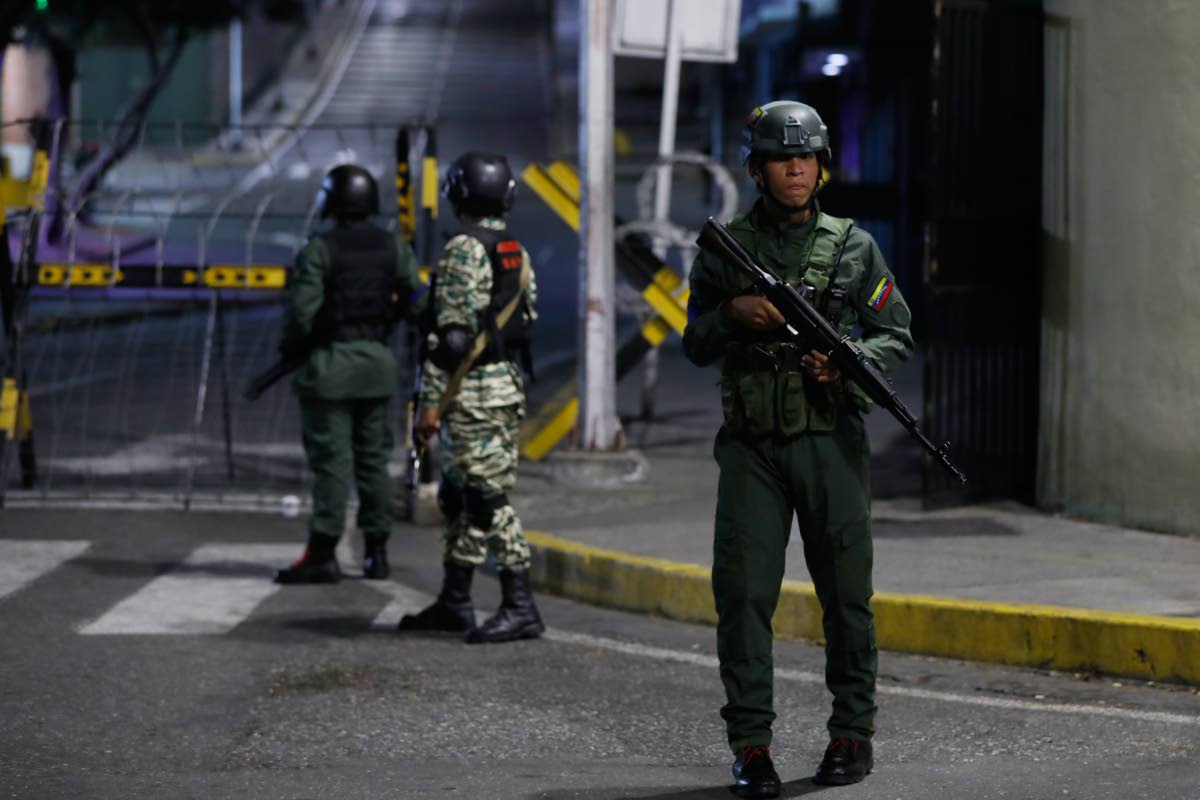
    Eyewitness accounts and photographic evidence depict a city in chaos, with pedestrians fleeing through streets as low-flying aircraft buzzed overhead. The port of La Guaira showed significant damage with destroyed containers littering the area, while smoke billowed from La Carlota airport and various locations throughout the capital.

    National Guard armored vehicles swiftly deployed to secure key areas, particularly around the Miraflores presidential palace, as residents evacuated buildings in the vicinity. The successful extraction of Maduro and his wife from Venezuelan territory represents one of the most significant geopolitical developments in recent Latin American history, with potentially far-reaching implications for regional stability and international relations.

  • NGC on shutdown: ‘Nutrien held TT to ransom’

    NGC on shutdown: ‘Nutrien held TT to ransom’

    In a sharply worded statement issued January 2, Trinidad and Tobago’s National Gas Company (NGC) has accused Canadian fertilizer giant Nutrien of holding the nation “to ransom” by deliberately shutting down operations despite government efforts to maintain its presence. The NGC asserts that Nutrien’s closure decision stemmed exclusively from profit-maximization motives rather than legitimate operational constraints.

    The controversy emerged following criticism from former Energy Minister Stuart Young, who blamed the current administration for the plant shutdown that will eliminate hundreds of jobs. The NGC responded by detailing how Nutrien had rejected multiple compromise proposals while attempting to secure favorable long-term gas contracts and maintain legacy port rates.

    According to the state company, the dispute originated from Nutrien’s resistance to updated pier user charges at Savonetta and concerns about natural gas supply reliability. The Canadian company, which produced approximately 85,000 tonnes of ammonia and 55,000 tonnes of urea monthly from its Trinidad facility, ceased operations in October after negotiations stalled.

    The NGC revealed that during five separate negotiation sessions, Nutrien representatives threatened to launch a public relations campaign portraying the company as a victim of government pressure. In one particularly contentious incident, National Energy officials were served with an injunction application while en route to what was supposed to be a good-faith negotiation meeting.

    Countering Young’s allegations, the NGC statement highlighted that the previous administration had allowed pier user contracts to expire without renewal since 2018, resulting in over $500 million in lost revenue. The former administration also waived $14.35 million in “take or pay” liabilities owed by Nutrien in August 2024 and permitted downstream companies to manipulate payment terms, creating a de facto $160 million overdraft facility.

    The gas company emphasized that most petrochemical producers in Point Lisas Estate do not repatriate US dollar revenues to Trinidad, instead maintaining foreign accounts in financial hubs including New York, London, Zurich, and Brussels. Despite Nutrien’s departure, NGC has successfully reallocated the gas supply to other downstream customers and fulfilled its Atlantic LNG commitments, generating significant financial benefits for the nation.

  • JTA to conduct assessment of schools over the weekend

    JTA to conduct assessment of schools over the weekend

    Jamaica’s educational system faces a pivotal moment as the new academic term approaches, prompting the Jamaica Teachers’ Association (JTA) to initiate comprehensive facility assessments across the island nation. The unprecedented evaluation comes in response to the devastating aftermath of Category 5 Hurricane Melissa that struck in October, particularly affecting western and southwestern regions.

    JTA President Mark Malabver, speaking at the reopening of the association’s western Jamaica office, revealed the organization’s plan to conduct ground-level verification of school preparedness throughout the weekend. The initiative aims to determine actual operational capabilities rather than theoretical readiness, acknowledging that many educational institutions sustained substantial damage during the catastrophic weather event.

    Malabver articulated profound concerns regarding the practical realities of resuming classes, emphasizing that reopening decisions must consider both infrastructure limitations and human factors. The teachers’ union maintains that each institution requires individualized assessment based on localized conditions rather than blanket policies.

    Beyond structural considerations, the JTA president highlighted concerning student welfare issues, noting parallels to pandemic-era attendance challenges. He called for systematic tracking of missing students through mandated guidance counselor interventions, recognizing that many children face hurricane-related trauma and displacement.

    The human impact extends beyond students, as Malabver acknowledged widespread psychological distress among educators. Many teachers continue experiencing personal hardships that affect their professional capacity, necessitating compassionate, case-by-case consideration from school administrators and boards.

    This multifaceted approach reflects the complex intersection of infrastructure recovery, mental health considerations, and educational continuity in post-disaster scenarios, positioning the teachers’ association as both advocate and practical partner in Jamaica’s educational rehabilitation.

  • What we know about the US attacks on Venezuela

    What we know about the US attacks on Venezuela

    CARACAS, Venezuela — In a dramatic escalation of long-standing tensions, United States military forces executed a series of airstrikes across multiple locations in Venezuela in the early hours of Saturday. The operation, which represents a significant intensification of Washington’s campaign against the left-wing government of Nicolas Maduro, reportedly resulted in the capture and removal of the Venezuelan president from the country.

    The military action commenced shortly before 2:00 AM local time (0600 GMT), with residents of the capital Caracas and surrounding regions reporting explosions and aircraft overhead. The strikes continued for approximately seventy-five minutes, with social media footage depicting helicopter sorties and missile impacts creating substantial fireballs and columns of smoke across the night sky.

    Former US President Donald Trump announced on his Truth Social platform at 0921 GMT that American forces had ‘successfully carried out a large scale strike against Venezuela’ and confirmed that both Maduro and his wife had been ‘captured and flown out of the Country.’ Several hours after the initial attacks, US Senator Mike Lee corroborated these claims, citing Secretary of State Marco Rubio’s statement that military operations had concluded following Maduro’s apprehension.

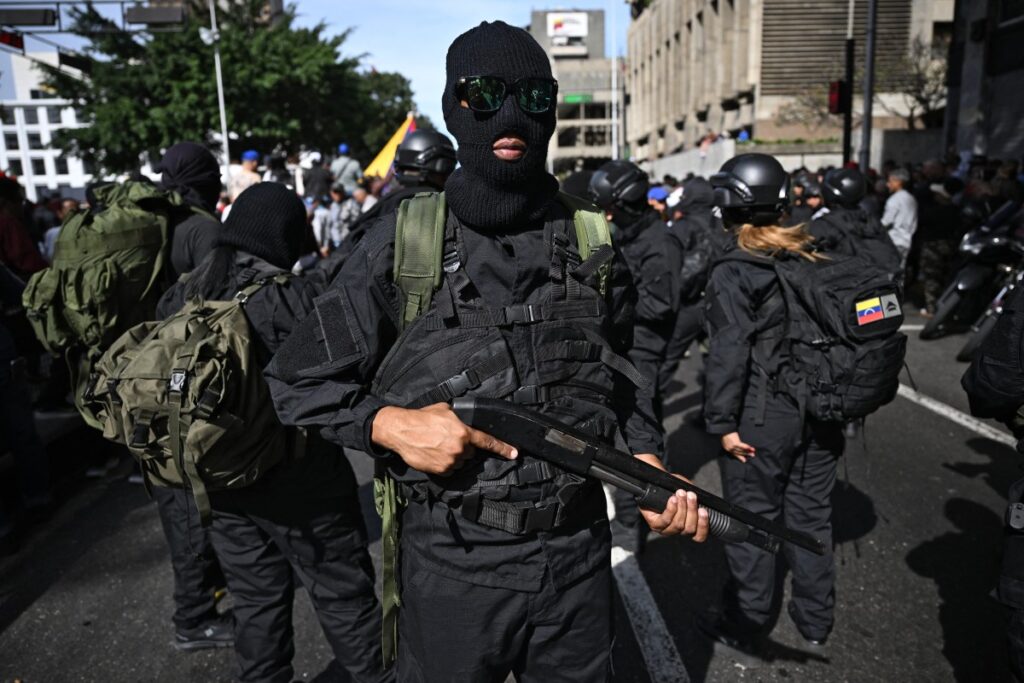
    Primary targets included Fort Tiuna, Venezuela’s most extensive military complex located in southern Caracas. This strategic installation houses the defense ministry, a military academy, and residential quarters for armed forces personnel. AFP correspondents observed significant flames and smoke emanating from the complex, with visible damage including bullet-marked armored vehicles and trucks at secured entrances. Civilian evacuations were underway as residents fled the area with personal belongings, with one anonymous woman stating she was leaving ‘because they nearly killed us.’

    Additional strikes targeted La Carlota airbase east of Caracas, where journalists documented burning armored vehicles and destroyed transportation infrastructure. Explosions were further reported in the port city of La Guaira, the north-central city of Maracay, the Caribbean coastal town of Higuerote, and regions along the Colombian border—a known corridor for narcotics trafficking.

    Venezuelan Defense Minister Vladimir Padrino López accused American forces of deliberately targeting residential areas with missiles and rockets, though these allegations remain unverified. Official casualty figures have not been released, with government authorities acknowledging they are still gathering information ‘on the dead and injured.’

    The circumstances surrounding Maduro’s capture remain unclear, particularly given the president’s documented practice of frequently changing residences to evade potential capture. Venezuelan Vice President Delcy Rodríguez has demanded that the United States provide ‘proof of life’ for both Maduro and his wife, Cilia Flores. Russia, a key Venezuelan ally, has similarly called for immediate clarification regarding the president’s status.

    International reactions have been sharply divided. Russia, Iran, and Cuba—all longstanding partners of Venezuela—condemned the military action as an act of aggression. They were joined in their criticism by left-wing governments in Mexico, Brazil, and Colombia. Russia’s foreign ministry characterized the operation as a ‘deeply concerning’ violation of international norms. The European Union’s top diplomat, Kaja Kallas, urged Washington to exercise restraint and adhere to international law during communications with US Secretary of State Marco Rubio. Notably, Argentina’s right-wing President Javier Milei, a vocal supporter of Donald Trump, emerged as one of the few Latin American leaders to express support for the military intervention.

  • Maduro, wife captured as US strikes Venezuela

    Maduro, wife captured as US strikes Venezuela

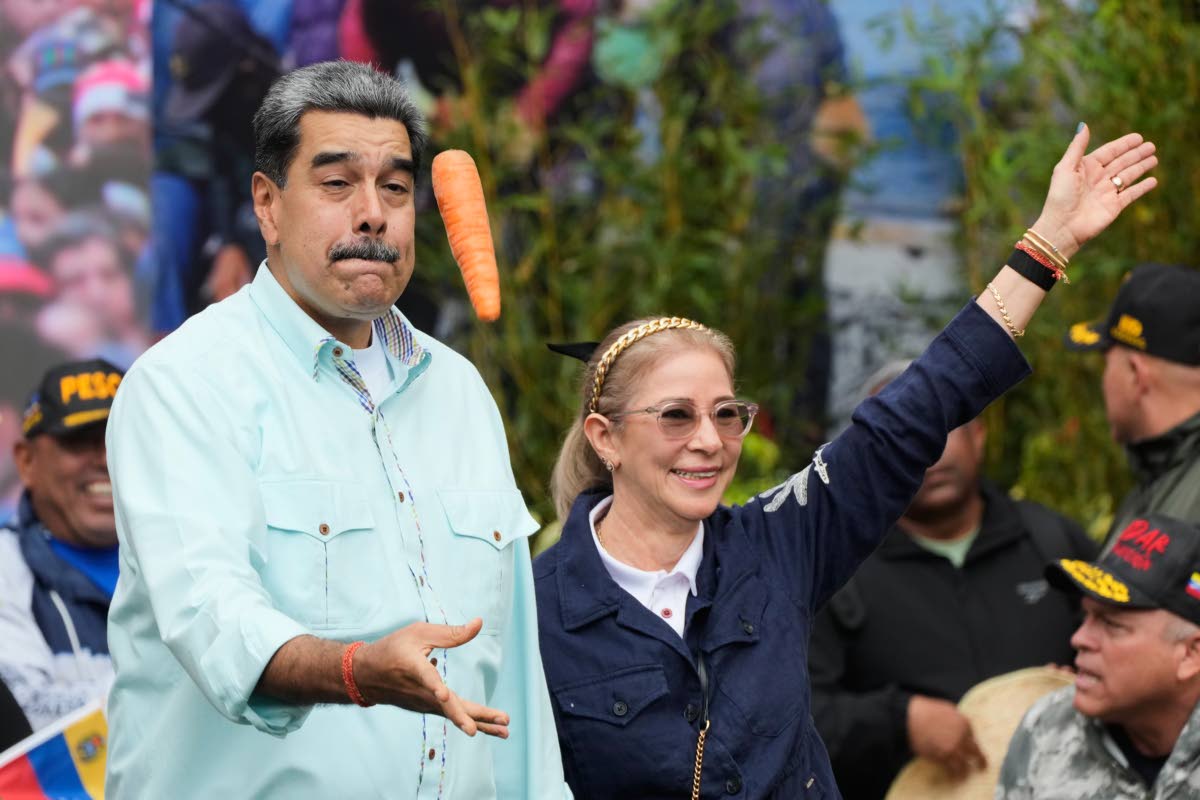
    In a dramatic escalation of tensions between the United States and Venezuela, President Nicolas Maduro and his wife Cilia Flores were apprehended by US military forces on January 3rd. The operation, authorized by US President Donald Trump, marks a significant turning point in the longstanding political conflict between the two nations.

    According to international media reports, the capital city of Caracas witnessed multiple explosions around 1:50 AM local time, resulting in numerous casualties among government officials, military personnel, and civilians. The military intervention followed months of missile strikes targeting suspected narco-traffickers in the Caribbean Sea and Eastern Pacific, which had previously claimed over 100 lives.

    President Trump confirmed the operation through social media, characterizing it as a ‘large-scale strike against Venezuela and its leader.’ He further stated that the action was coordinated with US law enforcement agencies and that Maduro and his wife had been successfully transported out of Venezuelan territory.

    The US administration has scheduled a news conference at 11 AM at Mar-a-Lago, Florida, to provide additional details regarding the operation.

    International reaction has been immediate, with Trinidad and Tobago’s Prime Minister Kamla Persad-Bissessar clarifying that her nation was ‘not a participant in any of these ongoing military operations’ and reaffirming Trinidad and Tobago’s ‘peaceful relations with the people of Venezuela.’

    The Caribbean Community (CARICOM) has convened an emergency meeting to address the military action, expressing concern over potential implications for neighboring countries. Meanwhile, Caribbean Airlines confirmed that its operations have remained unaffected despite the geopolitical developments.