作者: admin

  • Tough year for wildlife

    Tough year for wildlife

    Trinidad and Tobago witnessed significant developments in wildlife conservation and environmental protection throughout 2025, according to a comprehensive report by the TT Field Naturalists’ Club. The year presented both encouraging advancements and disturbing violations in the nation’s ecological preservation efforts.

    Law enforcement agencies conducted coordinated operations in March 2025 across Tabaquite, Rio Claro, and Guayaguayare districts to combat illegal hunting activities following the close of hunting season. The multi-agency operation involving the Praedial Larceny Squad, game wardens, and EMBD state patrol uncovered an illegal teak logging operation in Charuma. Subsequently, authorities charged an individual in Whiteland for illegally hunting protected species including a lappe and iguana.

    The legal landscape regarding wildlife possession saw clarification when a Brasso Village nature park failed to convince courts that the 2021 seizure of a red howler monkey was unlawful. This ruling established that merely submitting a possession request to the Wildlife Section does not constitute legal permission to keep protected species.

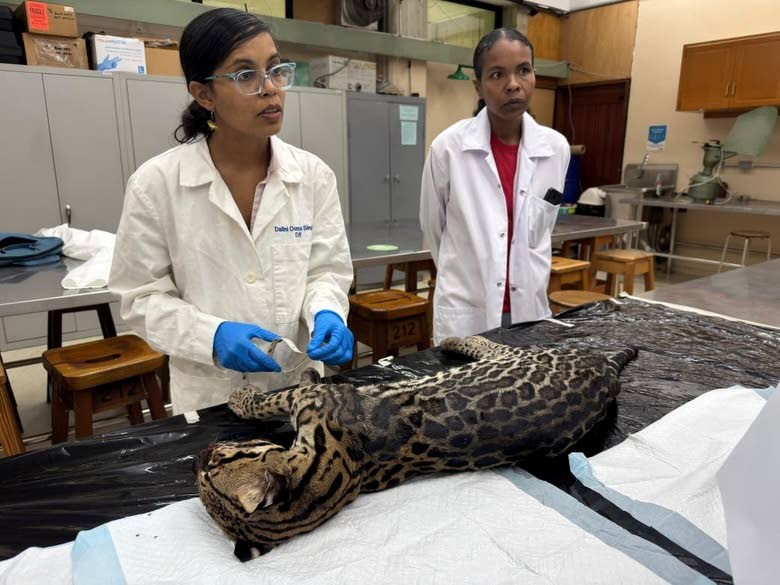
    Tragically, December 2025 marked the discovery of a fatally shot ocelot in Grande Riviere, reported by conservationist Len Peters. Veterinary experts at the University of the West Indies’ Zoology Museum conducted a necropsy confirming the animal had been shot, extracting eight shotgun slugs. As Trinidad’s only native wild cat species designated as Environmentally Sensitive since 2013, harming ocelots carries penalties of $100,000 fines and two-year imprisonment.

    Marine environments faced parallel challenges, with a distressed whale shark bearing visible injuries found dead near Chaquacabana hotel after being spotted at Peake Yacht Services marina. Meanwhile, proposed development of a 200-room hotel complex at Tobago’s Rocky Point threatened coral reefs serving as nesting sites for protected sea turtles and habitat for endangered elkhorn corals.

    Positive developments emerged through judicial and policy channels. The High Court overturned the Environmental Management Authority’s 2018 approval of a massive housing project near St Augustine Nurseries, citing insufficient environmental impact assessment. Justice Robin Mohammed emphasized the EMA’s failure to obtain crucial information regarding micro-climate impacts and agricultural concerns.

    July 2025 brought multiple policy advancements including Trinidad’s commitment to the Ocean Coordination Mechanism, International Coral Reef Initiative, 2030 National Biodiversity Targets, and a new National Climate Change Policy. December introduced fireworks regulations prohibiting usage within half-mile radius of forest reserves, national parks, zoos, and animal shelters.

    The Solid Waste Management Company’s proposed engineered landfill at Forres Park generated mixed reactions, promising modern waste management while raising community concerns about localized pollution.

    Educational initiatives flourished with the publication of the Field Guide of Selected Native and Exotic Medicinal and Edible Plants, while the 2025 Bioblitz event in Maracas documented over 1,000 species through collaboration between the TT Field Naturalists’ Club and University of the West Indies, supported by First Citizens funding.
  • Venezuelans in Trinidad and Tobago hopeful for change

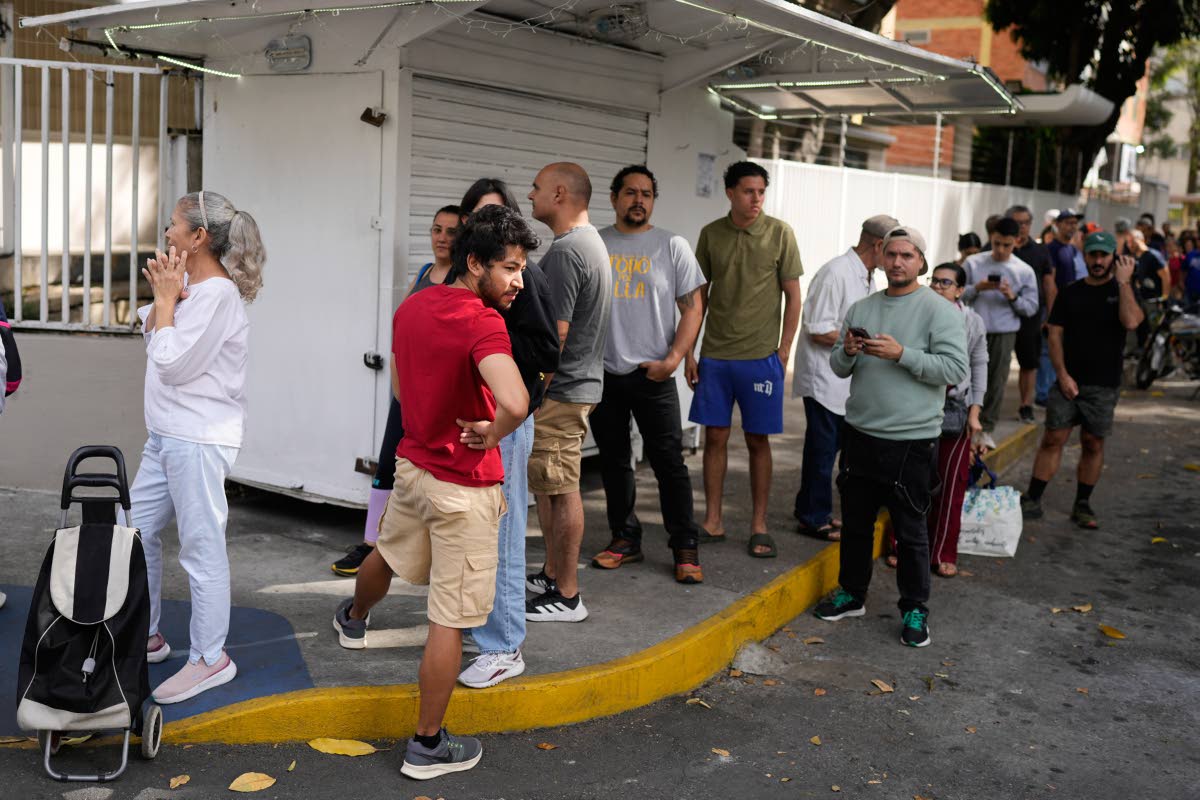
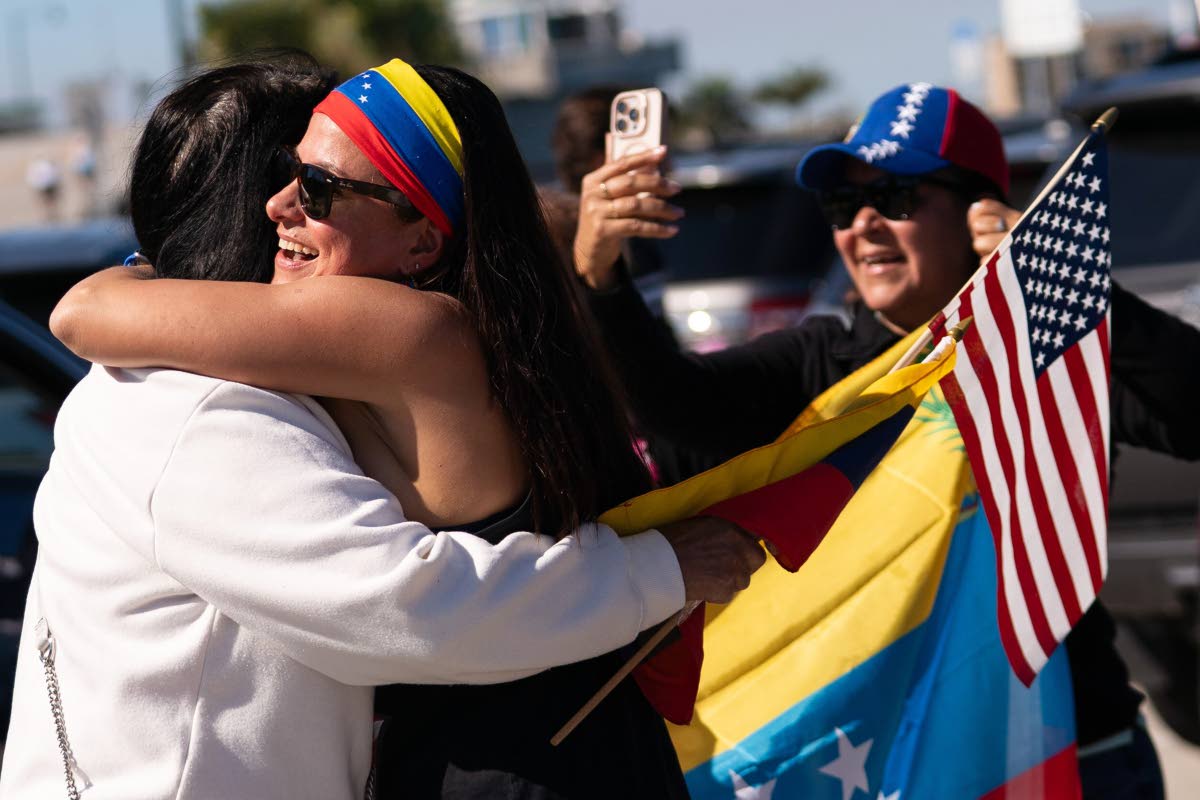
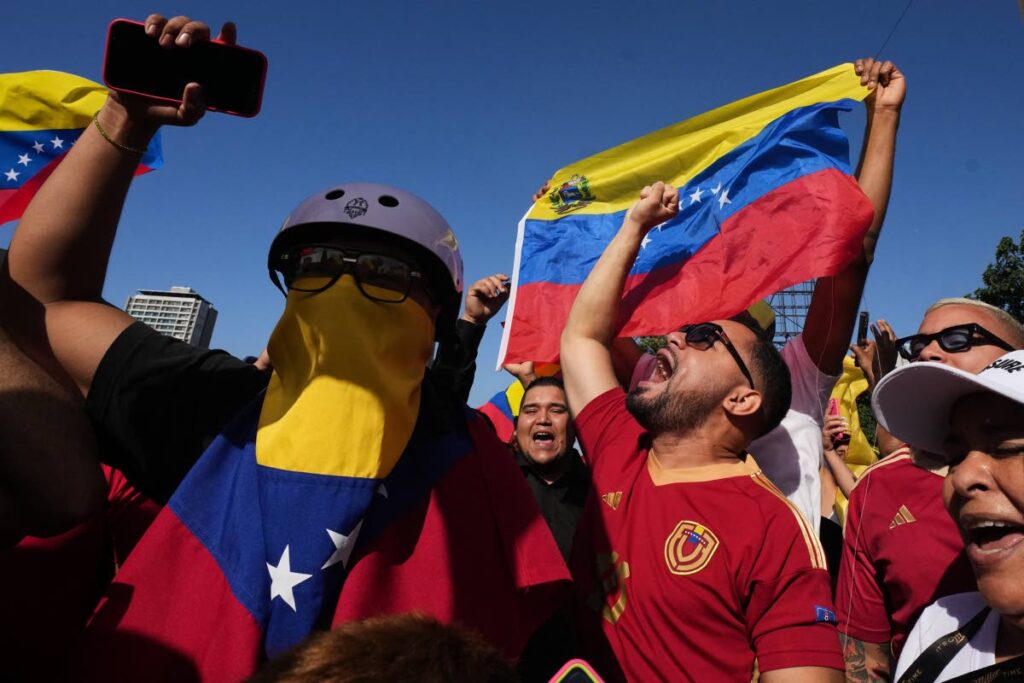
    Venezuelans in Trinidad and Tobago hopeful for change

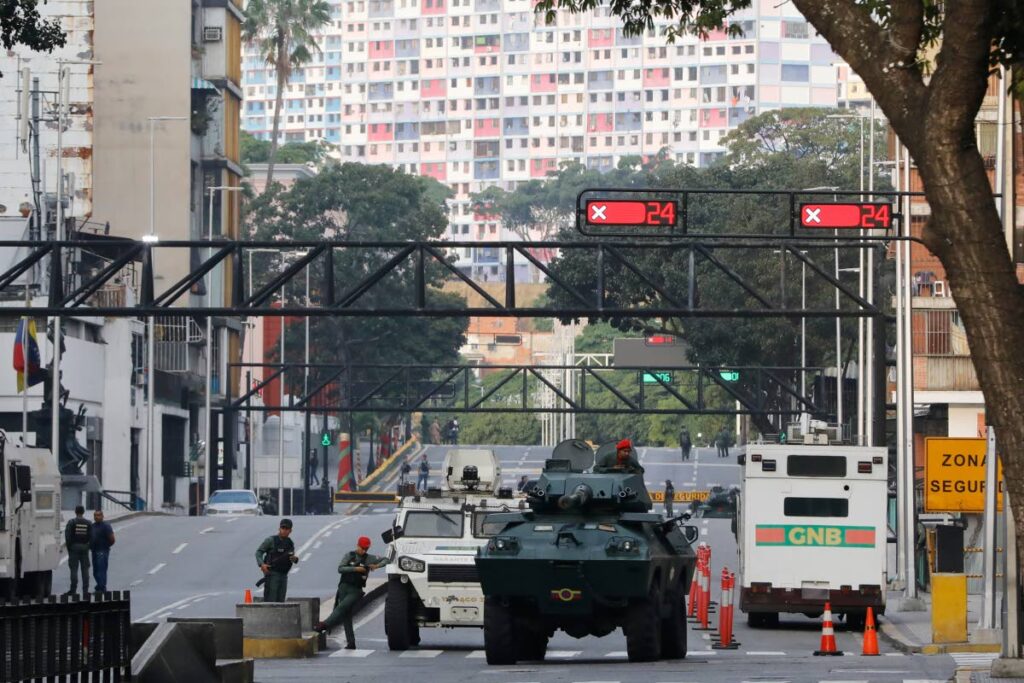
    The Venezuelan diaspora in Trinidad and Tobago has responded with both celebration and concern following the unprecedented US military operation that resulted in the capture and removal of President Nicolás Maduro on January 3rd. US President Donald Trump confirmed at a Mar-a-Lago press conference that a “large-scale strike” had been executed, resulting in Maduro and his wife being transported to the United States to face criminal charges.

    Trump announced that the United States would temporarily administer Venezuela through an unspecified group while explicitly stating his intention to access the country’s substantial oil reserves. He outlined plans for US oil companies to invest billions in rebuilding Venezuela’s energy infrastructure with the goal of exporting “large amounts of oil to other countries.”

    Former photojournalist Grevic Alvarado expressed cautious optimism, describing Maduro’s removal as “the first step towards freedom” while acknowledging concerns about family members remaining in Venezuela. “We are hopeful, but at this moment we need to understand what is happening,” Alvarado stated, emphasizing the need for calm until more information becomes available from US authorities and Venezuelan opposition leaders María Corina Machado and Edmundo González.

    Human rights activist Yesenia González characterized the development as “a very happy and emotional day” for Venezuelans who have endured years of economic collapse, shortages of basic necessities, and political repression. While not celebrating violence, she expressed hope for national renewal, institution rebuilding, and the eventual return of millions of displaced Venezuelans.

    González specifically thanked Trinidadian Prime Minister Kamla Persad-Bissessar for supporting US actions and praised Trump’s leadership, asserting that a “free, stable and democratic Venezuela” would benefit both Venezuelans and the broader region by reducing forced migration and fostering cooperation.

    However, dissenting voices emerged from within Venezuela. Political analyst Jesús Enrique Rojas described the atmosphere as “tense” following what he called a “big surprise” that sparked widespread indignation. Rojas reported civilian and military casualties from the strikes and emphasized that neither the public nor Vice President Delcy Rodríguez knew Maduro’s precise whereabouts or condition.

    Rojas condemned the operation as a violation of international law and Venezuelan sovereignty, warning that installing an opposition figure like Machado could trigger civil war. He insisted that constitutional protocols must be followed, with Vice President Rodríguez assuming leadership pending Maduro’s return or a Supreme Court decision regarding new elections.

    The professor called for unified action among Venezuelans to restore their democratically elected leader and normalcy to the nation, asserting that “We decide who is going to be our President because we have our own laws.”

  • Regime change by force in Venezuela

    Regime change by force in Venezuela

    In a dramatic escalation of tensions, United States military forces initiated a covert operation in Venezuela during the early hours of Saturday, resulting in the capture of President Nicolás Maduro. The intervention began with precision airstrikes targeting key Venezuelan military installations including La Guaira port, Higuerote airport, La Cariota airport, and the Fuerte Tiuna military complex. Notably, the country’s critical oil infrastructure remained untouched throughout the operation.

    Eyewitnesses reported explosions illuminating the night sky over Caracas as military helicopters patrolled the capital. The strategic strikes appear to have served as a diversion for the primary objective: the extraction and detention of President Maduro, who was transported with his wife, Cilia Flores, to the USS Iwo Jima naval vessel.

    The operation culminates years of mounting pressure on Maduro’s administration, which faced indictment by U.S. authorities in 2020 on multiple charges including corruption and drug trafficking. The State Department had previously offered a $50 million reward for information leading to his arrest or conviction.

    Following the military incursion, Attorney General Pam Bondi declared that Maduro would face ‘American justice on American soil in American courts.’ With Maduro’s capture, constitutional power has transferred to Vice President Delcy Rodríguez, who was swiftly sworn in as interim leader.

    The action represents a significant evolution from previous U.S. military interventions in the region, notably the 1989 Operation Just Cause in Panama which required several days to capture General Manuel Noriega. That operation drew widespread international condemnation and resulted in substantial civilian casualties.

    This intervention occurs against the backdrop of a newly articulated ‘Trump Corollary’ to the Monroe Doctrine, which advances a doctrine of American preeminence and flexible realism as pillars of foreign policy. During a recent press conference, President Trump explicitly connected the operation to Venezuela’s substantial oil reserves, suggesting the newly installed leadership would cooperate with U.S. economic interests.

  • New chapter for The Cloth – fashion house opens at Trinidad Gingerbread House

    New chapter for The Cloth – fashion house opens at Trinidad Gingerbread House

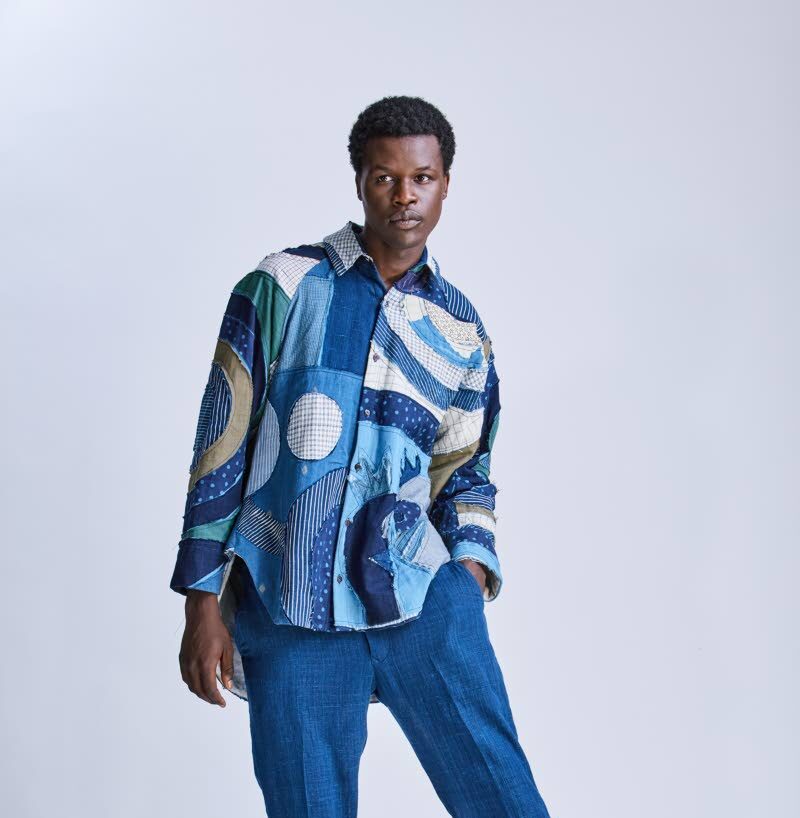
    Trinidad and Tobago’s pioneering fashion house The Cloth has inaugurated a new boutique at the historic Trinidad Gingerbread House on Carlos Street, Woodbrook, marking a significant expansion as the brand approaches its 40th anniversary in 2026. The December 20 opening represents both a physical and philosophical evolution for designer Robert Young’s enterprise, which maintains its foundational commitment to cultural storytelling through wearable art.

    The new space features curated capsule collections and seasonal releases that integrate local craftsmanship heritage, offering visitors bespoke fittings and in-house styling services. Young emphasizes that the location transcends commercial considerations, serving as a repository of encoded cultural language through its distinctive African-crafted fretwork that embodies “liberatory hopes” of post-colonial artisans.

    Young’s unconventional journey into fashion began when the former agricultural science student purchased a sewing machine on impulse despite no prior experience. His breakthrough came in May 1986 when his politically-charged debut collection featuring messages like “Free Mandela” and “Crush Racism” garnered front-page newspaper coverage. This established The Cloth’s distinctive approach to fashion as “spiritual armor” that celebrates Caribbean identity rather than conforming to Western aesthetics.

    The brand has achieved remarkable international reach, with collections currently stocked in boutiques across Mustique, Jamaica, Martha’s Vineyard, Japan, Spain, and several European nations. Notable collaborations include dressing cultural icons like David Rudder and 3canal, while The Cloth’s designs have been exhibited at prestigious institutions including the Smithsonian National Museum of African Art and the Museum at FIT in New York.

    In 2017, Young partnered with British anthropologist Sophie Bufton to form The Cloth Caribbean, enhancing the brand’s global market navigation while maintaining its Belmont-based headquarters. Despite international acclaim, Young remains committed to sovereignty in creative expression and economic models, advocating for regional control of rare sea island cotton and developing worker-owned cooperatives for artisans.

    Looking forward, Young plans to establish an experimental creative space in Toco to nurture emerging designers while continuing Vulgar Fraction, his independent Carnival band that transforms masquerade into cultural commentary. The designer acknowledges four decades of community support that has sustained The Cloth’s unique vision of fashion as a medium for Caribbean self-determination and cultural preservation.

  • Redemption with Prisons FC – YTC inmate creates history by playing pro football

    Redemption with Prisons FC – YTC inmate creates history by playing pro football

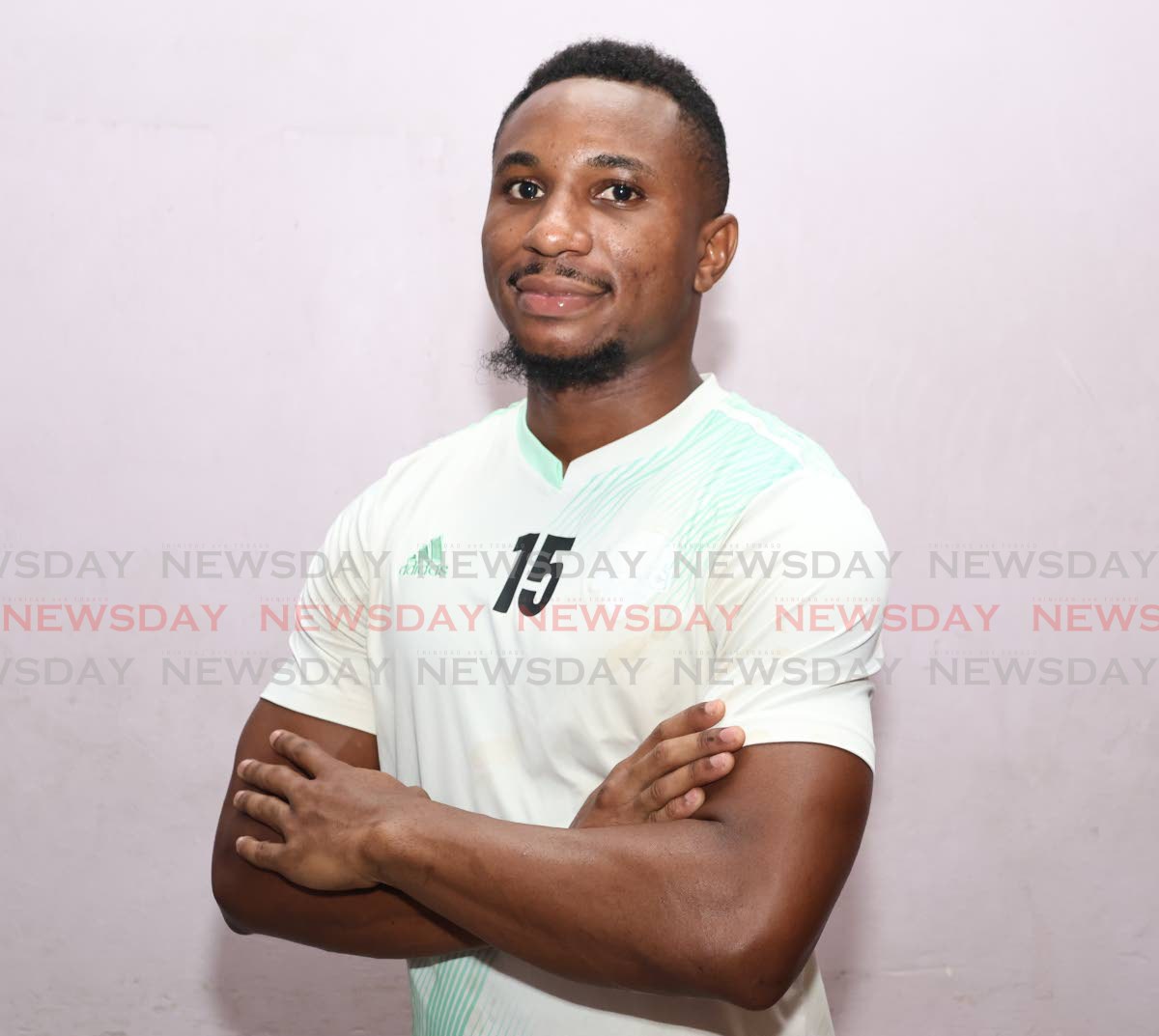
    Behind the fortified gates of Trinidad and Tobago’s Youth Transformation and Rehabilitation Centre (YTC) in Arouca, 25-year-old Ainsley Grazette is redefining redemption through football. Despite being detained for seven years and awaiting trial for murder, Grazette made history on October 25 by becoming the first YTC resident to compete professionally in the TT Premier Football League tier one, scoring a decisive goal for Prisons FC in his debut match.

    Grazette’s journey began in Carenage, where sports were embedded in his family legacy. His mother was an accomplished footballer, and relatives excelled in national tennis. However, his path was derailed by community gang violence, leading to his incarceration. “When I got incarcerated, I sat down and studied my situation,” Grazette recalled. “The same friends I considered… put me through this, but they weren’t there.”

    His transformation accelerated through mentorship from Sean Reyes, who oversees YTC’s gym program. Starting as a groundskeeper, Grazette progressed to ball boy before his technical prowess caught coaches’ attention. His integration into prison football teams culminated in the historic professional debut where he scored in the ninth minute, securing a 3-2 victory against Caledonia AIA.

    The emotional impact was profound. “Seeing young fellas I grew with calling my number—it brought tears to my eyes,” Grazette shared. His success has inspired younger detainees, with children as young as 12 now seeking football opportunities.

    Reyes emphasized YTC’s rehabilitative philosophy: “You can’t want to rehabilitate somebody and have them locked down 24/7. That builds hatred.” The facility employs sports, education, and cultural programs to redirect energies positively. Despite external skepticism about privileges for those charged with serious crimes, Reyes maintains that holistic engagement is essential for meaningful rehabilitation.

    Prisons FC coach Dexter Cyrus praised Grazette’s discipline and seamless team integration. The squad now eyes a top-three finish for continental qualification. Grazette remains committed: “Whatever the coach asks, I’m doing it. This year is our year.”

    His message to incarcerated youth is unequivocal: “The sky is the limit no matter where you are. Don’t ever be ashamed to be a good person.”

  • Kintyre and Miracle talk up growth opportunities after ‘Bold’ partnership

    Kintyre and Miracle talk up growth opportunities after ‘Bold’ partnership

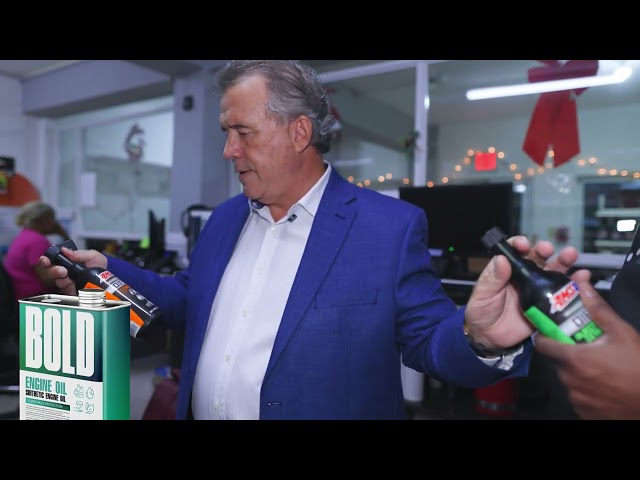
    In a strategic move set to reshape Jamaica’s consumer goods landscape, Kintyre Holdings (JA) Limited and Miracle Corporation have officially launched a powerful joint venture named BOLD (Brands of Loyalty Dividends). This new entity, majority-controlled by Kintyre with a 70% ownership stake, consolidates an extensive portfolio of established brands spanning automotive lubricants, car care products, food-service disposables, and daily essential items.

    Tyrone Wilson, President and CEO of Kintyre Holdings, characterized the partnership as a transformative initiative that will enhance consumer access to premium, reliable brands while creating substantial growth opportunities within the local market. “This bold initiative positions us as a major player in manufacturing, distribution, and consumer goods,” Wilson stated in a video announcement. “We are tremendously excited about Kintyre’s trajectory—which is unequivocally toward the top.”

    Richard Anthony Lee, CEO of Miracle Corporation, emphasized the deliberate nature of the alliance, highlighting his company’s evolution since 1973 across distribution, automotive, food service, and tourism sectors. “Partnering with Kintyre was a strategic decision rooted in long-term value creation,” Lee remarked.

    The venture is anticipated to generate immediate revenue and profitability, leveraging products already entrenched in the Jamaican market. Proceeds from BOLD will contribute to a newly established dividend program, details of which Kintyre plans to disclose in the near future.

  • Venezuela’s Maduro arrives in US after abduction

    Venezuela’s Maduro arrives in US after abduction

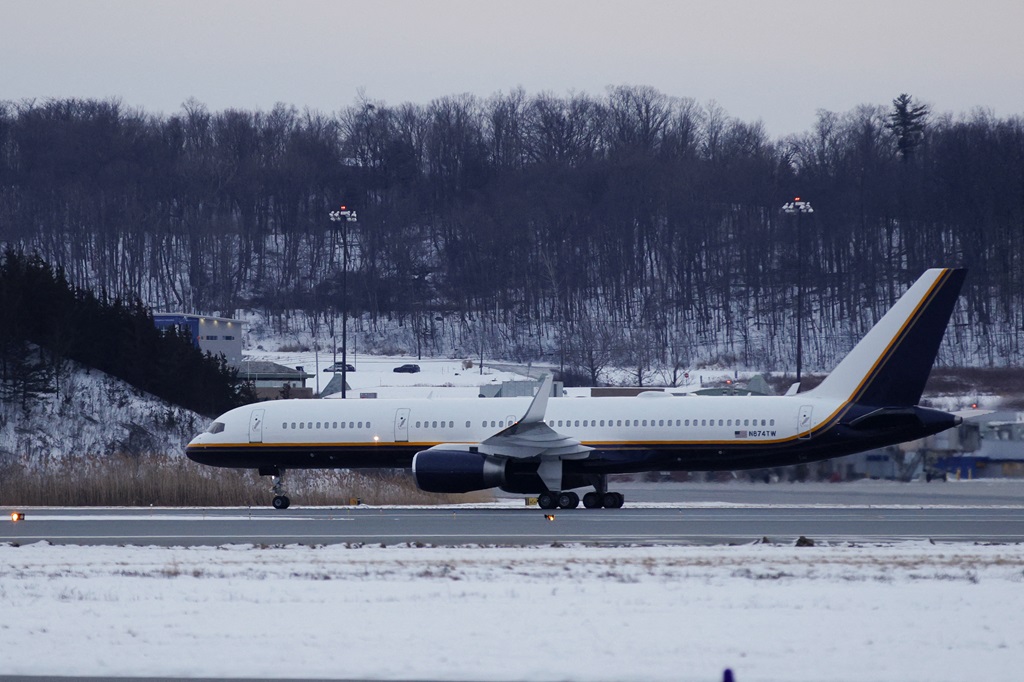
    In an unprecedented military operation, Venezuelan President Nicolas Maduro was apprehended by United States forces in Caracas and transported to American soil on Saturday evening. The leftist leader arrived under heavy FBI escort at a National Guard facility in Newburgh, New York, marking a dramatic escalation in the ongoing political conflict between the two nations.

    Eyewitnesses reported observing Maduro surrounded by federal agents as he disembarked from a US government aircraft. The Venezuelan president was subsequently escorted across the tarmac under tight security, with plans underway for his transfer via helicopter to New York City where he faces serious narcotics trafficking indictments.

    The capture operation involved a targeted bombing raid in the Venezuelan capital that successfully extracted both Maduro and his wife from the country. This military action represents one of the most significant interventions in recent Western Hemisphere relations.

    Concurrent with the operation, US President Donald Trump addressed journalists from his Florida residence, announcing plans for temporary American administration of Venezuela. The administration intends to manage the country’s transition while accessing its substantial petroleum reserves during this interim period.

    “Our administration will oversee national operations until we can facilitate a secure, appropriate, and lawful transition of power,” Trump stated, underscoring the temporary nature of the extraordinary measure. This development signals a new chapter in the complex diplomatic relationship between the United States and Venezuela, with potential ramifications for regional stability and international law.

  • Bertrand, Walcott stay winning, sweep NAAA awards

    Bertrand, Walcott stay winning, sweep NAAA awards

    Tacarigua witnessed a celebration of track and field prowess on January 3 as the National Association of Athletics Administration (NAAATT) honored Trinidad and Tobago’s top performers at its annual awards ceremony. The event, held at the National Racquet Centre, crowned javelin specialist Keshorn Walcott and sprint sensation Leah Bertrand as Senior Male and Female Athletes of the Year respectively.

    This recognition comes merely days after both athletes secured the highest honors at the Trinidad and Tobago Olympic Committee’s 31st awards ceremony on December 29, completing a remarkable double achievement. Walcott’s golden moment arrived at the 2025 World Athletics Championships in Japan, where he launched his javelin to a championship-winning 88.16 meters. Bertrand simultaneously achieved personal milestones, setting new benchmarks of 10.92 seconds in the 100 meters and 22.54 seconds in the 200 meters.

    The awards ceremony comprehensively recognized excellence across disciplines and age groups. Jereem Richards, the world championship silver medalist in the 400 meters, received the Most Outstanding Male Track Athlete award, while Tyra Gittens-Spotsville claimed the female field equivalent.

    Youth athletics received prominent recognition with Christopher Sammy earning Youth Male Athlete of the Year for his double-gold performance in the 1,500m and 3,000m at the Carifta Games. Oshea Cummings mirrored this achievement by securing the female youth honor following her gold and bronze medals in middle-distance events.

    The junior categories saw defending champion Janae De Gannes retain her Junior Female Athlete of the Year title, with Jaden Marchan taking the male equivalent. Both athletes medaled at the Junior Pan American Games in Paraguay.

    Specialized discipline awards went to Tafari Waldron and Alexia John (Cross Country Athletes of the Year), Nicholas Romany and Aniqah Bailey (Road Running Athletes of the Year), and the multi-talented Vincent twins—Tenique and Tyrique—who dominated the combined events categories.

    Club accolades were claimed by RSS Phoenix (Juvenile and Junior Club of the Year) and Abilene Wildcats (Senior Club of the Year), while Daeshaun Cole received the prestigious President’s Rising Star award.

    The ceremony also paid tribute to long-serving contributors, including posthumous recognition for coaches Eldwin Noel and Verna Edwards, highlighting the community’s enduring commitment to athletic development.

  • PM: TT relations with Venezuela will be strengthened

    PM: TT relations with Venezuela will be strengthened

    Caribbean nations are exhibiting starkly divergent responses to the unprecedented US military intervention in Venezuela that resulted in the capture of President Nicolás Maduro. Prime Minister Kamla Persad-Bissessar of Trinidad and Tobago expressed optimism about the development, characterizing it as a transition from “oppression and dictatorship” toward democracy. In her official statement, she anticipated strengthened bilateral relations with Venezuela under US-led governance.

    The military operation, confirmed by US President Donald Trump on January 3rd, involved strikes on Caracas and the extraction of Maduro and his wife Cilia Flores. Trump announced that the United States would assume administrative control of Venezuela following these actions.

    In contrast, Opposition Leader Pennelope Beckles condemned the intervention as “deeply troubling,” emphasizing Trinidad and Tobago’s traditional commitment to non-interference principles and peaceful dispute resolution. Beckles criticized the Prime Minister for failing to address the safety of Trinidadian embassy staff in Caracas during initial statements.

    Acting Foreign Affairs Minister Barry Padarath subsequently confirmed that all Trinidad and Tobago personnel at the Caracas embassy remained safe and were continuing normal operations despite the military action.

    The Caribbean Community (CARICOM) convened an emergency session to address the crisis, with Barbados Prime Minister Mia Mottley acknowledging the complexity of balancing relationships with both Venezuela and the United States. CARICOM stated it would continue monitoring the situation before taking a collective position, recognizing the potential implications for regional stability.

    Historian Dr. Jerome Teelucksingh contextualized the intervention within historical US foreign policy patterns, noting similarities to operations in Iraq and Libya. He warned of potential refugee crises affecting Trinidad and Tobago and criticized Caribbean dependence on external powers for regional security matters, calling for stronger regional governance mechanisms.

  • PM: Venezuela’s people free at last

    PM: Venezuela’s people free at last

    In a dramatic predawn operation on January 3, 2026, US special forces successfully captured Venezuelan President Nicolás Maduro and First Lady Cilia Flores from a heavily fortified compound in Caracas. The operation, reportedly involving the elite Delta Force unit, marks an unprecedented military intervention in South American politics.

    Trinidad and Tobago Prime Minister Kamla Persad-Bissessar immediately celebrated the capture as a “moment of liberation” for the Venezuelan people. In an official statement on social media platform X, she expressed hope that Venezuela would now “transition away from years of oppression and dictatorship toward democracy, justice, and prosperity.”

    The PM’s endorsement came shortly after former US President Donald Trump detailed the operation in a press conference, announcing that the United States would assume control of Venezuela’s governance temporarily. Trump revealed plans for American oil companies to rehabilitate Venezuela’s energy infrastructure while casting doubt on whether exiled opposition leader María Corina Machado or current Vice President Delcy Rodríguez would participate in any interim government.

    The geopolitical shift has significant implications for Trinidad and Tobago’s energy interests. Following bilateral discussions with US Secretary of State Marco Rubio, Trinidad secured a six-month OFAC license for the cross-border Dragon gas project—a reversal from Persad-Bissessar’s earlier declaration that the deal was “dead” after taking office.

    Despite maintaining formal neutrality, the Trinidadian government has supported broader US military activities in the region, including radar system installations in Tobago and granting indefinite transit rights for US military flights. This stance has created divergence with other CARICOM members concerned about regional militarization.