作者: admin

  • Trump says US strike captures Venezuelan president Maduro; global reactions follow

    Trump says US strike captures Venezuelan president Maduro; global reactions follow

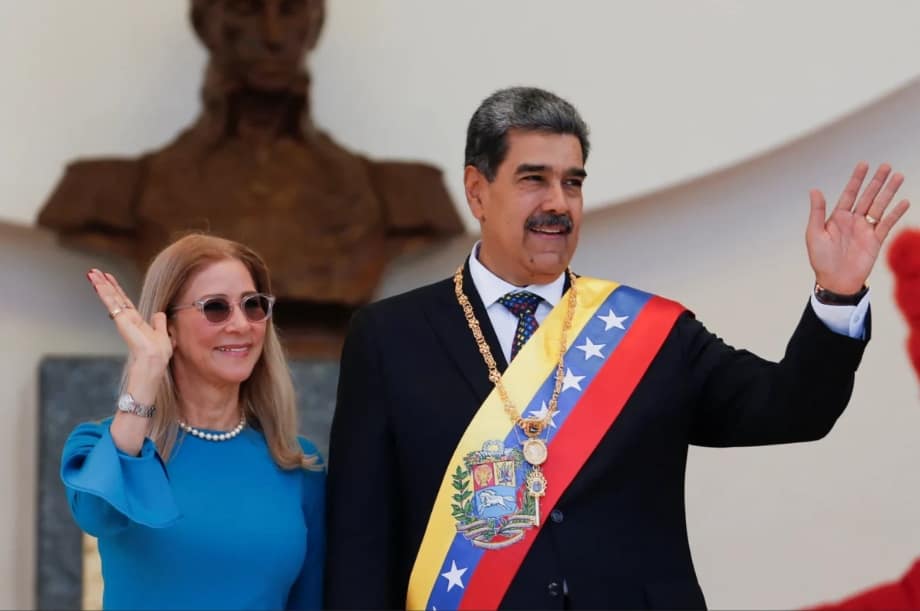
    In an unprecedented military intervention, Venezuelan President Nicolás Maduro has been apprehended and transported out of Venezuela following targeted strikes by US forces on Caracas. US President Donald Trump announced the operation via social media, scheduling a detailed press conference for 11 a.m. ET to address the developments.

    US Attorney General Pam Bondi disclosed that Maduro faces formal indictment in New York federal court on multiple charges related to narcotics trafficking and weapons offenses. Secretary of State Marco Rubio informed Republican legislators that Maduro would undergo judicial proceedings in the United States, indicating that no additional military engagements were anticipated.

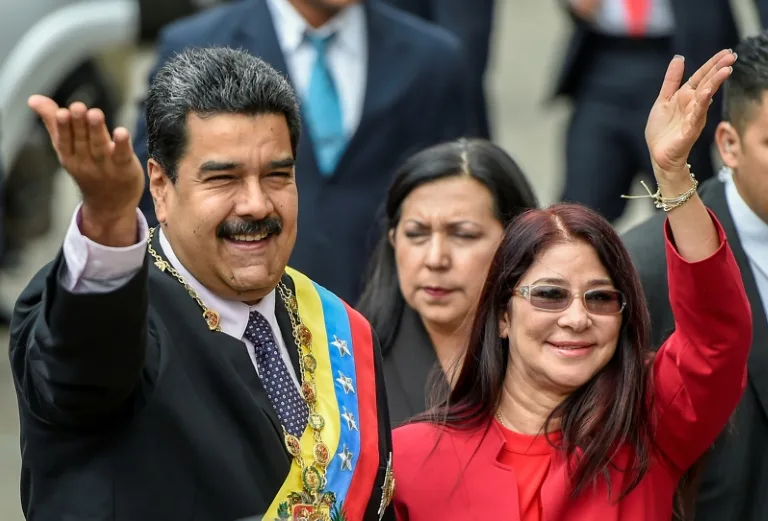
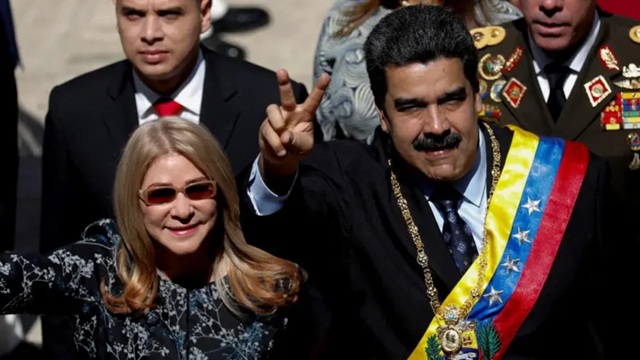
    Venezuelan Vice President Delcy Rodríguez reported that both Maduro and First Lady Cilia Flores remain missing following the attacks. Rodríguez vehemently denounced the US operation, claiming it resulted in numerous casualties among government officials, military personnel, and civilians nationwide.

    The international community has responded with heightened security measures. China’s Foreign Ministry and Embassy in Venezuela issued urgent travel advisories, instructing citizens to avoid non-essential movement and prepare emergency contingency plans. Similarly, the United Kingdom’s Foreign Office implemented comprehensive shelter-in-place protocols for British nationals while Prime Minister Keir Starmer explicitly denied UK involvement in the operation. Starmer emphasized adherence to international legal standards and announced intentions to directly consult with President Trump regarding the factual basis for the military action.

  • Wij vermoeden dat het geld wegvloeit, maar hoe gebeurt dat eigenlijk?

    Wij vermoeden dat het geld wegvloeit, maar hoe gebeurt dat eigenlijk?

    Suriname stands at a pivotal economic juncture as major hydrocarbon developments threaten to expose significant structural vulnerabilities in the nation’s tax framework. With TotalEnergies advancing the GranMorgu oil project in Block 58 and PETRONAS developing gas resources in Block 52, the country must urgently address fundamental gaps in its international taxation and transfer pricing regulations to prevent substantial revenue leakage.

    These multibillion-dollar projects represent transformative economic opportunities yet simultaneously create systemic fiscal risks. Without contemporary legislation and explicit transfer pricing rules, a considerable portion of generated value could bypass Suriname’s economy entirely, moving beyond reach of both government revenues and citizens.

    The core challenge lies in Suriname’s current inability to verify whether taxed profits genuinely reflect the economic reality of local operations. Multinational corporations like TotalEnergies and PETRONAS operate within extensive, highly integrated global networks—not through isolated Surinamese entities. These complex structures encompass group companies providing financing, technical services, intellectual property management, contract administration, and commodity marketing.

    Several mechanisms directly impact taxable profits in Suriname:

    Intragroup services represent a primary concern, with technical, commercial, and support functions often centralized within corporate groups. Surinamese entities routinely utilize engineering, drilling support, project management, procurement, financial, logistical, and managerial services. Determining whether these services provide independent economic benefit requires transparent documentation and cost allocation practices currently lacking.

    Licensing and royalty arrangements present additional challenges. Both TotalEnergies and PETRONAS maintain extensive portfolios of specialized intellectual property including geological models, seismic software, drilling technology, project management systems, and safety protocols. When this intellectual property is held outside Suriname, local entities may be required to pay license fees—even at relatively low percentages, these payments can substantially reduce taxable profits.

    Intragroup financing arrangements significantly influence fiscal outcomes. Projects requiring billions in investments employ complex capital structures featuring high debt financing, interest charges, and guarantee fees that can suppress Surinamese profits for years, particularly during early development phases if not properly aligned with commercial benchmarks.

    Procurement structures further affect profit allocation, with major contracts often routed through group-related hubs outside Suriname that embed margins into cost allocations. Additionally, permanent establishment considerations require attention during intensive preliminary phases when significant activities already occur within the country.

    These mechanisms collectively produce higher reported costs within Suriname, resulting in lower profits and diminished tax bases. This reality demands specialized expertise and analytical frameworks that look beyond reported figures—capabilities Suriname currently lacks.

    The existing situation extends beyond hydrocarbon development. Multinational operations in capital-intensive sectors like gold mining (including Zijin Rosebel Gold Mines and Newmont operations) already demonstrate similar tax base erosion risks. The expanding oil and gas sector will amplify these effects by attracting broader value chains.

    Addressing these challenges requires urgent policy action. Suriname must establish comprehensive transfer pricing regulations, implement targeted documentation requirements, and critically reassess existing tax treaties. Crucially, the nation should avoid mechanically adopting OECD frameworks designed for developed economies, instead crafting fiscal policies aligned with its unique economic reality and development objectives.

    This modernization effort concerns not only the tax authority but all stakeholders—government regulators and particularly Staatsolie must incorporate these fiscal considerations into contract formation and project structures immediately to secure Suriname’s economic interests for decades to come.
  • CARICOM leaders meet as US invades Venezuela

    CARICOM leaders meet as US invades Venezuela

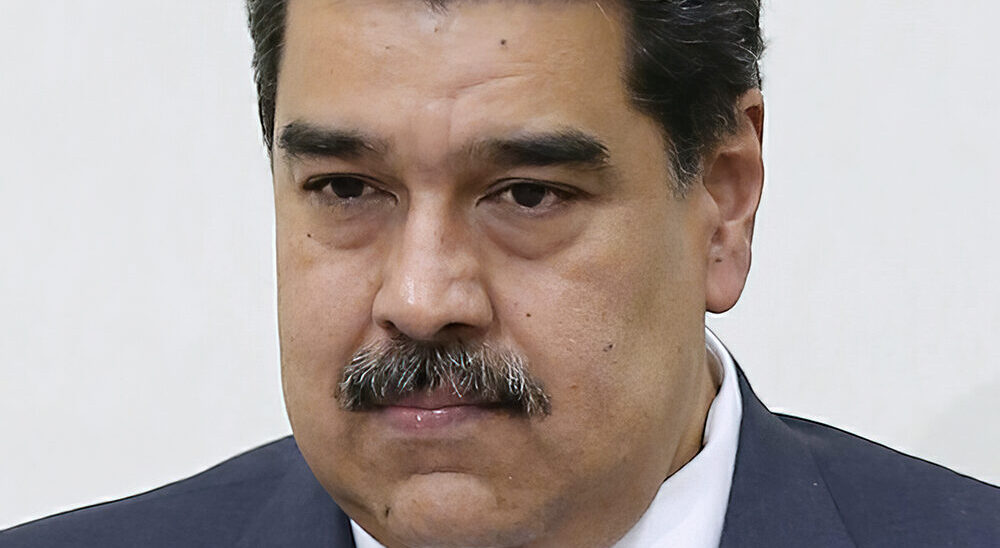
    GEORGETOWN, Guyana – Caribbean Community (CARICOM) leaders convened an urgent meeting early Saturday following a dramatic U.S. military incursion into Venezuelan territory that resulted in the capture of President Nicolás Maduro and his wife. The regional body expressed profound concern over developments that could potentially destabilize neighboring nations.

    In an official communiqué, the 15-member bloc stated it was ‘actively monitoring the situation which is of grave concern to the Region with possible implications for neighbouring countries.’ CARICOM pledged to provide continuous updates as information emerges regarding the unprecedented intervention.

    Trinidad and Tobago’s Prime Minister Kamla Persad-Bissessar swiftly clarified her nation’s non-involvement in the military operations. ‘Trinidad and Tobago is NOT a participant in any of these ongoing military operations,’ she emphasized in a social media statement, reaffirming her country’s commitment to ‘maintain peaceful relations with the people of Venezuela.’

    The Prime Minister’s stance appears at odds with CARICOM’s collective vision of maintaining the region as a ‘Zone of Peace,’ particularly given her previous support for U.S. anti-narcotics initiatives in the area.

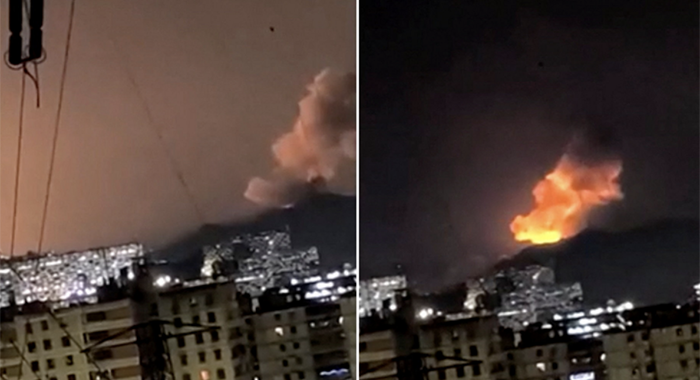
    Venezuelan authorities declared a state of emergency in response to what they termed ‘extremely serious military aggression’ by the United States. Residents of Caracas reported multiple explosions and aircraft activity over the capital.

    The Venezuelan government issued a strong condemnation: ‘Venezuela rejects, repudiates, and denounces before the international community the extremely serious military aggression perpetrated by the current government of the United States of America.’

    U.S. President Donald Trump confirmed the capture of Maduro and his wife in a ‘large scale’ military strike, announcing they had been successfully extracted from Venezuelan territory.

  • Maduro and wife charged after US announces capture following Venezuela strike

    Maduro and wife charged after US announces capture following Venezuela strike

    The United States has initiated unprecedented legal and military actions against Venezuelan leadership, with Attorney General Pamela Bondi formally announcing criminal indictments against President Nicolás Maduro and First Lady Cilia Flores. The charges, filed in the Southern District of New York, include serious allegations of Narco-Terrorism Conspiracy, Cocaine Importation Conspiracy, and weapons-related violations involving machine guns and destructive devices.

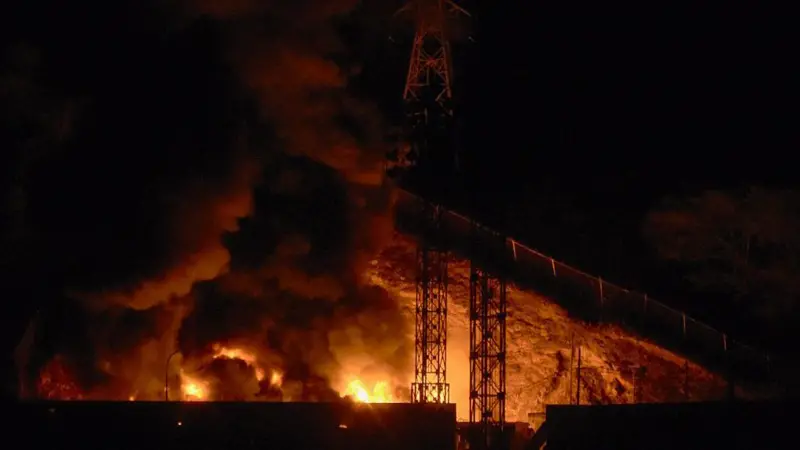
    The judicial developments coincided with military operations against Venezuelan territory. President Donald Trump confirmed the execution of ‘large-scale strikes’ targeting strategic locations in Venezuela, resulting in significant explosions across the capital city of Caracas. Initial assessments indicate several critical installations sustained damage, including La Carlota military airfield and the primary Fuerte Tiuna military base, with widespread power outages affecting surrounding communities.

    In her official statement delivered via social media platform X, Bondi commended President Trump for ‘demonstrating courage in demanding accountability on behalf of the American people’ and extended gratitude to U.S. military forces for what she characterized as a ‘highly successful mission.’

    The Venezuelan government has responded to these developments by declaring a nationwide state of emergency as the situation continues to evolve rapidly. These actions represent a significant escalation in the ongoing political confrontation between the United States and Venezuela, which has endured years of diplomatic tension and economic sanctions.

  • U.S. Launches Strikes on Venezuela, Claims Capture of President Nicolás Maduro

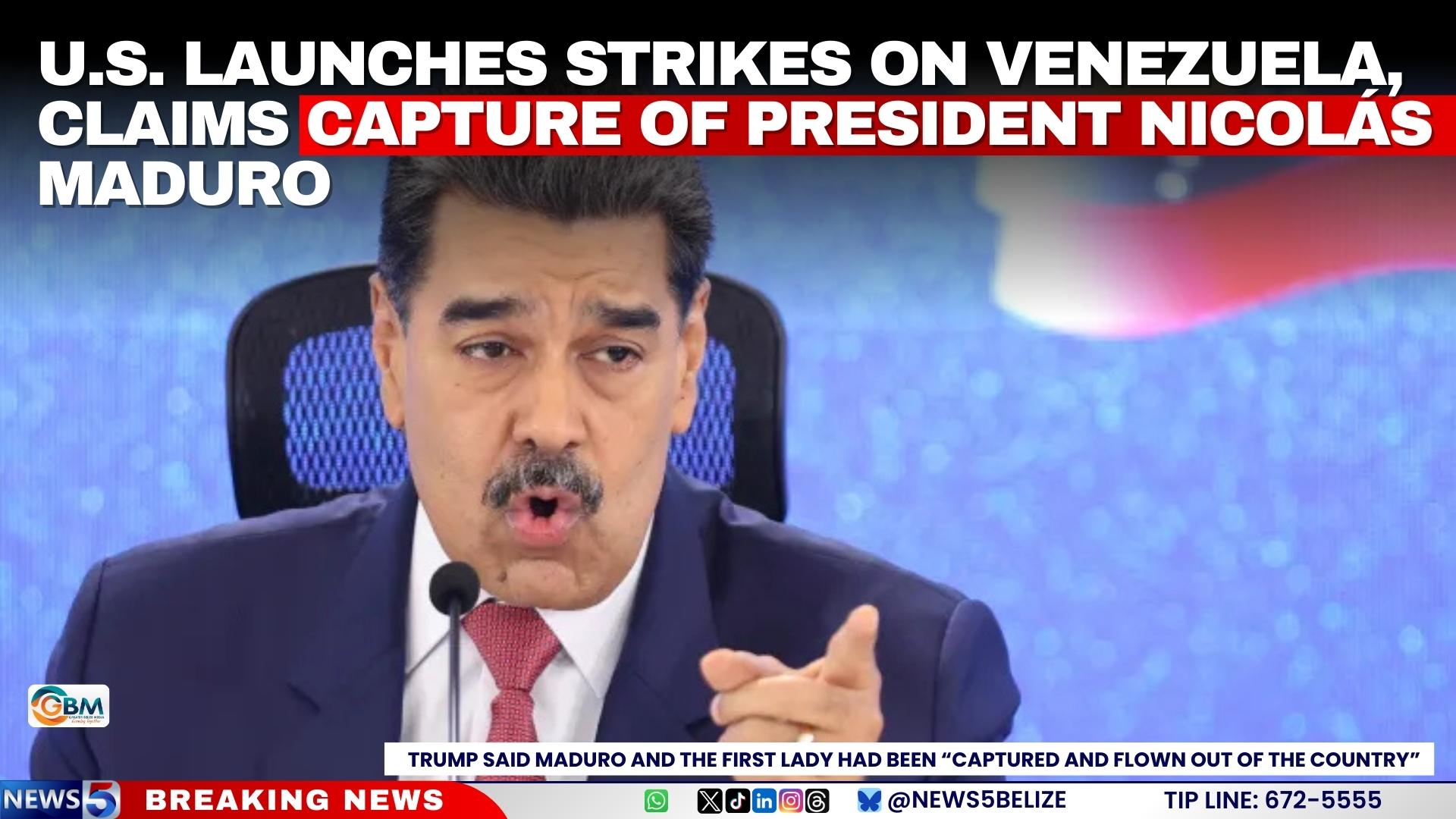
    U.S. Launches Strikes on Venezuela, Claims Capture of President Nicolás Maduro

    In a dramatic pre-dawn operation on Saturday, United States military forces executed a large-scale strike against Venezuelan targets, with officials claiming the successful capture of President Nicolás Maduro and First Lady Cilia Flores. The operation, described by U.S. authorities as a coordinated law enforcement and military action, represents an unprecedented escalation in hemispheric relations.

    Former President Donald Trump announced the development via Truth Social at approximately 4:30 a.m. ET, stating that the Venezuelan leader and his spouse had been ‘captured and flown out of the country.’ Trump promised additional details would be disclosed during a forthcoming press conference.

    U.S. Attorney General Pam Bondi revealed that Maduro faces extensive indictments in New York federal courts on charges including narcotics trafficking and weapons violations. ‘He will face the full wrath of American justice on American soil in American courts,’ Bondi declared.

    Eyewitnesses in Caracas reported multiple explosions and low-flying aircraft over the capital. Venezuelan officials condemned the operation as ‘extreme military aggression,’ alleging both civilian and military installations were targeted. The government has declared a national emergency and called for civilian mobilization against what it terms ‘imperialist attack.’

    The constitutional succession remains uncertain, with Vice President Delcy Rodríguez potentially assuming power in Maduro’s absence. Rodríguez stated authorities remain unaware of the president’s whereabouts and formally demanded proof of life from U.S. authorities.

    According to a Republican senator, Secretary of State Marco Rubio anticipates no additional military actions against Venezuela following this operation. The events mark a significant intensification after months of mounting diplomatic pressure from Washington on the Caracas government.

  • Maduro, wife indicted in New York court for narco-terrorism, drugs, weapons offences

    Maduro, wife indicted in New York court for narco-terrorism, drugs, weapons offences

    In a dramatic escalation of international tensions, Venezuelan President Nicolás Maduro and his wife have been formally indicted by the United States Justice Department on charges including narco-terrorism conspiracy and weapons offenses. The indictment was unsealed in the Southern District of New York following what U.S. officials describe as a successful military operation that resulted in the capture of both individuals.

    U.S. Attorney General Pam Bondi announced the charges, which specifically accuse President Maduro of conspiring to import cocaine into the United States and illegally possessing machine guns and destructive devices. While the exact charges against Maduro’s wife remain unspecified, Bondi declared that both would ‘face the full wrath of American justice on American soil in American courts.’

    The legal action follows an early morning military intervention that included a 30-minute aerial bombardment targeting multiple military bases in Caracas and other Venezuelan locations. President Donald Trump confirmed that U.S. forces had captured Maduro and his wife and removed them from Venezuelan territory during this operation.

    The development comes six months after the United States initiated its largest military mobilization in the Caribbean region, targeting vessels suspected of transporting narcotics toward American shores. Venezuelan Vice President Delcy Rodríguez has formally requested that the U.S. government provide ‘proof of life’ documentation regarding Maduro’s current status and whereabouts.

  • US indicts Maduro and wife on narco-terror charges

    US indicts Maduro and wife on narco-terror charges

    In a significant escalation of tensions, U.S. Attorney General Pamela Bondi has publicly announced the indictment of Venezuelan President Nicolás Maduro and First Lady Cilia Flores. The charges, filed in the Southern District of New York, encompass multiple severe allegations, including conspiracy to commit narco-terrorism, conspiracy to import cocaine into the United States, and illegal possession of machine guns and destructive devices.

    Bondi extended formal gratitude to President Donald Trump for his directive in pursuing international accountability. She also lauded U.S. military personnel for executing what she characterized as an ‘incredible and highly successful mission’ designed to apprehend the couple, whom she labeled as ‘alleged international narco traffickers.’

    The Department of Justice has formally endorsed the operation, with Bondi underscoring that these unprecedented charges against a sitting head of state demonstrate the United States’ unwavering resolve to combat transnational criminal enterprises and uphold justice on a global scale. This legal action marks a pivotal moment in the fraught relationship between the two nations.

  • Guyana activates security plan as US bombs Venezuela

    Guyana activates security plan as US bombs Venezuela

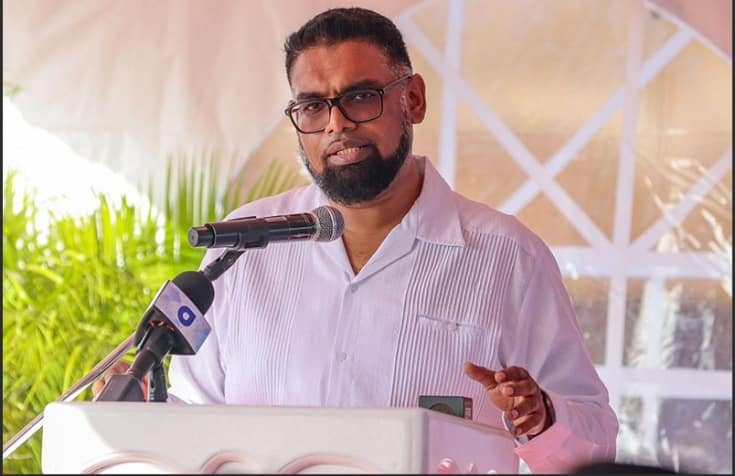
    Guyana has mobilized its complete security infrastructure in response to escalating military actions between the United States and Venezuela, President Dr. Irfaan Ali confirmed on Saturday. The Guyanese leader announced the activation of comprehensive defense protocols to ensure national security and citizen safety following American airstrikes on multiple Venezuelan military sites.

    President Ali addressed reporters regarding the heightened security measures, stating: “Our entire security architecture is fully active. The Guyana Defence Force and security forces are continuously monitoring the situation. Citizens should remain assured that our government is implementing all necessary protocols to safeguard our nation’s security interests.”

    The administration has maintained ongoing communication with regional security partners and international organizations. CARICOM Secretary General Dr. Carla Barnett has received detailed briefings on the developing situation, while Chief of Defence Staff Brigadier Omar Khan has established contact with neighboring security counterparts. President Ali emphasized his commitment to transparency, promising to share updates as information becomes available.

    Diplomatic efforts are underway to convene an emergency CARICOM leadership summit addressing the regional security implications. Simultaneously, President Ali has personally engaged with ExxonMobil Guyana President Alistair Routledge regarding security measures for the nation’s substantial offshore oil operations, which currently produce approximately one million barrels daily.

    Meanwhile, Venezuelan President Nicolás Maduro has declared a national state of emergency, characterizing the US military actions as “extremely serious military aggression.” Residents of Caracas reported multiple explosions and aircraft activity, prompting Venezuela’s government to denounce what it described as imperialist aggression.

    Maduro has ordered full mobilization of Venezuelan military and civilian forces to protect national sovereignty, while initiating formal complaints through United Nations channels, the Community of Latin American and Caribbean States (CELAC), and the Non-Aligned Movement. This response comes amid longstanding US allegations labeling Maduro a narco-terrorist leader, with Washington offering a $50 million reward for information leading to his capture.

  • CARICOM Heads Meet Urgently Following Reports of Military Action in Venezuela

    CARICOM Heads Meet Urgently Following Reports of Military Action in Venezuela

    Heads of Government from the Caribbean Community (CARICOM) convened an emergency session in the early hours of January 3rd following reports of escalating military activities within Venezuela. The regional body expressed profound apprehension regarding the situation, characterizing it as a matter of grave concern with potential ramifications for regional stability. CARICOM has initiated a comprehensive monitoring operation to track developments in real-time, emphasizing the possible spillover effects on neighboring nations. The organization has committed to maintaining transparent communication with the public, pledging to provide continuous updates as additional verified information becomes available. This swift diplomatic response underscores CARICOM’s strategic approach to regional security crises and its role as a stabilizing force in the Caribbean basin.

  • National emergency in Venezuela called as US strikes, captures Maduro

    National emergency in Venezuela called as US strikes, captures Maduro

    In a dramatic escalation of tensions, former U.S. President Donald Trump announced via Truth Social on January 3 that American forces had executed a “large-scale strike” against Venezuela, resulting in the capture and extraction of President Nicolás Maduro and his wife from the country. Trump characterized the mission as a “brilliant operation” conducted with U.S. law enforcement coordination, promising further details at a Mar-a-Lago news conference.

    Eyewitness accounts from Caracas described powerful explosions rocking the capital at dawn, with visible smoke plumes and unverified social media footage showing aerial military activity. The Venezuelan government confirmed strikes targeted key military installations including La Carlota airfield and Fuerte Tiuna base, with collateral damage causing power outages in surrounding communities.

    The Venezuelan administration issued a formal statement vehemently denouncing what it termed “military aggression” aimed at seizing national oil and mineral resources. Regional allies Cuba and Colombia joined in condemning the operations, while Trinidad and Tobago’s Prime Minister explicitly denied participation in the military actions.

    The Caribbean Community (CARICOM) convened an emergency meeting, expressing “grave concern” about regional implications. This development follows years of strained relations, with Washington consistently challenging Maduro’s legitimacy and accusing his administration of narcotics trafficking, while Caracas maintains these actions represent imperialist designs on Venezuela’s natural resources.