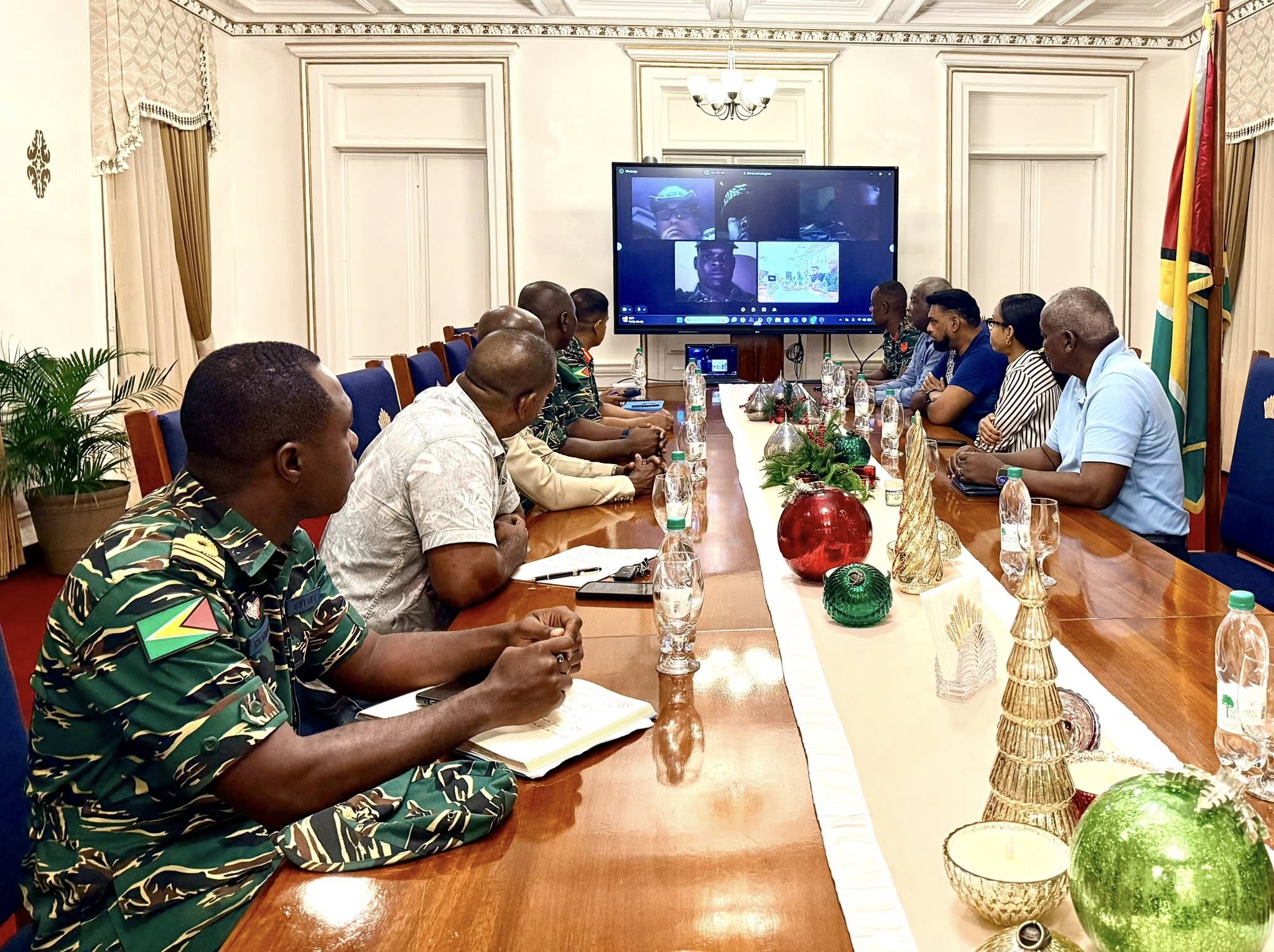
International condemnation has swept across multiple continents following United States military operations in Venezuelan territory and the capture of President Nicolás Maduro and First Lady Cilia Flores. The unprecedented intervention, which occurred on January 3, 2026, has triggered urgent diplomatic responses from nations worldwide warning of severe regional destabilization and violations of international law.\n\nCaribbean nations demonstrated immediate concern given their geographic proximity to Venezuela. Guyanese Prime Minister Dr. Irfaan Ali convened an emergency session with the Defence Board and national security apparatus, highlighting heightened alert status amid existing regional tensions. Trinidad and Tobago’s Prime Minister Kamla Persad-Bissessar explicitly distanced her nation from the military operations, emphasizing continued peaceful relations with Venezuela despite the unfolding crisis.\n\nOpposition Leader Pennelope Beckles of Trinidad and Tobago characterized developments as \”deeply troubling,\” reaffirming commitments to maintain the Caribbean as a \”Zone of Peace\” while expressing particular concern for civilian safety and Trinidadian nationals in Caracas.\n\nLatin American powers delivered forceful responses. Brazilian President Luiz Inácio Lula da Silva condemned the bombings as crossing \”an unacceptable line,\” warning they established \”an extremely dangerous precedent for the entire international community.\” Mexican authorities issued firm condemnation of unilateral military action, urging immediate United Nations intervention to de-escalate tensions.\n\nEuropean leaders emphasized legal and humanitarian dimensions. European Commission Vice-President Kaja Kallas stressed that \”principles of international law and the UN Charter must be respected under all circumstances.\” European Council President António Costa called for de-escalation and resolution through proper legal channels, while Spanish officials confirmed their diplomatic personnel’s safety and offered support for peaceful solutions.\n\nRussia’s Foreign Ministry described the operation as \”an act of armed aggression against Venezuela\” lacking factual justification, though confirming no injuries among Russian citizens in Caracas.\n\nThe United States justified its actions through legal frameworks. Attorney General Pamela Bondi announced indictments against Maduro and Flores in the Southern District of New York, charging the Venezuelan leader with Narco-Terrorism Conspiracy, Cocaine Importation Conspiracy, and weapons-related offenses. Bondi characterized the operation as a \”highly successful mission\” ensuring the defendants would \”face the full wrath of American justice.\”\n\nVenezuelan Executive Vice President Delcy Rodríguez denounced the intervention as \”extremely serious military aggression\” and a \”flagrant violation of the UN Charter,\\” accusing Washington of attempting to seize Venezuela’s strategic resources while vowing resistance.
作者: admin
-
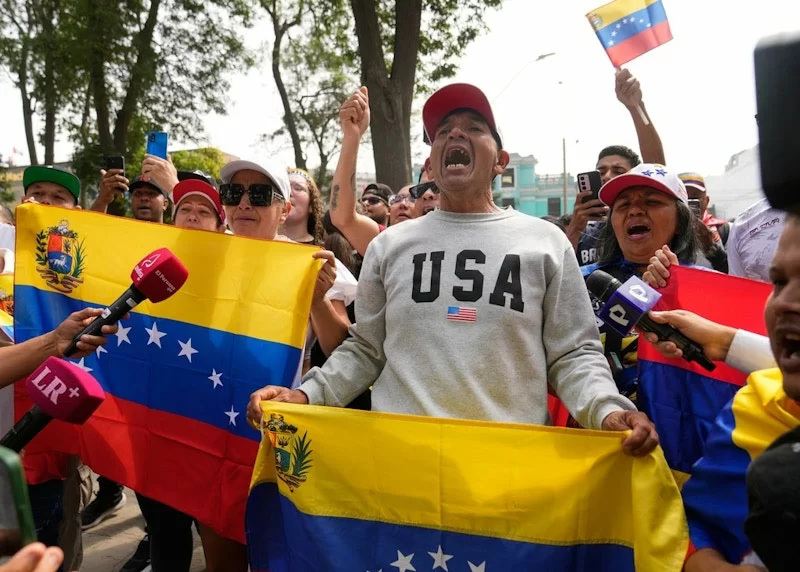
Bondgenoten VS juichen arrestatie Maduro toe
A dramatic US military operation resulting in the capture of Venezuelan President Nicolás Maduro has triggered polarized international responses, raising complex questions about sovereignty, interventionism, and regional stability. The operation represents Washington’s most direct military engagement in Latin America since the 1989 invasion of Panama.
Venezuelan opposition leader María Corina Machado, a Nobel Peace Prize laureate who has been living underground since Maduro’s controversial July 2024 reelection, hailed the development as “the hour of freedom.” Through social media channels, she urgently called for immediate transfer of power to opposition candidate Edmundo González Urrutia, whom the opposition considers the legitimate winner of the presidential elections.
European allies offered measured support. Italian Prime Minister Giorgia Meloni, a prominent ally of President Donald Trump, defended the operation as a legitimate defensive action targeting organized crime and drug trafficking networks. However, she notably emphasized that foreign military interventions should not become the standard method for ending dictatorships, reflecting the delicate balance between supporting regime change and respecting international law.
Israel expressed unequivocal support, with Foreign Minister Gideon Sa’ar praising the United States as “leader of the free world” and expressing solidarity with the Venezuelan people who he said suffered under Maduro’s “illegal tyranny.” Israel anticipates restored democratic processes and friendly bilateral relations.
The operation occurred amid mounting pressure on Maduro’s government, which faces allegations of corruption, political repression, and involvement in international drug trafficking. Venezuela has experienced years of severe economic crisis, massive refugee outflows, and intense political polarization.
Neighboring countries Brazil and Colombia are closely monitoring developments due to potential impacts on regional stability and refugee movements. The Venezuela-Brazil border was temporarily closed during the initial escalation but has since reopened, with Brazilian authorities maintaining heightened surveillance. The region already hosts significant numbers of Venezuelan refugees, creating substantial humanitarian pressures.
Legal and procedural questions emerge as the operation was conducted without prior congressional approval in the United States, raising concerns about its legal basis and legitimacy. Reports indicate the operation was originally planned for the Christmas period but was delayed due to other military priorities.
The international community remains divided between supporting nations that view the action as necessary for democracy and those warning against escalation while emphasizing diplomatic solutions and respect for international law. The ultimate impact on Venezuela’s political future and broader regional stability remains uncertain.
-
Saint Lucia, Caribbean flights disrupted as US strikes close regional airspace
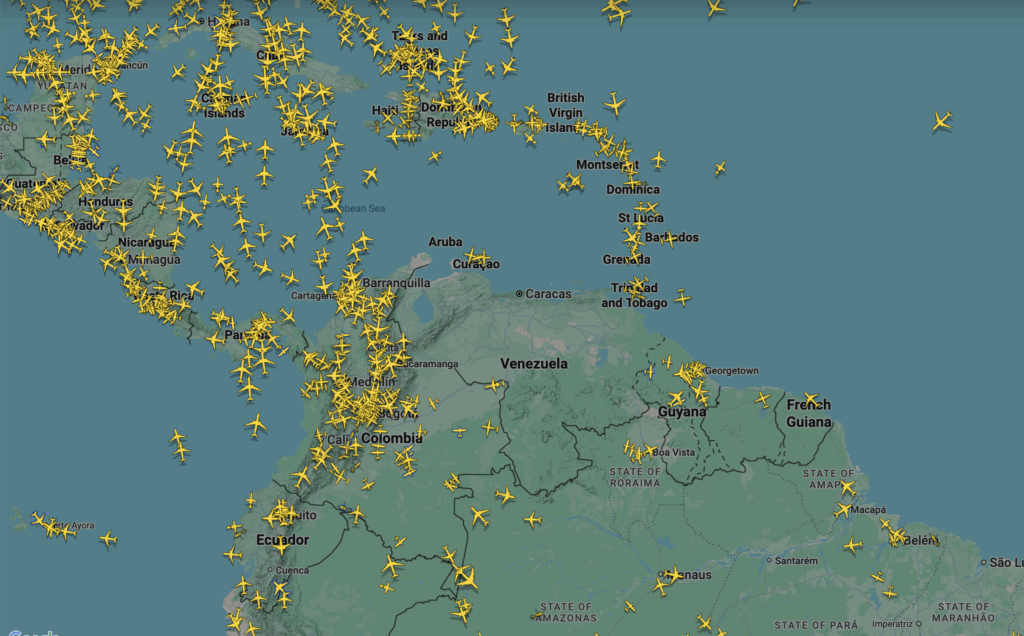
A major aviation disruption swept across the Eastern Caribbean on January 3 as the US Federal Aviation Administration (FAA) implemented emergency airspace restrictions following military operations near Venezuela. The directive prompted immediate flight cancellations and significant schedule adjustments throughout the region.
The FAA’s emergency Notices to Airmen (NOTAMs) effectively closed substantial portions of Eastern Caribbean airspace, creating a ripple effect across multiple island nations. Airports in Puerto Rico, Aruba, St Maarten, Barbados, Saint Lucia, Grenada, and the US Virgin Islands were among those experiencing substantial operational impacts.
JetBlue Airways, maintaining extensive regional operations, cancelled approximately 215 flights systemwide. American Airlines confirmed schedule modifications, emphasizing passenger and crew safety as their primary concern. Delta Air Lines specifically listed affected destinations including San Juan, Aruba, Barbados, Saint Lucia, and Grenada. Both United Airlines and Southwest Airlines reported similar cancellation patterns due to the restrictions.
The Saint Lucia Air and Sea Ports Authority (SLASPA) confirmed significant disruptions to flight operations between the United States and Caribbean destinations, noting numerous services experienced either delays or outright cancellations.
Travel chaos ensued as passengers found themselves stranded at airports with uncertain resumption timelines. Regional tourism officials expressed particular concern about the timing during peak winter travel season, traditionally the region’s busiest tourism period.
The FAA indicated restrictions were initially scheduled to expire late January 3 but maintained possibility of extension based on ongoing security assessments. Airlines advised affected passengers to consult official channels for rebooking options and refund procedures. While US carriers haven’t operated direct flights to Venezuela since 2019 due to political instability, the current restrictions notably extend beyond Venezuelan airspace, affecting broader Caribbean transit routes.
-
Prepare to screen, accommodate influx of migrants as a fallout from US airstrikes on Venezuela, APNU tells gov’t
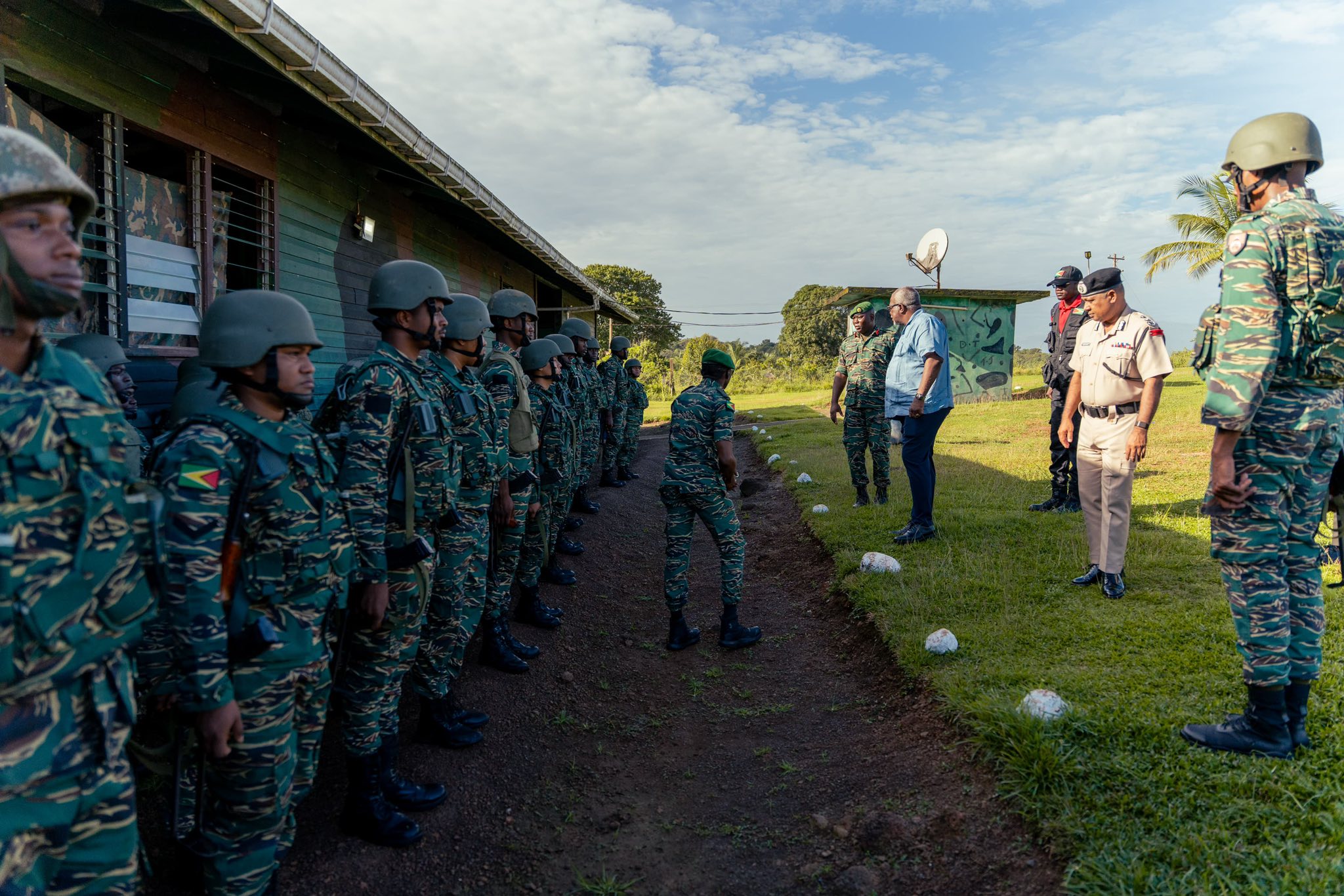
Guyana’s primary opposition coalition, A Partnership for National Unity (APNU), has issued an urgent advisory to the government regarding potential security and humanitarian consequences stemming from recent US military operations in Venezuela. The organization emphasized the critical need for immediate contingency planning to address a possible influx of displaced persons across the western border.
APNU proposed a comprehensive four-point strategy that includes establishing designated reception zones at secure distances from the border area. These zones would require pre-positioned essential supplies including water, food, medical resources, and shelter materials. The opposition coalition specifically highlighted the necessity of implementing robust vetting mechanisms to prevent potential infiltration threats that could compromise national interests.
While advocating for humanitarian response measures, APNU simultaneously called for strengthened security protocols and systematic registration procedures to ensure orderly management of any migration flow. The organization stressed that such measures must balance humanitarian concerns with national security requirements.
President Irfaan Ali, responding to inquiries, acknowledged ongoing border monitoring efforts but noted he had not yet reviewed APNU’s specific recommendations. The President confirmed that Prime Minister Mark Phillips was currently engaged with defense and security personnel in border regions to assess preparedness in light of regional developments.
APNU further recommended establishing a joint humanitarian task force incorporating multiple government agencies including the Civil Defence Commission, Guyana Defence Force, and relevant ministries. The opposition coalition also urged international engagement with organizations including CARICOM, UN refugee agencies, and the International Red Cross to secure potential logistical and financial support.
Emphasizing the need for bipartisan cooperation, APNU offered legislative support, community network mobilization, and budgetary approval assistance to address what they characterize as a national emergency requiring unified response. The organization noted that while Guyana maintains its position on territorial matters through the International Court of Justice process, the current situation demands pragmatic humanitarian planning.
Background context indicates significant prior migration from Venezuela, with official figures documenting approximately 40,000 legal Venezuelan residents in Guyana and unofficial estimates suggesting total numbers exceeding 100,000 individuals who have fled political and economic instability over the past decade.
-
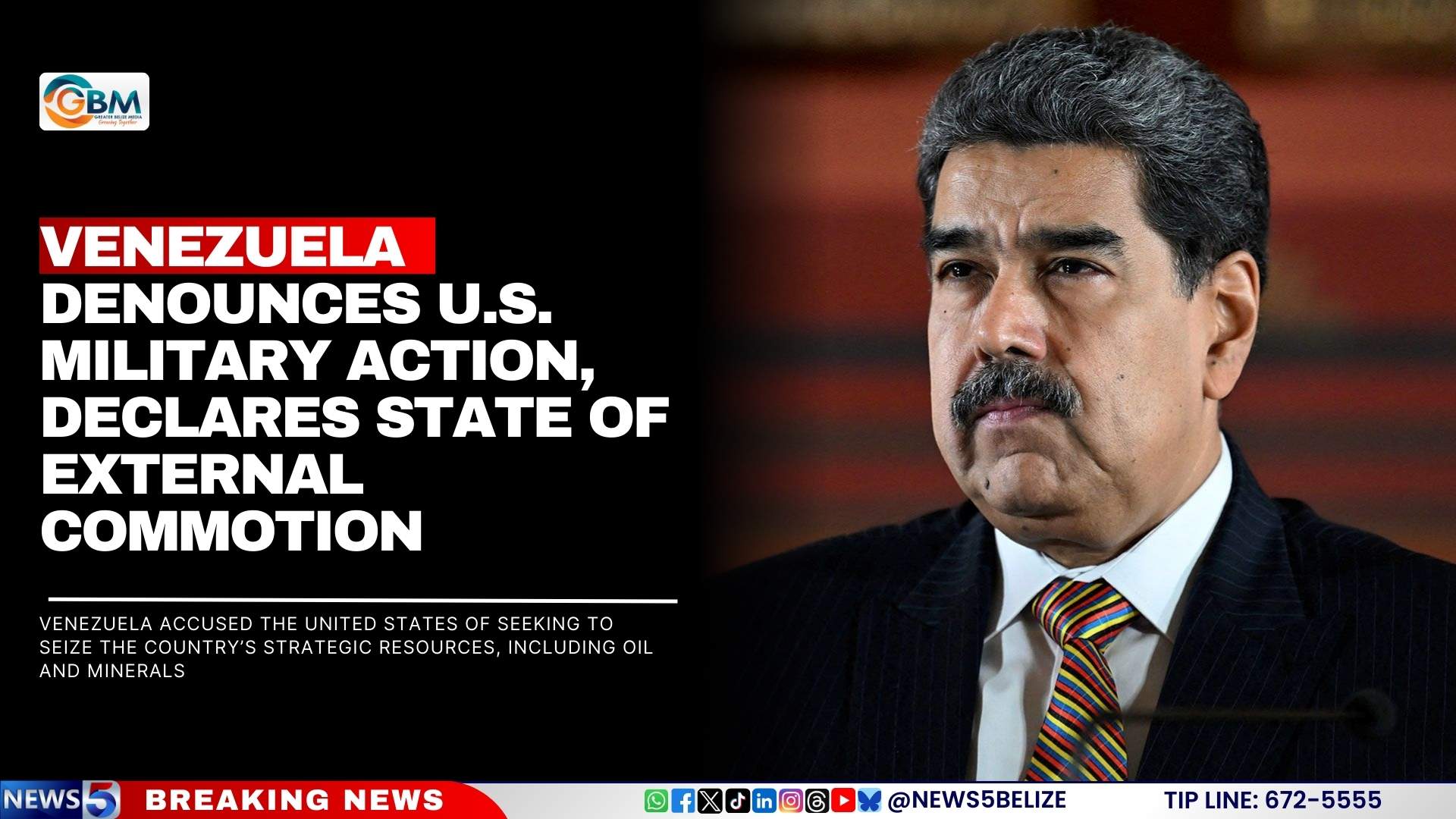
Venezuela Denounces U.S. Military Action, Declares State of External Commotion
The Venezuelan government has issued a formal declaration of a State of External Commotion across its entire territory following what it characterizes as unprecedented military aggression by the United States. According to an official statement released on January 3, 2026, U.S. forces allegedly conducted attacks against both civilian and military installations in Caracas and surrounding states including Miranda, Aragua, and La Guaira.
President Nicolás Maduro has authorized the implementation of comprehensive national defense protocols in response to what Venezuelan authorities describe as a blatant violation of international law and the United Nations Charter. The government asserts that these actions represent not only an assault on Venezuelan sovereignty but also a direct threat to regional stability throughout Latin America and the Caribbean.
Venezuelan officials have framed the alleged incursion as an attempt to seize control of the nation’s strategic resources, particularly its substantial petroleum and mineral reserves, while simultaneously attempting to force regime change through military means. The government maintains that such efforts will ultimately fail, citing historical resistance to foreign intervention.
Notably absent from the Venezuelan statement was any acknowledgment of U.S. claims regarding President Maduro’s capture and removal from the country during overnight operations. This creates a significant discrepancy between the narratives presented by the two nations, with Caracas maintaining presidential authority and continuity of government operations despite Washington’s assertions to the contrary.
The declaration of a State of External Commotion enables extraordinary measures to protect civilian populations, ensure the continued functioning of state institutions, and coordinate national response to what Venezuela characterizes as external aggression.
-
Gemini Browne Charged with Unlawful Possession of Crack/Cocaine
In a targeted anti-narcotics operation, the Royal Police Force of Antigua and Barbuda has formally charged 40-year-old Perry Bay resident Gemini Browne with unlawful possession of controlled substances. The arrest occurred on Thursday following strategic police interventions in the Grays Green area, where law enforcement officials intercepted Browne and discovered 0.7 grams of crack cocaine in his possession.
The charges stem from an ongoing initiative to combat illicit drug activities across local communities. Police authorities have confirmed that Browne was taken into custody and processed according to standard judicial procedures. Investigations remain active as law enforcement continues to pursue related leads.
This arrest forms part of the Royal Police Force’s broader campaign to enhance public safety and disrupt drug distribution networks throughout Antigua and Barbuda. Officials have reiterated their commitment to sustained operations targeting narcotics trafficking and associated criminal behavior.
The police administration has called for increased public cooperation in these efforts, urging community members to report suspicious activities through official channels including the Criminal Investigations Department and the anonymous Crimestoppers tip line. This collaborative approach aims to strengthen community-police relations while addressing drug-related crimes more effectively.
-
‘At last’
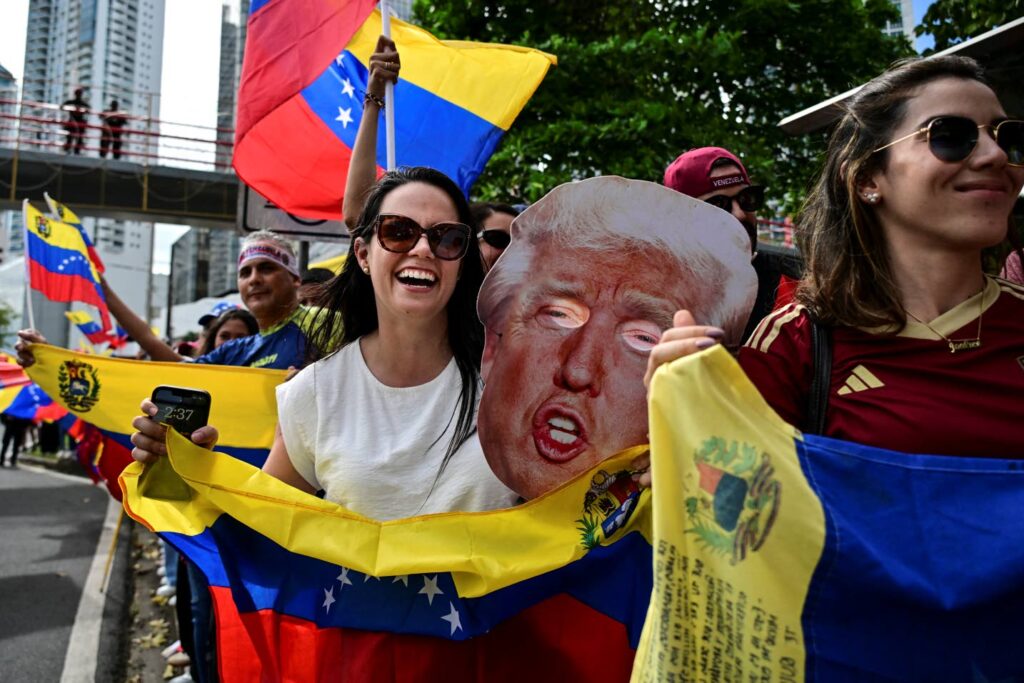
In an unprecedented global display of emotion, millions of Venezuelan exiles erupted in celebration following the capture of their former leader, Nicolas Maduro, by United States military forces. The operation, which culminated in Maduro’s extradition to New York to face narcotics trafficking allegations, triggered spontaneous gatherings across international capitals from Santiago to Madrid.
Colombia’s capital, Bogotá, which shelters the largest contingent of nearly three million displaced Venezuelans, witnessed scenes of profound emotional release. Kevin Zambrano, a hairdresser who fled a decade ago, expressed uncontainable joy, stating his gratitude for what he termed ‘the first step’ toward national liberation. Similarly, in Santiago, street vendor Yurimar Rojas voiced a sentiment echoed by countless others: ‘At last we’ll be able to go back home.’
The celebrations, however, were tempered by geopolitical complexities and internal divisions. U.S. President Donald Trump announced that the United States would temporarily ‘run’ Venezuela pending a stable political transition, a declaration that drew immediate condemnation from Maduro’s Vice-President, Delcy Rodriguez, who asserted that Maduro remains the nation’s ‘only president.’
Amid the euphoria, poignant personal stories emerged. Yeiner Benitez, a security guard in Bogotá, tearfully recounted the tragic death of his uncle due to medication shortages—a direct consequence of Venezuela’s economic collapse. His narrative underscored the profound human toll of the crisis that drove nearly eight million citizens into exile.
Not all responses were celebratory. In Mexico City, protesters gathered outside the U.S. embassy, brandishing signs that read ‘No to war’ and warning against what they perceived as neo-colonial resource extraction. Mario Benitez, leading the demonstration, urged Venezuelans to resist foreign intervention and protect national sovereignty.
The events set the stage for a complex power struggle, with opposition figure Maria Corina Machado delivering a galvanizing message of hope to supporters in Madrid, while the current administration in Caracas vowed to defend the nation’s sovereignty. The path forward remains uncertain, balancing exiles’ dreams of return against the challenges of rebuilding a shattered nation.
-
Homeless appeal
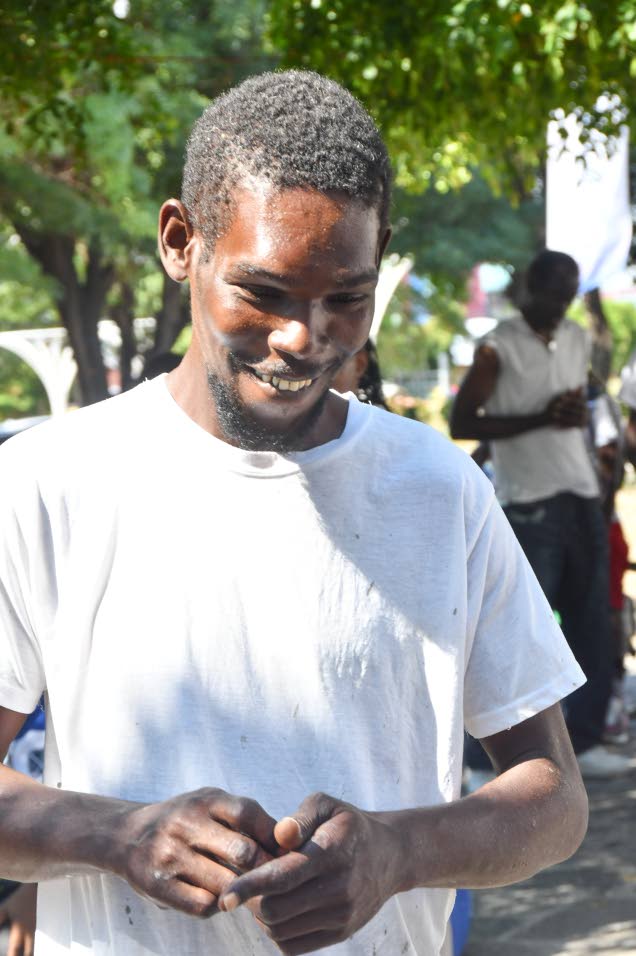
For 39-year-old Sherdan Carr, surviving two years of homelessness in Jamaica’s capital has become a nightly battle for safety. He describes an existence where finding secure rest often means scaling buildings to sleep on rooftops, a desperate measure to avoid violent attacks that have become commonplace on Kingston’s streets.
Carr’s account reveals a harrowing reality where homeless individuals face perpetual threat, even from children, with incidents of rock-throwing and machete attacks occurring regularly. He recounts witnessing a Rastafarian man having his head bashed with stones while sleeping just weeks before Christmas, and speaks of another elderly man who had his throat slashed during a robbery.
Despite the brutality, Carr maintains hope for his future while advocating for systemic change. He identifies shelters as potentially dangerous environments where theft among residents is common and conditions often worse than the streets. His testimony suggests that improved shelter security and better facilities could encourage more homeless individuals to seek refuge indoors.
The scale of violence is substantiated by official records showing that between January 2021 and April 2023, twelve homeless people were subjected to extreme violence across multiple parishes, with eight incidents occurring in Kingston alone. Only one victim survived these attacks.
Government officials acknowledge the problem while claiming progress. Delroy Williams, State Minister in the Ministry of Local Government and Community Development, recently reported a significant reduction in abuse cases against homeless individuals. He made these remarks during World Homeless Day observances in October, emphasizing ongoing appeals to citizens to cease victimizing vulnerable populations.
The situation has created survival strategies among Kingston’s estimated 3,000 homeless residents, including sleeping in shifts with lookouts posted for protection. Both Carr and another street-dweller, Teleta Allen, confirm that stone-throwing attacks have become almost recreational for some perpetrators, highlighting the profound vulnerability of those living without shelter in Jamaica’s urban centers.
-
Maduro ousted
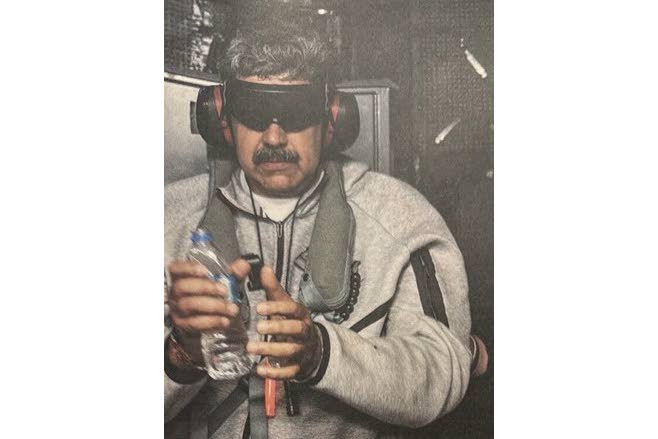
In a stunning escalation of its campaign against the Venezuelan government, the United States has executed a high-risk military operation that resulted in the capture of President Nicolás Maduro and his subsequent transfer to New York to face criminal charges. The operation, which involved air strikes and special forces, culminated hours later with President Donald Trump declaring that the U.S. would assume temporary administrative control of the South American nation, explicitly stating an intent to harness its vast oil reserves for export.
The dramatic events mark the most assertive U.S. effort at regime change since the 2003 Iraq war. According to military officials, the mission involved 150 aircraft and was planned over months of intelligence gathering on Maduro’s habits. General Dan Caine reported that Maduro and his wife surrendered without resistance, resulting in no U.S. casualties, though Trump later indicated ‘many’ Cuban members of Maduro’s security detail were killed.
President Trump’s announcement from Mar-a-Lago outlined a vision for Venezuela’s future that notably bypassed the U.S.-backed political opposition. While opposition leader Maria Corina Machado declared ‘the hour of freedom has arrived,’ Trump expressed skepticism about her support, instead suggesting a potential working relationship with Maduro’s vice-president, Delcy Rodriguez—a proposal she immediately rejected, demanding Maduro’s release.
The international response has been sharply divided. China condemned the operation, while European powers expressed concern over violations of international law, even as they acknowledged Maduro’s lack of legitimacy. Balkan nations and the UK offered support for the U.S. action. The United Nations Security Council is scheduled to meet to discuss the intervention, which UN Secretary-General Antonio Guterres stated did not respect international legal standards.
The situation in Caracas remains tense and uncertain, with the long-term U.S. commitment unclear. Trump indicated that American involvement would continue for an indefinite period, stating troops could be deployed and the U.S. would remain ‘until the proper transition can take place.’
-
Pets, planes and a ‘fortress’
WASHINGTON, DC — In a meticulously orchestrated military operation codenamed ‘Absolute Resolve,’ United States forces successfully apprehended Venezuelan leader Nicolas Maduro, culminating a months-long intelligence mission. President Donald Trump monitored the dramatic capture in real-time through a live video feed from his Mar-a-Lago resort.
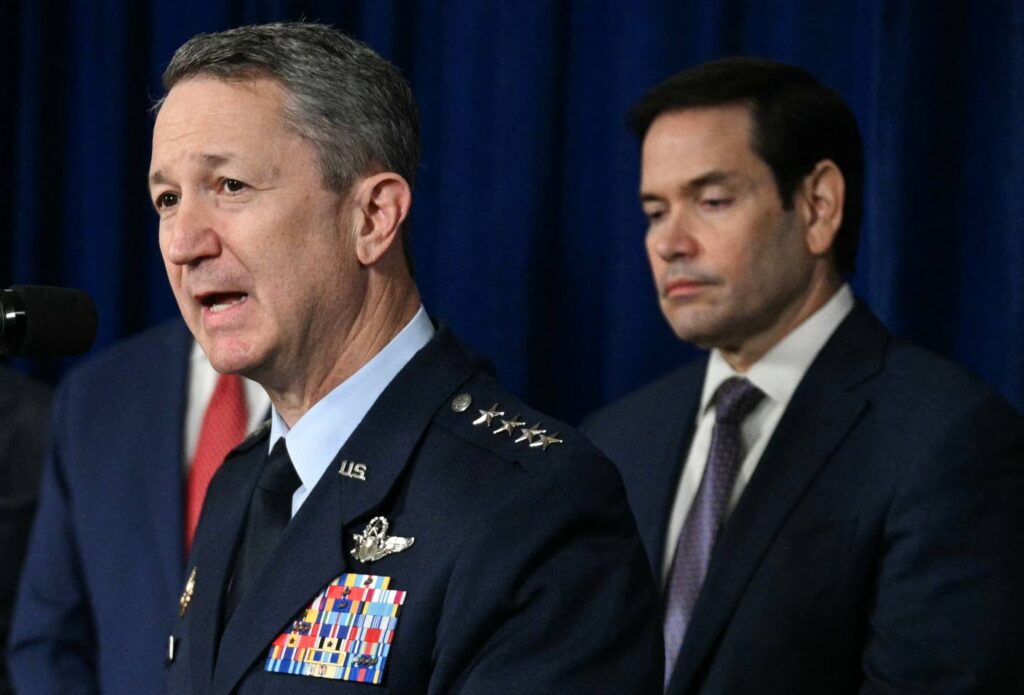
The operation, described by military officials as a masterpiece of precision planning, involved extensive surveillance of Maduro’s movements since August. Joint Chiefs Chairman General Dan Caine revealed that US intelligence agents had compiled exhaustive details about the Venezuelan leader’s daily routines, including his dietary habits, travel patterns, and even his pets.
Preparation included constructing replica facilities to simulate Maduro’s compound and waiting for optimal conditions. Trump initially authorized the mission four days prior to execution but delayed for perfect operational alignment, including favorable weather patterns.
The decisive moment arrived at 10:46 PM Washington time on Friday when Trump issued the final execution order with the words ‘Good luck and Godspeed.’ More than 150 aircraft participated in the mission, including fighter jets, reconnaissance planes, drones, and specialized helicopters that flew at mere 100 feet above ocean surface to avoid detection.
US satellite and cyber capabilities disabled Venezuelan radar systems as forces approached Caracas. Despite encountering anti-aircraft fire that struck one helicopter (which remained operational), US forces overwhelmed Venezuelan defenses. The extraction team landed at Maduro’s fortified compound at 2:01 AM Caracas time, finding the leader attempting to reach a reinforced security chamber.
Maduro and his wife surrendered without significant resistance and were transported to the USS Iwo Jima. Both face serious US charges related to drug trafficking and terrorism activities. The White House subsequently released imagery showing the captured leader blindfolded, handcuffed, and wearing hearing protection alongside a Nike tracksuit.