作者: admin

  • Cuba strongly condemns the cowardly aggression of the United States against Venezuela and expresses its absolute support for that sister nation

    Cuba strongly condemns the cowardly aggression of the United States against Venezuela and expresses its absolute support for that sister nation

    In a strongly worded official statement released on January 3, 2026, the Cuban Revolutionary Government has issued a comprehensive condemnation of what it describes as “cowardly U.S. military aggression” against Venezuela. The Havana administration declared its absolute solidarity with the Bolivarian Republic and its constitutional government while demanding immediate proof of life for President Nicolás Maduro Moros and his wife Cilia Flores, whom it claims have been captured by American forces.

    The Cuban government characterized the operation as a blatant violation of international law and the United Nations Charter, representing a dangerous escalation of Washington’s prolonged campaign against Venezuela. According to the statement, this aggression constitutes part of a broader strategy rooted in the Monroe Doctrine, aimed at establishing U.S. hegemony throughout Latin America and securing unrestricted access to the region’s natural resources.

    Havana’s declaration endorsed earlier demands by Venezuelan Executive Vice President Delcy Rodríguez for verification of the detained leaders’ wellbeing. The statement further emphasized Venezuela’s peaceful nature, noting that the South American nation has not engaged in aggression against the United States or any other country.

    The Cuban government placed full responsibility for casualties and material damage on the Trump administration, specifically naming the President and his Secretary of State, along with what it described as “aggressive elements and enemies of Latin America and the Caribbean” who have gained political influence in the United States.

    Recalling the 2014 Proclamation of Latin America and the Caribbean as a Zone of Peace, signed unanimously by regional governments in Havana, the statement warned that this aspiration is now under direct attack. The Revolutionary Government called upon global governments, parliaments, social movements, and citizens to condemn the operation, which it labeled an act of “state terrorism” threatening international peace and security.

    The declaration concluded with a rallying cry of “Homeland or Death” and expressed Cuba’s willingness to “give, as we did for Cuba, even our own blood” for Venezuela and its people, signaling Havana’s unwavering commitment to regional solidarity against perceived American imperialism.
  • Brianna Genao Rosario, a young girl, has been missing since December 31st.

    Brianna Genao Rosario, a young girl, has been missing since December 31st.

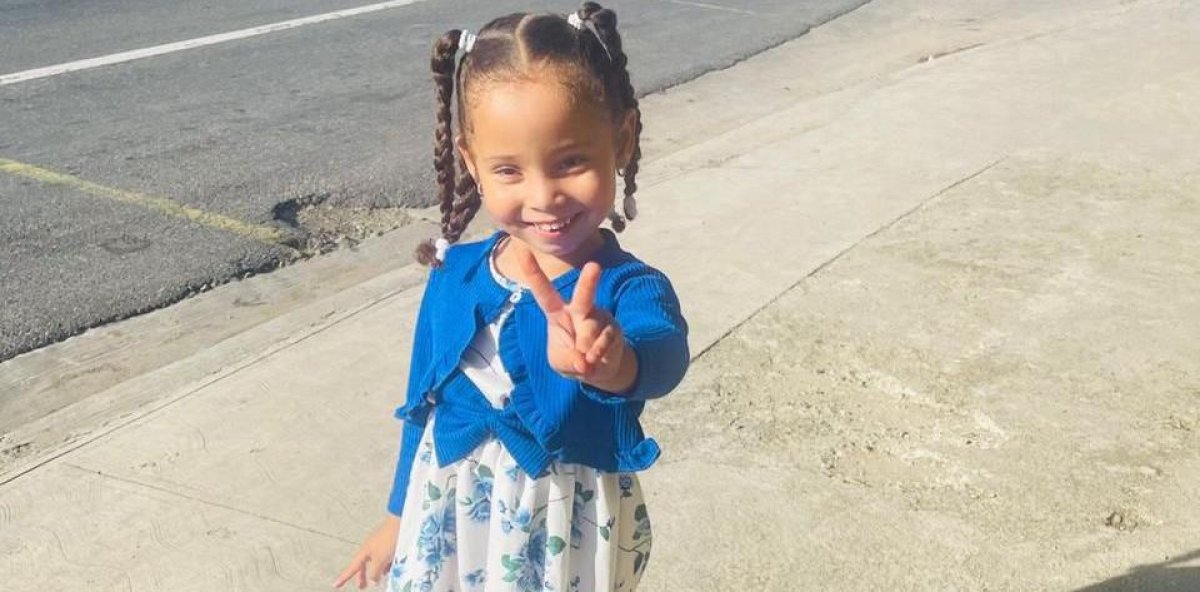
    A profound sense of anguish has gripped the community of Barrero in the Dominican Republic following the mysterious disappearance of Brianna Genao Rosario. The young girl was last seen on December 31st at approximately 5:00 p.m., triggering an extensive multi-agency search operation that has now entered a critical phase with intensified efforts.

    Search and rescue teams comprising National Police officers, Civil Defense personnel, Fire Department specialists, and numerous community volunteers have launched a comprehensive ground operation across multiple locations within the municipality of Imbert. The collective mission continues to be driven by the unwavering hope of locating Brianna alive and reuniting her with her family.

    Authorities have released a crucial identifying detail: at the time of her disappearance, Brianna was wearing distinctive pink clothing. This information has been widely circulated to assist the public in recognizing the missing minor.

    Law enforcement officials have urgently appealed to citizens to report any potentially relevant information immediately through the dedicated hotline at 829-754-0126 or by contacting the nearest police station. Even seemingly insignificant details could prove vital to the investigation.

    The emotional toll on Brianna’s family was palpable as her grandfather made a heartfelt public plea: ‘I implore our community to continue helping us find my granddaughter. We cannot find peace until she is safely home with us.’ His words captured the family’s desperate determination.

    Echoing this sentiment, Brianna’s mother delivered an emotional appeal: ‘To anyone who might have information about my daughter’s whereabouts, I beg you to come forward. Regardless of circumstances, we need to bring her home. No child should be separated from their family like this.’

    The search operation represents a remarkable collaboration between official agencies and local residents, all united in their determination to bring closure to this distressing case that has captured national attention.

  • Captured Venezuelan leader Maduro arrives in New York with his wife

    Captured Venezuelan leader Maduro arrives in New York with his wife

    In a significant geopolitical development, prominent Venezuelan opposition leader Leopoldo López has arrived in New York City accompanied by his wife, Lilian Tintori. This arrival follows a dramatic series of events that culminated in his capture and subsequent release by the Venezuelan government of Nicolás Maduro.

    López, a central figure in the Venezuelan opposition movement and the founder of the Voluntad Popular party, had been a political prisoner for years before seeking refuge in the Spanish embassy in Caracas in 2019. His recent capture by Venezuelan authorities and the conditions of his release remain shrouded in intense diplomatic intrigue, with sources suggesting high-level negotiations involving international actors.

    His presence in the United States is anticipated to significantly reshape the dynamics of the Venezuelan opposition in exile. Analysts suggest his arrival could galvanize anti-Maduro efforts, potentially influencing U.S. foreign policy towards the Caracas regime. The move is seen by many as a strategic maneuver, possibly brokered to facilitate broader diplomatic talks or as a concession by the Maduro government under mounting international pressure. The long-term implications for Venezuela’s protracted political crisis are yet to be fully understood, but this event marks one of the most notable shifts in the political stalemate in recent years.

  • OAS roept op tot de-escalatie en respect voor internationaal recht

    OAS roept op tot de-escalatie en respect voor internationaal recht

    The Organization of American States (OAS) is intensifying diplomatic efforts to address Venezuela’s rapidly deteriorating political situation. Secretary General Albert Ramdin confirmed the regional body is closely monitoring developments and has engaged in high-level consultations with multiple member state governments.

    Ramdin revealed that while there is widespread concern across the Western Hemisphere regarding Venezuela’s crisis, OAS member states maintain divergent perspectives on appropriate responses. The secretary general emphasized that his office prioritizes facilitating a peaceful resolution that respects international law and the Inter-American legal framework. Fundamental principles include peaceful dispute resolution, human rights protection, and safeguarding civilian infrastructure.

    The OAS leadership asserts that Venezuela’s political future must reflect popular will through good governance practices. Ramdin stressed that existing institutional arrangements, particularly constitutional order, provide essential foundations for stability. He noted that sustainable stability and democratic legitimacy can only emerge through peaceful means, inclusive dialogue, and strengthened institutions.

    Preparing for coordinated regional action, Ramdin announced the convening of an OAS Permanent Council meeting. This gathering will enable member states to openly discuss recent developments and consider collective next steps. The secretary general confirmed the OAS secretariat stands ready to support de-escalation initiatives aimed at achieving a peaceful, democratic solution serving Venezuelan citizens’ interests.

    Ramdin issued a direct appeal to all Venezuelan stakeholders, urging unified and constructive participation in preserving peace, rule of law, and democratic coexistence.

  • Nieuwsmedia: Venezolaanse leider Maduro arriveert in New York

    Nieuwsmedia: Venezolaanse leider Maduro arriveert in New York

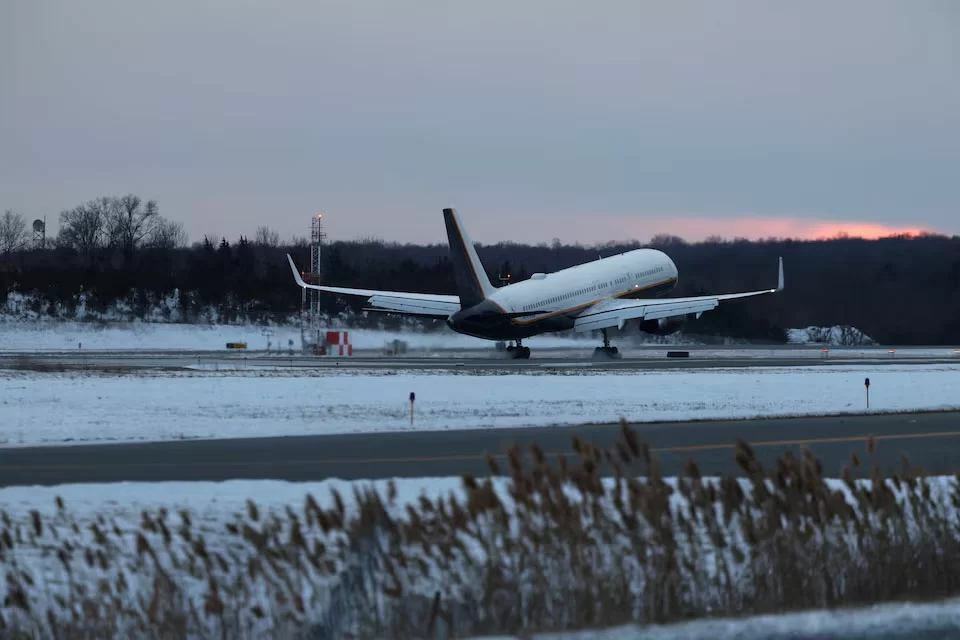
    In an unprecedented military operation marking the most aggressive U.S. regime change action since the 2003 Iraq invasion, Venezuelan President Nicolas Maduro was forcibly removed from power and transported to American soil on January 3, 2026. The dramatic nighttime arrest culminated with Maduro and his wife Cilia Flores landing at Stewart International Airport in Newburgh, New York, approximately 97 kilometers northwest of New York City.

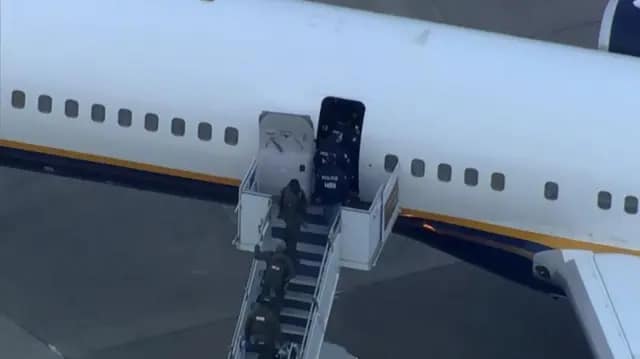
    Video footage captured the moment a aircraft carrying the Venezuelan leader touched down at the airbase, followed by FBI personnel in full tactical gear boarding the vessel. Major news networks including CNN, Fox News, and MS Now confirmed Maduro’s identity among those disembarking from the plane.

    The operation, which involved explosive disturbances rocking Venezuela’s capital in the early hours of Saturday, resulted in Maduro and Flores being transported via U.S. warship to face conspiracy to commit narcoterrorism charges at Manhattan’s federal courthouse. Legal experts note this extraordinary action surpasses even the most notable historical precedents of U.S. interventions against autocratic regimes in Panama and Iraq.

    President Donald Trump declared following the operation that the United States would temporarily “govern” Venezuela and leverage the nation’s substantial oil reserves for international sale. The Trump administration justified the military intervention—along with previous lethal attacks on vessels in the Caribbean Sea—as necessary measures to combat dangerous drug trafficking networks.

    The bold maneuver raises significant legal and diplomatic questions regarding the legitimacy of U.S. actions within its broader campaign against the South American nation, potentially setting new precedents for international power projection and regime change tactics.

  • Luis Abinader speaks about the Dominican Republic’s position after US attacks in Venezuela

    Luis Abinader speaks about the Dominican Republic’s position after US attacks in Venezuela

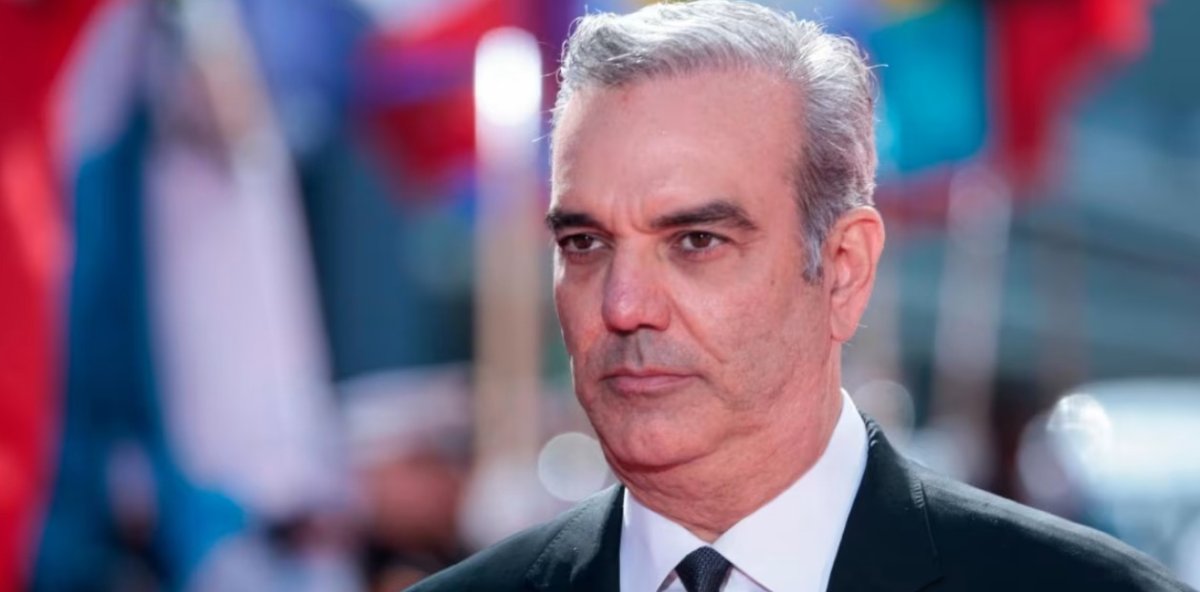
    Following the dramatic apprehension of Venezuelan leader Nicolás Maduro by US special forces, Dominican President Luis Abinader has formally reiterated his nation’s diplomatic position. The operation, which culminated in Maduro’s transfer to New York for trial, prompted a swift response from the Caribbean leader.

    In an official statement disseminated via his social media channel, President Abinader underscored that the Dominican Republic had consistently refused to acknowledge the legitimacy of Maduro’s presidency following the contentious July 2024 electoral process. He referenced the pivotal Santo Domingo Declaration from August of that year, a document which emphatically called for international respect for the sovereign will of the Venezuelan electorate as expressed through democratic ballots.

    Abinader articulated his government’s readiness to provide collaborative support aimed at reinstating democratic governance, fostering peace, and achieving national reconciliation within Venezuela. He confirmed his administration is monitoring the rapidly evolving situation between the United States and Venezuela with acute attention. Concluding his remarks with a powerful principle, the President declared, “The Dominican Republic will always stand on the side of democracy. Wherever, whenever, and before whomever.”

    In a parallel development, Nicolás Maduro arrived under heavy guard at the Stewart Air National Guard Base in New York. Escorted in handcuffs from a US military aircraft, he was met by a formidable security detail comprising agents from multiple federal agencies, including the FBI and the Drug Enforcement Administration (DEA), amidst freezing sub-zero temperatures. Reports from local media indicate his anticipated transfer to the Metropolitan Detention Center in Brooklyn, a federal penitentiary, pending judicial proceedings.

  • Police say Bridgetown shooting linked to long-standing dispute

    Police say Bridgetown shooting linked to long-standing dispute

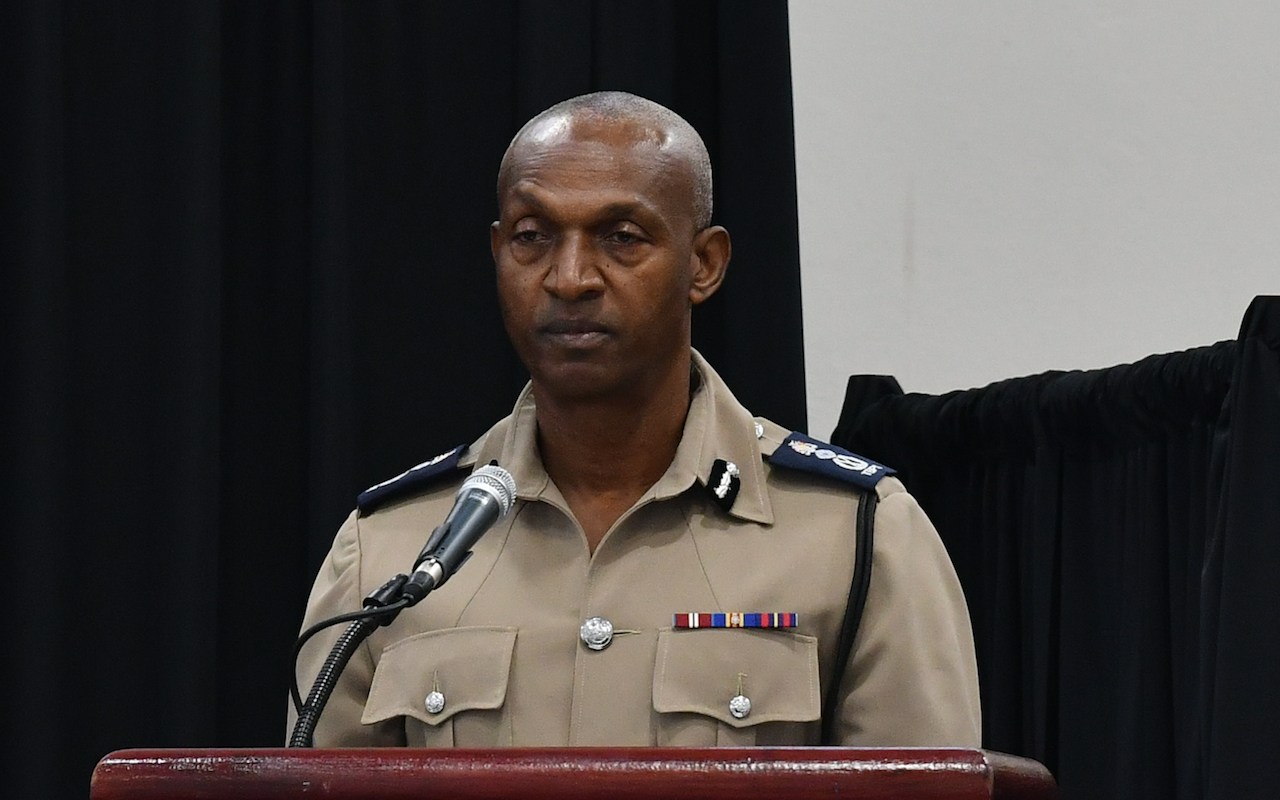
    Barbados Police Commissioner Richard Boyce has characterized Saturday’s early morning shooting in Bridgetown as a meticulously planned retaliatory attack stemming from a prolonged feud between two opposing groups. The violent incident, which left ten individuals wounded, occurred approximately at 3 a.m. as passengers were disembarking from the party cruise vessel Dream Chaser 2.

    During a joint press briefing with Prime Minister Mia Mottley, Commissioner Boyce revealed that preliminary investigative findings strongly indicate the shooting was anything but random. “Our assessment confirms this was a calculated act of revenge,” Boyce stated. “Two factions engaged in a long-standing conflict deliberately targeted individuals exiting the vessel and opened fire.”

    Despite the severity of the event, Commissioner Boyce emphatically maintained that this isolated incident should not diminish the documented achievements of the Barbados Police Service in crime reduction. “The statistical evidence overwhelmingly demonstrates our effectiveness in combating crime throughout my tenure,” he asserted. “This single occurrence cannot invalidate the exceptional work consistently performed by our law enforcement personnel.”

    Boyce highlighted the operation’s sophisticated planning as the rationale for deploying top-tier investigative resources. “This was not a spontaneous act but a carefully orchestrated assault, which necessitates the expertise of our most capable detectives to ensure swift apprehension and prosecution of those responsible,” he explained.

    Prime Minister Mottley concurred with the Commissioner’s assessment, publicly acknowledging the police force’s success in preventing numerous potential crimes. “Countless incidents have been thwarted through proactive police work in recent years,” Mottley affirmed. “I extend my profound gratitude to the police service for their preventive efforts, particularly during the recent holiday season when additional threats were successfully neutralized.”

  • LIVE: First-Ever Dominica Music Awards

    LIVE: First-Ever Dominica Music Awards

    In a landmark achievement for neurotechnology, Elon Musk’s Neuralink corporation has successfully implanted its pioneering brain-computer interface in a human patient. The groundbreaking procedure marks a significant milestone in the company’s ambitious mission to merge human cognition with artificial intelligence.

    The revolutionary device, approximately coin-sized, was surgically placed in the recipient’s brain during a meticulously planned operation. Initial results indicate promising neuron spike detection—a critical indicator of successful interface between the implant and cerebral activity. This technological triumph represents the culmination of years of research and development following FDA approval for human trials last year.

    Neuralink’s innovative technology functions by employing ultra-fine electrodes that thread into the brain tissue, capable of both recording neural signals and potentially stimulating neurons. The primary objective of this initial trial focuses on enabling individuals with quadriplegia to control external devices through thought alone. Participants in the PRIME Study (Precise Robotically Implanted Brain-Computer Interface) will undergo extensive testing to evaluate the safety and functionality of the implant and surgical robot.

    This development positions Neuralink at the forefront of a competitive industry where several institutions have previously demonstrated brain-computer interface capabilities. The successful implantation accelerates the trajectory toward Musk’s vision of achieving symbiotic relationships between humans and AI, while simultaneously addressing critical medical needs for those with severe neurological conditions.

  • Government to introduce domestic terrorism law after shooting leaves 10 injured

    Government to introduce domestic terrorism law after shooting leaves 10 injured

    Prime Minister Mia Mottley has declared Barbados will enact comprehensive domestic terrorism legislation in response to a mass shooting incident in Bridgetown that left ten people wounded. The announcement came during an urgent press conference where Mottley characterized the early Saturday attack as an act designed to instill widespread fear and panic among citizens.

    The violent episode occurred approximately at 3 a.m. along Hinks Street and Nelson Street as passengers disembarked from the Dream Chaser 2 party cruise vessel. Medical authorities reported five victims required hospitalization, with three undergoing surgical procedures, while others received treatment and were discharged. The Queen Elizabeth Hospital implemented temporary precautionary lockdown measures during the emergency response.

    Mottley emphasized the distinction between conventional criminal charges and terrorism legislation, stating: ‘It is one thing for a person to be charged with murder; it is another thing for a person to create panic and to cause people to be the subject of terrorism and terror.’ She condemned the shooting as unacceptable behavior that would not be tolerated within the nation.

    The Prime Minister contextualized this incident within a broader pattern of violence occurring at gas stations, residential areas, and public spaces during traditionally safe daylight hours. While police intelligence indicates the violence involves a limited number of individuals, Mottley warned that Barbados would not permit a minority to endanger the broader population.

    Commissioner of Police Richard Boyce confirmed the Major Crime Unit and Serious Organised Crime Unit are leading ongoing investigations. He publicly assured citizens they should have no fear and appealed for information cooperation from the community, defending the force’s overall crime strategies despite this high-profile incident.

    The government’s response included redirecting 87 patients to Winston Scott Polyclinic to alleviate pressure on emergency medical services. Mottley placed the shooting within the context of external geopolitical tensions and internal social challenges, reiterating her New Year’s appeal for national unity against gun violence.

    Concluding with a determined stance, the Prime Minister signaled that difficult decisions lay ahead but affirmed: ‘There shall be no retreat and no surrender’ in protecting public safety through enhanced legal frameworks.

  • Cubaanse president veroordeelt ‘staatsterrorisme’ tegen Venezuela

    Cubaanse president veroordeelt ‘staatsterrorisme’ tegen Venezuela

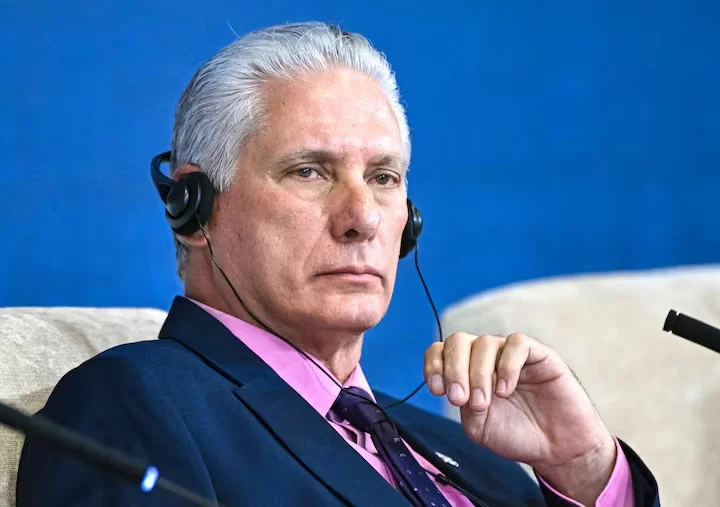
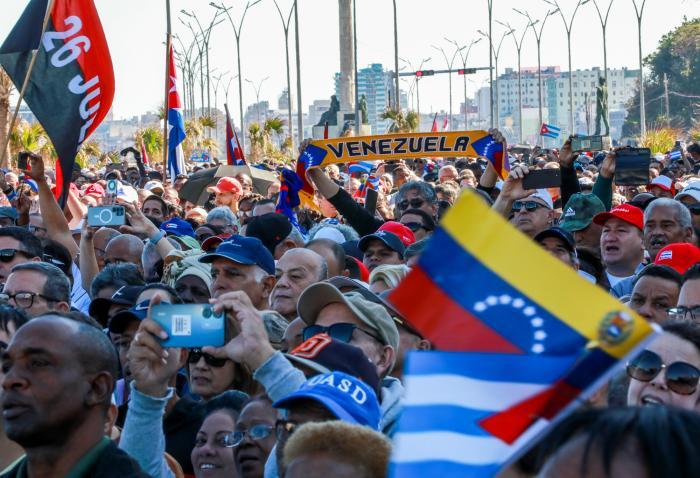
    Cuban President Miguel Díaz-Canel has issued a forceful condemnation of United States military operations in Venezuela, characterizing the actions as acts of “state terrorism” during a mass demonstration outside the U.S. Embassy in Havana. The address came in response to recent U.S. operations that resulted in the detention of Venezuelan leadership.

    Addressing thousands of assembled citizens, Díaz-Canel asserted that the military aggression represents ‘a shocking violation of international law norms’ directed against ‘a peaceful nation that poses no threat to the United States.’ The condemnation highlights escalating tensions in Caribbean geopolitical relations.

    The development carries significant economic implications for Cuba, which depends on Venezuela for approximately 30% of its already constrained oil imports. This energy partnership has been maintained through an exchange program that stations thousands of Cuban medical professionals within the South American nation.

    Energy analysts warn that disruption to Venezuelan oil supplies could deliver a catastrophic blow to Cuba’s fragile electrical grid and energy infrastructure. Simultaneously, thousands of Cuban families expressed concern about relatives working in Venezuela, though the Cuban Health Ministry stated via Twitter that these personnel remain ‘well protected.’

    In a contrasting statement to the New York Post, U.S. President Donald Trump indicated no plans for additional military action against Cuba, stating: ‘No, Cuba will fall on its own. Cuba is doing very poorly.’ Trump further emphasized Cuba’s historical dependence on Venezuelan support, suggesting this relationship ‘didn’t work out too well in this case.’

    The diplomatic confrontation unfolds against Cuba’s severe six-year economic crisis, which officials report has triggered at least a 15% economic contraction. The nation continues to grapple with critical shortages of basic goods, hyperinflation, collapsing public services, and widespread power outages. Cuban authorities attribute these challenges primarily to intensified U.S. sanctions implemented during the Trump administration, which compounded the decades-long comprehensive trade embargo.