作者: admin

  • The fall of Maduro and its impact on Dominican tourism

    The fall of Maduro and its impact on Dominican tourism

    The U.S. Federal Aviation Administration (FAA) issued a significant airspace advisory on Saturday, warning commercial carriers to avoid Caribbean air corridors due to what it described as a ‘potentially hazardous situation.’ This development coincides with confirmed U.S. military operations aimed at apprehending Venezuelan leader Nicolás Maduro.

    The aviation regulator’s official notification attributed the airspace closure to ‘flight safety risks associated with ongoing military activity,’ without providing further operational specifics. This precautionary measure has precipitated immediate and widespread disruption across the region’s aviation network.

    The directive has triggered an immediate wave of flight cancellations, with the Dominican Republic’s capital, Santo Domingo, experiencing particularly severe disruptions to its connections with Puerto Rico and neighboring nations. Norberto Negrón, Executive Director of the Puerto Rico Ports Authority, confirmed that operational suspensions extended beyond San Juan’s primary international airport to include six additional facilities across the island.

    The unprecedented scale of these restrictions has effectively paralyzed the Caribbean’s busiest air routes, creating logistical chaos for airlines and passengers alike. Aviation experts note that such comprehensive airspace warnings are exceptionally rare and indicate serious underlying security concerns. The FAA continues to monitor the situation closely, though no timeline has been provided for the restoration of normal flight operations.

  • Venezuela condemns US military aggression; declares state of emergency

    Venezuela condemns US military aggression; declares state of emergency

    The Venezuelan government has issued a formal declaration condemning what it characterizes as unprecedented military aggression by the United States against its sovereign territory. Official reports indicate multiple strikes targeted both civilian infrastructure and military installations across several regions including Caracas, Miranda, Aragua, and La Guaira.

    In a strongly worded statement, Venezuelan officials decried the attacks as a direct violation of fundamental principles enshrined in the United Nations Charter, specifically citing Articles 1 and 2 which guarantee respect for national sovereignty and prohibit the use of force between states. The government warned that these actions pose a severe threat to regional stability throughout Latin America and the Caribbean, potentially endangering millions of civilians.

    The administration accused the United States of attempting to orchestrate a resource-grab operation aimed at Venezuela’s extensive oil reserves and mineral wealth through the destabilization of its democratically elected government. Venezuelan authorities emphatically stated that such efforts to undermine the nation’s political independence would ultimately fail, emphasizing their unwavering commitment to preserve national sovereignty that has endured for over two centuries.

    Drawing parallels to historical resistance against foreign intervention, the statement referenced President Cipriano Castro’s defiance during the 1902 naval blockade and invoked the revolutionary legacy of national heroes Simón Bolívar and Francisco de Miranda.

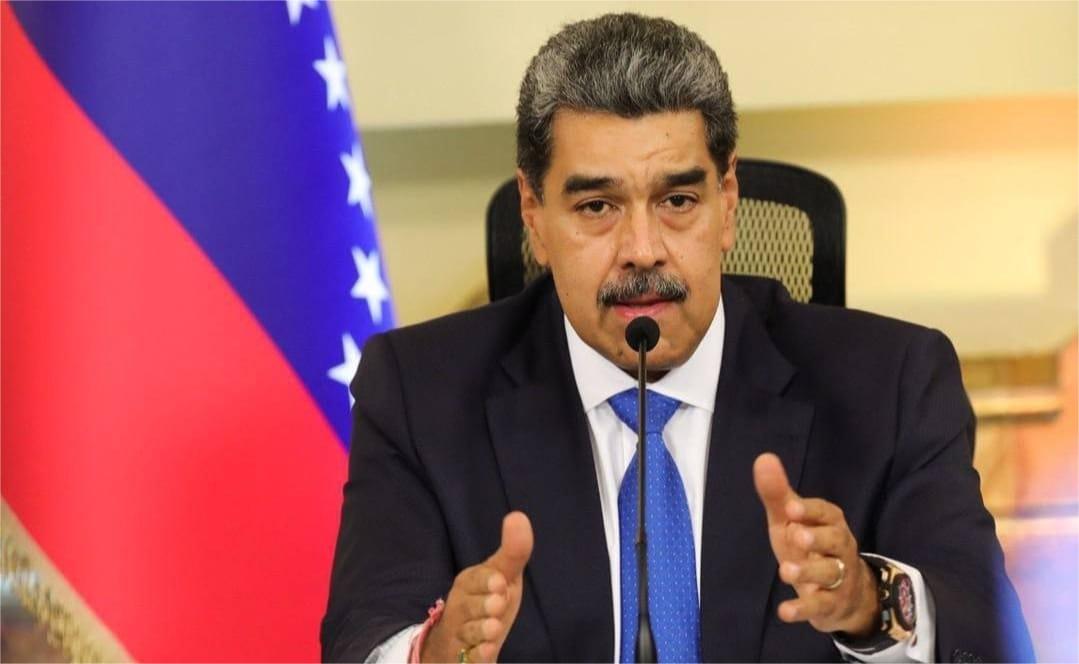
    In response to the crisis, President Nicolás Maduro has implemented sweeping emergency measures including the activation of comprehensive national defense protocols and the declaration of a nationwide State of External Emergency. This presidential decree aims to ensure civilian protection, maintain institutional functionality, and prepare for potential armed resistance scenarios.

    The government has mobilized civilian populations to demonstrate unity through street protests, coordinating social and political organizations alongside the Bolivarian National Armed Force and law enforcement agencies. Defense command structures have been deployed throughout the country while Venezuela’s diplomatic corps prepares to formally present grievances before the UN Security Council, UN Secretary-General, CELAC, and the Non-Aligned Movement.

    Citing Article 51 of the UN Charter, Venezuela asserted its inherent right to self-defense and called upon international communities throughout Latin America, the Caribbean, and global allies to demonstrate solidarity. The statement concluded with an inspirational quotation from former President Hugo Chávez emphasizing unity and victory in the face of adversity.

  • PM Browne confirms WIOC official was questioned in U.S.

    PM Browne confirms WIOC official was questioned in U.S.

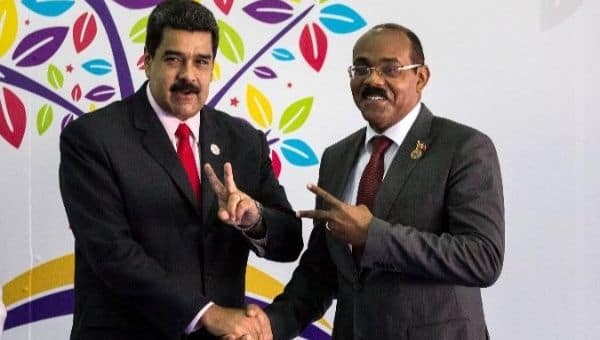
    Prime Minister Gaston Browne of Antigua and Barbuda has publicly verified that a high-ranking executive from the West Indies Oil Company (WIOC) underwent questioning by United States authorities during a recent visit to the US. The disclosure came after Browne reviewed a report from the media outlet Real News Antigua and conducted subsequent direct inquiries with the official involved.

    During an appearance on Pointe FM’s ‘Browne and Browne Show’ this past Saturday, the Prime Minister recounted how he initiated contact with WIOC Chief Executive Officer Gregory Georges upon learning of the incident through press reports. According to Browne’s account, Georges acknowledged being temporarily detained by US officials, who also confiscated his electronic devices for examination before returning them.

    Prime Minister Browne contextualized the interrogation within the framework of ongoing international scrutiny, specifically highlighting Venezuela’s longstanding 25 percent stake in WIOC. He emphasized that this shareholding arrangement predated current US sanctions against Venezuela and asserted that WIOC has maintained full compliance with all international regulations since their implementation. “There has been absolutely no violation whatsoever,” Browne stated unequivocally.

    The Prime Minister explained his motivation for addressing the matter publicly stemmed from a desire to provide accurate information verified through direct channels. His comments appear designed to clarify circumstances surrounding increased international attention focused on Antigua and Barbuda’s state-affiliated corporations, particularly those with historical ties to nations under US sanctions. No indications were given that any disciplinary measures would be taken against the WIOC official involved.

  • Justice : Cap-Haïtien signs a MoU with the Bar Association

    Justice : Cap-Haïtien signs a MoU with the Bar Association

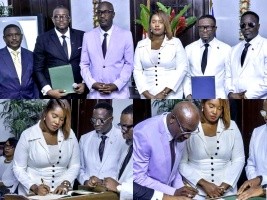
    In a landmark move to enhance municipal governance, the City of Cap-Haïtien formalized a strategic partnership with its legal community through a Memorandum of Understanding signed on January 1st, 2026. The agreement between the Municipal Commission and the local Bar Association establishes a structured framework for institutional collaboration aimed at reinforcing the rule of law at the municipal level.

    This diplomatic accord builds upon foundational discussions initiated during an institutional roundtable convened at City Hall on December 12, 2025. The memorandum establishes formal mechanisms for ongoing consultation and cooperation, including biannual strategic meetings, comprehensive annual evaluations, and the designation of specialized focal points responsible for monitoring implementation progress.

    Though intentionally crafted without legally binding obligations, the two-year renewable agreement represents a profound commitment to good faith collaboration in the public interest. The timing of this signing carries deep symbolic significance, coinciding with a day of national remembrance that honors Haiti’s independence heroes and their enduring legacy of justice, liberty, and collective responsibility.

    Municipal authorities emphasize that this initiative positions Cap-Haïtien for a strengthened institutional future while maintaining focus on service to its citizens. The partnership reflects a shared vision between civic leadership and legal professionals to create more transparent, accountable, and effective local governance structures through sustained professional dialogue and cooperation.

  • Maduro indicted in U.S. Court on charges of narco-terrorism conspiracy among others

    Maduro indicted in U.S. Court on charges of narco-terrorism conspiracy among others

    In an unprecedented escalation of international legal and military action, Venezuelan President Nicolás Maduro and First Lady Cilia Flores have been apprehended by U.S. forces and transported to New York to face federal charges. The dramatic operation, which unfolded in Caracas on January 3, 2026, marks the physical culmination of a multi-year investigation into what American prosecutors describe as state-sponsored narcoterrorism.

    The judicial foundation for this extraordinary action was laid in March 2020 when the U.S. Department of Justice unsealed indictments against Maduro and fourteen high-ranking Venezuelan officials. The charges allege their orchestration of a sophisticated cocaine trafficking network in collaboration with Colombia’s FARC guerrillas, operating under the designation ‘Cartel de los Soles’ (Cartel of the Suns). This organization allegedly facilitated the movement of thousands of kilograms of cocaine through Venezuelan territory destined for American markets.

    The legal case gained substantial momentum through successive guilty pleas from key figures within Maduro’s inner circle. Former General Clíver Alcalá admitted to related charges in 2023, followed by former intelligence chief Hugo Carvajal’s 2025 confession to drug trafficking offenses in Spain connected to the same conspiracy network.

    Attorney General Pam Bondi characterized the capture as a landmark achievement in international justice, declaring that the defendants would ‘face the full wrath of American justice on American soil in American courts.’ The judicial proceedings are scheduled to commence in Manhattan federal court where Maduro and Flores will answer charges including narco-terrorism conspiracy, cocaine importation conspiracy, and weapons offenses.

    President Donald Trump framed the intervention as both a law enforcement necessity and a strategic geopolitical move, announcing Washington’s intention to oversee Venezuela’s transition while leveraging American energy companies to revitalize the nation’s oil industry under U.S. military protection. This declaration prompted immediate condemnation from Venezuelan Vice President Delcy Rodríguez, who denounced the operation as an imperialist resource grab disguised as judicial process.

    The military operation resulted in civilian casualties according to Venezuelan authorities, while U.S. sources acknowledged several American troops sustained non-life-threatening injuries during the engagement. The political aftermath has revealed deep divisions, with expatriate communities in South Florida celebrating Maduro’s capture while residents in Caracas face uncertainty about their nation’s future. Opposition leader María Corina Machado has called for opposition leadership to assume power during this transitional period.

    This extraordinary intersection of international law, military intervention, and energy geopolitics represents one of the most significant developments in Western Hemisphere relations in decades, setting profound precedents for extraterritorial justice and sovereign intervention.

  • Prime Minister Gaston Browne says he was forced to address allegations that reached the White House linking him to Venezuela’s Maduro

    Prime Minister Gaston Browne says he was forced to address allegations that reached the White House linking him to Venezuela’s Maduro

    Prime Minister Gaston Browne of Antigua and Barbuda has publicly refuted what he characterizes as entirely fabricated allegations of conducting business with Venezuelan President Nicolás Maduro’s administration, claims he says had circulated within the White House. The Caribbean leader disclosed that he learned of these accusations through a senior intermediary after submitting correspondence intended for U.S. President Donald Trump.

    Browne detailed the incident during his weekly appearance on Pointe FM’s ‘Browne and Browne Show,’ revealing that within minutes of delivering his letter, the intermediary contacted him regarding circulating information about alleged business dealings between Browne’s family and the Venezuelan government. The Prime Minister promptly issued additional written denials to counter what he labeled as politically motivated falsehoods.

    According to Browne, these allegations originate from coordinated efforts between Antiguan political opposition figures and U.S.-based attorneys involved in ongoing legal proceedings concerning the controversial sale of the Alfa Nero yacht. He categorically denied any involvement by himself or family members in illegal commodity trading with Venezuela, specifically mentioning gold and oil transactions.

    The Caribbean leader framed these allegations as part of a broader campaign to damage both his personal reputation and Antigua and Barbuda’s international standing. In response, Browne has retained legal counsel to pursue defamation claims against those responsible for spreading the allegations.

    Browne emphasized that his comments regarding Venezuela have consistently focused on maintaining regional stability rather than expressing support for any particular foreign leader. He stressed that his primary concern remains protecting the economic interests of small, tourism-dependent Caribbean nations like Antigua and Barbuda from the effects of regional instability.

  • At least eight respiratory viruses attacked the population in 2025.

    At least eight respiratory viruses attacked the population in 2025.

    SANTO DOMINGO, Dominican Republic — The Dominican Republic’s public health landscape for 2025 reveals a complex epidemiological picture with both concerning increases and significant improvements across various disease categories, according to the latest data from the Ministry of Public Health’s National Directorate of Epidemiology.

    While several pathogens remained under special epidemiological surveillance throughout the year—including respiratory viruses, dengue, malaria, leptospirosis, diphtheria, pertussis, tetanus in non-neonatal ages, and meningococcal disease—only three showed increased case numbers compared to 2024: leptospirosis, pertussis, and meningococcal disease. All other monitored conditions demonstrated declining incidence rates as the epidemiological year approached its conclusion.

    The nation’s sentinel surveillance system detected multiple circulating respiratory viruses throughout 2025, comprising influenza A(H1N1) pdm09, influenza A (H3N2), influenza B Victoria, adenovirus, SARS-CoV-2, respiratory syncytial virus (RSV), parainfluenza, and metapneumovirus. Notably, the final four weeks of the year witnessed a substantial surge in respiratory cases, primarily driven by RSV activity.

    According to the epidemiological bulletin for week 51 (through December 19, 2025), confirmed case numbers stood at: 325 dengue infections, 874 malaria cases, 182 leptospirosis incidents, 1 human rabies case, 12 diphtheria patients, 22 non-neonatal tetanus occurrences, 47 pertussis infections, and 34 meningococcal disease cases. The report also documented 174 maternal deaths and 1,789 infant fatalities.

    RSV demonstrated a distinctive seasonal pattern, with analysis revealing significant increased activity between epidemiological weeks 43 and 46, followed by a declining trend through week 50. Health authorities attribute this pattern to multiple factors including holiday population dynamics, weather conditions, and interactions among respiratory viruses.

    The Pan American Health Organization/World Health Organization (PAHO/WHO) simultaneously reported increased global circulation of influenza A(H3N2) subclade K virus (J.2.4.1), particularly in European and East Asian regions where it accounted for nearly half of sequences reported between May and November 2025. The international health body recommends strengthened genomic surveillance, maintained high vaccination coverage, and preparedness for potentially early or intense activity during the 2025-26 season.

    The Dominican Republic’s public health achievements in 2025 include zero cases of vaccine-preventable diseases such as measles and rubella, attributed to sustained vaccination campaigns and robust epidemiological surveillance. The country recorded no cholera cases (100% reduction), a 76% decrease in dengue cases, and a 17% reduction in malaria infections compared to 2024. Maternal mortality declined to 163 deaths from 170 in 2024, while infant mortality dropped 18.93% to 1,764 fatalities through week 51 compared to 2,176 during the same period last year.

  • PM Browne says Antigua could accept non-criminal deportees from the United States, with needed skills

    PM Browne says Antigua could accept non-criminal deportees from the United States, with needed skills

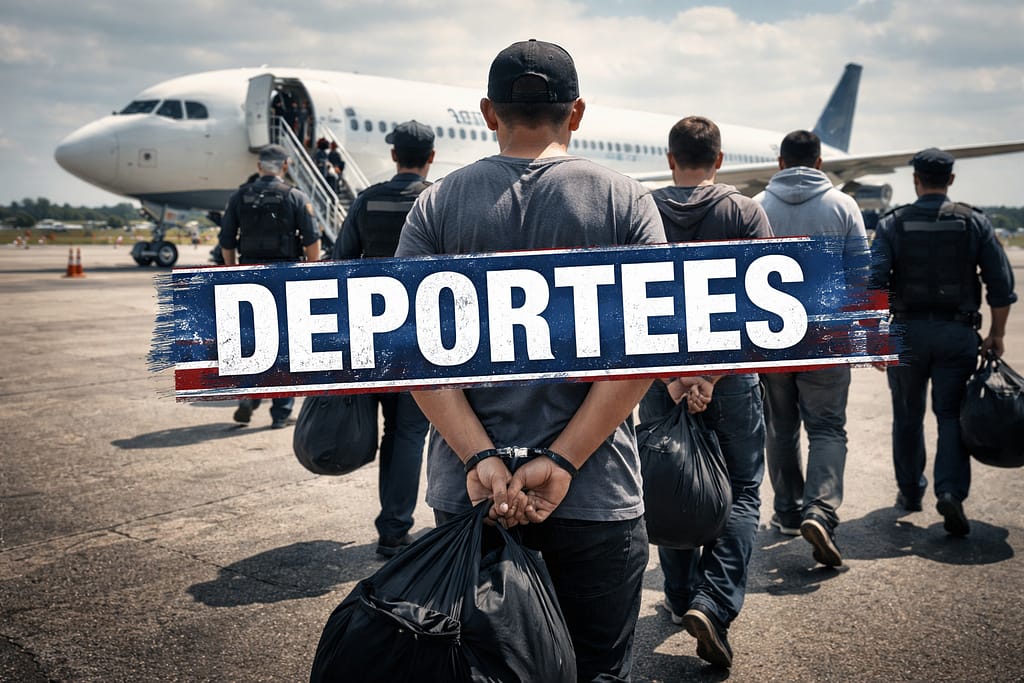
    In a significant diplomatic development, Antigua and Barbuda has articulated a nuanced immigration stance regarding the acceptance of certain deportees from the United States. Prime Minister Gaston Browne, during a recent appearance on the ‘Browne and Browne Show’ on Pointe FM, detailed the nation’s conditional openness to individuals being repatriated.

    The Prime Minister clarified that the twin-island nation is prepared to welcome deportees or refugees who, despite minor infractions, possess valuable skills that could contribute to the country’s development. This position, however, is strictly contingent upon the exclusion of individuals with serious criminal backgrounds. ‘If they have refugees, or deportees for that matter, who may be involved in minor matters but have skills that can help us, we gladly take them,’ Browne stated. He was unequivocal in adding, ‘we’re not taking the criminal refugees from the third country.’

    This policy framework is not a recent reaction but was formally communicated to U.S. authorities approximately ninety days prior to the latest U.S. visa proclamation. Browne emphasized his administration’s commitment to transparency, ensuring the public was informed of these high-level discussions. The dialogue culminated in a formal agreement between the two nations. A critical component of this pact is that it explicitly preserves Antigua and Barbuda’s sovereign authority to vet and approve all individuals on a case-by-case basis. Furthermore, it mandates intelligence sharing from U.S. authorities to facilitate informed decision-making.

    Prime Minister Browne framed the agreement as a testament to pragmatic international cooperation that safeguards national security and upholds the principles of sound governance. The arrangement demonstrates a balance between engaging with global partners on complex immigration issues and protecting the nation’s interests and sovereignty.

  • Training : The Royal Bahamas Defence Force trains Haitian coast guards

    Training : The Royal Bahamas Defence Force trains Haitian coast guards

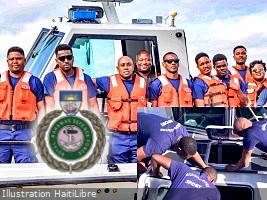
    In a significant regional security cooperation initiative, the Royal Bahamas Defence Force (RBDF) has concluded an extensive two-week training program for 20 members of the Haitian National Police Coast Guard. The capacity-building exercise, which concluded recently, represents a strategic partnership between the Caribbean nations aimed at enhancing maritime security capabilities.

    The comprehensive curriculum, developed and delivered by the RBDF’s Port Patrol Unit Engineering Section, encompassed both theoretical knowledge and practical skills essential for modern coast guard operations. Participants received intensive instruction in fundamental maritime disciplines including advanced navigation techniques, precision vessel handling, and complex docking maneuvers under various conditions.

    Beyond basic seamanship, the program incorporated critical safety and emergency response training covering navigational aids deployment, distress flare utilization protocols, and sophisticated search and rescue methodologies. A substantial portion of the curriculum focused on advanced mechanical systems, with Haitian personnel receiving hands-on training in diagnostic procedures for fuel systems, electrical circuits, and outboard motor ignition mechanisms.

    The technological component included instruction on digital diagnostic tools and innovative remote assistance practices, enabling future collaboration between Bahamian and Haitian mechanics through real-time communication platforms. RBDF engineers additionally provided targeted guidance on resolving persistent technical issues affecting the Haitian Coast Guard’s operational fleet.

    This training initiative occurs against the backdrop of Haiti’s ongoing security challenges and represents international efforts to strengthen the nation’s maritime law enforcement capabilities. The Haitian Coast Guard, as an integral division of the Haitian National Police, maintains responsibility for maritime security, law enforcement, and search and rescue operations across Haiti’s territorial waters.

  • 2026 World Cup : Over 150 million ticket requests in 15 days

    2026 World Cup : Over 150 million ticket requests in 15 days

    The 2026 FIFA World Cup, set to be co-hosted across the United States, Canada, and Mexico from June 11 to July 19, is generating unprecedented global interest alongside significant controversy over ticket accessibility. Recent data reveals overwhelming public demand that has far exceeded all previous sporting events.

    FIFA President Gianni Infantino announced at the World Sports Summit in Dubai that tournament organizers have received a staggering 150 million ticket requests within just 15 days of sales opening. This remarkable figure, averaging 10 million daily requests, represents a volume 30 times greater than the actual ticket availability and surpasses the cumulative attendance of all 22 previous World Cup tournaments since 1930.

    The massive demand has highlighted serious concerns about pricing structure and accessibility. Despite initial promises from FIFA leadership that the 2026 event would be the ‘most inclusive’ World Cup ever organized, published ticket prices have drawn widespread criticism from supporter associations worldwide.

    The pricing structure divides tickets into four categories based on seating location, with Category 1 representing the most premium lower-tier seats and Category 4 comprising the most affordable upper-tier options. In response to international backlash over what critics have termed ‘astronomical’ pricing, FIFA introduced a new Supporter Entry category priced at $60 per match.

    However, this accessibility measure appears largely symbolic. The discounted tickets represent only 1.6% of the 8% allocation reserved for participating national federations, translating to approximately 1,000 $60 tickets per match to be divided equally between competing teams’ supporters. Distribution of these limited affordable tickets will be managed by individual national associations without standardized oversight procedures.

    The discrepancy between massive public demand and limited affordable access has created tension surrounding what promises to be the largest World Cup in history, featuring 48 teams competing across 104 matches in state-of-the-art venues across North America.