作者: admin

  • TERM OF HOPE

    TERM OF HOPE

    Jamaican education authorities are implementing innovative recovery strategies as schools reopen across the nation following the devastating impact of Hurricane Melissa. Education Minister Senator Dr. Dana Morris Dixon has called upon citizens to approach the new academic term with determination and national pride, despite significant challenges persisting from the Category 5 storm that struck on October 28.

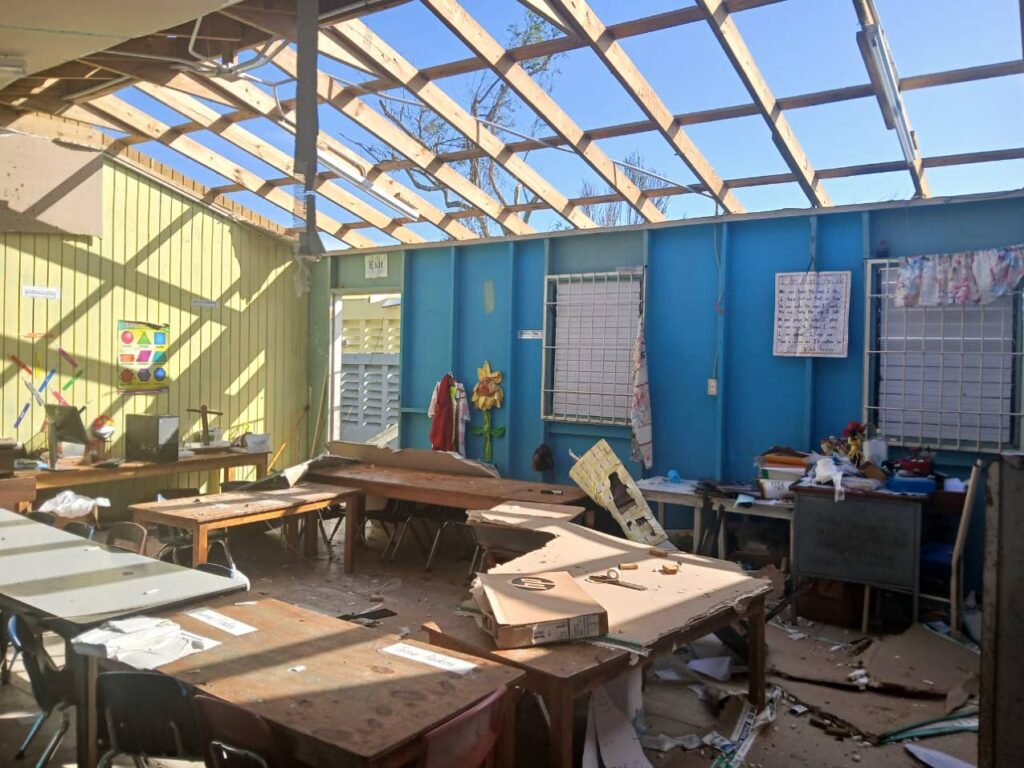
    The hurricane, which brought winds exceeding 185 miles per hour, caused substantial damage to over 600 educational institutions nationwide. The western parishes of St. James, Hanover, and Westmoreland (designated as Region Four) experienced particularly severe destruction to school infrastructure.

    Minister Morris Dixon characterized the hurricane as “the biggest shock to our education system that we have seen in decades,” acknowledging the disruption to thousands of students and staff members. However, she emphasized the collaborative recovery effort involving ministry teams, community partners, and school administrators who worked tirelessly to ensure safe learning environments could be restored.

    The reopening features adaptive educational models tailored to local conditions. Dr. Michele Pinnock, regional education director for the hardest-hit areas, explained that most institutions would employ hybrid learning approaches. This includes rotational attendance systems where critical grade levels maintain regular schedules while others receive printed materials and utilize digital platforms like Google Classroom where electricity permits.

    For communities still experiencing power outages, schools will implement reduced operational hours to ensure student safety during travel times. Education officials are actively encouraging parents facing challenges to contact their nearest available educational institutions to ensure all children remain engaged in learning activities.

    The reconstruction effort incorporates a forward-looking vision to build a more resilient education infrastructure. Minister Morris Dixon stated, “We must use this disaster to rethink, redesign and rebuild an education system that is safer, smarter, and more resilient for the future,” committing to preventive measures against similar disruption in coming years.

    While temporary arrangements including shared campus spaces and blended learning modalities will continue during ongoing repairs, authorities have guaranteed that no student’s academic progression will be compromised due to hurricane-related challenges.


  • Can I sue the parents of my child’s bully?

    Can I sue the parents of my child’s bully?

    In Jamaica’s educational landscape, parents facing persistent school bullying encounter a complex system guided by ministerial guidelines rather than specific anti-bullying legislation. The situation described involves a child who has endured bullying since second grade, with initially physical aggression evolving into verbal harassment and online abuse through video game chats despite multiple school reports and temporary suspensions of the offender.

    The framework for addressing such incidents stems from the Ministry of Education’s Guidelines, which mandate schools to maintain awareness programs, document all reported incidents, and provide support systems for both victims and offenders. The revised 2015 Safety and Security Manual further outlines specific anti-bullying strategies and emphasizes a ‘whole school approach’ to ensure secure learning environments. These policies operate in conjunction with the Child Care and Protection Act (2004), which imposes a legal duty on all adult citizens to report suspected or actual child abuse—a category that includes bullying behaviors.

    For parents seeking legal recourse against the parents of persistent bullies, the recommended pathway involves reporting to the Child Protection and Family Services Agency (CPFSA). This agency holds responsibility for investigating abuses against children and ensuring matters proceed through appropriate legal channels. The advice emphasizes that direct legal action against the bully’s parents is not the primary solution; instead, comprehensive reporting to CPFSA’s Children’s Registry represents the most effective approach. This should include detailed documentation of the bullying history, the school’s ineffective responses, and the resulting need for both victim protection and behavioral intervention for the offending child.

    The national commitment to addressing bullying is further demonstrated through the establishment of National Anti-Bullying Day on October 7, 2025, promoting community involvement and prompt action. However, the absence of specific anti-bullying legislation means protection relies on existing child protection frameworks and institutional compliance with ministerial guidelines.

  • She wants a ring this year

    She wants a ring this year

    A young man’s relationship dilemma has sparked broader conversations about commitment timelines and gender expectations in modern partnerships. The 25-year-old individual, who has been dating his partner since high school, finds himself at a crossroads as his girlfriend has delivered an ultimatum: propose by 2026 or she will move on.

    The conflict centers on differing perspectives about relationship progression. While his partner seeks security and formal commitment after years of investment in the relationship, the young man feels pressured and acknowledges he isn’t emotionally or financially prepared for marriage and children. This situation raises fundamental questions about whether such discomfort indicates underlying relationship problems or simply reflects personal anxiety.

    Relationship experts note that such timing conflicts are particularly common among couples in their mid-twenties who began dating young. The pursuit of security represents a natural evolution in serious relationships, especially for partners who have invested significant time and emotional resources. Women often demonstrate greater urgency for commitment due to biological, emotional, and financial security concerns that remain prevalent in contemporary society.

    Financial stability emerges as a crucial consideration, particularly for men who traditionally feel pressure to establish economic security before marriage. The connection between financial preparedness and marital success cannot be overlooked, as economic stress frequently undermines relationship quality and intimacy.

    The resolution pathway involves open communication without succumbing to ultimatums. Experts recommend honest conversations about readiness timelines, concrete goal-setting, and potentially seeking professional counseling. The situation doesn’t necessarily indicate relationship dysfunction but rather highlights the natural progression challenges that couples face when transitioning from dating to lifelong commitment.

    Ultimately, both partners’ perspectives remain valid—her desire for commitment security and his need for additional preparation time. The healthiest outcomes emerge from compromise, clear communication, and mutual understanding rather than pressure or rigid deadlines that could potentially undermine the relationship’s foundation.

  • 2026: The year of intention

    2026: The year of intention

    As 2026 approaches, a transformative shift is emerging in how women conceptualize personal development. Moving beyond traditional New Year’s resolutions focused on achievement, a growing movement emphasizes sustainable foundations that prioritize preservation over performance. Life coach Beth-Ann Falconer identifies ten core areas that represent this philosophical reorientation toward lasting wellbeing.

    Preventive healthcare has been redefined as an active expression of self-respect rather than reactive treatment. This paradigm emphasizes sleep prioritization, regular medical screenings, hormonal awareness, and proactive stress management as essential components of future-proofing one’s health.

    The concept of mental hygiene expands upon conventional mindfulness practices by incorporating emotional consumption curation. This includes conscious management of news intake, social media exposure, and interpersonal expectations, combined with early intervention in negative self-talk patterns. Building peace requires active boundary-setting and nervous system regulation rather than passive acceptance.

    Physical fitness is undergoing a conceptual transformation from aesthetic-focused goals to functional strength development. The new emphasis celebrates strength training, mobility, and cardiovascular health for their contributions to bone density, metabolic efficiency, and overall resilience in handling life’s physical demands.

    Nutritional approaches are shifting from control-based eating to nourishment-centered practices. This framework emphasizes adequate protein, fiber, and micronutrient intake without moral judgment, focusing instead on sustainable eating patterns that support energy levels and hormonal balance.

    Relationship dynamics are being reconceptualized through the lens of boundary-setting as a fundamental skill. Clear limitations prevent resentment and burnout while serving as indicators of mutual respect in interpersonal connections.

    Emotional honesty is gaining recognition as essential for maintaining intimate relationships. The practice involves expressing needs and disappointments in real-time rather than allowing frustrations to accumulate into emotional distance.

    Rights literacy has emerged as a crucial component of personal agency, with awareness of healthcare access, reproductive autonomy, workplace protections, and financial equity laws providing the foundation for informed decision-making.

    Parenting philosophy is evolving toward conscious modeling of emotional regulation and accountability, while non-parents are encouraged to examine how childhood needs continue influencing adult patterns of behavior and self-worth.

    Financial clarity is being reframed as a pathway to reduced anxiety and increased independence rather than merely wealth accumulation. Understanding income, spending patterns, and long-term security creates foundational confidence.

    Finally, rest is being recognized as a biological requirement rather than a earned reward. Strategic incorporation of sleep, stillness, and unproductive time enables clearer decision-making and sustained energy management.

  • From recovery to renewal

    From recovery to renewal

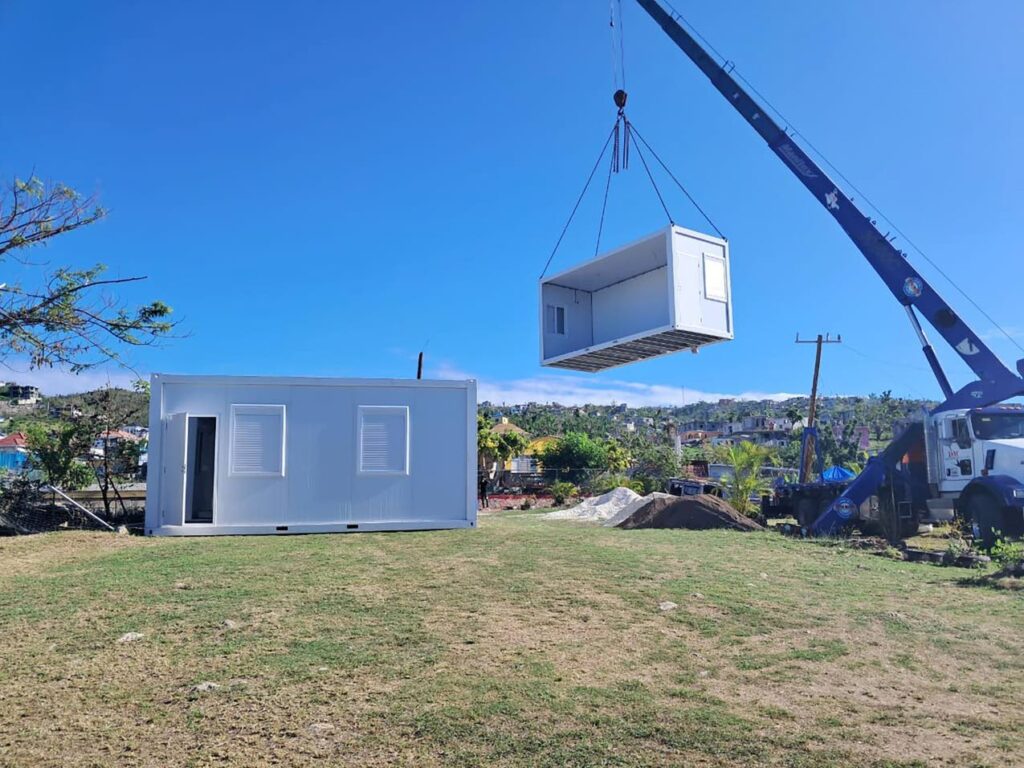
    The Sandals Foundation has initiated a significant educational restoration program across multiple Jamaican parishes severely impacted by recent hurricane activity. In Westmoreland’s Whitehouse community, Culloden Infant School has received two modular classrooms as part of this comprehensive recovery effort, marking a pivotal step toward normalizing education for affected students.

    The foundation’s multi-faceted approach extends beyond physical infrastructure, incorporating psychological support, nutritional assistance, and environmental management. Six pre-fabricated modular units have been strategically deployed to create temporary learning spaces while permanent reconstruction planning progresses.

    Executive Director Heidi Clarke emphasized the urgency of educational restoration: ‘Creating safe temporary spaces represents just one component of our holistic recovery mission. We’re simultaneously addressing emotional trauma through psychosocial support programs while ensuring basic needs through daily meal provisions and water security measures.’

    The foundation has mobilized an international coalition including Team Rubicon for debris removal and structural repairs, Mercy Chefs for nutritional support, and Sesame Workshop for educational resources. Local partnerships with Rhino Jamaica and Ex-o-Pest have facilitated pest management and infrastructure repairs.

    At Kings Primary School, temporary roofing installations have already enabled the resumption of classes for critical PEP examination students. Michelle Whittingham, Principal of Culloden Infant, highlighted the psychological component’s importance: ‘These interventions restore routine and build emotional resilience when children’s sense of security is most vulnerable.’

    The ongoing initiative currently supports thirteen educational institutions across Westmoreland, St. Elizabeth, and St. James parishes. The foundation maintains collaborative planning with Jamaica’s Ministry of Education and National Education Trust to coordinate long-term reconstruction timelines.

  • Roofless but resilient

    Roofless but resilient

    Educational institutions across Jamaica’s Westmoreland parish are demonstrating remarkable resilience as they welcome students back following the devastating impact of Hurricane Melissa. Despite widespread infrastructure damage from the October Category 5 storm, school administrators have developed innovative strategies to ensure continuous education.

    At Savanna-la-Mar Primary School, where nine classrooms were completely destroyed, Principal Megan Berry has spearheaded the creative repurposing of non-traditional spaces. The computer laboratory, library, and multi-purpose hall have been transformed into makeshift classrooms to accommodate all grade levels. ‘We are ready to accept the full complement, but we had to be creative in doing so,’ Berry stated, emphasizing that no structural repairs have yet been completed since the hurricane struck.

    The situation appears equally challenging at Mount Airy Primary and Infant School, located in the Negril hills, which lost approximately 80% of its roofing. Although initial repairs have commenced, the extensive damage requires complete reconstruction of several structures. With over 520 students enrolled, the school has implemented a sophisticated shift system to manage limited space and furniture availability. Guidance counselor Lelieth Murdock explained the detailed scheduling: ‘Grade six will attend Mondays through Fridays, grades four and five will come Mondays to Wednesdays, while the infant department through grade three will attend Thursdays and Fridays.’

    In rural Williamsfield, administrators have employed tarpaulin coverings as temporary protection for damaged buildings—a common sight throughout the parish. Principal Shawn Clarke highlighted the urgent need for assistance with repairs, furniture, and educational materials after the storm destroyed textbooks, learning aids, writing boards, student and teacher furniture, electrical systems, and roofing structures.

    Amid these challenges, Little London Primary School represents a beacon of hope with electricity recently restored and minimal hurricane damage, allowing full student attendance without requiring shift systems. The collective response across Westmoreland demonstrates the education sector’s determination to maintain learning continuity despite significant obstacles.

  • Venezuela military recognises Maduro’s VP as acting president

    Venezuela military recognises Maduro’s VP as acting president

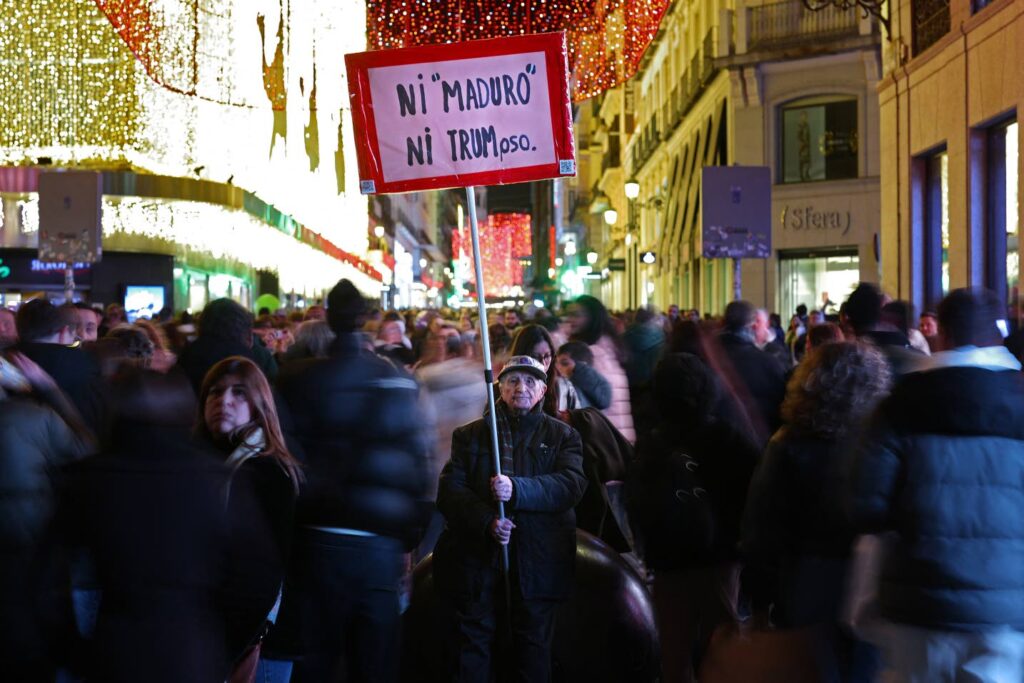
    CARACAS, Venezuela — Venezuela’s military establishment has formally endorsed Delcy Rodríguez as the nation’s interim leader following the extraordinary capture of former President Nicolás Maduro by U.S. special forces. The seismic political shift occurred after American operatives successfully extracted the ousted leftist leader to face international justice.

    In a nationally televised address on Sunday, Defense Minister Vladimir Padrino López threw the military’s substantial weight behind Rodríguez, who previously served as Maduro’s deputy. The endorsement came in response to a Supreme Court ruling that appointed Rodríguez to serve as acting president for a 90-day period during the constitutional crisis.

    Padrino López characterized Maduro’s extraction as a ‘cowardly kidnapping’ operation, alleging that several of the former president’s security detail were ‘killed in cold blood’ during the confrontation, along with Venezuelan military personnel and civilians. Venezuelan authorities have not yet released official casualty figures from the operation that shook the capital city.

    The defense minister urged citizens to return to normalcy despite the political turbulence, calling for the resumption of economic, educational, and workplace activities. ‘The homeland must follow its constitutional course,’ Padrino López stated, emphasizing institutional continuity.

    The streets of Caracas remained unusually quiet and largely deserted on Sunday, with many commercial establishments closed and only moderate queues forming at essential services such as pharmacies and markets. The muted public response reflected the nation’s uncertain political landscape following the dramatic events that unfolded when U.S. forces executed Operation Absolute Resolve on January 3, 2026.

    The development marks a significant turning point in Venezuela’s prolonged political crisis, with the military’s endorsement providing crucial institutional support for Rodríguez’s interim administration. The move aligns with earlier indications from U.S. President Donald Trump that Washington might be willing to work with Rodríguez’s government.

  • Jamaica Strong concert raises over US$500k

    Jamaica Strong concert raises over US$500k

    In a powerful display of cultural solidarity, the Jamaica Strong Benefit Concert generated over US$500,000 in net proceeds to aid recovery efforts from Hurricane Melissa’s devastation. Held on December 12, 2025, at New York’s UBS Arena in Queens, the event united the global Jamaican diaspora through music and humanitarian action.

    Organizer George Crooks of Jammins Events confirmed the substantial fundraising achievement, emphasizing how the initiative brought together international communities in support of hurricane relief. The concert’s organizational framework, led by New York-based cultural entities Irie Jam Radio, Irie Jam Foundation, Jammins Events, and RoadBlock Radio, transformed collective concern into coordinated action through transparent, community-driven leadership.

    Bobby Clarke, co-founder of the Irie Jam Foundation, detailed the strategic distribution plan for the raised funds. The allocation includes US$150,000 each to Shaggy’s Make a Difference Foundation, the Sean Paul Foundation, and the Government of Jamaica Hurricane Melissa Relief Fund. An additional US$50,000 was designated to the Irie Jam Foundation specifically for repairing and rebuilding primary schools in Cornwall, among the storm’s most severely impacted regions.

    “By directing funds to both national and community-based organizations,” Clarke explained, “we ensure support reaches individuals, families, and communities where need is most immediate and impact most meaningful.”

    The event featured Caribbean artists who donated their time and talent, using music as a vehicle for unity and healing during national crisis. Kacy Rankine, CEO of Roadblock Radio, highlighted the profound cultural significance: “Caribbean artists used music and culture as vehicles for unity, healing, and advocacy during a moment of national crisis.”

    Rankine expressed gratitude to sponsors, patrons, media partners, volunteers, and the broader Caribbean diaspora whose generosity made the initiative possible. The concert successfully achieved its dual objectives: increasing global attention to Hurricane Melissa’s human toll and mobilizing substantial financial support for rebuilding communities.

    Nearly 10,000 attendees filled the arena, demonstrating extraordinary engagement from the Jamaican diaspora and friends of Jamaica who gathered to show solidarity, compassion, and resolve. While the concert marked a significant milestone, organizers emphasized that recovery remains ongoing, requiring sustained support to restore stability, dignity, and opportunity for all affected by the hurricane.

  • Turbulence says Let Love Rain

    Turbulence says Let Love Rain

    Amidst the devastation wrought by Hurricane Melissa, Jamaican artist Turbulence has discovered a profound source of artistic inspiration, transforming national tragedy into a message of unity. His latest single, ‘Let Love Rain,’ emerges as a direct creative response to the Category 5 storm that ravaged the island on October 28, resulting in 45 fatalities and displacing thousands from their homes.

    While the hurricane struck, Turbulence was abroad in The Bahamas. Upon his return, he was profoundly affected not only by the scale of the destruction but more significantly by the transformative spirit of cooperation he witnessed among citizens. He observed a remarkable shift in community dynamics, where previous tensions were replaced by collective action and mutual support in recovery efforts.

    In a reflective statement to the Jamaica Observer, the artist articulated this social transformation: ‘Prior to Hurricane Melissa, neighbors were often in conflict. Now, we see them collaborating to construct and reconstruct what was lost. This sense of community is something we should have always nurtured, embodying the principle that it takes a village to raise a child.’

    The musical composition, produced by RhomeDaDon, provided what Turbulence described as a ‘heartfelt rhythm’ that perfectly complemented the powerful and unifying imagery from the post-hurricane period, allowing the song’s lyrics to flow organically.

    Moving beyond his music, Turbulence has actively participated in relief initiatives. He has personally traveled to some of the most severely impacted parishes, including St. Elizabeth, Westmoreland, and Hanover, to distribute care packages and provide assistance. These regions, along with St. James and Trelawny, endured the full force of Melissa’s 185-mile-per-hour winds, which caused extensive damage to infrastructure and homes across the island.

  • More enthusiam needed for Reggae Month — JaRIA chair

    More enthusiam needed for Reggae Month — JaRIA chair

    As Jamaica prepares for its annual Reggae Month celebrations in February, the chairman of the Jamaica Reggae Industry Association (JaRIA) has revealed significant concerns about the event’s developmental stagnation. Ewan Simpson expressed mixed emotions regarding the festival’s trajectory, acknowledging its resilience through pandemic disruptions while lamenting its failure to evolve into the global phenomenon it potentially represents.

    The month-long celebration, established by the Jamaican Government in 2008, will commence on February 1st with a special tribute concert at Edna Manley College of the Visual and Performing Arts. This inaugural event, titled ‘Honouring The Crown Prince: A Tribute to Dennis Brown,’ will honor the legendary reggae singer born on that date who passed away in 1999 at age 42.

    Under the theme ‘Rhythms of Resilience,’ this year’s programming includes the traditional recognition of both Brown’s and Bob Marley’s (February 6) birthdays, alongside symposiums and weekly live performances. The Edna Manley College will serve as primary venue for most events, including Reggae Wednesdays throughout February and four specialized JaRIA master classes.

    Simpson identified a critical challenge: many artists and creative sector participants fundamentally misunderstand Reggae Month’s purpose, viewing it primarily as financial opportunity rather than cultural celebration. He noted that certain stakeholders have inadvertently contributed to this perception.

    In organizational changes, the annual JaRIA Awards will not occur during February for three strategic reasons: avoiding calendar conflict with similar ministry events, allowing volunteer staff to focus exclusively on the 24 scheduled Reggae Month productions, and providing adequate time to secure sponsorship funding.

    The festival has navigated substantial operational challenges in recent years, transitioning to virtual formats during COVID-19 restrictions before returning to normalcy in 2023 following government mandate lifts.