作者: admin

  • Interim-leider Venezuela zoekt samenwerking met VS na arrestatie Maduro

    Interim-leider Venezuela zoekt samenwerking met VS na arrestatie Maduro

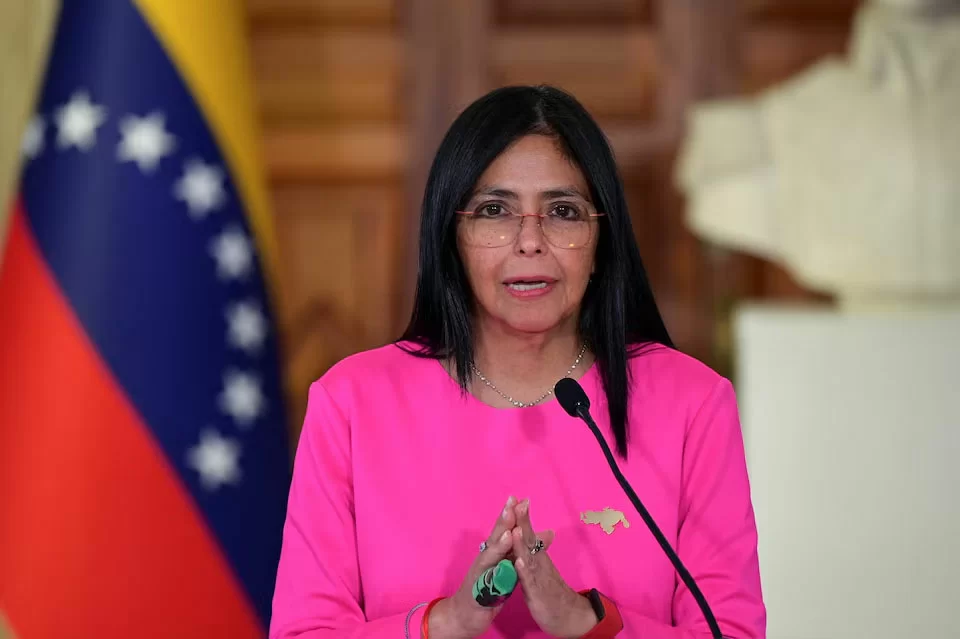
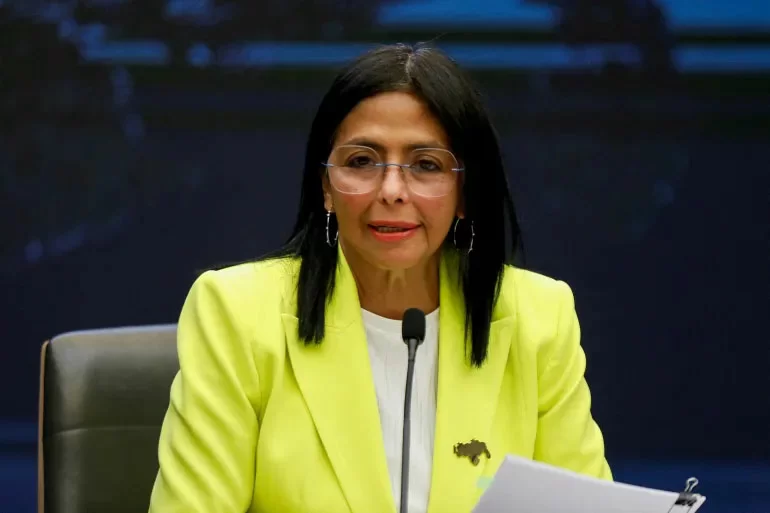
    In a dramatic diplomatic reversal, Venezuela’s interim President Delcy Rodríguez has signaled willingness to collaborate with the United States regarding her nation’s future, despite previously condemning the military operation that captured Nicolás Maduro as “an atrocity violating international law.

    Rodríguez, appointed interim leader by Venezuela’s Supreme Court shortly after Maduro’s capture by U.S. special forces, communicated via Telegram on Sunday that establishing “a balanced and respectful relationship between the U.S. and Venezuela” now represents a priority. Her statement marked a significant departure from her Saturday television address where she declared Maduro the “only legitimate president” and characterized the Trump administration as “extremists.

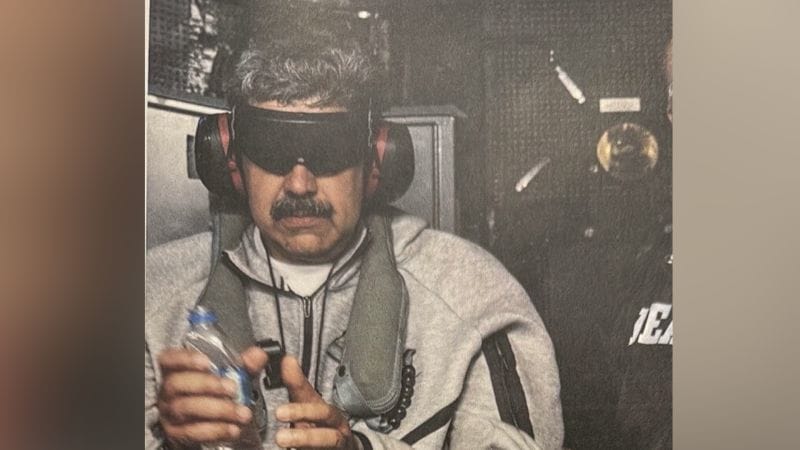
    The capture operation—described as one of America’s most perilous military actions since the 2011 Osama bin Laden raid—resulted in Maduro and his wife Cilia Flores facing federal charges in New York including narcoterrorism, cocaine trafficking, and weapons offenses. Maduro is scheduled to appear before a Manhattan federal court on Monday.

    President Trump’s response evolved throughout the crisis. Initially suggesting productive dialogue with Rodríguez, he subsequently threatened severe consequences following her criticism and warned of potential additional military interventions, including ground troops, asserting American dominance in Venezuela.

    Simultaneously, Rodríguez established a commission led by Foreign Minister Yvan Gil and her brother Jorge Rodríguez, head of the National Assembly, dedicated to securing Maduro and Flores’s release from U.S. detention. Observers have drawn parallels between Maduro’s situation and that of former Panamanian leader Manuel Noriega, arrested by U.S. forces in 1990 and convicted on drug-related charges.

    U.S. officials frame Maduro’s capture as judicial enforcement regarding 2020 indictments, while Trump additionally cited concerns over Venezuelan migration flows and nationalization of American oil assets as operation motivations.

  • U.S. Indictment Alleges Caribbean Politicians Took Bribes to Facilitate Cocaine Route

    U.S. Indictment Alleges Caribbean Politicians Took Bribes to Facilitate Cocaine Route

    A comprehensive U.S. federal indictment has unveiled an extensive transnational narcotics network, alleging that Venezuela’s ruling elite, led by President Nicolás Maduro, orchestrated a multi-decade conspiracy to flood the United States with cocaine. The judicial document, filed in the U.S. District Court for the Southern District of New York, implicates numerous current and former Venezuelan officials in a scheme that leveraged the Caribbean as a critical trafficking corridor.

    The prosecution’s case details a sophisticated operation dubbed the ‘Caribbean route,’ where cocaine shipments originating from Venezuela utilized maritime and aerial pathways. Central to the alleged conspiracy was the systematic corruption of political figures across multiple Caribbean nations. These officials are accused of accepting payments from traffickers to provide protection from law enforcement and guarantee unimpeded movement for designated narcotics networks.

    Venezuela’s geographic position, with its extensive coastline and major ports, is presented as a strategic asset for launching narcotics toward transshipment hubs throughout the Caribbean basin. The indictment contends that this corruption-fueled pipeline not only enriched political accomplices at various stages of the supply chain but also empowered violent criminal and narco-terrorist organizations operating across the Western Hemisphere.

    U.S. authorities have clarified that the charges remain allegations at this stage, and all defendants are presumed innocent unless convicted in a court of law. The Maduro administration has consistently dismissed such accusations as baseless and politically motivated. This legal action represents a significant component of a broader U.S. strategy to combat international drug trafficking networks that exploit institutional vulnerabilities and corruption in key transit regions like the Caribbean.

  • PM Browne says his earlier call for peace in the region was never a defense of Maduro

    PM Browne says his earlier call for peace in the region was never a defense of Maduro

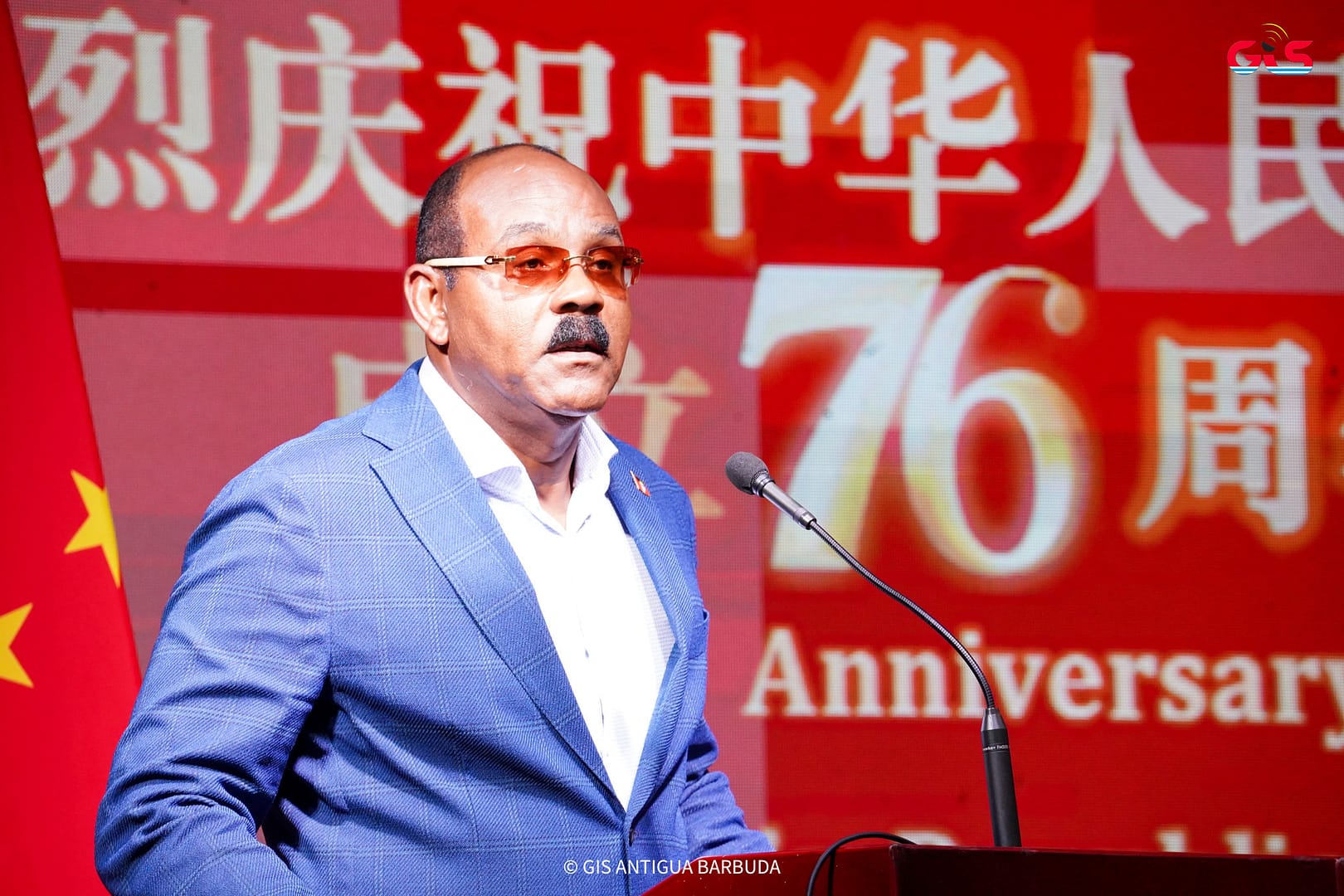
    Prime Minister Gaston Browne of Antigua and Barbuda has issued a definitive clarification regarding his recent diplomatic statements on regional stability. Addressing potential misinterpretations, Browne emphasized that his calls for peaceful dialogue and non-intervention in Venezuela were fundamentally mischaracterized if viewed as support for President Nicolás Maduro’s administration.

    The clarification comes amid heightened geopolitical tensions in the Caribbean region, where neighboring nations have adopted varying positions regarding Venezuela’s political crisis. Browne’s original appeal emphasized regional sovereignty and the principle of self-determination, urging Caribbean Community (CARICOM) members to maintain diplomatic neutrality while encouraging peaceful resolution mechanisms.

    Browne articulated that advocating for peaceful conflict resolution should not be conflated with endorsing specific governments or leaders. His statements reflect a broader Caribbean tradition of diplomatic engagement that prioritizes regional stability over alignment with particular political factions. This position maintains the delicate balance required for small nations navigating complex international disputes involving global powers.

    The Prime Minister’s office further elaborated that Antigua and Barbuda’s foreign policy remains committed to constitutional order and democratic principles, while simultaneously advocating for peaceful dialogue between all Venezuelan stakeholders. This nuanced approach characterizes many Caribbean nations’ attempts to maintain regional harmony while respecting international law and governance standards.

  • Antigua Carnival 2026 Registration is Now Open!

    Antigua Carnival 2026 Registration is Now Open!

    ST. JOHN’S, ANTIGUA – In a significant development for Caribbean cultural celebrations, the Antigua Barbuda Festivals Commission has formally inaugurated the registration process for Antigua Carnival 2026. The announcement, made on January 5th, 2026, marks the commencement of preparations for one of the region’s most anticipated cultural events.

    The comprehensive registration initiative encompasses eighteen distinct participation categories, reflecting the diverse artistic expressions that characterize the carnival. The categories include traditional competitive events such as Calypso Monarch, Party Monarch, and Road March competitions, alongside showcase categories including Queen of Carnival and Mr. & Miss Teenage Pageant. The registration further extends to Business Floats, Mas Bands, J’ouvert Tropes Bands, and various junior divisions including Junior Calypso Monarch and Junior Carnival School Mas. Additionally, opportunities exist for Individual Mas participants, Cheerleaders, Monday Wear designers, T-Shirt Mas groups, and Vendors seeking to operate during the festivities.

    Prospective participants may obtain registration documentation from two designated locations: the National Festivals Office situated on the first floor of the Cecil George-John Building at the intersection of Corn Alley and Redcliffe Street, and the Ministry of Creative Industries on Old Parham Road, located upstairs from the KFC/INET Building. These offices will maintain specific operating hours from Monday through Thursday between 10:00 a.m. and 2:00 p.m., with Friday hours extending from 10:00 a.m. to 1:00 p.m.

    Completed registration forms must be returned to the National Festivals Office at the Cecil George-John Building address. This early registration launch provides ample preparation time for artists, performers, designers, and entrepreneurs to organize their contributions to what promises to be a spectacular celebration of Antiguan and Barbudan cultural heritage, artistic innovation, and community spirit.

  • PM says as a global leader he must be able to speak on behalf of residents or step aside

    PM says as a global leader he must be able to speak on behalf of residents or step aside

    In a powerful address that redefined expectations for international governance, the Prime Minister delivered a compelling critique of contemporary global leadership. The speech emphasized that true international influence must be fundamentally rooted in faithfully representing one’s citizens, proposing that leaders who fail this essential duty should consider relinquishing their positions.

    The Prime Minister’s framework establishes a new paradigm for political legitimacy on the world stage, challenging the conventional metrics of power and economic might. This perspective shifts the focus toward democratic accountability and responsive governance as prerequisites for meaningful global engagement.

    Through specific examples and historical context, the address illustrated how nations that prioritize domestic welfare consistently achieve more sustainable and respected international standing. The Prime Minister contrasted this approach with instances where leaders pursued foreign agendas disconnected from their populations’ needs, ultimately diminishing both domestic stability and global credibility.

    This philosophical stance carries significant implications for international relations, potentially influencing how nations evaluate their participation in global institutions and multilateral agreements. The speech also arrives during a period of heightened scrutiny regarding the effectiveness of international organizations and the quality of leadership within them.

    The address concludes with a forward-looking perspective on how this accountability-centered approach could reshape diplomatic norms and create more stable international partnerships built on genuine popular support rather than temporary political arrangements.

  • PM Browne Responds to Opposition Allegations on Deportees Arrangement

    PM Browne Responds to Opposition Allegations on Deportees Arrangement

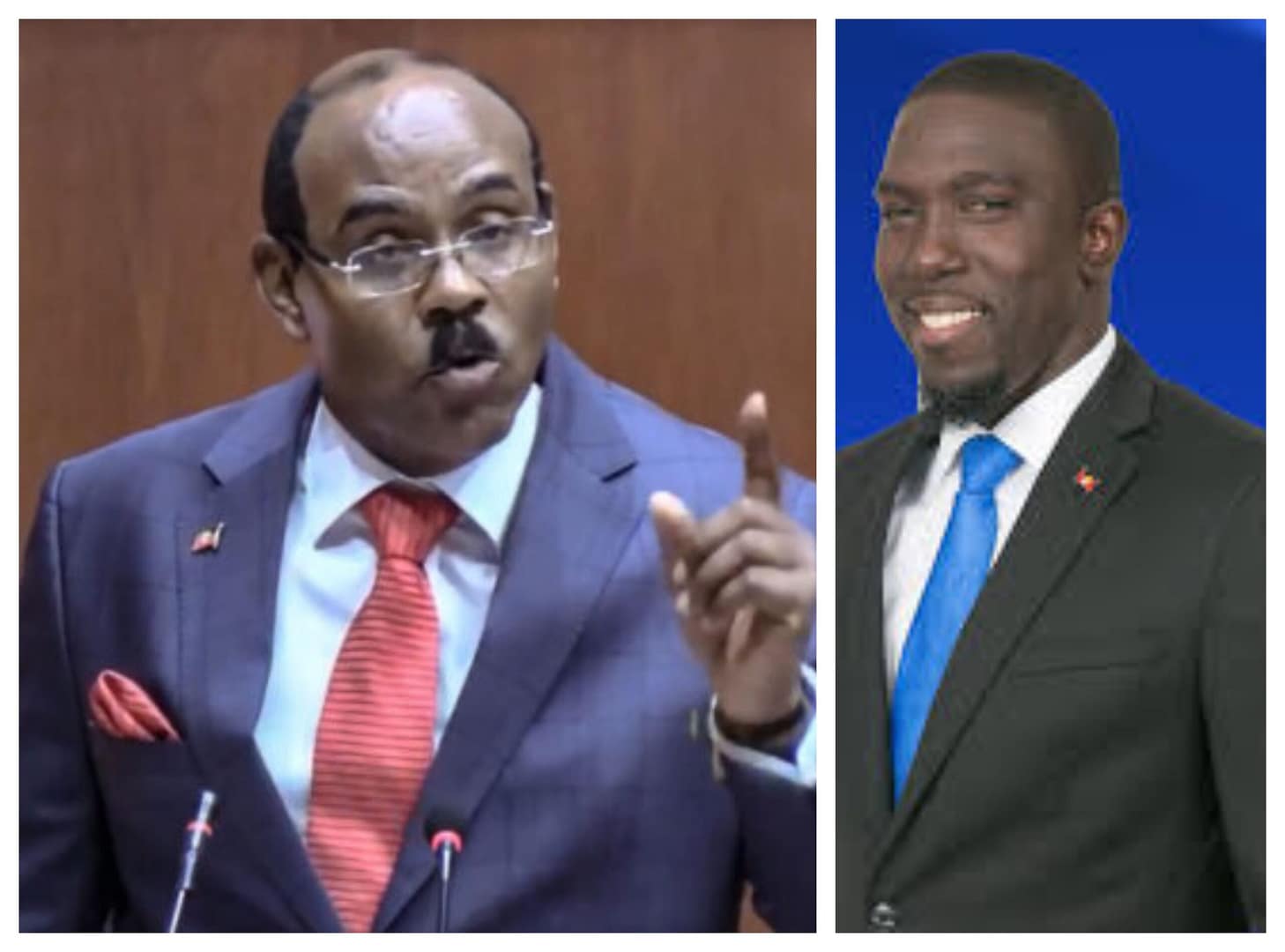
    Prime Minister Gaston Browne of Antigua and Barbuda has issued a firm rebuttal against allegations from opposition parties that his administration covertly agreed to accept massive numbers of criminal deportees from the United States. Characterizing the claims as a malicious falsehood, Browne condemned what he described as a politically motivated disinformation campaign designed to undermine public trust.

    The controversy centers on accusations from the United Progressive Party (UPP), which alleged the government secretly consented to receive over 100,000 deportees with criminal backgrounds from the U.S. Browne categorically denied these assertions, labeling them as ‘dastardly political spin’ rooted in falsehoods intended to score cheap political points.

    Clarifying the actual terms of the arrangement, Browne revealed his government had consented to review possibly up to ten non-criminal refugees who possess skills currently in short supply within Antigua and Barbuda. This limited humanitarian initiative, he emphasized, operates under a framework of complete discretion, allowing authorities to accept or reject any individuals recommended by U.S. officials.

    The Prime Minister further explained that the agreement includes provisions for biometric data sharing and criminal background transparency from U.S. authorities. This arrangement forms part of a broader international effort where the United States has invited over 100 nations to assist in alleviating refugee and deportee pressures.

    Browne noted that several Caribbean Community (CARICOM) member states have participated in similar agreements, contrasting their cooperative approach with what he characterized as the opposition’s habitual tendency toward sensationalism and misinformation for political gain.

  • Wie is ‘tsarina’ Delcy Rodriguez, de waarnemend president van Venezuela?

    Wie is ‘tsarina’ Delcy Rodriguez, de waarnemend president van Venezuela?

    Delcy Rodriguez has ascended to Venezuela’s interim presidency following the arrest of Nicolás Maduro by U.S. forces, positioning herself as one of the most formidable figures in the nation’s political landscape. The 56-year-old lawyer, known for her economic orthodoxy and luxury brand preferences, has earned the moniker ‘the tsarina’ through a decade of accumulating significant influence in Venezuelan public life.

    Maduro famously refers to Rodriguez as his ‘tigress’ for her unwavering defense of his socialist administration—a government plagued by severe economic crisis, allegations of torture, arbitrary detentions, and the exodus of approximately 8 million migrants. Her political journey includes serving as vice president since 2018 while simultaneously holding the portfolios of Finance Minister and Oil Minister. Previously, she led the Communications Ministry, Foreign Ministry, and presided over the government-aligned legislative body.

    The Rodriguez political dynasty traces back to their father, Jorge Antonio Rodriguez, a leftist guerrilla founder of the revolutionary Socialist League who died in police custody under circumstances his family attributes to torture. Maduro has celebrated him as a hero of Venezuela’s leftist movement.

    Educated in labor law with nine years spent in France and England for postgraduate studies, Rodriguez maintains an unusually public profile for a Venezuelan official. She frequently participates in table tennis matches with her brother Jorge Rodriguez, current president of the National Assembly, sharing their matches on social media platforms.

    As vice president, Rodriguez implemented orthodox economic policies that successfully reduced hyperinflation from over 100% through government spending cuts, credit restrictions, and a fixed dollar-bolivar exchange rate. Her stewardship maintained Venezuela’s oil production at approximately 1.1 million barrels per day throughout last year, fostering close relationships with international energy companies including Chevron.

    Described by industry leaders as a ‘workaholic,’ Rodriguez actively engages with the private sector—a marked departure from other government officials’ approaches. She represents Venezuela’s most frequent diplomatic traveler to allied nations including China, Russia, and Turkey, reinforcing strategic international partnerships during a period of unprecedented domestic challenges.

  • “Plastics for Toys” returns to City Hall on January 11

    “Plastics for Toys” returns to City Hall on January 11

    Santo Domingo’s municipal government is set to host the sixth iteration of its innovative environmental program, ‘Plastics for Toys,’ on Sunday, January 11. Spearheaded by National District Mayor Carolina Mejía, the event will operate from 8:00 a.m. to 12:00 p.m. at City Hall, exclusively catering to residents of the National District.

    This community-driven initiative establishes a direct exchange mechanism where participants can trade cleaned and crushed plastic bottles, complete with their caps, for new toys. The program features a tiered exchange system: 500 bottles qualify for a bicycle, while 300 bottles can be redeemed for other assorted toys. To ensure equitable distribution, a limit of two toys per person will be enforced, requiring presentation of valid identification.

    Beyond the environmental exchange, Mayor Mejía has announced accompanying festivities including live children’s entertainment, musical performances, and refreshments. The municipal government emphasized the program’s dual significance, highlighting both its waste reduction achievements and its role in public education. Official data reveals that the ‘Plastics for Toys’ program, along with its sister initiative ‘Plastics for School Supplies,’ has successfully diverted over 33 million plastic bottles from streets and landfills. These efforts collectively represent one of the nation’s most substantial ongoing campaigns for environmental awareness and sustainable practice adoption.

  • Column: Hoop en verbondenheid in een onzekere wereld

    Column: Hoop en verbondenheid in een onzekere wereld

    As 2025 commenced, citizens worldwide embraced diverse resolutions encompassing both material aspirations and profound personal growth objectives. These ambitions ranged from revitalizing neglected relationships and fostering community connections to finally dedicating time to long-pending literary works and planning well-deserved vacations. Many sought the courage to pursue authentic life paths beyond societal expectations.

    The retrospective assessment of 2025 reveals a tapestry of human experience marked by both celebratory milestones and profound grief. Nations collectively mourned the passing of prominent societal figures while individuals faced personal losses of parents, siblings, children, and partners. The year proved particularly unforgiving to children caught in unprecedented humanitarian crises, reminding populations that life rarely unfolds according to predetermined plans.

    Amid these challenges, beacons of hope emerged through academic achievements, marital unions, newborn arrivals, and meaningful anniversaries. New professional and emotional bonds formed across communities, though these connections often went undervalued amidst daily pressures. Despite geographical dispersion, global citizens share celestial observations of the same sun and moon, albeit at different intervals, while exchanging thoughts through mechanisms that frequently defy full comprehension.

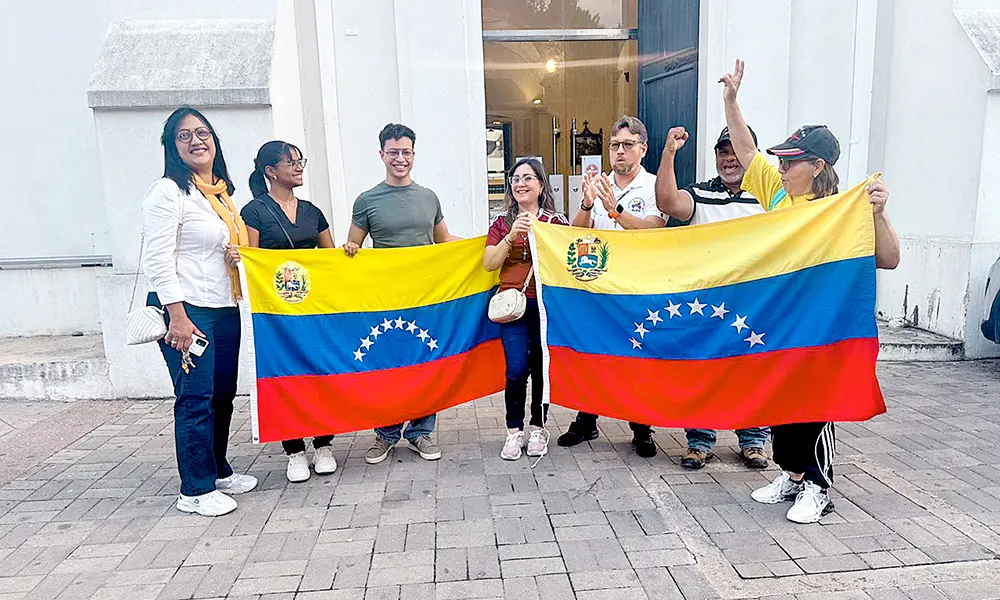
    National highlights included democratic elections, the 50th anniversary of Srefidensi celebrations, and the diplomatic visit of the Dutch royal couple. However, the dawn of 2026 presents formidable challenges following the seismic impact of American military actions in Venezuela that reverberated throughout Latin America, the Caribbean, and ultimately the global community.

    Economic interests continue driving both individual and national behaviors, with expansionist ambitions emerging from these financial imperatives. Worldwide tensions escalate as non-participating nations face coercive pressures, while international regulations suffer systematic violations. The global community seeks equitable responses to these developments, recognizing that interconnectedness, solidarity, and unified purpose among nations, organizations, and communities constitute our strongest defense against aggression.

    This new era demands heightened awareness of individual and collective responsibilities. Addressing contemporary challenges requires not merely political or diplomatic solutions but strengthened social cohesion. During periods of uncertainty and division, mutual support, active listening, and collaborative action become paramount.

    Critical questions emerge from these reflections: What lessons has 2025 imparted? How do we approach 2026 with clarity and purpose? In what manner do we perceive our fellow citizens and our shared national identity? What expectations define our collective vision, and most importantly, what concerted actions will we undertake to improve our shared existence?

    The new year presents an opportunity to pursue not only personal objectives but also to reinforce our collective future. Ultimately, it is through people connected by mutual respect and solidarity that meaningful change emerges.

  • Abinader reaffirms Dominican support for democracy in Venezuela

    Abinader reaffirms Dominican support for democracy in Venezuela

    SANTO DOMINGO – Dominican President Luis Abinader has declared that his administration is maintaining vigilant oversight of the political situation in Venezuela, while firmly reiterating its longstanding non-recognition of Nicolás Maduro’s contested presidential mandate. The Dominican leader utilized his social media platforms to underscore this diplomatic stance, tracing it back to the nation’s pivotal role in advancing the Santo Domingo Declaration—a regional initiative demanding unequivocal respect for the electoral will of the Venezuelan populace.

    Emphasizing the deep-rooted bonds of solidarity between the Dominican and Venezuelan peoples, President Abinader reaffirmed his government’s readiness to actively support all endeavors directed at reinstating democratic governance, peaceful coexistence, and national reconciliation within the crisis-stricken nation. He vowed that the Dominican Republic would persist in its unwavering defense of democratic principles, asserting that it would invariably align itself with the cause of democracy regardless of the circumstances.

    This official position has, however, elicited a spectrum of reactions from domestic political factions. Miguel Vargas Maldonado, who leads both the Dominican Revolutionary Party (PRD) and the Socialist International Committee for Latin America and the Caribbean, voiced his endorsement for a resolution that is democratic, peaceful, and negotiated through frameworks of international law.

    Conversely, opposition figures and groups—including former prosecutor Guillermo Moreno, the Broad Front coalition, and the Communist Party of Labor—have issued strong condemnations against any potential foreign military intervention. They warned that such actions would constitute a grave breach of national sovereignty and could dangerously destabilize the wider region. Echoing these concerns, international relations analyst Iván Gatón pointed to the escalating geopolitical friction and the concurrent erosion of multilateral diplomatic engagement across Latin America and the Caribbean.