作者: admin

  • Maria Browne calls for prayer and unity at National Thanksgiving Service

    Maria Browne calls for prayer and unity at National Thanksgiving Service

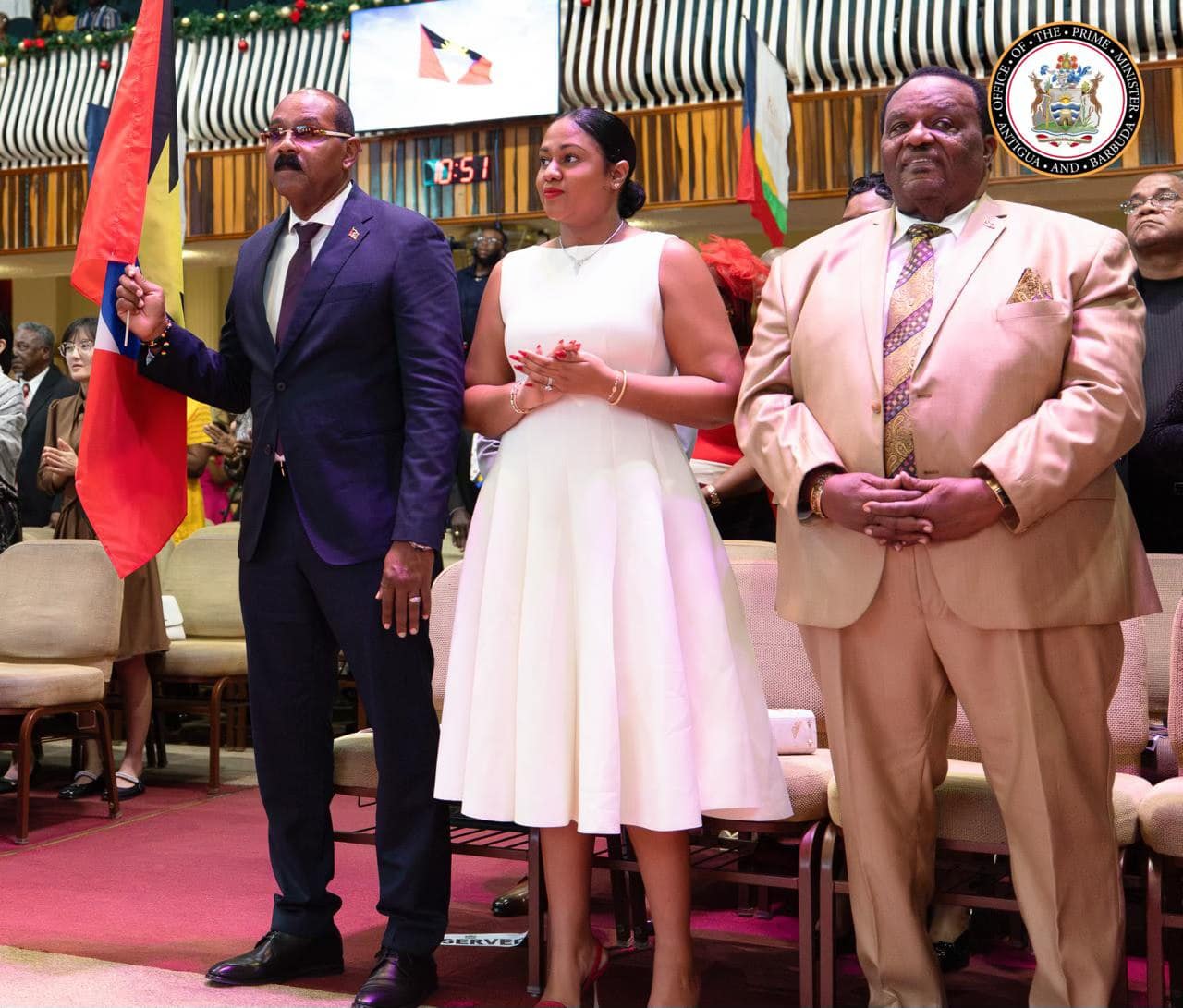
    In a powerful address following Antigua and Barbuda’s inaugural National Church Service for 2026, Works Minister Honorable Maria Browne delivered a compelling message of spiritual fortitude and national unity. The service, held on the first Sunday of the new year, became a platform for reflection and collective encouragement as the nation moves forward.

    Minister Browne drew profound inspiration from Apostle Andrews’ sermon, which centered on Micah chapter seven, verse eight—a biblical passage emphasizing hope during adversity. The Minister articulated how the religious message powerfully resonated with current national circumstances, emphasizing that temporary setbacks never signify permanent defeat and that illumination often emerges from periods of darkness.

    Characterizing the sermon as exceptionally timely, Browne highlighted its direct relevance to the psychological and spiritual needs of the Antiguan and Barbudan populace. She stressed the critical importance of maintaining faith and demonstrating perseverance amid challenges, framing these virtues as essential components of national character.

    Expanding her appeal beyond national borders, the Minister issued a regional call to action, urging citizens to sustain prayers not just for their homeland but for the entire Caribbean community. Her message specifically requested divine intervention for peace, stability, and strengthened unity throughout the region, recognizing the interconnectedness of Caribbean nations.

    The National Church Service represents a significant tradition within Antigua and Barbuda’s cultural and religious calendar, formally marking the commencement of each new year through collective worship and spiritual contemplation. This annual observance provides a moment for national introspection and reaffirmation of shared values before embarking on another year’s journey.

  • Why do libraries still matter today? Part 4

    Why do libraries still matter today? Part 4

    In an increasingly digitized world, libraries have transformed from traditional book repositories into vital institutions combating one of society’s most pressing challenges: the digital divide. This multifaceted gap separates those with access to digital technologies from the estimated 2.9 billion people worldwide who remain offline—approximately 37% of the global population.

    The digital divide extends beyond mere connectivity, creating sustained disadvantages in education, healthcare access, and employment opportunities. For perspective, this disconnected population equals nearly 30,000 times the entire population of Grenada, highlighting the staggering scale of the problem.

    Libraries have evolved to address this crisis through practical interventions. Public libraries now provide computer access to diverse communities while offering digital literacy programs tailored to both ‘digital refugees’ (those struggling with technology) and ‘digital immigrants’ (those who acquired digital skills as adults). Academic institutions like T.A. Marryshow Community College (TAMCC) Library have enhanced their technological infrastructure through initiatives like the National Telecommunications Regulatory Commission project, providing laptops and desktops for student and faculty use.

    Beyond hardware provision, libraries offer unique advantages in digital education. Their non-curricular environment creates comfortable learning spaces where students frequently seek technology assistance they might hesitate to request in formal classrooms. This flexible approach positions libraries as transdisciplinary support centers capable of addressing digital literacy across all subject areas.

    The International Federation of Library Associations and Institutions (IFLA), approaching its centennial anniversary, continues to champion this evolved library model through its vision of creating ‘sustainable future for all through knowledge and information.’ However, many libraries face significant challenges including limited funding and constrained vision, potentially hindering their ability to fully address contemporary digital needs.

    As noted by librarian Donna Chanderpaul-Singh, libraries remain growing organisms that must continuously adapt to serve modern society. Their expanded roles in promoting information literacy, supporting continuous learning, building communities, and reducing digital disparities make them more relevant than ever in our technology-dependent world.

  • Cuba wakes up in National Mourning after Presidential Decree 1147

    Cuba wakes up in National Mourning after Presidential Decree 1147

    Cuba has entered an official state of national mourning following the deaths of 32 Cuban military personnel during what the government characterizes as a US-led offensive against Venezuela. The solemn period commenced at 6:00 a.m. local time today and will continue through midnight on Tuesday, January 6, 2026.

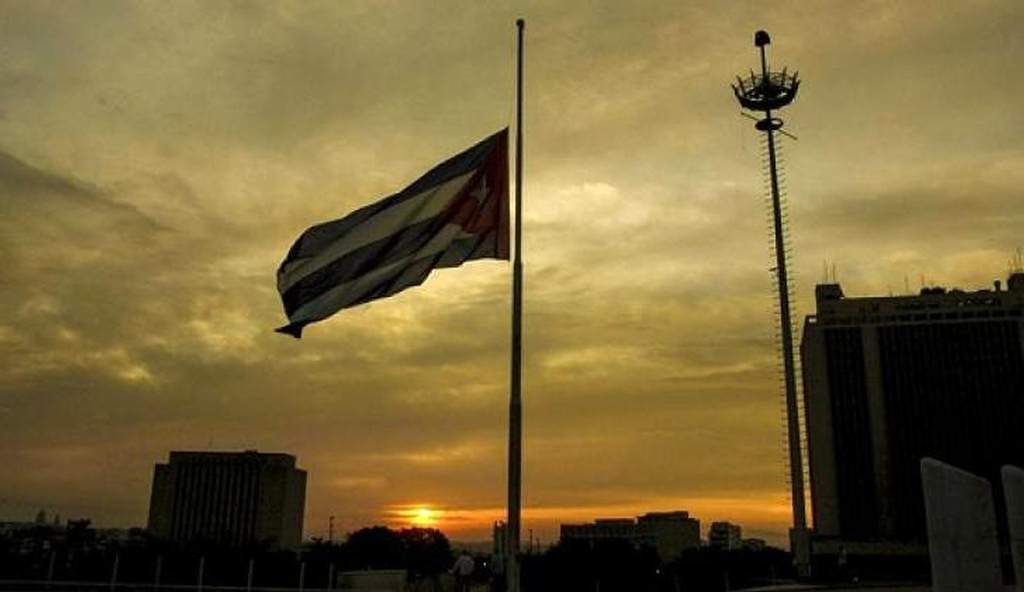
    In a nationally televised address, President Miguel Diaz-Canel announced that all public events and activities across the island nation are suspended indefinitely. The Cuban flag will fly at half-staff on all government buildings and military installations as a symbol of collective grief.

    The casualties occurred during early morning operations on January 3, when Cuban personnel stationed in Venezuela came under direct attack. According to President Diaz-Canel, the deceased were serving in official capacities as part of cooperative missions between Cuba’s Revolutionary Armed Forces, Ministry of the Interior, and their Venezuelan counterparts.

    ‘With profound sorrow, our people have learned that during the criminal attack perpetrated by the United States government against the sister Bolivarian Republic of Venezuela, 32 Cubans lost their lives in combat,’ the President stated in his formal declaration.

    Diaz-Canel elaborated that the fallen personnel ‘honorably fulfilled their duty and fell, after fierce resistance, in direct combat against the attackers or as a result of the bombing of facilities.’ He further emphasized that through their ‘heroic actions, they upheld the solidarity of millions of our fellow citizens,’ framing their sacrifice within Cuba’s longstanding internationalist traditions.

    The incident marks one of the most significant losses of Cuban military personnel abroad in recent decades and substantially escalates tensions between Havana and Washington.

  • Interim-leider Venezuela zoekt samenwerking met VS na arrestatie Maduro

    Interim-leider Venezuela zoekt samenwerking met VS na arrestatie Maduro

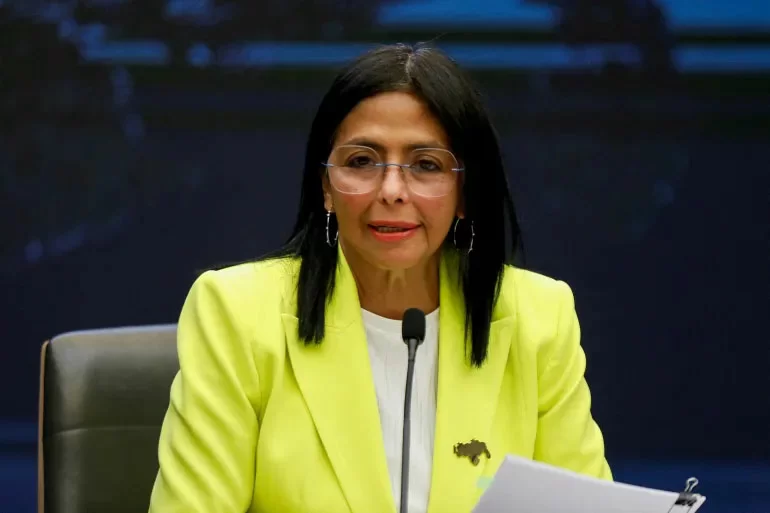
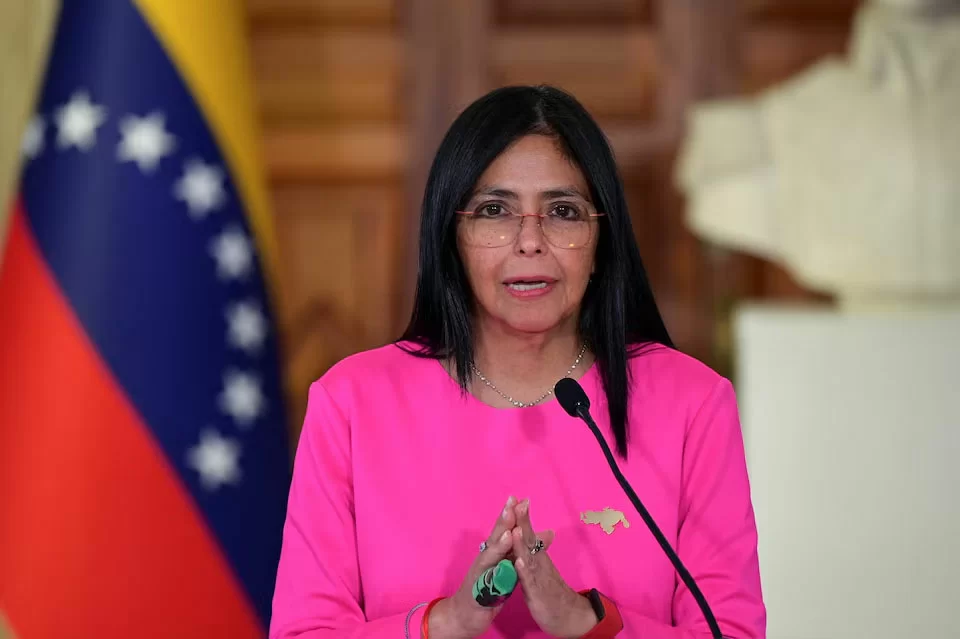
    In a dramatic diplomatic reversal, Venezuela’s interim President Delcy Rodríguez has signaled willingness to collaborate with the United States regarding her nation’s future, despite previously condemning the military operation that captured Nicolás Maduro as “an atrocity violating international law.

    Rodríguez, appointed interim leader by Venezuela’s Supreme Court shortly after Maduro’s capture by U.S. special forces, communicated via Telegram on Sunday that establishing “a balanced and respectful relationship between the U.S. and Venezuela” now represents a priority. Her statement marked a significant departure from her Saturday television address where she declared Maduro the “only legitimate president” and characterized the Trump administration as “extremists.

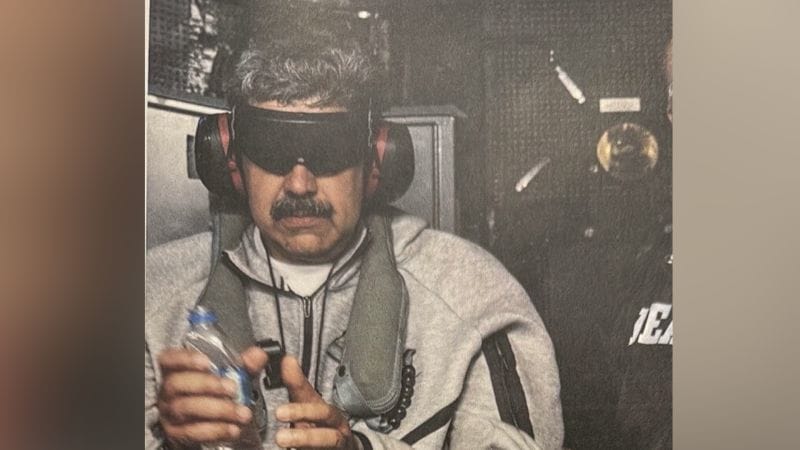
    The capture operation—described as one of America’s most perilous military actions since the 2011 Osama bin Laden raid—resulted in Maduro and his wife Cilia Flores facing federal charges in New York including narcoterrorism, cocaine trafficking, and weapons offenses. Maduro is scheduled to appear before a Manhattan federal court on Monday.

    President Trump’s response evolved throughout the crisis. Initially suggesting productive dialogue with Rodríguez, he subsequently threatened severe consequences following her criticism and warned of potential additional military interventions, including ground troops, asserting American dominance in Venezuela.

    Simultaneously, Rodríguez established a commission led by Foreign Minister Yvan Gil and her brother Jorge Rodríguez, head of the National Assembly, dedicated to securing Maduro and Flores’s release from U.S. detention. Observers have drawn parallels between Maduro’s situation and that of former Panamanian leader Manuel Noriega, arrested by U.S. forces in 1990 and convicted on drug-related charges.

    U.S. officials frame Maduro’s capture as judicial enforcement regarding 2020 indictments, while Trump additionally cited concerns over Venezuelan migration flows and nationalization of American oil assets as operation motivations.

  • U.S. Indictment Alleges Caribbean Politicians Took Bribes to Facilitate Cocaine Route

    U.S. Indictment Alleges Caribbean Politicians Took Bribes to Facilitate Cocaine Route

    A comprehensive U.S. federal indictment has unveiled an extensive transnational narcotics network, alleging that Venezuela’s ruling elite, led by President Nicolás Maduro, orchestrated a multi-decade conspiracy to flood the United States with cocaine. The judicial document, filed in the U.S. District Court for the Southern District of New York, implicates numerous current and former Venezuelan officials in a scheme that leveraged the Caribbean as a critical trafficking corridor.

    The prosecution’s case details a sophisticated operation dubbed the ‘Caribbean route,’ where cocaine shipments originating from Venezuela utilized maritime and aerial pathways. Central to the alleged conspiracy was the systematic corruption of political figures across multiple Caribbean nations. These officials are accused of accepting payments from traffickers to provide protection from law enforcement and guarantee unimpeded movement for designated narcotics networks.

    Venezuela’s geographic position, with its extensive coastline and major ports, is presented as a strategic asset for launching narcotics toward transshipment hubs throughout the Caribbean basin. The indictment contends that this corruption-fueled pipeline not only enriched political accomplices at various stages of the supply chain but also empowered violent criminal and narco-terrorist organizations operating across the Western Hemisphere.

    U.S. authorities have clarified that the charges remain allegations at this stage, and all defendants are presumed innocent unless convicted in a court of law. The Maduro administration has consistently dismissed such accusations as baseless and politically motivated. This legal action represents a significant component of a broader U.S. strategy to combat international drug trafficking networks that exploit institutional vulnerabilities and corruption in key transit regions like the Caribbean.

  • PM Browne says his earlier call for peace in the region was never a defense of Maduro

    PM Browne says his earlier call for peace in the region was never a defense of Maduro

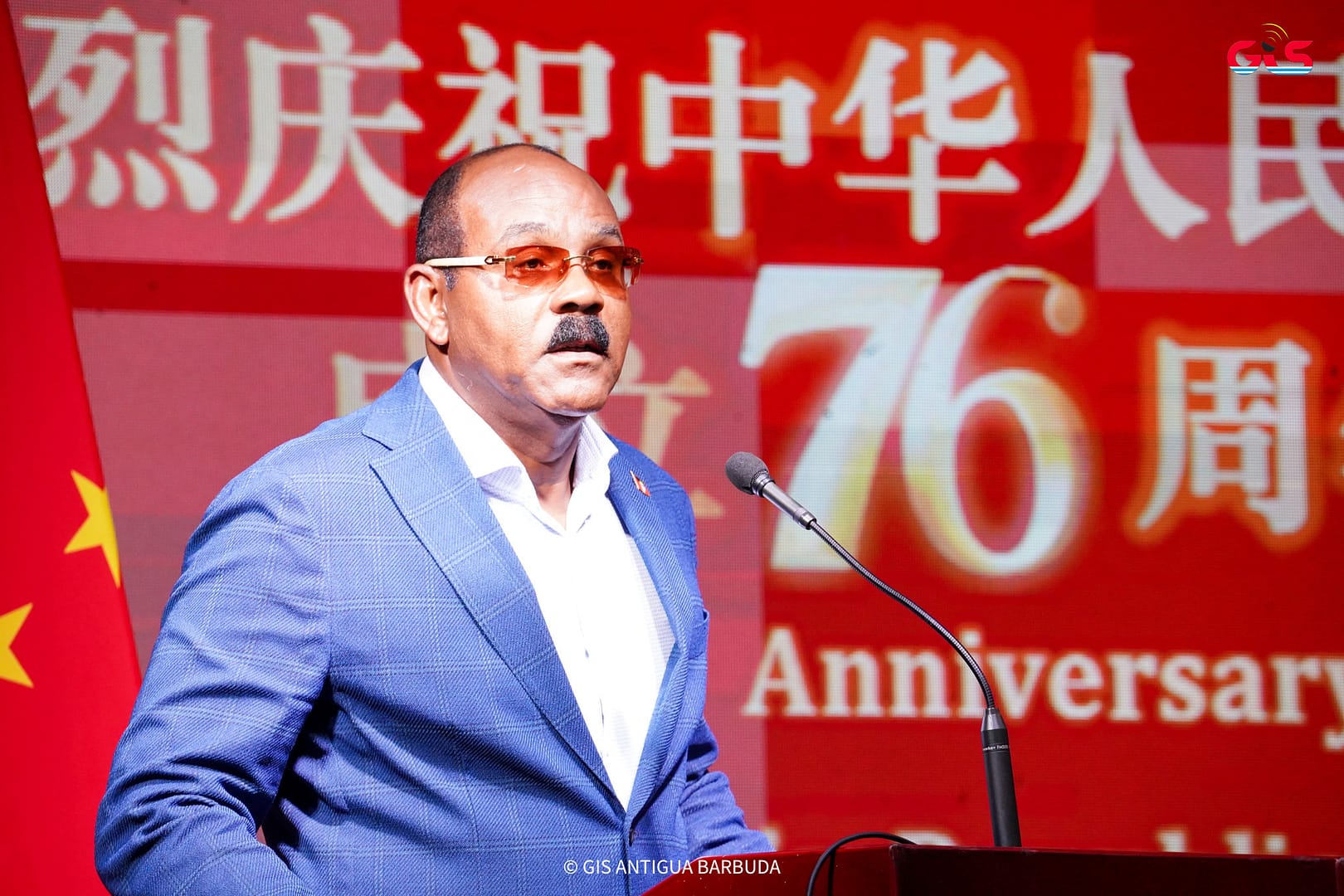
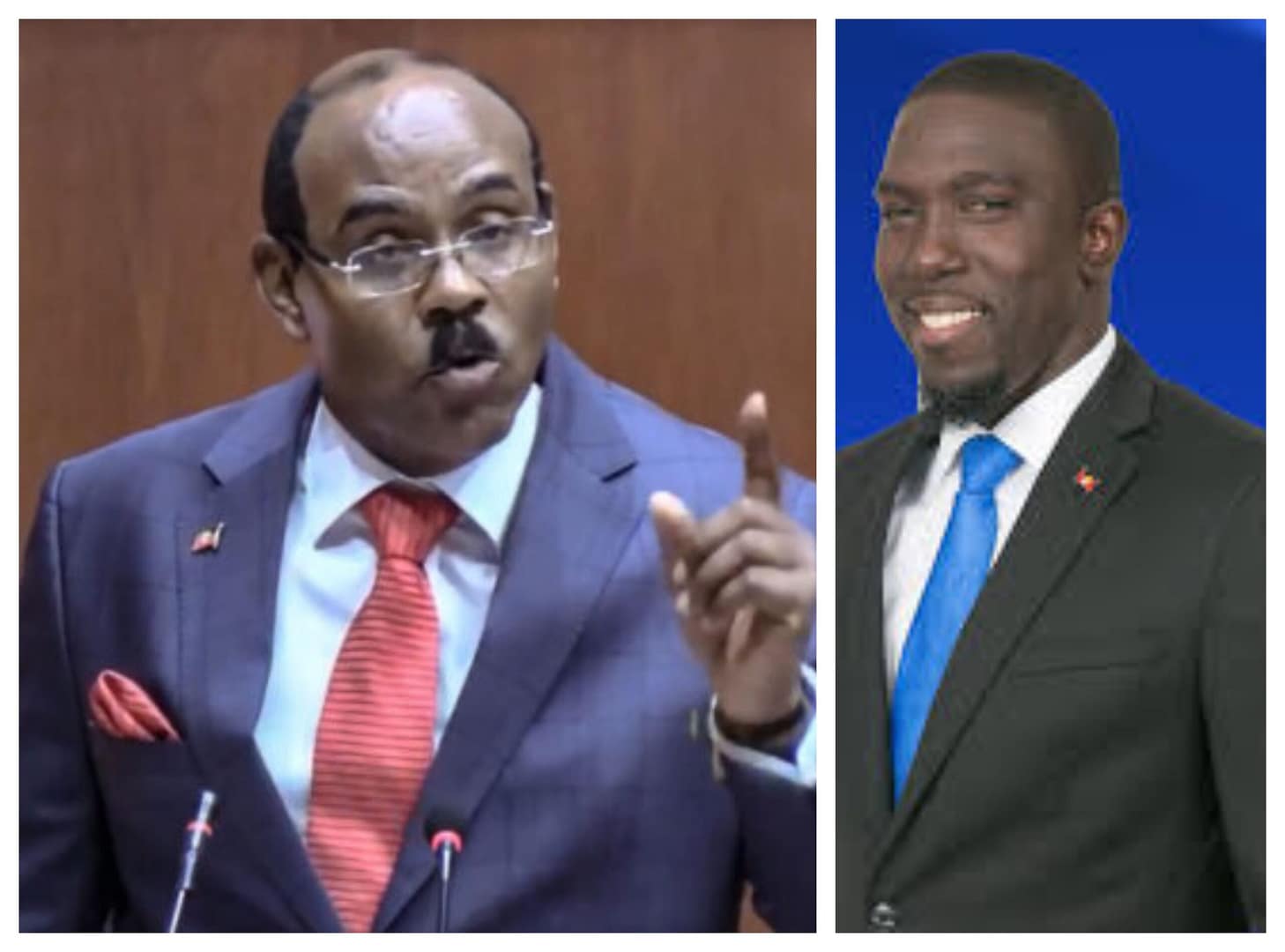
    Prime Minister Gaston Browne of Antigua and Barbuda has issued a definitive clarification regarding his recent diplomatic statements on regional stability. Addressing potential misinterpretations, Browne emphasized that his calls for peaceful dialogue and non-intervention in Venezuela were fundamentally mischaracterized if viewed as support for President Nicolás Maduro’s administration.

    The clarification comes amid heightened geopolitical tensions in the Caribbean region, where neighboring nations have adopted varying positions regarding Venezuela’s political crisis. Browne’s original appeal emphasized regional sovereignty and the principle of self-determination, urging Caribbean Community (CARICOM) members to maintain diplomatic neutrality while encouraging peaceful resolution mechanisms.

    Browne articulated that advocating for peaceful conflict resolution should not be conflated with endorsing specific governments or leaders. His statements reflect a broader Caribbean tradition of diplomatic engagement that prioritizes regional stability over alignment with particular political factions. This position maintains the delicate balance required for small nations navigating complex international disputes involving global powers.

    The Prime Minister’s office further elaborated that Antigua and Barbuda’s foreign policy remains committed to constitutional order and democratic principles, while simultaneously advocating for peaceful dialogue between all Venezuelan stakeholders. This nuanced approach characterizes many Caribbean nations’ attempts to maintain regional harmony while respecting international law and governance standards.

  • Antigua Carnival 2026 Registration is Now Open!

    Antigua Carnival 2026 Registration is Now Open!

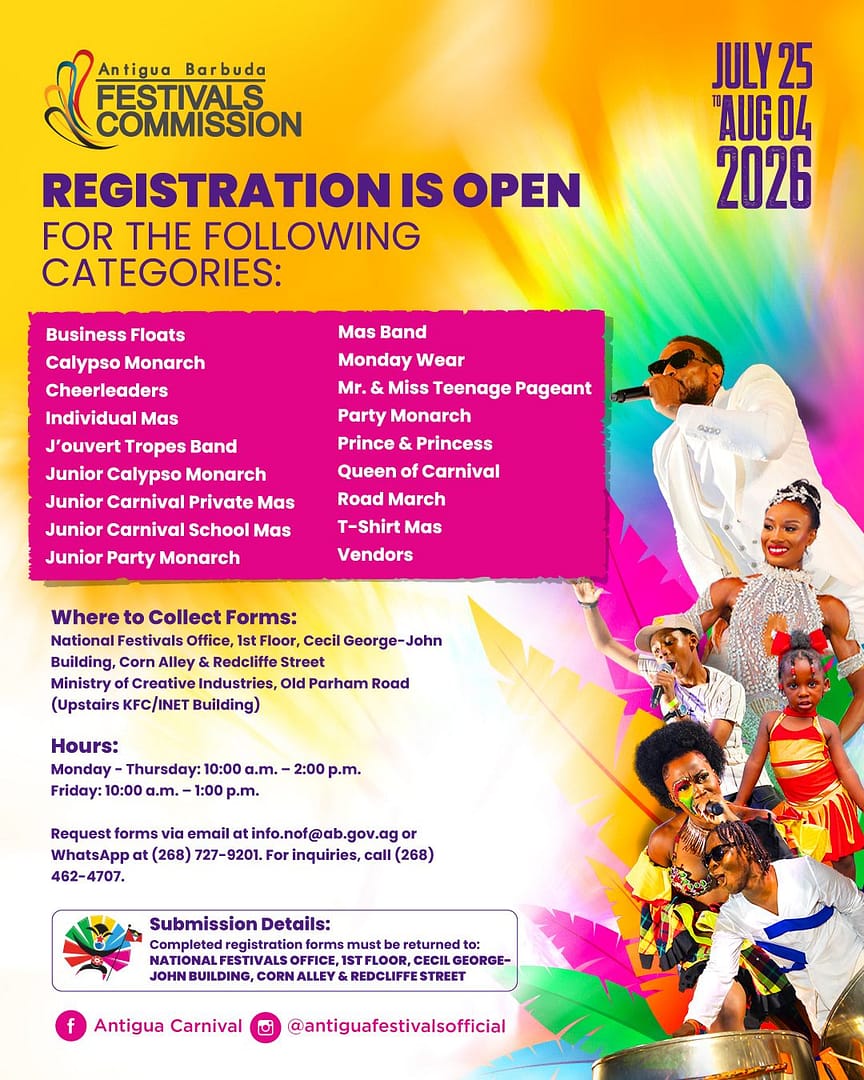
    ST. JOHN’S, ANTIGUA – In a significant development for Caribbean cultural celebrations, the Antigua Barbuda Festivals Commission has formally inaugurated the registration process for Antigua Carnival 2026. The announcement, made on January 5th, 2026, marks the commencement of preparations for one of the region’s most anticipated cultural events.

    The comprehensive registration initiative encompasses eighteen distinct participation categories, reflecting the diverse artistic expressions that characterize the carnival. The categories include traditional competitive events such as Calypso Monarch, Party Monarch, and Road March competitions, alongside showcase categories including Queen of Carnival and Mr. & Miss Teenage Pageant. The registration further extends to Business Floats, Mas Bands, J’ouvert Tropes Bands, and various junior divisions including Junior Calypso Monarch and Junior Carnival School Mas. Additionally, opportunities exist for Individual Mas participants, Cheerleaders, Monday Wear designers, T-Shirt Mas groups, and Vendors seeking to operate during the festivities.

    Prospective participants may obtain registration documentation from two designated locations: the National Festivals Office situated on the first floor of the Cecil George-John Building at the intersection of Corn Alley and Redcliffe Street, and the Ministry of Creative Industries on Old Parham Road, located upstairs from the KFC/INET Building. These offices will maintain specific operating hours from Monday through Thursday between 10:00 a.m. and 2:00 p.m., with Friday hours extending from 10:00 a.m. to 1:00 p.m.

    Completed registration forms must be returned to the National Festivals Office at the Cecil George-John Building address. This early registration launch provides ample preparation time for artists, performers, designers, and entrepreneurs to organize their contributions to what promises to be a spectacular celebration of Antiguan and Barbudan cultural heritage, artistic innovation, and community spirit.

  • PM says as a global leader he must be able to speak on behalf of residents or step aside

    PM says as a global leader he must be able to speak on behalf of residents or step aside

    In a powerful address that redefined expectations for international governance, the Prime Minister delivered a compelling critique of contemporary global leadership. The speech emphasized that true international influence must be fundamentally rooted in faithfully representing one’s citizens, proposing that leaders who fail this essential duty should consider relinquishing their positions.

    The Prime Minister’s framework establishes a new paradigm for political legitimacy on the world stage, challenging the conventional metrics of power and economic might. This perspective shifts the focus toward democratic accountability and responsive governance as prerequisites for meaningful global engagement.

    Through specific examples and historical context, the address illustrated how nations that prioritize domestic welfare consistently achieve more sustainable and respected international standing. The Prime Minister contrasted this approach with instances where leaders pursued foreign agendas disconnected from their populations’ needs, ultimately diminishing both domestic stability and global credibility.

    This philosophical stance carries significant implications for international relations, potentially influencing how nations evaluate their participation in global institutions and multilateral agreements. The speech also arrives during a period of heightened scrutiny regarding the effectiveness of international organizations and the quality of leadership within them.

    The address concludes with a forward-looking perspective on how this accountability-centered approach could reshape diplomatic norms and create more stable international partnerships built on genuine popular support rather than temporary political arrangements.

  • PM Browne Responds to Opposition Allegations on Deportees Arrangement

    PM Browne Responds to Opposition Allegations on Deportees Arrangement

    Prime Minister Gaston Browne of Antigua and Barbuda has issued a firm rebuttal against allegations from opposition parties that his administration covertly agreed to accept massive numbers of criminal deportees from the United States. Characterizing the claims as a malicious falsehood, Browne condemned what he described as a politically motivated disinformation campaign designed to undermine public trust.

    The controversy centers on accusations from the United Progressive Party (UPP), which alleged the government secretly consented to receive over 100,000 deportees with criminal backgrounds from the U.S. Browne categorically denied these assertions, labeling them as ‘dastardly political spin’ rooted in falsehoods intended to score cheap political points.

    Clarifying the actual terms of the arrangement, Browne revealed his government had consented to review possibly up to ten non-criminal refugees who possess skills currently in short supply within Antigua and Barbuda. This limited humanitarian initiative, he emphasized, operates under a framework of complete discretion, allowing authorities to accept or reject any individuals recommended by U.S. officials.

    The Prime Minister further explained that the agreement includes provisions for biometric data sharing and criminal background transparency from U.S. authorities. This arrangement forms part of a broader international effort where the United States has invited over 100 nations to assist in alleviating refugee and deportee pressures.

    Browne noted that several Caribbean Community (CARICOM) member states have participated in similar agreements, contrasting their cooperative approach with what he characterized as the opposition’s habitual tendency toward sensationalism and misinformation for political gain.

  • Wie is ‘tsarina’ Delcy Rodriguez, de waarnemend president van Venezuela?

    Wie is ‘tsarina’ Delcy Rodriguez, de waarnemend president van Venezuela?

    Delcy Rodriguez has ascended to Venezuela’s interim presidency following the arrest of Nicolás Maduro by U.S. forces, positioning herself as one of the most formidable figures in the nation’s political landscape. The 56-year-old lawyer, known for her economic orthodoxy and luxury brand preferences, has earned the moniker ‘the tsarina’ through a decade of accumulating significant influence in Venezuelan public life.

    Maduro famously refers to Rodriguez as his ‘tigress’ for her unwavering defense of his socialist administration—a government plagued by severe economic crisis, allegations of torture, arbitrary detentions, and the exodus of approximately 8 million migrants. Her political journey includes serving as vice president since 2018 while simultaneously holding the portfolios of Finance Minister and Oil Minister. Previously, she led the Communications Ministry, Foreign Ministry, and presided over the government-aligned legislative body.

    The Rodriguez political dynasty traces back to their father, Jorge Antonio Rodriguez, a leftist guerrilla founder of the revolutionary Socialist League who died in police custody under circumstances his family attributes to torture. Maduro has celebrated him as a hero of Venezuela’s leftist movement.

    Educated in labor law with nine years spent in France and England for postgraduate studies, Rodriguez maintains an unusually public profile for a Venezuelan official. She frequently participates in table tennis matches with her brother Jorge Rodriguez, current president of the National Assembly, sharing their matches on social media platforms.

    As vice president, Rodriguez implemented orthodox economic policies that successfully reduced hyperinflation from over 100% through government spending cuts, credit restrictions, and a fixed dollar-bolivar exchange rate. Her stewardship maintained Venezuela’s oil production at approximately 1.1 million barrels per day throughout last year, fostering close relationships with international energy companies including Chevron.

    Described by industry leaders as a ‘workaholic,’ Rodriguez actively engages with the private sector—a marked departure from other government officials’ approaches. She represents Venezuela’s most frequent diplomatic traveler to allied nations including China, Russia, and Turkey, reinforcing strategic international partnerships during a period of unprecedented domestic challenges.