作者: admin

  • Riley Khan Congratulated On U-17 Call-Up – Bernews

    Riley Khan Congratulated On U-17 Call-Up – Bernews

    Young football prodigy Riley Khan has received official selection to Bermuda’s Under-17 women’s national squad, marking a significant milestone in her developing career. The talented athlete will represent her nation in the upcoming CONCACAF Women’s Under-17 Qualifiers, where Bermuda faces challenging Group B opponents including Panama, Saint Kitts and Nevis, Suriname, and Bonaire.

    The qualifying matches, scheduled from January 24 to February 2, will be hosted at Bermuda’s prestigious Flora Duffy Stadium. These tournaments serve as the initial competitive stage toward securing a berth in the next FIFA Under-17 Women’s World Cup, offering young athletes like Khan an international platform to showcase their skills.

    Khan’s football development has been accelerated through her enrollment at the Benfica Residential Academy in Tampa, Florida, where she joined in March. The academy operates from the advanced facilities of Saint Leo University, providing elite training programs combined with academic excellence for students in grades 9-12.

    The academy publicly celebrated Khan’s achievement through their social media channels, stating: “Our very own Riley Khan has been called into the Bermuda national team to play the 2026 CONCACAF Women’s Under-17 Qualifiers.” This recognition highlights both Khan’s individual talent and the academy’s success in developing competitive athletes capable of performing at international levels.

  • Official Funeral Accorded to the Late Genevieve Smith

    Official Funeral Accorded to the Late Genevieve Smith

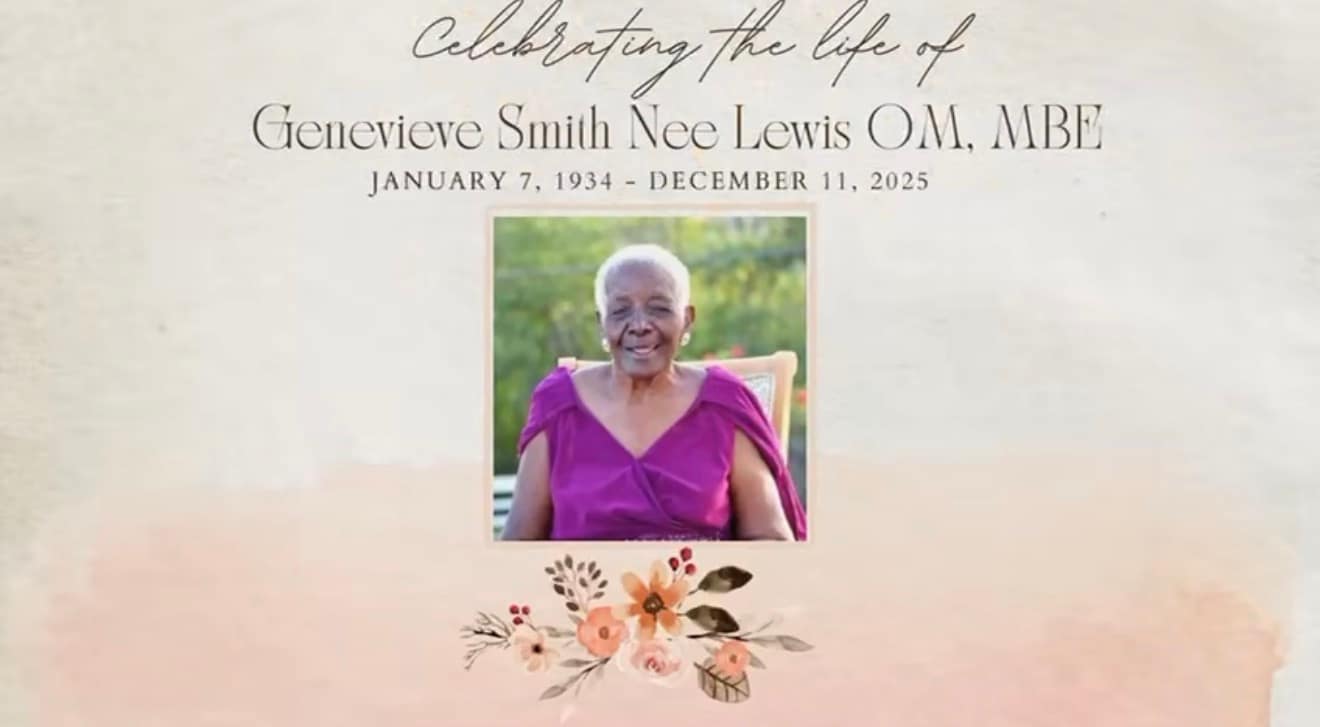
    The Caribbean nation of Antigua and Barbuda has announced plans to honor the late Genevieve Smith with an Official Funeral, the highest ceremonial recognition bestowed upon civilians for exceptional national service. This distinguished honor celebrates Ms. Smith’s lifelong dedication to education, community welfare, and national development, marking her passing as a moment of national significance.

    A revered former educator and community pillar, Ms. Smith dedicated her life to uplifting others through selfless service. Her profound impact extended well beyond her educational work, earning her widespread recognition for extraordinary compassion and steadfast advocacy for vulnerable community members. Through decades of mentorship and charitable acts, she established a powerful legacy of humanitarianism that profoundly shaped countless lives.

    In accordance with official state funeral protocols, public viewing will be held exclusively at Barnes Funeral Home on Wednesday, January 7th, 2026, commencing at 8:30 AM. The government has specifically requested that mourners respect the arrangement that no viewing will be permitted at the subsequent religious service.

    The formal funeral ceremony will commence at 10:00 AM at Spring Gardens Moravian Church, conducted with full ceremonial honors reflecting the nation’s deep respect for Ms. Smith’s contributions. The combined presence of state symbolism and community participation will create a fitting tribute to her remarkable life of service.

    The Government of Antigua and Barbuda, together with Ms. Smith’s family, has expressed profound gratitude for the public’s outpouring of condolences and support during this period of national mourning. They have encouraged citizens to honor her memory by embracing the spirit of compassion and community service that defined her extraordinary life.

  • Motor vehicle licence fees for 2026 licensing period

    Motor vehicle licence fees for 2026 licensing period

    Grenada’s Inland Revenue Division (IRD) has issued an official clarification regarding the implementation timeline for updated motor vehicle licensing fees. The revised fee structure, established under the Road Traffic (Amendment of First Schedule) Regulations, 2024 (SRO No. 6 of 2024), became legally effective on July 1, 2024, following its publication in the official gazette.

    The regulatory amendment introduced a standardized increase of EC$50 across all applicable vehicle categories for annual license renewals. However, the IRD has acknowledged an administrative oversight that occurred in 2024, wherein the updated fees were incorrectly applied to vehicle owners before the official July 1 implementation date.

    This procedural error was subsequently rectified in 2025 through corrective adjustments that exempted vehicle owners from the EC$50 increase for that licensing period. The division has now confirmed that the legally mandated fee structure will be fully implemented for the 2026 licensing cycle, ensuring all vehicle owners are charged in accordance with the established regulations.

    In an official statement, the IRD expressed regret for any confusion caused by the implementation timeline issues and reaffirmed its commitment to transparent administration of all taxes, fees, and licensing procedures. The Ministry of Finance has directed concerned citizens to contact the division directly at 440-3556 for additional clarification or questions regarding vehicle licensing fees.

  • Venezuela’s Ambassador to Grenada calls on Caribbean allies to reject aggression

    Venezuela’s Ambassador to Grenada calls on Caribbean allies to reject aggression

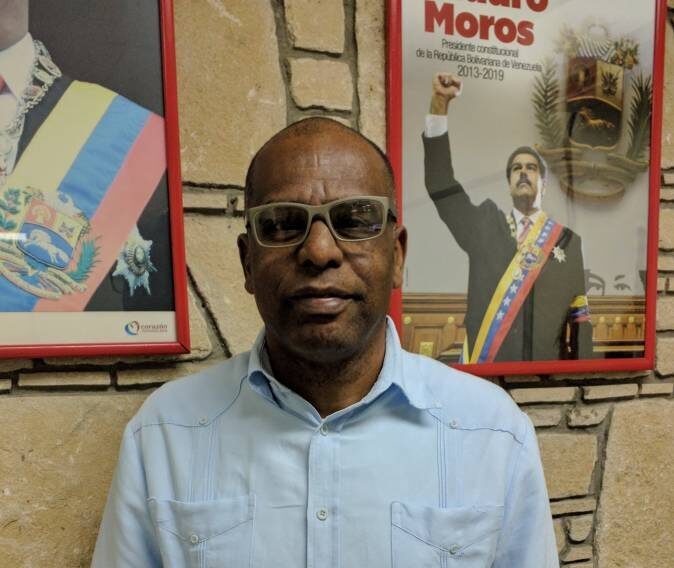
    Venezuela’s diplomatic representative to Grenada, Ambassador Jorge Guerrero Veloz, has issued a stark warning to Caribbean nations regarding the alleged military capture of President Nicolás Maduro and his wife by United States forces on January 3. The ambassador characterized this operation as both an assault on Venezuelan sovereignty and a direct challenge to regional stability throughout Latin America and the Caribbean.

    In an exclusive interview with NOW Grenada, Guerrero Veloz articulated grave concerns about Washington’s apparent resurgence of Monroe Doctrine principles through military intervention. He emphasized that the incident represents a fundamental violation of international legal frameworks, including the UN Charter, which guarantees sovereign equality and prohibits the use of force against territorial integrity.

    The diplomatic official revealed that the Community of Latin American and Caribbean States (CELAC), under Colombia’s pro tempore presidency, recently convened to address the situation. Member states reportedly expressed unanimous concern and rejection of unilateral military actions undertaken by the U.S. government on Venezuelan territory.

    Ambassador Guerrero Veloz detailed multiple legal violations allegedly committed during the operation, including breaches of international humanitarian law through indiscriminate attacks affecting civilian populations and infrastructure. He referenced UN General Assembly Resolution 3314, which defines bombardment or occupation of another state’s territory as acts of aggression.

    Tragically, international news agencies including Al Jazeera have reported 32 Cuban casualties resulting from the military operation, with both Venezuelan and Cuban governments acknowledging deaths among civilians and military personnel. The ambassador condemned these actions as criminal acts of state terrorism.

    Despite the escalating crisis, Venezuela maintains its commitment to peaceful trade relations with Caribbean partners. However, Guerrero Veloz acknowledged that broader economic consequences might emerge due to extensive unilateral coercive measures currently imposed on Venezuela, including sanctions, asset freezes, and the seizure of oil tankers.

    The ambassador concluded with a determined statement: Venezuela will continue diplomatic battles for the liberation and return of President Maduro and his wife, framing the incident as a pivotal moment for regional sovereignty that will resonate across Latin America and the Caribbean.

    Meanwhile, judicial proceedings continue against Maduro, with a court hearing scheduled for March 17. In his absence, former Vice President Delcy Rodríguez has been officially sworn in to lead the South American nation.

  • LVV: Geen algemeen exportverbod: Suriname mag vis blijven exporteren naar de VS

    LVV: Geen algemeen exportverbod: Suriname mag vis blijven exporteren naar de VS

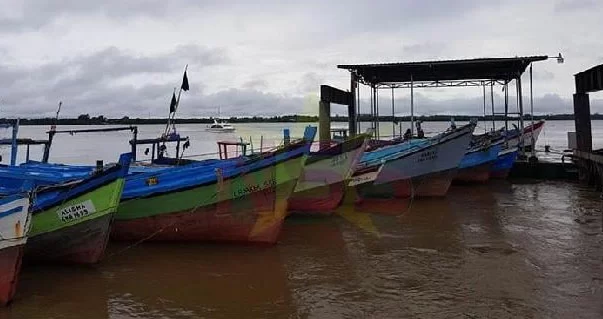
    Suriname’s seafood export industry continues its trade relationship with the United States despite temporary restrictions affecting specific fishing operations that fail to meet American marine protection standards. The Ministry of Agriculture, Animal Husbandry and Fisheries (LVV) has clarified that no comprehensive export ban exists, contrary to potential misconceptions.

    The United States enforces stringent regulations under the Marine Mammal Protection Act (MMPA), requiring exporting nations to demonstrate equivalent protective measures for marine mammals. This compliance verification process, known as ‘comparability finding,’ has been successfully obtained for most Surinamese fisheries.

    However, two specific categories face export limitations: Suriname’s coastal driftnet fishery (SK-driftnet fishery) and red snapper catches by Venezuelan vessels in Surinamese waters. American authorities identified non-compliant net lengths and insufficient mitigation measures in the SK-driftnet operations, particularly regarding bycatch prevention for marine mammals including dolphins.

    Venezuelan-flagged vessels present a separate jurisdictional challenge. As flag state, Venezuela bears responsibility for submitting comparability documentation to US authorities, but has neither applied for certification nor shared relevant information to date.

    Surinamese authorities have implemented comprehensive corrective measures including mandatory acoustic deterrent devices (pingers), adjusted net specifications meeting US standards, and enhanced electronic monitoring systems. While these measures increase operational costs, LVV is exploring financial support mechanisms through funding programs and collaborative partnerships.

    All updated compliance documentation has been submitted for American reassessment, aiming to secure full certification for the SK-driftnet fishery. Meanwhile, LVV’s Fisheries Directorate must issue Certificates of Admissibility for each US-bound shipment, verifying exclusion from prohibited categories. This additional administrative requirement will be eliminated upon successful comparability certification, streamlining future export procedures.

  • LETTER: From Support to Disappointment: Action Over Talk

    LETTER: From Support to Disappointment: Action Over Talk

    A once-ardent supporter of representative Kelvin ‘Shugy’ Simon has publicly expressed profound disappointment, marking a significant shift from initial optimism to current frustration within the constituency. The critique centers on what the constituent describes as excessive rhetoric without commensurate action, creating a growing divide between political promises and tangible results.

    The anonymous author, who identifies as a strong United Progressive Party (UPP) supporter, contrasts Simon’s approach with that of political counterpart Dwayne George, whose consistent community engagement provides a stark comparison. George demonstrates his commitment through practical initiatives including bi-weekly food distribution programs every other Thursday and maintaining regular weekly availability for direct constituent meetings at his branch office.

    This detailed account highlights the growing constituent demand for leadership characterized by physical presence and active service rather than eloquent speeches. The writer observes George frequently engaged in direct fieldwork, interacting with community members during critical hours, which reinforces the perception of accessible, action-oriented representation.

    The political commentary emerges as a microcosm of broader democratic expectations, where electoral support becomes contingent on demonstrable effort rather than partisan loyalty. The constituent concludes with a poignant warning about diminishing patience among the electorate, suggesting that George’s consistent community presence could potentially sway voting decisions despite traditional party affiliations.

    The testimony serves as both a personal appeal to Simon and a broader statement on the evolving nature of political accountability, where visible action increasingly outweighs ideological alignment in determining electoral success.

  • Maduro challenges US authority in first court appearance, insists he remains Venezuela’s president

    Maduro challenges US authority in first court appearance, insists he remains Venezuela’s president

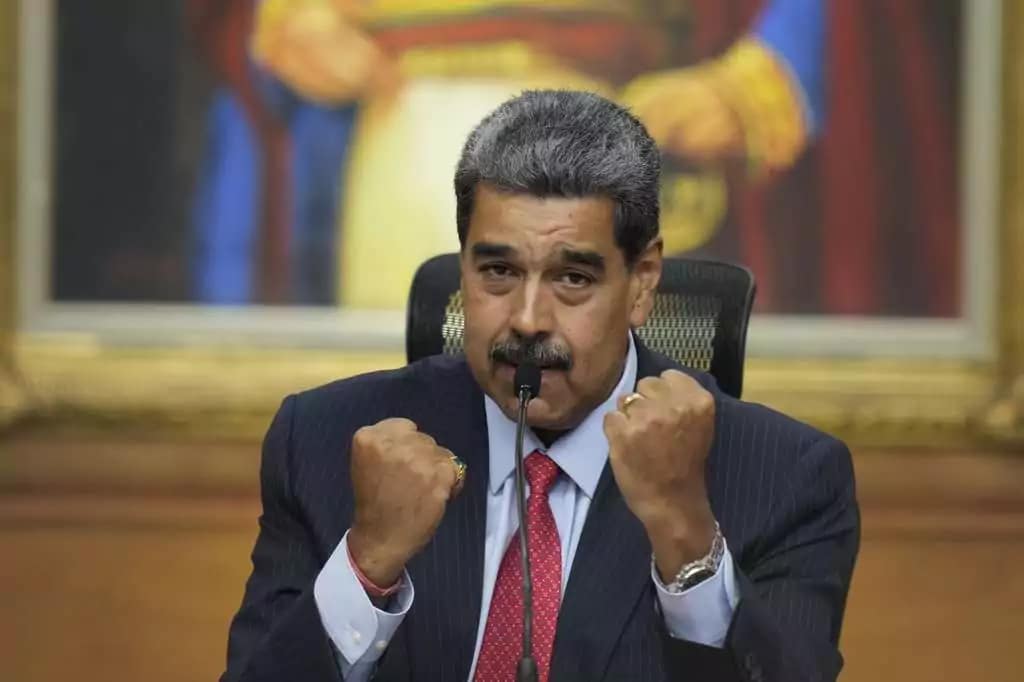
    In a dramatic first appearance before the U.S. judicial system, Venezuelan President Nicolás Maduro mounted a direct challenge to American legal authority, asserting his status as the nation’s legitimate head of state despite facing serious criminal charges. The proceeding took place in a Manhattan federal courtroom presided over by U.S. District Judge Alvin Hellerstein.

    Maduro, speaking through a court-appointed interpreter, entered a formal plea of not guilty to multiple indictments including narco-terrorism conspiracy, cocaine trafficking, and weapons-related offenses. He characterized his presence in the courtroom as the result of an unlawful military seizure from his homeland, vehemently maintaining his innocence throughout the hearing.

    The Venezuelan leader appeared alongside his wife, Cilia Flores, who similarly pleaded not guilty while identifying herself as Venezuela’s First Lady. Both defendants remain in custody at the Metropolitan Detention Center pending further proceedings.

    Defense attorney Barry Pollack signaled forthcoming legal challenges, arguing that Maduro’s transfer to U.S. custody constituted an illegal military abduction. The defense team intends to contest both U.S. jurisdiction and claims of head-of-state immunity, with Maduro describing himself as a ‘prisoner of war’ during the hearing.

    Judge Hellerstein acknowledged that questions regarding the legality of Maduro’s detention could be addressed in subsequent proceedings while outlining the defendant’s constitutional rights. Maduro responded that he was learning about these rights for the first time in the courtroom.

    The judicial confrontation unfolds against the backdrop of the Trump administration’s increasingly hardline stance toward Venezuela, with the U.S. president asserting American control over the situation and warning of consequences for non-cooperation. The administration’s simultaneous focus on Venezuela’s substantial oil reserves has drawn criticism from regional leaders and analysts, who suggest strategic and economic considerations are inextricably linked to the legal prosecution.

  • Health authorities launches roadmap to improve blood pressure control and save lives

    Health authorities launches roadmap to improve blood pressure control and save lives

    The Pan American Health Organization (PAHO) has unveiled a groundbreaking practical guide designed to revolutionize hypertension and cardiovascular disease management across the Americas. Published in The Lancet Regional Health – Americas, the HEARTS Quality Framework provides immediate, actionable strategies for primary healthcare systems to significantly reduce heart attacks and strokes within communities.

    Cardiovascular diseases remain the region’s most devastating health crisis, claiming over 2.2 million lives annually—many during individuals’ most productive years. Hypertension, affecting nearly 40% of adults, stands as the primary risk factor. Despite available affordable treatments, only one-third of hypertension patients achieve controlled blood pressure levels.

    PAHO Director Dr. Jarbas Barbosa emphasized the framework’s practical nature: “Hypertension remains the world’s deadliest health threat, but also one of the most manageable. This is not just another policy document—it’s the playbook already saving lives in thousands of community health clinics.”

    The framework addresses critical systemic barriers including inaccurate blood pressure measurements from outdated equipment, medication shortages, suboptimal treatments, and inefficient monthly prescription renewal requirements. It translates successful real-world experiences from 33 participating countries into a standardized, adaptable model.

    HEARTS in the Americas represents the world’s most extensive adaptation of WHO’s global initiative, currently operating in nearly 10,000 primary care facilities and managing over six million patients through standardized protocols. Regions implementing the program fully demonstrate remarkable success, achieving 60% blood pressure control rates—nearly double the regional average.

    The structured model mandates several evidence-based strategies: implementation of reliable automated blood pressure monitors, guaranteed supply of quality affordable medicines through pooled procurement, multi-month prescriptions, and authorization for trained nurses to adjust medication doses. The system incorporates monthly monitoring tools enabling healthcare providers to track outcomes and optimize care.

    These coordinated efforts support an ambitious “80-80-80 target”: 80% hypertension diagnosis rate, 80% treatment rate among diagnosed patients, and 80% control rate among those treated. Dr. Pedro Orduñez, corresponding author and PAHO Senior Advisor for Cardiovascular Disease, projects this could “prevent more than 400,000 deaths and 2.4 million hospitalizations by 2030.”

    Demonstrable successes already emerge across the region. Matanzas, Cuba witnessed control rates surge from 36% to 58% within one year, while Chile achieved increases from 37% to 65%. Economic analyses reveal the program pays for itself in under two years by preventing costly cardiac events. Colombia, Mexico, Trinidad and Tobago similarly report substantially improved control rates after adopting HEARTS standards.

    The Dominican Republic has established HEARTS as a government priority providing free treatment to millions. El Salvador expanded the program across its primary healthcare network, achieving nearly 70% control rates. Mexico has initiated nationwide implementation.

    Dr. Anselm Hennis, Director of PAHO’s Department of Noncommunicable Diseases and Mental Health, urged comprehensive adoption: “By committing to this model, we can deliver better care for noncommunicable diseases, save millions of lives, and strengthen primary health care across the Americas.” Dr. Esteban Londoño, lead author and PAHO international consultant, confirmed these results demonstrate “hypertension control and cardiovascular risk management at scale are possible” through standardized clinical pathways, reliable medicines, and team-based care.

  • COMMENTARY: Is Accepting Refugees in the National Interest?

    COMMENTARY: Is Accepting Refugees in the National Interest?

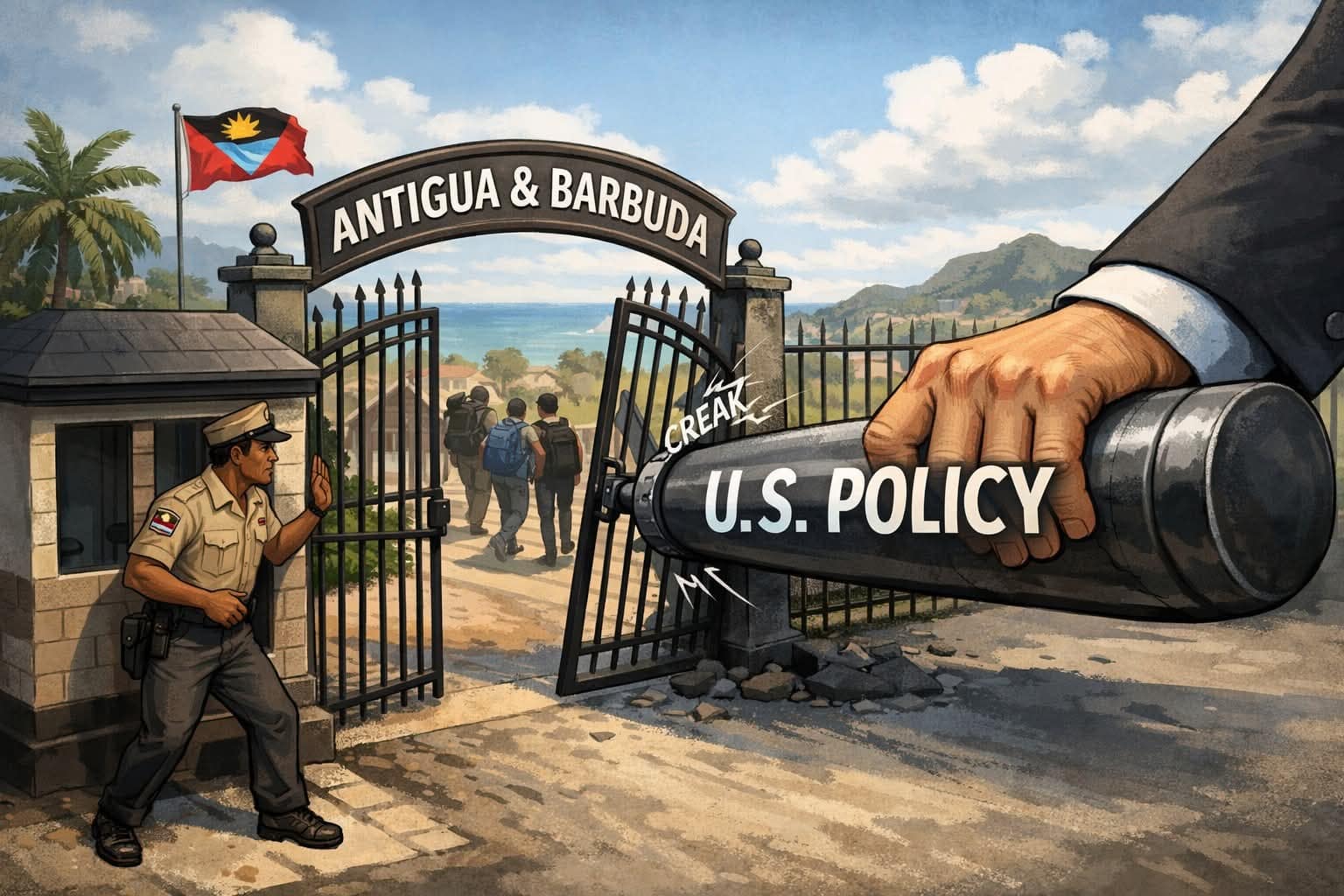
    A profound national debate is unfolding across Antigua and Barbuda regarding the government’s decision to accept deportees from the United States, a move critics are labeling as potentially catastrophic for the nation’s sovereignty and social fabric. Political commentator Yves Ephraim has framed this development as an existential crossroads for the twin-island state, urging citizens to look beyond partisan politics and consider the long-term implications.

    The timing of this agreement, coordinated simultaneously with neighboring Dominica, raises significant geopolitical questions. The arrangement follows closely behind recent diplomatic efforts to reverse U.S. visa restrictions and controversial allegations of Caribbean leaders’ collusion in the capture of Venezuelan President Nicolás Maduro. This synchronization suggests a broader strategic negotiation rather than an isolated humanitarian gesture.

    Ephraim articulates four core objections to the policy: First, he questions whether Antigua and Barbuda risk becoming a ‘dumping ground’ for individuals deemed undesirable by the United States and their countries of origin, potentially earning the derogatory ‘sh*thole country’ label previously used by U.S. officials. Second, he warns against trading national dignity for visa privileges, establishing a dangerous precedent of concession under pressure. Third, he challenges the fairness of a ‘friendly’ nation denying entry to Antiguan citizens while expecting unconditional acceptance of U.S. deportees. Finally, he suggests this agreement could permanently brand the nation as a security concern, justifying continued visa restrictions.

    The commentary draws parallels with global migration challenges, specifically referencing increased knife violence and sexual assaults in the United Kingdom following substantial refugee influxes. Ephraim emphasizes that economic consequences remain unassessed but potentially devastating. He concludes with a powerful invocation of the national anthem’s call to ‘defend her liberty,’ urging citizens to consider what future they envision for their children and whether accepting ‘dubious rejects’ aligns with that vision.

  • Venezuela’s Liberation is a signal: The Dominican Republic must act

    Venezuela’s Liberation is a signal: The Dominican Republic must act

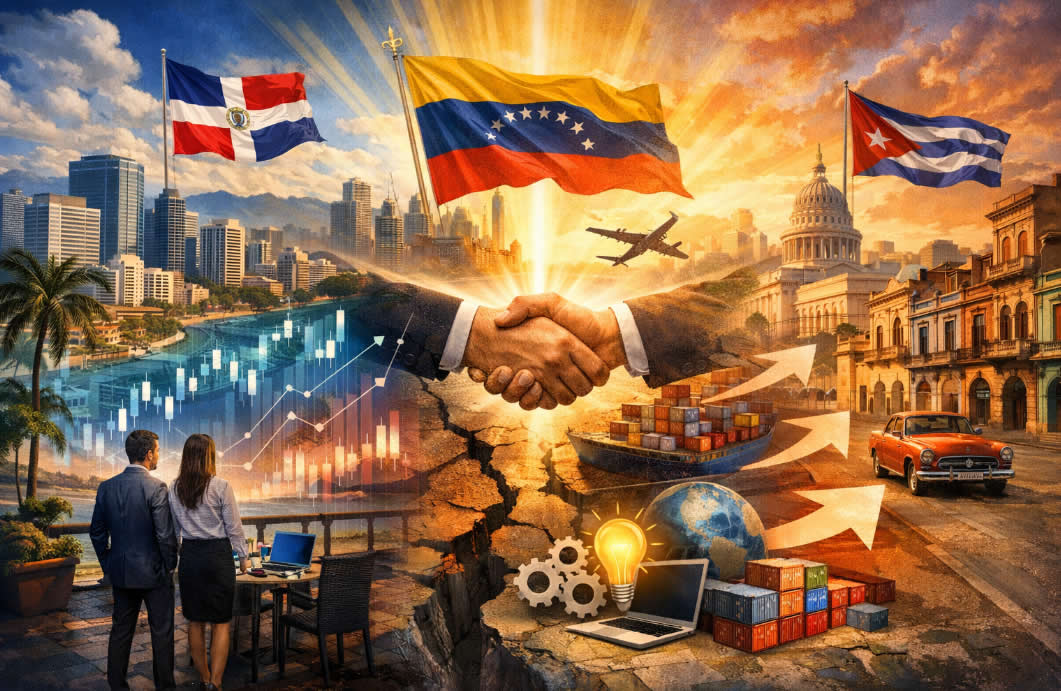
    A strategic recalibration is underway across Latin America, driven not by political declarations but by subtle shifts in economic posture. Venezuela’s gradual reintegration into regional dialogues—alongside potential Cuban transitions—is triggering significant behavioral changes among investors, entrepreneurs, and diaspora communities. This evolving landscape presents both unprecedented opportunities and critical warnings for the Dominican Republic.

    The real prize isn’t merely participating in reopening markets but becoming the operational platform that enables regional expansion. Historical patterns demonstrate that when long-closed economies reopen, they don’t gradually return—they experience explosive growth. The true beneficiaries are rarely the reopening countries themselves, but rather the nations that establish themselves as command centers for incorporation, talent development, capital structuring, and intellectual property registration.

    The Dominican Republic possesses unique advantages for this platform role: a growing digital nomad ecosystem, culturally agile workforce, emerging startup scene, international visibility, and economically influential diaspora networks. However, positioning requires deliberate engineering rather than passive assumption.

    For digital nomads, this represents leverage opportunity—early embeddedness in developing ecosystems grants access to high-value consulting, cross-border ventures, and equity opportunities. For Dominican entrepreneurs, it’s about scaling exportable structural necessities: logistics systems, financial infrastructure, workforce platforms, and compliance technologies rather than consumer apps alone.

    The critical risk involves strategic preparation. Without establishing itself as the designated center for company formation, system design, and operational management, the DR risks being overshadowed when Venezuela and Cuba attract massive international attention, infrastructure investment, and returning diaspora resources.

    Strategic imperatives include transitioning from talent destination to system builder, developing exportable intellectual property in SaaS, fintech, and smart city technologies, and preparing to provide payment systems, workforce pipelines, and compliance structures for reopening markets. This requires architectural design rather than mere hustle—creating frameworks that transform creativity into scalable value.

    This moment represents a rare convergence of stability, visibility, talent mobility, and regional curiosity. The Dominican Republic’s opportunity lies not in its size but in its timing. The fundamental question remains: will the nation design the changes benefiting the region or merely benefit from changes designed elsewhere?