作者: admin

  • FAO strengthens protections to support Grenada’s soursop-valued economy

    FAO strengthens protections to support Grenada’s soursop-valued economy

    Grenada maintains a globally unique position as the sole nation authorized to export fresh non-irradiated soursop to the United States, creating both exceptional economic opportunity and substantial biosecurity responsibility. This privileged market access establishes soursop as a strategic high-value commodity, generating approximately US$2.6 million annually while supporting nearly 2,600 predominantly smallholder farmers whose livelihoods depend on the crop’s continued viability.

    Recognizing the critical importance of protecting this agricultural sector, a tripartite collaboration between the United Nations Food and Agriculture Organization (FAO), Grenada’s Ministry of Agriculture, Lands and Forestry, and the Standards and Trade Development Facility (STDF) has launched a comprehensive initiative to enhance sanitary and phytosanitary (SPS) capabilities throughout the soursop value chain.

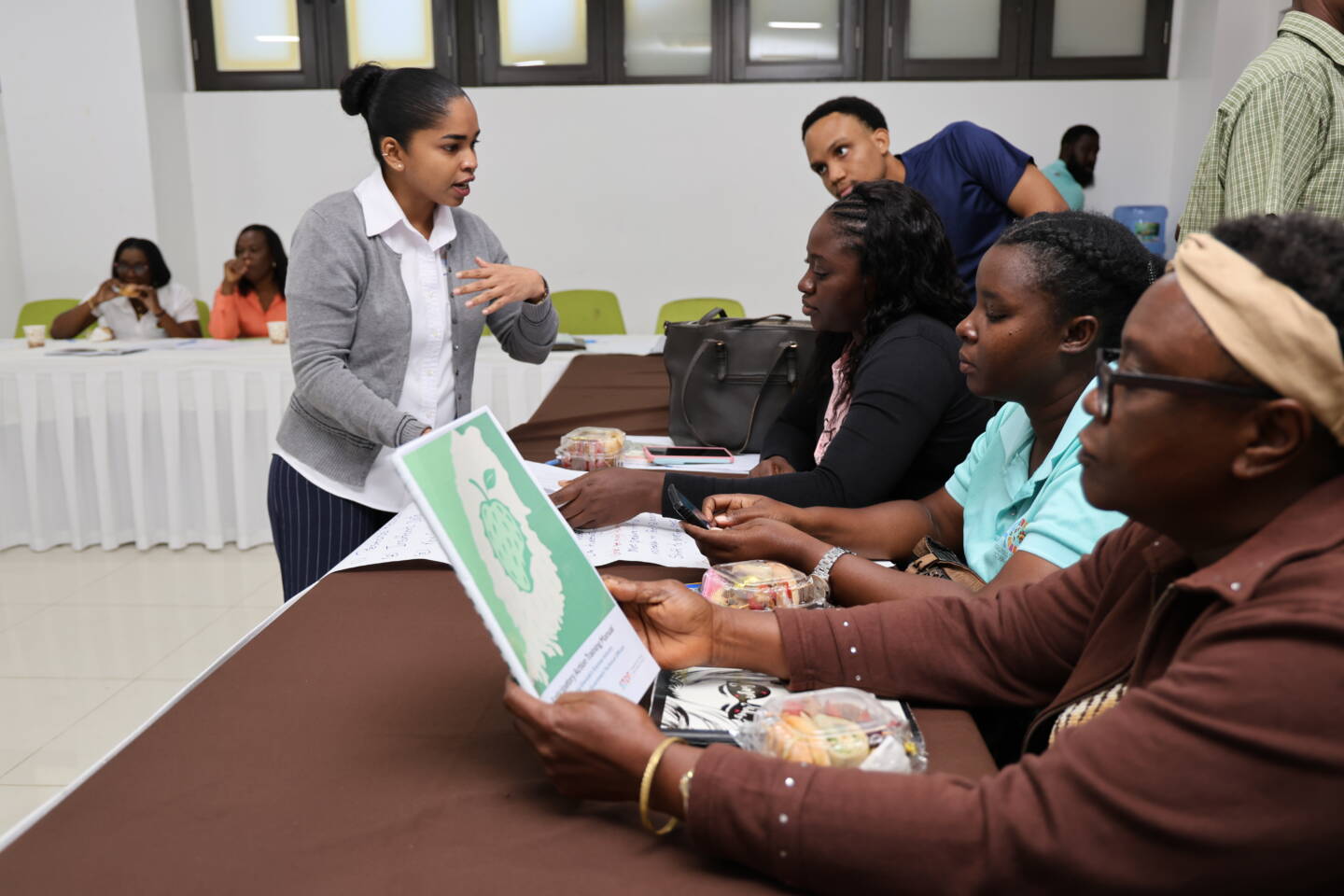
    As a cornerstone of this effort, FAO jointly convened a three-day intensive workshop titled ‘Risks and Anticipatory Frameworks for the Soursop Industry’ from February 9-11, 2026, at Grenada’s National Stadium. The capacity-building event brought together 31 participants (18 female, 13 male) from multiple agricultural agencies including the Ministry’s technical units for extension services, pest management, and forestry, alongside representatives from the Caribbean Agricultural Research and Development Institute (CARDI) and the Caribbean Agricultural Health and Food Safety Agency (CAHFSA).

    The curriculum focused on developing advanced competencies in plant health risk anticipation through improved surveillance methodologies, early warning systems for pest detection, sample reporting protocols, scenario planning, and coordinated response mechanisms. This cross-sectoral approach enabled meaningful dialogue on strengthening protective measures for Grenada’s vulnerable soursop industry.

    Complementary project components include developing a holistic surveillance program with emergency response protocols, enhancing institutional capacities for pest detection and certification, piloting traceability systems for export compliance, and building farmer capabilities in Good Agricultural Practices (GAP) and Integrated Pest Management (IPM).

    FAO Production and Plant Protection Specialist Anne Desrochers emphasized the strategic importance of these efforts: ‘Grenada’s exclusive access to the United States market for fresh soursop presents a significant and timely opportunity to strengthen the livelihoods of farmers and uplift rural communities.’ Participant feedback confirmed the training’s value, particularly appreciating the balance between theoretical foundations and practical exercises that facilitated collaborative learning.

    The workshop concluded with participants identifying key implementation actions, potential barriers, and collaboration mechanisms to strengthen anticipatory responses within the soursop value chain, ensuring the continued viability of Grenada’s unique agricultural export.


  • Beazer Says Focus Will Be on Development and Expanding Opportunities for Barbudans

    Beazer Says Focus Will Be on Development and Expanding Opportunities for Barbudans

    Kendra Beazer, a former member of the Barbuda Council, has announced his parliamentary candidacy for the Antigua and Barbuda Labour Party (ABLP), pledging to center his political campaign on securing direct developmental benefits for Barbudans. Beazer emphasized that his alignment with the ABLP stems from the party’s demonstrated capacity to effectively address resident needs and implement substantive change. In an interview with ABS, Beazer articulated that his decision was fundamentally guided by his commitment to his constituents and the party’s capability to provide necessary resources. His campaign platform will prioritize comprehensive development, encompassing both physical infrastructure and social advancement. Key focus areas include enhancing healthcare services, modernizing educational facilities, implementing efficient waste management systems, and addressing critical social needs. Beazer envisions a parallel development trajectory where infrastructural progress coincides with human capacity building, ensuring that residents are equipped to thrive amid the island’s transformation.

  • Cybersecurity Officials Meet in Antigua and Barbuda

    Cybersecurity Officials Meet in Antigua and Barbuda

    In a significant regional mobilization against digital vulnerabilities, cybersecurity leaders from across the Eastern Caribbean convened in Antigua and Barbuda for a comprehensive two-day workshop. The gathering, themed “Cyber Governance Collaboration in the Eastern Caribbean,” represents a strategic initiative to bolster collective defense mechanisms against sophisticated cyber threats.

    Jointly organized by the Government of Antigua and Barbuda and the Organization of American States (OAS), with substantial backing from the United Kingdom, the event assembled a multidisciplinary cohort of policymakers, technical specialists, legal authorities, diplomatic representatives, and cybersecurity practitioners.

    The primary focus centered on enhancing coordination protocols, communication frameworks, and preparedness strategies at both national and regional tiers. Special consideration was given to the unique challenges confronting Small Island Developing States (SIDS), which increasingly find themselves targeted by complex cyber operations despite limited resources.

    Gordina Hector-Murrell, Director of Cyber Security within Antigua and Barbuda’s Ministry of ICTs, Utilities and Energy, set a tone of urgency during her opening address. “The cybersecurity landscape has fundamentally shifted from theoretical risk to imminent reality,” she emphasized. “Our national resilience will be measured not by prevention alone, but by our collective capacity to detect, respond, and recover from incidents through unified action.”

    Echoing this sentiment, Geraldine White, Administrative Technician at the OAS General Secretariat stationed in Antigua and Barbuda, stressed the multidimensional nature of effective cyber defense. “True cybersecurity transcends technical prevention,” White noted. “It demands clearly articulated communication channels, well-defined operational roles, and proactive contingency planning across jurisdictional boundaries.”

    This workshop constitutes a critical component of broader regional endeavors to fortify digital infrastructure through knowledge exchange, capability building, and institutional cooperation. The collaborative framework established during these discussions is expected to yield tangible improvements in regional cyber resilience against evolving digital threats.

  • Semi-final lineup set for West Coast Cooperative Credit Union Island-Wide Domino League

    Semi-final lineup set for West Coast Cooperative Credit Union Island-Wide Domino League

    The West Coast Cooperative Credit Union Island Wide Domino League has reached its critical stage as four formidable teams secured their places in the semi-finals after an electrifying weekend of quarter-final matches. The competition showcased both overwhelming dominance and nail-biting finishes across multiple venues.

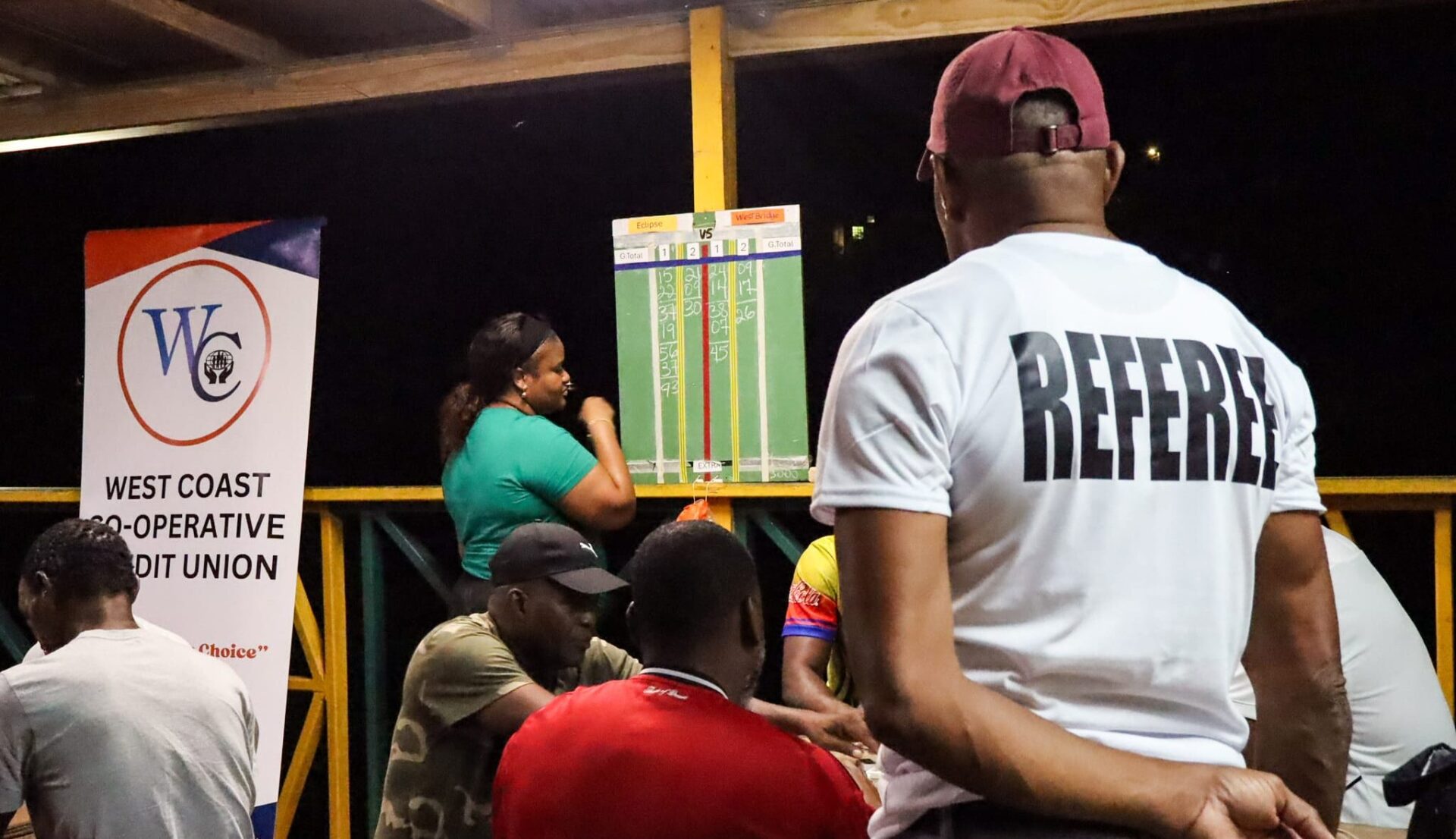
    In Paix Bouche, Brigidy Stars demonstrated exceptional strategic prowess with a commanding 877-point victory over No Name. The final tally stood at 3,038 to 2,161, marking one of the most decisive wins of the tournament. Simultaneously, Eclipse from Pottersville delivered another powerful performance, overwhelming West Bridge by 840 points with a final score of 3,024 against 2,184.

    The Grandfond encounter provided dramatic spectacle as Rosema White City triumphed before an enthusiastic local audience. Their 393-point victory over Warriors concluded with scores of 3,030 to 2,637, showcasing precision play under pressure. The most closely contested match unfolded at Tarish Pit, where One Love edged out Nun Players by a slender 271-point margin, finishing at 3,008 to 2,737 in a tense battle that kept spectators on edge until the final domino fell.

    The semi-final pairings are now set for a showdown at Glenda Bar in Layou this weekend. Brigidy Stars will face Rosema White City in one bracket, while Eclipse competes against One Love in the other. All matches are scheduled to commence at 2:00 PM, promising high-stakes domino action that will determine which teams advance to the championship final.

  • Fisher exchange with Grenada prepares Turks and Caicos Islands

    Fisher exchange with Grenada prepares Turks and Caicos Islands

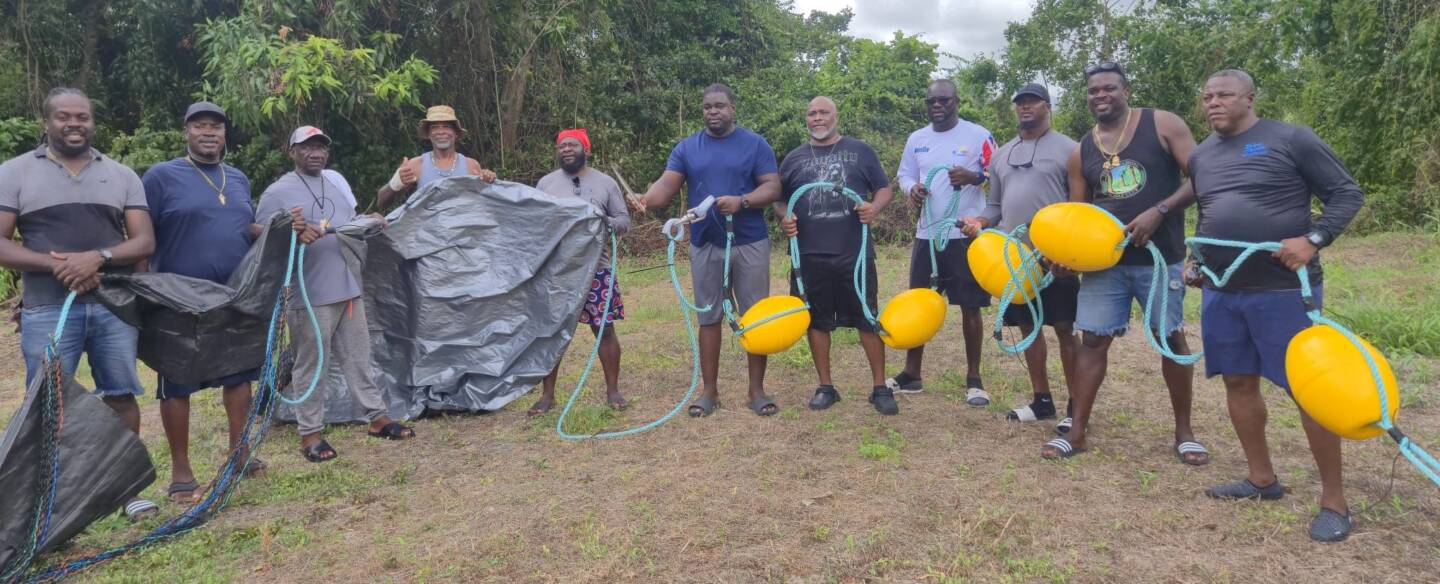
    In a landmark demonstration of South-South cooperation, fisheries experts from the Turks and Caicos Islands have completed an intensive knowledge transfer program in Grenada focused on advanced Fish Aggregating Device (FAD) technology. The four-day exchange (March 16-19) enabled six TCI fishers and two fisheries officers to acquire hands-on experience in constructing and deploying these innovative marine systems that significantly enhance open-water fishing efficiency.

    This capacity-building initiative represents a strategic advancement in regional fisheries collaboration under the Caribbean Regional Fisheries Mechanism (CRFM). Grenada’s sophisticated FAD infrastructure has been modernized through the World Bank-funded ‘Unleashing the Blue Economy of the Caribbean’ (UBEC) project, building upon earlier technological foundations established through Japanese-funded CARIFICO initiatives between 2012-2017.

    The exchange provided TCI delegates with unprecedented access to Grenada’s operational FAD systems, where they observed the harvesting of substantial pelagic species including yellowfin tuna exceeding 100 pounds. Participants gained practical technical expertise in FAD construction methods that will directly inform TCI’s upcoming pilot program scheduled for implementation in coming months.

    Grenada’s Minister of Blue Economy and Marine Affairs, Hon. Lennox Andrews, characterized the exchange as “one very good example where, as a people, we can come together and work together to share our knowledge, share experiences, and create the competence and the human resources that we all need to develop our region.”

    TCI fishers reported transformative experiences during the knowledge transfer. Veteran fisherman David Clare exclaimed, “It’s the greatest fishing [technology] I’ve ever seen in my life, and it works perfectly!” while Kevin Harvey noted the dramatic efficiency improvements compared to traditional trolling methods.

    The TCI Department of Fisheries and Marine Resources Management Director Alwyn Ponteen emphasized the program’s alignment with UN Sustainable Development Goals regarding zero hunger, decent work, economic growth, and marine conservation. “This programme represents a strategic and sustainable investment in the youths, men, and women who form the backbone of our fisheries sector,” Ponteen stated.

    Both nations have committed to ongoing collaboration, with Grenada’s Chief Fisheries Officer Nigel Gibbs anticipating “a lasting Caribbean relationship that will grow stronger in the future.” The TCI government confirms its resolution to develop sustainable FAD fisheries as part of its broader Sustainable Livelihoods Strategy, including comprehensive stakeholder consultations, management planning, and legislative reforms.

  • Boeren in het binnenland houden vol ondanks vele uitdagingen

    Boeren in het binnenland houden vol ondanks vele uitdagingen

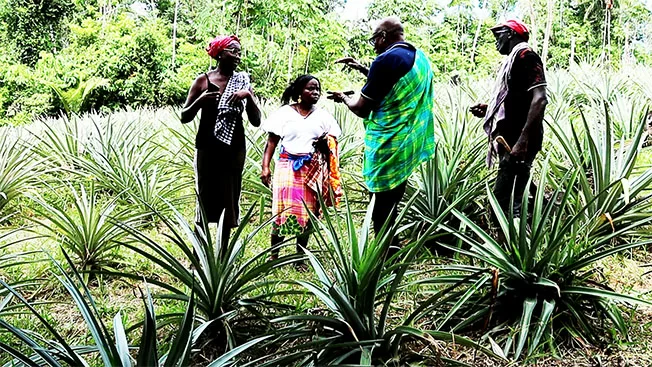
    In the heart of Suriname’s Brokopondo district, what appears to be barren ground covered with bauxite, pebbles, and dry sand belies an agricultural transformation underway just meters away. Here, amidst seemingly infertile conditions, farmers Elvia Asodanoe and Duku have cultivated remarkable plantations featuring diverse crops including pineapple, okra, Chinese tayer, and bitter gourd.

    During a field visit this past Saturday, Agriculture Minister Mike Noersalim praised the perseverance of these farmers, stating: “It’s commendable that farmers persist despite all challenges.” Accompanied by Edmund Duiker, chairman of the NOFA Fund, the minister assessed the obstacles confronting local agricultural producers in the interior regions.

    Asodanoe, one of the visiting female farmers, expressed ambitions to not only expand her pineapple cultivation but also introduce new crops like soursop and markoosa. She remains confident about receiving necessary support for these ventures. Similarly, her partner Duku seeks to expand fruit production while modernizing his traditional farming methods.

    Minister Noersalim clarified that the Ministry of Agriculture, Livestock and Fisheries (LVV) actively encourages interior farmers to scale production and enhance market access. The NOFA Fund plays a pivotal role in this initiative by providing affordable loans to horticulture and agricultural entrepreneurs. Beyond financial assistance, the fund offers guidance on cooperative collaboration, production consolidation, and market distribution—enabling farmers to market products more efficiently and access both local and international markets.

    A significant challenge identified particularly for women farmers in interior regions remains the lack of land titles, which complicates financing applications for expansion. Duiker emphasized that the NOFA Fund specifically targets those engaged in agriculture, livestock, or fisheries, offering substantially lower interest rates than commercial banks. He described the fund as a crucial accelerator for agricultural development, supporting investments in machinery, irrigation, and knowledge transfer to ensure sustainable and commercially viable production.

    Noersalim stressed the ministry’s role in giving agricultural entrepreneurs “a push forward” to achieve accelerated development. “Not only planting is important,” he noted, “but we will also stimulate product marketing and processing support in the coming period.”

    The ministry announced forthcoming visits to Pokigron to consult with village farmers planning expansion and commercial operations. Both LVV and NOFA urge all agricultural entrepreneurs throughout Suriname to leverage the opportunities provided by the fund.

  • Healthcare revolution: New lab services and facility upgrades

    Healthcare revolution: New lab services and facility upgrades

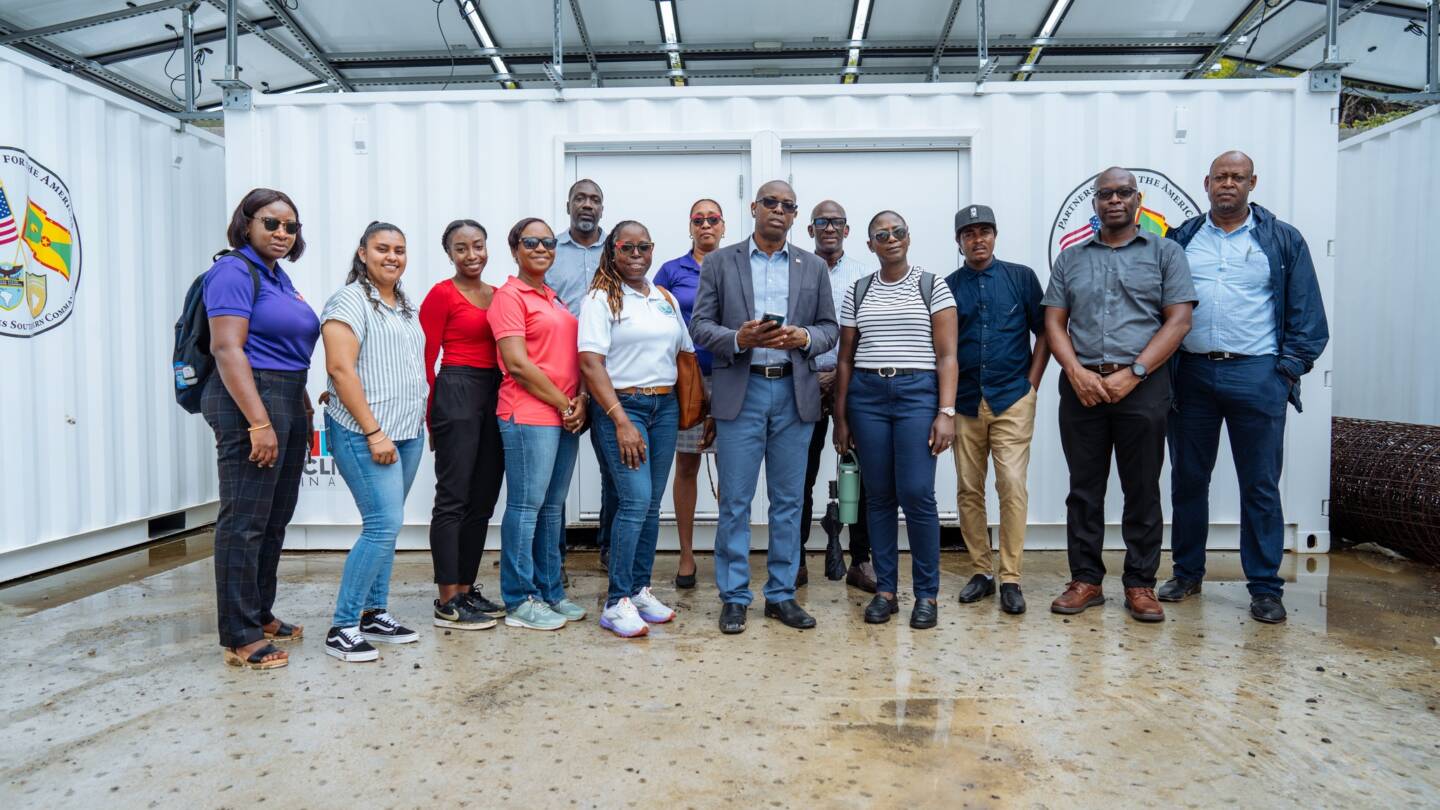
    The Caribbean sister islands of Carriacou and Petite Martinique are poised to enter a transformative phase in medical service delivery following significant infrastructure advancements announced by Health Minister Phillip Telesford. Accompanied by Chief Medical Officer Dr. Shawn Charles and a high-level delegation, Minister Telesford confirmed the Petite Martinique Health Centre is approaching its final construction phase, with contractors projecting June completion for the modernized, resilient facility.

    The ministerial assessment tour revealed substantial progress across multiple healthcare projects throughout the islands. The Mt Pleasant Medical Station, identified as the final major component in Carriacou’s healthcare network, is nearing operational readiness. A particularly notable development emerged in Bellevue South, where a containerized clinic donated by the US Southern Command will soon introduce laboratory services—a strategic enhancement expected to elevate healthcare accessibility and quality.

    Dr. Charles highlighted the clinical significance of these upgrades, emphasizing that community-based diagnostic capabilities will dramatically reduce wait times while enabling more precise and rapid treatment interventions. Minister Telesford reiterated the government’s unwavering commitment to establishing a first-class health system, ensuring all residents of the sister islands receive the high-quality medical care they deserve through these substantial infrastructure investments.

  • Dominica State College assists student following Roseau fire loss

    Dominica State College assists student following Roseau fire loss

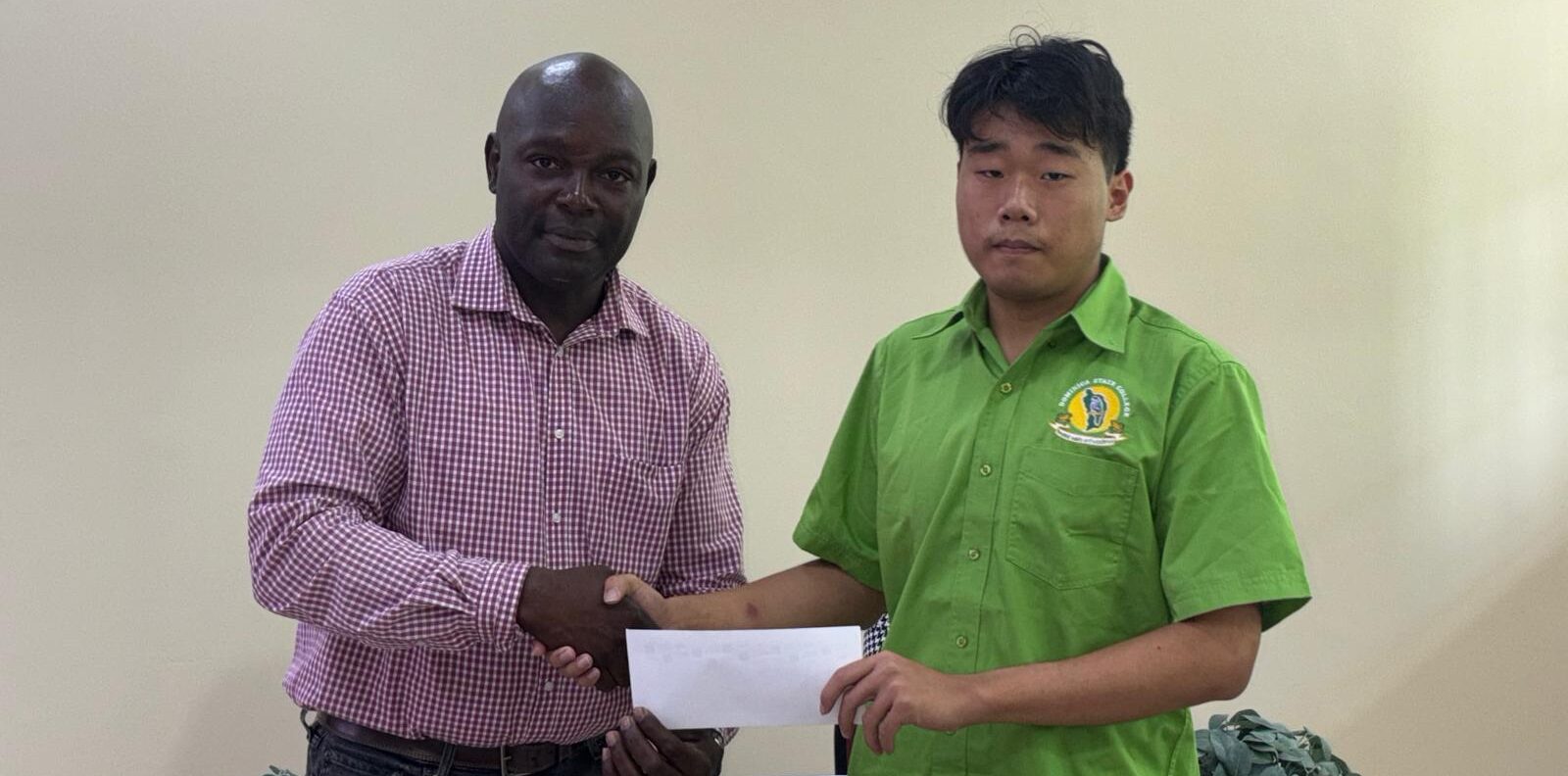
    In a powerful demonstration of institutional solidarity, Dominica State College (DSC) has provided crucial financial assistance to JaiQi Gu, an architecture student whose life was upended by a catastrophic fire in Roseau on March 1st. The support was extended through a formal donation handover ceremony, funded by a dedicated college-led fundraising initiative designed to aid Mr. Gu in recovering from his significant losses.

    The event, which served as a testament to the campus community’s empathy, saw strong attendance from fellow architecture students and the college’s Student Ambassadors. Their presence underscored a unified front of moral support for their peer. Further amplifying the collective nature of the response, representatives from multiple organizations attended the proceedings. Key among them were officials from the Faculty of Applied Arts and Technology (FAAT), the Student Affairs Department, and the non-profit I Love You Foundation.

    A concluding statement from the college framed the donation not as an isolated act of charity, but as a reflection of DSC’s foundational ethos. It emphasized the institution’s deep-seated commitment to nurturing the holistic well-being of its student body, affirming that its support extends far beyond academic instruction to provide a vital safety net during periods of acute personal crisis and unforeseen hardship.

  • King urges new approach to sport, culture as growth key

    King urges new approach to sport, culture as growth key

    In a compelling address during Monday’s parliamentary debate on the Appropriations Bill, Senator John King issued an urgent call for Barbados to fundamentally reposition its sports and cultural sectors from peripheral activities to central drivers of national development. The former culture minister articulated a visionary blueprint suggesting these creative industries could emerge as the nation’s next major economic engines if strategically harnessed.

    Senator King highlighted the paradoxical reality that while Barbados has consistently produced world-class talent across sporting and cultural domains, the nation has historically failed to capitalize on the substantial business potential inherent in these sectors. He pointed to the recently concluded 2024 ICC T20 World Cup, successfully hosted in Barbados, as demonstrating the transformative economic impact possible through major event staging. However, King challenged the government to pursue more ambitious initiatives by developing and owning homegrown tournaments and events.

    “Imagine the possibilities if Barbados were creating tournaments ourselves—events where we maintain intellectual property rights and control broadcasting privileges,” Senator King proposed. “The revenue potential from owning these events represents an economic frontier we must seriously explore.”

    The government senator elaborated on the extensive economic multiplier effects generated by sports investments, noting benefits extending far beyond athletes to create employment opportunities in sports nutrition, psychological support services, media production, and local service sectors including transportation and vending operations.

    Drawing from his previous experience as supervisor at the Government Industrial Schools, King emphasized the profound social value of sports as instruments for crime reduction and community cohesion. He shared poignant observations of how paternal attendance at youth cricket or football matches could effectively mend fractured family dynamics among at-risk adolescents.

    “Witnessing a father appear to support his son’s football match or boxing performance—and the subsequent positive transformation in their relationship—demonstrates how sports investment transcends financial calculations,” King reflected. “The social returns significantly outweigh mere dollar valuations.”

    Addressing cultural heritage, Senator King expressed concern that Barbados continues to undervalue its unique assets, ranging from distinctive linguistic patterns to historical monuments. He referenced Jamaica’s successful commercialization of patois and Cuba’s internationally acclaimed ballet and sports programs as exemplars of what strategic cultural valuation can achieve.

    King asserted that Barbadian narratives represent “endless” creative resources that should be leveraged to produce films, documentary features, and merchandise for global audiences. “We possess compelling stories awaiting narration and remarkable sites that we might overlook but would captivate international visitors,” he noted. “Transforming our mindset regarding asset valuation represents the crucial first step.”

    While acknowledging current budgetary allocations for facility improvements, the senator cautioned that infrastructure alone proves insufficient. He advocated for enhanced mentorship frameworks and systemic educational reforms to better nurture children demonstrating aptitude in dance or sports rather than conventional academic pursuits.

    Referencing the global achievements of Barbadian icons like Rihanna and West Indies Women’s cricket captain Hayley Matthews, King postulated that if individuals can excel “with minimal institutional support,” the next generation—buttressed by deliberate government investment—could achieve unprecedented success, ultimately positioning Barbados as a global leader in sports and cultural innovation.

  • Workers Union Files Appeal against Industrial Court’s Job Abandonment Ruling

    Workers Union Files Appeal against Industrial Court’s Job Abandonment Ruling

    In a significant legal development, the Antigua and Barbuda Workers Union (ABWU) has initiated appellate proceedings to contest a controversial Industrial Court decision regarding employment termination. The case, formally documented as Akeele Thomas v Carlisle Bay Resort, centers on the court’s February 2026 determination that a hotel employee had voluntarily abandoned his position rather than experiencing wrongful dismissal.

    The appellate submission contends that the lower court committed substantial legal errors in its interpretation of employment law principles. The union’s legal team asserts the court incorrectly determined that no dismissal occurred despite evidence suggesting otherwise. Central to their argument is the claim that the court established job abandonment without requiring the employer to demonstrate clear evidence of the worker’s intent to permanently leave his position.

    Further legal objections address procedural matters, including the alleged misapplication of burden of proof requirements. The union maintains the court improperly placed the evidentiary burden on the employee rather than the employer, contrary to established labor jurisprudence. Additional concerns highlight the court’s failure to adequately consider the employer’s actions, including the removal of the employee from work schedules and the cessation of communication.

    The appeal further argues the court neglected to examine whether the employer fulfilled reasonable investigative obligations before declaring job abandonment and declined to consider potential constructive dismissal despite relevant evidence presented during proceedings. The ABWU seeks to have the decision nullified and the case reheard before a different judicial panel of the Industrial Court.

    Legal observers note this appeal carries substantial implications for Antiguan labor rights, potentially establishing important precedents regarding employment termination protocols and worker protections in the hospitality sector and beyond.