作者: admin

  • Port of Spain vendors call for more days to ply trade

    Port of Spain vendors call for more days to ply trade

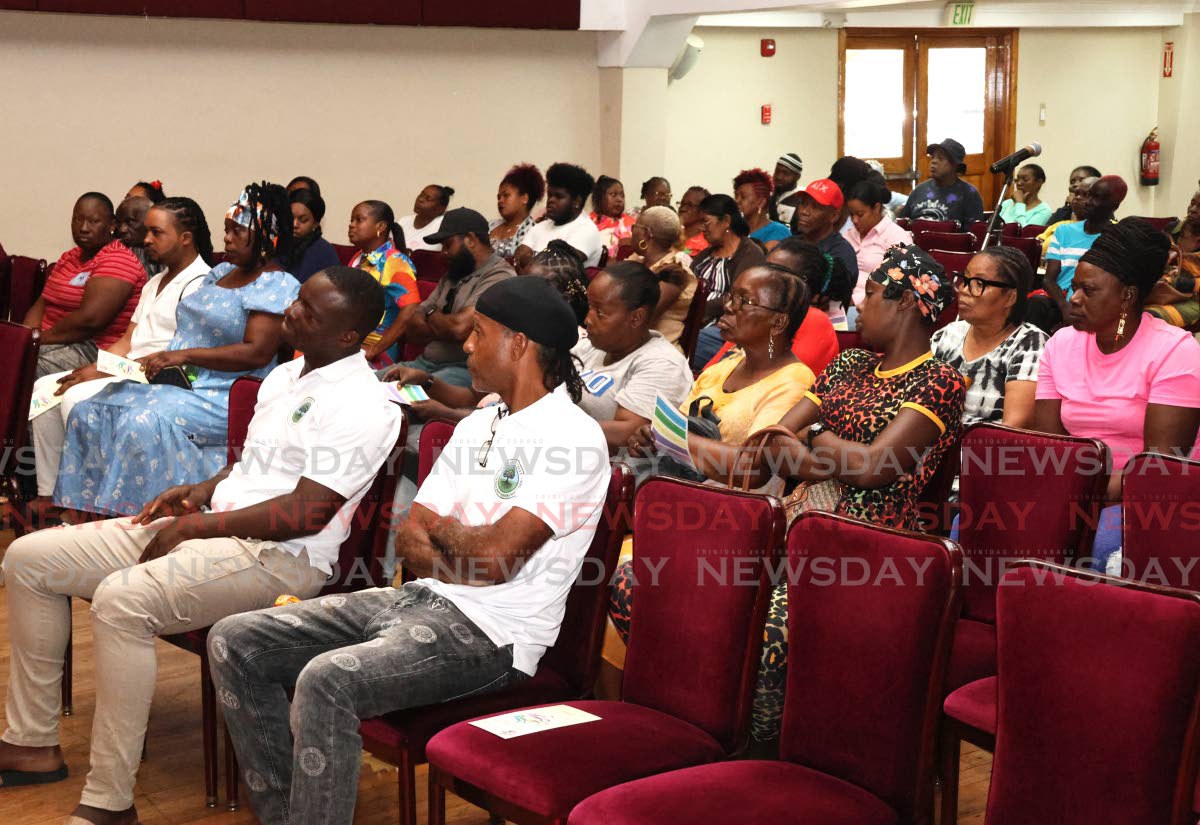
    Street vendors in Port of Spain are mounting opposition against the city’s proposed sanitation initiative while demanding expanded working rights and protection from illegal competitors. The conflict emerged during a tense meeting between vendors and Port of Spain City Corporation officials at City Hall Auditorium on January 6, where representatives from Charlotte Street, Frederick Street, and other commercial areas voiced their concerns.

    The corporation’s $18 million clean city initiative, announced in October 2025, involves acquiring garbage compactors and amending public health regulations. Deputy Mayor Abena Hartley cited warnings from multiple government agencies about severe public health and safety concerns caused by current vending practices, exacerbated by the absence of comprehensive legislation.

    Proposed regulations would require vendors to completely remove all merchandise from streets daily, prohibiting overnight storage in stalls or on pavements. Corporation engineering assistant Sinclair Collis emphasized the cleaning challenges posed by leftover crates and produce, which contribute to drainage clogging, urban flooding, food decomposition odors, and expanding rat infestations in underground systems.

    Vendor representatives called the proposals impractical. Junior Lewis, vice president of the Charlotte Street Vendors Association, argued that moving heavy produce daily would create physical and logistical impossibilities for many operators. Female vendors particularly highlighted the excessive physical demands and additional costs involved.

    Beyond sanitation concerns, vendors challenged the fundamental structure of their operating permissions. Currently limited to Thursday through Saturday sales, vendors described the three-day work week as economically unsustainable. Petra Cayman, a Frederick Street jewelry vendor, called the arrangement “a death sentence” in Trinidad’s high-cost living environment, noting that missed opportunities during cruise ship season further diminish earnings.

    Vendors also identified illegal operators as a significant problem, with unregistered competitors undercutting prices without paying fees or rents. Additional complaints included inadequate street lighting affecting safety during high crime periods, noise pollution from adjacent businesses, and unreliable garbage collection services that exacerbate sanitation issues.

    Deputy Mayor Hartley acknowledged the corporation’s constrained resources, revealing drastic budget cuts from $19 million to approximately $4 million for infrastructure maintenance. This reduction has impacted the vending management team’s capacity to provide support. Vending program manager Deon Samm encouraged stricter adherence to fee payments, rental agreements, and health regulations to maintain operational continuity.

    Further consultations are planned with vendors, the Works and Infrastructure Ministry, and the Fire Service to develop updated vending contracts that balance public health concerns with vendor livelihoods.


  • Farley: PNM spreading fear, falsehoods

    Farley: PNM spreading fear, falsehoods

    In a fiery campaign address delivered on January 6 in Mt St George, Tobago People’s Party (TPP) leader Farley Augustine launched a scathing critique against his political rivals, accusing them of waging an election campaign rooted in fearmongering and deception rather than substantive governance issues.

    With the Tobago House of Assembly (THA) elections scheduled for January 12, Augustine drew stark contrasts between competing campaign philosophies. “They are running a campaign based on fear, we are running a campaign based on hope,” he declared before a gathered audience. “They are running a campaign based on allegations, we are running a campaign based on aspiration. They are running a campaign based on fiction, we are running a campaign on facts.”

    The political leader promised to publicly expose what he characterized as systematic disinformation before the campaign concludes, vowing to present documented evidence of fake social media pages and malicious slander allegedly propagated by opponents.

    Augustine positioned his party as fundamentally different in both substance and style—a institution dedicated to policy ideas, youth education, and vulnerable population support rather than personal attacks. “This party is not about bacchanal and commess, that is for the PNM,” he asserted, using local terms for scandal and chaos. “This party is about Tobago people’s business.”

    Addressing youth voters directly, Augustine acknowledged the challenges facing younger generations but cautioned against short-term thinking. He urged logical assessment of campaign promises rather than emotional reactions to last-minute offerings, questioning why benefits were suddenly available after years of unmet needs under previous administrations.

    The TPP leader concluded with a stark warning to voters: “Don’t throw caution to the wind and don’t be deceived in this election,” framing the upcoming vote as a choice between substance and empty promises.

  • PM: Government to give drivers time to get in gear

    PM: Government to give drivers time to get in gear

    In a decisive address on January 7, Trinidad and Tobago Prime Minister Kamla Persad-Bissessar unveiled a dual-strategy approach to tackle rampant traffic violations, blending stringent enforcement with temporary leniency. While vowing “swift and brutal retribution” against deliberate lawbreakers, she simultaneously announced upcoming parliamentary reforms to introduce grace periods for drivers to rectify vehicle defects.

    The policy shift comes amid public outcry over sharply increased penalties, including doubled fines for expired inspection stickers—now $2,000—and revised late fees for permit renewals. The Ministry of Works and Transport acknowledged an administrative error in fee collection, revealing that drivers were initially undercharged due to a January 5 oversight. Corrected penalties now stand at $650 for permits expired under six months and $1,750 for those expired beyond six months but under three years.

    Persad-Bissessar’s statement, titled “Fix It or Face the Law,” condemned the “blatant dishonesty” of ticketed drivers who claimed surprise about vehicle defects, asserting most knew their violations in advance. She attributed nationwide traffic chaos to “entitlement, indiscipline and misdirected priorities” but also acknowledged systemic issues within enforcement, revealing that a minority of traffic wardens and officers were “abusing the ticketing system and terrorizing law-abiding citizens.”

    The proposed reforms will mandate repair windows before fines are enforced: three days for most defects (e.g., faulty lights, missing mirrors) and seven days for more significant issues like broken windshields, smoky exhausts, or noisy vehicles. The PM emphasized that while these temporary measures provide compliance opportunities, there would be “NO REDUCTION in traffic fines” and strict enforcement would continue until parliamentary approval.

    Concluding with an unequivocal warning, Persad-Bissessar declared the law would apply equally regardless of political affiliation, wealth, or geographic origin, stating: “If you break the traffic laws, ANYBODY GETS IT!!!”

  • JSC probes traffic management in Trinidad and Tobago

    JSC probes traffic management in Trinidad and Tobago

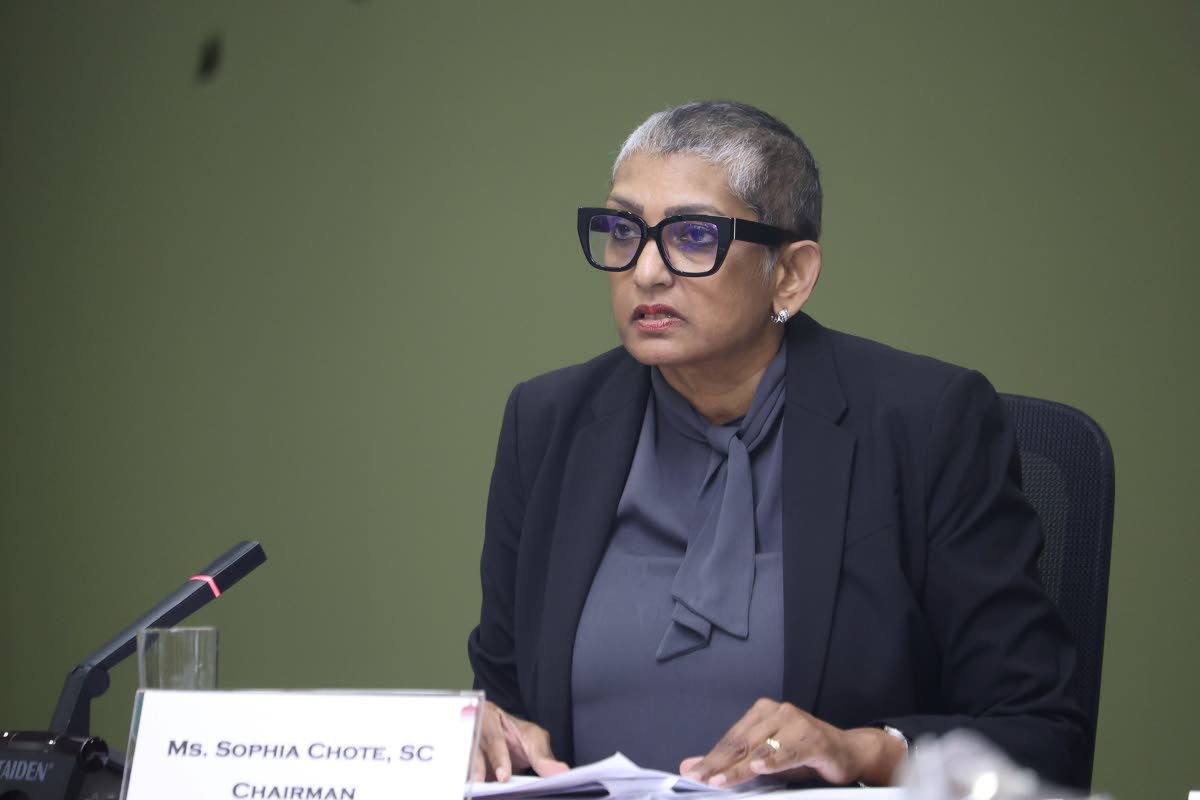
    During a January 7th parliamentary hearing, Trinidad and Tobago’s Joint Select Committee on Land and Physical Infrastructure raised serious concerns about the absence of coordinated national strategies for traffic management. Chaired by Independent Senator Sophia Chote, SC, the committee heard testimony from multiple government agencies regarding persistent traffic congestion issues plaguing the nation.

    Committee members highlighted how police and licensing division operations frequently occur during peak traffic hours, exacerbating congestion on major roadways like the Beetham Highway. Housing Minister David Lee expressed public frustration, suggesting these operations appear designed to ‘frustrate the travelling public.’

    Transport Commissioner Clive Clarke acknowledged the inconvenience caused by joint police-licensing exercises but clarified that while he cannot cancel these operations, he can instruct officers to minimize motorist disruption. Clarke revealed the Licensing Authority is pursuing technological solutions to reduce physical interventions, noting ongoing digitization efforts for driver licenses and vehicle registration data.

    Acting Commissioner of Police Brian Soodeen defended the timing of operations as ‘intelligence-led,’ though Senator Chote questioned this rationale, noting that peak hours seem counterproductive for catching offenders attempting to avoid detection.

    The hearing revealed critical infrastructure shortcomings, including a dramatic reduction in traffic warden staffing from 531 to 232 personnel nationwide. Chief Traffic Warden Neville Sankar stated Trinidad requires approximately 325 additional wardens for effective deployment, with specific needs in Chaguanas (36) and San Fernando (42). Notably, Tobago currently has no traffic warden coverage.

    Education Minister Dr. Michael Dowlath raised concerns about school-related congestion, while Legal Affairs Minister Saddam Hosein criticized the lack of dynamic resource allocation to high-congestion areas. The committee also learned that a traffic camera project on Wrightson Road remains incomplete due to contractor foreign exchange problems.

    Most alarmingly, acting director of highways Patrice Caprieta revealed Trinidad and Tobago’s last comprehensive transportation study occurred in 1967, highlighting the urgent need for updated infrastructure planning. Despite recent public surveys, Civil Aviation and Transport Ministry permanent secretary Nicolette Duke assured the committee the ministry would avoid ‘analysis paralysis’ in developing solutions.

  • Dennis: Who’s benefiting from No Man’s Land project?

    Dennis: Who’s benefiting from No Man’s Land project?

    Tobago’s political landscape is embroiled in a heated dispute over development plans for No Man’s Land beachfront property, with PNM Tobago Council leader Ancil Dennis accusing the current THA administration of concealing a private development agreement until after the January 12 Tobago House of Assembly elections.

    Dennis, the PNM candidate for Buccoo/Mt Pleasant, raised serious concerns during a January 6 campaign meeting in Bon Accord about what he describes as a clandestine arrangement between the THA and an unidentified private developer. The controversy centers on allegations that vendors at the government-owned No Man’s Land were visited by police-accompanied developers who demanded they vacate the premises by January 20.

    THA Chief Secretary Farley Augustine has vigorously denied these accusations, maintaining that the Assembly was simply approached by a developer offering to enhance the area for vendors at no cost to the government. Augustine stated he instructed the developer to first consult with vendors before submitting any formal proposal.

    Dennis expressed profound skepticism about these claims, stating, ‘No businessman will undertake significant development on prime beachfront property free of charge. There must be some arrangement—whether private or public—for somebody to benefit.’ He criticized the administration’s approach, emphasizing that proper procedures involving public tender processes and community consultation were completely bypassed.

    The PNM leader outlined what he characterized as proper protocol: issuing a request for proposals, conducting transparent selection processes, and engaging in meaningful community consultation before any development decisions. He promised that a PNM-led THA would prioritize vendor livelihoods while preserving the natural beauty of the area, ensuring all current vendors could continue their trade in improved conditions.

    Dennis urged voters to support the PNM to protect their interests, positioning the election as a choice between transparent governance and what he called ‘backdoor deals’ that threaten local livelihoods and public property rights.

  • TTUTA to spare no resource to reinstate ‘essential’ EAP

    TTUTA to spare no resource to reinstate ‘essential’ EAP

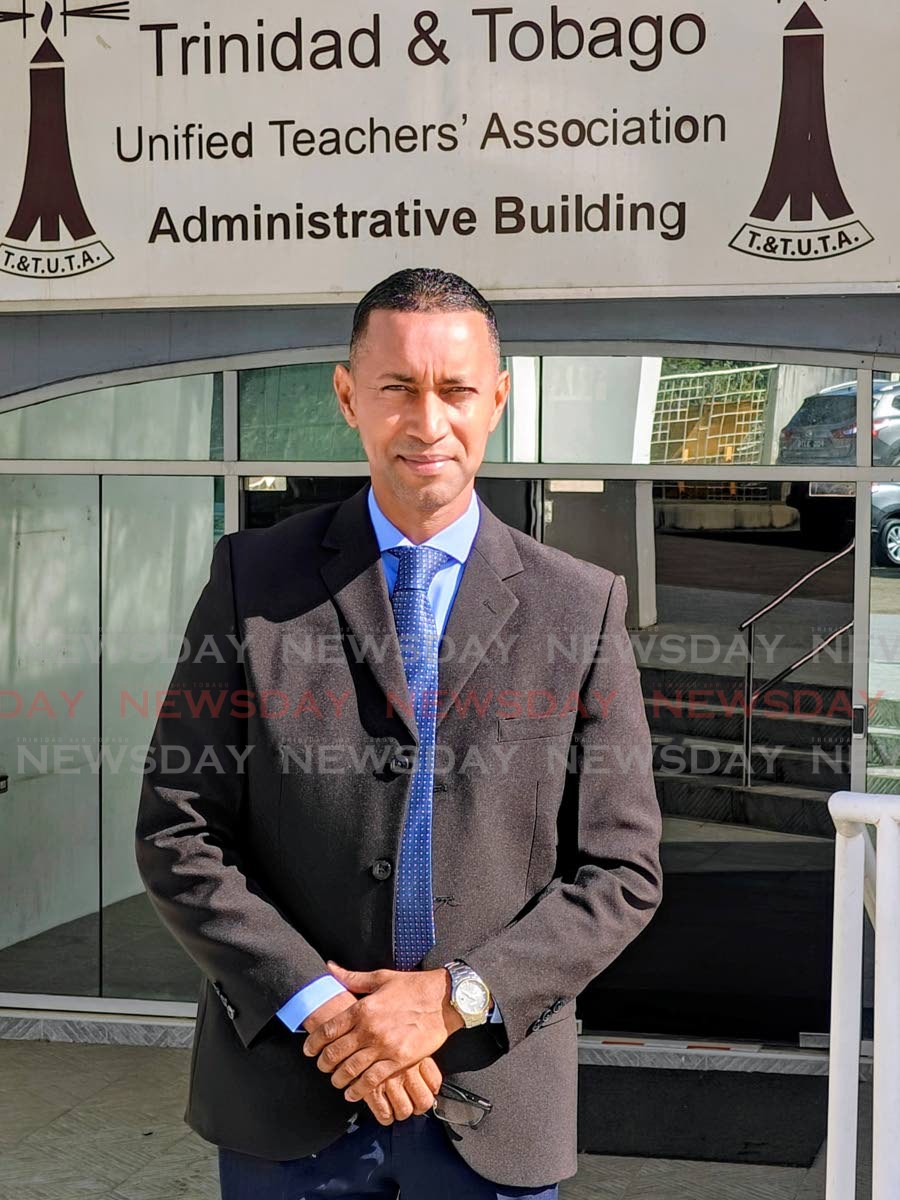
    The Trinidad and Tobago Unified Teachers’ Association (TTUTA) has declared an all-out effort to restore critical mental health services for educators after confirming the disruption of the Employee Assistance Programme (EAP). TTUTA President Crystal Ashe characterized the service interruption as a “grave injustice” in an official January 7 statement, demanding immediate explanations and corrective action from Education Minister Dr. Michael Dowlath, the Permanent Secretary, and the Chief Personnel Officer.

    Ashe emphasized that EAP access represents a legally protected right under the Collective Agreement rather than a discretionary benefit. The crisis emerged when a secondary school teacher attempting to schedule counseling sessions was unexpectedly informed of a $450 per session charge. Service provider Elder Associates Ltd, typically responsible for delivering these services, declined commentary citing ongoing discussions with the Ministry of Education.

    The disruption appears to extend beyond the education sector, with healthcare professionals reporting similar service interruptions. A nurse revealed that while alternative counseling arrangements were available within hospital settings, staff expressed discomfort due to privacy concerns about being observed attending sessions.

    TT National Nursing Association president Idi Stuart confirmed receiving reports of service disruptions, though Public Services Association president Felisha Thomas remained unreachable for comment. Finance Minister Davendranath Tancoo also did not respond to inquiries regarding the widespread service interruption.

    An anonymous public servant expressed hope that the situation resulted from contract renegotiations rather than permanent termination, highlighting the critical importance of mental health support particularly given existing social stigmas. The individual shared personal testimony about the program’s vital role during their divorce proceedings, while noting concerning inconsistencies in EAP accessibility across different government ministries, including instances of information withholding and gatekeeping by supervisors.

  • Caroni Licensing Division office ‘overwhelmed’

    Caroni Licensing Division office ‘overwhelmed’

    The Caroni Licensing Office is experiencing unprecedented congestion, with a senior official confirming the facility is completely overwhelmed by the daily influx of vehicles. This crisis has created significant backlogs, forcing numerous motorists to abandon their efforts and return the following day to complete basic transactions.

    During a recent site visit, Newsday observed hundreds of vehicles—including cars, trucks, and SUVs—forming extensive queues stretching throughout the compound. The scene revealed drivers sleeping in their vehicles while awaiting access to one of only four inspection bays available.

    An anonymous licensing official attributed the sudden surge to recently announced increases in penalty fees for motor vehicle violations. “The system desperately requires modernization,” the official stated, “as it’s fundamentally incapable of handling this volume of motorists seeking to avoid substantial fines.”

    Under the new fee structure implemented this month, drivers with permits expired for six months or less now face a $650 late fee, increased from $600. For permits expired beyond six months but under three years, penalties have jumped dramatically from $1,000 to $1,750.

    The official acknowledged the system’s limitations but noted solutions require intervention from “higher authorities” who understand budgetary constraints and operational possibilities.

    Motorists expressed frustration with the excessive wait times, criticizing the administration’s failure to anticipate the predictable surge following penalty announcements. “They should have foreseen this scenario and implemented appropriate provisions,” one irritated driver commented.

    Despite systemic failures, licensing officers received individual praise for their dedication in directing traffic and advising drivers on transaction options under challenging conditions. Officers recommended using the mobile Linx payment van to bypass lengthy cashier lines.

    An elderly woman highlighted the system’s customer service deficiencies, noting she’d been waiting since 7 am without bathroom access for fear of losing her place in line. She suggested practical improvements like numbered parking spots with loudspeaker announcements to allow drivers temporary freedom from their vehicles.

    Nearby businesses reported operational disruptions due to vehicles queuing outside the compound and blocking access roads. Mark Ammon, a local sales director, proposed expansion of facilities, additional officers, extended hours, and weekend operations to address congestion.

    However, skepticism about governmental commitment to improvement prevailed among drivers. One woman gestured toward overflowing trash bins, questioning, “They lack funding for basic cleanliness—how can we expect compound expansion?” She expressed disillusionment with successive administrations’ apparent disregard for motorists’ convenience.

    Newsday’s attempts to reach Transport Commissioner Clive Clark regarding potential systemic changes or expansion plans were unsuccessful at the time of reporting.

  • Coach Nurse: WI U-19s ready for anything at Youth World Cup

    Coach Nurse: WI U-19s ready for anything at Youth World Cup

    With unwavering confidence and thorough preparation, the West Indies men’s under-19 cricket team has commenced their campaign for ICC World Cup glory in Africa. Head coach Rohan Nurse declared his squad fully equipped to handle diverse challenges—from formidable opponents to arid pitch conditions—as they pursue cricket’s most prestigious youth championship running from January 15 to February 6.

    The 15-member contingent, featuring captain Joshua Dorne and 2024 World Cup standout Jewel Andrew, departed from Barbados’ Grantley Adams International Airport on January 6. Their journey follows an impressive preparatory phase that included Youth ODI series victories against Sri Lanka (4-3) and England (5-2) in late 2025, providing crucial momentum ahead of the global tournament co-hosted by Namibia and Zimbabwe.

    West Indies will engage in preparatory matches against Ireland (January 10) and Japan (January 13) before launching their Group D campaign against Tanzania on January 15. Subsequent group stage matches against Afghanistan (January 18) and South Africa (January 22) at Windhoek’s High Performance Oval will determine their progression to the Super Six phase. The tournament structure advances top three teams from each group, with semi-finals scheduled for February 3-4 and the championship finale at Harare Sports Club on February 6.

    Coach Nurse emphasized the squad’s tactical versatility: “We’ve assembled a balanced attack featuring quality fast bowlers and attacking wrist-spinners. Our players have demonstrated adaptability in both setting targets and chasing totals during recent series, which positions us favorably for World Cup challenges.”

    The team draws inspiration from West Indies’ historic 2016 under-19 World Cup triumph in Bangladesh, where current international stars like Shimron Hetmyer and Alzarri Joseph secured victory against India. Nurse has incorporated this legacy into motivational sessions while emphasizing the opportunity for this generation to create their own history.

    “We’re daring to dream,” Nurse stated. “Our minimum objective is advancing beyond the previous tournament’s performance. These young men understand the significance of representing the Caribbean and are ready to embrace this platform for professional development and regional pride.”

  • PM urges church partnership to help further reduce Jamaica’s murder rate

    PM urges church partnership to help further reduce Jamaica’s murder rate

    KINGSTON, Jamaica — In a landmark address at the 20th ‘Heal the Family, Heal the Nation’ Day of Prayer Service, Prime Minister Andrew Holness issued a compelling appeal for ecclesiastical collaboration in Jamaica’s ongoing battle against violent crime. Speaking at Power of Faith Ministries in Portmore, St Catherine, the leader outlined an ambitious strategy to transform religious institutions into active participants in crime prevention.

    The nation has achieved a notable milestone with fewer than 700 homicides recorded in 2025—the lowest figure in thirty-one years. Despite this progress, the administration remains focused on an even more ambitious objective: reducing murder rates to match the regional standard of 15 per 100,000 residents. Current statistics indicate the nation is approaching this benchmark, with rates now dipping below 25 per 100,000.

    Holness emphasized that achieving this goal requires addressing the root causes of social violence, including domestic altercations, intimate partner conflicts, and neighborhood disputes that frequently escalate into fatal encounters. “We require the church’s assistance beyond spiritual support—we need concrete action,” he asserted. “Society must hear from pulpits everywhere that violence is unacceptable as a conflict resolution mechanism.”

    The Prime Minister highlighted the unique positioning of religious organizations to implement immediate intervention strategies. Churches can offer counseling services and diversion programs to at-risk youth before they become entangled in criminal networks. “Many young people in our communities could just as easily join church choirs as they might join gangs,” Holness observed. “The difference often lies in which group extends the invitation first. We need the church’s army to redirect these youngsters toward positive alternatives.”

    Holness envisions a collaborative framework where religious institutions work alongside law enforcement and military units to foster what he defines as true peace: the capability to resolve disagreements without violence. He additionally called for prayers to influence those involved in criminal enterprises, urging them to abandon violence and voluntarily surrender their weapons.

    The event, organized by Power of Faith Ministries International under the theme ‘Reunite and Build the Family with Love and Forgiveness’, coincided with Jamaica’s sixth Annual National Day of Prayer, underscoring the government’s commitment to integrating spiritual approaches with security policy.

  • Chief justice lauds  performance of  parish courts

    Chief justice lauds performance of parish courts

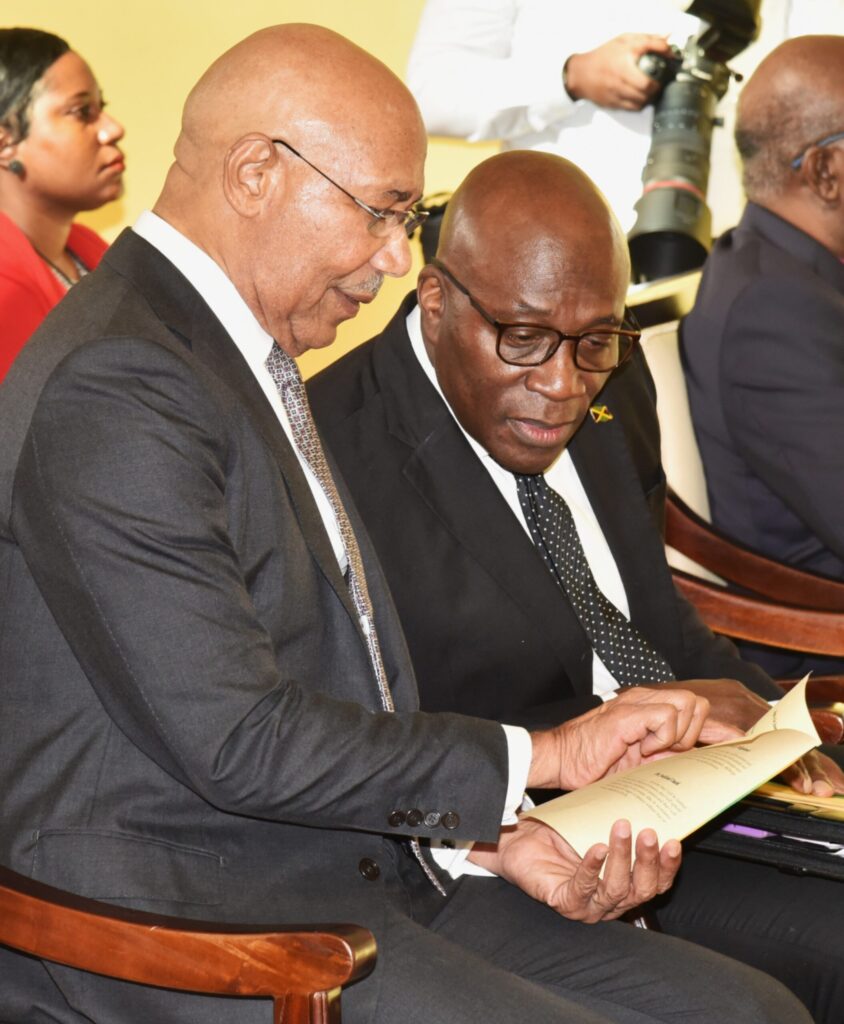
    KINGSTON, Jamaica — The Jamaican judicial system is demonstrating significant progress in case management and operational efficiency, according to Chief Justice Bryan Sykes. Speaking at a recent swearing-in ceremony for six newly appointed judicial officers at King’s House, Justice Sykes highlighted several key achievements and ongoing reform initiatives.

    The parish courts have maintained exceptional performance levels despite facing substantial challenges, including inadequate physical infrastructure and disruptions caused by Hurricane Melissa. Notably, these courts have successfully reduced their net case backlog to under three percent, even with a tightened time standard of 20 months for case resolution.

    Justice Sykes reported that the Court of Appeal continues to excel regionally, delivering an impressive 56 judgments for every 10 cases reserved. This performance metric establishes Jamaica’s appellate court as one of the most efficient within the Caribbean region.

    Substantial structural reforms are underway at the Supreme Court, particularly within the civil registry system. With support from the Ministry of Finance, the judiciary is implementing a docket system that will organize judges, masters, and administrative staff into specialized teams. This reorganization will assign each team responsibility for cases from initial assignment through final disposition, creating greater accountability and streamlined processing.

    In a landmark development, multiple judicial entities including the Court of Appeal, the High Court Division of the Gun Court in Kingston, the St. Thomas Parish Court, and the Court Administration Division are expected to receive ISO certification within approximately twelve weeks. This certification will establish measurable service standards and enhance accountability throughout the judicial process.

    Justice Sykes simultaneously called for comprehensive reforms to address systemic challenges. He identified the circuit court system as inadequate for handling modern case volumes and complexities, noting that ‘there is no such thing as a simple case anymore.’ The four-week circuit court sessions, even with highly efficient judges, prove insufficient for addressing complex evidentiary matters.

    The Chief Justice advocated for reevaluating jury trials, citing international precedents. He referenced England and Wales, where officials are considering curtailing jury trials to address a massive backlog of 78,000 cases projected to reach 100,000 by 2030. Similarly, he pointed to the United States federal system, where over 97% of cases are resolved through plea bargaining.

    With Jamaica facing approximately 3,000 backlogged cases—over 1,000 concentrated in the Home Circuit Court alone—Justice Sykes urged the Office of the Director of Public Prosecutions to develop positions for case resolution in every matter. He emphasized that trying all cases conventionally is impossible and previously discussed reform necessities with the justice minister.

    Finally, Justice Sykes called for increased judicial control over capital budgeting to better address the system’s operational needs and modernization requirements.