作者: admin

  • $4-B PRICE TAG

    $4-B PRICE TAG

    PriceSmart Inc. (NASDAQ: PSMT) is accelerating its Caribbean growth strategy with a significant $27.6 million investment to establish a new warehouse club on South Camp Road in Kingston, Jamaica, while simultaneously expanding its high-volume Portmore location in St. Catherine. The expansion initiative was detailed in the company’s recent Q1 FY2026 earnings report and subsequent executive commentary.

    CEO David N. Price confirmed adjusted opening timelines for upcoming Jamaican locations due to operational disruptions from Hurricane Melissa. Despite these challenges, existing Kingston and Portmore facilities demonstrated resilience, resuming operations rapidly post-storm. The company anticipates no further delays in its expansion schedule.

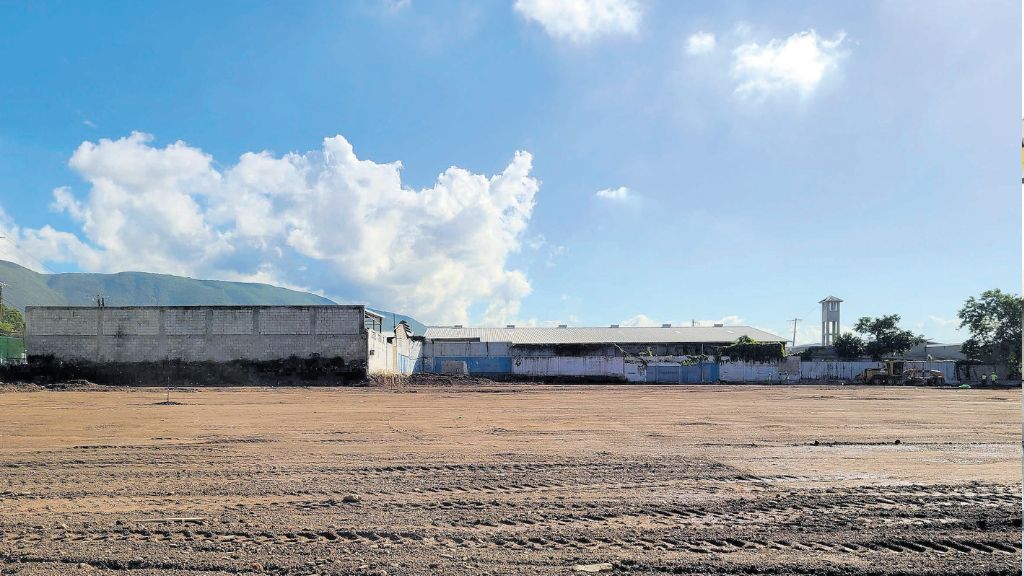
    The new Kingston location represents a strategic real estate move through PriceSmart Realty (Jamaica) Limited, which secured a 30-year lease agreement with South Camp Fourteen Limited, featuring two 10-year renewal options. This three-acre property, situated near Sabina Park and The Convent of Mercy Academy, will become PriceSmart’s 60th global location upon completion.

    Concurrently, the company has acquired five acres in Ironshore, Montego Bay, for its third Jamaican warehouse club. This North Coast development will significantly enhance service accessibility beyond the existing PriceSmart Fresh Bakery in Bogue City Centre.

    Jamaican operations have demonstrated robust performance with net merchandise sales growing 13.1% in FY2025, building upon 12.2% growth in the previous period. This consistent performance justifies continued investment, including the Portmore location’s 15-20% expansion in November 2024 and upcoming parking infrastructure enhancements.

    CEO Price emphasized the strategic importance of physical expansions: ‘When we expand warehouses or parking facilities, we address the positive challenge of high customer traffic. These improvements enhance member experience through faster ingress and egress while optimizing space turnover.’

    The Caribbean segment reported $365.31 million in revenue (6% growth) with membership accounts reaching 510,819 (5% increase). Despite higher operating expenses slightly reducing profitability, the region saw $20.60 million in capital expenditures during the quarter.

    Globally, PriceSmart achieved $1.38 billion in consolidated revenue (10% growth) with 56 operational warehouse clubs. The company posted $40.17 million net profit (7% increase) and reached a record stock price of $133.03, maintaining a $4.06 billion market capitalization.

    Future expansion plans include a tenth Costa Rican location in Ciudad Quesada (Fall 2026) and market entry into Chile, where the company has secured two prospective sites and appointed country leadership.

    Photographic documentation shows ongoing development at both the South Camp Road construction site and the expanding Portmore location, visually confirming the company’s substantial capital investment in Jamaican infrastructure.

  • Trump says ‘my own morality’ is only restraint on global power

    Trump says ‘my own morality’ is only restraint on global power

    WASHINGTON, DC — In a revealing interview with The New York Times, President Donald Trump asserted that his personal sense of morality represents the only effective constraint on his authority to initiate military operations worldwide. This declaration follows his recent authorization of a rapid intervention against Venezuelan leadership and threats directed toward multiple nations, including the autonomous territory of Greenland.

    When questioned about potential limitations on his executive powers regarding military actions, Trump responded: “There is one thing. My own morality. My own mind. It’s the only thing that can stop me.” The president further elaborated that while he acknowledges the existence of international law, its application remains subject to his personal interpretation.

    The United States maintains a contentious relationship with international judicial bodies, remaining outside the jurisdiction of the International Criminal Court and frequently challenging rulings from the International Court of Justice. Trump’s presidency has been marked by numerous legal confrontations, including two impeachment proceedings and various federal charges, though many were resolved following his re-election.

    Despite self-identifying as a “peace president” and expressing interest in Nobel recognition, Trump has overseen military engagements in multiple regions during his second term. Operations have targeted Iran’s nuclear facilities, with additional strikes conducted in Iraq, Nigeria, Somalia, Syria, Yemen, and most recently Venezuela.

    Following the successful operation against Maduro, Trump has demonstrated increased confidence in threatening additional territories, including NATO ally-administered Greenland and neighboring Colombia. When pressed about prioritizing NATO alliances versus territorial acquisition, Trump suggested these might represent competing objectives.

    Congressional pushback emerged through bipartisan Senate action aiming to restrict presidential military authority regarding Venezuela. The legislation, requiring explicit congressional approval for further hostilities, received unexpected Republican support despite facing likely veto obstruction and House resistance.

    Trump vehemently criticized dissenting Republican senators through his Truth Social platform, denouncing their actions as detrimental to national security interests. Simultaneously, he advocated for U.S. ownership of Greenland as psychologically beneficial for national success, while defending his family’s renewed involvement in international business ventures during his administration.

  • Lawyers, DCS joust over allowing digital devices in prisons

    Lawyers, DCS joust over allowing digital devices in prisons

    A significant legal confrontation has emerged in Jamaica’s Home Circuit Court, centering on attorney access to electronic devices within correctional facilities. The Department of Correctional Services (DCS) issued an official denial Thursday refuting claims that lawyers are being prohibited from bringing cellphones and digital devices into prisons when consulting with incarcerated clients.

    The controversy surfaced during preliminary proceedings for the landmark trial of Tesha Miller and 24 co-defendants, who face extensive charges under anti-gang legislation including murder and robbery allegations. Miller is identified as the alleged leader of the Clansman gang faction based in Spanish Town, St. Catherine.

    Wednesday’s scheduled trial commencement collapsed as prosecutors requested a substantial 12-14 week adjournment to complete documentation and finalize case preparations. Presiding Judge Dale Palmer rejected this extended delay, instead mandating that DCS representatives, including Commissioner of Corrections Brigadier Radgh Mason, appear in court Friday to address the device access policy.

    Defense attorneys presented compelling arguments against the device restrictions. John Clarke, representing Miller, revealed he had raised concerns since April 2024 regarding electronic disclosure accessibility. Clarke described inconsistent implementation across facilities, noting that while medical professionals receive device access privileges, attorneys remain restricted despite judicial correspondence advocating for their access.

    Co-counsel Tameka Harris expressed profound frustration, disclosing that the matter had been discussed in multiple stakeholder meetings with Commissioner Mason, who had previously committed to resolving the issue through formal institutional orders. Harris emphasized the practical impossibility of adequately presenting digital evidence—including videos and audio recordings—without electronic devices, potentially compromising defendants’ rights to comprehend evidence against them.

    The DCS response affirmed its commitment to inmates’ constitutional rights to legal representation, referencing February 2025 discussions with the Jamaica Bar Association and subsequent March 2025 correspondence from Commissioner Mason. The department stated it facilitates legal consultations through virtual platforms and permits electronic devices when “safe, reasonable, justified and practicable,” while encouraging formal reporting of any rights violations.

    Judge Palmer, adamant about progressing the long-pending case, declared a June adjournment unacceptable and scheduled Friday’s hearing to determine a reasonable preparation timeline, acknowledging the substantial judicial resources already invested in this complex gang prosecution.

  • Calypsonians ‘dip’ for 2025 quarterfinals scheduled for January 17th

    Calypsonians ‘dip’ for 2025 quarterfinals scheduled for January 17th

    The 2025 Calypso season intensified as thirty-two competing artists determined their performance order through a traditional “dipping ceremony” held at Calypso House this week. The envelope selection process generated palpable tension among participants, with many considering specific positions particularly daunting due to the psychological pressure of either opening or closing the show.

    Event organizers characterized the atmosphere as simultaneously electrifying and anxiety-inducing, noting that performance sequence can significantly impact artistic presentation and judge perception. The ceremony attracted substantial media attention and artist participation, underscoring the cultural importance of this carnival tradition.

    Notable performance slots include veteran Daddy Chess taking position 27 with “Leaking Roof,” while Haxey will appear early at number 3 performing “Wretched of the Earth.” Liberator secured the mid-show spot at number 15 with “We Can Come Together,” and Mika will perform at number 28 with “We Little but We Large.” The complete roster showcases a dynamic blend of established icons and emerging talents, including Mighty Omi (1), Rebs (2), Jamma B (6), and Lady S (11), culminating with Abiyah closing the competition at position 32.

    The quarterfinal competition will commence at 8:30 PM on January 17th at Windsor Park Sports Stadium Forecourt, locally renowned as “the Factory.” Thirty-two calypsonians will compete for twenty advancement spots to the semifinal round, maintaining the event’s competitive intensity.

    Ticket pricing structure offers multiple access levels: early bird online purchases at $30, general admission at $50, reserved seating at $60, and premium VIP packages at $100. VIP benefits include elevated viewing platforms, big-screen visibility, complimentary beverages, and gourmet finger foods. Organizers emphasized their balanced approach to accessibility and premium experience curation.

    The ceremony additionally functioned as the official prelude to Dominica’s Carnival inauguration, featuring a sponsored truck parade scheduled for this Saturday. The Calypso Association will present live performances by the Swinging Stars Band alongside calypsonians performing both contemporary compositions and traditional road march classics.

    Event coordinators extended appreciation to tourism ministry partners and commercial sponsors, acknowledging their indispensable role in sustaining this cultural tradition. With the performance sequence now established, anticipation grows for what promises to be an exceptionally competitive quarterfinal round, embodying the vibrant spirit of Dominican musical heritage.

  • Venezolaans leger begraaft soldaten die omkwamen tijdens Amerikaanse operatie

    Venezolaans leger begraaft soldaten die omkwamen tijdens Amerikaanse operatie

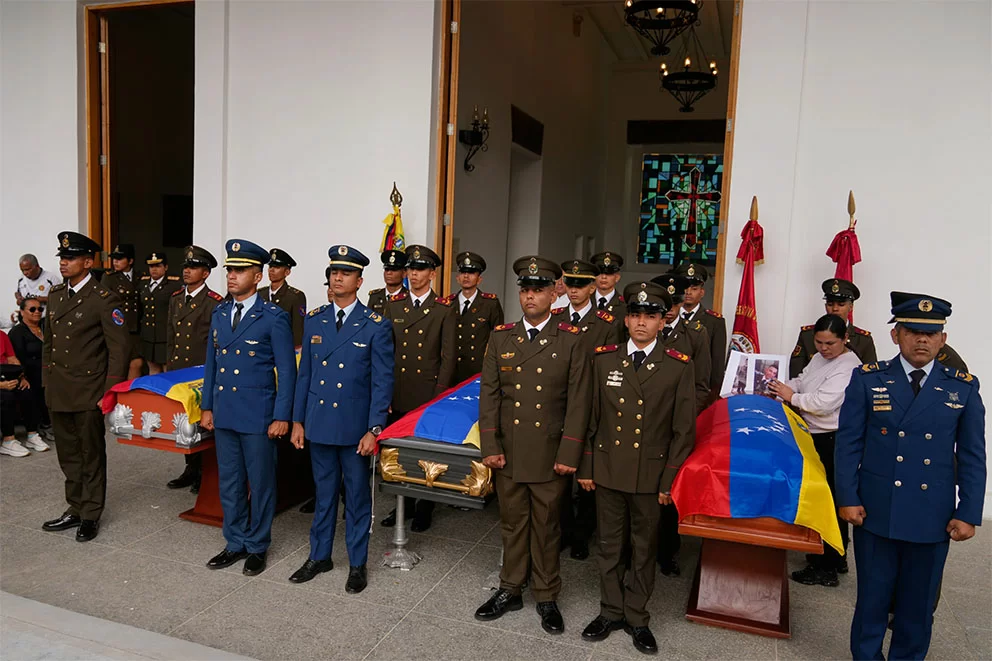
    Venezuela’s military held a solemn funeral ceremony in Caracas on Wednesday for dozens of soldiers killed during the US-led operation that resulted in the capture of President Nicolás Maduro. The emotional service featured military honors as grieving families stood alongside uniformed officers at a cemetery in the southern part of the capital city.

    A military band played solemn music while family members and soldiers marched behind rows of flag-draped coffins. Armed members of the National Guard maintained security throughout the ceremony, patrolling the cemetery grounds for hours before and during the proceedings. Men carried wooden caches adorned with Venezuelan flags past lines of uniformed officers in a display of military tradition.

    Military commander Rafael Murillo addressed the gathered families, stating, “Thank you for giving them the opportunity to begin a military career.” The soldiers received a rifle salute as their caskets were lowered into the ground, with many relatives weeping openly during the emotional moment.

    The funeral followed Acting President Delcy Rodríguez’s declaration of a seven-day mourning period for the fallen officers. According to Venezuelan military statements, at least 24 Venezuelan officers perished during the nighttime US military operation between Saturday and Sunday that resulted in Maduro and First Lady Cilia Flores being taken to New York to face drug trafficking charges.

    Meanwhile, Venezuelan Interior Minister Diosdado Cabello provided a significantly higher casualty estimate during a state television appearance, claiming at least 100 people died and a similar number were injured during the American operation. He did not specify the number of civilian versus military casualties or their nationalities.

    In a related development, Cuba announced that 32 Cuban military and police personnel working in Venezuela were killed during the US operation. Venezuelan Attorney General Tarek William Saab has announced that the Public Ministry will investigate the deaths, which he characterized as war crimes.

    The Venezuelan military expressed its resolve in an Instagram message: “Their spilled blood cries not for revenge, but for justice and strength. It confirms our unwavering promise not to rest until we have rescued our legitimate president, completely dismantled the terrorist groups operating from abroad, and ensured that such events never again stain our sovereign territory.”

  • Soufriere tragedy sparks heartfelt tributes to devoted father

    Soufriere tragedy sparks heartfelt tributes to devoted father

    The coastal community of Castries, Saint Lucia, has been plunged into mourning following the tragic demise of 31-year-old Sherman Lionel in a marine incident off Anse Mamin, Soufriere. The fatal accident occurred on Wednesday when Lionel, an experienced snorkeler, was struck by a water vessel while exploring underwater realms.

    Emergency response efforts saw the victim transported via private means to Soufriere Hospital, where medical personnel pronounced him deceased approximately at midday. Preliminary reports indicate the severity of injuries sustained in the collision proved insurmountable despite medical intervention.

    As news of the tragedy circulated throughout the island nation, digital memorials blossomed across social media platforms, revealing Lionel’s identity as a dedicated parent and aquatic enthusiast. Heartfelt tributes consistently highlighted his profound devotion to his three young children—one son and two daughters—and his authentic passion for marine activities.

    Digital eulogies captured the collective grief, with one social media user noting: ‘You departed while engaged in what you loved most—diving,’ while another tribute emphasized: ‘His children constituted his entire world. Our hearts break for them.’

    Law enforcement authorities have verified that an additional individual sustained injuries during the incident, though specific details regarding their medical status remain confidential pending family notifications. The Marine Intelligence and Investigations Unit has launched a comprehensive investigation to determine the precise sequence of events and contributing factors that led to this fatal maritime collision.

  • Guyanese Nationals Lead Migrant Population in Antigua and Barbuda

    Guyanese Nationals Lead Migrant Population in Antigua and Barbuda

    A comprehensive analysis of migration patterns across the Caribbean Community (CARICOM) reveals a complex tapestry of movement driven by economic opportunity, regional instability, and historical ties. According to the International Organization for Migration’s 2024 report utilizing UNDESA mid-year estimates, migration trends vary dramatically depending on geographical and political contexts within the region.

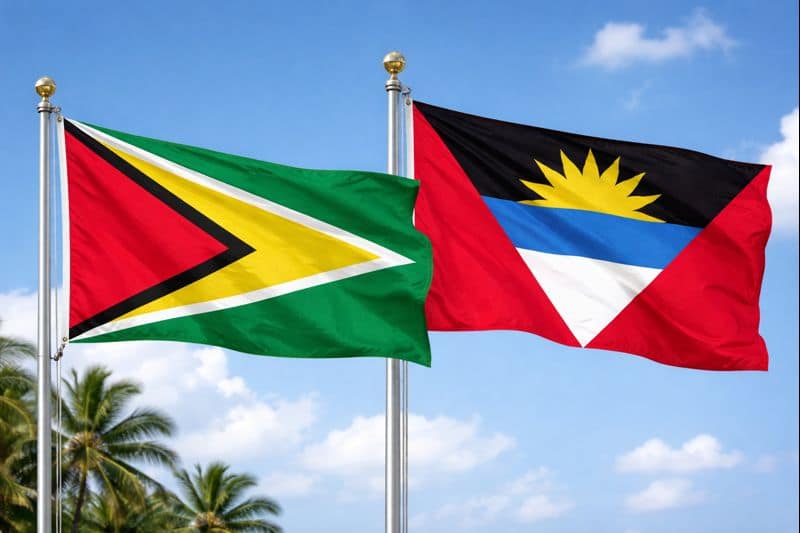
    The data demonstrates that intra-Caribbean migration continues to be a significant phenomenon, with Guyanese nationals emerging as the predominant migrant group in five CARICOM member states: Antigua and Barbuda, Barbados, St. Lucia, Suriname, and St. Kitts and Nevis. Similarly, Trinidadians constitute the largest migrant community in Grenada and St. Vincent and the Grenadines. These patterns highlight how economic prospects and familial connections drive movement within the Caribbean basin.

    Conversely, several nations experience migration flows profoundly influenced by neighboring crises. Guyana reports that 75% of its migrant population originates from Venezuela, illustrating years of cross-border movement fueled by Venezuela’s ongoing political and economic turmoil. Trinidad and Tobago mirrors this trend with Venezuelans accounting for 30% of its migrant demographic. The Bahamas records Haitians as comprising 26% of migrants, while Dominica shows 31% of migrants coming from Haiti.

    Diverging from these regional patterns, Belize’s migration profile reflects Central American influences, with Guatemalans (43%), Salvadorans (16%), and Hondurans (16%) forming the majority. Jamaica presents yet another distinct pattern, with the United States (13%) and the United Kingdom as primary countries of origin, suggesting significant return migration and diaspora connections rather than regional movement.

    The report concludes that Caribbean migration is shaped by multiple intersecting factors including established free movement frameworks, geographical proximity, economic attractiveness, and displacement from adjacent crises, creating a uniquely complex migration landscape within the region.

  • CXC charts a digital future for Caribbean learners

    CXC charts a digital future for Caribbean learners

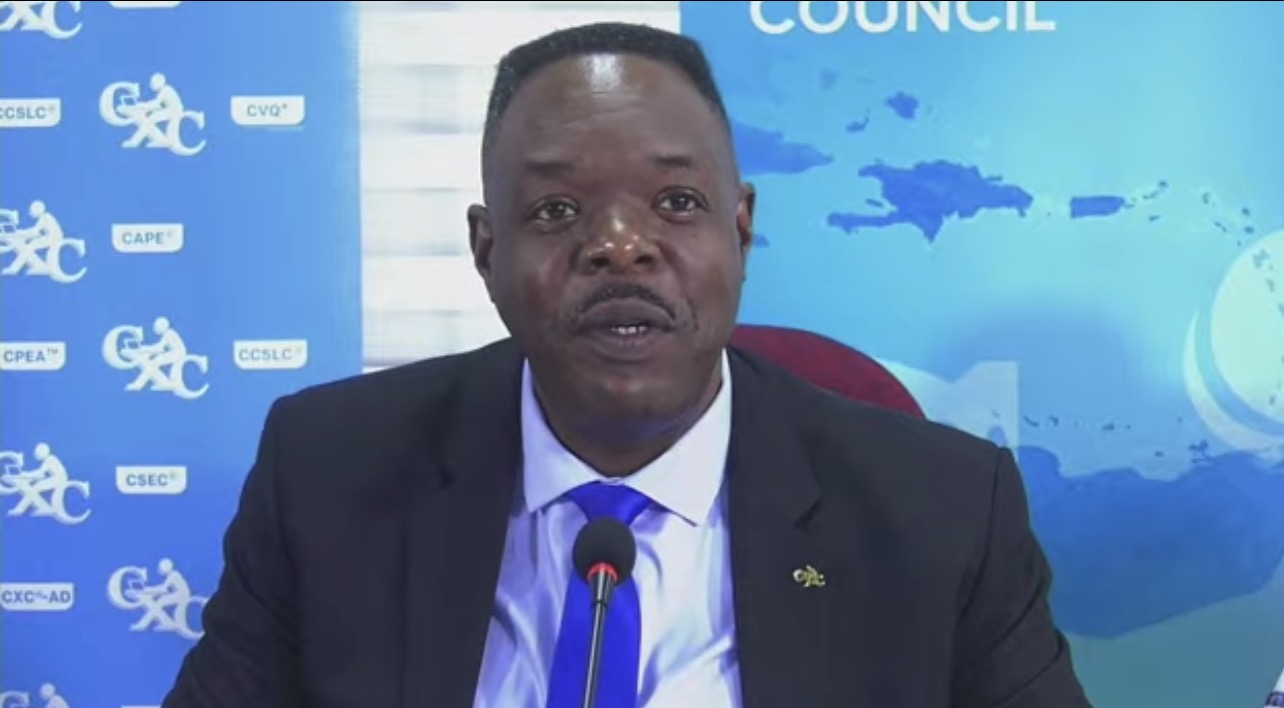
    The Caribbean Examinations Council (CXC) has unveiled an ambitious digital transformation roadmap, targeting complete digitization of all examinations within the next three to five years. This strategic shift will commence with a partial digital rollout during the January 2026 sitting, marking a significant milestone in the region’s educational assessment evolution.

    Registrar and CEO Dr. Wayne Wesley confirmed that over 10,000 candidates will participate in the January 2026 Caribbean Secondary Education Certificate (CSEC) examinations through digital and hybrid assessment formats. Immediate preparations are underway for the May-June 2026 examinations, which will involve more than 100,000 candidates and exceed 600,000 subject entries as the organization accelerates toward full digital implementation.

    Concurrently, the Council’s Board of Governors has endorsed comprehensive disaster-response protocols to ensure educational continuity during crises. The six-step business recovery framework, currently activated in Jamaica following Hurricane Melissa, enables coordinated responses to hurricanes, floods, volcanic eruptions, or civil unrest. The protocol includes modified examination arrangements for severely affected schools, adjusted school-based assessments, waived late registration penalties, and extended submission deadlines until June 15, 2026.

    CXC has also introduced updated regional literacy and numeracy benchmarks alongside revised standards for the Caribbean Primary Exit Assessment (CPEA). These publicly available resources, benchmarked against international measures, define competency requirements for proficiency and aim to enhance learning outcomes across primary and secondary education levels.

    In a significant inclusion initiative, the Council is advocating for the adoption of the WIPO Marrakesh Treaty through regional ministries of education. This effort aims to guarantee accessible learning materials for visually impaired and print-disabled students. For the 2025 examinations, special arrangements were provided for more than 3,400 candidates with visual impairments and other special needs, reaffirming CXC’s commitment to equitable participation for all learners regardless of ability.

    Dr. Wesley emphasized CXC’s renewed vision to ‘ignite the potential and shape the future of our Caribbean people,’ highlighting the organization’s five-decade legacy as a CARICOM treaty body dedicated to advancing educational opportunities across the region.

  • Dominica’s Judy Sango participates in UN agencies and OPDs’ webinar highlighting inclusive hiring practices in the Caribbean

    Dominica’s Judy Sango participates in UN agencies and OPDs’ webinar highlighting inclusive hiring practices in the Caribbean

    A groundbreaking regional webinar has galvanized efforts to transform workplace cultures across Barbados and the Eastern Caribbean, with United Nations agencies partnering with Organizations of Persons with Disabilities (OPDs) to accelerate inclusive employment practices. The virtual forum marked a strategic shift from compliance-based approaches to creating genuinely accessible environments where diverse talents can flourish.

    Judy Sango, President of the Dominica Association of Persons with Disabilities and freelance writer, challenged pervasive stereotypes during her address. “The false equivalence between disability and inability remains our greatest barrier,” she noted, urging employers to adopt value-based hiring rather than charitable approaches. Sango emphasized that persons with disabilities demonstrate exceptional problem-solving capabilities, resilience, and reliability when given equitable opportunities.

    Patrice Quesada, UN Resident Coordinator a.i. for Barbados and the Eastern Caribbean, framed employment as a transformative tool for social cohesion. “Inclusive hiring transcends box-ticking exercises—it’s about cultivating environments that genuinely value diversity as the cornerstone of community resilience,” he stated in his opening remarks.

    Barbadian attorney Jeneil Odle brought personal perspective as member of the Barbados Council for the Disabled, advocating for systemic educational reforms. “We need expanded special needs schooling beyond primary level, improved assistive technology access, and comprehensive teacher training,” Odle articulated. She notably reframed inclusion as economic imperative: “This isn’t charity—it strengthens business performance, governance, and societal progress simultaneously.”

    The discussion highlighted structural challenges identified by Michelle Brathwaite of the UN Human Rights Office, including legislative gaps, insufficient data collection, and underfunded support services across the region. UNESCO’s Yeonghyeon Kim emphasized accessible information design as critical for equitable recruitment processes.

    ILO Geneva’s Senior Disability Specialist Stefan Tromelo directly contested harmful assumptions: “We must dismantle the myth that informal economy participation is the only option for persons with disabilities. Decent formal employment must become universally accessible.”

    The forum concluded with spotlight on youth-led initiatives, including Grenadian advocate Zinzee Noel’s ‘HireAbility’ social media campaign developed with the UN Resident Coordinator’s Office. This grassroots movement aims to reshape employer perceptions through authentic storytelling and awareness-building.

  • New School of Agriculture in Glanvilles to Open Next Month

    New School of Agriculture in Glanvilles to Open Next Month

    The Antigua and Barbuda College of Advanced Studies (ABCAS) has announced the imminent launch of a pioneering agricultural education institution at the former Glanvilles Secondary School campus, with operations scheduled to commence as early as next month. This transformative educational initiative represents a strategic repurposing of educational infrastructure to address national priorities.

    Under the leadership of ABCAS President Dr. E. Jonah Greene, the institution is developing a specialized curriculum through collaborative efforts with both local and regional agricultural experts. The inaugural academic offering will feature two intensive short courses focused on crop production and poultry farming, scheduled for deployment between January and February.

    This educational repurposing follows the Cabinet-approved consolidation of Glanvilles and Pares Secondary Schools, a measure implemented to optimize resources amid declining enrollment figures. At the time of merger, Glanvilles recorded 163 students while Pares had 178 enrolled. The transition involved transferring current Glanvilles students to Pares Secondary School, with teaching staff either reassigned to other institutions or retained within the Ministry of Education’s administrative framework.

    The newly designated agricultural campus will leverage Glanvilles’ existing infrastructure, including a fully-equipped science laboratory, home economics department, hydroponic cultivation unit, animal pens, and multiple farm plots. This comprehensive facility repurposing aligns with the government’s heightened emphasis on achieving national food security objectives and advancing specialized agricultural education to strengthen the country’s resilience and self-sufficiency in food production.