作者: admin

  • St Kitts & Nevis joins list of Caribbean nations to accept US deportees and refugees

    St Kitts & Nevis joins list of Caribbean nations to accept US deportees and refugees

    In a significant diplomatic development, the Federation of St. Kitts and Nevis has formalized a bilateral arrangement with the United States governing the conditional acceptance of specific deportees and refugees. Prime Minister Dr. Terrance Drew disclosed the agreement during a press roundtable, emphasizing its carefully circumscribed parameters.

    The memorandum of understanding (MOU) explicitly restricts eligibility to nationals of Caribbean Community (CARICOM) member states, with categorical exclusion of Haitian citizens due to articulated security considerations. This specificity addresses regional concerns about the scope of such agreements. ‘We have negotiated an arrangement exclusively for CARICOM nationals—this point requires absolute clarity,’ Dr. Drew stated during his media engagement.

    The agreement emerges amid broader regional discussions regarding third-country national transfers, following reports that Dominica and Antigua and Barbuda had been approached regarding similar arrangements. Prime Minister Drew characterized St. Kitts and Nevis’ approach as proactive and deliberately constrained, emphasizing that ‘the program does not extend to individuals from outside the CARICOM region.’

    Stringent eligibility criteria will govern the transfer process, with individuals having histories of violent or sexual offenses automatically disqualified. Financial and logistical responsibilities for the program will reside primarily with the United States, though specific operational details remain under bilateral discussion according to the Prime Minister’s statements.

  • CXC: CTEC pilot programme oversubscribed

    CXC: CTEC pilot programme oversubscribed

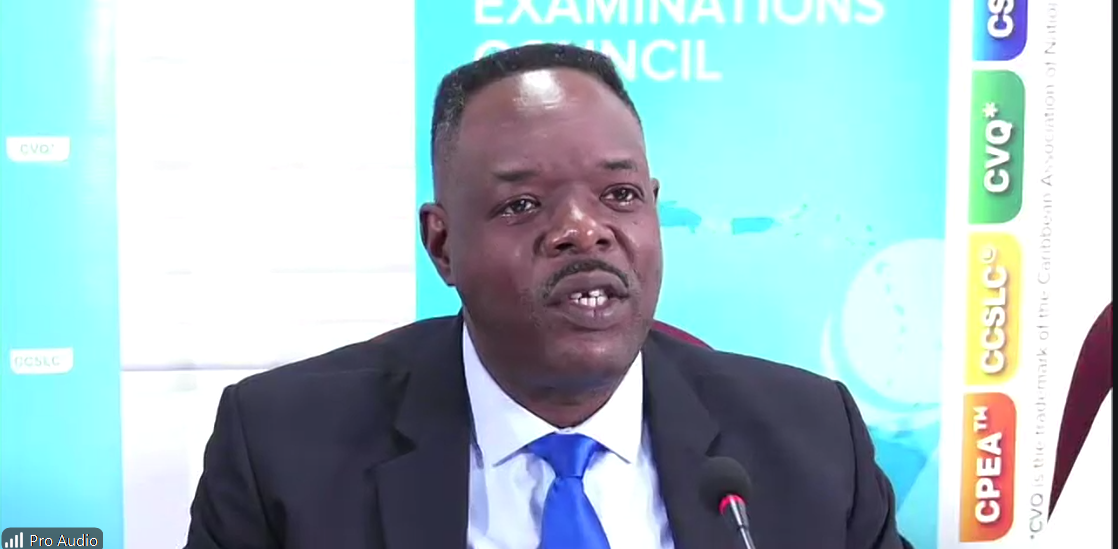
    The Caribbean Examinations Council (CXC) has reported overwhelming regional interest in its newly launched Caribbean Targeted Education Certificate (CTEC) program, with enrollment figures dramatically surpassing initial projections. During the organization’s first press conference of the year, Registrar and CEO Dr. Wayne Wesley announced that the innovative program had attracted 6,443 candidates across all 13 member states, far exceeding the anticipated 3,000 participants for the pilot phase.

    The CTEC initiative represents a significant departure from traditional educational assessment models by introducing a modular qualification system. This approach deconstructs conventional CSEC and CAPE subjects into smaller, more manageable units, granting students unprecedented flexibility in pursuing certification. The program offers three distinct pathways—accelerated, general, and extended—ensuring broader accessibility and increased certification opportunities while maintaining the established syllabus with a renewed emphasis on competency-based evaluation.

    Alton McPherson, Senior Manager of Examinations Development and Production at CXC, provided detailed operational insights into the pilot program’s implementation. The council will conduct its initial pilot in Mathematics Module One during the May/June 2026 examination period, with participation confirmed across 13 territories including Jamaica, Barbados, Guyana, and several Eastern Caribbean nations.

    The comprehensive implementation strategy involves candidate orientation on the Surpass digital platform from January to March 2026, followed by extensive preparation activities through April. The assessment approach will combine electronic testing for Paper 1 with a hybrid methodology for Paper 2. CXC has allocated July and August for final assessments, data collection, and qualitative feedback analysis to ensure seamless full-scale implementation in June 2027. Results will be released concurrently with traditional CSEC outcomes in August 2026.

    Jamaica emerges as a significant participant with 1,334 candidates distributed across nine examination centers, demonstrating the program’s substantial regional penetration and highlighting the Caribbean’s readiness for educational innovation.

  • Temporary closure of Melville Street Fish Market

    Temporary closure of Melville Street Fish Market

    The Ministry of the Blue Economy and Marine Affairs has issued a public advisory regarding the temporary suspension of operations at Melville Street Fish Market, a facility under its Fisheries Division. The market will remain closed on Monday, January 12, and Tuesday, January 13, 2026, to accommodate specialized training sessions on Sanitary and Phytosanitary (SPS) Standards and Protocols.

    This initiative represents a collaborative effort between the Ministry of the Blue Economy and Marine Affairs and the Ministry of Health, focusing on enhancing food safety measures within Grenada’s fish markets. The comprehensive training program is designed to equip market personnel with advanced knowledge and practical skills necessary for maintaining stringent hygiene standards. The curriculum emphasizes compliance with both national regulations and international benchmarks to ensure the highest quality of seafood products for consumers.

    Regular commercial activities at Melville Street Fish Market are scheduled to recommence on Wednesday, January 14, 2026, following the completion of the training initiative. Government officials have expressed appreciation for public understanding regarding this temporary disruption, acknowledging the essential nature of these improvements to public health infrastructure and food safety systems.

    The implementation of SPS protocols demonstrates Grenada’s commitment to advancing its blue economy sector while prioritizing consumer protection and international trade compliance. Such measures are increasingly critical for Caribbean nations seeking to maintain competitive standing in global seafood markets while safeguarding public health interests.

  • ‘They Nearly Killed My Baby’: Mother Speaks Out, Alleges Police Inaction

    ‘They Nearly Killed My Baby’: Mother Speaks Out, Alleges Police Inaction

    A Belize City mother has come forward with grave allegations against local law enforcement following a violent neighborhood altercation that left her infant daughter injured. Amika Betran claims that both she and her one-year-old child were assaulted with a crowbar during a dispute on December 16, just two days before the child’s first birthday.

    According to Betran’s account, the incident occurred while she was walking near her residence with her child. What began as a verbal argument rapidly escalated when a male assailant allegedly struck her with a crowbar, with the weapon making contact with the infant’s head. The child sustained significant facial injuries including lacerations and bruising, requiring immediate medical attention at a local hospital.

    Betran filed an official police report on the day of the incident but alleges systematic inaction and procedural delays from authorities. Despite multiple follow-up visits to the police station, she claims investigators have shown minimal urgency in pursuing the case. In one particularly concerning instance, she was instructed to return to the station at midnight to speak with an officer—a time she notes is highly inconvenient for caring for an injured infant.

    The frustrated mother has raised questions about potential conflicts of interest within the police department, suggesting that a relative of the accused may be serving as an officer. Betran asserts that only one individual has been charged despite multiple participants being involved in the attack.

    Now considering legal action against the police department, Betran emphasizes the need for accountability within law enforcement. ‘When you have officers that don’t show pride and respect toward their jobs,’ she stated, ‘the whole department can be disgraced.’ The case has drawn attention to broader concerns about police responsiveness and procedural transparency in handling violent crimes within the community.

  • Sterling elderly care complex ‘on track’

    Sterling elderly care complex ‘on track’

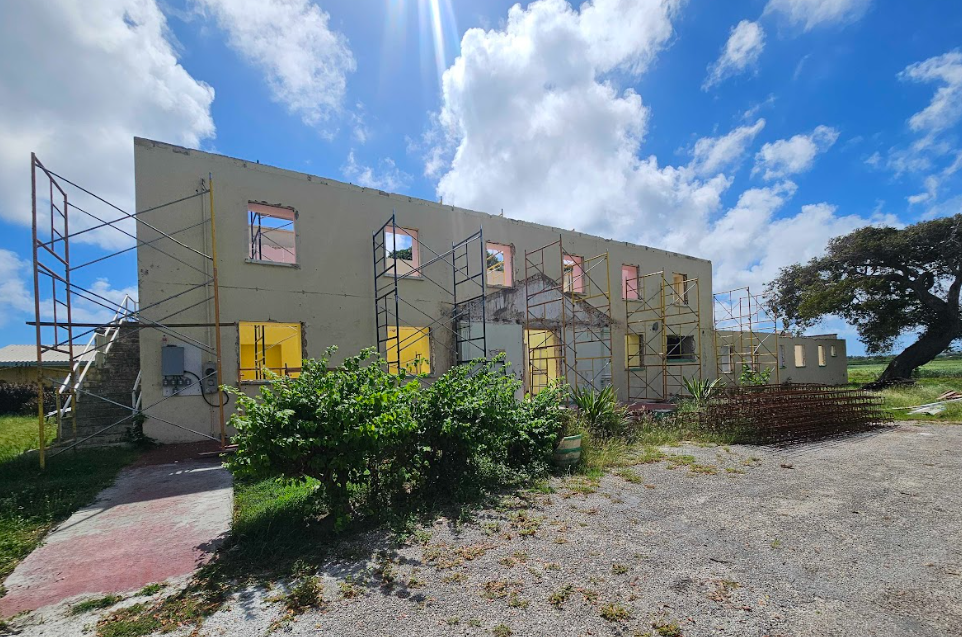
    Barbados is poised to revolutionize its approach to community care with the impending completion of the Sterling Residential and Respite Facility in St Philip. Minister of People Empowerment and Elder Affairs Kirk Humphrey has announced significant progress on this groundbreaking project, which promises to reshape support services for older adults, children, and persons with disabilities through an innovative community-based model.

    The development represents a collaborative effort between the Ministry of People Empowerment, the National Assistance Board, the Barbados Alzheimer’s Association, and Soroptimist International of Barbados. Rather than creating large institutional settings, the facility embraces a modern philosophy of smaller, clustered residences arranged in circular pods to foster genuine community connections and relationships.

    Construction is advancing through carefully planned phases. Renovation of the main heritage building is nearing completion, with tender processes for subsequent stages scheduled to begin imminently. The comprehensive complex will eventually include 60-70 residential units, specialized dementia and Alzheimer’s care services, day nursery facilities for children, and fully accessible spaces designed for persons with all types of disabilities.

    With an estimated total investment between $10-12 million, the project allocates approximately $2 million for renovating the historic structure while the remainder funds new construction. The first phase will deliver 20-30 residences, with overall completion expected within the first six to seven months of this year.

    Minister Humphrey emphasized the intentional design pause taken last year to ensure complete accessibility and inclusivity. The revised plans now incorporate accommodations for physical, sensory, and visual impairments alongside expanded green and social spaces. This ‘caring in place’ approach aims to support both residents and families providing home care.

    The government plans to replicate this innovative model across Barbados, with similar facilities already in development for St Thomas and St George parishes, signaling a nationwide transformation in social service delivery.

  • Santoe, nieuwe directeur wil verval NV Surzwam aanpakken

    Santoe, nieuwe directeur wil verval NV Surzwam aanpakken

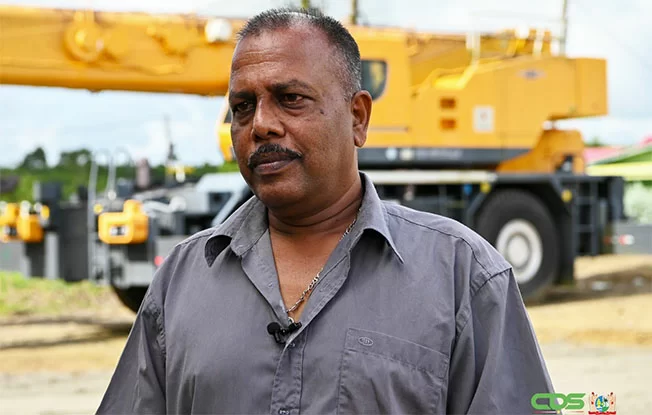
    Suriname’s state-owned heavy equipment company, NV Suriname Zwaar Materieel (Surzwam), has appointed Shyamkoemar Santoe as its new director with an urgent mandate to rescue the financially distressed enterprise. Santoe immediately identified the restoration of the company’s severely neglected machinery fleet as his top priority, alongside enhancing service delivery to the agricultural sector.

    The newly appointed director revealed that Surzwam is currently operating in a concerning state of disrepair. A significant portion of its heavy equipment is either defective or completely out of service, severely limiting operational capabilities. Santoe emphasized that conducting a comprehensive inventory assessment and systematic screening of all machinery represents the essential first step in the recovery process.

    Operating under the Ministry of Agriculture, Livestock and Fisheries, Surzwam plays a critical role in national water management, drainage systems, emergency response, and agricultural production support. Despite current challenges, Santoe confirmed the company will maintain its primary focus on serving farmers through affordable pricing structures, with particular attention to supporting smaller agricultural producers.

    The new director reported productive collaboration with both the Ministry and the Board of Commissioners, noting understanding of the current operational crisis. Santoe anticipates that necessary resources will be made available shortly to restore the machinery fleet, especially with the upcoming rainy season approaching. Additionally, expansion into road construction and other national development projects is being considered as part of Surzwam’s future operational scope.

  • Rethink student assessment as AI transforms classrooms, teachers told

    Rethink student assessment as AI transforms classrooms, teachers told

    Educators across the Eastern Caribbean are leading a pedagogical revolution, fundamentally reimagining student evaluation methods in response to artificial intelligence’s transformative impact on classrooms. The pressing need to transition from rote memorization toward innovation, practical application, and ethical technology use dominated discussions as the Eastern Caribbean Joint Board of Teacher Education (ECJBTE) convened its annual meeting at the Sagicor Cave Hill School of Business and Management.

    Dr. Roderick Rudder, Director of Tertiary Education in the Ministry of Training and Tertiary Education, delivered a compelling address to assembled educators, asserting that conventional assessment frameworks have become obsolete in an era where students demonstrate increasing proficiency with educational technology and AI tools. “We are witnessing the rapid global evolution of artificial intelligence,” Dr. Rudder observed, emphasizing that AI “has a significant role to play in addressing the learning requirements of both educators and students.”

    The education director presented AI as an inevitable force that must be strategically integrated into teaching methodologies, though this integration necessitates substantial modifications to evaluation protocols. “Artificial intelligence is unavoidable. It serves as a crucial instrument supporting both learning and instruction,” he stated, clarifying that educators must now prioritize assessing how students implement knowledge rather than merely measuring their capacity to replicate information.

    Dr. Rudder highlighted how students already employ AI technology to conduct research for School-Based Assessments (SBAs) and academic assignments, creating an urgent need for “more authentic assessments” and “higher-order questioning techniques” that evaluate problem-solving capabilities and innovative thinking within local environments and communities.

    The address placed particular responsibility on teacher training institutions to modernize their curricular approaches. Dr. Rudder emphasized the imperative for these institutions to reexamine how they prepare emerging educators for contemporary classrooms, advocating for a robust synthesis of theoretical knowledge, practical application, and strategic implementation of modern tools—especially artificial intelligence.

    This educational transformation, he argued, directly contributes to national development objectives. By enhancing the certification standards for graduating teachers, the education system can better equip individuals to make meaningful contributions to both economic advancement and social progress. Dr. Rudder identified technology as a powerful vehicle for optimizing educational outcomes within school environments, noting that many young people who might not be considered “book smart” frequently demonstrate impressive problem-solving abilities in their natural habitats through gaming and internet navigation. The critical challenge, he concluded, lies in channeling this technological engagement into productive learning experiences.

  • US withdraws from 31 UN subsidiaries amongst other global groups

    US withdraws from 31 UN subsidiaries amongst other global groups

    In a significant foreign policy move, the Trump administration has declared its intention to withdraw from more than sixty international agreements and organizations, primarily those affiliated with the United Nations. The decision, formalized through a presidential memorandum dated January 7th, targets entities focused on climate change, marine conservation, renewable energy, and counterterrorism.

    The extensive list of affected partnerships includes prominent environmental bodies such as the United Nations Framework Convention on Climate Change (UNFCCC) and the Intergovernmental Panel on Climate Change (IPCC). The withdrawal strategy also encompasses agreements concerning maritime security, anti-piracy operations, and initiatives dedicated to women’s empowerment. According to the administration’s assessment, these 66 entities—31 of which are UN-linked—have been deemed ‘contrary to the interests of the United States.’

    This sweeping action follows a comprehensive review of international commitments conducted by Secretary of State Marco Rubio at President Trump’s direction. The examination covered all treaties, conventions, and organizations where the U.S. holds membership or signatory status.

    The policy has drawn sharp criticism from environmental and scientific communities. Rachel Cleetus, policy director and lead economist for the Union of Concerned Scientists, characterized the withdrawal from global climate agreements as ‘a new low’ for the administration. She further described the move as indicative of an ‘authoritarian, anti-science administration determined to sacrifice people’s well-being and destabilize global cooperation.’

    In response to the announcement, the United Nations issued a statement through the Secretary-General’s Spokesperson expressing regret over the White House’s decision. The UN emphasized that assessed contributions to its regular budget and peacekeeping operations remain a legal obligation for all member states, including the United States. Despite the withdrawals, the organization affirmed its commitment to continuing its mandated operations, stating: ‘The United Nations has a responsibility to deliver for those who depend on us. We will continue to carry out our mandates with determination.’

  • Elderly woman’s fall sparks community outrage

    Elderly woman’s fall sparks community outrage

    A potentially tragic incident in Goodland Gardens has ignited urgent calls for infrastructure reform across Barbados. Seventy-two-year-old Lolene Rawlins survived a harrowing fall into an 87-foot well concealed by overgrown vegetation on Monday, prompting immediate rescue operations by the Barbados Fire Service and Roving Response team.

    The near-fatal accident has exposed critical gaps in public safety monitoring, particularly regarding abandoned and unsecured wells throughout the island nation. Ministry of Transport and Works crews responded by implementing temporary safety measures at the incident site, including plywood covers and caution-taped wooden barriers.

    Local residents revealed this was not an isolated case. Edwin Denny, a community witness, cited multiple previous incidents including a fatal 2019 case where 18-year-old Kyrique Boyce died after a well cover collapsed. “This isn’t the first person,” Denny emphasized, noting similar accidents in St. James where individuals have fallen into uncovered wells.

    The community has initiated grassroots efforts to identify hazardous sites, with resident Christopher Alleyne advocating for collaborative action between citizens, authorities, and media. “Instead of sitting back and talking, you can get involved and do your little piece,” Alleyne urged, promoting community-led hazard reporting.

    However, frustration simmers among residents who believe warnings were historically ignored. One visibly angry resident questioned the reactive approach: “Nobody speaks about it until somebody has jumped in there, so who next is going to die in there?”

    Ministry officials acknowledged systemic challenges. Drainage Supervisor Troy Jones admitted many wells remain undocumented due to their secluded locations. “Sometimes it takes a situation like this for us to be aware,” Jones stated, confirming the incident would improve future mapping and identification efforts.

    While temporary measures are being deployed, officials note that permanent solutions require coordinated long-term planning. The incident marks the latest in a series of well-related accidents, including a 2019 National Conservation Commission worker’s survival story and a 2022 case where a young man survived a 42-foot fall with minor injuries.

  • New Ozone Protection Rules to Affect Imports of Refrigerators and Air Conditioners

    New Ozone Protection Rules to Affect Imports of Refrigerators and Air Conditioners

    Belize has enacted comprehensive environmental legislation targeting the importation of refrigeration and air conditioning equipment as part of its enhanced commitment to ozone layer preservation and emission reduction. The Department of the Environment (DOE) confirmed that the Environmental Protection (Ozone Layer Protection) Regulations, 2025 will be implemented through a phased approach over the forthcoming quarter.

    The regulatory framework establishes stringent controls over refrigerants—climate-impacting gases utilized in cooling mechanisms—which pose significant environmental threats when improperly handled. Commercial importers now face mandatory registration with the DOE at a fee of $1,000, supplemented by per-shipment licensing requirements processed via the government’s digital permitting platform. The regulations maintain absolute prohibitions on specified obsolete refrigerants known for their ozone-depleting properties, commonly found in aging cooling systems.

    Residential importers receive modified provisions, permitting individuals to import up to two appliances annually for personal utilization through a streamlined exemption process. This simplified pathway, available for $25, exempts household consumers from comprehensive commercial licensing procedures.

    The three-month transitional phase will incorporate public awareness initiatives to facilitate regulatory compliance. Authorities urge both commercial stakeholders and private citizens to familiarize themselves with the updated protocols to prevent potential operational delays or compliance penalties.