作者: admin

  • No Campus, No Classrooms for Caye Caulker High School

    No Campus, No Classrooms for Caye Caulker High School

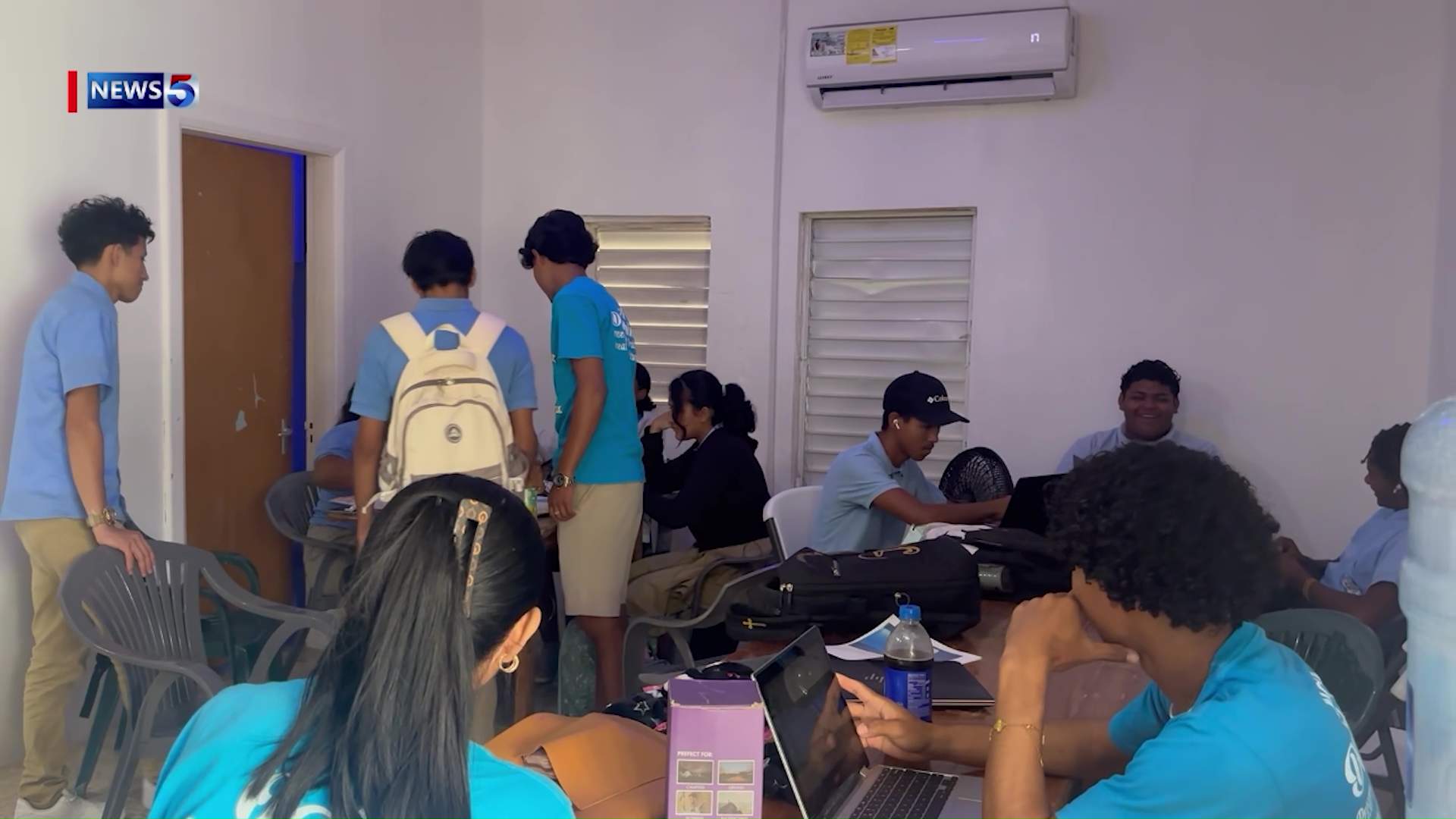
    The Ocean Academy, Caye Caulker’s sole high school, has commenced its new academic term under extraordinary circumstances—entirely without access to its primary campus. For over three weeks, students have been attending classes in borrowed and repurposed spaces including community centers, as their original school facilities remain shuttered due to severe flooding, mold infestation, and critical safety hazards.

    Principal Noemi Zaiden describes the profound operational challenges, noting that limited access to even these temporary spaces disrupts elective courses and general instruction. “It’s starting to wear on just even the resilience of the teachers and the students,” Zaiden stated, highlighting the strain after weeks of displaced learning.

    The situation has escalated into a pressing public issue, with parents, educators, and students collectively urging governmental intervention. In response, Education Minister Francis Fonseca announced the Ministry is exploring immediate remedies, including providing access to ministry-owned land for temporary structures.

    Minister Fonseca clarified the government’s complex position, emphasizing that as a private institution, Ocean Academy does not fall under direct governmental obligation. However, acknowledging the community’s needs, he committed to collaborative efforts with local representatives and educational stakeholders. Fonseca also revealed a long-term solution: a multi-million dollar project earmarked for Caye Caulker that promises new, modern primary and high school facilities designed to serve future generations.


  • Belize Sees Sharp Spike in Severe Flu Cases

    Belize Sees Sharp Spike in Severe Flu Cases

    Health authorities in Belize are confronting a significant public health challenge as the nation experiences a dramatic 50% increase in severe influenza-related hospitalizations compared to the previous year. This surge is placing unprecedented strain on the country’s healthcare infrastructure, with public hospitals and clinics reporting heightened pressure during the current flu season.

    Contrary to international concerns about the Influenza A(H3N2) variant, laboratory testing conducted within Belize has identified Influenza A(H1N1) as the predominant strain responsible for the current outbreak. Respiratory Syncytial Virus (RSV) infections have also shown increased activity, contributing to the overall rise in severe respiratory cases.

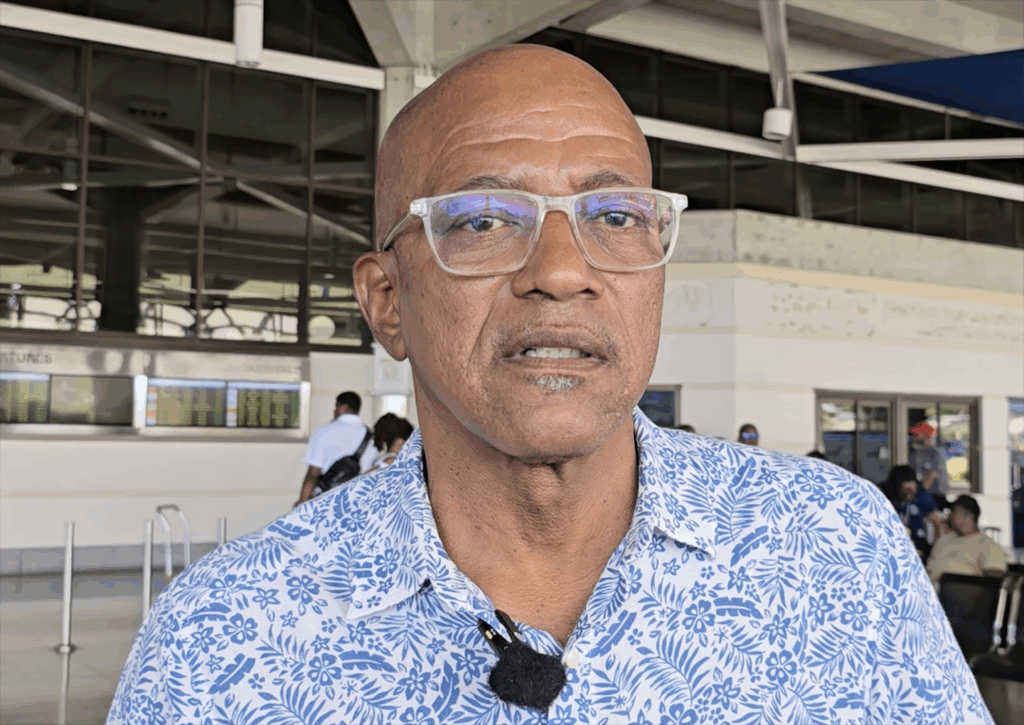
    Dr. Laura Friesen, Deputy Director of Public Health and Wellness, provided clarification regarding the viral strains present in the country. “We have not identified the H3N2 strain in Belize beyond two isolated cases detected approximately two months ago,” stated Dr. Friesen. “The current epidemiological pattern indicates H1N1 and RSV as the primary drivers of infection rates.”

    The seasonal pattern of respiratory illnesses typically shows increased transmission during November and December, but health officials note that the current severity exceeds normal annual variations. In response to the escalating situation, health authorities are emphasizing preventive measures including influenza vaccination for eligible populations.

    Dr. Friesen further recommended comprehensive health maintenance strategies: “Maintaining robust immune function through balanced nutrition rich in fruits and vegetables, regular physical activity, and adequate sleep represents a crucial defense against respiratory infections during this high-risk period.” The ministry continues to monitor the situation closely while urging public vigilance against further transmission.

  • Shanequa muscling her way to the top

    Shanequa muscling her way to the top

    Before dawn breaks across Barbados, Shanequa Allamby is already immersed in her rigorous training regimen at Beyond Limits Fitness Centre. The 30-year-old office assistant has transformed her passion for bodybuilding into an all-encompassing lifestyle that dictates her every waking moment.

    ‘Bodybuilding constitutes my entire existence—everything orbits around this discipline,’ Allamby affirms. Her daily routine exemplifies extraordinary dedication: 3:30 AM gym sessions until 5 AM, followed by her professional work from 6:30 AM to 4:30 PM, then meticulous meal preparation for the following day before retiring by 7:30 PM. This cyclical pattern repeats without deviation.

    Allamby’s athletic journey began through familial inspiration, with her younger brother initially introducing her to the sport. ‘My transition felt natural since I’d always been engaged in physical activities—track and field, basketball, and various school sports before committing to bodybuilding,’ she recalls.

    Her career breakthrough arrived at the May 2024 Roger Boyce Classic, where she secured her prestigious IFBB Pro card. This achievement propelled her onto the international stage at October’s IFBB Elite Pro Night of Champions in London. Following a strategic off-season, Allamby returned to competition with notable performances at another Roger Boyce Classic and a top-ten finish at a December show in Portugal.

    The athlete’s ambitions extend beyond participation. ‘My definitive objective is ranking among the top three at the World Championships—not merely top ten or five, but the podium positions,’ she declares with determined clarity.

    However, her path presents significant challenges, particularly as a Caribbean-based athlete. ‘Accessing international competitions remains our primary obstacle since most events occur in distant locations like Spain,’ Allamby explains. Beyond logistical hurdles, she confronts physical and mental barriers: ‘Sometimes your physique appears peak-ready, then unexpected imperfections emerge due to stress.’

    She references a competitive setback in May 2024 when she failed to reach finals, responding not with discouragement but strategic recalibration. ‘My team and I returned to the drawing board, analyzing every element for our December appearance.’

    This collaborative effort—coach Keliel Marshall, nutritionist Dionne ‘Mummy D’ Clarke, and posing coach Melissa Seaforth—proved instrumental. ‘Through intensive collaboration and constructive criticism, we developed our Portugal presentation. When we saw the final package, we were absolutely astonished,’ Allamby reveals.

    Her preparation involves meticulous nutritional precision: ‘We implemented low-carb, high-carb cycles with refeed days, requiring exact measurements—even a single ounce discrepancy mandates adjustment.’

    The sacrifices inherent to elite competition are substantial. ‘You essentially sacrifice conventional living—social gatherings, late nights—but when you’re committed to your goals, you consciously design your life around achieving them,’ Allamby states, embracing the trade-offs required for world-class achievement.

  • BCA set to launch semi pro league, ground breaking changes coming

    BCA set to launch semi pro league, ground breaking changes coming

    In a landmark development for Caribbean cricket, the Barbados Cricket Association (BCA) has unveiled plans to establish a semi-professional domestic league designed to foster local talent and create a structured pathway to professional play. The initiative was announced by BCA President Calvin Hope during a media briefing coinciding with the West Indies Under-19 team’s departure for the ICC Cricket World Cup.

    Mr. Hope articulated a clear vision for the league, emphasizing its role in instilling greater seriousness and providing tangible incentives for elite players who currently balance cricket with other employment. “Long are the days where people just come and turn up and play at that level,” Hope stated, underscoring the need for a formalized system to adequately prepare athletes for professional careers. The league is conceived as a critical developmental platform for the future of Barbadian cricket.

    While a tentative start date of April 4 has been set for the domestic season, the financial and operational specifics of the semi-pro league remain under active deliberation. President Hope highlighted the essential role of corporate collaboration, issuing a call to action for private sector investment. He framed cricket not just as a sport, but as a vital national asset and a vehicle for social cohesion, championing the concept of ‘P at the crease’—promoting peace through cricket—and advocating for the sport’s expanded role within Barbadian society.

  • Speelfilm ‘Onder de Paramariboom’ wordt in februari opgenomen in Suriname

    Speelfilm ‘Onder de Paramariboom’ wordt in februari opgenomen in Suriname

    Suriname’s film industry is poised for significant growth as international production ‘Under the Paramariboom’ prepares to commence filming in February. The feature film adaptation of Johan Fretz’s acclaimed novel brings together Dutch production company KeyFilm and local foundation Stichting The Back Lot, with Safi Graauw serving as director.

    The ambitious project will involve 22 shooting days across Suriname, employing approximately 60 cast and crew members comprising both international professionals and Surinamese talent. The production team spans various disciplines including acting, direction, production, cinematography, sound engineering, technical support, and facility management.

    Economic impact assessments project substantial benefits for Suriname’s local economy through intensive collaboration with domestic hotels, hospitality businesses, transportation services, and various service providers. The production will generate increased demand for accommodations, catering services, transportation, and logistical support, creating temporary employment opportunities and stimulating economic activity.

    Beyond immediate economic benefits, the production promises long-term developmental advantages for Suriname’s audiovisual sector. The collaboration facilitates crucial knowledge transfer and practical experience sharing between international and local professionals, creating lasting value that will persist long after production concludes.

    The production team is currently seeking Surinamese acting talent for various roles, inviting both experienced performers and emerging actors to participate through an open casting call. This inclusive approach ensures authentic representation while providing opportunities for local artists to gain international exposure.

    This cinematic project represents a significant milestone in Suriname’s cultural development, potentially positioning the country as an attractive destination for future international productions while strengthening its domestic film industry capabilities.

  • 9-1-1 expands coverage to Montecristi and Constanza

    9-1-1 expands coverage to Montecristi and Constanza

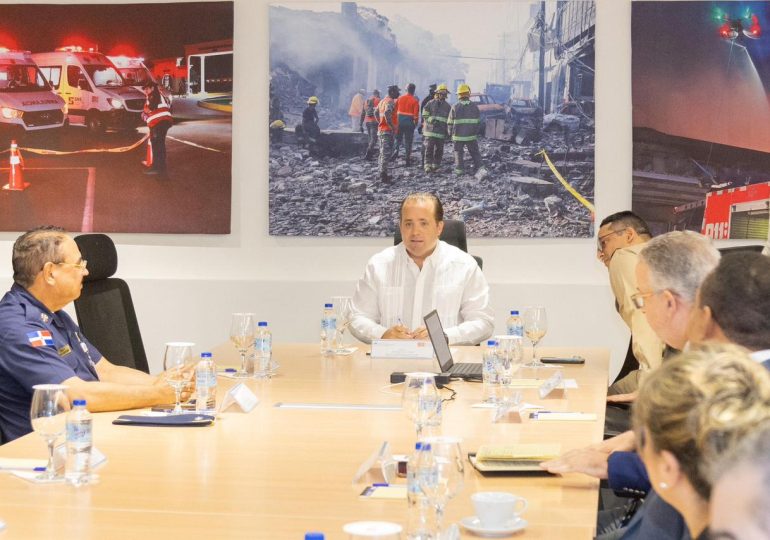
    Santo Domingo – In a significant move to enhance national emergency response capabilities, the Dominican Republic’s National Emergency and Security System 9-1-1 Council has authorized the expansion of its critical service coverage to additional regions. Chaired by Minister of the Presidency José Ignacio Paliza, the council approved the extension of 9-1-1 services to Montecristi province and the municipalities of Constanza and Jima Abajo in La Vega province, scheduled for implementation during the first quarter of 2026.

    Minister Paliza emphasized that this strategic decision reinforces the government’s commitment to fortifying emergency response systems, preserving lives, and improving both citizen security and pre-hospital medical care. The expansion specifically targets regions of considerable agricultural significance and strategic value, ensuring these vital economic zones receive adequate emergency protection.

    This development represents the latest phase in the systematic territorial expansion of the 9-1-1 System, which commenced operations in Pedernales in September 2025. The inclusion of these new territories will bring the emergency service’s operational coverage to 26 provinces, providing approximately 93% of the Dominican population with direct access to emergency assistance. Current estimates indicate the system now serves over nine million beneficiaries across the nation.

    The comprehensive emergency network leverages advanced technological integration, featuring an extensive video surveillance infrastructure, interoperable radio communication systems, and coordinated dispatch protocols. The incorporation of Montecristi, Constanza, and Jima Abajo will involve phased deployment of operational infrastructure compliant with 9-1-1 standards, including specialized call reception and management facilities.

    The expansion initiative will further enhance coordination among health services, security agencies, and rescue organizations, while strengthening communication and dispatch mechanisms to guarantee swifter and more efficient emergency responses. Minister Paliza reiterated that this planned growth aligns with the national strategy to progressively extend 9-1-1 services nationwide, ensuring reliable, timely, and coordinated emergency care throughout the Dominican Republic.

  • Ashdeane man, 77, trapped by flooding blamed on blocked drainage well

    Ashdeane man, 77, trapped by flooding blamed on blocked drainage well

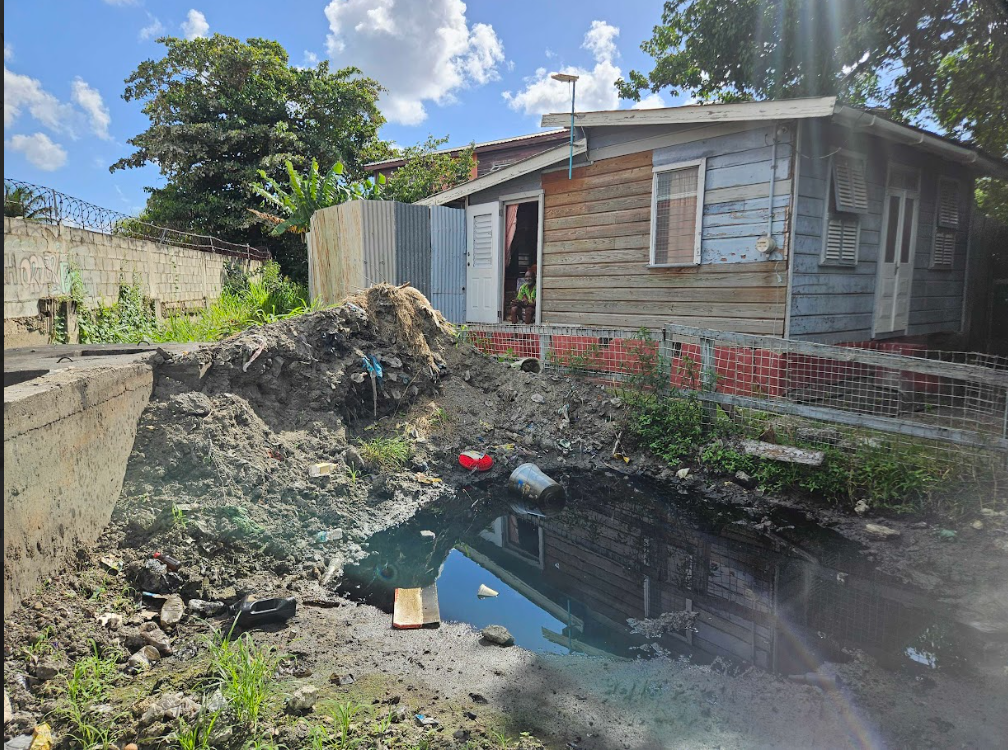
    An elderly St Michael resident with mobility limitations finds himself effectively marooned within his own home, besieged by persistent flooding and a rapidly deteriorating mosquito infestation that local inhabitants attribute to a clogged public drainage well.

    Seymour Burnett, 77, a decades-long resident of Ashdeane, reports a significant escalation of this problem over recent years. The situation originates from a public drainage well that has become obstructed with debris, causing water to reverse its flow and inundate his property. Burnett describes the flooding events as severe, with water levels occasionally rising to his knees, profoundly disrupting his daily existence.

    “My house does be like a boat,” Burnett explained, noting that while floodwaters have not yet breached his home’s interior, they completely encircle the wooden structure, effectively imprisoning him indoors. To combat the ensuing mosquito plague, he is forced to burn at least two insecticide coils nightly.

    Attempted interventions late last year proved insufficient. Neil Rowe, the Member of Parliament for St Michael North West, confirmed he escalated the matter to the government drainage department, which subsequently engaged a private contractor for well maintenance—the first such action since 2023. Although contractors removed approximately three skip loads of debris, the work was abandoned prematurely, leaving the well partially blocked and stagnant water accumulating throughout the watercourse. Compounding the issue, a large mound of excavated dirt and debris was left adjacent to Burnett’s property, creating additional pools of standing water.

    MP Rowe has apologized for the ongoing inconvenience and disclosed that he has contacted the chief technical officer at the drainage department to secure a commitment for completing the work within the coming fortnight. “Any inconvenience caused to residents is regrettable, and I am personally ensuring that the drainage well will be fully cleared and returned to operation,” Rowe stated. He added that remedial measures, including applying oil to stagnant water to suppress mosquito breeding around Christmas, were undertaken, and that the Ministry of Health would be engaged to address residual public health risks.

    The situation has galvanized community concern. André Broomes, a local barber, denounced the conditions as “ridiculous,” expressing fear for Burnett’s welfare and highlighting the inaccessibility for emergency services. The issue has also drawn political attention beyond the constituency’s representative. Ryan Walters, the Opposition Democratic Labour Party candidate for the area, visited the site and criticized the delayed official response, pointing out that the hazard also affects neighboring homes and local businesses. Walters asserted that his involvement came after residents sought alternative assistance due to dissatisfaction with the response from their sitting MP.

  • CXC reports strong uptake for CTEC Pilot

    CXC reports strong uptake for CTEC Pilot

    The Caribbean Examinations Council (CXC) has launched its January 2026 examination period with significant advancements in digital assessment technologies and regional education reform. With over 10,000 candidates participating in the Caribbean Secondary Education Certificate (CSEC) examinations, the council is implementing a strategic shift toward complete digitalization of all testing within the next three to five years.

    During a press conference in Kingston, Jamaica, Registrar and CEO Dr. Wayne Wesley unveiled comprehensive updates on CXC’s evolving examination framework. The current January sitting, running through January 29th, utilizes the council’s digital e-assessment and hybrid systems. Following this period, CXC will immediately commence preparations for the May-June examinations, which anticipate over 100,000 candidates and more than 600,000 subject entries across CSEC and Caribbean Advanced Proficiency Examination (CAPE) programs.

    Dr. Wesley presented two foundational documents representing CXC’s renewed focus on educational standards: learning standards for literacy and numeracy, and standards with performance criteria for primary exit examinations. These resources establish benchmark proficiencies aligned with regional and international requirements. The literacy and numeracy standards specifically guide pedagogical approaches during the first three years of secondary education, while the updated Caribbean Primary Exit Assessment (CPEA) standards target enhanced primary-level instruction outcomes.

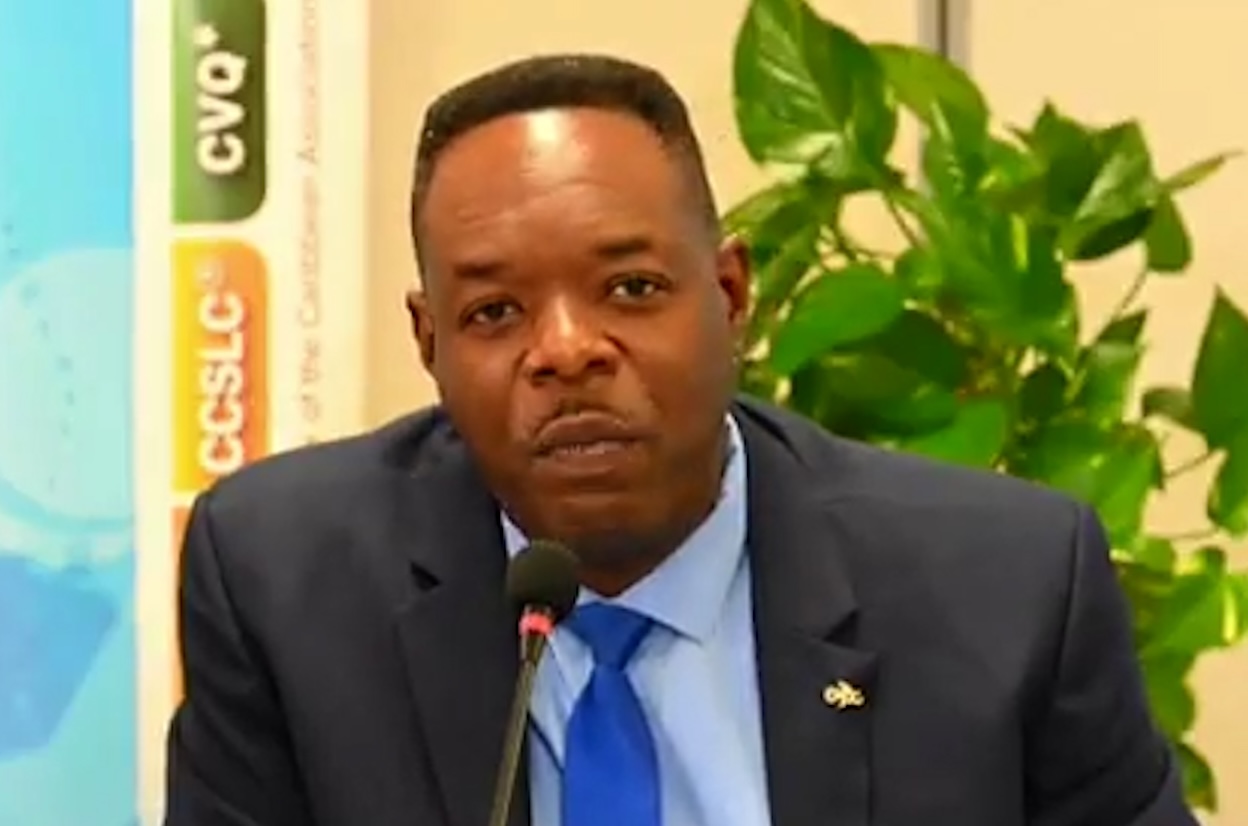
    A standout development is the remarkably successful Caribbean Targeted Education Certificate (CTEC) pilot, exceeding participation projections by more than 50%. Initially designed for 3,000 learners, the program attracted 6,453 candidates across all 13 CXC member states through 48 examination centers. Alton McPherson, supporting the pilot rollout, outlined the structured implementation timeline from January to March. Candidates will receive orientation on the Surpass platform, which will administer Paper One electronically and Paper Two in hybrid format, followed by comprehensive practice testing.

    The assessment process incorporates meticulous technical preparation between March and April, ensuring candidates can upload School-Based Assessments (SBAs), download timetables, and meet e-test readiness requirements. CTEC results will be addressed during the July-August results period, with comprehensive data analysis and qualitative feedback informing the full program rollout scheduled for June 2027.

    Dr. Wesley also emphasized CXC’s commitment to accessibility, referencing the council’s adherence to the Marrakesh Treaty. For the 2025 examinations, special arrangements accommodated 3,444 candidates with visual impairments and other special needs. The council continues to refine technologies and approaches to ensure full and equitable participation for all candidates regardless of ability.

    The Board of Governors has formally approved a comprehensive disaster and business recovery protocol featuring six implementation steps: initial response and support statement, coordination with education ministries, stakeholder consultation, recommendation development, board review, and measured implementation with ongoing evaluation. This protocol ensures continuity when member states experience disasters or unusual events.

    Dr. Wesley concluded with an optimistic outlook for 2026, inviting regional partnership in CXC’s mission to “ignite the potential and shape the future of our Caribbean people” through resilient stakeholder engagement, improved operational processes, and inclusively expanded service access.

  • Royal Grenada Police Force hosts historic promotion ceremony

    Royal Grenada Police Force hosts historic promotion ceremony

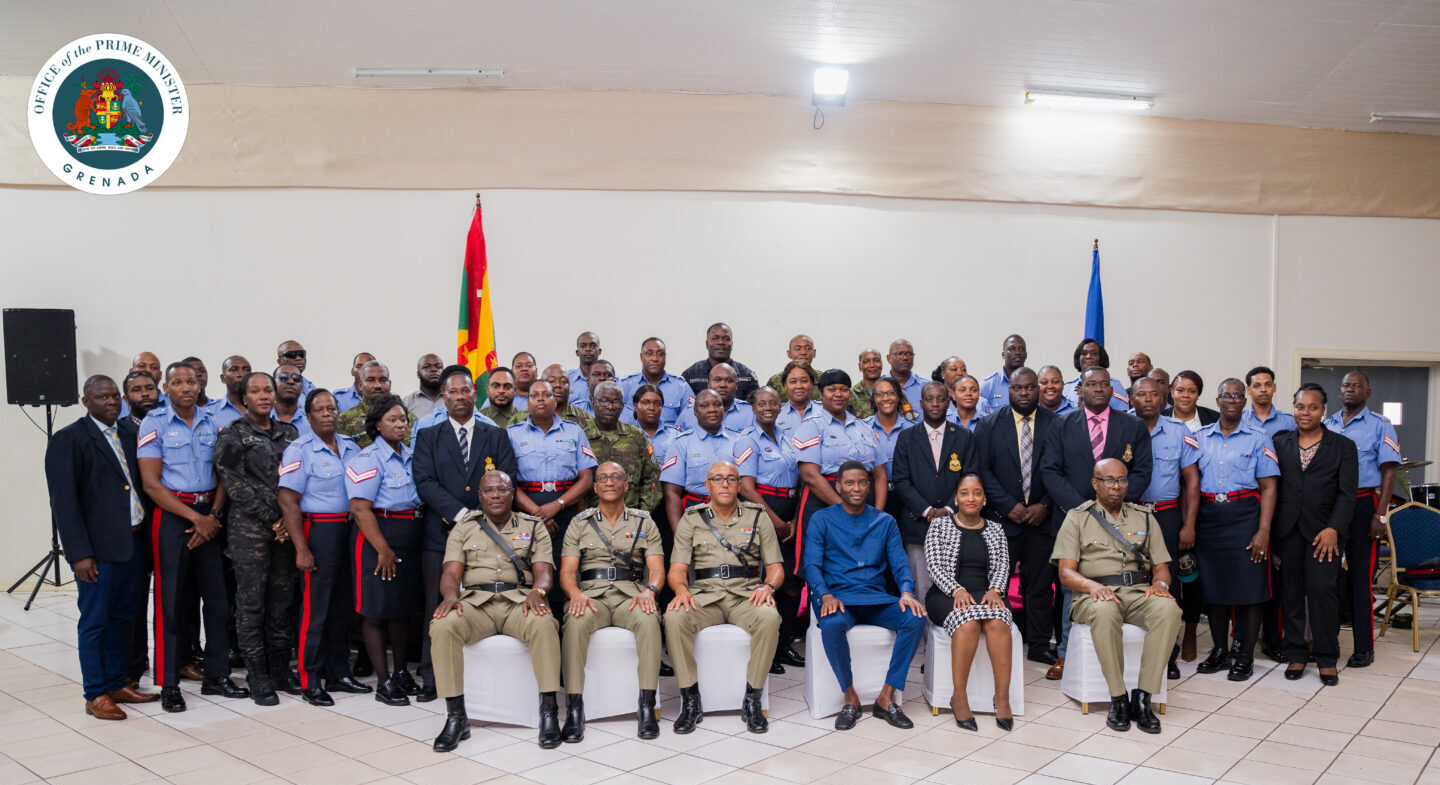
    In an unprecedented move signaling significant institutional growth, the Royal Grenada Police Force (RGPF) has elevated 179 officers and subordinate personnel—marking the single largest promotion ceremony in the force’s modern history. The landmark event, orchestrated under the thematic banner ‘Elevated in Rank, Anchored in Service,’ underscores the profound dedication and professional excellence demonstrated by Grenada’s law enforcement community in their ongoing mission to ensure national security.

    The comprehensive promotions encompass multiple hierarchical tiers within the police infrastructure, including one individual ascending to Assistant Commissioner of Police, 14 to Superintendent, 18 to Assistant Superintendent, 32 to Inspector, 46 to Sergeant, and 69 to Corporal.

    Assistant Commissioner of Police Vannie Curwen emphasized that the ceremony served dual purposes: not only honoring the relentless effort and perseverance exhibited by RGPF personnel but also recognizing the indispensable support and personal sacrifices made by their families, which proved crucial to their professional achievements.

    Prime Minister Dickon Mitchell, delivering the keynote address, lauded the promoted officers for their exemplary service and called upon them to approach their enhanced responsibilities with unwavering integrity and forward-thinking vision. He urged leadership by example, encouraged self-reflection for diversified future service, and motivated all personnel to pursue continuous self-improvement and training opportunities. The Prime Minister further articulated that this milestone represents a pinnacle of achievement for regional law enforcement, reinforcing Grenada’s steadfast dedication to superior public safety and community-oriented policing.

    This substantial organizational advancement symbolizes the RGPF’s renewed commitment to maintaining the highest standards of law enforcement, deeply rooted in service to the citizens of Grenada, as the force continues its progressive evolution.

  • CXC Uses Digital Exams to Keep January Tests on Track After Flight Disruptions

    CXC Uses Digital Exams to Keep January Tests on Track After Flight Disruptions

    In response to widespread flight cancellations stemming from the Venezuelan situation, the Caribbean Examinations Council (CXC) has successfully deployed its digital assessment infrastructure to ensure uninterrupted January 2026 examinations for affected candidates. Registrar and Chief Executive Officer Wayne Wesley announced at a Wednesday press conference in Kingston that the council immediately activated both e-assessment and hybrid examination platforms to accommodate students facing travel disruptions during the critical examination period.

    This technological intervention forms part of CXC’s comprehensive modernization initiative, with ambitious plans to transition all examinations to digital formats within the next three to five years. Currently, over 10,000 regional candidates are participating in January examinations running from January 22nd through 29th, utilizing these digital and hybrid assessment methods. Thursday’s examination schedule featured English B Paper Two and Human and Social Biology Paper Two administrations.

    Following the January examination session, CXC will shift focus toward preparing for the significantly larger May-June examination period, which anticipates over 100,000 candidates registering for more than 600,000 subject entries across both CSEC and CAPE qualification levels.

    Wesley emphasized the council’s unwavering commitment to educational continuity, noting CXC’s five-decade legacy as a CARICOM treaty organization. ‘The work at CXC never stops,’ Wesley stated, reaffirming confidence in the continued regional and international recognition of the council’s qualifications despite contemporary challenges.