作者: admin

  • St Kitts confirms agreement to accept certain US deportees

    St Kitts confirms agreement to accept certain US deportees

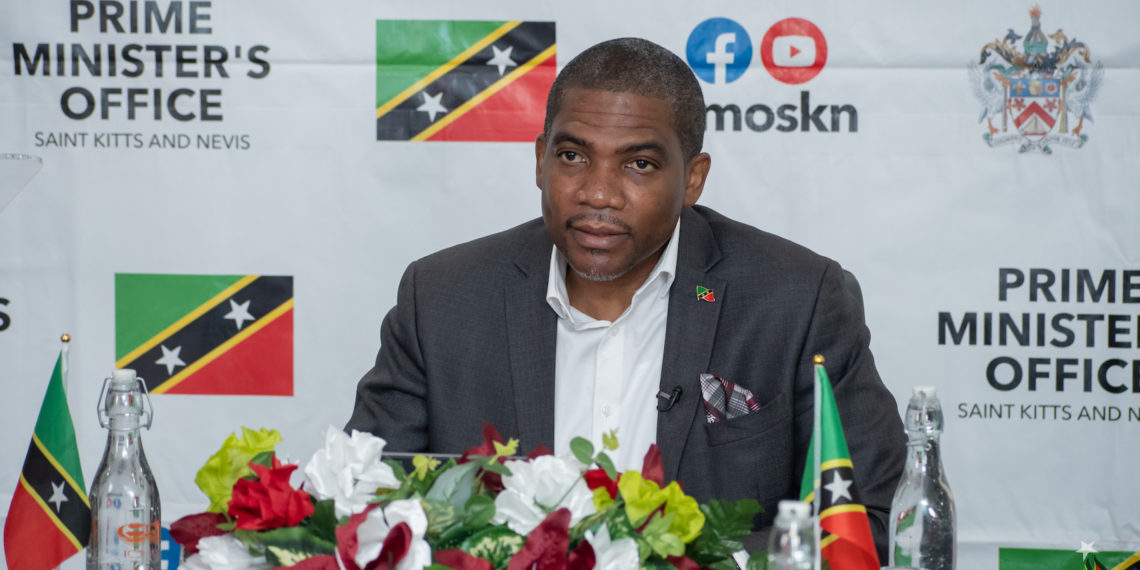
    The Federation of Saint Kitts and Nevis has officially entered into a memorandum of understanding with the United States regarding the acceptance of certain deportees and refugees, becoming the latest Caribbean nation to join this regional arrangement. Prime Minister Terrance Drew confirmed the agreement during a January 8th roundtable discussion with journalists, clarifying that the arrangement specifically applies to nationals from Caribbean Community (CARICOM) member states, with explicit exclusion of Haitian citizens.

    The agreement contains significant limitations, applying only to individuals without violent or sexual criminal histories. This development follows similar confirmations from Dominica and Antigua and Barbuda, though each nation has negotiated distinct terms within their respective memoranda.

    Dominican Prime Minister Roosevelt Skerrit emphasized the practical constraints of his nation’s small population of approximately 60,000, noting that while no specific numbers have been finalized, American authorities recognize these limitations. Security concerns regarding potential deportees were also acknowledged by both parties during negotiations.

    Antigua and Barbuda’s Prime Minister Gaston Browne provided additional context through social media statements, clarifying that his nation’s arrangement is non-binding and includes the right to reject any individual proposed by the United States. The agreement caps annual acceptances at no more than 10 deportees and explicitly excludes those with criminal backgrounds.

    This diplomatic development occurs against the backdrop of existing visa restrictions imposed by the United States on both Dominica and Antigua and Barbuda, scheduled to take effect in January 2026. Browne characterized his nation’s participation as a “measured diplomatic gesture” rather than an attempt to curry political favor, noting that over 100 governments worldwide were approached regarding similar arrangements.

    Reports suggest Guyana may also be nearing a similar agreement, while inquiries to Saint Lucia’s Ministry of External Affairs regarding potential discussions remained unanswered at the time of reporting.


  • Crop theft ‘forcing’ top grower to scale back production

    Crop theft ‘forcing’ top grower to scale back production

    Prominent Barbadian agricultural producer Richard Armstrong has reached a critical juncture in his decades-long farming career, announcing plans to significantly scale back crop cultivation following massive organized thefts targeting his operations. The owner of Armag Farms revealed that thieves systematically stole approximately 15,000 pounds of yams from his St. John fields in recent weeks, with at least 3,000 pounds disappearing in a single night.

    The Christmas period brought an alarming escalation in what Armstrong describes as ‘commercial crop theft’ rather than petty larceny. ‘These people are making a living off of it,’ he emphasized, noting the sophisticated nature of the operations that have pushed his farming enterprise to the brink of sustainability. The thefts have forced Armstrong into difficult security decisions, juggling limited protection between his yam fields in St. John and sweet potato crops in St. Philip.

    Financial analysis reveals the staggering cost of security measures, with annual expenses approaching $80,000 including private security firms—a burden that cannot be passed to consumers given stagnant pricing structures. ‘We are price takers, not price setters,’ Armstrong explained, noting that potatoes currently sell at roughly the same price as forty years ago despite significantly increased production costs.

    The psychological impact has been profound, with Armstrong describing decades of nightly anxiety about crop losses as ‘exhausting and demoralizing.’ He criticized the lack of enforcement regarding produce sales legislation, noting that receipt requirements exist on paper but remain unimplemented. The farmer also questioned why the Barbados Defence Force hasn’t been deployed as a deterrent, citing Jamaica’s successful use of military personnel to combat agricultural theft.

    Armstrong warned that continued inaction threatens national food security, as large-scale producers reconsider their operations. With lower yam yields expected due to severe drought conditions in August and September, the coming year presents particularly challenging circumstances for Barbadian agriculture.

  • Holidays 2026: These are the long weekends this year

    Holidays 2026: These are the long weekends this year

    The Dominican Republic’s Ministry of Labor has officially released the 2026 holiday calendar, implementing the nation’s unique holiday rescheduling system established by Law 139-97. This longstanding legislation allows for the strategic movement of midweek holidays to Mondays, creating extended weekends throughout the year.

    According to the published schedule, Dominican workers can anticipate seven extended holiday weekends during 2026. The system operates on the principle that when a holiday falls on Tuesday, Wednesday, Thursday, or Friday, it is automatically relocated to the preceding Monday, effectively creating three-day weekends. This approach applies regardless of whether the original holiday date falls on a Friday, with the weekend extending through Sunday.

    The 2026 holiday calendar begins with Three Kings’ Day, originally falling on Tuesday, January 6th but officially moved to Monday, January 5th. This creates the first extended weekend starting at noon on Saturday, January 3rd through Monday, January 5th.

    Subsequent extended weekends include:
    – January 24th-26th: Celebrating Juan Pablo Duarte’s birthday
    – February 27th-29th: National Independence Day observances
    – April 3rd-5th: Holy Week holidays (Good Friday observance)
    – May 2nd-4th: Labor Day celebrations (moved from first Friday of May)
    – November 7th-9th: Constitution Day observances
    – December 25th-27th: Christmas celebrations

    Additionally, 2026 features five fixed-date holidays that maintain their original scheduling: New Year’s Day (January 1), Our Lady of Altagracia Day (January 21), Corpus Christi Day (June 4), Restoration Day (August 16), and Our Lady of Mercy Day (September 24). This brings the total number of official holidays for 2026 to twelve, with seven offering extended weekend opportunities for Dominican workers and families.

  • Ali mum on US sending third country nationals to Guyana, removal of Maduro

    Ali mum on US sending third country nationals to Guyana, removal of Maduro

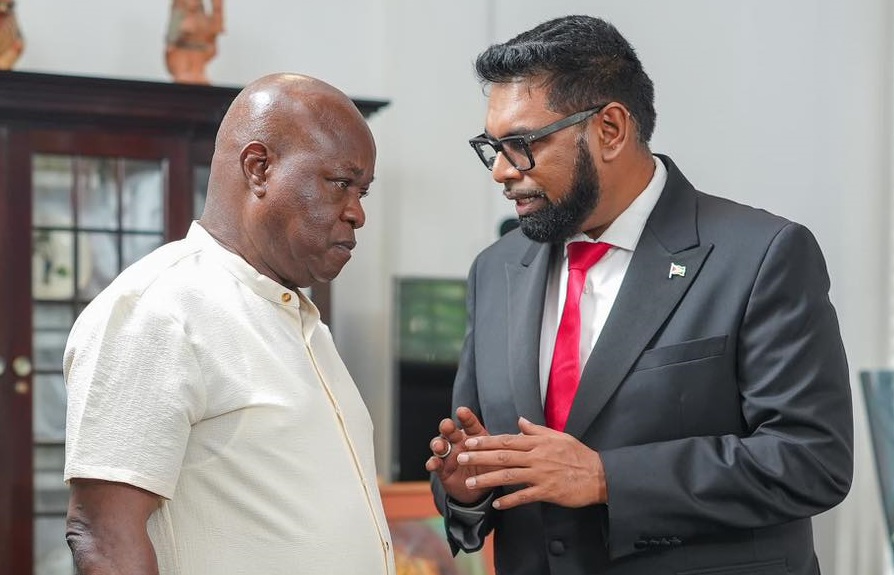
    Guyanese President Irfaan Ali maintained a firm stance of silence on Friday regarding two sensitive diplomatic matters involving the United States, deflecting mounting pressure from political opponents demanding governmental transparency. The President declined to elaborate beyond an official statement issued days earlier concerning ongoing negotiations with the US about potentially relocating third-country nationals to Guyana.

    When pressed by journalists in Rosignol, West Coast Berbice, about whether an agreement had been reached to accept US deportees rejected by their native countries, President Ali simply referenced the January 5th statement from Foreign Secretary Robert Persaud. “You’ve heard a statement out of the Foreign Secretary. There is nothing to add to that statement at this time,” the President asserted.

    The previously released communique indicated that Guyana and the US were engaged in “productive discussions on a framework of understanding” aligned with Guyana’s national priorities while simultaneously supporting American objectives.

    This diplomatic reticence sparked sharp criticism from opposition leaders. Aubrey Norton, leader of the People’s National Congress Reform and A Partnership for National Unity (APNU), condemned the potential acceptance of non-Guyanese deportees as “unacceptable,” arguing that welcoming individuals deemed undesirable by another society would prove detrimental to Guyana.

    Norton, a political scientist and former foreign service officer, employed a striking environmental analogy, comparing the potential migrant transfer to dumping toxic materials across international borders. “APNU cannot understand the logic behind accepting deportees that another society does not want,” he stated, demanding immediate cessation of these “insane” negotiations that he believes contradict national interests.

    Simultaneously, President Ali similarly avoided commentary on another contentious issue: the United States’ removal of Venezuelan President Nicolás Maduro to face trial in New York on drug and weapons charges. Norton criticized this action as a violation of international law, emphasizing that all international proceedings should occur within established legal frameworks.

    While refusing to address the Maduro situation directly, President Ali had previously expressed his position on social media platform X on January 3rd, stating that “stability, respect for law, and democratic transition are critical to the future of Venezuela and the broader Americas.”

    The developments occur against a backdrop of strengthened security and military cooperation between Guyana and the United States, with Guyana and Trinidad and Tobago remaining key US allies in the region. Opposition groups including the We Invest in Nationhood and the Forward Guyana Movement have called for parliamentary scrutiny of these diplomatic engagements, advocating for greater transparency in international agreements.

  • Child under 12 years old reported missing in La Vega located

    Child under 12 years old reported missing in La Vega located

    Authorities in the Dominican Republic have successfully resolved a missing child case that garnered significant attention through digital channels. The National Police confirmed the safe recovery of a 12-year-old male minor in La Vega province after an intensive search operation triggered by social media alerts.

    The incident unfolded when educational staff at the boy’s school notified his mother of his unexplained absence from classes on Thursday, January 8. Despite having left his residence to attend the nearby learning institution, the child never arrived at the facility, prompting immediate concern.

    Law enforcement agencies sprang into action following digital dissemination of the missing person alert. Investigators from the Regional Investigation Subdirectorate (Dicrim) mobilized resources to trace the minor’s whereabouts through systematic investigative protocols.

    The case reached its positive conclusion when police verification confirmed the child had voluntarily traveled to Santiago province to stay with relatives, reportedly due to personal circumstances. The mother subsequently traveled to the location and safely retrieved her son without incident.

    Official statements from the National Police emphasized that the minor remained in good health throughout the episode and suffered no compromise to his physical wellbeing. With the child now under parental supervision, authorities have formally closed the investigation, noting no criminal elements were involved in the occurrence.

  • Without a trace or goodbyes: The heartbreaking disappearances of children in the country

    Without a trace or goodbyes: The heartbreaking disappearances of children in the country

    Santo Domingo — A silent crisis is gripping the Dominican Republic as families across the nation endure the unimaginable agony of missing children. The desperate plea—’Has anyone seen my child?’—echoes through communities where youngsters have vanished from everyday settings: school routes, family gatherings, and their own homes.

    This investigative report documents several heartbreaking cases that highlight systemic challenges in child protection and criminal investigations. The recent disappearance of three-year-old Brianna Genao Gonzalez during New Year’s Eve celebrations in Puerto Plata has triggered massive search operations involving specialized units from the Public Prosecutor’s Office, National Police, SWAT teams, and canine units. Despite confessions from two suspects regarding sexual assault and murder, Brianna’s whereabouts remain unknown.

    The pattern repeats across the country: Two-year-old Isaías Deversió was found deceased after vanishing from El Seibo province; Roldany Calderón, aged three, disappeared without trace from Jarabacoa 284 days ago; and nine-year-old Liz María Sánchez was allegedly murdered with her body never recovered despite a conviction.

    Particularly vulnerable cases include Abraham Baez Carrion, a non-verbal autistic child missing since 2017, and Yodalis Luciano, who vanished in 2015 while living with sickle cell disease. The tragedy extends to pregnant sixteen-year-old Emely Peguero, whose brutal murder revealed systemic violence against young women.

    These cases represent just a fraction of the unresolved disappearances that have left families in perpetual anguish and exposed critical gaps in child protection mechanisms, investigative protocols, and judicial follow-through. While authorities occasionally achieve breakthroughs, most families continue waiting for answers that may never come.

  • BTL Eyes Major Telecom Buyout, Transparency Questioned

    BTL Eyes Major Telecom Buyout, Transparency Questioned

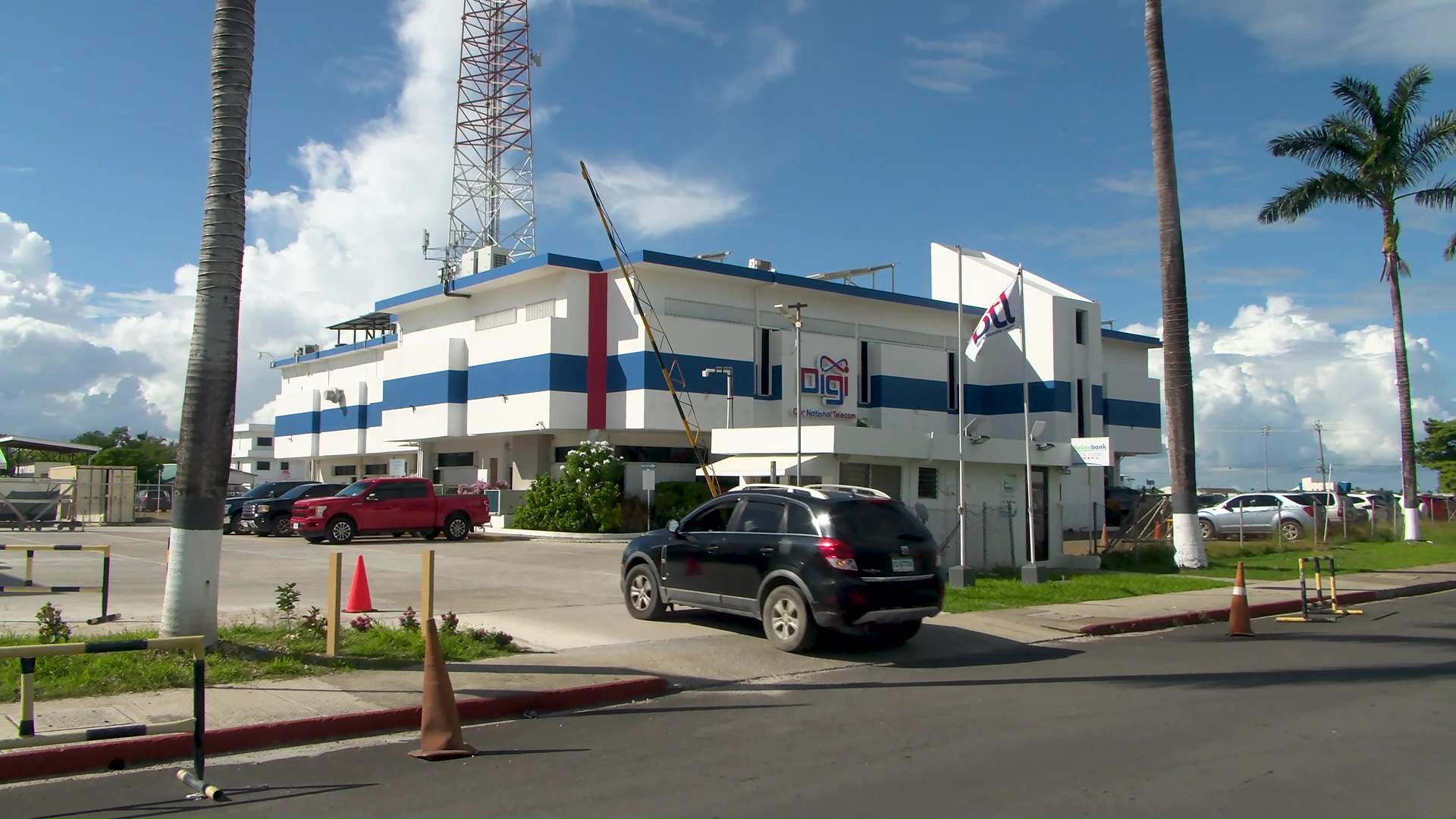
    In a landmark development for Belize’s telecommunications sector, state-owned Belize Telemedia Limited (BTL) has formally announced its intention to acquire multiple private operators including Speednet, Central Television and Internet, and Southern Cable Network. The proposed consolidation, valued at approximately $170 million, represents one of the most significant financial maneuvers in the nation’s telecom history.

    Chairman Markhelm Lizarraga broke months of speculation during a pre-board meeting press briefing, characterizing the move as an ‘industry rationalization and unification’ initiative that has been under consideration since 2018. Lizarraga emphasized the economic rationale behind the consolidation, citing extensive duplication in billing systems, software licensing, and infrastructure that ultimately burdens consumers with higher costs.

    The acquisition strategy faces immediate scrutiny regarding governance and transparency. Journalists highlighted potential conflicts of interest, noting that Lizarraga’s brother holds ownership stakes in Central Television and Internet, while Prime Minister John Briceno—who appointed Lizarraga—has family interests in Speednet. These connections raise fundamental questions about whether a publicly-owned entity is acting in the national interest.

    BTL management contends that the consolidation will generate substantial operational efficiencies through combined revenues and eliminated redundancies in power consumption, marketing, HR, IT, and tower infrastructure. The company projects the investment will achieve full payback within four years through enhanced annual cash flow. Consumer services are expected to remain unchanged regarding phone numbers and service offerings, with potential future price reductions subject to Public Utilities Commission benchmarking against competitive markets.

    The absence of public consultation has drawn sharp criticism from civil society and labor organizations. The National Trade Union Congress of Belize has demanded immediate suspension of acquisition proceedings, full disclosure of beneficial ownership structures, and transparent national consultations. BTL maintains that as a private company, its decisions require public disclosure rather than consultation, though the government’s majority ownership implies significant public stakeholding.

    As the proposal advances under increasing public scrutiny, the fundamental tension between corporate efficiency and public accountability remains unresolved. With hundreds of millions in public assets at stake, the outcome will likely reshape Belize’s telecommunications landscape for generations.

  • Resignation and Union Alarm Over BTL Acquisition Plan

    Resignation and Union Alarm Over BTL Acquisition Plan

    A significant corporate governance crisis has emerged in Belize’s telecommunications sector following the resignation of Social Security Board Chair Chandra Nisbet-Cansino from the board of Belize Telemedia Limited (BTL). The resignation, confirmed by News Five on January 9, 2026, stems from opposition to a proposed acquisition plan that has triggered widespread concern about financial risk management and transparency.

    The situation has escalated with the National Trade Union Congress of Belize (NTUCB) issuing strong warnings about the potential jeopardy to workers’ pension funds. With the Social Security Board holding a substantial thirty-six percent stake in BTL, the union body emphasizes that workers’ contributions should not be exposed to speculative ventures lacking proper valuation, transparency, and parliamentary oversight.

    NTUCB President Ella Waight and General Secretary Timothy Dami revealed concerning details about their recent meeting with Prime Minister Briceño, noting that the acquisition plan was never discussed during their lengthy conversation. Both union leaders expressed frustration at the administration’s failure to address their concerns despite the significant implications for national pension funds.

    The controversy deepened as BTL’s board meeting to consider the acquisition was reportedly deferred due to absent members, with indications that a second board member may have resigned following Nisbet-Cansino’s departure. Union representatives have highlighted the particular risk of acquiring what they characterize as ‘dying industries’ in the current technological landscape, with Dami questioning the logic of investing in cable services in 2025.

    The NTUCB has formally demanded an immediate halt to acquisition proceedings, full disclosure of beneficial ownership, and a transparent national consultation process. The organization has already begun mobilizing its membership in response to what it perceives as a threat to the financial security of Belizean workers.

  • Independent Senators Call for BTL Deal Pause

    Independent Senators Call for BTL Deal Pause

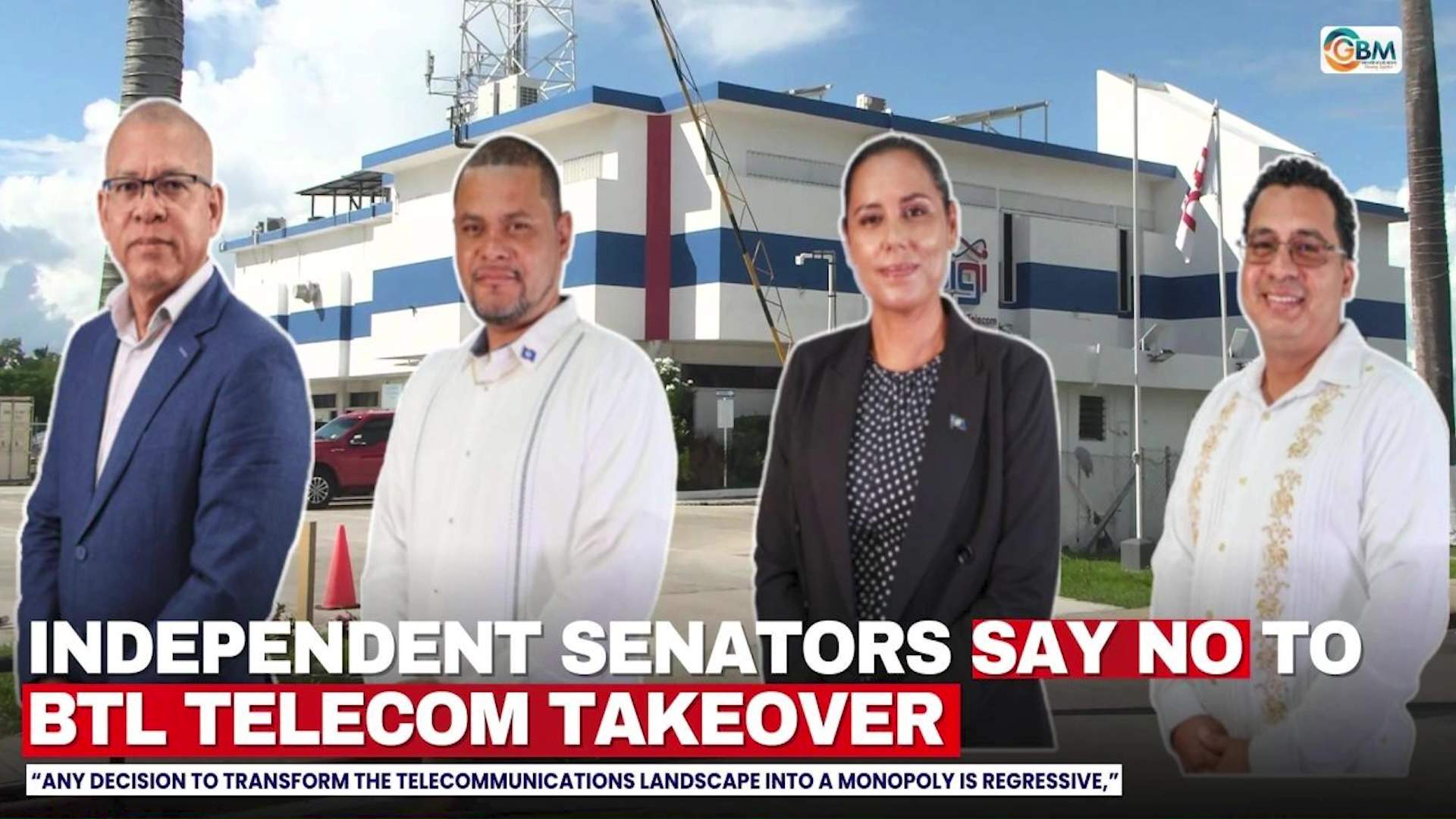
    A coalition of Independent Senators in Belize has formally demanded an immediate suspension of the proposed acquisition of Belize Telemedia Limited (BTL) commercial interests, escalating concerns about potential market domination in the nation’s telecommunications sector. The diverse group—representing business, religious, non-governmental, and labor interests—issued a joint statement aligning with earlier objections raised by both the National Trade Union Congress of Belize and the Belize Chamber of Commerce and Industry (BCCI).

    The senators emphasized that the transaction requires comprehensive independent valuations and full transparency regarding its justification before any regulatory approvals proceed. Their primary concern centers on the deal potentially creating a telecommunications monopoly that could disadvantage consumers and undermine market competition.

    This political development follows Thursday’s press conference where BCCI President Giacomo Sanchez articulated the business community’s position. While not outright rejecting the acquisition, Sanchez emphasized that robust legislative safeguards must precede any further discussions. He specifically highlighted concerns about asset evaluation and the need to prevent future ‘flipping’ of the telecommunications provider.

    Sanchez stated: ‘If proper evaluation reveals the acquired assets are in a retrograde position, we would effectively be moving backward. However, if these represent suitable assets, viability exists. Our opposition isn’t to the transaction per se, but to the current structure which lacks sufficient guardrails against future ownership fluctuations of BTL.’

    The converging opposition from civil, business, and political sectors creates significant pressure on regulators to implement comprehensive legislation before considering the acquisition’s progression.

  • Opposition Draws Line in the Sand Over BTL Consolidation

    Opposition Draws Line in the Sand Over BTL Consolidation

    BELIZE CITY – A major political confrontation is escalating in Belize as the United Democratic Party (UDP) mounts vigorous opposition to Belize Telemedia Limited’s proposed consolidation plan. UDP Leader Tracy Panton has issued a stern warning, declaring her party’s readiness to employ all lawful measures, including civil disobedience, to halt the telecommunications merger.

    In a forceful statement, Panton characterized the consolidation as a non-transparent arrangement seemingly designed to benefit a select few rather than serving the public interest. She expressed particular concern about the complete absence of publicly available information regarding the deal’s structure and implications.

    “Belizeans are no fools,” Panton stated, directly addressing BTL’s leadership. “We understand that this is a deal that seems to favor a few with private advantage rather than the Belizean public who own this company.”

    The opposition leader insisted on full disclosure and transparency throughout the consolidation process, emphasizing that as a publicly owned company, BTL owes accountability to the Belizean people. She demanded comprehensive feasibility and viability assessments to ensure any acquisition arrangement delivers tangible public benefits.

    Panton contextualized the telecommunications controversy within broader public discontent, citing recent economic pressures including spiraling living costs, a $69 million loan for road infrastructure, an 18% property tax increase, and rising utility rates. The UDP leader indicated the party is coordinating with civil society organizations and labor unions to build a coalition against the consolidation.