作者: admin

  • Man detained less than 24 hours after wanted bulletin issued in Grays Farm shooting

    Man detained less than 24 hours after wanted bulletin issued in Grays Farm shooting

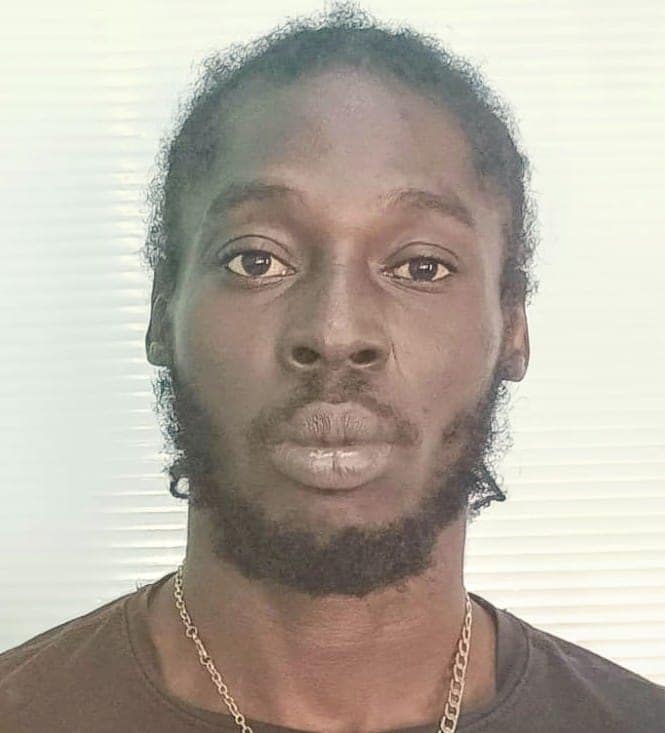
    Law enforcement authorities in Antigua and Barbuda have successfully apprehended Tevin Willock, a suspect wanted in connection with a serious shooting incident in the Grays Farm area. The arrest occurred Sunday within the same community where the alleged crimes took place, marking a swift conclusion to an intensive manhunt that lasted less than twenty-four hours.

    The Royal Police Force had previously issued an urgent bulletin to the public identifying Willock as a person of interest for firearm-related violations and additionally for escaping lawful custody. The police advisory specifically warned community members against approaching the suspect and instead encouraged his peaceful surrender to authorities.

    Following his detention, Willock remains in police custody where he is undergoing formal interrogation procedures. Investigators continue to pursue active lines of inquiry regarding the initial shooting event that prompted the widespread search. The police department has reaffirmed its commitment to resolving the case and maintaining public safety.

    Authorities are continuing to solicit information from the community and have provided multiple channels for confidential reporting, including direct contact with the Criminal Investigations Department (CID) at 462-3913, local police stations, or the anonymous Crime Stoppers tip line at 800-TIPS (8477). All information provided will be handled with utmost discretion and confidentiality.

  • COMMENTARY: Fear and Fictions V Fact and Evidence

    COMMENTARY: Fear and Fictions V Fact and Evidence

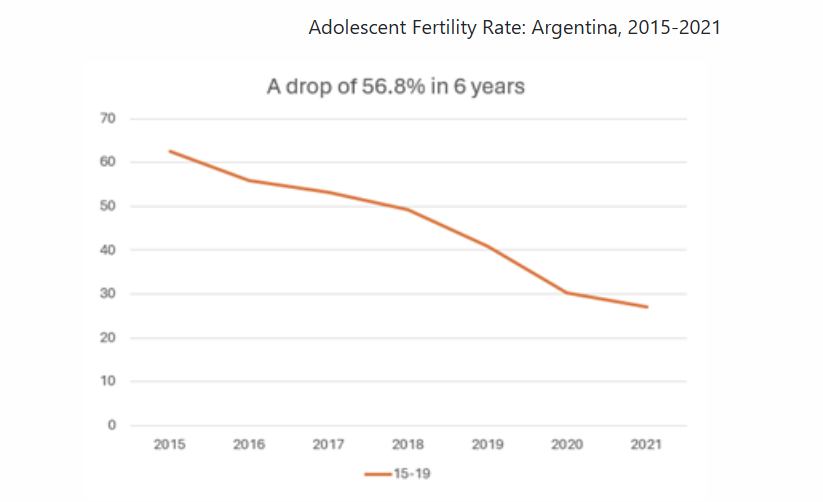
    Recent data from multiple national studies challenges long-standing assumptions about the relationship between abortion legalization and adolescent sexual behavior. Evidence from Barbados, Guyana, and now Argentina demonstrates that increased access to legal abortion services correlates with significant reductions in teen fertility rates rather than promoting increased sexual activity as opponents claim.

    According to the CEDEs Annual 2022 Report analyzing Argentina’s experience with legal abortion, the country implemented a tiered approach to reproductive healthcare access. The policy granted full autonomy to teenagers aged 16-17, provided independent access for those 13-15 when no serious medical risk was present, and required adult accompaniment only for children 12 and younger.

    The results were striking: Argentina’s adolescent fertility rate among 15-19 year olds plummeted from 62.6 to 27 per 1,000 women—a dramatic 57% reduction—within just six years of implementation. This pattern mirrors experiences in Caribbean nations where abortion legalization preceded similar declines. Barbados witnessed a 53% overall reduction in abortions at Queen Elizabeth Hospital and a 58.9% decrease among teenagers in the decade following legalization in 1983. Similarly, Guyana’s abortion rate dropped 20% below pre-legalization levels after 1995.

    These findings directly contradict claims that legal abortion access encourages “licentious sexual activity” among youth. Instead, the evidence suggests that comprehensive reproductive health policies combining access with education effectively reduce adolescent pregnancy rates. The data indicates that evidence-based health policy rather than fear-based approaches produces measurable improvements in public health outcomes.

    ASPIRE, a pro-motherhood, pro-choice advocacy group operating across six Caribbean countries, emphasizes that replacing obstacles with access and ignorance with education represents a more effective approach to reproductive health policy. The organization promotes continued research and dialogue with civil society and governments to advance fairness and justice in reproductive healthcare across the region.

  • Thousands Turn Out as One Nation Festival Opens to Packed Grounds in Antigua

    Thousands Turn Out as One Nation Festival Opens to Packed Grounds in Antigua

    The inaugural evening of the One Nation Caribbean Music Festival transformed Antigua’s Recreation Grounds into a vibrant tapestry of regional culture on Friday, with thousands of attendees creating an electric atmosphere. The event showcased a powerful display of Caribbean unity, evidenced by the sea of flags from Dominica and St. Lucia waving among the enthusiastic crowd.

    The night’s most unexpected highlight emerged when Antigua and Barbuda’s Prime Minister Gaston Browne took the stage in his musical alter ego ‘Gassy Dread,’ delivering a memorable collaboration with Jamaican dancehall sensation Mr. Vegas. This unprecedented fusion of politics and performance generated significant buzz throughout the venue.

    Jamaica’s musical dominance continued with compelling sets from dancehall powerhouse Masicka, the legendary fire-reggae performer Capleton, soulful crooner Christopher Martin, and the iconic Gramps Morgan of Morgan Heritage fame. The festival’s diverse musical palette expanded further with Dominica’s Signal Band, who delivered an infectious bouyon rhythm that energized the audience.

    Local Antiguan talent received substantial representation through acclaimed performances by Tian Winter, soca artist Claudette Peters, and the legendary Burning Flames ensemble. The festival continues its momentum on Saturday evening from 5 p.m., transitioning to spiritual melodies with American gospel superstar Tasha Cobbs Leonard leading a program featuring both regional and local gospel artists, ensuring the event’s musical diversity remains a central theme.

  • ExxonMobil noemt Venezuela ‘niet investeerbaar’

    ExxonMobil noemt Venezuela ‘niet investeerbaar’

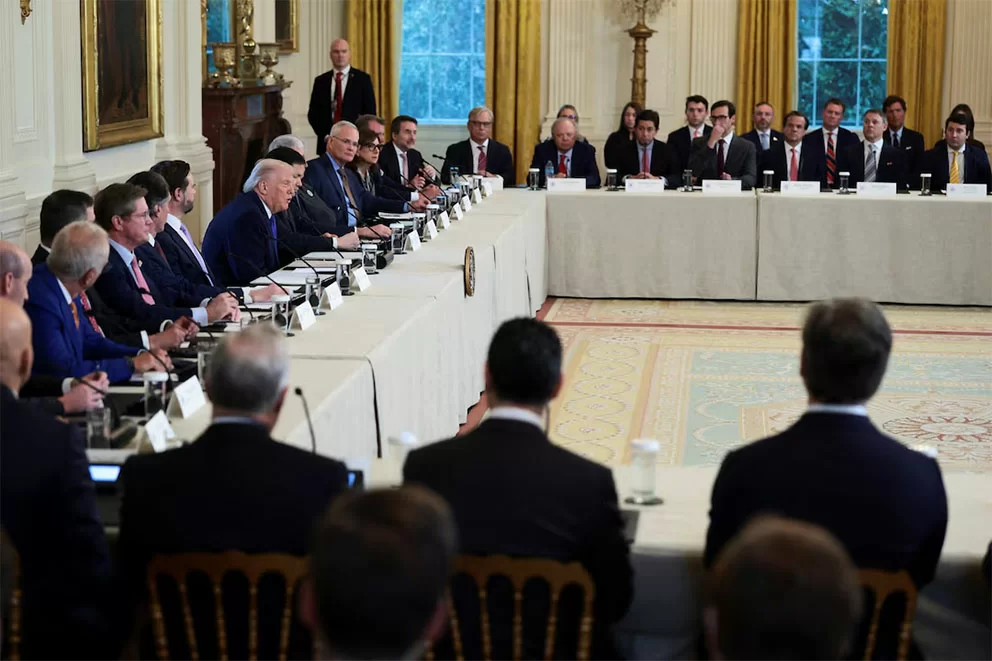
    In a high-stakes meeting at the White House, ExxonMobil CEO Darren Woods delivered a stark assessment of Venezuela’s investment climate during discussions with President Donald Trump, Vice President JD Vance, and Secretary of State Marco Rubio. Despite recent geopolitical shifts that saw the removal of Nicolás Maduro’s administration, Woods unequivocally stated that Venezuela remains ‘uninvestable’ without comprehensive legal and institutional reforms.

    Woods emphasized the necessity of robust investment protections, citing ExxonMobil’s two previous experiences with nationalization in the country. ‘We’ve lost our assets there twice through nationalization,’ Woods noted. ‘Returning for a third time requires significant changes from what we’ve observed historically and currently.’ The energy giant insists on fundamental modifications to Venezuela’s oil and gas legislation before considering reentry, contingent on deploying technical teams to evaluate industry infrastructure under adequate security conditions.

    The meeting revealed divergent perspectives among major energy corporations. Chevron, currently the only U.S. oil major operating in Venezuela, expressed optimism about rapidly scaling production. Vice Chairman Mark Nelson projected an immediate doubling of output through joint ventures with state-owned PDVSA, with further growth anticipated within 18-24 months, though acknowledging dependence on political and economic stability.

    Meanwhile, ConocoPhillips continues seeking billions in compensation from Venezuela for past nationalizations. CEO Ryan Lance emphasized the need for PDVSA reorganization and the crucial role of financial institutions in facilitating infrastructure investments.

    President Trump conveyed confidence in recovering investments and forging a new beginning, while industry leaders maintained that Venezuela’s substantial oil reserves remain inaccessible without fundamental reforms that guarantee investor protection and sustainable operational frameworks.

  • Founder of School of the Nations dies

    Founder of School of the Nations dies

    Georgetown, Guyana – The educational community is mourning the loss of Brian O’Toole, the Australian educator who co-established Guyana’s prestigious School of the Nations. O’Toole passed away on Saturday night at age 71 while receiving treatment at a Georgetown medical facility, according to family representatives.

    O’Toole’s educational legacy began three decades ago when he and his wife Pamela founded the School of the Nations in 1996. The institution has since grown into one of Guyana’s most respected educational establishments, known for its innovative curriculum and commitment to academic excellence.

    The educator had been hospitalized for several days prior to his passing, though specific details regarding his condition were not disclosed by family members. His departure marks the end of an era for the institution he helped build from its inception.

    School of the Nations has earned recognition for its unique educational approach that blends academic rigor with character development, serving both local and international students in Guyana’s capital city. O’Toole’s vision for the school emphasized holistic education that prepared students for global citizenship while maintaining strong roots in Guyanese culture and values.

    The passing of the Australian-born educator has prompted an outpouring of condolences from alumni, parents, and educational professionals across Guyana and beyond. Many have taken to social media to share memories of O’Toole’s dedication to educational innovation and his personal commitment to students’ success.

    The school administration is expected to release an official statement regarding succession plans and memorial arrangements in the coming days. Educational analysts note that O’Toole’s contribution to Guyana’s private education sector has left an indelible mark on the country’s academic landscape.

  • Bouva: Diplomatie moet tastbare resultaten opleveren voor Suriname

    Bouva: Diplomatie moet tastbare resultaten opleveren voor Suriname

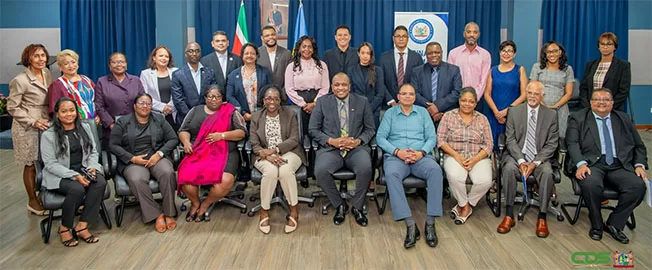
    Suriname’s Foreign Minister Melvin Bouva has issued a compelling mandate for diplomatic reform, declaring that diplomacy must transcend ceremonial functions to deliver concrete policy results and measurable societal benefits. The declaration came during the closing ceremony of the Suriname Diplomatic Course 2025, where certificates were awarded to 60 participants—35 attending physically and 25 via online platforms.

    Minister Bouva, overseeing Foreign Affairs, International Trade, and Cooperation, articulated a vision where diplomatic missions must actively serve as instruments for economic growth, investment attraction, climate financing, and regional stability. The minister emphasized that in an evolving global landscape, diplomats must pivot from traditional protocol duties to becoming active agents of national development.

    The comprehensive training program, administered by the Suriname Diplomatic Institute (SDI), equipped participants with essential skills in diplomatic protocol, negotiation techniques, economic diplomacy, and cultural relations. Dean Silochana Achthoven-Bhaghoe confirmed the curriculum addressed Suriname’s strategic positioning within international organizations.

    Foreign Affairs Director Miriam Mac Intosh characterized the course as an intensive preparation for diplomatic service, urging graduates to continuously invest in professional development. Trainer Rose-Ann Franklin highlighted critical competencies including protocol adherence, analytical capabilities, professional presentation, and precise reporting—emphasizing that diplomats serve as Suriname’s eyes and ears abroad.

    Minister Bouva concluded with a performance-oriented challenge: certification represents not an endpoint but a commitment to project initiation and execution. The new diplomatic corps must bridge the gap between international engagement and tangible national progress.

  • Het Venezolaanse leger heeft de sleutel tot de toekomst van het land in handen

    Het Venezolaanse leger heeft de sleutel tot de toekomst van het land in handen

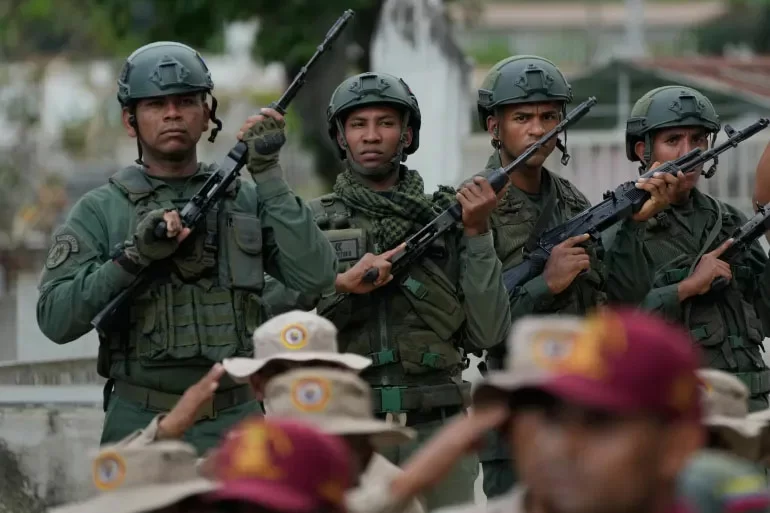
    Following the dramatic capture of Venezuelan President Nicolás Maduro by U.S. special forces, the Bolivarian National Armed Forces (FANB) confronts a pivotal moment that will determine Venezuela’s political future. The military operation, which extracted Maduro from Fort Tiuna—the nation’s largest military complex—has exposed significant vulnerabilities in Venezuela’s defense capabilities and created a power vacuum that demands strategic decision-making.

    For nearly three decades, the FANB served as the primary power broker for the Chavez and Maduro regimes, receiving extensive political appointments including ministerial positions, governorships, and control over state enterprises in exchange for enforcing authoritarian rule. This symbiotic relationship transformed Venezuela into a security state where military authority superseded civilian institutions.

    The current interim government under Delcy Rodríguez, despite enjoying support from the Trump administration, requires military backing to maintain stability. President Trump’s selection of Rodríguez over opposition leader María Corina Machado reflects calculated recognition that only a candidate acceptable to military leadership can navigate this transition.

    Military commanders now face compelling incentives to negotiate: the demonstrated superiority of U.S. military technology creates vulnerability to further interventions, while maintaining political influence requires accepting previously unthinkable concessions. These include distancing from narcotrafficking allegations, accepting U.S. energy companies’ control over Venezuelan oil resources, reducing repression of civilian populations, and fully supporting Rodríguez’s interim government.

    The military’s cooperation essentially means endorsing U.S.-Venezuela agreements that would establish a stabilization framework similar to American partnerships with military regimes in Egypt, Pakistan, and Thailand. Resistance risks triggering additional U.S. military actions that would further erode the military’s credibility and exacerbate Venezuela’s political and social instability.

    With limited options, the FANB’s leadership must choose between preserving some political influence through cooperation or facing complete marginalization through confrontation. Their decision will ultimately determine whether Venezuela’s transition occurs through negotiation or continued conflict.

  • Governor of Puerto Plata inspects areas affected by rains and floods; delivers supplies to families

    Governor of Puerto Plata inspects areas affected by rains and floods; delivers supplies to families

    Following recent heavy rainfall that caused significant damage across Puerto Plata, provincial governor Claritza Rochtte Peralta de Senior conducted a comprehensive assessment tour of affected areas in San Felipe de Puerto Plata and Sosúa. The inspection, carried out alongside personnel from the Fire Department and Civil Defense units, focused on evaluating the impact on local communities and coordinating relief efforts.

    Governor Rochtte engaged directly with community representatives and residents, gathering firsthand accounts of the most pressing needs while reaffirming the national government’s commitment under President Luis Abinader’s administration. “We have come to listen to the primary needs of those affected,” stated the governor, emphasizing the administration’s dedication to providing rapid responses during emergencies and ensuring community safety and welfare.

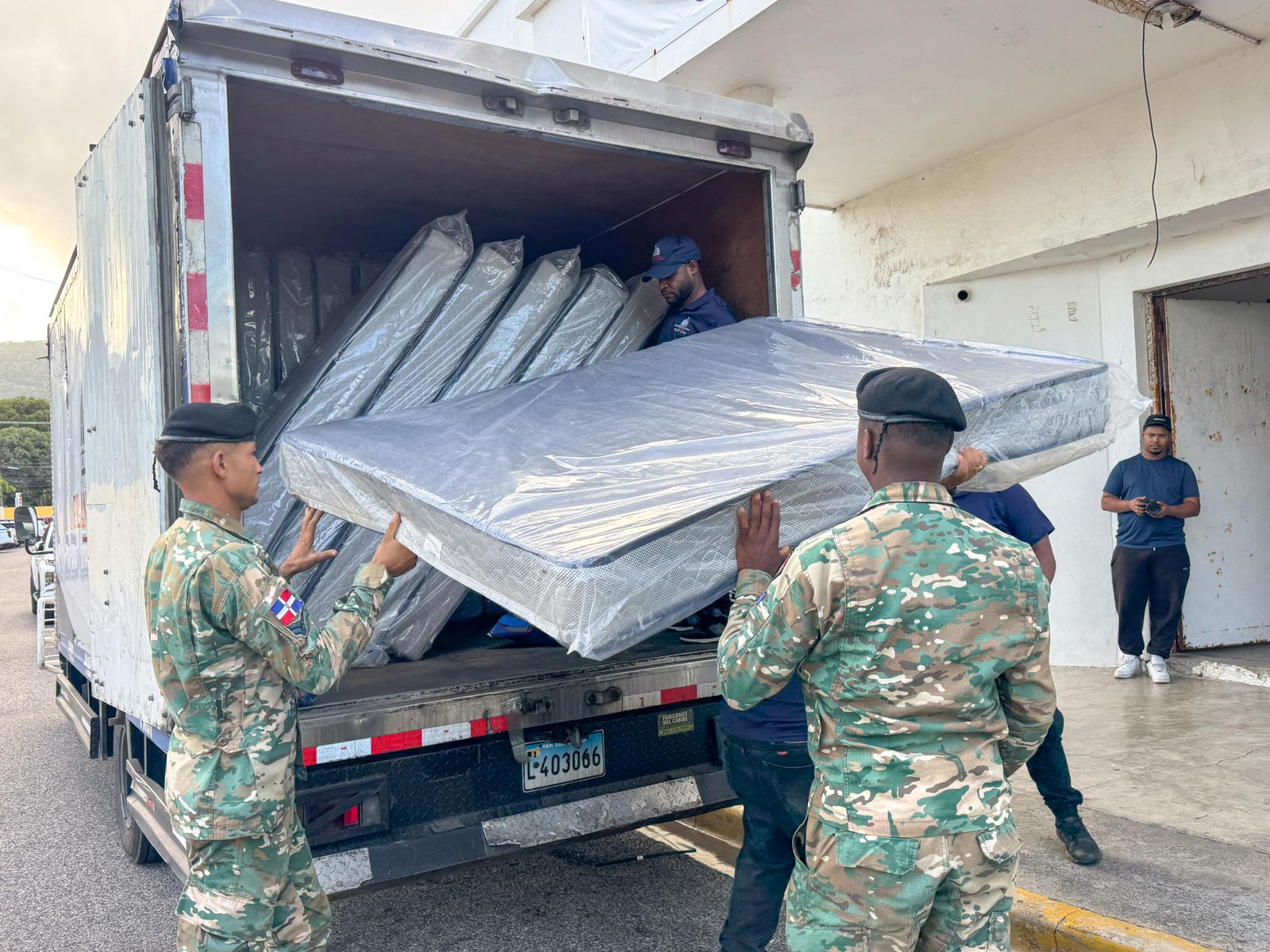
    In a practical demonstration of this commitment, the provincial government, through the Directorate of Social Assistance and Community Food (DASAC), distributed essential household goods to families whose homes suffered flood damage. The distribution ceremony at the Fabio Rafael González Sports Complex included the provision of beds, stoves, refrigerators, and other vital household appliances to beneficiaries in the Villa Progreso sector, with all assistance coordinated through central government support programs.

    The coordinated response highlights the multi-agency approach to disaster management being implemented in the region, combining immediate assessment with tangible support for recovery efforts.

  • Universiteitsinstituut Kinderrechten lanceert folder bescherming van kinderen

    Universiteitsinstituut Kinderrechten lanceert folder bescherming van kinderen

    The University Institute for Children’s Rights at Suriname’s Anton de Kom University has launched a groundbreaking informational brochure designed to empower communities in identifying and preventing child abuse and domestic violence. This comprehensive resource provides crucial guidance for recognizing warning signs and taking appropriate action when children are at risk.

    The newly published document offers detailed explanations of what constitutes domestic violence against children, outlining specific behavioral and physical indicators that may signal abuse. It provides step-by-step instructions for concerned citizens to follow when they suspect a child is in danger, including legal procedures for obtaining protective orders through the judicial system.

    Additionally, the brochure features an extensive directory of essential support services and emergency contacts. Key institutions highlighted include local police departments, the Victim Support Bureau, Family Law Affairs Bureau, and the national Mi-helpline (accessible by dialing 123). This centralized information aims to streamline access to critical resources during emergency situations.

    Professor representatives from the Institute emphasized the importance of community vigilance, stating: ‘We must collectively refuse to turn a blind eye to signs of child maltreatment. This initiative represents our commitment to creating protective networks around vulnerable children through education and accessible reporting mechanisms.’

    The resource has been specifically designed as an accessible tool for parents, caregivers, educators, and community members, providing clear, actionable information without technical jargon. The digital version remains available for public download, ensuring widespread accessibility across Surinamese society.

  • Guyana will not strike a deal with US to settle border controversy with Venezuela

    Guyana will not strike a deal with US to settle border controversy with Venezuela

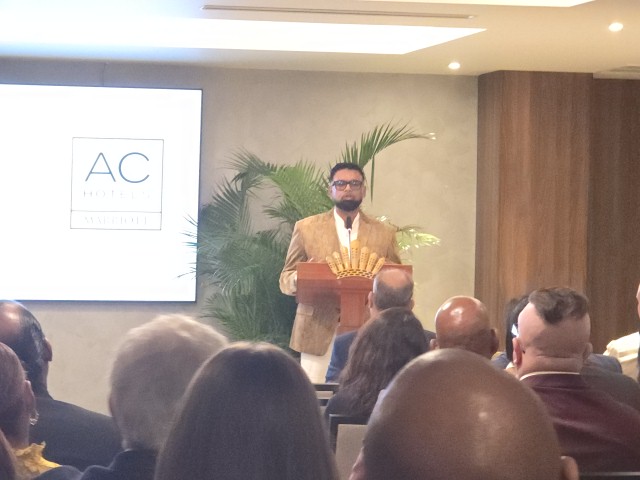
    President Irfaan Ali of Guyana has emphatically dismissed any possibility of yielding to potential United States pressure to negotiate a territorial settlement with Venezuela regarding the long-standing border controversy. Speaking to journalists during the inauguration of the AC Marriott Hotel in Ogle, East Coast Demerara, President Ali underscored that national security and territorial integrity remain non-negotiable priorities for his administration.

    ‘The safety and security of the Guyanese people, along with the integrity of our borders and sovereignty, will never be compromised,’ President Ali asserted, addressing speculation about potential US diplomatic intervention. While no formal request has been made by Washington, international relations analysts suggest the Trump administration might seek to broker an agreement ensuring unimpeded access to oil-rich zones in the Essequibo region, both onshore and offshore.

    The United States has consistently recognized Guyana’s existing borders across both Democratic and Republican administrations. Despite Guyana’s confidence in its case before the International Court of Justice regarding the validity of the 1899 Arbitral Tribunal Award, experts anticipate continued Venezuelan claims over the 160,000-square-kilometer Essequibo Region and its adjacent oil-abundant Atlantic waters.

    President Ali’s statements follow recent US actions in Venezuela that included the capture and extradition of President Nicolás Maduro and First Lady Cilia Flores to face charges related to narcotics, terrorism, and weapons violations. US President Donald Trump has declared that his administration would temporarily ‘run’ Venezuela, utilizing the nation’s oil revenues for its benefit.

    Addressing regional security concerns, President Ali highlighted significant shifts in the Caribbean’s democratic and security landscape, emphasizing the importance of stability in combating international criminal networks. He warned against complacency, noting that Guyana remains vulnerable to global networks influenced by events in other regions.

    The Guyanese leader also pointed to notable security improvements, citing a 25.5% reduction in serious crimes in 2025—the lowest in a decade—attributed to enhanced technology and community partnerships in law enforcement. ‘We are partnering with technology, innovation, and communities because investments depend heavily on a stable and secure environment,’ President Ali concluded.