作者: admin

  • Trinidad and Tobago gets first hyperbaric oxygen therapy chamber

    Trinidad and Tobago gets first hyperbaric oxygen therapy chamber

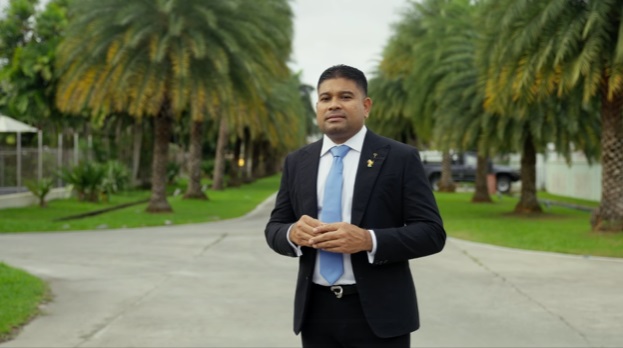
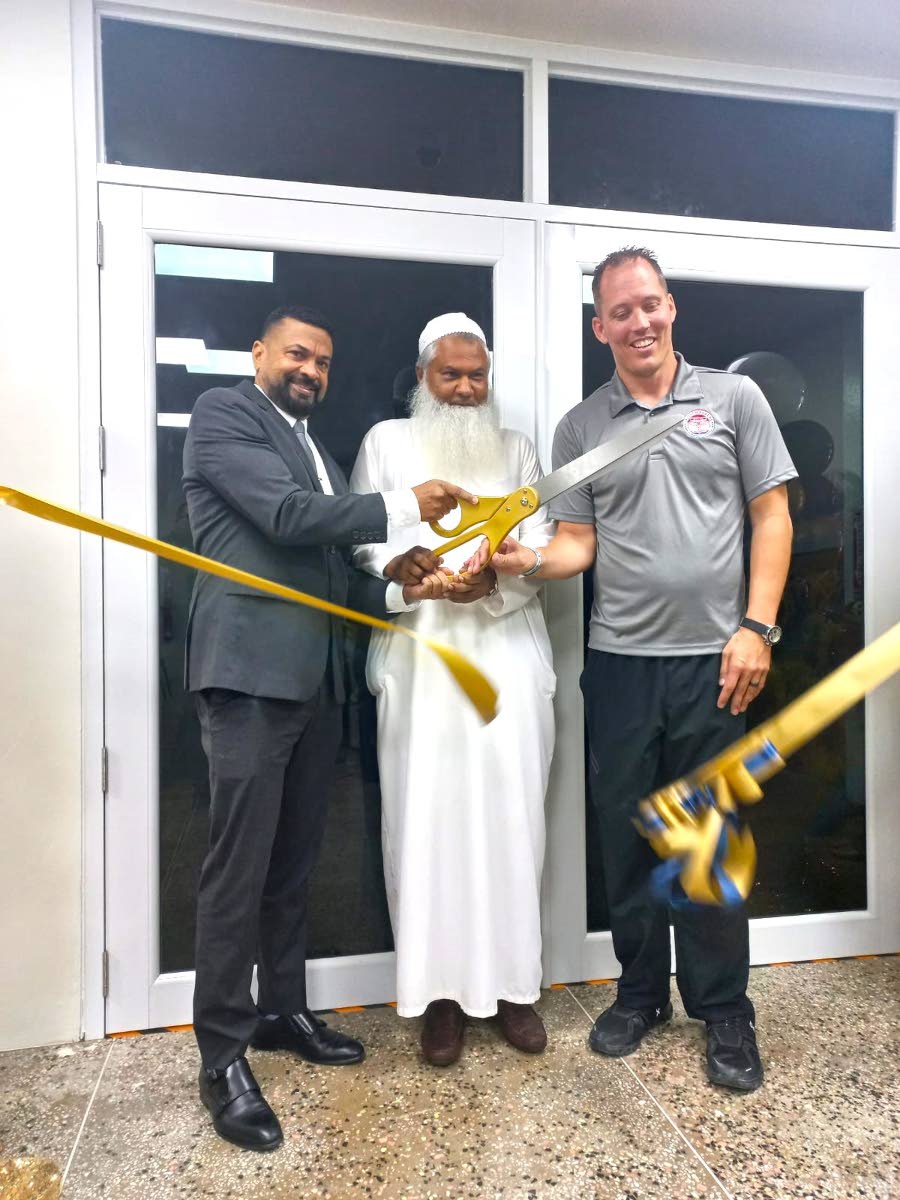
    Trinidad and Tobago has entered a new era of advanced medical treatment with the inauguration of the International Hyperbaric Medical Facility Ltd on January 8. This groundbreaking center, situated in Marabella, represents the nation’s first comprehensive facility specializing in hard-shell hyperbaric oxygen therapy (HBOT) combined with integrated diabetic wound care and advanced neurological services.

    The establishment addresses critical healthcare deficiencies by providing cutting-edge treatment options previously unavailable domestically. The facility specifically targets the reduction of diabetes-related amputations through advanced wound management protocols and offers solutions for neurological conditions and severe burns that traditionally required overseas referrals.

    Ray Hinds, General Manager of the facility, emphasized their mission: “Our objective is to make sophisticated medical care more accessible, affordable, and available within Trinidad and Tobago. For years, families have sought these essential services abroad. Today, we present viable local alternatives that deliver results.”

    The center operates using Class A hard-shell hyperbaric chambers that meet international safety standards, where patients breathe 100% medical-grade oxygen under pressurized conditions. This process enhances oxygen dissolution in the bloodstream, accelerating natural healing mechanisms, reducing inflammation, and promoting tissue regeneration.

    Medical applications of HBOT include treatment for chronic non-healing wounds, diabetic foot ulcers, radiation injuries, soft tissue damage, and various neurological disorders. The facility uniquely incorporates SnapshotNIR technology for optimized limb salvage and NeuroCatch—an AI-powered brain function assessment tool that provides clinical insights within six minutes.

    All prospective patients must undergo mandatory consultations with certified hyperbaric specialists to determine treatment appropriateness, session frequency, and duration based on individual medical requirements. During its initial operational phase, the facility is offering HBOT at promotional rates, with discounted packages available for multi-session treatment plans.

  • Moonilal delighted as stickfighting returns to Debe

    Moonilal delighted as stickfighting returns to Debe

    The vibrant tradition of stickfighting has officially returned to the community of Debe following a ten-year hiatus, marking a significant cultural revival in the Trinidadian region. The event was celebrated with considerable fanfare, attracting community members and dignitaries alike.

    Energy Minister Dr. Roodal Moonilal, who also serves as the Oropouche East MP representing Debe, expressed profound appreciation for the restoration of this ancestral practice. In public statements, Minister Moonilal extended gratitude to Culture Minister Michelle Benjamin, National Carnival Commission (NCC) chairman Peter Kanhai, and the entire NCC team for their instrumental roles in facilitating the cultural resurgence.

    The gathering featured an array of traditional elements that enriched the cultural experience, including performances by a moko jumbie (stilt walker) and a fire-breathing devil character, both iconic figures in Trinidadian folklore. Young stickfighters demonstrated their skills in the gayelle (fighting ring), showcasing the martial art that has been passed down through generations.

    The event drew significant political representation, with attendance from Ernesto Kesar (Minister in the Ministry of Energy and Energy Industries and Point Fortin MP), Clyde Elder (Minister in the Ministry of Public Utilities and La Brea MP), Kurt Ramlal (chairman of Heritage Petroleum), and Gowtam Maharaj (chairman of the Penal/Debe Regional Corporation).

    Minister Moonilal characterized the return as “a powerful celebration of culture, heritage, and community pride” that reconnects Debe with its rich cultural legacy while demonstrating a renewed commitment to preserving national traditions.

  • Newsday’s departure a real loss

    Newsday’s departure a real loss

    In a poignant reflection on media freedom and editorial practices, Dr. Errol Narine Benjamin has expressed profound disappointment regarding the recent non-publication of his contributions in Trinidadian newspapers. The seasoned correspondent, who has maintained a three-decade writing relationship with Trinidad Express, now finds his perspectives increasingly sidelined by editorial decisions.

    Dr. Benjamin attributes this emerging censorship to his critical examinations of two particularly sensitive subjects: the conceptualization of national sovereignty within contemporary geopolitical contexts, and the Caribbean’s positioning as a theoretical zone of peace amidst growing American influence throughout the region. His analytical pieces have challenged conventional perspectives by evaluating how these established notions frequently diverge from practical realities, particularly regarding United States engagement in Caribbean affairs.

    Additionally, Benjamin’s commentary has addressed Opposition Leader Kamla Persad-Bissessar’s strategic alignment with American interests, presenting a nuanced assessment of potential long-term advantages contrary to prevailing anti-alliance sentiments. His analysis suggests that such partnerships may offer substantial benefits worthy of objective consideration beyond ideological opposition.

    The veteran writer acknowledges the complex landscape modern media organizations navigate, noting that publications inevitably serve specific interests and cater to their readership’s expectations. He draws parallels to polarized American media environment, where outlets like Fox News demonstrate overt Republican allegiance while CNN maintains opposing stances. Nevertheless, Benjamin highlights Newsday as a notable exception—a publication that has consistently demonstrated openness to publishing his liberal perspectives and critical insights, particularly regarding sensitive geopolitical matters affecting the Caribbean region.

    Through his published letter, Dr. Benjamin extends gratitude to Newsday for maintaining editorial pluralism and fostering diverse viewpoints, while simultaneously expressing concern about the narrowing spectrum of acceptable discourse in other Trinidadian media platforms.

  • OPINION: Caribbean Justice – No Appeals No Juries No Preliminary Inquiries

    OPINION: Caribbean Justice – No Appeals No Juries No Preliminary Inquiries

    The United Kingdom’s justice system faces unprecedented transformation under Justice Secretary Lammy’s controversial proposals, which critics argue dismantle centuries-old legal protections. These developments occur against a backdrop of severe prison overcrowding and growing social unrest, with the Labour government opting to eliminate fundamental judicial processes rather than address root causes.

    The abolition of jury trials and appeal rights represents the latest step in a gradual erosion of legal safeguards, following the earlier removal of preliminary inquiry proceedings. Legal experts warn this approach targets symptoms rather than causes, as sustainable solutions must originate within communities, schools, and families.

    Amid speculation regarding Lammy’s political ambitions—whether challenging Starmer for leadership or undermining the current government—the proposed reforms raise alarming parallels to authoritarian practices. Recent Caribbean maritime assassinations and police misconduct cases involving officers like Wayne Couzens and David Carrick demonstrate the dangers of expanding street-level judicial power without adequate oversight.

    The trajectory suggests further radical changes may follow, including lowered criminal responsibility ages, incarceration of children in high-security facilities, reduced tribunal access, and potentially even reinstatement of capital offenses. This progression toward carceral extremism contrasts sharply with parallel developments that see pardons for severe offenders and sentence reductions for politically connected individuals.

    The implications extend beyond mainland Britain to Overseas Territories, which face imposition of contradictory policies regarding same-sex relationships and marijuana use despite cultural differences. This colonial-style oversight persists despite the recent Post Office scandal that devastated hundreds of wrongfully convicted individuals, highlighting the critical importance of appellate review.

    While most Caribbean nations have achieved independence from colonial governance, they now face new challenges requiring regional solidarity against external pressures, including American geopolitical incursions. The cyclical nature of these justice reforms suggests concerning patterns rather than meaningful progress.

  • Iran dreigt terug te slaan als de VS aanvalt

    Iran dreigt terug te slaan als de VS aanvalt

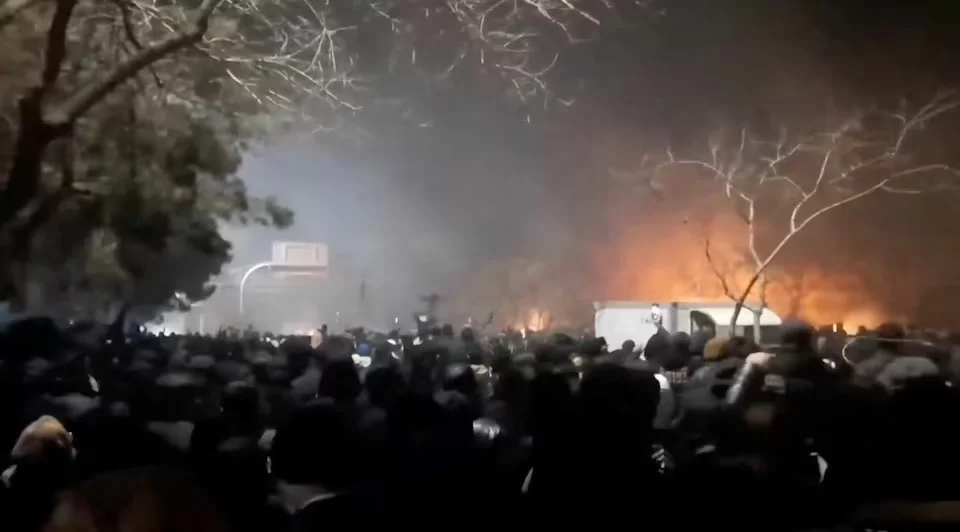
    Iran’s political leadership issued stark warnings on Sunday, threatening military retaliation against American bases and Israeli territories if provoked, as the nation grapples with its most significant anti-government demonstrations since 2022. Parliamentary Speaker Mohammad Baqer Qalibaf, a former Revolutionary Guard commander, declared that “occupied territories (Israel) and all US bases and ships will become our legitimate targets” in response to any external attack.

    The unrest originated on December 28th as economic protests against soaring prices but has rapidly evolved into direct opposition against the clerical establishment that has ruled since the 1979 Islamic Revolution. Iranian authorities have accused the United States and Israel of instigating the turmoil, with Police Chief Ahmad-Reza Radan confirming intensified security operations against what he termed “rioters.

    Human rights organization HRANA has documented 116 fatalities, primarily protesters but including 37 security personnel, though comprehensive verification remains challenging due to government-imposed internet restrictions. State television broadcast footage of dozens of body bags at a Tehran morgue, attributing the casualties to “armed terrorists” allegedly responsible for the violence.

    Israeli security officials confirmed elevated alert status amid potential US intervention scenarios, while maintaining that the protests represent an internal Iranian matter. The military establishment stated readiness to respond “with force if necessary” while monitoring developments defensively.

    The protests occur against a complex geopolitical backdrop, with Iran still recovering from last year’s twelve-day war with Israel that involved brief US intervention targeting nuclear facilities. Regional analysts note Tehran’s weakened position following setbacks to allies like Hezbollah since Hamas-led attacks on Israel in October 2023.

    President Masoud Pezeshkian utilized a televised interview to frame the unrest as foreign-engineered destabilization, pleading with families to prevent youth participation with what he characterized as “terrorists who behead people and kill others.” Simultaneously, he promised governmental willingness to address economic grievances.

    Social media circulated videos showing substantial nighttime gatherings in Tehran’s Punak district, where protesters drummed on bridge railings and metal objects in apparent defiance, while other footage captured massive crowds marching through streets with synchronized chanting. State television counter-programmed with funeral processions in western cities for security forces killed during the unrest.

  • WIN rides on western nations’ calls for Opposition Leader

    WIN rides on western nations’ calls for Opposition Leader

    Guyana’s principal opposition faction, We Invest in Nationhood (WIN), is capitalizing on mounting international pressure from Western powers to secure parliamentary recognition for its leader, Azruddin Mohamed. The political standoff centers on the delayed election of an Opposition Leader, a constitutional requirement that remains unfulfilled more than four months after September’s general elections.

    WIN issued a formal statement demanding that Speaker of the National Assembly Manzoor Nadir convene a meeting of the 29 opposition parliamentarians to resolve the leadership impasse. The party asserts that Mohamed, whose coalition secured 109,075 votes, represents the legitimate choice of the electorate and must be permitted to assume his constitutional role.

    The diplomatic community has intensified pressure on Guyana’s political institutions, with British and Canadian high commissioners alongside European Union and United States ambassadors collectively urging the appointment of an Opposition Leader as essential to democratic functionality. These interventions occurred within a critical 72-hour window preceding WIN’s statement.

    Complicating the political calculus are serious legal challenges facing Mohamed and his father, Nazar “Shell” Mohamed, both subjects of United States extradition proceedings related to alleged mail fraud, wire fraud, and money laundering charges. A committal hearing is currently underway in a magistrates court.

    WIN alleges that the ruling People’s Progressive Party (PPP) intentionally obstructs the opposition leadership process, fearing Mohamed’s potential to introduce rigorous legislative scrutiny and his perceived resistance to political influence. The party contends that Guyana’s democracy suffers from unprecedented parliamentary inactivity, with only one assembly session convened since the elections.

    President Irfaan Ali has dismissed allegations of governmental interference as “absolutely ridiculous,” maintaining that the selection of opposition leadership remains exclusively the concern of opposition parliamentarians. His comments, delivered during a public engagement in Ogle, East Coast Demerara, emphasized administrative non-involvement in the opposition’s internal decisions.

  • Tree-planting drive ‘strengthens’ environmental, food security goals

    Tree-planting drive ‘strengthens’ environmental, food security goals

    Barbados has demonstrated remarkable national commitment to environmental sustainability through recently concluded ecological initiatives, with officials highlighting the dual benefits of climate action and food security. On Friday, the National Botanical Gardens hosted an awards ceremony honoring participants of the National Tree Planting and Parish Home Garden competitions, which ran from mid-October through November 14.

    Competition Coordinator Dewyn Phillips emphasized that these initiatives align with both domestic environmental priorities and Barbados’ international obligations under the Paris Agreement, which the nation signed in 2015 and ratified in 2016. This global treaty, joined by over 190 countries, aims to mitigate climate change by limiting temperature increases.

    “The most inexpensive way to achieve this is through tree planting,” Phillips explained. “Trees are relatively easy to plant and maintain, yet they represent the fastest and most efficient method of sequestering carbon dioxide from our atmosphere.”

    The competition results showcased impressive participation. In the Parish Home Garden Beautification category, Hazel Lindo-Carrington of Christ Church claimed the top prize of $4,000, followed by Greta Wendy Collymore of St Philip ($3,000) and Marlene Cheeseman of St Joseph ($2,000). The Tree Planting Competition saw even more remarkable achievements: Jefferson Roberts secured first place and $10,000 for planting 1,088 trees, Michelle Seale earned $8,000 for 780 trees, and Ferne Austin received $6,000 for planting 640 trees.

    Beyond environmental benefits, Phillips highlighted how fruit trees specifically contribute to food security by improving access to affordable, nutritious produce rich in essential vitamins and minerals. This initiative directly addresses non-communicable diseases often linked to poor dietary habits.

    The program also fostered community development, with many participants collaborating to clear vegetation and transform plots of land. Phillips noted the enhanced community spirit and social cohesion resulting from these collective efforts.

    Looking forward, the socioeconomic impact of these planted trees—particularly fruit-bearing varieties like soursop and cherry, known for their antioxidant and anti-cancer properties—is expected to materialize within three to five years. Some participants already plan to utilize their produce for juice production and other value-added products, creating sustainable economic opportunities.

  • Chile offers help to Argentina for fires in Patagonia

    Chile offers help to Argentina for fires in Patagonia

    Chilean Foreign Minister Alberto van Klaveren has formally declared his nation’s commitment to assist neighboring Argentina in combating severe wildfires through an official statement on Twitter. The diplomatic gesture emphasizes the importance of cross-border cooperation during environmental emergencies.

    “In times of adversity, solidarity between sister nations and joint efforts are fundamental to addressing shared challenges,” Minister van Klaveren stated, highlighting the regional partnership between the two South American countries.

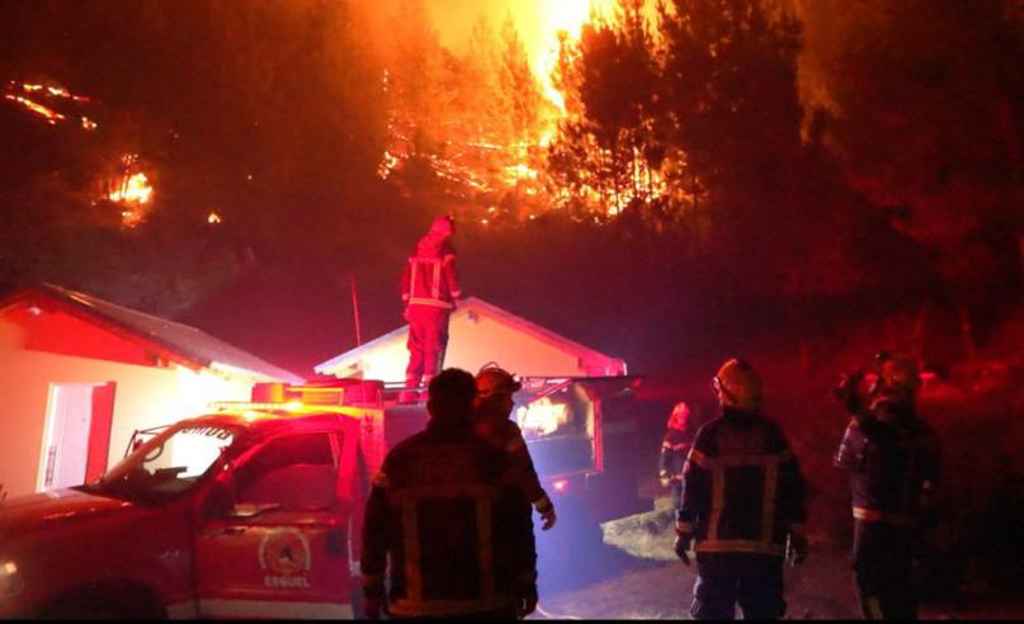
    The devastating wildfires are currently impacting multiple provinces in southern Argentina, including Neuquen, Rio Negro, Chubut, and Santa Cruz. These blazes have prompted a massive emergency response involving hundreds of firefighters, technical personnel, and support staff utilizing advanced equipment including heavy machinery, drone technology, water tankers, and aerial firefighting aircraft.

    Despite the proximity of the fires to the Chilean border—with one blaze reportedly 17 kilometers from the boundary and another approximately 20 kilometers away—Chile’s National Forestry Corporation (CONAF) has indicated that current wind patterns are directing the fires toward the Atlantic rather than across the border into Chilean territory. This meteorological assessment has provided temporary relief for Chilean authorities while they prepare contingency measures.

    The bilateral cooperation initiative represents a significant development in regional disaster management coordination, demonstrating how neighboring nations can mobilize resources and expertise across international boundaries to address environmental crises that potentially affect both countries.

  • Miraflores Museum, a trip to ancient Kaminaljuyu in Guatemala

    Miraflores Museum, a trip to ancient Kaminaljuyu in Guatemala

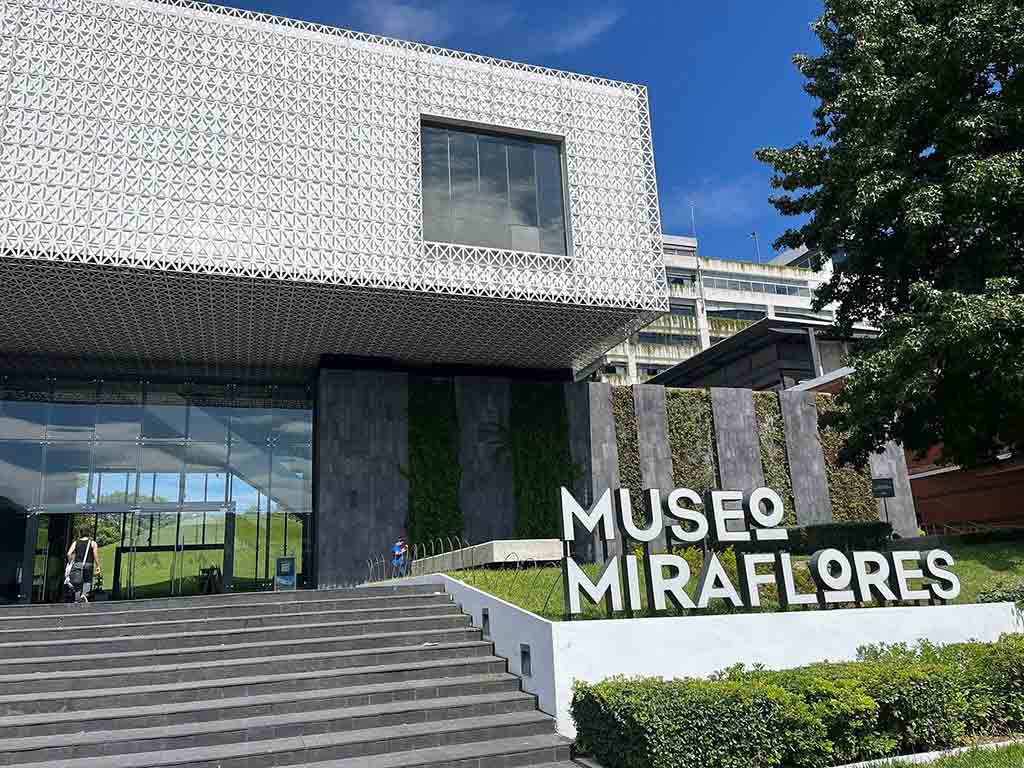
    The Kaminaljuyu Archaeological Site Museum in Guatemala has transformed conventional historical education through an innovative technological approach to showcasing ancient Mayan civilization. Established in 2002 within the 5,030-square-meter complex, the institution provides visitors with a multisensory journey into the ancestral culture and pre-Hispanic history of the country’s central valley.

    Archaeologist Hari Castillo explained to Prensa Latina that the museum’s mission centers on public engagement and knowledge sharing. “Our intention is to reach the public, provide an engaging tour, and spark the interest of anyone, at any age,” Castillo stated, emphasizing the institution’s commitment to accessibility across generations.

    The museum focuses on Kaminaljuyu, which flourished from approximately 1500 BC through the Classic period. Its collections primarily derive from archaeological discoveries made during construction of the adjacent Miraflores Shopping Center, supplemented by private donations that have expanded the repository of artifacts.

    Describing the museum’s innovative methodology, Castillo noted: “We are a center that strives to be cutting-edge and engaging because that’s how you learn the most.” The exhibition encompasses multiple aspects of Mayan life including religious practices, agricultural techniques, cacao cultivation, architectural achievements, and craft traditions.

    The technological integration includes detailed reconstructions, ceremonial reenactments, virtual reality experiences, and interactive screens that allow visitors to discover their personal Mayan nahual (spiritual guide). An educational game based on the numerical system of the ancient civilization further enhances the learning experience.

    The museum continues to push technological boundaries with ongoing 3D modeling projects and immersive room installations. However, Castillo emphasizes that technological sophistication serves a greater purpose: “Above all, we want people to understand the connection between the past and the present.”

    The exhibition comprehensively explains Kaminaljuyu’s historical significance as a major political, economic, and ceremonial hub that influenced regional trade routes and maintained cultural connections throughout Mesoamerica.

  • Uncontrolled fires in Patagonia, Argentina

    Uncontrolled fires in Patagonia, Argentina

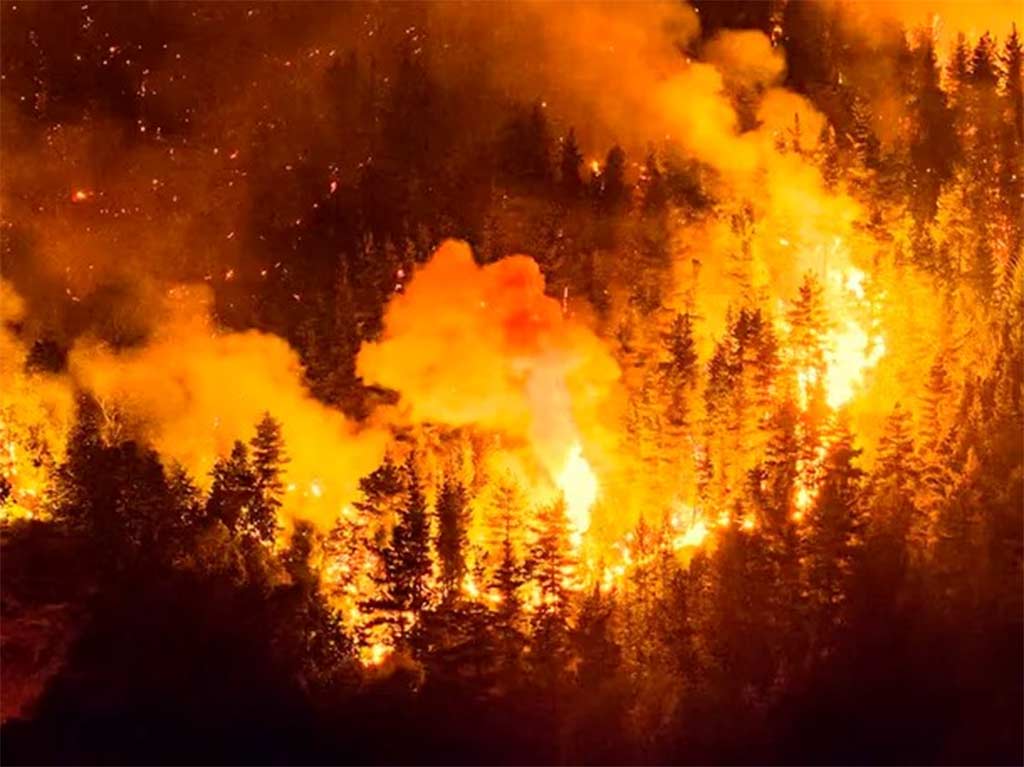
    A devastating wildfire, suspected to be deliberately ignited, continues its relentless advance across Argentina’s Chubut Province, prompting widespread evacuations and causing what officials are calling the region’s most severe environmental disaster in two decades. The inferno, which originated on January 5th, has already scorched approximately 7,000 hectares of pristine native forest.

    The blaze is primarily concentrated near the towns of Epuyén and El Hoyo, where extreme weather conditions—a historic drought compounded by scorching temperatures and powerful winds—have severely hampered firefighting efforts. These elements are actively fueling the fire’s spread toward populated zones, creating a volatile and dangerous situation for residents and emergency crews alike.

    In the community of Puerto Patriada, the fire’s ferocity has resulted in the complete destruction of at least ten homes. The escalating threat has compelled local governments to issue a series of urgent advisories. The municipality of El Maitén has instructed its inhabitants to prepare for potential immediate evacuation. Neighboring towns, including El Coihue and Buenos Aires Chico, remain on high alert, with public facilities being preemptively converted into emergency shelters.

    As a critical preventative measure, the Municipality of El Hoyo has mandated a proactive self-evacuation for all residents, tourists, and visitors in the El Pedregoso and Aldea San Francisco areas. Concurrently, authorities have imposed traffic restrictions on the crucial Route 40 to facilitate emergency operations and ensure public safety.

    With preliminary investigations pointing towards arson, judicial authorities are actively working to corroborate the charge and identify those potentially responsible for the catastrophe.