作者: admin

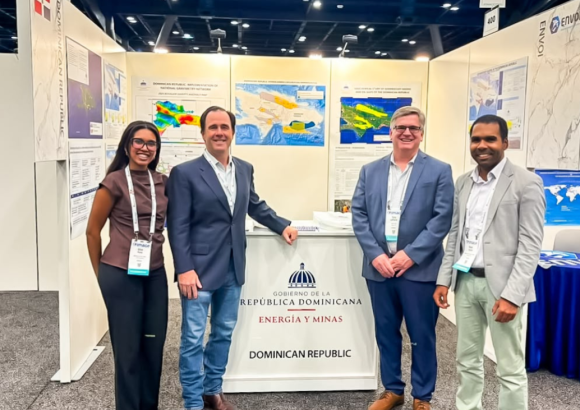
  • RD Vial announces feasibility study for Central Cibao Expressway

    RD Vial announces feasibility study for Central Cibao Expressway

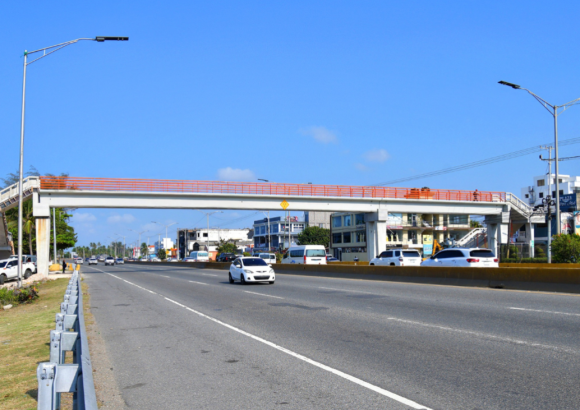
    In a major step forward for regional infrastructure development in the Dominican Republic, state highway authority RD Vial has officially greenlit a feasibility assessment for the long-proposed Central Cibao Expressway, a transformative project designed to boost connectivity across four key provinces in the country’s Cibao heartland.

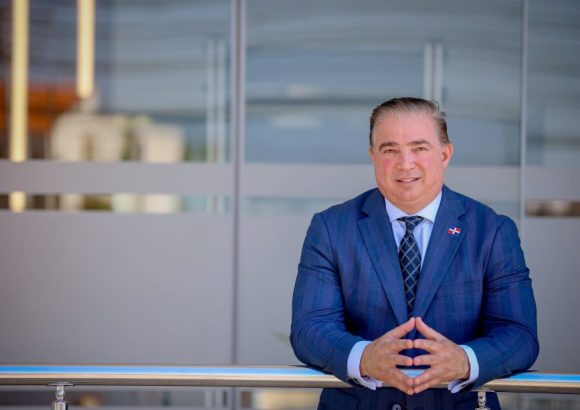
    RD Vial Director Hostos Rizik outlined the project’s scope in a recent statement, confirming that the new roadway will connect the existing San Francisco de Macorís highway to the heavily traveled Duarte Highway, positioned near the main entrance of Cibao International Airport. Rizik added that a third-party consulting firm has already received formal authorization to kick off preliminary technical analyses, noting that the project is a high-priority initiative for President Luis Abinader’s administration, which has pushed aggressively to advance its development agenda.

    The announcement has drawn broad praise from business leaders and regional development advocates, who have long framed the expressway as a critical catalyst for long-term economic growth in the Cibao region. Ricardo Fondeur, a representative of the Association for the Development of Santiago (APEDI), emphasized that stakeholders are eager to see the feasibility process move forward as quickly as possible, adding that industry groups are confident the assessment will validate the project’s technical and economic viability.

    Juan María García, another prominent regional development figure, expanded on the project’s expected benefits, noting that streamlined traffic flow and cut travel times between two of the region’s largest urban centers – Santiago and San Francisco de Macorís – will unlock broader economic activity across the entire central Cibao region. This area already contributes roughly 20% of the Dominican Republic’s total gross domestic product, making infrastructure improvements here a high-stakes investment for the entire country’s economic future.

  • Digemaps introduces national surveillance programs for meat safety

    Digemaps introduces national surveillance programs for meat safety

    In a major step forward for public health protection and food system upgrading in the Dominican Republic, the General Directorate of Medicines, Food and Health Products (Digemaps) has officially unveiled the National Programs for the Control of Pathogens and Chemical Residues, a cross-sector initiative focused on tightening regulatory oversight of domestic meat products.

    The launch ceremony took place at the headquarters of the Dominican Agribusiness Board (JAD), with critical technical backing provided by the Dominican Agribusiness Laboratory (LAD). What sets this new program apart from previous regulatory efforts is its collaborative structure, which unites government public health agencies and private agri-food stakeholders to close gaps in health surveillance and quality control across every link of the nation’s meat supply chain.

    Per Digemaps’ official program framework, the core mission of the initiative is to guarantee that all meat products reaching Dominican consumers for human consumption are free of dangerous pathogens, unregulated chemical residues, and banned substances. To achieve this goal, the program has rolled out upgraded sanitary inspections, expanded microbiological monitoring routines, and standardized sampling protocols that match current international food safety benchmarks.

    During the launch event, regulatory and technical officials presented a full set of updated technical and regulatory guidelines. These documents outline standardized procedures for on-site inspections, mandatory microbiological testing, and ongoing surveillance targeting high-risk pathogens that commonly cause foodborne illness, including Salmonella, E. coli O157:H7, Shiga toxin-producing E. coli (STECs), and Listeria monocytogenes. Beyond microbial hazards, the program also establishes rigorous new testing requirements for veterinary drug residues, agricultural pesticides, and other unintended chemical contaminants that can enter meat products during production and processing.

    A series of expert-led technical sessions covered a range of critical implementation topics, from designing and executing robust microbiological control systems and the standardized N60 sampling method, to implementing proactive hazard prevention measures in meat processing facilities and establishing clear response protocols for when testing returns positive results for hazardous contaminants.

    Digemaps officials outlined the far-reaching benefits the program is expected to deliver. Beyond upgrading consumer protection, the initiative will strengthen the overall national meat inspection system, improve end-to-end product traceability, boost public confidence in domestic meat products, and increase the global competitiveness of the Dominican Republic’s livestock and meat processing sector in both local and export markets.

    For their part, JAD and LAD leadership reaffirmed their long-term commitment to supporting national food safety efforts and advancing the technical development of the Dominican agribusiness sector, emphasizing that stronger quality assurance and public health monitoring systems are foundational to the industry’s sustainable growth.

  • Alkaline shows postponed due to ‘family bereavement’

    Alkaline shows postponed due to ‘family bereavement’

    Just days after scrapping its originally scheduled Atlanta stop due to a family bereavement in the tour team, the Reggae Fest Tour has announced further delays for two high-profile shows headlined by celebrated dancehall artist Alkaline.

    Promoter CJ Milan broke the news to fans in an official statement posted to the Reggae Fest Tour’s verified social media channels, confirming that the New Rules tour stops planned for Miami and Philadelphia will not proceed on their originally marked calendar dates.

    In the immediate aftermath of the personal loss affecting the tour organization, leadership initially held out hope that the trio of scheduled events — Atlanta, Miami, and Philadelphia — could go forward as planned. But after additional internal deliberation, the team concluded that a full postponement of the affected dates was the most responsible path forward.

    “This was not a decision we made hastily or lightly,” the statement emphasized, adding a formal apology to every group affected by the last-minute changes: fans, venue partners, corporate sponsors, and ticketholders who had planned to attend.

    The two newly postponed shows were set to take place at Miami’s Kaseya Center on May 22 and Philadelphia’s Xfinity Mobile Arena on June 13. Per the official announcement, all tickets purchased for the original dates will be fully refunded to buyers, and organizers plan to share updated scheduling information for the rescheduled shows in the coming weeks.

    In closing, the Reggae Fest Tour extended gratitude to its community of supporters for their patience and understanding through what the organization described as an unexpectedly challenging period.

    These latest postponements do not exist in a vacuum: they come as the entire U.S. live entertainment sector grapples with a growing, widespread trend of tour disruptions. Over the past several months, dozens of major artists across pop, rap, and reggae genres have been forced to cancel or delay scheduled tour dates, driven largely by mounting concerns around underperforming ticket sales.

    High-profile examples of this trend already include rapper Post Malone pushing back the launch of his latest headlining tour, and hip-hop artist Waka Flocka Flame scrapping a series of scheduled shows in New York City.

    Industry analysts have coined the term “Blue Dot Fever” to describe this current crisis, a reference to the bright blue markers that highlight unsold seats on most major online ticketing platforms. Researchers and industry insiders point to three core contributing factors that have dragged on live music attendance in 2026: steadily climbing average ticket prices that outpace consumer inflation, an oversaturated market packed with more touring acts than audiences can support, and a permanent shift in post-pandemic consumer spending that prioritizes essential goods over discretionary leisure experiences.

    While organizers have stressed that the Reggae Fest Tour’s postponements were driven exclusively by a private family loss, with no connection to ticket sales, the delays still land at a moment of unprecedented pressure for tour promoters and artists across all genres, who are struggling to adapt to shifting market conditions.

    Even amid the latest setback for Alkaline’s U.S. run, loyal fans of the dancehall star remain optimistic that rescheduled dates will be confirmed soon. Anticipation for the artist’s first tour stops in the region in years has not faded, with many followers continuing to express excitement for the chance to see Alkaline perform live once the tour gets back on track.

  • Brownskin Rae taps into faith and self-reflection with upcoming single ‘Father’

    Brownskin Rae taps into faith and self-reflection with upcoming single ‘Father’

    Dancehall performer Brownskin Rae is charting a new creative course, trading in her signature genre blend of melodic singing and gritty deejaying for a deeply personal, spiritually rooted direction with her upcoming lead single *Father*, set to drop on May 22. Centered on themes of faith, personal development, emotional resilience, and divine grace, the track marks the most intentional shift yet for the artist, who has built her fanbase on a dynamic, genre-bending take on traditional dancehall.

    In recent months, Brownskin Rae has felt a growing pull toward creating conscious, uplifting music that reflects her evolving personal journey. While she remains open to her earlier style of secular work and still enjoys the genre, her creative impulse has increasingly turned toward work that carries meaningful, encouraging messages for listeners navigating life’s hardships. “I have been yearning to write more conscious songs,” she shared in an interview about the new release. “I still have the talent to create secular music and I still listen to it, but my desire to make those type of songs is slowly dissipating.”

    The core mission of *Father* is to inspire audiences to stay grounded in their faith, remain true to their authentic selves, and hold onto prayer during life’s most challenging seasons, she explained. Brownskin Rae noted that for many people, personal struggles often feel too vulnerable to share with others, but turning to a higher power offers consistent comfort and guidance. “When you’re going through things, sometimes we don’t feel comfortable discussing them with anybody, but you can always call on God,” she said.

    True to her creative process, *Father* draws directly from Brownskin Rae’s own life experiences and emotional journey, weaving in themes of personal accountability, divine grace, and inner healing. The artist has long rooted her discography in personal truth, and this track is no exception. “I’m not perfect, but I ask God for grace and mercy,” she shared. “Most of my songs are based on personal experiences.”

    Musically, *Father* retains the artist’s iconic fusion of singing and deejaying, layered over an emotionally resonant production that balances raw vulnerability with empowering energy. Interestingly, the track’s origins came from an unexpected everyday encounter: Brownskin Rae was shopping for a new refrigerator for her mother’s home when she met a man named Odane, who connected her via phone to producer Gargon. After listening to a collection of instrumentals co-created by Gargon and Cucudon, one beat immediately stood out and stuck with her. “I let the beat sit for about a week, then one day I woke up and wrote the song,” she recalled.

    The track went through multiple stages of production before reaching its final form: it was first recorded with producer Supreme, before Brownskin Rae partnered with Feel Good Boss, who championed the project and connected her with audio engineer G1 to finalize the track. Full production credits for *Father* include Gargon, Cucudon, Supreme, Feel Good Boss, and G1.

    While the single marks a clear evolution in Brownskin Rae’s public artistry, she emphasizes that spirituality has long been a core part of who she is, not a new persona adopted for this release. “This side of me isn’t new. I’ve always been a strong, prayerful person,” she explained. “Life lessons and wisdom are steering me more now than before.”

    As an independent dancehall artist, Brownskin Rae reflected that her career path has been marked by unexpected challenges, setbacks, and changes of direction, all of which she now credits for her personal and creative growth. She has never sought to conform to industry expectations or copy the brand of other artists, instead trusting that closed doors are a form of divine timing and protection. “I’ve never tried to portray myself as another artiste or fit into a mold,” she said. “I believe if a door didn’t open, it was divine protection and timing.”

    Looking ahead, *Father* will serve as the lead single for Brownskin Rae’s upcoming three-track EP, which will also include the tracks *Sunrize* and *Cyah Give Up*. The full extended play is scheduled to launch before July this year.

  • Senate president says Parliament will not ‘bow to intimidation’ over delayed FLA report

    Senate president says Parliament will not ‘bow to intimidation’ over delayed FLA report

    Political friction has intensified in Jamaica over the withholding of a sensitive Integrity Commission report tied to the Firearm Licensing Authority (FLA), as top parliamentary leaders have pushed back against growing condemnation from the country’s opposition bloc. Senate President Tom Tavares-Finson has issued a staunch defense of the decision to keep the controversial document off the parliamentary table, rejecting opposition claims that House Speaker Juliet Holness acted alone to delay its release and emphasizing that Parliament will not yield to outside pressure.

    During a Friday Senate sitting, opposition lawmaker Lambert Brown raised questions about whether other Integrity Commission submissions had been received but left untabled by parliamentary leadership. In response, Tavares-Finson confirmed that the FLA-focused report had been delivered to Parliament on March 30, 2026, but remains undisclosed to the public.

    For days following the revelation, the issue has roiled Jamaican politics and sparked widespread public debate. Opposition figures have accused the governing faction of intentionally delaying a report that is widely rumored to include damning findings of mismanagement and alleged improper conduct at the FLA. Much of the opposition’s criticism has centered directly on House Speaker Juliet Holness, with Opposition Leader Mark Golding arguing earlier this week that the failure to table the report promptly violates the core intent of the Integrity Commission Act.

    Tavares-Finson flatly rejected all claims that Holness made the call to withhold the report unilaterally or inappropriately. In a forceful address to the Senate, he clarified that the choice was a joint one made by the body’s top presiding officers — himself as Senate President and Holness as Speaker — after formal consultation with Parliament’s clerk and in-house legal advisors. He went on to accuse critics of deliberately singling out Holness in a coordinated effort to undermine her public credibility.

    “What is abundantly clear is that actors with full knowledge of the joint decision have falsely pinned the entire responsibility on the Speaker, all in a bid to besmirch her authority and tarnish her reputation,” Tavares-Finson said. “I am not shocked by these attacks. Jamaica has a long, well-documented history of segments of our society targeting and attacking women in powerful leadership positions.”

    Beyond defending the process that led to the decision, Tavares-Finson also justified its legality, noting that the Integrity Commission Act does not mandate that presiding officers table received reports within any set deadline. He explained that while the commission is tasked with submitting reports to Parliament for tabling, the ultimate authority to decide if and when a report is released publicly rests with the body’s presiding leadership.

    A core pillar of the government’s defense is the existence of active court proceedings tied to the report’s release. Tavares-Finson confirmed that Parliament opted to delay tabling to allow ongoing litigation to move forward, explaining that officials wanted clarity on the court’s position before making the document public. “There is currently an active court case seeking to block the disclosure of this report,” he said. “We took the position that we should let these proceedings advance to understand the court’s direction, and we agreed the report should not be tabled until the legal issues are fully aired in court.”

    The Senate President also made a new disclosure during the sitting: he and Holness have received formal correspondence from Opposition Leader Mark Golding, who threatened to pursue legal action if the report is not tabled at Parliament’s next sitting. Tavares-Finson called the threat an unprecedented challenge to parliamentary governance, and said the move falls far below the standard of dignity expected from the leader of the opposition.

    “Without going into excessive detail, I want to make one thing absolutely clear: the presiding officers of this Parliament will not bow to any form of intimidation or threat,” he added. “We will manage the affairs of this institution in full accordance with established protocols, our standing orders, and the Constitution of Jamaica.”

  • Dominican Republic activates preventive measures amid Ebola outbreak in Central Africa

    Dominican Republic activates preventive measures amid Ebola outbreak in Central Africa

    In response to an ongoing Ebola outbreak across multiple Central African nations, the Dominican Republic’s Ministry of Public Health has moved quickly to ramp up epidemiological surveillance and roll out enhanced preventive protocols, following official alerts from global health authorities.

    The current outbreak is driven by the Bundibugyo strain of the Ebola virus, a variant that has no globally approved vaccine available to date. The World Health Organization (WHO) has already categorized the unfolding situation as a Public Health Emergency of International Concern (PHEIC), prompting nations around the world to activate pre-planned international preparedness frameworks, of which the Dominican Republic’s new measures are a part.

    While public health officials in the Caribbean nation have emphasized that the country faces an exceptionally low risk of importing the virus, thanks to its distant geographic location and the absence of direct travel or transportation links to the affected Central African regions, authorities have made the decision to proactively strengthen existing preparedness and rapid response systems for high-threat infectious diseases.

    To achieve this, the Dominican government has launched cross-agency coordination efforts, bringing together stakeholders from public health, migration management, tourism, airport operations, port authorities, and national emergency response teams. The collaborative work focuses on tightening entry screening at all points of entry into the country, including international airports, seaports, and land border crossings.

    Key preventive actions rolled out so far include updated case detection protocols, continuous health monitoring for incoming travelers from high-risk regions, the expansion of dedicated isolation facilities across national and regional medical centers, specialized training for frontline medical personnel to recognize and respond to potential Ebola cases, and clear guidance on the correct use of personal protective equipment (PPE) to prevent transmission.

    Beyond entry screening and clinical response planning, the Ministry of Public Health has also reported ongoing work to upgrade national laboratory diagnostic capacity. These improvements are designed to ensure the Dominican Republic can safely process, handle, and ship biological samples in full compliance with international biosafety standards, reducing delays in confirming potential cases.

    The current outbreak is centered primarily in the Democratic Republic of the Congo, with a small number of confirmed associated cases also recorded in neighboring Uganda. Global health agencies currently assess the risk of widespread global transmission as low, but continuous surveillance remains in place as the situation is still evolving.

    Public health experts note that existing vaccines developed for other known Ebola variants do not offer protection against the Bundibugyo strain. For this reason, global containment strategies continue to prioritize core public health interventions: rapid early detection of cases, comprehensive contact tracing, prompt isolation of infected individuals, and consistent infection prevention practices in healthcare and community settings.

  • Dominican Senate and Organization of American States discuss cooperation against synthetic drugs

    Dominican Senate and Organization of American States discuss cooperation against synthetic drugs

    Diplomatic talks focused on countering the rapidly spreading threat of synthetic drugs and new psychoactive substances across the Western Hemisphere opened in Washington this week, bringing together senior regional leaders to advance coordinated cross-border action.

    Ricardo de los Santos, representing Dominican-led hemispheric efforts, met with Albert Ramdin of the Organization of American States (OAS) to map out regional cooperation strategies targeting the evolving drug crisis that has strained security and public safety across the Americas.

    During the closed-door discussions, de los Santos outlined key milestones achieved through the Parliaments and Prosperity initiative, a program spearheaded by the Dominican Republic designed to reinforce national legislative responses to emerging drug threats. The initiative centers on three core pillars: integrating scientific research into policy design, facilitating open regional dialogue between member states, and enabling the exchange of proven regulatory and enforcement best practices among national legislatures across the hemisphere.

    De los Santos underlined that the fragmented, inconsistent regulatory frameworks currently in place across the region have created openings for both the expansion of unregulated synthetic drug markets and the growing influence of transnational organized criminal networks. For this reason, he argued, establishing harmonized, coordinated regional regulatory standards is not just a policy priority, but an urgent necessity to protect communities across the Americas.

    Ramdin extended full OAS support for the initiative, applauding it as a groundbreaking model for collaborative legislative action across the hemisphere. He confirmed that the OAS is eager to formalize a partnership to develop a unified regional regulatory framework that would strengthen public security and reverse the alarming upward trend in synthetic drug trafficking and abuse in the region.

    The meeting also shone a spotlight on the ongoing critical work of the Inter-American Drug Abuse Control Commission (CICAD), the OAS body tasked with leading hemispheric anti-drug efforts. Attendees reaffirmed CICAD’s core role in delivering targeted technical support, designing evidence-based prevention strategies, and strengthening institutional capacity for member states grappling with the complex social and security challenges tied to drug abuse and trafficking.

  • Dutch hospital admits patient with ‘low suspicion’ of Ebola

    Dutch hospital admits patient with ‘low suspicion’ of Ebola

    In a development that comes hours after the World Health Organization raised the global risk level of the ongoing Ebola outbreak in the Democratic Republic of the Congo to its highest tier, a Netherlands hospital confirmed Friday that it has admitted a patient for what it describes as “low suspicion” of the deadly virus.

    Officials at Radboud University Medical Center, based in the eastern Dutch city of Nijmegen, announced that the patient has already been transferred to a purpose-built specialized isolation ward, where medical teams will conduct ongoing observation, diagnostic testing and targeted precautionary treatment. As of Friday’s public announcement, the hospital has not released any additional identifying information about the patient, nor has it shared details about whether the individual has any recent travel history to Ebola-affected regions.

    This is not the first time the Nijmegen-based medical facility has found itself at the center of a public infectious disease safety conversation. Just months earlier on May 11, the hospital made international headlines when a dozen of its clinical staff members were placed into mandatory preventive quarantine. The quarantine was triggered after procedural mistakes occurred while the team was caring for an evacuee from the cruise ship MV Hondius who tested positive for hantavirus. The errors were made during the handling of the patient’s blood samples and the disposal of the individual’s urine, prompting public scrutiny of the facility’s infection control protocols at the time.

    Earlier on the same Friday this potential Ebola case was announced, WHO Director-General Tedros Adhanom Ghebreyesus announced that the global health body was upgrading its official risk assessment for the DR Congo outbreak to the top red level, amid a steady rise in confirmed and suspected fatalities from the virus. Tedros described the unfolding public health crisis in the central African nation as “deeply worrisome”, noting that official counts now stand at nearly 750 suspected Ebola cases across the country, with 177 suspected deaths tied to the outbreak.

  • SOS pushing regional expansion with increased shipments

    SOS pushing regional expansion with increased shipments

    Jamaican-based stationery and office goods manufacturer Stationery & Office Supplies Limited (SOS) is accelerating its regional growth strategy, ramping up export volumes across the Caribbean and laying the groundwork to enter untapped markets in the coming years. In an exclusive interview with Observer Online, SOS Managing Director Allan McDaniel outlined the company’s bold expansion targets, revealing that the firm shipped roughly 12 containers of goods to regional markets last year and now aims to hit an annual volume of 20 containers to solidify its presence across Caribbean island nations.

    “If we can scale up to 20 containers a year, we will start to unlock the full benefits of regional growth, building sustained product placement across all the different islands,” McDaniel explained.

    In the first quarter of the 2026 financial year, ending March 31, SOS already moved four containers of merchandise to three key markets: Trinidad, St Lucia, and Barbados. The shipments are part of the company’s ongoing push to build out local distribution networks and boost regional brand awareness. Most of the exported goods came from SOS’s popular EVOLVE line, including metal furniture items such as office chairs, desks, and storage cabinets, which are being used to fulfill dealer orders and commercial projects, including new hotel developments across the region.

    “During the quarter, we completed several projects in Barbados, and we shipped roughly two containers there. We also sent one container each to Trinidad and St Lucia — these are the three markets we are prioritizing for growth right now,” McDaniel said. He added that brand traction has grown significantly in two of these core markets: “For the St Lucia market for sure, and definitely for the Trinidadian market, our products have started to become well known, and customers are already requesting them by brand name and product number.”

    While the company will continue to invest in its existing three core export markets, SOS’s long-term growth plan calls for expansion into additional Caribbean territories, achieved by strengthening partnerships with local dealers and distributors. Guyana and Barbados have already been flagged as high-priority markets where the company aims to build out deeper, more robust dealership networks to support increased sales.

    Even as regional expansion becomes an increasingly important priority for SOS, McDaniel emphasized that the domestic Jamaican market will remain the central focus of the company’s operations, particularly for its flagship SEEK branded notebook line. McDaniel noted that while SOS eventually plans to bring SEEK products to regional markets, the rollout will require customized solutions adapted to each individual territory.

    “Right now, our SEEK products are uniquely designed for the Jamaican market, featuring our local heroes and national symbols. To bring them into other markets, we will first need to rework the design of the notebooks to fit local preferences,” McDaniel explained.

    Following the recent opening of its new purpose-built SEEK production factory at 26 Collins Green in Kingston, SOS has redirected much of its manufacturing capacity toward preparing for the upcoming back-to-school season, which is one of the busiest sales periods for the company’s notebook line.

    “We are fully focused on ramping up production for this year’s back-to-school season, and we have already seen a notable uptick in customer orders for the period,” McDaniel said. The new SEEK factory represents a JMD $185 million investment for SOS, and it triples the company’s total notebook production capacity. The facility also consolidates the firm’s manufacturing, warehousing, and administrative operations into a single location, streamlining workflows and reducing operational costs.

    The company’s growth progress was disrupted last year by Hurricane Melissa, which caused significant damage to SOS’s Montego Bay warehouse in western Jamaica. But the firm has since completed repairs to the facility and resumed full operations there in January, allowing it to fully recover its revenue base in western Jamaica and restore the site’s role in supporting the company’s broader logistics network across the country.

    These efforts have positioned SOS to deliver a historic performance in the first quarter of the 2026 financial year, with total quarterly revenues climbing to JMD $539 million and net profit reaching JMD $78.7 million.

    McDaniel expressed strong confidence in the company’s growth trajectory, noting that SOS remains bullish on its goal to hit $2 billion in total revenue for the full 2026 financial year.

    “If Hurricane Melissa had not hit last year, we would have definitely crossed the $2 billion revenue mark last year. But that remains our target for this year, and the entire team is working hard to hit that goal,” he said. As the company’s regional expansion plans move forward, growing container shipment volumes remain at the center of its growth strategy.

  • SpaceX to retry Starship test launch Friday

    SpaceX to retry Starship test launch Friday

    At its launch facility on South Padre Island in southern Texas, aerospace giant SpaceX is gearing up for a second attempt to launch its next-generation Starship rocket on Friday, just one day after technical issues forced a last-minute cancellation of the initial test flight.

    The company announced the new launch timeline via its official account on X, noting that forecasters give an 85% chance of favorable weather conditions throughout the 90-minute launch window, which opens at 5:30 pm local time (2230 GMT). This highly anticipated test marks the debut of SpaceX’s third-generation Starship design, coming at a pivotal moment for the company as it prepares for what analysts project will be a record-breaking initial public offering as early as June 2025.

    Thursday’s aborted launch featured multiple pauses and restarts of the countdown clock before teams called off the attempt. Shortly after the scrub, SpaceX CEO Elon Musk took to X to explain the root cause of the delay: a hydraulic pin designed to hold the launch tower’s supporting arm in place failed to retract, a glitch that could not be resolved within the remaining window on Thursday.

    The launch attempt comes on the heels of SpaceX completing its regulatory filing with the U.S. Securities and Exchange Commission for its public debut, a move that has already generated massive excitement across global capital markets. When the flight finally proceeds, it will be broadcast live to the public, offering a transparent look at the company’s progress developing the 407-foot (124-meter) reusable rocket – a system central to both SpaceX’s long-term commercial goals and NASA’s Artemis program, the U.S. government’s initiative to return astronauts to the lunar surface.

    This test will be the 12th overall Starship flight, and the first in seven months. The fully stacked third-generation vehicle stands slightly taller than its predecessor, capping out at just over 124 meters. SpaceX has designed Starship to be a fully reusable launch system, a breakthrough that the company says will drastically cut the cost of access to space and enable ambitious missions ranging from large satellite deployments to future crewed flights to Mars. The primary objective of this test is to prove that the rocket’s redesigned systems perform as expected in real flight conditions.

    The stakes for this test could not be higher. NASA has awarded SpaceX a multi-billion dollar contract to develop a human-rated modified version of Starship to serve as the lunar lander for the Artemis program, which aims to land the first woman and person of color on the Moon. As China advances its own independent lunar program, which targets a crewed landing by 2030, officials within the current Trump administration have grown increasingly concerned that schedule delays in the private sector could allow China to beat the U.S. back to the lunar surface.

    While recent Starship test flights have been marked as successful by SpaceX, the program has not been without high-profile setbacks. Previous test articles have ended in dramatic explosions: two mid-flight tests broke up over the Caribbean Sea, one test ended in an explosion shortly after reaching space, and a 2024 ground test of the rocket’s upper stage resulted in a destructive blast. That last incident, which occurred last June, is what pushed this third-generation test back seven months. Now, all eyes are on southern Texas as SpaceX attempts to prove its latest design is ready to move the program forward.