
The ongoing law enforcement probe into the Chantel Crump case has hit a temporary holding pattern, as senior police officials confirm that new forensic testing has been dispatched but cannot yet share conclusive results on the analysis. Assistant Commissioner Michael Lisbon, the top leader of Antigua Barbuda’s Criminal Investigations Department, shared the latest status update during a public interview on ABS’ flagship current affairs program *Antigua Barbuda Today*. During the discussion, reporters pressed Lisbon for clarity on two key points: the overall progress of the high-profile investigation and the status of the additional testing that had been previously announced for the case. “I cannot give you a definitive answer on what the results will show, but I can confirm that a new round of testing has been sent out for analysis,” Lisbon stated in the interview. Despite confirming the testing itself, the senior police official acknowledged he was unable to confirm how far the analysis has progressed at the time of the conversation. Lisbon declined to share any further key details about the process, including what specific type of forensic or evidence testing is being conducted, which facility is conducting the analysis off-island or in-house, and what timeline investigators are working with to receive the finalized results. The senior CID leader kept his comments narrow, opting not to expand on any other elements of the ongoing Chantel Crump investigation or share next steps that the investigative team will take once the testing results are returned. This incremental update comes as Lisbon outlined the current workload for the Criminal Investigations Department, which is currently juggling a number of high-stakes major cases across the country, including multiple recent shooting incidents and active murder probes.
作者: admin
-
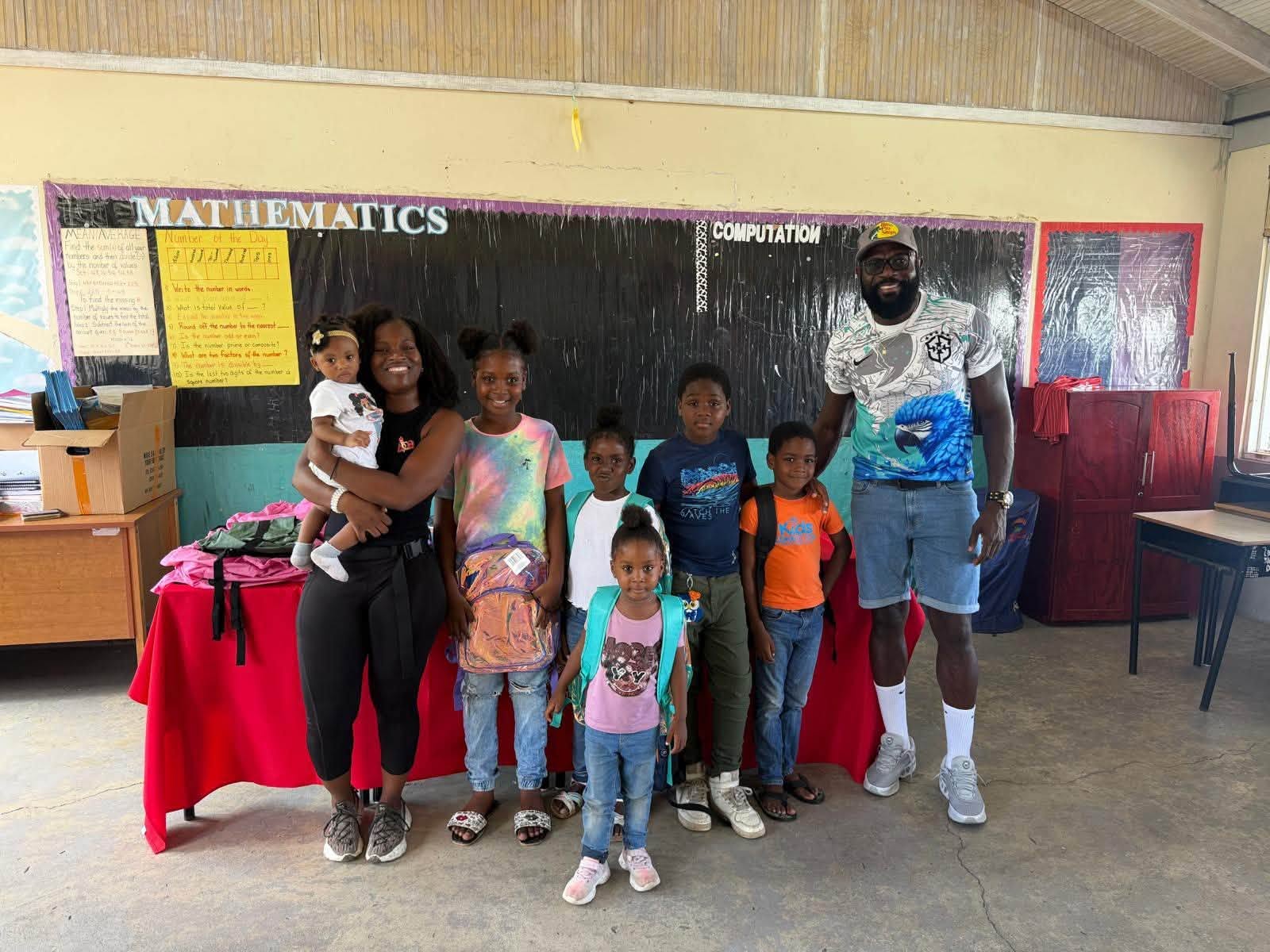
Former MP Simon Distributes More Than 400 Bookbags and School Supplies in St. Mary’s South
As the new academic year approaches, communities across St. Mary’s South have benefited from a long-standing annual outreach effort aimed at easing the financial burden of back-to-school preparation for local families. This year, politician and community advocate Kelvin “Shugy” Simon and his dedicated team led the third iteration of their popular Book Bag and School Supplies Giveaway, held this week at Urlings Primary School.
The event welcomed children of all age groups from every neighborhood across the St. Mary’s South constituency, and in total, distributed more than 400 fully stocked bookbags alongside essential school supplies to participating young attendees. Simon has maintained a multi-year collaborative partnership for the initiative with Dr. Shedia Christopher Laguer and the International Awareness and Involvement Committee of Delta Sigma Theta Sorority Inc., NJGCAC, expanding the reach and impact of the giveaway each year.
Beyond distributing critical learning materials, the day was designed as a community gathering: children took part in a range of interactive games and recreational activities, bringing together families from across the constituency to connect ahead of the new school term. Organizers note that the initiative serves two key goals: ensuring every child has the tools they need to start the academic year successfully, and creating a shared, positive experience for local households.
None of this work would have been possible without the widespread support of the broader community, organizers emphasized. Volunteers gave their time to coordinate the event, local and regional donors contributed funding, educators provided guidance on what supplies students need most, and community partners lent space and resources to make the day run smoothly.
For Simon, this annual event is far more than a one-off outreach effort — it reflects his core approach to public service. In remarks after the distribution, he emphasized that his commitment to serving the residents of St. Mary’s South, particularly children and elderly residents, does not depend on his formal political position. “Community service is a responsibility that doesn’t shift with political changes,” Simon explained, expressing his sincere gratitude to every person and group that contributed to the 2024 giveaway.
Looking ahead, the event is set to remain a staple annual initiative in St. Mary’s South, part of a broader, ongoing push to invest in youth development and remove barriers to educational access for local children. Organizers plan to continue growing the event in coming years to reach even more families in need across the constituency.
-
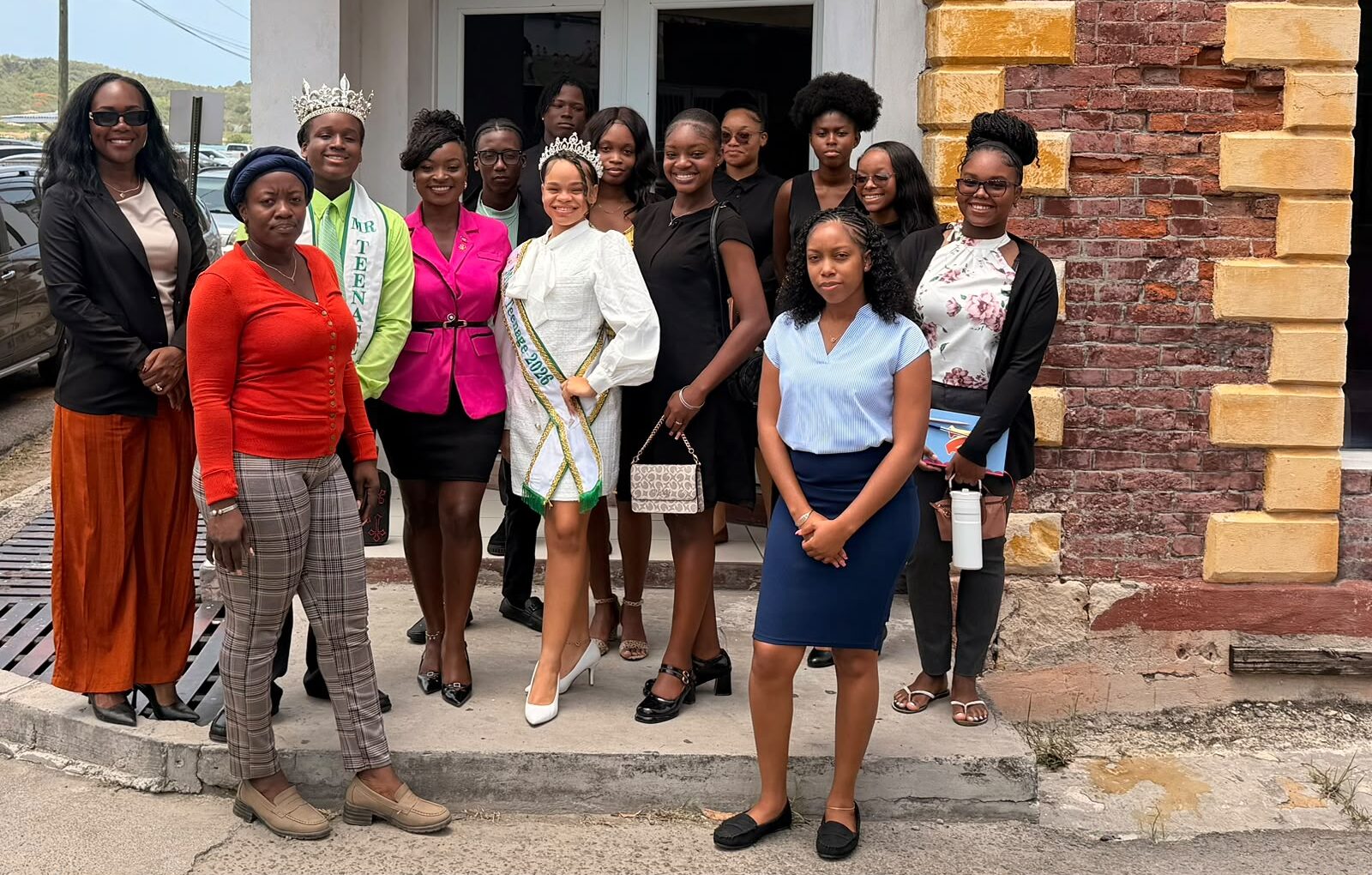
Young Antiguans Step Into Diplomacy Ahead of CHOGM 2026
Ten recent graduates of the Caribbean Examinations Council (CXC) from Antigua have been granted an unparalleled hands-on introduction to global diplomacy via a custom shadowing initiative hosted by senior government official E.P Chet Greene. Greene serves as Antigua and Barbuda’s Minister of Foreign Affairs, Trade and Immigration, as well as chair of the National Taskforce organizing the 2026 Commonwealth Heads of Government Meeting (CHOGM), which the dual-island nation will host from 1 to 4 November 2026. This youth-focused programme forms a core part of national pre-event outreach activities, designed to close the gap between young people and the worlds of diplomatic work and public service ahead of the high-profile global gathering.
Over the course of the immersive day, the participants shadowed Minister Greene directly, gaining exclusive behind-the-scenes insight into the groundwork being laid to welcome hundreds of Commonwealth leaders and delegates from across 56 member nations. The students explored every dimension of the minister’s daily responsibilities, walking away with a grounded understanding of foreign policy development, cross-border cooperation, government operations, and what it means to represent Antigua and Barbuda on the global stage.
The schedule also included a series of interactive sessions connecting the cohort with working diplomats and senior public officials. Open discussions encouraged students to map out their long-term career aspirations and outline concrete steps to turn those goals into impactful public or diplomatic careers. In one standout activity, language educator Ninette Benta-Lares from Fluent ED led a hands-on introductory Mandarin lesson, highlighting the critical role that language proficiency and cross-cultural literacy play in successful diplomatic engagement. The session combined practical learning with fun, reinforcing how cultural exchange underpins effective global cooperation.
Beyond observing and learning, the students stepped into active roles as outreach ambassadors for the 2026 summit. They traveled to Antigua and Barbuda’s Directorate of Gender Affairs, where they delivered their own public presentations on CHOGM 2026. The students explained the summit’s purpose, its unique economic and diplomatic significance for their home country, and why broad national participation is key to the event’s success. This task transformed the young participants from passive learners into active contributors to the national awareness campaign, letting them practice their communication and public speaking skills while educating peers and officials on the upcoming gathering.
In remarks following the programme, Minister Greene emphasized that the 2026 CHOGM belongs to all Antiguans and Barbudans, not just the leaders and officials who will attend the formal sessions. “This event is about our people, and especially our young people, who are the future of this nation and the entire Commonwealth,” Greene noted. “I wanted these students to see diplomacy and public service in action, to understand that there are countless paths for them to contribute meaningfully to our country’s growth and global standing.”
Briana Anthony, Public Relations Officer and Outreach Lead for the 2026 CHOGM National Taskforce, added that the programme was intentionally designed to create a personal, memorable experience for youth, rather than relying on passive, lecture-based learning. “We didn’t want students to just hear about CHOGM from a slideshow,” Anthony explained. “We wanted them to live it, to see what diplomatic work actually looks like day to day, which this shadowing programme made possible.”
As preparations for the November 2026 summit continue, the National Taskforce plans to roll out a wide range of additional engagement initiatives across Antigua and Barbuda. Upcoming activities will target schools, government agencies, local businesses, community groups, and other key stakeholders, with the goal of building broad national awareness, encouraging wide-scale public participation, and ensuring that communities across the country understand the long-term benefits of hosting the Commonwealth’s top leadership gathering.
-
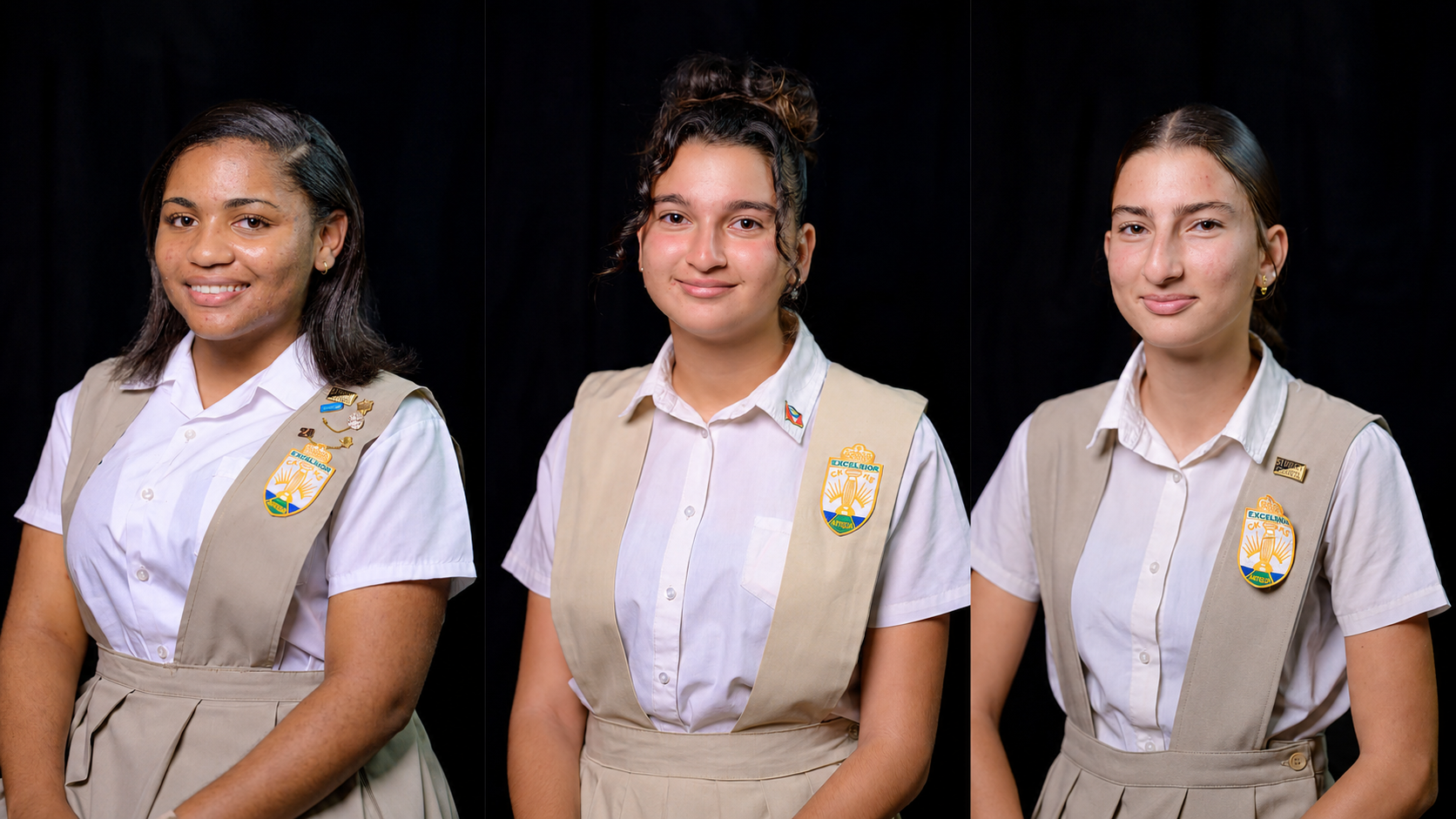
Christ the King High School Congratulates Top Three CSEC Students for 2026
A regional secondary education institution is celebrating the exceptional academic achievements of three standout graduates from its 2026 cohort, who have secured the top three positions in the Caribbean Secondary Education Certificate (CSEC) examinations.
Jenai Emanuel, Daniella Saiegh and Sarah Saiegh have been recognized by Christ the King High School for their outstanding performance, with Emanuel leading the group of high achievers by completing examinations across 12 distinct CSEC subjects. The two other honorees, sisters Daniella and Sarah Saiegh, matched each other’s success by each sitting and passing 10 CSEC subjects, cementing their places among the school’s top performing students this year.
In an official statement released following the announcement of CSEC results, school officials extended warm congratulations to the three students, encouraging them to continue pursuing their academic and professional goals. “Keep reaching high! Your journey is only beginning, and we look forward to seeing all that you will accomplish,” the institution shared in its public message of celebration, highlighting that the students’ hard work over the course of their secondary education has laid a strong foundation for future success in higher education and their chosen careers.
-
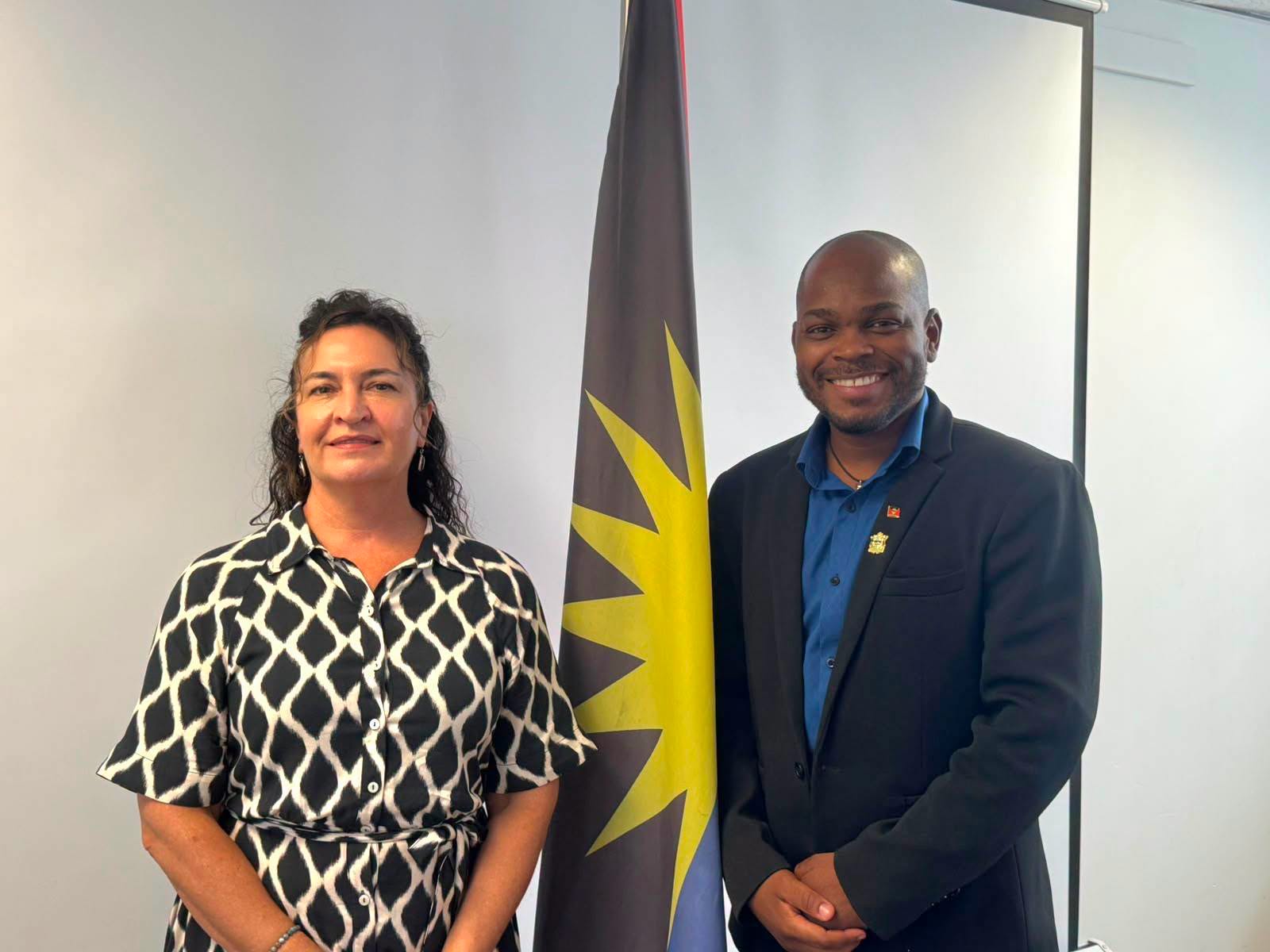
Direct Relief Representatives Visit Antigua and Barbuda to Advance Health Partnership
A years-long public health collaboration between U.S.-based humanitarian organization Direct Relief and the government of Antigua and Barbuda, implemented through a regional partnership with the Organisation of Eastern Caribbean States (OECS), has reached a critical turning point, with stakeholders gathering recently to assess completed work and outline priorities for future cooperation.
Since the initiative launched, Direct Relief has poured targeted investments into strengthening Antigua and Barbuda’s public health infrastructure across multiple high-priority domains. Key investments have upgraded the country’s epidemiological and entomological surveillance capabilities, rolled out the widely used District Health Information Software 2 (DHIS2) to streamline health data management, expanded frontline workforce skills and capacity, and improved access to critical transportation, digital tools and specialized equipment for on-the-ground field operations.
These targeted interventions have already delivered measurable improvements to the country’s public health system. They have streamlined the full lifecycle of surveillance data, from initial collection and validation through in-depth analysis and actionable use. By boosting the efficiency of field operations, the investments have also helped create stronger, more consistent connections between real-time health data and evidence-based public health action — enabling earlier detection of emerging health threats and more precise, targeted prevention and response efforts that reduce population risk.
The recent progress review meeting brought together senior leadership and technical experts from Antigua and Barbuda’s Ministry of Health, including Acting Permanent Secretary for Primary Health Care Marvo Newton-Richards, Deputy Chief Medical Officer Dr. Teri-Ann Joseph, Deputy Chief Health Inspector Daryl Spencer, and a cross-functional team of technical officers from across the ministry. During the visit, the government team held in-depth discussions with Direct Relief’s technical team to conduct a full review of the initiative’s first two implementation phases, unpack key lessons learned from on-the-ground execution, and align on priority focus areas for the next phase of support.
Speaking at the meeting, Direct Relief representative Ms. Bitter noted that the partnership has arrived at a pivotal juncture as both organizations work to map a shared path forward. “The partnership between Direct Relief and the Ministry of Health Antigua is at a pivotal point to identify solutions for the enhancement of patient care services,” she said. “We are committed to supporting the public health sector through material resources, strengthening preparedness initiatives and addressing regional issues including climate effects and resilience.”
Antigua and Barbuda’s Health Minister, Minister Joseph, emphasized that all ongoing collaboration must ultimately deliver tangible, meaningful improvements to the daily lives and health outcomes of the country’s population. “Our responsibility is to ensure that every investment in health translates into stronger services and better outcomes for the people of Antigua and Barbuda,” he explained. He noted that the existing partnership has already meaningfully strengthened core pillars of the country’s public health system, particularly disease surveillance, emergency preparedness, and the use of real-time health data to guide policy and action.
“This visit allows us to build on those gains and, importantly, to look ahead,” Minister Joseph added. “We are identifying where the next phase of collaboration can have the greatest impact – strengthening patient care, expanding prevention and early intervention, and continuing to build a health system that is proactive, responsive and resilient, with the needs of our people at its centre.”
In a statement following the meeting, the Ministry of Health expressed openness to continued engagement with Direct Relief, noting that the organization’s longstanding support has already delivered meaningful gains to the country’s public health system. Future discussions between the two parties will focus on mutually agreed priority areas designed to deliver sustainable, people-centered benefits for all residents of Antigua and Barbuda.
-
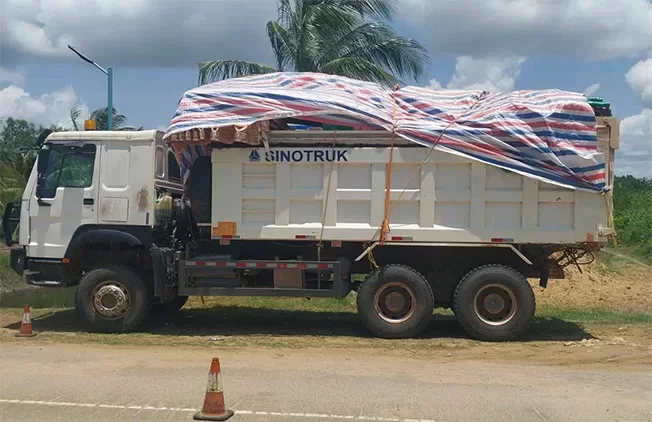
DNA wil opheldering over cyanidevangst en illegale invoer chemicaliën
A recent interception of two trucks carrying suspected illegal cyanide at the Burnside checkpoint has triggered widespread concern and rigorous questioning among members of Suriname’s National Assembly, with lawmakers pressing the government for clarity on cross-border smuggling controls, safe storage protocols and unregulated hazardous chemical use in the country’s gold mining sector. The incident, which unfolded earlier this week, has reignited long-simmering tensions over environmental risks, including unresolved questions about a recent mass fish die-off in the Saramacca River that has been linked to toxic runoff from small-scale and illegal gold extraction.
Mahinder Jogi, a legislator from the VHP party, opened the debate by flagging gaps in government handling of seized hazardous materials, pointing to a high-profile prior case where a cache of confiscated mercury stored at a local police station went missing without explanation. Jogi demanded the government confirm whether all legally required protocols have been followed for the newly seized cyanide shipment, including details on how the toxic substance is being secured, what safety protections are in place to prevent accidental leaks or theft, and what violations prompted the seizure of the two trucks in the first place.
Rabin Parmessar, parliamentary leader of the opposition NDP, focused his questioning on systemic failures in border control, noting the shipment entered Suriname from neighboring Guyana through the country’s western border region. While Parmessar praised law enforcement for successfully intercepting the cargo at the Burnside checkpoint in Coronie, he questioned why the unauthorised shipment was not detected earlier along its route through the country. He warned that cyanide is unlikely to be the only hazardous substance being smuggled across the border, noting illegal mercury and other toxic chemicals used in unregulated gold mining also regularly enter Suriname from Guyana, and called on the government to explain how it is policing these illicit flows. Parmessar also reminded the government that the National Assembly has been waiting weeks, if not months, for a full official report on the Saramacca River fish kill, stressing that parliament has not dropped the issue and will continue to hold authorities accountable.
Asis Gajadien, VHP parliamentary faction leader, centered his remarks on the growing prevalence of unregulated cyanide use in Suriname’s interior gold mining sector. He told the assembly that over the past several months, a large number of new mining pits using cyanide for ore extraction have been established in remote interior regions, creating major risks for groundwater and river ecosystems. Gajadien called on the government to ramp up oversight of the sector, placing responsibility for stronger enforcement on the Ministry of Oil, Gas and Environment and the National Environment Authority. He also proposed that modern monitoring tools, including satellite imagery, should be deployed to track unauthorised expansion of mining activity across sensitive interior landscapes.
Lawmakers across party lines extended praise to Surinamese law enforcement for successfully intercepting the two trucks, but united in calling on the government to prioritize secure, compliant storage for the seized cyanide to prevent environmental or public health disasters. The government has confirmed it will respond to all parliamentary questions during an official sitting scheduled for Thursday.
-
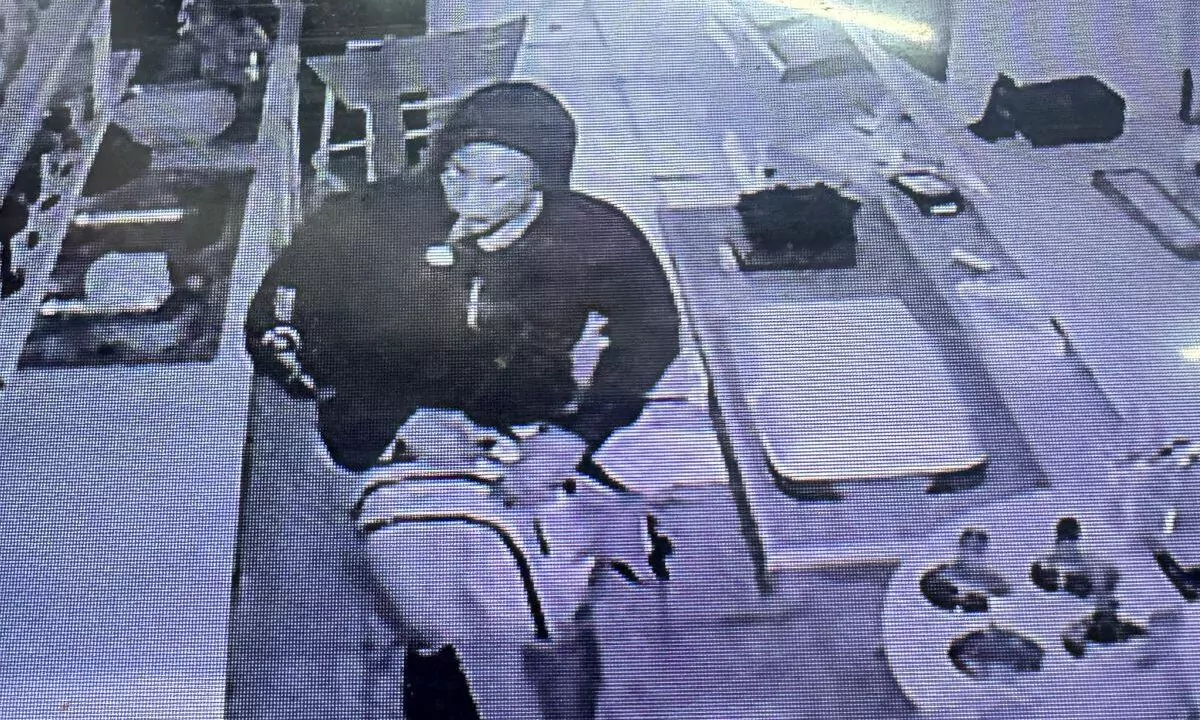
Break-Ins Rise as Police Release Latest Crime Statistics
Newly released crime statistics from the Royal Police Force of Antigua and Barbuda have revealed a mixed picture of public safety across the twin-island nation for the first seven months of 2026, with certain serious offense categories climbing even as total reported crime falls year-over-year.
Assistant Commissioner Lisbon Michael, the leader of the force’s Criminal Investigations Department, shared the latest data in a public interview with ABS’ flagship current affairs program *Antigua Barbuda Today*, where he broke down trends across major crime classifications.
According to Michael, residential and commercial break-ins have seen a notable uptick compared to the same period in 2025. Between January and July of this year, law enforcement documented 97 breaking-and-entering offenses, a 14% increase from the 85 cases recorded during the first seven months of 2025, marking a net rise of 12 reported incidents.
This upward shift in break-ins comes despite a steady decline in the total volume of reported crime across the country. In 2026, 1,756 criminal offenses were reported to police by the end of July, down from 1,887 in the 2025 corresponding period. That number represents a significant drop from 2024, when 2,227 crimes were registered over the same seven-month window.
Not all minor crime categories are trending upward, however: robbery offenses also fell, dropping from 115 reported incidents in early 2025 to 94 this year. But two of the most serious violent crime classifications have bucked the overall downward trend. Homicides rose from nine cases in January–July 2025 to 11 this year, while reported shooting incidents increased by six cases, jumping from 18 to 24 over the same comparison period.
The release of the updated statistics coincides with ongoing implementation of Operation Restore Confidence, a targeted law enforcement initiative launched by the Antigua and Barbuda Police Force to curtail gun-related violence and other high-priority serious offenses. Key tactics under the operation include expanded stop-and-search patrols and targeted enforcement operations designed to disrupt criminal networks and reduce violent offending across the islands.
-

Good Humans 268 Turns Thousands of Discarded Bottles Into 10-Foot Teddy Bear
A creative environmental advocacy organization, Good Humans 268 Inc., has sparked public conversation about waste reduction by turning thousands of post-consumer discarded plastic bottles into an eye-catching 10-foot teddy bear sculpture. The ambitious art project is the group’s latest effort to reframe public perspectives on single-use waste, challenging the widespread assumption that thrown-away materials have no further value.
Unveiled to the public recently, the oversized upcycled sculpture was intentionally designed to stand out in public spaces, catching passersby off guard and drawing spontaneous attention to the issue of plastic waste. Good Humans 268 explains that unconventional, surprising creative works are often the most effective tool to shift ingrained attitudes toward waste: by presenting a product most people would send to a landfill as the core material for a memorable piece of art, the organization forces people to reconsider their default approach to discarded goods. The teddy bear is built to spark curiosity, stop audiences in their tracks, and open up discussions about the untapped potential of everyday waste.
Beyond raising questions, the project also aims to build broader public enthusiasm for recycling and circular economy practices, proving that innovative approaches to waste can unlock unexpected creative possibilities. This 10-foot teddy bear is only the first step in the organization’s ongoing creative environmental campaign, however. Good Humans 268 has already announced plans for its next public art initiative: crafting the official flags of all 56 Commonwealth nations entirely from recycled plastic bottle caps.
“Today, it’s a 10-foot teddy bear. Tomorrow, it’s 56 Commonwealth flags made from bottle caps,” the group shared in a statement outlining its roadmap. Looking ahead, the organization says it is planning even larger-scale community-focused projects that merge creative expression, public education, and collective participation to boost global environmental awareness. “We are changing the conversation around waste, one wild idea at a time,” the group added. -
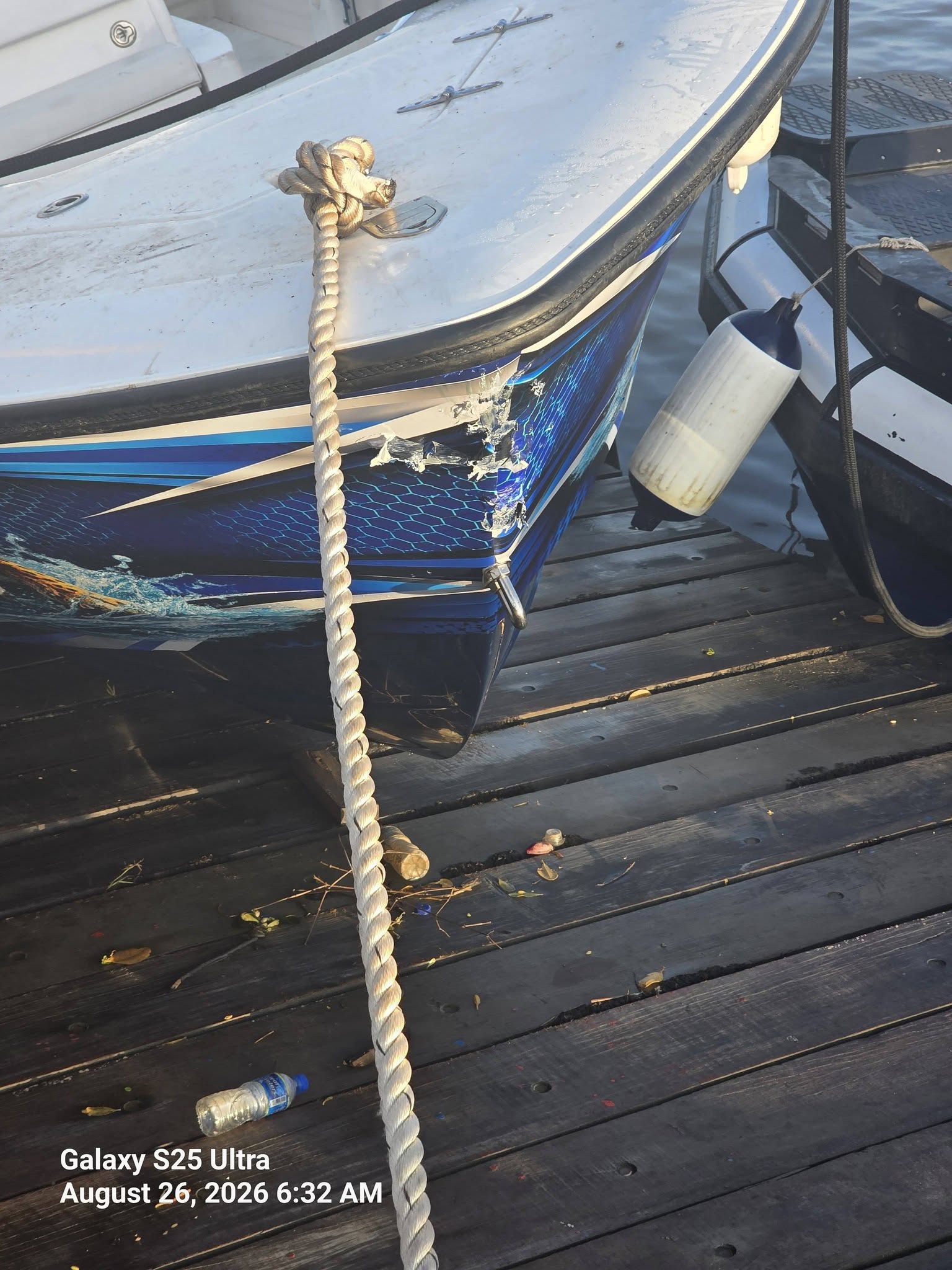
Opposition Leader’s boat detained after he failed to produce ‘papers’
On Wednesday, 26 August 2026, a fresh political dispute erupted in Guyana after law enforcement authorities detained a high-speed “go-fast” vessel owned by opposition leader Azruddin Mohamed over missing documentation, triggering accusations of partisan targeting from opposition figures.
The sequence of events began when police and the Guyana Defence Force Coast Guard intercepted the vessel after it reportedly failed to halt while entering the Demerara River, eventually locating it docked at Mohamed’s property in Friendship, East Bank Demerara. When ordered to present the boat’s valid registration, certificate of fitness, and the on-board captain’s operating license, Mohamed was unable to produce any of the required documents or even the vessel’s keys. A search of Mohamed’s person failed to turn up the keys, leading officers to order the boat detained at the Coast Guard’s headquarters.
After four hours in police custody, Mohamed announced Wednesday morning that the vessel’s hull had sustained visible damage during detainment. Opposition parliamentarian Tabita Sarabo-Halley of the Working People’s Alliance (WIN) clarified that the captain of the boat was not present at the marine police facility to hand over documentation, explaining the decision to keep the captain away was a protective measure. She noted that a previous captain who worked with Mohamed was blacklisted from future employment after his association with the opposition leader, leaving the team no choice but to avoid similar victimization.
Sarabo-Halley directly accused the ruling People’s Progressive Party Civic (PPPC)-led government of orchestrating the detainment as political retaliation for the opposition’s outreach trip to Port Kaituma and Mabaruma. During that trip, Mohamed and his delegation met with survivors and family members of victims of last month’s MV Barima river ferry disaster, where Sarabo-Halley said local residents openly criticized the government for failing to deliver any support or relief in the weeks after the tragedy.
“This is a pre-planned political attack,” Sarabo-Halley argued. “The PPP was embarrassed by the anger residents expressed over their inaction after the sinking, so they fabricated a story of a high-speed chase and interception to justify stopping us on our way back.” She added that the detainment is part of a broader, coordinated campaign to bar Mohamed from traveling across Guyana to connect with constituents: following United States sanctions imposed on Mohamed and his father in June 2024 over allegations of gold smuggling and tax evasion, domestic airlines have already refused to carry Mohamed, tax authorities have attempted to seize his land vehicles over alleged import duty violations, and now the government is moving to restrict his travel by water.
Law enforcement officials rejected the opposition’s accusations, stating that Mohamed was given ample opportunity at his dock to produce the required documentation before the detainment order was issued, and that officers would not engage in what they called “cross-talk” over political accusations. Mohamed for his part dismissed the police demand for documentation as “nonsense”, claiming law enforcement “don’t know the law”, and argued the boat was not in active use at the time it was intercepted—though countered by officers who noted the vessel was already moored in the water.
Notably, Mohamed confirmed the detained vessel is the same craft he deployed to assist rescue efforts after the MV Barima disaster last month. The ferry, which was carrying more than 179 passengers and crew when it sank, left 72 people dead; 76 survivors were rescued, and Mohamed’s boat assisted in recovering multiple victims’ bodies from the river.
-

Police Link Recent Shootings to Hostilities That Began Around J’ouvert
Authorities in Antigua and Barbuda have connected a string of recent shooting incidents to underlying tensions that ignited during the annual pre-Carnival J’ouvert celebration, a top law enforcement official has confirmed. Assistant Commissioner Lisbon Michael, who leads the country’s Criminal Investigations Department, shared the update in a recent interview with ABS’s *Antigua Barbuda Today*, where he addressed growing public anxiety over rising youth and gang-related violence across the twin-island nation.
In his remarks, Michael made clear that the uptick in gun violence that has sparked concern in recent weeks can be traced back to an altercation or dispute that unfolded on J’ouvert morning, the raucous, paint-and-powder-filled opening event of Antigua and Barbuda’s annual Carnival celebration. The senior officer declined to share specific details about what exactly triggered the conflict during the event, nor would he elaborate on the nature of the disagreement that law enforcement believes escalated into subsequent violent attacks.
Importantly, Michael emphasized that the 2024 Carnival season as a whole remained largely peaceful, contradicting early assumptions that the event itself was marred by widespread unrest. “Although the entire J’ouvert, Carnival were basically quiet, something sparked it,” he explained, noting that the specific incident that set off the hostilities did not disrupt the broader celebration but has had dangerous aftershocks in the weeks since.
In the wake of the post-J’ouvert violence, law enforcement has moved quickly to crack down on gang-related activity: Michael confirmed that several individuals have already been arrested and formally charged in connection with the recent shootings, and their cases are currently working their way through the Antigua and Barbuda judicial system.
The disclosure comes as part of a broader push by local police to curb a resurgence of youth and gang violence. The department launched a targeted anti-crime initiative, dubbed Operation Restore Confidence, on August 15 in response to mounting public concern over gun crime and violent clashes across the country. As part of the operation, police are working to dismantle violent gang structures in local communities, and are actively targeting members of two specific criminal groups that Michael named during his interview.