作者: admin

  • Gramps Morgan upbeat as Sunshine Girl goes gold

    Gramps Morgan upbeat as Sunshine Girl goes gold

    Roy ‘Gramps’ Morgan of the renowned Morgan Heritage collective has shared captivating insights into the spontaneous creation of J Boog’s hit single ‘Sunshine Girl,’ recently certified gold by the Recording Industry Association of America (RIAA). The certification recognizes the track’s remarkable achievement of exceeding 500,000 units in combined sales and streaming equivalents.

    In an exclusive interview with the Jamaica Observer, Gramps recounted the extraordinary night following an awards ceremony when the song came to life. ‘It was an incredible night after an award show,’ he recalled. ‘The owner of Washhouse Records, Jonas Teel, suggested going into the studio, and I immediately agreed.’

    The creative process unfolded during a spontaneous journey across Williamsburg Bridge en route to Manhattan’s recording facilities. Gramps collaborated with his late brother Peetah Morgan to compose the entire song during this transit. ‘By the time we arrived, the song was complete, and we taught the artist the composition upon reaching the studio,’ Gramps revealed, emphasizing the joyful cultural exchange between Polynesian and Jamaican influences evident in the lyrics.

    Recorded at Wyclef Jean’s New York studio, the track represents a significant milestone in Gramps’ production career. ‘This is an incredible achievement,’ he expressed. ‘When I produced the song, it centered on cultural blending and sharing Jamaica’s musical history. This is a ska track, not conventional reggae, and we aimed to educate the artist about musical roots.’

    The song appears on J Boog’s 2011 album ‘Backyard Boogie,’ which immediately topped Billboard’s Reggae Albums chart upon its October release. The album features notable collaborations including Tarrus Riley on ‘She Give Me Lovin’ and contains recordings from Jamaica’s Digital B and Big Yard studios. Another track, ‘Let’s Do It Again,’ achieved platinum certification in February 2024.

    Gramps is currently promoting his new single ‘Where My Heart Belongs,’ a tribute to Jamaica intended to comfort listeners following Hurricane Melissa. The song will appear on his forthcoming untitled solo album, though no release date has been confirmed. Recent performances include shows in St. Croix with Morgan Heritage and a solo appearance in Antigua, continuing his musical journey despite the recent passing of his brother Peetah Morgan in February 2024.

  • No surprise

    No surprise

    NEW YORK — The United States Department of State has implemented a significant pause on immigration applications originating from 75 countries, a move that includes Jamaica and multiple Caribbean neighbors. Announced on Wednesday, this policy shift is framed by the Trump Administration as a measure to curb systemic exploitation and protect national resources from foreign nationals deemed likely to require public assistance.

    The suspension, affecting nations such as Antigua and Barbuda, The Bahamas, Barbados, Cuba, Dominica, Grenada, Haiti, St Kitts and Nevis, St Lucia, and St Vincent and the Grenadines, will remain in effect indefinitely while processing procedures undergo a comprehensive reassessment. The State Department has not provided a timeline for the completion of this review, leaving thousands of applicants in a state of uncertainty.

    Diaspora leaders and legal experts expressed little surprise at the development. Florida-based immigration attorney Wayne Golding characterized the move as a potential ‘revamp of the entire system’ for those seeking permanent residency, commonly known as a Green Card. He cautioned applicants to anticipate ‘a significant waiting period’ and advised against making drastic life changes, such as selling property or discontinuing education, while awaiting further updates.

    The policy realignment underscores a clear objective: to prioritize immigrants who can demonstrably contribute to the nation’s growth. This shift is poised to profoundly impact family-based immigration, a primary pathway for Jamaicans. Data from the Planning Institute of Jamaica (PIOJ) highlights the US as the foremost destination for Jamaican migrants, with 16,482 individuals relocating in 2022—a 23.4% increase from the previous year.

    Prominent diaspora advocates, including Dr. Rupert Francis and Irwine Clare Sr., acknowledged the administration’s prerogative to set immigration policy but voiced concerns over the disruption to existing applications and the potential for future financial impositions, such as visa bonds similar to those already required for applicants from Haiti, Dominica, Cuba, and Antigua and Barbuda.

    In an official response, Jamaica’s Foreign Affairs Minister Kamina Johnson Smith confirmed the pause but clarified its scope, noting it applies solely to immigrant visas for permanent residency and does not affect tourist, student, business, or seasonal work visas, which continue to be processed normally. She directed concerned citizens to seek updates through established embassy channels.

  • Faith or unfair?

    Faith or unfair?

    A contentious debate erupted in Jamaica’s Public Administration and Appropriations Committee (PAAC) this week as Everald Warmington, Member of Parliament for St Catherine South Western, launched fresh criticism against government-supported reconstruction loans for churches damaged by Hurricane Melissa.

    The confrontation emerged during Wednesday’s parliamentary session as officials from the Office of the Prime Minister and Ministry of Labour and Social Security presented updates on hurricane recovery progress. Warmington specifically challenged the National Housing Trust’s (NHT) policy of extending concessional loans to religious institutions that don’t contribute to the national housing scheme.

    “The fundamental question remains: if churches aren’t contributors, and NHT exists specifically to assist contributors, how do they qualify for these financial benefits?” Warmington demanded during the exchange. He pressed NHT Managing Director Martin Miller to provide evidence of church contributions, questioning what tax registration numbers churches could possibly use to participate in the scheme.

    Miller defended the policy by explaining the NHT’s long-standing institutional loan program, which allows non-individual entities to borrow upon meeting specific financial requirements. He emphasized that special concessions were implemented under the hurricane relief framework, including relaxed contribution requirements for individuals affected by the disaster.

    “Any NHT contributor qualifies for a loan—the variable factor is the amount,” Miller clarified. “Under the Melissa relief provisions, we relaxed certain conditions to ensure broader access to recovery assistance.”

    The NHT director further justified church assistance by highlighting their social significance, particularly in rural communities: “Churches represent a vital component of Jamaican social infrastructure. Restoring these institutions helps return normalcy to communities devastated by the hurricane.”

    Warmington acknowledged churches’ social role but maintained that financially robust religious institutions should bear reconstruction costs themselves rather than drawing from public funds. He distinguished between established denominations and newer churches with elaborate facilities, suggesting that congregations with substantial resources should support recovery efforts for their members and local businesses.

    “This is the moment for churches to reciprocate generations of community support,” Warmington argued. “Instead of accessing government funds, they should lead hurricane recovery by assisting vulnerable members and small business owners rebuild their livelihoods.”

    The debate highlights ongoing tensions between social welfare priorities and fiscal responsibility in post-disaster recovery, raising fundamental questions about the appropriate allocation of public resources in national emergency response.

  • Ivy 23

    Ivy 23

    Kingston’s dining scene has been electrified by the arrival of Ivy 23, a restaurant that masterfully combines atmospheric design with extraordinary culinary innovation. Located at 23 Lady Musgrave Road, this establishment from the Tamarind and Saffron restaurant group has quickly become a destination for discerning diners seeking both exceptional ambiance and groundbreaking cuisine.

    The moment guests cross the threshold, they encounter a vibrant Miami-inspired atmosphere pulsating with sophisticated energy. This carefully crafted setting provides the perfect backdrop for romantic evenings or memorable gatherings with friends, generating palpable anticipation even before the first course arrives.

    Where Ivy 23 truly distinguishes itself is through its revolutionary approach to fusion cuisine. The menu represents a bold international journey, seamlessly integrating robust Indian and Asian flavors into dishes that feel simultaneously familiar and daringly original. Each plate arrives as a visual masterpiece, with flavors that deliver spectacular complexity without overwhelming the palate.

    The culinary experience begins with expertly crafted cocktails like the perfectly balanced Amaretto Sour. Starters include succulent red curry shrimp dumplings that dissolve on the tongue, the multi-layered Wild One flatbread, and irresistibly flavorful charred corn tacos.

    Main courses continue the gastronomic excellence with Hakka noodles accompanied by tender chicken, silky house-made breadfruit gnocchi that redefines comfort food, and Sichuan chicken featuring that distinctive numbing spice that creates addictive eating. The chocolate dessert provides a final note of pure decadence—rich, velvety, and perfectly concluding the dining experience.

    Service matches the culinary excellence with warm, attentive, and sophisticated hospitality. The restaurant operates Tuesday through Saturday from 4:00 PM to 11:30 PM, and Sundays from 3:00 PM to 10:00 PM. With dinner for four including drinks approximately $27,365, reservations are strongly recommended via phone (876-995-5101) or Instagram (@ivy23jamaica).

  • Jamaica Broilers secures $15-b bailout following US operations crisis

    Jamaica Broilers secures $15-b bailout following US operations crisis

    In a landmark financial intervention, NCB Financial Group has orchestrated a comprehensive $15.1-billion (JMD) stabilization package for the Jamaica Broilers Group (JBG), pulling the iconic agribusiness from the verge of collapse following devastating losses in its American division. The rescue financing, formally announced on Wednesday, combines substantial new credit facilities with a sophisticated multi-tranche bond restructuring designed to grant JBG the necessary liquidity and strategic time to implement a rigorous corporate turnaround.

    The financial architecture of the deal involves two primary components. National Commercial Bank Jamaica Limited (NCBJ) is providing $6.4 billion in direct loans. Concurrently, NCB Capital Markets (NCBCM) has arranged a complex $8.7 billion bond issuance, with tranches extending maturities up to 14 years. Beyond capital injection, the NCB team spearheaded critical negotiations with JBG’s domestic creditors to reset financial covenants and modify existing collateral agreements, creating a more sustainable capital structure.

    This crisis originated from severe accounting irregularities and operational failures within JBG’s US segment, which triggered massive financial hemorrhaging. Paradoxically, the company’s core Jamaican operations consistently remained profitable and viable, a fundamental factor that convinced NCB to back the rescue. The strength of these domestic assets, vital to national food security and employment, formed the cornerstone of the bailout decision.

    Angus P Young, CEO of NCBCM, emphasized the strategic importance of the intervention, stating, ‘Our support is grounded in the strength of the company’s core Jamaican operations and the decisive corrective actions now underway.’ He noted the financing was specifically tailored to align with JBG’s unique recovery needs and capital requirements.

    The entire financial package is contingent upon the execution of a strict corporate overhaul already in motion. Under the conditions of the bailout, Group President and CEO Christopher Levy is implementing a disciplined recovery strategy focused on radical governance enhancement, fortified financial controls, and direct Jamaican oversight of the troubled US operations. The company has also engaged auditors with specialized sector experience to ensure transparency.

    For decades, JBG has been an indispensable pillar of Jamaica’s agricultural economy, supplying poultry, eggs, and animal feed, thereby supporting countless rural livelihoods. This rescue deal not only secures the company’s future but also serves as a powerful demonstration of NCB Financial Group’s capacity to structure and lead large-scale domestic financial stabilizations.

  • Criticisms of One Road Authority premature, says Morgan

    Criticisms of One Road Authority premature, says Morgan

    Jamaica’s Minister with responsibility for works, Robert Morgan, has dismissed mounting criticisms from Kingston Mayor Andrew Swaby and other local government representatives regarding the proposed One Road Authority initiative, characterizing their objections as fundamentally misguided and premature.

    In an exclusive Wednesday interview with the Jamaica Observer, Minister Morgan emphasized that while dissent remains welcome, it should be grounded in the practical realities confronting a significant segment of the Jamaican populace. He firmly rejected assertions that the initiative seeks to undermine local governance or strip municipal bodies of their road networks, clarifying instead that its primary objectives revolve around standardization, coordination, and regulatory oversight.

    Morgan elaborated that the proposed authority will not transfer all road management responsibilities to the central government. Rather, it aims to establish definitive criteria for road categorization—a project currently being developed in collaboration with the World Bank. This reclassification is deemed essential, given that Jamaica’s Main Roads Act of 1932, last amended in 1985, no longer adequately reflects the nation’s evolved infrastructure landscape.

    A cornerstone of the initiative involves publishing detailed information for every road island-wide—specifying the responsible agency, current condition, and scheduled maintenance timelines—regardless of whether the road is managed by private developers, municipal corporations, or the National Works Agency (NWA). This transparency, Morgan argued, will resolve public confusion over accountability while ensuring uniform construction and maintenance standards.

    Furthermore, Morgan contended that the One Road Authority would empower, rather than weaken, municipal bodies by providing them enhanced mechanisms to hold parties accountable for road damage, including cement trucks and illegal dumping. He announced planned discussions with Local Government Minister Desmond McKenzie and Mayor Swaby to align perspectives, expressing confidence that upon reviewing the proposal’s details, critics would recognize its potential to improve citizen services.

    The Minister also addressed concerns about resource allocation, noting that the reclassification process would alleviate burdens on local authorities currently managing roads that have outgrown their original community-based purpose and now function as national thoroughfares. He framed the choice facing stakeholders as one between perpetual jurisdictional disputes and tangible infrastructure solutions.

    These statements come in response to renewed criticisms from local officials, including Mayor Swaby’s address to the Kingston and St Andrew Municipal Corporation on Tuesday. Swaby maintained that local authorities should not be penalized for centrally underfunded road repairs and warned that full nationalization could distance residents from accountable representatives.

  • Trinidad and Tobago Newsday – Thursday January 15th 2026

    Trinidad and Tobago Newsday – Thursday January 15th 2026

    The global dietary supplement market is undergoing significant transformation as regulatory bodies and health organizations intensify their examination of product safety and efficacy. This burgeoning industry, valued at over $150 billion worldwide, has experienced unprecedented growth driven by increasing consumer focus on wellness and preventive healthcare.

    Recent developments have highlighted critical challenges within the supplement sector, including quality control inconsistencies, misleading marketing claims, and potential interactions with prescription medications. Health authorities are now implementing stricter guidelines for supplement manufacturing, labeling requirements, and adverse event reporting systems to enhance consumer protection.

    The scientific community continues to debate the actual health benefits of various supplements, with some studies demonstrating positive outcomes while others show limited effectiveness. Medical professionals emphasize that supplements should complement rather than replace balanced nutrition and conventional medical treatments.

    Consumer education has become a priority, with health organizations developing resources to help individuals make informed decisions about supplement usage. The industry’s future will likely see increased transparency, improved quality standards, and more evidence-based approaches to product development and marketing.

  • Na Iraanse vergeldingswaarschuwing, VS trekt personeel terug uit Midden-Oosten

    Na Iraanse vergeldingswaarschuwing, VS trekt personeel terug uit Midden-Oosten

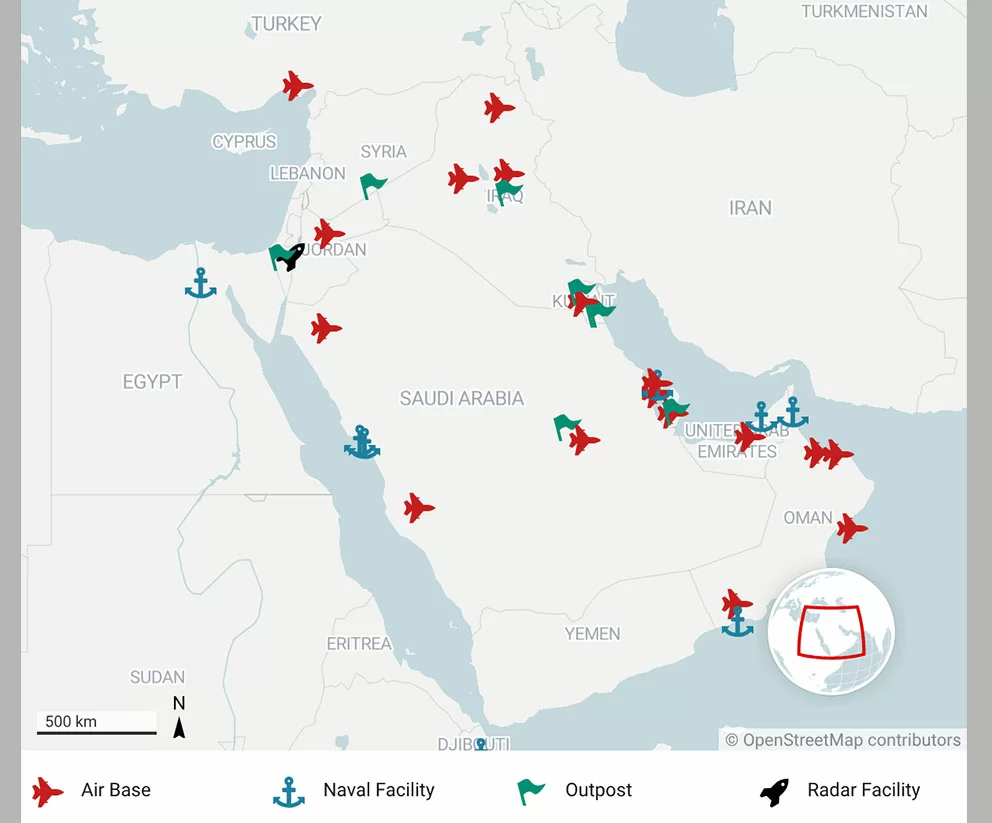
    The United States has initiated a partial withdrawal of personnel from strategic military installations across the Middle East, confirmed a senior U.S. official on Wednesday. This precautionary measure follows intelligence indicating Tehran has alerted neighboring nations about potential retaliatory strikes against American facilities should Washington authorize military action against Iran.

    The escalating tensions occur amid Iran’s most severe domestic unrest since the 1979 Islamic Revolution, with the regime facing unprecedented pressure from widespread anti-government protests. According to informed sources, the personnel withdrawal specifically targets key operational centers including U.S. regional headquarters in Qatar and Bahrain.

    European and Israeli intelligence assessments suggest American military intervention appears increasingly probable, potentially within a 24-hour window. Qatari authorities acknowledged the ongoing withdrawal from Al Udeid Air Base—the largest U.S. military installation in the region—citing heightened security concerns.

    While select personnel have received evacuation orders, defense officials note the absence of large-scale withdrawal patterns previously observed before major confrontations, such as during last year’s Iranian missile attacks.

    The human cost continues to mount with Iranian authorities reporting over 2,000 fatalities since protests began, while independent human rights organizations document at least 2,600 deaths and approximately 18,000 arrests—marking this as the deadliest civil unrest in decades. Iranian military leadership attributes the instability to foreign adversaries, with France’s Foreign Minister condemning the government’s crackdown as “the most violent suppression in contemporary Iranian history.”

    Tehran has formally accused the United States and Israel of instigating protests, labeling demonstrators as “armed terrorists.” Simultaneously, Iranian officials have warned regional allies that American bases in Saudi Arabia, the United Arab Emirates, and Turkey would become immediate targets should the U.S. launch attacks against Iran.

    Diplomatic channels have deteriorated significantly with the suspension of communications between Iranian Foreign Minister Abbas Araqchi and U.S. Special Envoy Steve Witkoff. The Iranian government continues to stage public ceremonies demonstrating regime support while maintaining tight security control.

    Western analysts suggest that despite unprecedented domestic challenges, Iran’s security apparatus remains firmly intact with no immediate threat of governmental collapse. President Masoud Pezeshkian emphasized that “enemy efforts will achieve nothing” as long as public support persists.

    Meanwhile, Iran’s judiciary announced accelerated trials for individuals accused of serious violence during protests, with human rights organizations warning of imminent executions—including that of a young man allegedly involved in demonstrations.

    The situation remains critically volatile with the international community monitoring developments with profound concern. The coming days are expected to prove decisive for regional stability and potential escalation in U.S.-Iran hostilities.

  • Despite ‘resilient growth’ in employment, global job quality is in stasis, says the ILO

    Despite ‘resilient growth’ in employment, global job quality is in stasis, says the ILO

    A comprehensive assessment by the International Labour Organization (ILO) reveals that while global unemployment rates remain stable, critical advancements in securing quality employment have effectively stalled. The report delivers a sobering analysis of worldwide labor conditions, noting that persistent challenges for young workers and emerging uncertainties from artificial intelligence and international trade policies threaten to further destabilize employment prospects.

    The investigation examines multiple dimensions influencing labor markets, including gender disparities, demographic transitions, and shifts in global trade dynamics. A particularly alarming finding indicates that approximately 300 million workers currently subsist in extreme poverty, surviving on less than US$3 per day. Concurrently, informal employment is expanding rapidly, with projections suggesting 2.1 billion individuals will occupy informal jobs by 2026—positions that typically offer minimal social protection, inadequate workplace rights, and negligible job security.

    This trend is especially pronounced in low-income nations, where workers with already precarious employment conditions are falling further behind in economic development. The Caribbean region exemplifies these global patterns, where superficial improvements in unemployment metrics mask deeper structural deficiencies. Despite regional efforts toward economic integration through CARICOM, the area contends with elevated informal employment rates, inconsistent job quality, and fragmented social safety systems.

    A critical concern highlighted for Caribbean nations involves skilled labor migration, which has created significant shortages in essential sectors including healthcare, education, and technical trades. Although CARICOM has initiatives to facilitate workforce mobility, inconsistent policy implementation has limited the region’s ability to effectively match skills with market demands.

    As Caribbean economies navigate structural transformations, climate vulnerabilities, and digital modernization, the ILO emphasizes that quantitative employment metrics alone provide an incomplete picture. The organization advocates for enhanced focus on improving job quality, expanding skills training programs, strengthening social protection frameworks, and fostering more robust regional cooperation to address these multifaceted challenges.

  • DRC: MONUSCO reaffirms commitment to peace efforts

    DRC: MONUSCO reaffirms commitment to peace efforts

    In a high-level meeting at the African Union City on Tuesday, MONUSCO’s strategic director, Van de Perre, and Congolese President Felix Tshisekedi addressed the escalating security crisis in eastern Democratic Republic of Congo. The discussions centered on the deteriorating humanitarian situation, threats to civilian populations, and implementation pathways for UN-mandated ceasefire protocols.

    The dialogue occurred against the backdrop of MONUSCO’s suspended withdrawal from the DRC. Initially scheduled for 2024 following the Congolese government’s request, the peacekeeping mission halted its departure due to worsening security conditions in conflict-ridden eastern provinces. The UN Security Council subsequently extended MONUSCO’s mandate through December 2024 with renewed strategic priorities.

    According to an official statement released via MONUSCO’s X profile on Wednesday, both parties analyzed the practical implementation of UNSC Resolution 2773, which demands an immediate and unconditional ceasefire. Van de Perre explicitly reiterated the mission’s commitment to defending Congolese sovereignty, territorial integrity, and national unity amid the ongoing crisis.

    The extended mandate focuses on three core objectives: civilian protection in deployment zones, achievement of Resolution 2773’s 2025 targets, and institutional stabilization through strengthened governance structures. This diplomatic engagement highlights the complex balance between respecting national sovereignty and maintaining international peacekeeping presence during active conflict.