作者: admin

  • North-West gets another ferry; Parika-Bartica to get more vessels

    North-West gets another ferry; Parika-Bartica to get more vessels

    The Government of Guyana has significantly enhanced its national maritime infrastructure with the acquisition of a state-of-the-art ferry, marking a strategic advancement in regional connectivity and transport modernization. The newly arrived vessel, currently named Kalliopi N, represents a multimillion-dollar investment in Guyana’s transportation ecosystem.

    Constructed in Greece in 2025 and procured for approximately US$4 million, the Kalliopi N underwent comprehensive modifications to meet stringent international maritime standards prior to its departure. These enhancements included structural reinforcements to fuel capacity, rigorous testing of ballast tanks and bulkheads, and the installation of redundant navigation and communication systems to ensure maximum safety during ocean transit.

    With an operational capacity of 284 passengers and 51 vehicles (or equivalent truck space), the vessel features air-conditioned accommodations and is powered by three Hyundai engines supported by dual generators. Operating at speeds of 10-12 knots, the ferry is projected to substantially reduce travel duration along coastal routes serving Region One (Barima-Waini) and connecting ports.

    President Irfaan Ali, during an inspection tour at Georgetown Wharf, emphasized that this acquisition forms part of a systematic fleet renewal strategy designed to progressively replace aging vessels across all regions. The presidential delegation, including Minister Deodat Indar, MARAD Director General Captain Stephen Thomas, and Parliament Member Thandi McAllister, examined the vessel’s technical specifications and operational readiness.

    Concurrently, the administration revealed parallel plans to strengthen the Parika-Bartica corridor in Region Seven through additional vessel acquisitions. This expansion aims to augment capacity along the critical Parika-Supenaam-Bartica circuit, facilitating improved movement of both passengers and commercial goods throughout the Essequibo corridor.

    The modernization initiative extends beyond vessel procurement to include comprehensive port infrastructure upgrades at key locations including Region One, Kingston, and Parika. These developments are engineered to accommodate front-loading vessels and integrate with the broader transport network.

    President Ali commended the coordinated efforts of maritime professionals, technical teams, and regulatory authorities whose synergistic work ensured the vessel’s compliant delivery. The administration’s sustained investment in maritime infrastructure demonstrates its commitment to building a modern, efficient transport network that supports economic vitality, enhances regional connectivity, and improves quality of life for citizens across all regions.

  • Wereldbank verhoogt groeiverwachting 2026, waarschuwt voor ongelijkheid

    Wereldbank verhoogt groeiverwachting 2026, waarschuwt voor ongelijkheid

    The World Bank has issued a cautiously optimistic yet concerning assessment of global economic prospects in its latest Global Economic Prospects report, published Tuesday. While upgrading its 2026 global growth forecast to 2.6%—a 0.2 percentage point increase from June’s projection—the institution simultaneously warned of significant headwinds including cooling international trade and widening disparities in living standards across nations.

    This modest upward revision still represents a slowdown from 2025’s 2.7% growth rate, continuing what the Bank describes as potentially “the weakest decade for global economic growth since the 1960s.” The report acknowledges unexpected economic resilience throughout the past year despite what it characterizes as “historic escalation of trade tensions and policy uncertainty.”

    Much of this uncertainty stemmed from the return of U.S. President Donald Trump to power last year and his administration’s implementation of broad import tariffs against major American trading partners. These measures significantly disrupted international supply chains and amplified volatility across global markets.

    The economy’s relative resilience was attributed partially to accelerated goods imports by U.S. companies stockpiling ahead of anticipated tariffs, alongside surging investments in artificial intelligence technologies that provided substantial economic stimulus.

    Looking ahead, the World Bank anticipates noticeable deceleration in global trade growth throughout 2026 as businesses complete inventory replenishment and the full effects of new trade restrictions become more pronounced. A tentative recovery in trade expansion isn’t expected until 2027, when nations presumably adapt to the new policy environment and uncertainty diminishes.

    Perhaps most alarmingly, the report highlights growing disparities in living standards between countries despite moderate overall growth. World Bank Chief Economist Indermit Gill warned that the global economy faces slower growth in coming years than even during the economically troubled 1990s, while simultaneously confronting record levels of both public and private debt.

    To avert prolonged stagnation and rising unemployment, Gill advocates for comprehensive policy measures including robust liberalization of private investments and trade, curtailment of government consumption growth, and substantial investments in emerging technologies and education systems across both emerging and developed economies.

  • IDB predicts higher food import prices, increased forex demand, but “robust” economy

    IDB predicts higher food import prices, increased forex demand, but “robust” economy

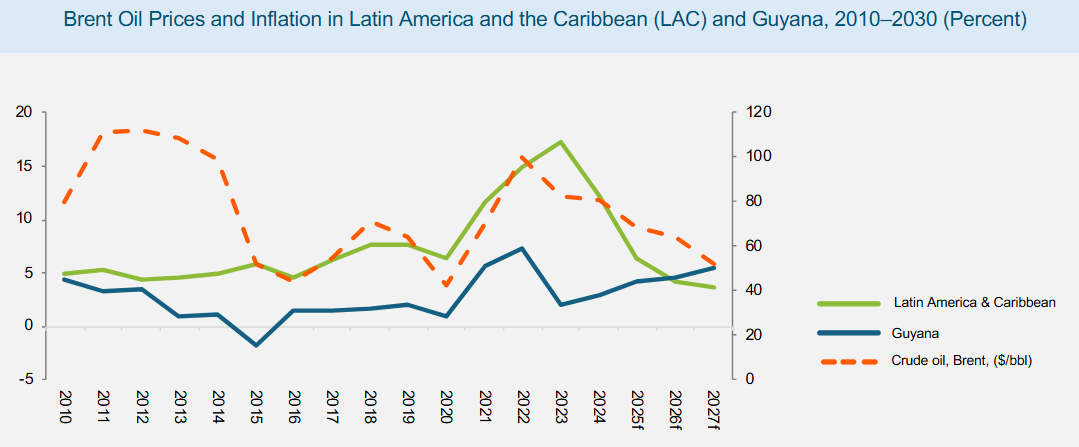
    The Inter-American Development Bank (IDB) has presented a complex economic outlook for Guyana, forecasting simultaneous challenges and strengths in its latest Caribbean Economics Quarterly. While the South American nation’s economy remains fundamentally robust with expected growth averaging 14% between 2026-2030, several headwinds threaten to create economic pressures.

    The analysis identifies falling global oil prices—projected to reach approximately US$60 per barrel in 2026—as a dual-edged development. While lower prices typically reduce petroleum revenues, Guyana anticipates offsetting this through expanded production capacity. Three additional oil wells are expected to come online, potentially doubling current output to 1.5 million barrels daily by 2029.

    Concerning developments emerge in the trade sector, where Guyana’s terms of trade have deteriorated significantly. According to IMF data referenced by the IDB, the terms of trade index declined by 32.4% in 2023 and 0.3% in 2024, stabilizing at 47% by September 2025. This decline stems from persistent increases in import prices coupled with contracting oil prices.

    The bank warns that ongoing global tariff wars and policy uncertainty could further elevate import costs, particularly for food items. With annual food prices already rising 8.2% by August 2025, inflation is projected to reach 3.6%, exceeding the previous year’s 2.9% rate. These factors may increase foreign exchange demand and complicate monetary policy management.

    Despite these challenges, the IDB notes Guyana’s oil sector remains profitable above US$28 per barrel—the country’s break-even price. The government has implemented strategic responses including free tertiary education, vocational training programs, and initiatives to encourage re-migration of skilled professionals like teachers and nurses to address human capital needs.

    The report concludes that while Guyana’s medium-term economic trajectory appears strong, vigilant monitoring of potential Dutch Disease symptoms—including exchange rate appreciation, non-oil sector competitiveness erosion, and inflationary pressures—remains essential for sustainable development.

  • Haitian Police destroy gang leader Barbecue’s house in drone strike

    Haitian Police destroy gang leader Barbecue’s house in drone strike

    In a significant escalation of anti-gang operations, Haitian law enforcement authorities have successfully destroyed the residential headquarters of notorious gang leader Jimmy Cherisier, commonly known as ‘Barbecue,’ through a precision kamikaze drone strike. The targeted operation, conducted Wednesday in the Delmas 6 district of downtown Port-au-Prince, represents a coordinated effort by multiple security agencies to reclaim control of gang-occupied territories.

    The Haitian National Police (PNH) confirmed the tactical strike via an official statement on their Facebook platform, emphasizing their strategic objective to dismantle armed factions and restore public safety. Visual evidence circulating across social media channels depicted a distinctive structure outfitted with extensive solar panel arrays being struck by an unmanned aerial vehicle, resulting in a substantial explosion and subsequent structural collapse. Post-strike imagery revealed complete devastation of the property alongside damaged vehicles and scattered debris.

    This sophisticated military operation involved unprecedented collaboration between the Haitian National Police, the national Armed Forces (FAD’H), a specialized task force commissioned by Prime Minister Alix Didier Fils-Aimé, and the United Nations-mandated Gang Repression Force (FRG). While official communications remain deliberately limited, the surgical precision of the strike resulted in no reported casualties, indicating advanced intelligence gathering and operational planning.

    The targeted demolition of Cherisier’s operational base signals a paradigm shift in Haiti’s approach to combating rampant gang violence that has paralyzed the capital city. Security analysts interpret this operation as demonstrating the government’s enhanced capabilities in employing advanced surveillance technology and coordinated tactical responses against criminal enterprises. Public anticipation grows for subsequent operational updates as authorities continue their methodical campaign to restore constitutional order and civilian security.

  • Education : Installation of members of the Council of Higher Education and Scientific Research

    Education : Installation of members of the Council of Higher Education and Scientific Research

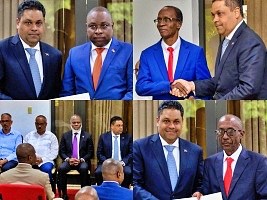
    In a significant move to revitalize Haiti’s education system, the Presidential Transitional Council (CPT) formally installed members of the Council of Higher Education and Scientific Research on January 14, 2026. The inauguration ceremony, held at the Villa d’Accueil, marked a pivotal moment in the nation’s ongoing educational reform efforts.

    The event was attended by Prime Minister Alix Didier Fils-Aimé, government officials, and representatives from the diplomatic and consular corps, underscoring the importance of this initiative to Haiti’s development agenda.

    Laurent Saint-Cyr, President pro tempore and Coordinator of the Transition Council, delivered a keynote address emphasizing the transformative potential of this new governing body. He characterized the establishment of the National Agency for Higher Education and Scientific Research (ANESRS) as a fundamental commitment by the state to provide quality education that creates tangible opportunities for Haitian youth while advancing national progress.

    Saint-Cyr articulated the Council’s primary mission: to enhance the recognition, quality, and prestige of Haitian academic credentials internationally. This strategic focus aims to create improved integration pathways, mobility options, and excellence standards for students, simultaneously strengthening Haiti’s position within global academic and scientific communities.

    The Council’s formation represents Haiti’s deliberate strategic decision to center intelligence, scientific knowledge, and research within its national development framework. Members were reminded of their responsibility as guardians of academic excellence, particularly in an era where science, innovation, and education serve as critical drivers of economic, social, and institutional advancement.

    The newly installed Council leadership includes Dr. Hérold Toussaint as President, Dr. Jean Fénol Métellus as Vice-President, and Dr. Jacques Abraham as High Commissioner for Higher Education and Scientific Research. Additional members comprise Dr. Jean Judson Joseph as Secretary General, along with Dr. Evens Emmanuel, Dr. Kitty Balthazard-Accou, and Dr. Serge Philippe Pierre as Council members.

  • U.S. and Dominican Republic strengthen cooperation against drug trafficking

    U.S. and Dominican Republic strengthen cooperation against drug trafficking

    In a significant diplomatic engagement, U.S. Ambassador to the Dominican Republic Leah F. Campos convened with Vice Admiral José Manuel Cabrera Ulloa, who leads the National Directorate for Drug Control (DNCD), to fortify bilateral security cooperation. This inaugural meeting between Ambassador Campos and the Dominican anti-drug chief focused on enhancing collaborative efforts against sophisticated criminal networks engaged in drug trafficking, financial crimes, and transnational organized crime.

    The high-level discussions centered on optimizing existing partnership frameworks to combat criminal enterprises operating across regional and international borders. Both officials acknowledged the critical support provided by U.S. agencies including the Drug Enforcement Administration (DEA) and the Bureau of International Narcotics and Law Enforcement Affairs (INL) in facilitating joint operations, delivering specialized training programs, and strengthening DNCD’s operational capabilities.

    Ambassador Campos, accompanied by INL Country Director Rebecca Márquez, emphasized Washington’s continued commitment to supporting Santo Domingo’s security initiatives. The partnership aims to advance intelligence sharing mechanisms, bolster institutional capacities, and improve interdiction effectiveness leading to successful prosecutions against drug trafficking organizations. This strengthened alliance represents a shared commitment to regional security and demonstrates the evolving nature of bilateral cooperation between the two nations in addressing complex security challenges.

  • Politic : Two new directors installed at the Ministry of Women’s Affairs

    Politic : Two new directors installed at the Ministry of Women’s Affairs

    In a significant administrative reshuffle, Haiti’s Ministry of Women’s Affairs and Women’s Rights has officially installed two new directors to lead critical divisions within the institution. The ceremony, presided over by Minister Pedrica Saint Jean on January 14, 2026, marks a strategic move to enhance the ministry’s operational effectiveness.

    The installation proceedings witnessed the participation of key officials including Acting General Director Eugénie Lybéral, members of the minister’s cabinet, and Acting Human Resources Director Evelyne Bien-Aimé, underscoring the importance of these appointments within the governmental structure.

    Ronique Paul Jean, previously serving as West Departmental Director, has been appointed to lead the Directorate for Combating Violence Against Women and Girls. In her inaugural address, Jean emphasized her commitment to implementing “committed, rigorous and results-oriented leadership” focused on institutional enhancement and intensifying efforts against gender-based violence.

    Concurrently, Marie Carline Laurenceau transitions from her previous role leading the violence prevention directorate to assume command of the Departmental Directorate Coordination Unit. Laurenceau pledged to leverage her expertise to foster knowledge sharing, team collaboration, and capacity building among departmental directorates, aiming to improve service quality across Haiti’s territories.

    These strategic personnel changes reflect the ministry’s comprehensive reform initiative to establish a more robust, coherent institutional framework better equipped to address the practical realities facing Haitian women and advance their rights through more effective public policy implementation.

  • Arrest Made in Bella Vista Murder Case

    Arrest Made in Bella Vista Murder Case

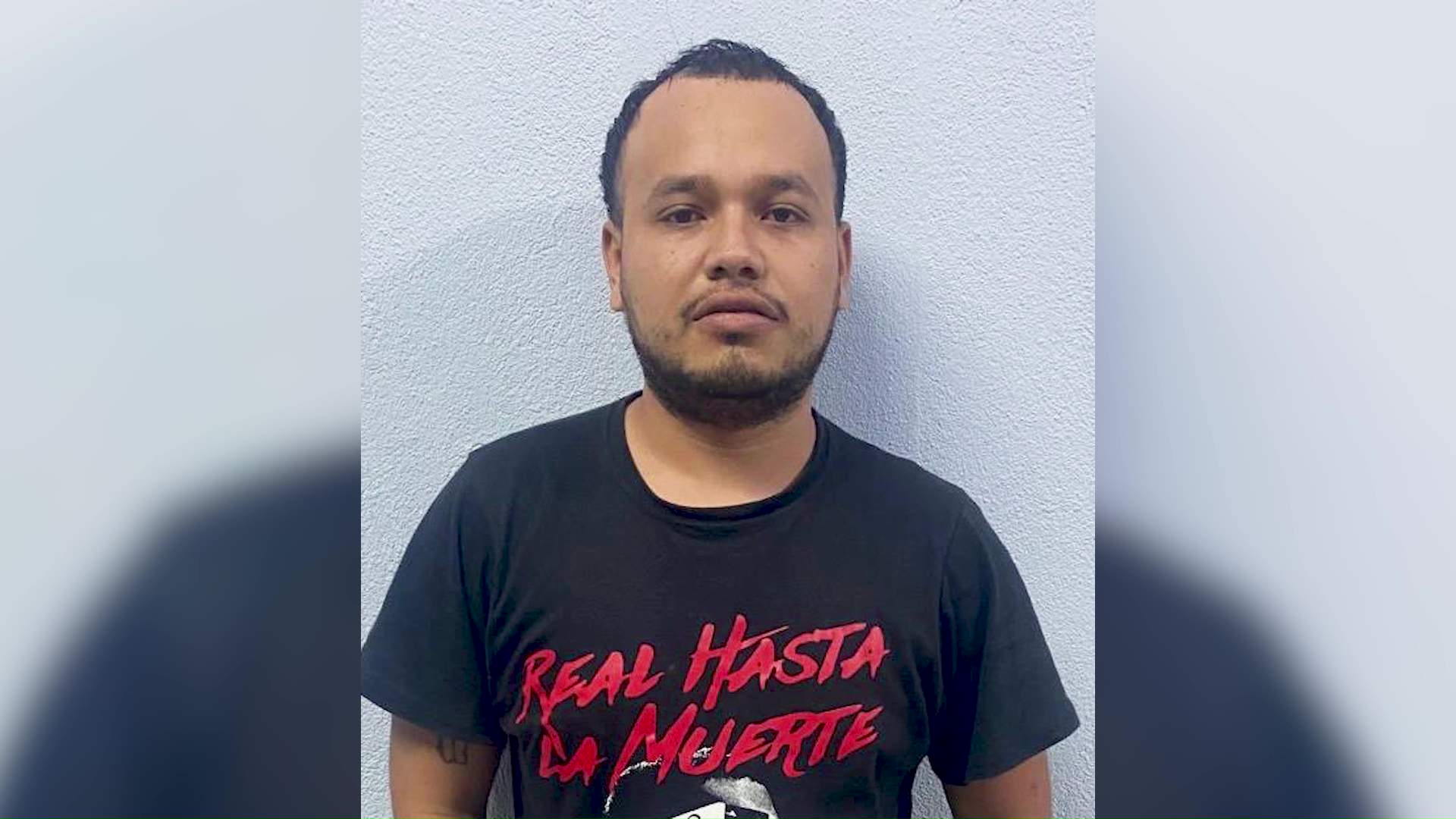
    Belizean authorities have made a significant breakthrough in a devastating homicide case that shocked a southern village community last year. Police have formally charged Jerdell Benjamin King, a 21-year-old laborer from Independence Village, for his alleged involvement in a deadly home invasion in Bella Vista Village that resulted in one fatality and critical injuries.

    The tragic incident occurred approximately at 3:00 a.m. when armed assailants forcibly entered the residence of Narjin Ceron, 24, and his partner Nickey Logan. During the violent assault, multiple gunshots were fired, instantly killing Ceron. Logan sustained six gunshot wounds while heroically using her body as a shield to protect their young child, who miraculously escaped unharmed.

    According to investigative sources, the case may stem from interpersonal conflicts within the community. Assistant Commissioner of Police Hilberto Romero indicated that longstanding rivalries potentially motivated the attack. Community members described Ceron as a diligent worker who occasionally demonstrated a temperament that might have generated disputes with other villagers.

    King now faces severe criminal charges including murder for Ceron’s death and attempted murder concerning Logan’s injuries. The judicial process is currently advancing through Belize’s criminal court system.

    Law enforcement officials emphasize that investigations remain active, with detectives examining multiple potential motives ranging from personal vendettas to possible connections with drug-related activities. This case occurs against the backdrop of escalating violence in Bella Vista, where residents have experienced increasing concerns about community safety.

    The arrest represents a crucial step toward justice for the victims’ families while simultaneously highlighting Belize’s ongoing challenges with violent crime and the pressing need for enhanced public security measures.

  • Suspect Charged in Christmas Day Murder of Bella Vista Man

    Suspect Charged in Christmas Day Murder of Bella Vista Man

    Authorities in Belize’s Toledo District have made a significant breakthrough in a high-profile homicide case that has shaken the local community. Dixon Noel Caceres, a 23-year-old laborer from Bella Vista Village, now faces formal charges for the Christmas Day murder of 25-year-old construction worker Archibald “Fafa” Ferrill Jr.

    The tragic incident occurred in the early hours of December 25, 2025, when Ferrill was ambushed while walking along a village roadway. Crime scene investigators discovered the victim lying face-down with multiple gunshot wounds, recovering eleven cartridge casings from the location. The brutality of the attack and evidence collected suggested a planned ambush rather than a random act of violence.

    This case emerges against a disturbing backdrop of escalating criminal activity in the Intermediate Southern Formation region. Law enforcement officials report that Bella Vista Village has witnessed four homicides within the past six months alone, with much of this violence attributed to disputes stemming from illegal drug operations.

    Police representatives indicate that Ferrill’s killing appears connected to this broader pattern of drug-related conflicts plaguing the area. The arrest of Caceres represents both a development in this specific case and part of ongoing efforts to address security challenges that have increasingly concerned local residents.

    Investigations continue as authorities work to determine precise motives and potential connections to larger criminal networks operating in the region. The case has drawn attention to the persistent security issues facing communities despite law enforcement interventions.

  • Police Find Gun, Ammo in Abandoned Independence House

    Police Find Gun, Ammo in Abandoned Independence House

    Law enforcement officials in Independence Village have intercepted a potentially dangerous illegal weapon following a strategic weekend operation. On January 10, 2026, at approximately 4:00 PM, a coordinated team from the Intermediate Southern Formation and Criminal Investigation Branch executed a search warrant targeting a derelict zinc bungalow situated within the Noralez Extension district.

    During their systematic sweep of the abandoned premises, investigators uncovered a gold-colored Sig Sauer 9mm pistol equipped with a magazine containing two live cartridges. The discovery was compounded by the seizure of thirty-three additional rounds of ammunition found at the scene.

    Police authorities have indicated that the recovered firearm matches the caliber typically associated with several recent shooting incidents reported throughout the surrounding area. The weapon has since been securely transported to the National Forensic Science Service laboratory for ballistic testing and forensic analysis. Current investigative efforts are focused on establishing definitive ballistic matches that would connect the firearm to outstanding criminal cases, potentially leading to prosecutions for violent offenses.

    This seizure represents a significant development in ongoing efforts to combat gun violence and remove illegal weapons from circulation within the community. The operation demonstrates continued vigilance by local law enforcement in addressing weapons-related criminal activity through targeted intelligence-led operations.