作者: admin

  • Winair to Expand Antigua-Montserrat Flights in March as SVG Airways Experience operational challenges

    Winair to Expand Antigua-Montserrat Flights in March as SVG Airways Experience operational challenges

    The Montserrat Access Division has issued a significant update on the island’s air connectivity, revealing a mixed landscape of service expansion and operational suspensions for early 2026.

    In a positive development for regional travel, WINAIR is enhancing its flight schedule to the British Overseas Territory. The carrier will maintain a three-day weekly service throughout January and February 2026, operating flights between St. Maarten, Montserrat, and Antigua every Tuesday, Friday, and Sunday. This limited schedule will undergo substantial expansion in March 2026, when WINAIR transitions to daily operations, significantly improving accessibility to the island.

    Conversely, SVG Airways (also known as BMN Air) faces substantial operational challenges that have compelled a temporary suspension of services. The airline confirmed multiple systemic issues including ongoing aircraft maintenance requirements and a critical reduction in personnel. The carrier has lost three pilots and two engineers from its human resources portfolio, creating severe staffing shortages.

    As a direct consequence of these operational difficulties, SVG Airways has closed its booking system for all routes serving Montserrat through February 2026. The airline is currently accepting reservations for travel commencing in March 2026, with bookings available through both digital platforms and traditional ticket agents.

    The Access Division within the Office of the Premier emphasized that these updates reflect the dynamic nature of regional air transportation while reaffirming the government’s commitment to keeping the public informed about travel infrastructure developments.

  • Taiwan donates fire truck, rice, charitable items to SVG

    Taiwan donates fire truck, rice, charitable items to SVG

    In a significant demonstration of international solidarity, Taiwan has delivered a substantial aid package to St. Vincent and the Grenadines (SVG), comprising emergency response equipment, food security provisions, and humanitarian supplies. The donation, formally handed over during a ceremony in Kingstown on January 13, 2026, included one fire truck, 198 tons of rice (equivalent to 20,000 bags), and two container loads of charitable goods valued at approximately $500,000.

    The comprehensive assistance package featured practical items including over 600 rolls of fabric, 300 pairs of shoes, and various clothing articles, contributed through a collaboration between the Taiwanese government and non-governmental organizations including the Simply Help Foundation and Wu Thun-Chih Foundation.

    Taiwanese Ambassador Fiona Huei-Chun Fan emphasized that the contribution represents “the heartfelt solidarity of the Taiwanese people and the Vincentian community,” adding that “true friendship is expressed not only in words, but in actions that improve lives.” She characterized the donation as a crucial step in strengthening social resilience and food security for the Caribbean nation.

    The aid extends beyond immediate humanitarian relief, reflecting Taiwan’s ongoing commitment to sustainable development partnerships. Ambassador Fan highlighted several strategic cooperation initiatives, including the recent installation of 300 CCTV cameras to enhance public safety and support accident investigations, plus the construction of an acute care hospital at Arnos Vale. In agriculture, Taiwan has launched a young farmer program incorporating smart agriculture technologies, IoT solutions, and vertical farms to empower SVG’s next generation of farmers.

    SVG’s Minister of Social Welfare and Community Empowerment, Shevern John, acknowledged the donation as evidence of the enduring friendship between both nations, noting that the rice quantity doubled previous contributions and arrives during a period of significant need following natural disasters and global uncertainty. The rice will be distributed through government social assistance programs to reach low-income families and those most vulnerable.

    Deputy Prime Minister and Minister of National Security St. Clair Leacock emphasized the symbolic importance of the fire truck donation for national safety infrastructure, while noting that Taiwan’s support consistently focuses on sustainable development rather than temporary relief. The partnership, he noted, represents “not one of a handout, but always a hand up” toward SVG’s aspiration to become a first-world nation.

  • VIEW POINT: The Caribbean’s Opportunity for a Brain Gain

    VIEW POINT: The Caribbean’s Opportunity for a Brain Gain

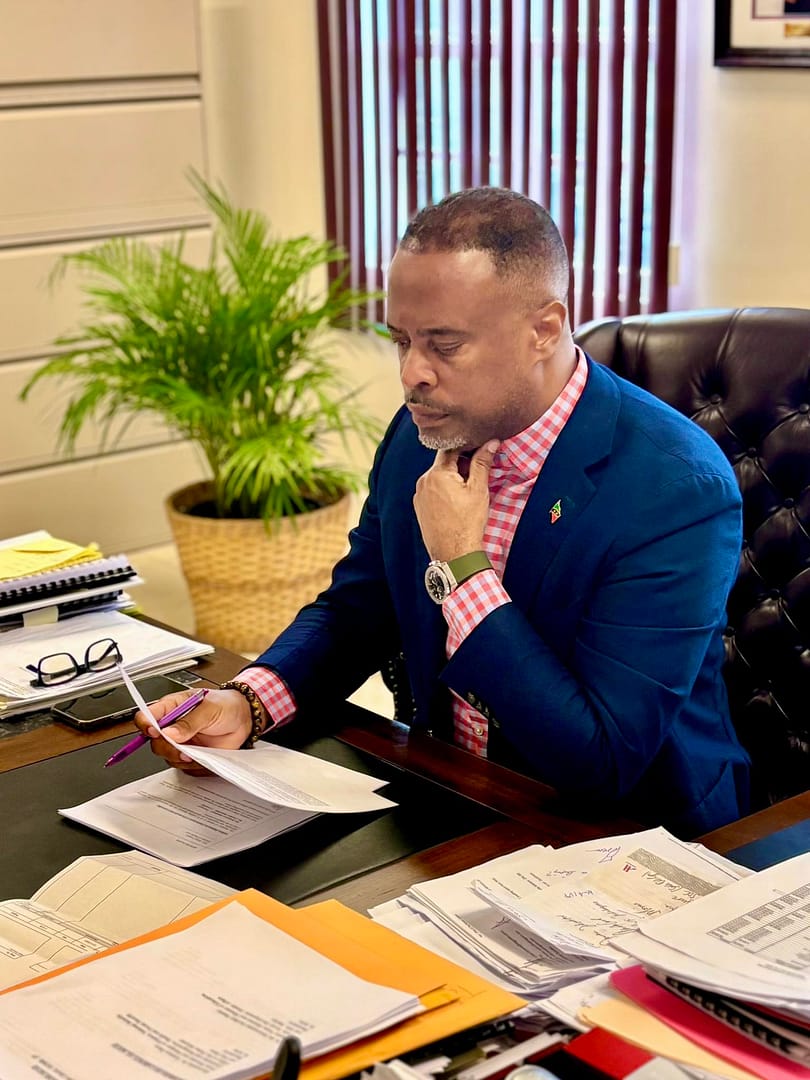
    Premier Mark Brantley of Nevis has articulated a strategic vision for transforming the Caribbean’s migration challenges into developmental opportunities. Recent immigration policy shifts in the United States, including suspended visa processing for certain Caribbean nations and forced acceptance of deportees from third countries, have generated significant regional concern. Rather than perpetuating what Brantley characterizes as counterproductive “hysteria” and diplomatic hand-wringing, he proposes a fundamental reimagining of Caribbean migration dynamics.

    The longstanding phenomenon of ‘brain drain’ has seen developed nations including the United States, Canada, and the United Kingdom benefit substantially from the migration of the Caribbean’s most talented citizens. This intellectual and professional exodus has simultaneously deprived the region of critical human capital necessary for sustainable development.

    Brantley’s comprehensive strategy centers on converting this brain drain into ‘brain gain’ through targeted incentives and emotional appeals to the Caribbean diaspora. Specific policy recommendations include making land available at symbolic prices (such as EC$1 per square foot for returning graduates in Nevis), developing fiscal incentives, and encouraging financial repatriation. The Premier explicitly calls for diaspora members to transfer financial assets from international institutions to Caribbean banks, invest in regional stock exchanges, and relocate their entrepreneurial ventures and professional expertise to their home nations.

    This approach reframes current immigration challenges as an unprecedented opportunity for reverse migration and regional development, urging Caribbean citizens to return home with their accumulated wealth, education, and innovation capabilities.

  • Pringle Says UPP Has Already Begun Outreach to U.S. to Restore Relations

    Pringle Says UPP Has Already Begun Outreach to U.S. to Restore Relations

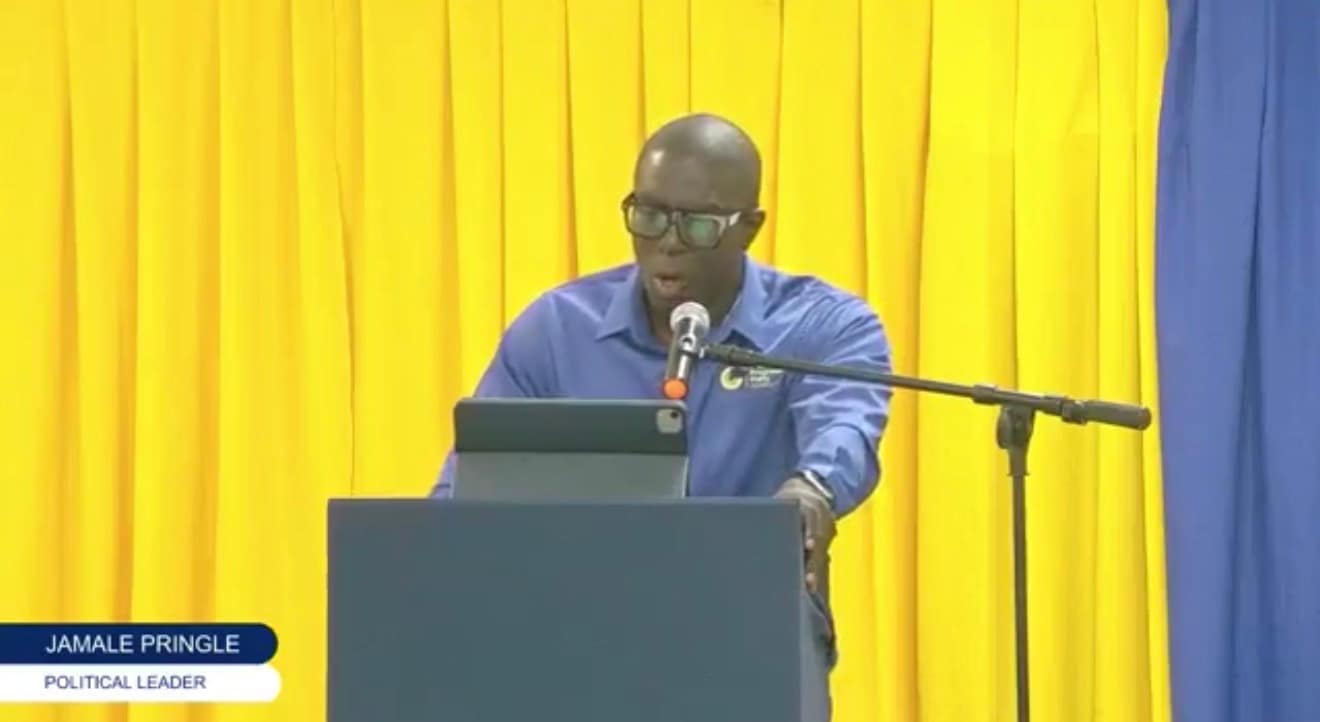
    In a decisive move signaling proactive diplomatic engagement, United Progressive Party (UPP) Leader Jamale Pringle has announced the initiation of high-level talks with the United States. The opposition party is spearheading efforts to repair Antigua and Barbuda’s strained international relationships ahead of potential political change.

    Addressing supporters during a virtual public rally, Pringle emphasized that his party is pursuing international dialogue rather than awaiting electoral outcomes. “We assure you that the United Progressive Party is not sitting idly,” Pringle declared. “We have already made moves to sit down with our international partners, starting with the United States, to discuss how trust can be restored and our relationships can be improved.”

    The opposition leader’s statement comes amid growing concerns over the nation’s diplomatic standing, visa restrictions, and increased international scrutiny. These issues dominated the virtual rally’s discourse, reflecting public anxiety about the country’s global position.

    Pringle also addressed the contentious Citizenship by Investment Programme (CIP), signaling potential significant reforms. The UPP plans to consult extensively with taxpayers and stakeholders regarding the program’s future direction. The party leader issued a stern warning that the program must demonstrably serve public interests, stating unequivocally that failure to meet this standard would result in the program’s termination.

    The announcement marks a strategic positioning by the opposition party to demonstrate governance readiness and international diplomatic capability, potentially reshaping the political landscape as the nation addresses complex foreign relations challenges.

  • COE to eeploy over 9,000 personnel for Our Lady of Altagracia celebrations in Higüey

    COE to eeploy over 9,000 personnel for Our Lady of Altagracia celebrations in Higüey

    Authorities in the Dominican Republic are implementing an extensive security operation to safeguard thousands of pilgrims journeying to the Basilica of Our Lady of Altagracia in Higüey. The coordinated effort involves 9,121 personnel and volunteers from multiple agencies working to ensure public safety during the patron saint’s anniversary celebrations.

    The comprehensive operation, active from 2:00 p.m. Tuesday, January 20, through 6:00 p.m. Wednesday, January 21, will cover the entire pilgrimage route from the Juan Carlos Bridge on Las Américas Avenue to Higüey. Emergency Operations Center (COE) director Juan Manuel Méndez García identified traffic accidents as the primary concern and appealed for responsible driving behavior throughout the religious observance.

    The massive deployment includes substantial medical resources with 113 ambulances, 153 first aid stations, and two field hospitals positioned strategically around the basilica complex. The operation features advanced coordination through a Mobile Command Center and logistical support from the Directorate of Extrahospital Emergency Services. Additional surveillance will be provided by Defense Ministry helicopters, while traffic management falls under the jurisdiction of Digesett units. Roadside assistance teams will patrol major highways to address vehicular emergencies promptly.

    Officials have specifically cautioned pilgrims against alcohol consumption while driving and emphasized the importance of adhering to official directives to maintain a secure and orderly commemoration of this significant religious event.

  • Sailing Week vital to off-season tourism in SVG –Mark

    Sailing Week vital to off-season tourism in SVG –Mark

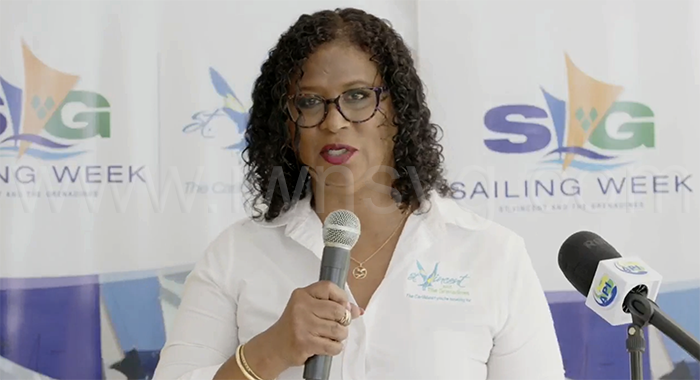
    The newly established SVG Sailing Week is demonstrating significant potential in boosting marine tourism during traditionally slower periods, according to Annette Mark, CEO of the St. Vincent and the Grenadines Tourism Authority. Speaking at the event’s launch in Bequia, Mark emphasized the strategic importance of such events in attracting both regional and international visitors when tourism activity typically declines.

    The sailing festival, which replaced the previously dormant Bequia Easter Regatta, serves as a catalyst for economic revitalization across multiple sectors. Mark highlighted its capacity to generate substantial demand for marine services, marinas, boat yards, accommodation providers, restaurants, bars, transportation services, and local suppliers. The event creates meaningful economic opportunities for yacht agents, vendors, artisans, entertainers, and service providers throughout the island chain.

    Beyond immediate economic benefits, SVG Sailing Week plays a crucial role in rebuilding confidence in the nation’s yachting sector. Mark stated that hosting a well-organized, competitive, and internationally marketed sailing event sends a clear message to the global sailing community that St. Vincent and the Grenadines remains a premier sailing destination.

    The 2025 edition, scheduled from March 29 to April 6, will feature activities across St. Vincent, Bequia, and Canouan. The program blends competitive racing with cultural celebration and community participation, including junior sailing races, traditional double-ender competitions, and international yacht races. A distinctive feature is the deliberate integration of youth sailing programs alongside traditional boat racing, ensuring the event honors maritime heritage while investing in the sport’s future.

    Looking ahead, authorities are developing a feeder race to Antigua and Barbuda to connect with the Antigua and Barbuda Sailing Week in late April. This initiative aims to further integrate SVG Sailing Week into the regional sailing circuit, strengthen regional participation, increase yacht arrivals, and position the destination as a highlight on the Caribbean sailing calendar.

  • Government inspects progress of Las Américas Airport Terminal 2 project

    Government inspects progress of Las Américas Airport Terminal 2 project

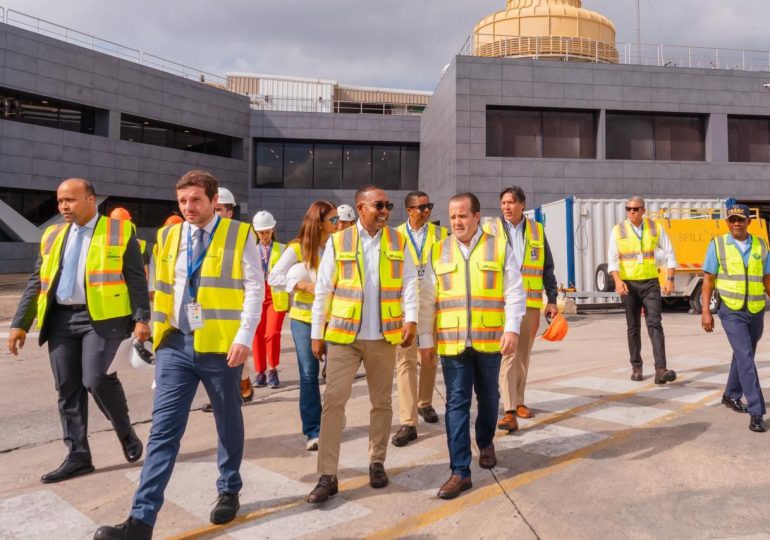
    Santo Domingo’s aviation infrastructure is undergoing a transformative upgrade as government officials conducted an inspection tour of the Las Américas International Airport (AILA) development projects. Minister of the Presidency José Ignacio Paliza led the supervisory visit alongside Airport Department director Víctor Pichardo and AERODOM executives to assess progress on two critical initiatives: the construction of Terminal 2 and the modernization of the baggage handling system.

    The centerpiece development, Terminal 2, represents a substantial investment exceeding $350 million and is projected to commence operations in 2028. This state-of-the-art facility will operate independently while complementing existing infrastructure, featuring a capacity to accommodate approximately four million passengers annually. The terminal’s design prioritizes operational efficiency, architectural modernity, and enhanced traveler experience through flexible layouts. A notable sustainable feature includes an energy center partially powered by an integrated solar power plant.

    Concurrently, airport authorities are advancing the comprehensive overhaul of the baggage processing system, scheduled for completion by December 2024. This modernization incorporates expanded capacity, cutting-edge EDS Standard 3 scanning technology, and sophisticated BAGWARE software. These enhancements are designed to bolster security protocols, streamline inspection procedures, and elevate operational efficiency while maintaining continuous airport functionality during the transition period.

  • AMCHAMDR welcomes U.S. House approval of HOPE/HELP extension for Haiti

    AMCHAMDR welcomes U.S. House approval of HOPE/HELP extension for Haiti

    In a significant move for Caribbean economic relations, the United States House of Representatives has decisively passed legislation to extend a key trade preference program for Haiti. The American Chamber of Commerce in the Dominican Republic (AMCHAMDR) has formally welcomed this development, which saw the HOPE/HELP program renewal approved with robust bipartisan consensus in a 340-54 vote.

    This legislative action provides a vital three-year extension to the tariff benefit initiative, a cornerstone for regional commerce and economic security. AMCHAMDR emphasized that the continuity afforded by this decision is paramount for the island’s textile and apparel supply chain. This sector is heavily dependent on such trade preferences to maintain its competitive edge in the global market and to safeguard existing employment.

    Beyond immediate industrial benefits, the extension is projected to serve as a catalyst for much-needed investment and broader economic development within Haiti. Such progress is anticipated to generate positive spillover effects, enhancing overall regional stability and concurrently benefiting the Dominican Republic’s commercial and productive sectors by fostering a more integrated and prosperous neighborhood.

    The approved measure now advances to the U.S. Senate for its review and subsequent deliberation. Upon successful passage through the Senate, it will require final enactment into law by the President. AMCHAMDR has reaffirmed its dedicated commitment to vigilantly monitoring the ongoing legislative process. The chamber pledges to collaborate with both public institutions and private sector partners to advocate for policies that fortify trade relations between the Dominican Republic, Haiti, and the United States, ultimately promoting greater competitiveness, deeper regional integration, and sustainable economic expansion.

  • Voorstel in DNA: halve vergoeding bij structureel ontbreken quorum

    Voorstel in DNA: halve vergoeding bij structureel ontbreken quorum

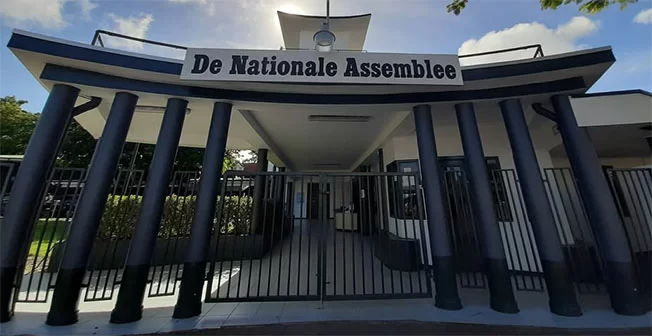
    In a significant move to address chronic parliamentary absenteeism, Surinamese Assembly members Bronto Somohardjo and Silvana Afonsoewa have submitted a formal proposal to amend the standing orders of De Nationale Assemblée (DNA). The initiative targets the persistent lack of quorum that has repeatedly paralyzed legislative and oversight functions, undermining both parliamentary efficiency and public trust in the nation’s highest representative body.

    The core provision of the proposed amendment would introduce Article 32a under the heading ‘Quorum Responsibility,’ establishing that any legislator absent without valid justification from two consecutive quorum-required meetings would be classified as structurally absent. Such members would face temporary suspension of fifty percent of their compensation for the following month, with automatic reinstatement upon resuming their attendance duties.

    Valid exemptions would include documented illness, official government duties, and circumstances of force majeure. Assembly Chair Ashwin Adhin, who received the formally registered proposal on Tuesday, would be empowered to implement the salary withholdings following consultation with the clerk, while also maintaining transparent records of absences and providing periodic reports.

    The proponents emphasize that the measure is not intended as punitive but as a proportional corrective mechanism. ‘Providing quorum is not a favor to the coalition or opposition—it is a duty to the people,’ stated Somohardjo. Both legislators assert that the initiative transcends political gamesmanship, seeking instead to reinforce institutional credibility and professional responsibility among elected representatives.

    The proposal now awaits formal consideration and scheduling by the National Assembly, potentially marking a transformative step toward greater parliamentary accountability in Suriname’s democratic processes.

  • Dominican Republic unveils first armored military vehicle assembled locally

    Dominican Republic unveils first armored military vehicle assembled locally

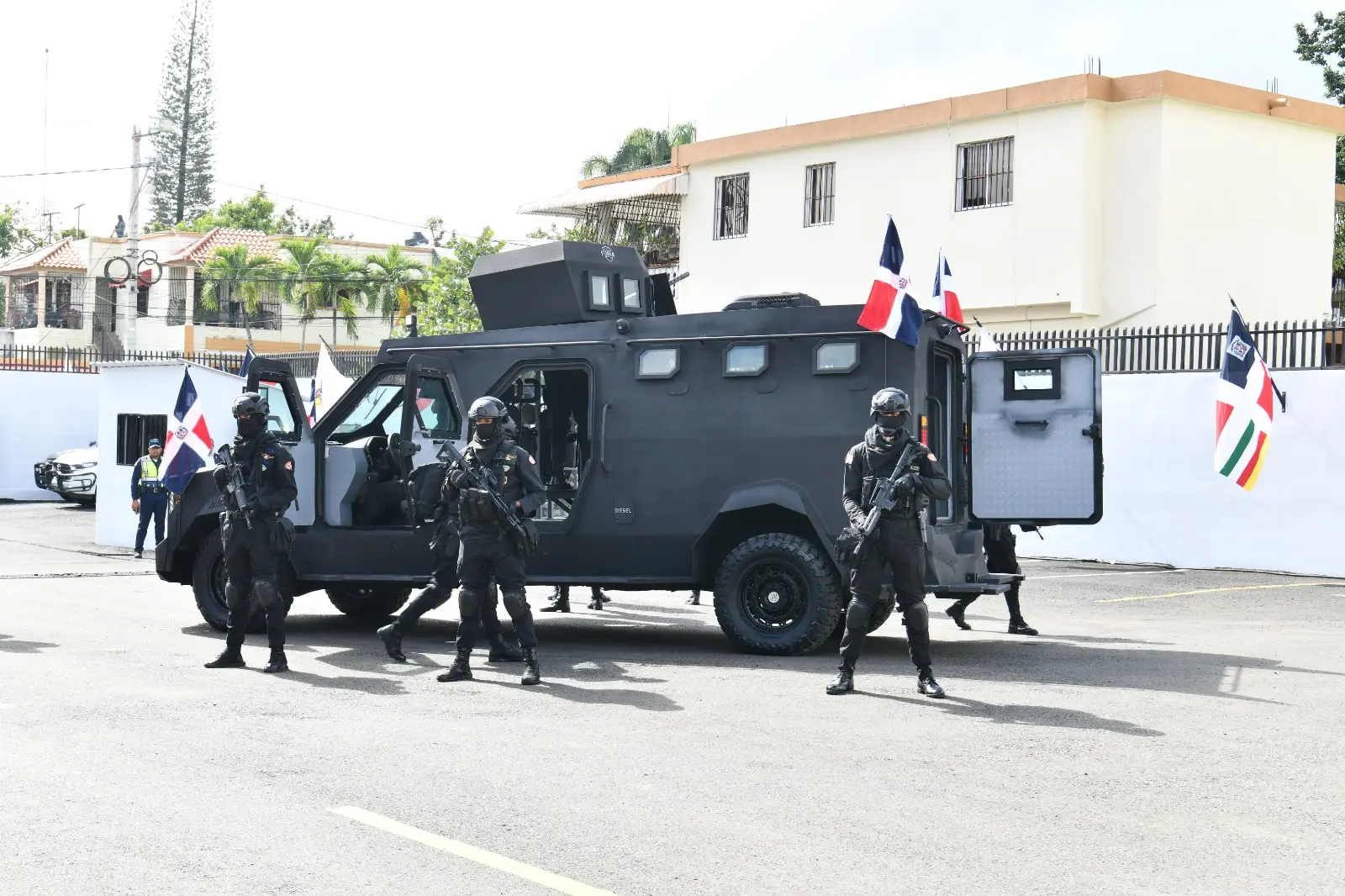
    The Dominican Republic has achieved a significant milestone in national defense sovereignty with the official unveiling of its first domestically assembled armored military vehicle. President Luis Abinader and Defense Minister Lieutenant General Carlos Antonio Fernández Onofre presided over the landmark presentation ceremony, marking a transformative moment in the nation’s military industrial capabilities.

    The newly revealed FURIA armored vehicle (designated VBD-1 Dominican Armored Vehicle) represents a strategic advancement in the country’s defense autonomy. Built on a Ford Super Duty F-250 chassis, the all-terrain combat vehicle boasts capacity for 11 military personnel and features Level 3 ballistic armor protection. Its sophisticated defensive systems include high-resistance steel construction, multilayer ballistic glass capable of withstanding 7.62 mm ammunition, run-flat tires, and reinforced suspension.

    Defense officials emphasized the operational and economic benefits of domestic production, noting that international market equivalents cost approximately $400,000 per unit, while local assembly reduces expenses by nearly 50%. The vehicle’s advanced tactical features include a 360-degree rotating turret, perimeter surveillance cameras, GPS navigation systems, advanced lighting, and climate control capabilities.

    The development forms part of a comprehensive expansion strategy for the Dominican Military Industry, which recently attained formal status as a state-owned public company through Presidential Decree No. 221-25. Authorities announced subsequent models already in development, including the VBD-2 for nine personnel and the VBD-3 with capacity for 22 troops.

    This initiative substantially enhances the operational readiness of Dominican security forces while generating significant technological transfer, workforce development, and industrial growth. The project demonstrates the government’s commitment to reducing foreign dependency in defense equipment while strengthening national security infrastructure through innovative domestic manufacturing solutions.