作者: admin

  • Saint Lucia to host major investment summit in May

    Saint Lucia to host major investment summit in May

    Saint Lucia has been selected as the host nation for the prestigious Caribbean Investment Summit 2026 (CIS26), scheduled to convene from May 6-9. The event will gather over 300 international delegates for critical dialogues on investment migration frameworks and global capital mobility trends.

    The official announcement was delivered during a press conference featuring Tourism and Investment Minister Dr. Ernest Hilaire, alongside key stakeholders including CIP Unit CEO Mc Claude Emmanuel, CIP Board Chairman Julian Charles, and Stachio Williams, CEO of summit organizer Open Interactive.

    Minister Hilaire emphasized the summit’s strategic timing, noting that the investment migration industry currently faces transformative pressures from emerging regulations, market fluctuations, and intensified international scrutiny. These factors are collectively reshaping the operational landscape of Citizenship by Investment Programs (CIPs) throughout the Caribbean region.

    While Saint Lucia’s CIP contributes less than 10% of national revenue—significantly lower than some regional counterparts that reach 50%—the program remains vital for funding critical infrastructure projects, security enhancements, healthcare services, and road rehabilitation initiatives.

    The minister underscored Saint Lucia’s commitment to rigorous due diligence protocols and strengthened collaboration with international partners. He highlighted the development of a regional regulatory body designed to enhance oversight mechanisms and promote harmonization across Caribbean investment programs.

    “We maintain acute awareness that our Citizenship by Investment Program necessitates close partnership with international allies to ensure it presents no risks to their jurisdictions,” Hilaire stated.

    CIP Unit CEO Emmanuel noted that although Saint Lucia operates the region’s newest program, it has substantially advanced its governance standards and market presence over the past decade. CIS26 will serve as a platform to position the island not merely as a citizenship jurisdiction but as a premier destination for comprehensive investment and business development.

    The summit has already secured participation from at least four Caribbean prime ministers: Saint Lucia’s Philip J. Pierre, Antigua and Barbuda’s Gaston Browne, Grenada’s Dickon Mitchel, and St Kitts and Nevis’ Terrance Drew.

    CIP Board Chairman Julian Charles observed that the region is entering an era of regulatory convergence, with governments implementing clearer frameworks and enhanced coordination. The summit will provide a collaborative environment for policymakers, regulators, and industry stakeholders to evaluate reforms and exchange innovative solutions.

    Open Interactive reported substantial international interest from North America, Europe, the Middle East, Asia, and Africa. CIS26 will conclude on May 9 with a special Caribbean Fusion night during the Saint Lucia Jazz & Arts Festival.

    “This represents the exclusive forum where all Caribbean programs converge simultaneously,” stated Open Interactive CEO Stachio Williams. “For anyone with professional interests in these programs or seeking Caribbean investment opportunities, attendance is essential at this pivotal moment.”

    Summit deliberations will address market evolution, AI-driven transparency and accountability measures, risk and reputation management strategies, innovative investment vehicles, and global connectivity enhancements.

  • LISTEN: Pringle says UPP is ready for next general election despite challenges

    LISTEN: Pringle says UPP is ready for next general election despite challenges

    Opposition Leader Jamale Pringle has emphatically declared the United Progressive Party’s (UPP) preparedness to contest the next general election in Antigua and Barbuda, despite acknowledging significant organizational and financial challenges. In a recently circulated audio statement, Pringle projected unwavering confidence in the party’s restructured framework and its capacity to present a formidable challenge to the incumbent administration.

    The UPP leader conceded that the party has navigated a period of internal consolidation, a process he described as essential for building a robust and unified front. Pringle’s comments are widely interpreted as a strategic move to galvanize both the party’s base and potential supporters, signaling a renewed offensive in the nation’s political arena. He underscored a commitment to addressing pressing national issues, positioning the UPP as a government-in-waiting ready to offer solutions to the electorate.

    This declaration sets the stage for an intensified political climate, with the UPP seeking to capitalize on public sentiment and present a credible alternative to the current government. Pringle’s assertive messaging indicates the official commencement of the party’s electoral campaign machinery, aiming to mobilize resources and personnel for the impending contest.

  • The “World’s Deadliest Disease” Can Be Cured, If Treated Early

    The “World’s Deadliest Disease” Can Be Cured, If Treated Early

    Health authorities are issuing a critical alert regarding tuberculosis (TB), the world’s most lethal infectious disease, which continues to claim lives due to persistent public misconceptions. Despite its classification as a historically significant illness, TB remains an active global health threat that demands contemporary attention.

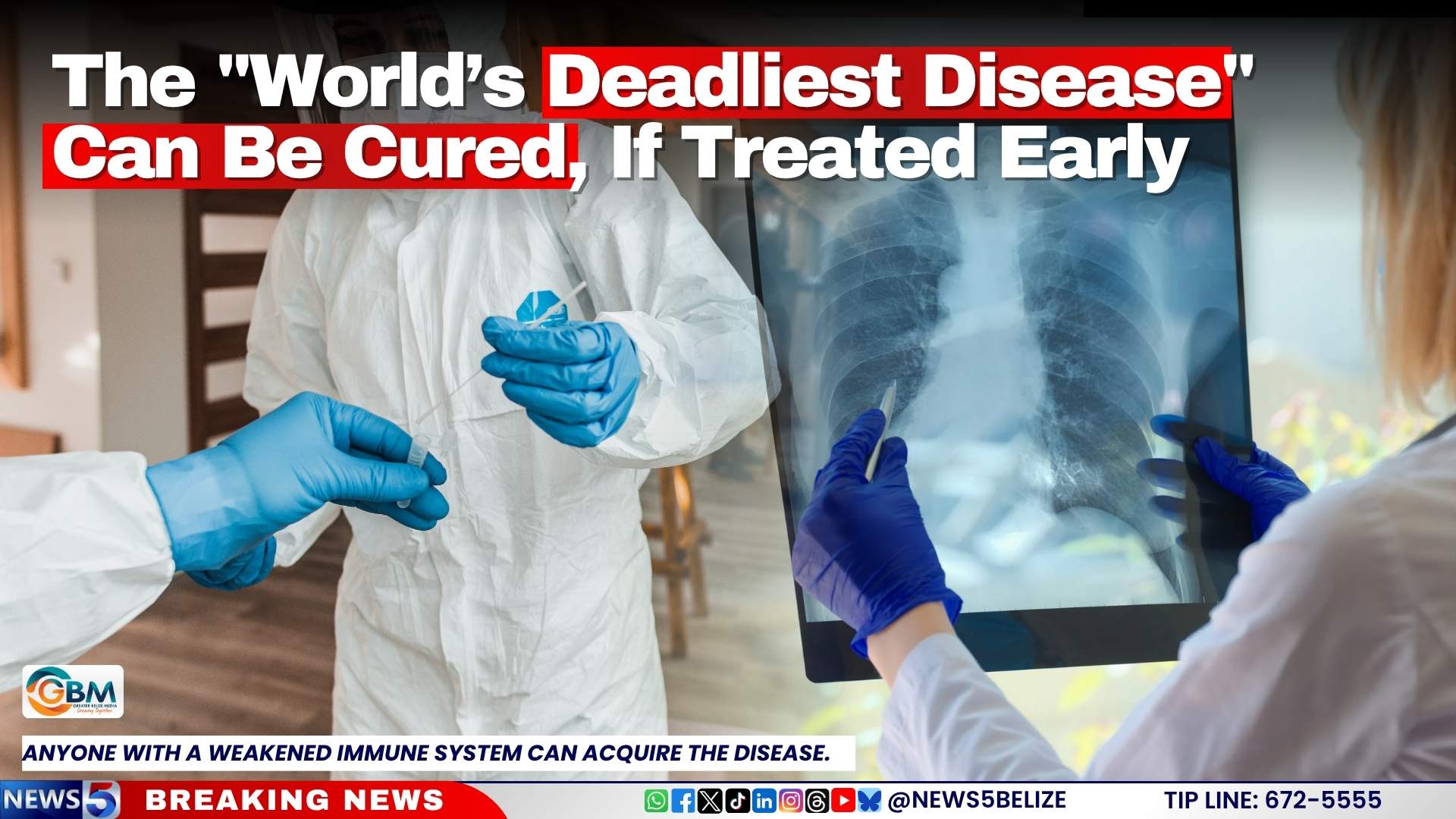
    Medical experts emphasize that tuberculosis is entirely curable when identified during initial stages of infection. Dr. Joshua Canul, Assistant Deputy Director of Belize’s HIV/TB Programme, reports fewer than 100 annual cases in his country, yet notes disproportionate vulnerability among males aged 35-49. This demographic disparity stems from variations in healthcare engagement patterns across gender and age groups.

    The bacterial infection primarily targets pulmonary systems but can metastasize to other organs through airborne transmission. Without medical intervention, each infected individual potentially spreads the pathogen to 15-18 contacts yearly. Characteristic symptoms include prolonged coughing episodes exceeding two weeks, accompanied by fever, nocturnal perspiration, and unexplained weight reduction.

    Dr. Karen Lewis-Bell of the Pan American Health Organization highlights technological advancements in diagnostics. GeneXpert technology now delivers conclusive results within hours, dramatically accelerating treatment initiation and containing community transmission. This rapid testing simultaneously identifies drug-resistant strains, enabling tailored therapeutic approaches.

    While TB maintains its status as the planet’s deadliest infectious disease, officials clarify it doesn’t rank among the most contagious when detected promptly. The medical community identifies social stigma as a substantial obstacle to eradication efforts, particularly since the disease frequently appears in immunocompromised populations including HIV patients. However, physicians stress that any weakened immune system creates vulnerability, and improper treatment inevitably leads to mortality.

  • UWI Five Islands Campus officials strengthen educational ties with Grenada’s T.A. Marryshow Community College

    UWI Five Islands Campus officials strengthen educational ties with Grenada’s T.A. Marryshow Community College

    In a significant development for Caribbean higher education, the University of the West Indies Five Islands Campus (UWI FIC) and T.A. Marryshow Community College (TAMCC) have embarked on a transformative partnership aimed at creating seamless academic transitions for students throughout Grenada, Carriacou, and Petite Martinique.

    The groundbreaking discussions, held on March 11-12, brought together leadership teams from both institutions to establish frameworks that would eliminate educational barriers and enhance academic mobility. UWI FIC’s delegation was spearheaded by Campus Principal Professor Justin Robinson, accompanied by key administrators including Admissions Assistant Registrar Jenifer Hughes, Criminology program coordinator Dr. Kamecia Blake, Health Sciences coordinator Samantha Marshall, and Marketing Manager Shavar Maloney.

    TAMCC’s representation was led by Principal Andrew Abraham, alongside Dr. Philomena Cato and Access Studies coordinator Moricia Japal-Ledlow, demonstrating the college’s commitment to expanding educational opportunities.

    The central focus of the negotiations centered on developing structured articulation agreements, particularly 2+2 programs that would enable students to complete associate degrees at TAMCC before seamlessly transitioning to UWI FIC for bachelor’s degree completion. Both institutions extensively discussed credit transfer policies, exemption frameworks, and institutional alignment strategies to ensure academic coherence and quality standards.

    The productive deliberations culminated in a mutual commitment to formalize the collaboration through a Memorandum of Understanding, marking a milestone in inter-institutional cooperation within the Organization of Eastern Caribbean States (OECS) region.

    Professor Robinson emphasized the strategic importance of this initiative, stating, ‘This partnership embodies our dedication to creating accessible higher education pathways throughout the OECS. By building these institutional bridges, we’re not only removing academic barriers but fundamentally strengthening the human capital development across our sub-region.’

    Principal Abraham highlighted the local impact, noting, ‘This collaboration will empower TAMCC students with the qualifications and skills necessary to drive Grenada’s development while positioning them competitively in the global landscape. We’re committed to ensuring our youth can effectively contribute to national progress.’

    This alliance represents a concrete implementation of UWI FIC’s strategic objective to expand quality higher education access throughout the Eastern Caribbean, directly supporting the developmental goals of OECS member states by creating sustainable educational ecosystems and enhancing regional human resource capabilities.

  • Police Seize 17 Kilos of Cannabis in San Pedro Operation

    Police Seize 17 Kilos of Cannabis in San Pedro Operation

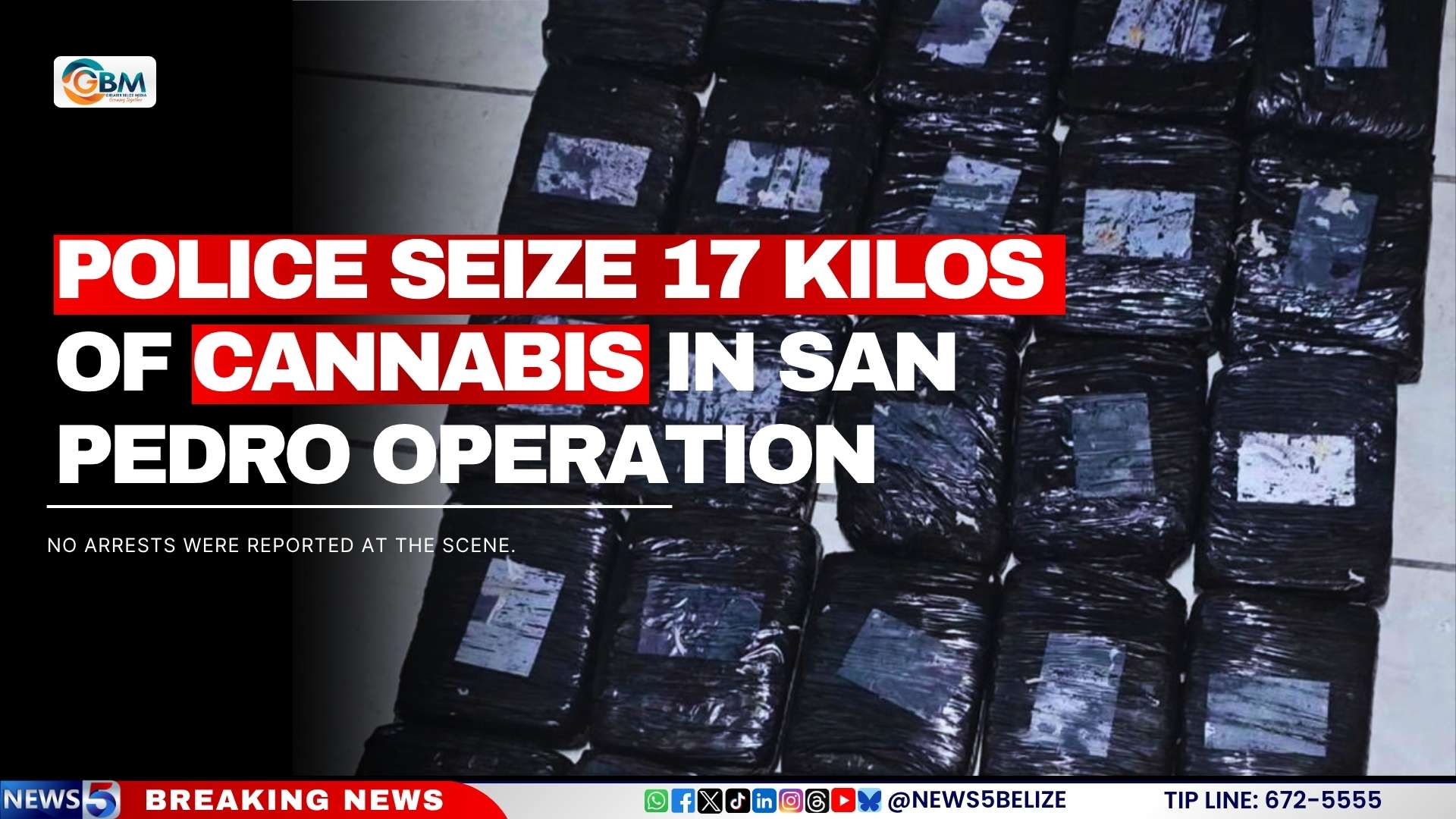
    In a significant counter-narcotics operation conducted north of San Pedro Town on Tuesday morning, law enforcement authorities successfully intercepted and confiscated a substantial quantity of illegal cannabis weighing approximately 17.4 kilograms (38.36 pounds). The intelligence-driven mission, executed around 8:30 a.m., targeted a concealed location within a coastal mangrove ecosystem where investigators discovered a large black crocus bag containing twenty-nine individually wrapped rectangular bricks of cannabis, each securely sealed in black plastic packaging.

    Police officials have since processed the substantial drug haul through standard evidence protocols, including proper labeling, sealing, and official documentation as found property. The successful seizure represents a notable disruption to local drug trafficking operations, though authorities emphasize that comprehensive investigations remain actively ongoing to identify and apprehend those responsible for the illicit shipment.

    Notably, the operation concluded without any immediate arrests at the scene, suggesting law enforcement’s strategic focus on evidence gathering and broader network investigation rather than rapid detentions. The coastal region near San Pedro has historically presented challenges for drug interdiction efforts due to its geographical features, making this seizure particularly significant for local authorities combating narcotics distribution channels.

  • Over 400 Illegal Dumpsites Found Across Belize

    Over 400 Illegal Dumpsites Found Across Belize

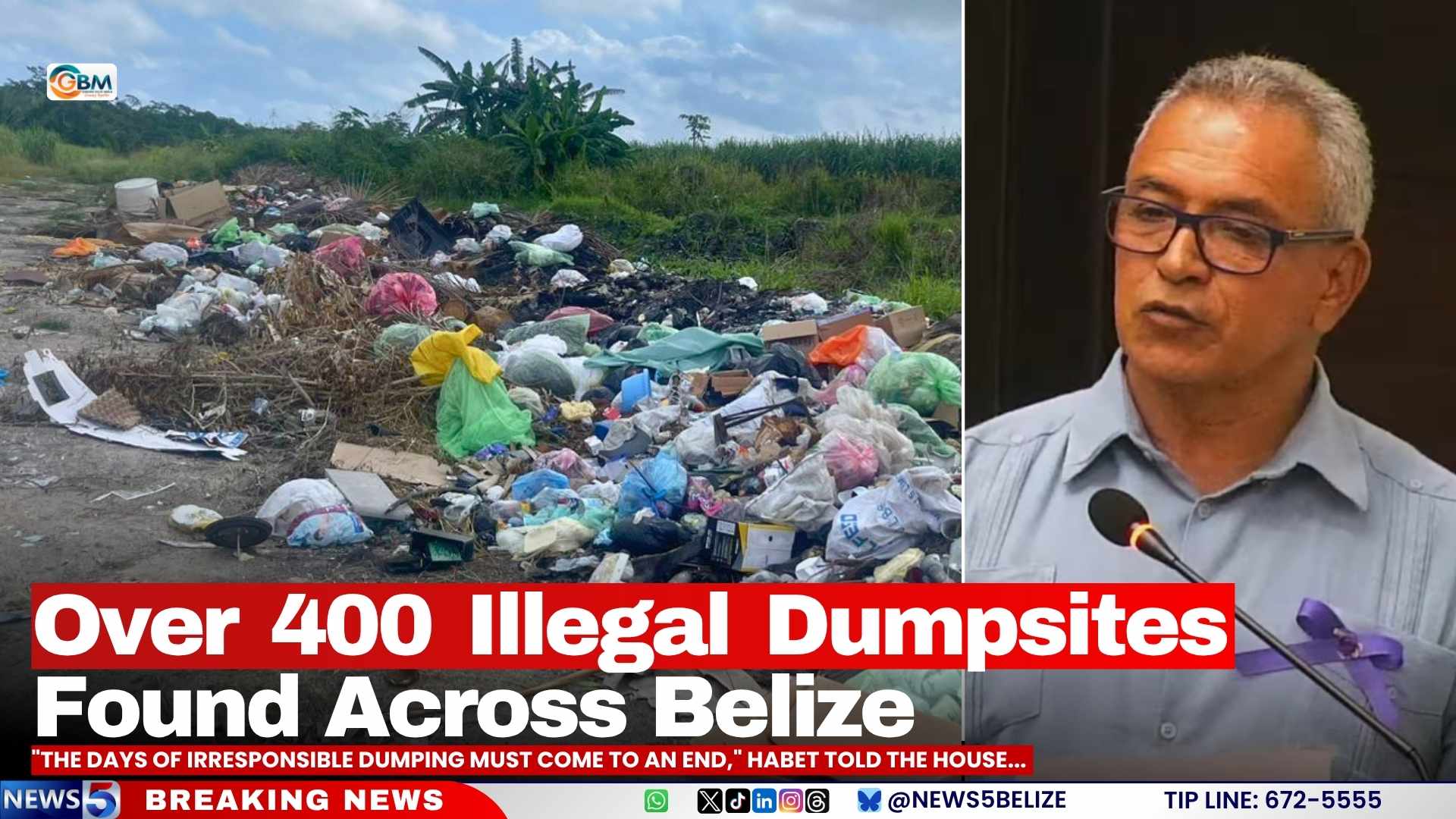
    The Belizean government has declared war on environmental pollution after revealing the existence of more than 400 illegal dumpsites scattered across the country. Minister of Sustainable Development Orlando Habet unveiled an ambitious $2 million anti-dumping initiative during Monday’s budget debate at the National Assembly.

    The comprehensive strategy employs a multi-pronged approach combining technological surveillance, enhanced enforcement, and infrastructure development. Surveillance cameras will be deployed at identified garbage dumping hotspots while littering laws will be rigorously enforced. “The days of irresponsible dumping must come to an end,” Minister Habet asserted before the House, emphasizing strengthened public accountability measures.

    Financial allocation will facilitate the complete operationalization of transfer stations in Orange Walk and Corozal, extending proper waste management services to previously underserved communities. National assessment data indicates the Belize District contains the highest concentration of illegal dumping activity.

    Despite the challenges, progress reports indicate positive momentum. Over the past year, approximately 62,000 tonnes of waste were properly processed through seven transfer stations serving around 220,000 citizens. Concurrently, a home composting pilot project across Orange Walk, Benque Viejo, and Dangriga is projected to divert over 590,000 pounds of organic waste annually from landfills.

    The environmental department will double its enforcement capacity through new personnel hires, with officers deploying district-wide to collaborate with local councils on identification and cleanup operations. Special emphasis will be placed on San Pedro, a key tourism destination, where stronger regulatory presence is planned. The government is additionally exploring waste-to-energy conversion technologies, including repurposing sargassum seaweed accumulations.

  • Opposition calls for overhaul of CIP following UK visa decision

    Opposition calls for overhaul of CIP following UK visa decision

    Saint Lucia’s international standing faces severe scrutiny following Britain’s decision to revoke visa-free travel privileges for its citizens, effective March 5. The move has triggered intense political backlash and calls for systemic reform within the Caribbean nation.

    Opposition Senator Dominic Fedee delivered a scathing indictment of the current administration, characterizing the UK’s decision as emblematic of a profound “national shame” that damages the country’s global reputation. He emphasized that this action transcends mere bureaucratic adjustment, representing instead a critical statement about Saint Lucia’s diminished standing within the Commonwealth community.

    According to Fedee, the UK Home Office justified its decision based on two primary concerns: a significant increase in asylum claims from Saint Lucian nationals and ongoing issues with the country’s Citizenship by Investment Programme (CIP). Official data reveals that 360 Saint Lucians sought asylum in the UK during 2025, with 128 of these claims (36%) made directly at UK ports of entry.

    The CIP program has drawn particular scrutiny, with Fedee highlighting alarming statistics showing 5,642 applications processed in a single year—representing a staggering 423% increase. The opposition senator raised serious concerns about transparency deficiencies, noting the program has operated without updated public reports for two consecutive years, with UK data currently only available through March 2024.

    Fedee demanded immediate disclosure of missing documentation and comprehensive financial accounting, questioning how much funding has been collected, drawn down, and actually spent on development projects. He revealed that his United Workers Party advocates for a complete overhaul of the CIP system, warning that the UK’s action may signal a broader international trend, with the European Union becoming “the third important jurisdiction that has signalled trouble.”

    The senator cautioned that these investment programs pose “an existential threat” if current management practices continue, citing persistent issues with transparency, delayed reporting, and incomplete financial updates. He stressed that only absolute truth and accountability would resolve the escalating crisis, urging the government to confront the situation with honesty rather than downplaying its significance.

  • The UWI FIC and TAMCC strengthen regional educational ties

    The UWI FIC and TAMCC strengthen regional educational ties

    In a significant move to enhance higher education accessibility, the University of the West Indies Five Islands Campus (UWI FIC) and T.A. Marryshow Community College (TAMCC) have initiated formal discussions to establish streamlined academic pathways for students in Grenada, Carriacou, and Petite Martinique. The high-level meetings held on March 11-12 brought together educational leaders to formulate strategic collaboration frameworks.

    The UWI FIC delegation, led by Campus Principal Professor Justin Robinson, included key administrative and academic personnel: Assistant Registrar of Admissions and Graduate Studies Jenifer Hughes, BSc Criminology and Criminal Justice programme coordinator Dr. Kamecia Blake, School of Health and Behavioural Sciences coordinator Samantha Marshall, and Marketing Manager Shavar Maloney. The TAMCC representation was headed by Principal Andrew Abraham, accompanied by Dr. Philomena Cato and Access/Professional Studies Coordinator Moricia Japal-Ledlow.

    Central to the discussions was the development of structured articulation agreements that would enable TAMCC students to seamlessly transition into UWI FIC degree programmes. The proposed 2+2 pathway model would allow students to complete associate degrees at TAMCC before advancing to bachelor’s programmes at UWI FIC, with appropriate credit exemptions. Both institutions committed to negotiating a formal Memorandum of Understanding to institutionalize the partnership.

    Professor Robinson emphasized the regional significance of the collaboration: ‘This partnership demonstrates our commitment to creating educational pathways for OECS students. By building institutional bridges, we’re removing barriers to advanced degrees while strengthening human capital development across the sub-region.’

    Principal Abraham highlighted the local impact: ‘This initiative will equip TAMCC students with qualifications and skills necessary to drive Grenada’s development and compete effectively in the global environment. We’re ensuring our youth can access programmes that position them as contributors to national progress.’

    The collaboration aligns with UWI FIC’s strategic mission to expand quality tertiary education access throughout the Eastern Caribbean while supporting the development objectives of OECS member states.

  • Pakistan meest vervuilde land ter wereld in 2025, rapport IQAir

    Pakistan meest vervuilde land ter wereld in 2025, rapport IQAir

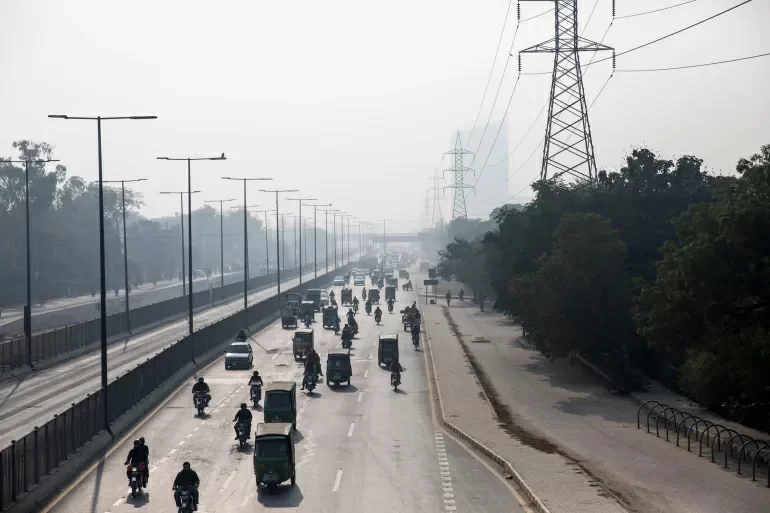
    In a sobering environmental assessment, Pakistan has been identified as the world’s most polluted country according to the 2025 annual report by IQAir, a Swiss air quality monitoring organization. The nation’s atmospheric concentrations of hazardous fine particulate matter (PM2.5) reached alarming levels—approximately 13 times higher than the World Health Organization’s recommended safety threshold.

    The comprehensive study, which analyzed data from 9,446 cities across 143 countries, revealed that Pakistan’s average PM2.5 level stood at 67.3 micrograms per cubic meter. While this represents a slight improvement from the 2024 record of 73.7 micrograms, it remains critically elevated. The report underscores a global crisis with only 13 countries and territories managing to maintain PM2.5 concentrations below the WHO guideline of 5 micrograms per cubic meter. A staggering 130 of the 143 monitored nations failed to meet this international standard.

    Bangladesh and Tajikistan followed Pakistan as the second and third most polluted countries respectively. Chad, which had recorded the highest particulate levels in 2024, dropped to fourth position—a decline potentially attributable to data collection irregularities rather than genuine environmental improvement.

    At the municipal level, Loni, India claimed the dubious distinction of being the world’s most polluted city with an average PM2.5 concentration of 112.5 micrograms per cubic meter. The entire list of the top 25 most polluted cities was exclusively composed of urban centers within China, India, and Pakistan.

    In response to this environmental challenge, multiple nations are implementing countermeasures. Pakistan has introduced stricter environmental regulations targeting industrial and vehicular emissions, alongside campaigns to reduce agricultural waste burning—a significant contributor to smog in cities like Lahore. Bangladesh is investing in cleaner energy sources and enhancing public transportation systems to diminish private vehicle usage. Tajikistan is focusing on reducing household wood burning and initiating reforestation projects. India has launched air quality improvement programs in several cities, including restrictions on polluting fuels, closure of contaminating factories, and promotion of electric transportation.

    Suriname emerged as an environmental bright spot, highlighted in the report for maintaining air quality without significant health-threatening pollution. The country’s relatively clean atmospheric conditions are attributed to low industrialization levels and extensive forest areas that function as natural air filtration systems.

    The report emphasized that PM2.5 particulate matter is globally recognized as a major contributor to preterm births and long-term exposure has been linked to neurological disorders including dementia, Parkinson’s disease, and Alzheimer’s. Compounding the problem, climate change continues to exacerbate air quality deterioration through increased wildfire activity that releases substantial carbon emissions into the atmosphere.

  • The Last 11 Years Were the Hottest Ever Recorded

    The Last 11 Years Were the Hottest Ever Recorded

    In a sobering declaration from the World Meteorological Organization, planetary climate systems have reached their most imbalanced state throughout recorded human history. The newly released State of the Global Climate 2025 report delivers conclusive evidence that the period spanning 2015 through 2025 represents the warmest eleven-year sequence ever documented, with the final year ranking as either the second or third hottest individual year in observational records.

    United Nations Secretary-General António Guterres framed the findings with urgent rhetoric, stating: ‘Humanity has just endured the eleven hottest years on record. When history repeats itself eleven times, it is no longer a coincidence. It is a call to act.’

    The comprehensive assessment reveals that Earth’s oceans have absorbed over 91% of excess atmospheric heat, reaching unprecedented temperature levels during 2025. Polar regions experienced severe ice depletion, with both Arctic and Antarctic sea ice diminishing to near-record minimum extents. Simultaneously, glacial systems across diverse regions from Iceland to North America underwent exceptional mass reduction. These combined factors have accelerated sea level rise—a phenomenon scientists project will persist for centuries due to thermal expansion and continued ice melt.

    The critical data underpinning these findings originates from an intricate global network of satellites, ground sensors, and scientific monitoring stations that track environmental changes in real-time. The report’s publication coincided with World Meteorological Day on March 23, which adopted the thematic imperative ‘Observing Today, Protecting Tomorrow.’ This concept emphasizes how meteorological observation extends beyond daily weather prediction to encompass vital early warning systems that safeguard vulnerable communities and enable future preparedness.

    WMO Secretary-General Celeste Saulo encapsulated this mission with clarity: ‘When we observe today, we don’t just predict the weather; we protect tomorrow. Tomorrow’s people. Tomorrow’s planet.’ The organization underscores that continuous climate monitoring provides indispensable tools for mitigating coming environmental challenges and protecting global populations from escalating climate disruptions.