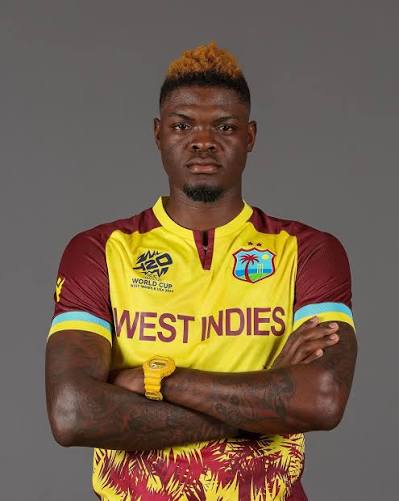
The DP World International League T20 (ILT20) Season 5 player auction, held in Dubai on Thursday, delivered a career milestone for Antigua and Barbuda fast bowler Alzarri Joseph, who secured a lucrative $230,000 contract with the Gulf Giants. As one of the most sought-after international quicks in the pool of 200+ players from 23 nations, Joseph’s price tag cemented his status as one of the highest-valued signings at this year’s event. The 29-year-old paceman, a core component of the West Indies international attack across all three cricket formats, brings extensive franchise cricket experience to the Gulf Giants’ already star-studded roster. The franchise targeted multiple top international talents throughout the auction, led by England all-rounder Liam Livingstone, who became their biggest acquisition with a $350,000 bid. Afghanistan wicketkeeper-batter Rahmanullah Gurbaz also rejoined the club via the Right to Match mechanism for $310,000. The Gulf Giants added a second West Indian pace talent, Shamar Joseph, for $80,000, followed by Namibia all-rounder David Wiese at $70,000, Afghanistan batter Ibrahim Zadran at $65,000, and West Indies batter Alick Athanaze, the final Caribbean addition, who joined for just $10,000. Across the entire auction, Afghanistan fast bowler Fazalhaq Farooqi claimed the highest bid of the day, with MI Emirates securing him for a tournament record $380,000. Other top-valued signings included Faf du Plessis, the former South Africa captain, who went for $300,000. When combining spending on retained players, pre-auction direct signings and Thursday’s auction purchases, the Gulf Giants have invested a total of $1.972 million to build their Season 5 squad. The roster already boasts a host of global cricket stars, including South African batting standouts David Miller and Heinrich Klaasen, Zimbabwe pace bowler Blessing Muzarabani, and Afghanistan all-rounder Azmatullah Omarzai. Joseph’s signing brings renewed representation for Antigua and Barbuda in one of the world’s fastest-growing elite T20 franchise competitions. When ILT20 Season 5 kicks off, the paceman will share the field with many of the biggest names in the short format of the sport, adding another high-profile chapter to his already impressive cricket career.
作者: admin
-
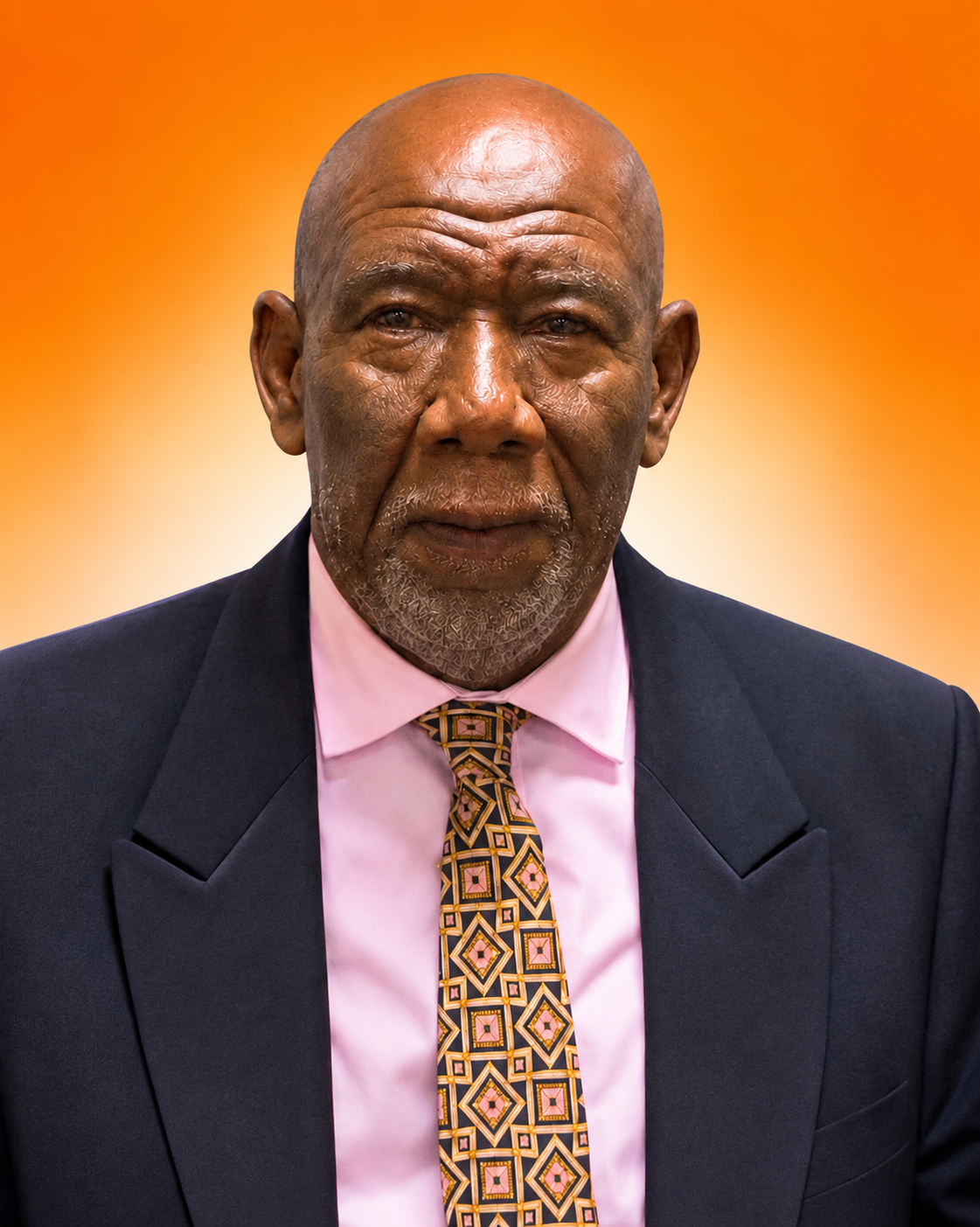
Community First Mourns Death of Former Committee Member Vincent Parker
The Community First Co-operative Credit Union community is in mourning this week following the death of Vincent Parker, a foundational figure who spent decades supporting the organization as both a member and a governing leader. In an official public statement confirming his passing, the regional credit union painted a heartfelt portrait of Parker, highlighting his decades of commitment as a devoted member, a trusted advisory voice, and a beloved friend to countless people across the institution.
Parker’s formal service to the credit union spans multiple key leadership terms. He held a seat on the organization’s Credit Committee from 2000 through 2003, and also contributed his expertise as a member of the special Building Committee. It was this committee that oversaw the planning and development of the credit union’s permanent headquarters located on Old Parham Road, a central facility that still serves the organization’s growing membership today.
Across his years of involvement, Parker left an enduring mark on the credit union’s culture and operations. Leaders of Community First emphasized that he will be long remembered for his consistent, thoughtful sound judgement, his unwavering dedication to voluntary service, and his lifelong curiosity and investment in every step of the institution’s growth. Every corner of the Community First family has joined together to honor his legacy, from the Board of Directors and senior leadership to frontline staff, volunteer contributors, and the wider membership base. All have united to extend deep, sincere condolences to the Parker family and all of his loved ones grieving his loss. The institution noted that Parker’s contributions and commitment will remain a lasting inspiration for current and future members of the credit union for years to come.
-
![Nations League 2026 : Haiti crushes the Dominican Republic [4-1]](https://wp.caribscopeonline.com/wp-content/uploads/2026/10/64989d921a6691e429c0058c14204882.webp)
Nations League 2026 : Haiti crushes the Dominican Republic [4-1]
The 2026 CONCACAF Nations League group stage delivered a thrilling Caribbean derby on Thursday, October 1, when Haiti’s national men’s football team, nicknamed the Grenadiers, pulled off a commanding 4-1 win against the Dominican Republic at Santo Domingo’s Félix Sánchez Stadium. The result marked a third consecutive win for Haiti, extending their undefeated run through the early stages of the tournament against their regional rival.
Spanish head coach David Badía made only one adjustment to the starting lineup that had carried Haiti to two prior wins, calling up FC Lugano defender Hannes Delcroix to the first XI while retaining his preferred 4-2-3-1 tactical formation. The full starting lineup featured goalkeeper Alexandre Pierre of France’s FC Sochaux, captain Carlens Arcus of Angers SCO, Delcroix, Carl-Fred Sainté of USL Championship side El Paso Locomotive FC, fan-favorite Fabrice “Fafà” Picault of Atlanta FC, experienced midfielder Duke Lacroix of Colorado Springs, Wolverhampton Wanderers’ Jean Ricner Bellegarde, Louicius Deedson of FC Sochaux, Bodrumspor’s Ruben Providence, Jean-Jacques Danley of Major League Soccer’s Philadelphia Union, and striker Wilson Isidor of England’s Sunderland AFC.
Four second-half substitutions freshened up the side for Haiti, with Yassin Fortuné replacing Deedson in the 61st minute, Frantzdy Pierrot taking over for Picault just a minute later, Dany Jean stepping in for Isidor in the 72nd minute, and both Louicius Delinois replacing Providence and Kervin Quétant coming on for Bellegarde in the 82nd minute.
From the opening kickoff, the Grenadiers controlled the pace of the match, breaking the deadlock early in the 9th minute. Deedson put Haiti on the scoreboard first, converting a well-placed assist from Providence to give the side an early 1-0 lead that they would not relinquish.
Haiti doubled their advantage just six minutes into the second half, when a poorly cleared Dominican free kick fell to an unmarked Isidor inside the 18-yard box. The Sunderland striker made no mistake, nodding a clinical header past the goalkeeper to make the score 2-0.
The Dominican Republic, long undefeated in this tournament, got a lifeline just four minutes later, when Dorny Romero capitalized on a misplaced touch from Carl-Fred Sainté to fire a left-footed finish past Pierre from inside the box, cutting the deficit to 2-1 and reigniting hope for the thousands of home fans packed into the stands.
That hope fizzled quickly, however. Just 12 minutes after the Dominican equalizer, Isidor bagged his second of the match, extending Haiti’s lead to 3-1 and quashing any chance of a home comeback. The final goal came 10 minutes later from substitute Yassin Fortuné, who scored with a header in the 77th minute to lock in the final 4-1 scoreline and deliver a resounding statement win for Haiti.
Following the result, Haiti remains tied atop Group A of League A with nine points from three matches, level with Curaçao who have scored one more goal across their three wins. The Dominican Republic drops to third place with six points from two wins and one loss, while Costa Rica sits in fourth with three points, and Trinidad & Tobago occupies last place with zero points.
Up next, Haiti will travel to face Costa Rica in the second leg of their group stage fixture on October 4, with kickoff scheduled for 6:00 PM local Haiti time at Estadio Ricardo Saprissa Aymá in San Juan de Tibás. The quarter-finals of the tournament are scheduled to take place in November 2026, with the final tournament round set for March 2027. All teams in the competition are competing for qualification to the 2027 CONCACAF Gold Cup, North America and the Caribbean’s flagship men’s international football tournament.
-
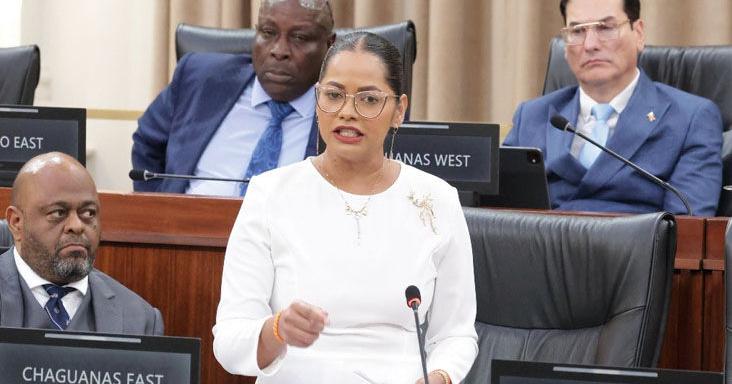
Drugs and alcohol fuel youth problems
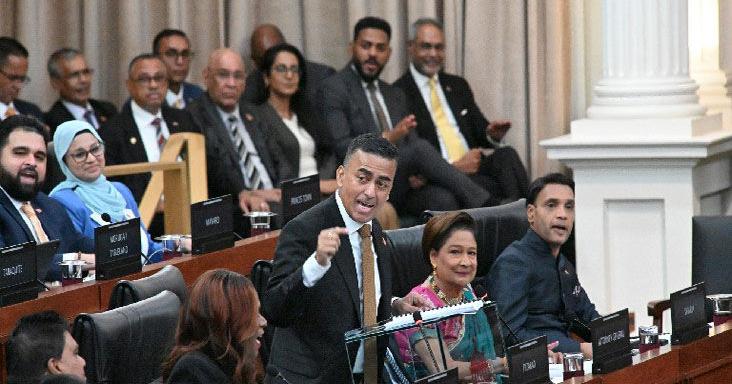
A sweeping new substance regulation law officially cleared Trinidad and Tobago’s Lower House this Wednesday, after heated parliamentary debate that highlighted a growing public health and safety crisis of underage substance abuse across the nation.
Minister of the People, Social Development and Family Services Vandana Mohit, who spearheaded the government’s defense of the bill, opened her remarks by revealing startling data on State-managed interventions for at-risk minors. Currently, 130 children are enrolled in support programs for marijuana misuse, 59 receive assistance for problematic alcohol use, and 38 are being supervised for co-occurring abuse of both substances. Of all minors struggling with addiction, 20 are participants in the specialized Children’s Drug Treatment Court program, all falling between the ages of 14 and 17.
At the core of the Miscellaneous Provisions (Alcohol, Cannabis, Dangerous Drugs, Gambling and Tobacco) Bill, 2026 are key adjustments to legal age limits: the bill raises the minimum legal age for purchasing and consuming alcohol and tobacco from 18 to 21, and pushes the legal age for cannabis use from 18 to 25. Mohit stressed that the legislation also updates the nation’s Children’s Act to strengthen protections for minors, arguing that early exposure to addictive substances creates lifelong harms that anchor cycles of criminality.
To underscore the urgent need for stricter age limits, Mohit shared firsthand case profiles of minors currently receiving State care for addiction and behavioral issues. One case involved a teen with frequent school suspensions, persistent marijuana use, and persistent aggressive, defiant conduct. Another described an adolescent with diagnosed conduct and cocaine use disorders, who experiences regular violent outbursts. Other cases ranged from teen gang affiliation, threats of violence against family members, and charges of property crime like housebreaking and larceny, all tied to underage substance abuse. She also directly linked last week’s violent riot at the National Care and Empowerment Centre (NCEC), a residential treatment facility for young people, to unaddressed substance addiction among residents, framing the unrest as a clear warning of the cost of delayed intervention.
The bill faced pushback during debate from Dr. Nyan Gadsby-Dolly, a former education minister and current opposition MP for St Ann’s East, who argued the new age restrictions unfairly target young adults rather than protecting children. Mohit rejected this critique, countering that preventing underage access to addictive substances addresses the root of problems that carry into young adulthood and fuel widespread crime across the country.
Mohit added that the policy has earned backing from key stakeholder groups: segments of the business community, including bar owners, have voiced support, as have psychologists and frontline practitioners working with at-risk youth, including members of the Trinidad and Tobago Police Service and professional social workers. Business leaders, she noted, welcome policies that cut crime and create a more stable operating environment.
Beyond substance regulation, the minister defended the current government’s decision to suspend a slate of youth-focused programs inherited from the previous administration, including the Civilian Conservation Corps (CCC) and the Military-Led Academic Training Programme (MILAT). She claimed the previous administration left the programs in disarray, with documented cases of misconduct and misappropriation of funds. Many of the programs, she argued, functioned as unmonitored dumping grounds for vulnerable youth with no follow-up support or pathways to stable employment after completion, leaving many teens to fall back into harmful behavior. Inspections of legacy youth facilities under the previous government also found unsanitary conditions, she added, with no alternative housing arranged when inadequate facilities were shuttered. The current suspensions, she said, are part of a necessary review to restructure the programs to deliver tangible benefits for young people.
Under Trinidad and Tobago’s existing framework, children who cannot be controlled by their parents or guardians can be formally designated as Children In Need of Supervision (CHINs) via court order, a classification that can eventually lead to designation as a Child In Conflict with the Law (CCL) if the minor faces criminal charges. The Children’s Authority of Trinidad and Tobato holds responsibility for overseeing these minors and coordinating intervention and treatment services.
-

Bravo urges men to speak out against abuse of women
A viral video capturing a man launching verbal and physical assault against a woman inside a moving vehicle has sparked a public call for action from one of the Caribbean’s most recognizable sports figures. Dwayne Bravo, the former West Indies all-rounder and current head coach of the Trinbago Knight Riders (TKR), has stepped forward to challenge men across Trinidad and Tobago to break their silence on violence and abuse targeting women.
In a frank public statement shared across his social media channels, Bravo condemned the disturbing content of the circulating video, labeling the behavior captured on camera entirely unacceptable. He issued a direct appeal to men across the nation to hold themselves accountable not only for their own conduct, but also for the actions of people within their personal networks.
Addressing his audience directly, Bravo repeated the urgent call: “We need to do better. We need to do better.”
The cricket icon emphasized that abuse of any kind, in any context, has no moral justification and cannot be normalized in modern society. While he openly acknowledged that men can also fall victim to physical and verbal aggression, Bravo explained his choice to center his message on men specifically, given the widespread cultural pattern of gender-based abuse targeting women across the region.
Bravo made clear that gender-based violence is not a problem unique to Trinidad and Tobago, but stressed that his primary focus remains on addressing the crisis within his home country and protecting local communities. He specifically called out bystanders: men who do not personally perpetrate abuse, but choose to stay silent when their friends, family members or close associates commit violent acts against women, share collective responsibility for allowing the culture of abuse to persist.
“ We have to take ownership and responsibility for our own actions to make this country a better place,” he added.
Beyond calling for immediate action from bystanders and perpetrators, Bravo expressed hope that the viral circulation of the abuse video will act as a catalyst for open, national conversation about gender-based violence. He also signaled support for men who are grappling with behavioral and emotional issues that can lead to abusive conduct, noting that targeted intervention and support can help break cycles of violence.
Bravo explained that his decision to speak out publicly stemmed from a deep sense of social responsibility: as a public figure with a large platform, he said it was his duty to address urgent local issues when they arise. Closing his message, he repeated his call for all men across Trinidad and Tobago to treat women with greater care, respect and love, and urged his followers to share his message to reach as wide an audience as possible.
-
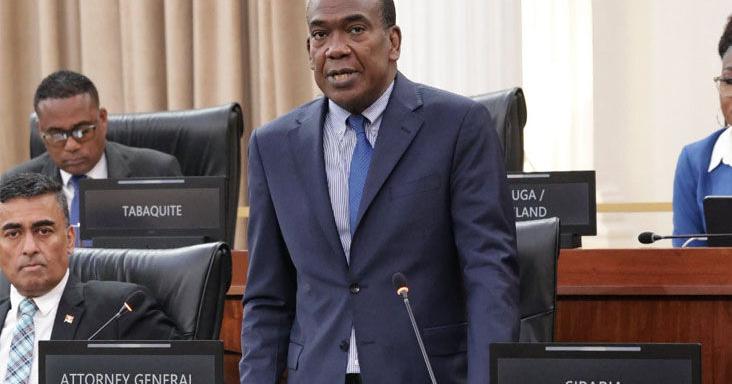
House passes bill
Lawmakers in Trinidad and Tobago have advanced landmark public health and youth protection legislation this week, giving initial approval to the Miscellaneous Provisions (Alcohol, Cannabis, Dangerous Drugs, Gambling and Tobacco) Bill, 2026, following a divided vote in the House of Representatives Wednesday. The final vote tally came out 23 in favor to 10 against, with no abstentions, after a full committee stage debate that saw multiple amendments adopted, with further changes already teed up for upcoming consideration.
The core of the proposed regulation centers on mandatory national identification checks for age verification when consumers purchase alcohol and tobacco products, enter gambling facilities, and handle regulated cannabis. Attorney General John Jeremie, who sponsored the bill and closed the opening debate, confirmed that two key amendments will be brought forward in the next stages: one to add vaping products to the list of regulated goods requiring age checks, and another to formalize the mandatory ID requirement across all covered categories.
A defining ideological pillar of the bill is its extension of youth protection beyond the traditional 18-year threshold for legal adulthood. Jeremie argued that legal adulthood at 18 does not automatically grant equal access to all regulated substances and activities, pointing to growing scientific evidence that young people’s biological and psychological development continues through their early 20s, with lasting impacts on decision-making capacity and long-term personal wellness. As such, the bill extends protective safeguards to the “emerging adulthood” demographic spanning ages 18 to 25.
Research cited by the Attorney General confirms that early exposure to alcohol, nicotine, cannabis, and unregulated gambling significantly increases an individual’s lifetime risk of dependency. The legislative framework aligns with a regional age standard already adopted across the Caribbean Community (Caricom), drawing on successful policy precedents from other nations. For context, Jeremie noted that Singapore has incrementally raised its minimum legal age for regulated substances to 21, while the United States implemented a federal increase in the minimum sales age for tobacco and nicotine products from 18 to 21 back in 2019, and maintains a 21-year minimum drinking age. U.S. rules already require retailers to check photo ID for any buyer under 30 attempting to purchase tobacco products, a model that informed Trinidad and Tobago’s proposed ID requirements.
Jeremie also referenced guidance from the Caricom Regional Commission on Marijuana, which explicitly warns against cannabis use before age 24 due to proven risks to long-term memory function and learning ability. Citing 2025 projections from the United Nations Population Fund, roughly 285,000 people – 19% of Trinidad and Tobago’s total estimated population of 1.5 million – fall between the ages of 10 and 24. “We cannot, on this side, sit idly by while nearly one-fifth of our nation’s human capital is compromised,” Jeremie said, framing the bill as a formal commitment “that Trinidad and Tobago will act decisively to protect its young people, to strengthen its communities and to uphold the values of responsibility and care that bind us together as a people.”
The legislation drew sharp criticism of parts of the private sector from government supporters during debate. Defence Minister Wayne Sturge, who announced his support for the bill, accused segments of the local business community of prioritizing short-term profit over the well-being of young Trinidadians and Tobagonians. Sturge claimed that leading business associations “don’t care that they’re destroying young people” and are only focused on expanding their customer base. “They want more customers. That’s what they want,” he said.
Sturge raised urgent alarms about the widespread public health and social damage of substance abuse among the country’s youth, arguing that regulatory intervention is necessary to protect vulnerable populations. “We have to protect the young people from the Chambers of Commerce because all they’re studying about is their right to make money. That’s all well and good, you know, as long as your poison doesn’t affect me. Or as long as your poison doesn’t affect the taxpayer,” he added.
The Defence Minister pointed out that substance abuse is linked to a range of preventable chronic illnesses, which create significant financial and social burdens for both affected families and the state. When individuals become too unwell to work due to dependency, he explained, government and family members are forced to cover the resulting costs of care and support. While he acknowledged that some young people may oppose the new restrictions in the short term, Sturge expressed confidence that the policy will win broad appreciation over time. “This bitter medicine is what many young men and women in my constituency so desperately need,” he said, describing the bill as a “manifestation of parental love” and “tough love” for the nation’s youth.
Wednesday’s debate featured contributions from multiple government ministers, including Minister of Sport Phillip Watts, Social Development Minister Vandana Mohit, Energy Minister Dr Roodal Moonilal, and Public Utilities Minister Barry Padarath. Members of the Opposition also took part in debate, led by Opposition Leader Pennelope Beckles, alongside sitting MPs Colm Imbert, Hans des Vignes, Dominic Romain, and Keith Scotland. While the bill has cleared its first major hurdle in the House, details of the final mandatory ID requirements remain unresolved, as the agreed-upon amendments leave open the question of whether all buyers or only age-ambiguous buyers will be required to show identification going forward.
-
Govt promises brighter days
Trinidad and Tobago’s Prime Minister Kamla Persad-Bissessar has officially confirmed that the national budget for the 2026/2027 fiscal cycle will be laid before Parliament on October 12, marking a key milestone for the United National Congress (UNC) administration that took office last year.
In a response to questions from local media outlet the Express, Persad-Bissessar outlined that the upcoming budget will offer a full public accounting of the Trinidad and Tobago economy’s progress under her government, alongside a detailed breakdown of the administration’s policy agenda and developmental plans for core national sectors. A subsequent official statement from the Office of the Prime Minister clarified that Finance Minister Davendranath Tancoo will deliver the budget address at 1:30 p.m. on the scheduled date inside the country’s Parliament building. Reaffirming a core campaign pledge, the Prime Minister emphasized that her administration remains fully committed to delivering improved economic prospects for all Trinidad and Tobago citizens.
A central area of progress highlighted by the Prime Minister is the country’s energy sector, which has seen a flurry of major agreements, expanded upstream investment, and strengthened cross-border cooperation with neighboring Venezuela throughout 2026. Securing reliable additional natural gas supplies for the domestic market has been a top policy priority for the government, and several key milestones have already been delivered. In May, the state-owned National Gas Company (NGC) finalized a new gas supply contract with EOG Resources eight months ahead of the original negotiation timeline. Following that deal, NGC secured a binding term sheet for 50% of the total gas volumes from the Coconut development project, which is on track to launch commercial production in the first quarter of 2027. September brought another breakthrough, when NGC and Shell completed commercial agreements to move forward with the Aphrodite gas development, with first production expected in the second quarter of 2027.
The government has also renegotiated production sharing terms with Perenco for offshore Blocks 2(c) and 3(a), aligned with new gas supply agreements between NGC and Perenco covering those blocks plus the Teak, Samaan and Poui fields. Investment in the country’s untapped ultra-deepwater acreage has also expanded significantly: in June, Energy Minister Dr Roodal Moonilal approved Occidental Petroleum (Oxy) joining ExxonMobil on the TTUD-1 ultra-deepwater block, which was awarded to ExxonMobil in August 2025 and marked the global energy giant’s return to Trinidad and Tobago’s upstream sector after an extended absence.
Progress is also advancing on the Manakin-Cocuina cross-border gas field, shared by Trinidad and Tobago and Venezuela. NGC recently signed agreements with bpTT to acquire a 20% participating interest in Block 5(b), which holds the Manakin field on Trinidad and Tobago’s side of the maritime border. This progress has been supported by a marked improvement in bilateral relations between Port of Spain and Caracas. On September 3, the two nations announced a new bilateral cooperation roadmap following high-level talks in Caracas, with energy collaboration identified as a top priority. Relations deepened further when Persad-Bissessar met acting Venezuelan President Delcy Rodríguez on September 23 on the sidelines of the United Nations General Assembly in New York, where the two leaders agreed to strengthen energy cooperation and advance a joint work agenda. This renewed bilateral relationship is critical for Trinidad and Tobago’s efforts to develop shared cross-border resources like Manakin-Cocuina, as well as its long-held goal of accessing gas from Venezuela’s Dragon field. Other major energy sector developments include ongoing progress on Shell’s Manatee project, and bp’s recent acquisition of Woodside’s 70% stake in the Calypso deepwater gas development, which will see bp take over as operator of the project. For 2025, NGC reported an after-tax profit of $3.46 billion, the highest annual after-tax profit the state energy firm has recorded in more than a decade.
Beyond economic and energy progress, Persad-Bissessar is also pushing forward with social policy reforms to address public safety and harmful youth behavior, and has strongly defended recently passed legislation that raises minimum legal age limits for access to alcohol, tobacco, cannabis, and gambling. The Miscellaneous Provisions (Alcohol, Cannabis, Dangerous Drugs, Gambling and Tobacco) Bill, 2026, which passed the House of Representatives on Wednesday, raises the legal age for purchasing, possessing, and consuming alcohol and tobacco from 18 to 21. It also increases the minimum age for cannabis use and possession, as well as gambling, from 18 to 25, and raises the minimum age for membership in most registered clubs from 21 to 25, with an exception for athletic-focused clubs. People under 25 are also barred from entering most licensed gambling premises, with the exception of race tracks, and age verification will be mandatory for all purchases of regulated products and entry to gambling venues. The bill amends seven existing national laws and introduces stiffer fines and prison sentences for violations.
Persad-Bissessar argued that the new rules are designed to protect young people from addiction, and will ultimately improve their chances of building successful, fulfilling lives. “Some will not and will just set themselves backward. If you think this is restrictive, then you are mistaken. When you fail at life because of addictions and feel that the whole world is closing in on you with nowhere to go, and no idea how to kick the addiction and become depressed or suicidal, then you will know what restrictive is. I did this out of love; some of you may not understand now, but as you get older, you will,” she said. She expressed confidence that most young Trinbagonians will ultimately support the changes.
The Prime Minister launched sharp criticism at the main opposition People’s National Movement (PNM) for opposing the bill, accusing the party of hypocrisy. She claimed PNM politicians would never allow their own children to access these substances or engage in underage gambling, but actively encourage other people’s children to do so. “Their contributions in Parliament were embarrassing and low-intellect in this debate. None of them would give their children or grandchildren these substances or encourage them to gamble, but out there encouraging other people’s children to participate. They are wicked and hypocritical,” she said. Persad-Bissessar argued that the measures will benefit generations of young Trinbagonians, acknowledging that opposition will persist but framing critics as self-interested parties who stand to lose income or political power from the reform. “As always, some will complain, some will support and some have no clue what what’s going on. The people complaining are those whose business will be affected, those who are politically aligned to the PNM, those who have miserable lives and want our young people to become losers at life like them; and lastly, those who are predators that target our young people,” she added. “The fact is that this legislation, when combined with proper educational programmes on the ill-effects of these substances and gambling, will help protect our young people. Young people who have a good start in life, free from addictions, will always have happier, more successful futures.”
Persad-Bissessar also rejected opposition claims that the government failed to conduct sufficient public consultation on the age limit reforms, pointing out that the policy was explicitly included in the UNC’s election manifesto ahead of the April 28, 2025 general election. “Consultation occurred on April 28, 2025. I campaigned on everything that I am doing. These age increases were in the UNC manifesto,” she stated. She added that she expects the Trinidad and Tobago Police Service (TTPS) to enforce the new rules effectively, noting that the service already enforces existing age limits for alcohol and will simply adjust to the new higher threshold. The Prime Minister also pushed back against opposition complaints about parliamentary workload, arguing that PNM lawmakers are overpaid for a light schedule and too lazy to fulfill their elected duties. “They are too lazy. Every month Pennelope Beckles receives $52,000, PNM MPs $23,000 and the Presidents and PNM senators $17,000 to go to Parliament six or eight days a month. They also get tax breaks on vehicles and perks. They just came off two-and-a-half months holiday and are now complaining about the workload. There are people working 22 days a month for much less than these people are earning. They need to stop complaining and do their jobs or leave it and let someone else do it,” she said.
-
Public Works Crews to Work Six Days a Week to Get Roads Ready for Commonwealth Meeting
As Antigua and Barbuda prepares to welcome global leaders for the upcoming Commonwealth Heads of Government Meeting (CHOGM) kicking off on November 1, the national government has ramped up its infrastructure upgrade efforts by rolling out an accelerated road repair programme. Public works teams across the twin-island nation will shift to a six-day working week, with mandatory additional overtime, to meet the tight one-month deadline for finishing priority infrastructure projects ahead of the high-profile international gathering.
Maurice Merchant, Director General of Communications, announced the details of the intensified initiative during a public briefing on Thursday, confirming that priority will be given to roadway networks surrounding key meeting venues and along the primary travel routes expected to be used by visiting international delegations. Last Wednesday, a full senior leadership delegation from the Ministry of Works, including Director of Works Collis King, Junior Works Minister Senator Shanella Govia, Permanent Secretary Sandra Joseph, and Deputy Director Telly Cornelius, presented the full scope of required work to the national Cabinet to secure approval for additional resources.
Following the presentation, Cabinet signed off on requests to immediately source extra construction equipment and stockpile all necessary raw construction materials, clearing the way for work to accelerate across all priority zones. Addressing pre-existing disruptions to road projects that were stalled due to critical material shortages, Merchant noted that the new supply security framework will allow the ministry to restart paused work in affected communities.
Collis King, Director of Works, confirmed that the adjusted six-day work schedule with extended overtime hours will apply to all field crews to keep the programme on track. The first phase of upgrades is laser-focused on roads close to core meeting venues and the primary visitor routes, per Merchant. Once these high-priority works are completed, the programme will expand island-wide, reaching communities that have long struggled with severe roadway degradation.
Unlike full-scale roadway reconstruction projects, this accelerated initiative focuses on high-impact, quick-turnaround improvements including resurfacing, milling, edge cutting, and patching to deliver safe, smooth travel routes before the summit. Work has already launched along the Hodges Bay-Sunsail corridor leading to Anchorage, with similar upgrades underway across other priority routes. Active construction is also continuing in the popular English Harbour and Dockyard region.
In the capital city of St. John’s, drainage upgrades near the Performing Arts Centre are already 80 percent complete. Once drainage work is finalized, crews will immediately move forward with resurfacing works on High Street, one of the capital’s busiest central thoroughfares.
To back the expanded programme, the national government has allocated an additional EC$20 million to the Ministry of Works. Merchant confirmed that this funding is drawn from an EC$87 million financing package recently negotiated with a consortium of local commercial banks.
Notably, the government emphasizes that this intensified infrastructure push is not a short-term fix solely for the CHOGM event. Cabinet has outlined long-term plans to retain the newly acquired equipment, roll out enhanced operational planning, provide specialized staff training, and strengthen management frameworks to boost the Ministry of Works’ ongoing capacity to deliver road projects across the country for years to come.
-
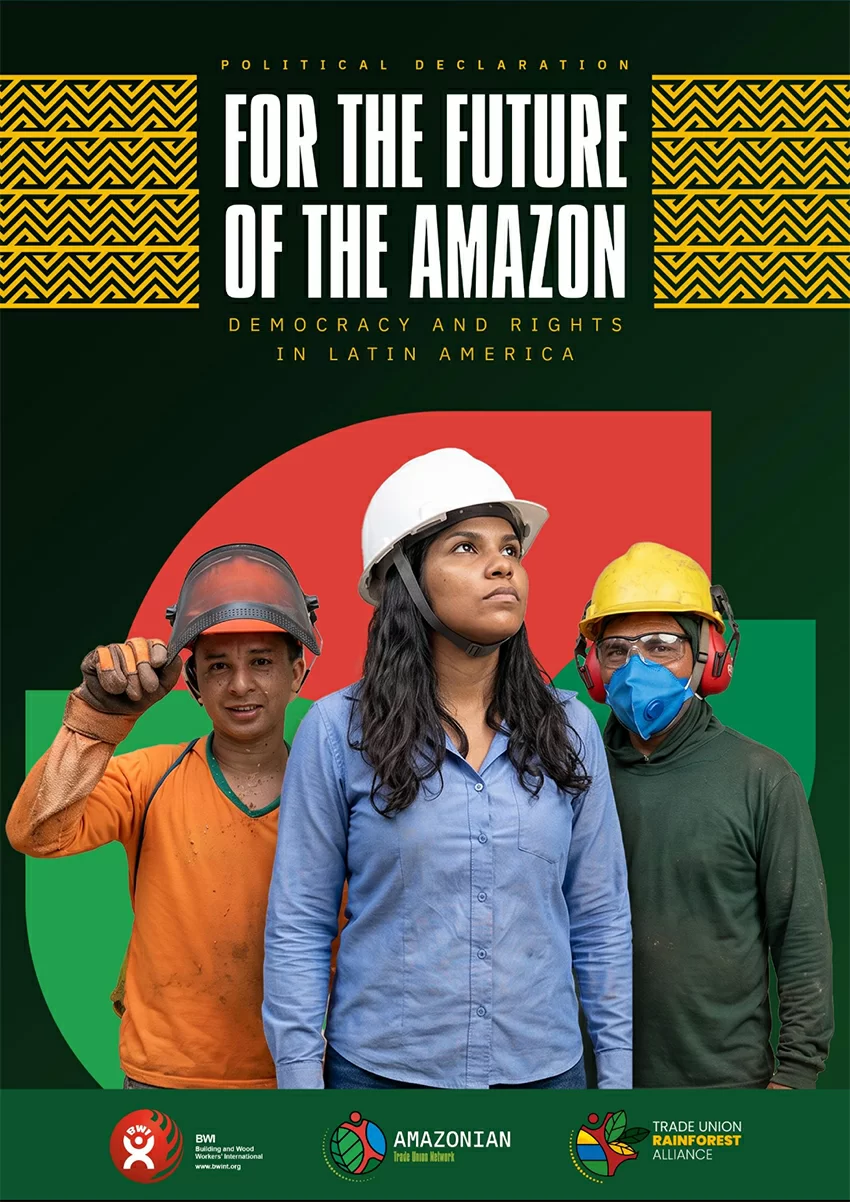
Amazone-vakbonden spreken steun uit voor herverkiezing Lula
As Brazil’s October 4 presidential election draws near, cross-border labor organizations representing workers across the Amazon basin have thrown their collective weight behind incumbent President Luiz Inácio Lula da Silva’s re-election campaign, tying their endorsement to a sweeping regional agenda centered on climate justice, dignified employment, labor rights, and protection of Indigenous communities and fragile ecosystems.
-
ABDF Calls All Reservists to Important Briefing
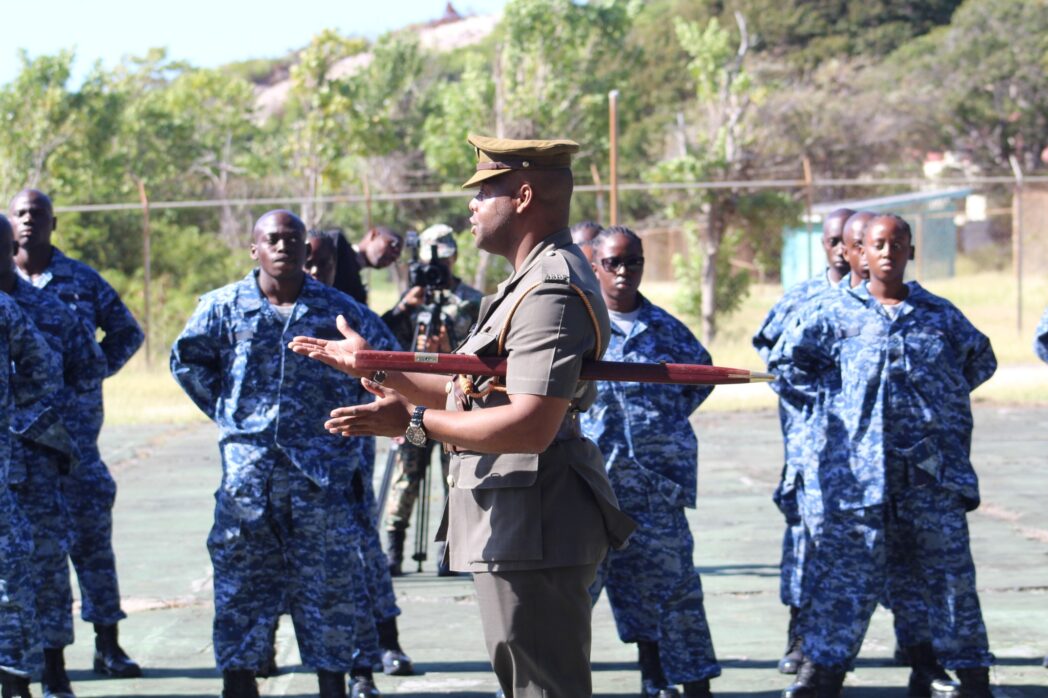
As Antigua and Barbuda ramps up comprehensive preparations for the 2026 Commonwealth Heads of Government Meeting (CHOGM), the island nation’s defense branch has issued a mandatory call for all current and aspiring reserve personnel to attend a key operational briefing.
Scheduled to take place at Camp Blizzard on October 10, 2026, starting at 4:00 p.m., the closed briefing will center exclusively on defense-related duties, operational activities, and official commitments tied to the high-profile international summit, according to an official public notice released by the Antigua and Barbuda Defence Force (ABDF).
The mandate makes attendance non-negotiable for all active reservists, while ABDF officials have also extended a formal request that all individuals interested in joining the reserve corps participate in the session. The official notice urges all required attendees to adjust their personal and professional schedules well in advance to ensure prompt arrival and full presence at the briefing.
This call for reservists comes amid a broader national push to finalize security and logistics arrangements for CHOGM, which is set to convene in Antigua and Barbuda from November 1 to November 4, 2026. The Antigua and Barbuda government has confirmed that the country’s preparation framework relies on a tightly coordinated cross-agency approach, bringing together the ABDF, national police force, multiple domestic security and border management agencies. Regional and international partners are also providing additional support to ensure the summit runs smoothly and safely for all attending heads of government and delegations.