作者: admin

  • Rotary Club of Antigua Installs 2026–2027 Board of Directors

    Rotary Club of Antigua Installs 2026–2027 Board of Directors

    On July 11, the Rotary Club of Antigua marked a pivotal transition in its decades-long mission of community service, hosting its annual Handover Ceremony and Awards Dinner at The Cove Restaurant inside Antigua’s Blue Waters Hotel. The event served two core purposes: celebrating the landmark achievements of the outgoing 2025–2026 Board of Directors and formally swearing in the new leadership team that will guide the club’s work across Antigua and Barbuda through 2027.

    Outgoing President Elisa Graham opened the reflective portion of the evening, looking back on a successful term anchored in Rotary International’s 2025–2026 theme “Unite for Good.” Under Graham’s leadership, the club expanded its reach across multiple key areas, delivering impactful local service projects, scaling youth development programs, growing membership numbers, strengthening support for The Rotary Foundation, nurturing emerging local leaders, and boosting the organization’s public profile across the twin-island nation. Graham extended sincere gratitude to every board member, committee chair, rank-and-file Rotarian, corporate sponsor, and community partner who contributed to the year’s successes, noting that their collective dedication turned shared goals into tangible progress for communities across Antigua and Barbuda. Before closing her remarks, Graham offered a warm congratulations to incoming President Anastasia Wilson and her full board, expressing full confidence that the new leadership would build on the strong foundation laid over the previous year and deepen the club’s culture of service and fellowship.

    Wilson takes the helm of the local club aligned with Rotary International’s 2026–2027 global theme “Create Lasting Impact,” a directive that calls on Rotarians worldwide to drive long-term community change through sustainable programming, collaborative cross-sector partnerships, and systemic, enduring improvement. Building on the local club’s 70-plus year legacy of community outreach, Wilson’s board will expand existing work in core priority areas: accessible education, youth empowerment, environmental sustainability, public health access, and cross-border humanitarian aid. The full 2026–2027 Board of Directors includes: Vice President PP Denise Armstrong, Secretary Rtn. Barbara Jarvis, Treasurer Rtn. Rozanne Emanuel, Service Projects Director PP Paul Ryan, Membership Director Rtn. Celia Samuel, Foundation Director Rtn. Delbert Baptiste, Youth Services Director Rtn. Sherwyn Greenidge, Public Image Chair Rtn. Dwayne Simon, Immediate Past President PP Elisa Graham, President Elect Rtn. T. Samoya Kirby, Club Administrator PP Evangeline Allen, and Sergeant-at-Arms Rtn. Barbara Hesse-Merchant.

    Beyond the leadership handover, the evening doubled as a celebration of extraordinary service aligned with Rotary’s foundational motto “Service Above Self.” A slate of prestigious awards was presented to recognize exceptional leadership, volunteer commitment, and community impact.

    Rotarian Linda Watkins earned the 2026 Director of the Year honor for her extraordinary work as the club’s outgoing treasurer. Watkins delivered robust, transparent financial stewardship that restored long-term stability to the club’s financial operations, maintained consistent accountability across all initiatives, and provided critical support to every club committee over the past Rotary year.

    The highest local honor, Rotarian of the Year, was awarded to Rozanne Emanuel, who was recognized for her consistent, unwavering dedication and exemplary service to the club. Known for her selfless leadership, reliable support, and consistent willingness to lift up fellow Rotarians, Emanuel was celebrated as a perfect embodiment of the “Service Above Self” ideal that defines Rotary’s global mission.

    Past President Evangeline Allen received the Service Excellence Award in recognition of her exceptional dual leadership over the past year: serving simultaneously as a club director and successfully chairing District RYLA 2025, a signature program that develops leadership skills for young people across the region. Allen’s work reaffirmed her longstanding commitment to nurturing the next generation of community leaders.

    Finally, the club presented its annual Community Service Award to local resident Mr. Fitzgerald Ponde, honoring his generous pro bono contributions and critical logistical support for the construction of Peace Poles across Antigua and Barbuda. Ponde’s work has advanced Rotary’s global mission of building cross-cultural understanding, peace, and goodwill across local communities.

    In her first official address to members as incoming president, Wilson thanked the club for the trust placed in her and the new board, and reaffirmed the organization’s commitment to delivering meaningful, measurable, and sustainable impact through local service. Outlining her priorities for the coming year, Wilson highlighted four core focus areas: strengthening collaborative partnerships with local and regional stakeholders, growing inclusive membership to expand the club’s capacity, empowering young leaders through targeted programming, and delivering responsive community projects that address the evolving needs of populations across Antigua and Barbuda.

  • News : Zapping…

    News : Zapping…

    Mid-July 2026 brings a collection of interconnected updates across multiple sectors of Haiti, highlighting ongoing challenges, institutional action, and moments of cultural progress for the Caribbean nation.

    First, in the tourism and travel sector, major international cruise line Royal Caribbean has announced a significant extension of its service suspension at Haiti’s Labadie port. The operator had already pulled Labadie from all 2026 itineraries, and the new extension will keep the port off all scheduled routes through at least the end of June 2027. In an official statement, the company confirmed the decision prioritizes the safety and welfare of guests and crew, noting that the extension comes as it continues ongoing assessments of Haiti’s evolving security and operational environment. All travelers affected by the itinerary changes have been notified directly by Royal Caribbean.

    In the Artibonite department’s Gonaïves municipality, a recent infrastructure assessment has exposed critical gaps in community water access. The Regional Office for Drinking Water and Sanitation (OREPA), working alongside the Departmental Rural Unit, conducted a needs evaluation at three community Lakous—shared water and sanitation sites in Badjo, Soukri, and Souvenance. The assessment found no functional potable water distribution systems or formal sanitation infrastructure at the sites, with overall hygiene conditions falling well below acceptable public health standards. Following the release of the assessment findings, Haitian Minister of Tourism Stéphanie Smith has directed department-level ministry staff to collaborate directly with OREPA to develop and deploy fit-for-purpose water and sanitation infrastructure for the communities.

    Haiti’s National Institute for Vocational Training (INFP) has moved to crack down on exploitative practices at private vocational training centers across the country. The institution issued a public reminder that graduation from vocational programs is a voluntary option, not a mandatory requirement for completion. INFP specifically called out private centers that coerce students from low-income households into paying large graduation fees denominated in U.S. dollars, creating an unfair financial burden for already struggling families and students. Beyond issuing the warning, INFP announced it is implementing strict punitive measures against centers engaging in these exploitative tactics, while also rolling out support, independent assessment, and official certification for students harmed by the practices.

    As Haiti moves toward planned general elections, the Provisional Electoral Council (CEP) has advanced preparations with a full-scale simulation of the voter registration process. The drill was held on 11 July 2026 in Jacmel, located in the country’s Southeast Department. The exercise gave newly hired Electoral Register Agents (ADRE) and Electoral Security Agents (ASE) the chance to put into practice the protocols and procedures they learned during recent CEP-led refresher training, ensuring the team is prepared for the official launch of voter registration.

    On the cultural and academic fronts, Haiti earned two major marks of recognition this month. Two Haitian playwrights have advanced to the final round of the 2026 RFI Theatre Prize: Joubert Joseph for his work *Les Yeux que la nuit a pris* (The Eyes That the Night Took), and Alexandro Christi Nicolas for *Boukan*. The pair are among just 13 finalists selected for the international award, and the French Institute of Haiti has celebrated the achievement as proof of the enduring vibrancy of Haitian dramatic writing in the global Francophone theatre community. Separately, the Permanent Delegation of Haiti to UNESCO hosted the official launch of a new UNESCO research Chair focused on Anthropology, Archaeology, and History of Transatlantic Slavery. Led by France’s University of Versailles Saint-Quentin-en-Yvelines, part of the University of Paris-Saclay network, the international research initiative brings together academic institutions from across the regions connected by the transatlantic slave trade to study a shared history that reshaped the development of the modern world.

  • Minister Smith Urges Bipartisan Support for US Negotiations, Says Relationship Too Important to Politicize

    Minister Smith Urges Bipartisan Support for US Negotiations, Says Relationship Too Important to Politicize

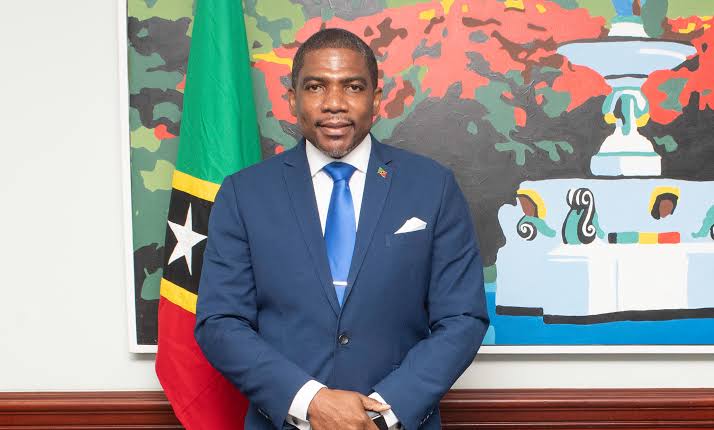
    On Tuesday, Anthony Smith Jr., a ruling party member of parliament in Antigua and Barbuda, issued a public appeal for bipartisan collaboration as the nation advances negotiations with the United States centered on the potential transfer of third-country nationals. Speaking during parliamentary debate over a resolution that lays out formal guidelines for ongoing talks, Smith emphasized that the decades-long strategic and economic bond between Antigua and Barbuda and Washington carries too much national weight to be weaponized for partisan advantage.\n\nSmith, who expressed open support for the negotiating framework resolution, pushed back against attempts by opposition lawmakers to frame the talks as a partisan political controversy. He noted that while he was disappointed by efforts to turn the issue into political capital, he was not caught off guard by the maneuvering. Instead of turning the negotiations into a political football, Smith argued, all elected representatives should prioritize educating the public on just how critical the U.S.-Antigua and Barbuda relationship is to the nation’s long-term prosperity.\n\nDrawing a direct line between bilateral ties and national economic stability, Smith laid out key data to back his case: roughly 80% of all goods imported into Antigua and Barbuda originate from the United States. Beyond trade, he highlighted two foundational pillars of the nation’s economy that depend on strong relations with Washington: the dominant tourism sector, which draws millions of American visitors annually, and the domestic banking industry, which relies heavily on correspondent banking relationships with U.S. financial institutions.\n\nSmith warned of severe consequences if those ties were damaged: “Imagine we lost our correspondent banking relations. How would we accept U.S. funds? How would we be able to purchase goods overseas?” He stressed that maintaining productive, positive relations with the U.S. is non-negotiable for the country’s economic health, and that a unified parliamentary signal of support would strengthen the government’s hand at the negotiating table.\n\nAddressing concerns that the resolution would grant the executive branch unchecked authority to strike a deal, Smith pushed back on that characterization, clarifying that the text is designed to establish robust guardrails rather than a blank check for negotiations. “The resolution is not a blank check; it is a shield,” he explained. “It gives us permission to continue negotiating, but to negotiate with a framework that protects our people.”\n\nSmith went on to outline the specific protective provisions baked into the resolution. These include a ban on any automatic or open-ended transfer program, a requirement that every proposed transfer is reviewed and approved on an individual case-by-case basis, and the enshrinement of Antigua and Barbuda’s absolute right to reject any individual transfer request. Additional provisions cap the total number of people the country can accept based on its current national capacity, and mandate that all costs related to housing, healthcare, administration, and onward movement of transferred individuals must be fully pre-funded, eliminating any potential financial burden on Antigua and Barbuda’s taxpayers.\n\nThis framework, Smith argued, strikes a careful balance between international cooperation and national sovereignty, allowing Antigua and Barbuda to uphold its reputation as a responsible, collaborative member of the global community while protecting the interests of its citizens and the integrity of its borders. He closed by renewing his call for opposition lawmakers and the general public to get behind the government’s approach, noting that the resolution creates the structured guidance necessary to reach a final agreement that delivers maximum benefit to all people of Antigua and Barbuda.

  • Somohardjo na verhoor: Ik heb mijn kant van het verhaal verteld

    Somohardjo na verhoor: Ik heb mijn kant van het verhaal verteld

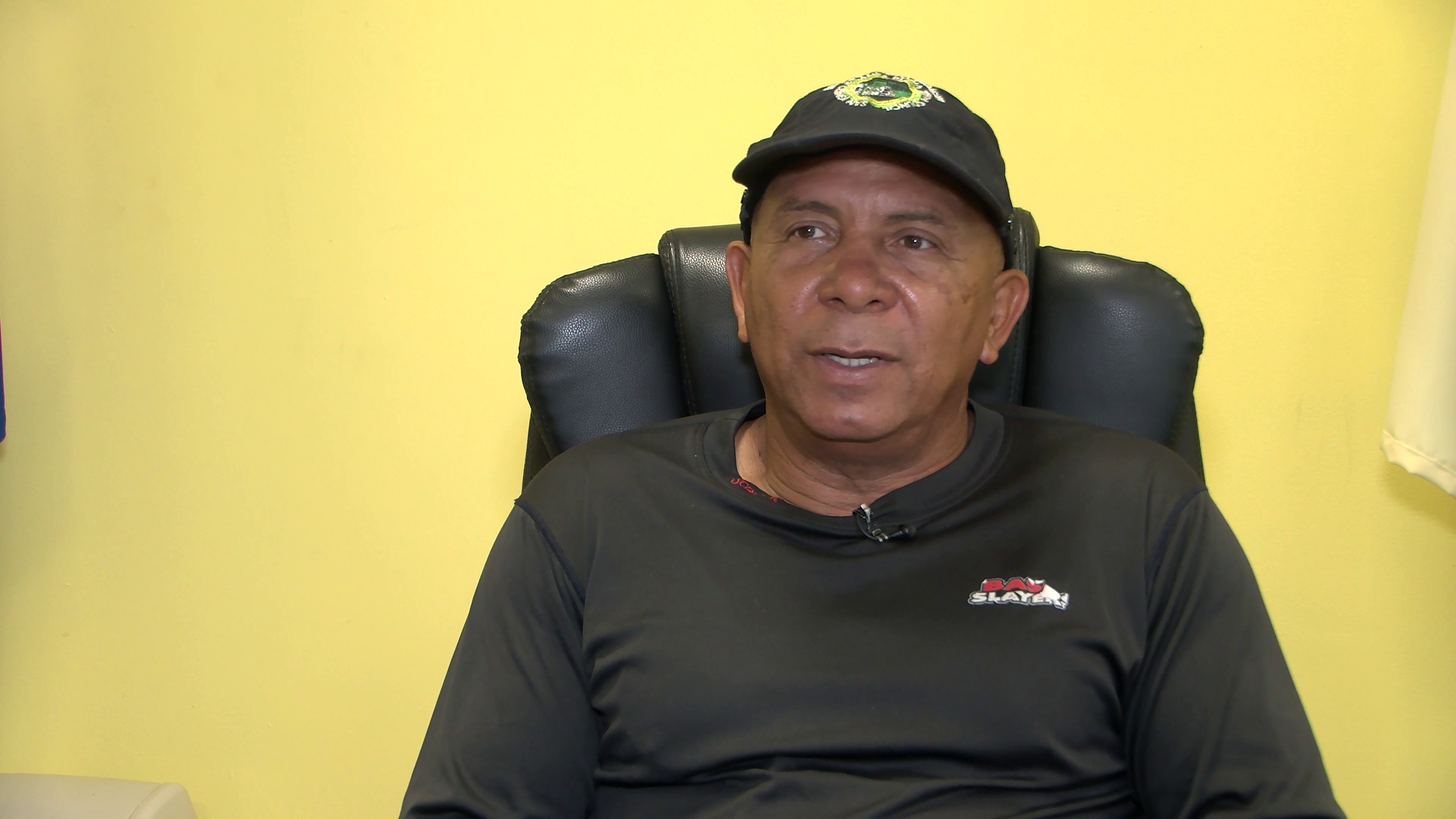
    In a development in an active criminal investigation in Suriname, former minister and sitting National Assembly member Bronto Somohardjo from the Pertjajah Luhur (PL) party was questioned by authorities for approximately two hours on Tuesday.

    The questioning came weeks after Suriname’s National Assembly approved a request from the Public Prosecution Service to formally charge Somohardjo, a vote that resulted in the lifting of his parliamentary immunity. This procedural step cleared the way for law enforcement to advance the ongoing criminal investigation that has been underway against the lawmaker.

    Following his interrogation, Somohardjo spoke publicly with local Surinamese outlet Starnieuws, stating he was satisfied that he finally had the opportunity to present his side of the narrative surrounding the case. He emphasized that he had answered every question put to him truthfully to the best of his knowledge, and had extended full cooperation to the investigative team.

    “I am glad that I finally got the opportunity to tell my version of events,” Somohardjo told reporters. “I answered all questions honestly and to the best of my knowledge, and I have given my full cooperation to the investigation.”

    The lawmaker added that he would not be commenting on the specific content of questions asked or statements he gave during questioning, out of respect for the ongoing investigation. He also stressed that he retains full confidence that the probe will be conducted in a careful, objective and independent manner.

    Amid the ongoing investigation, Somohardjo confirmed that he will continue to fulfill his duties as an elected member of the National Assembly without interruption. His priority, he says, remains serving the people of Suriname and carrying out his responsibilities as their elected representative.

    Local reporting also indicates that Somohardjo is not the only person targeted in this investigation, with multiple additional suspects currently identified by authorities as part of the case.

  • Man Shot in Stomach and Foot at All Saints Road Work Site

    Man Shot in Stomach and Foot at All Saints Road Work Site

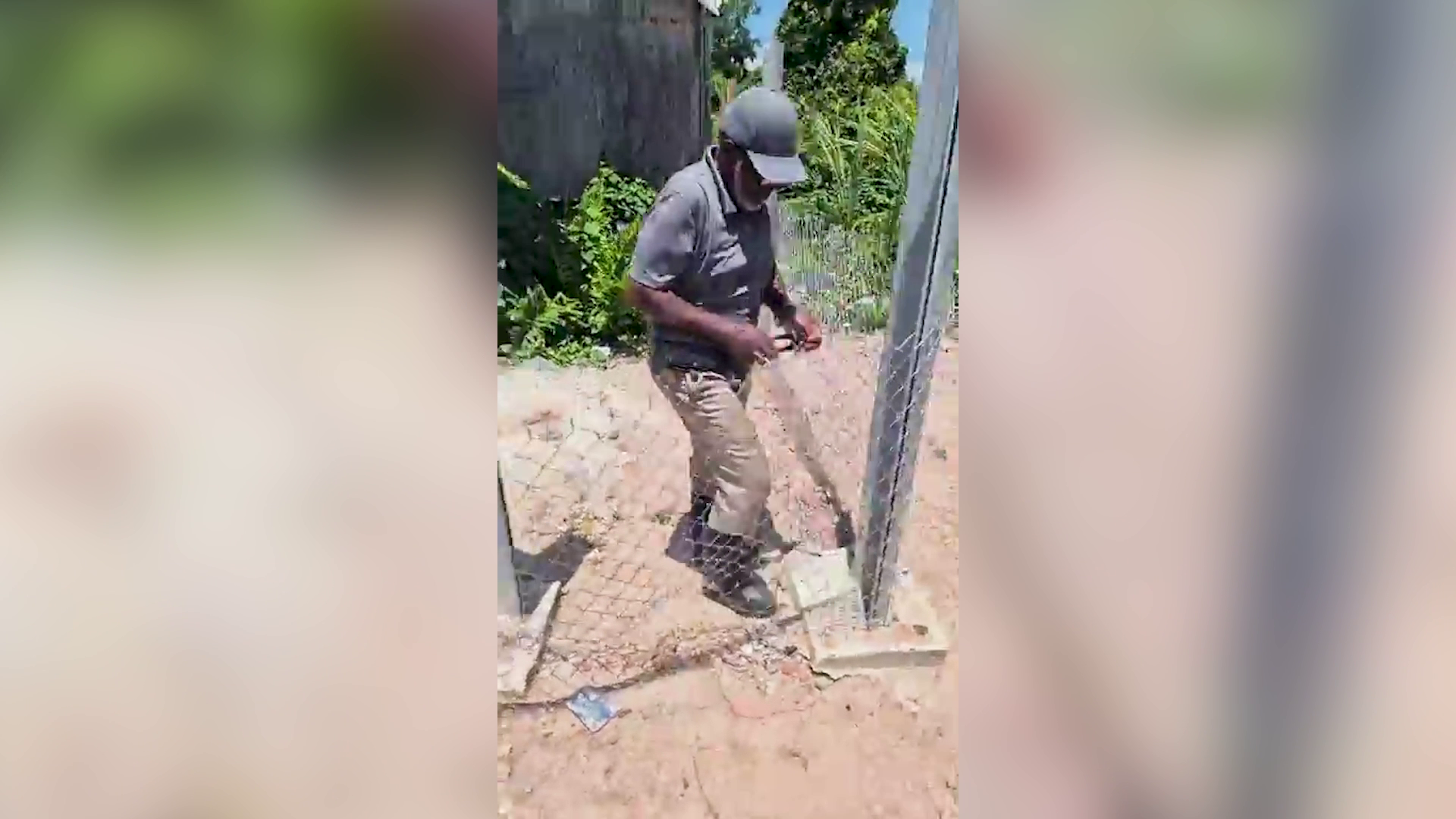
    A brazen suspected drive-by shooting has left a municipal Public Works employee wounded while he carried out his official duties at a construction and maintenance site along All Saints Road on Tuesday, according to initial law enforcement and emergency reports.

    The victim, identified only as a heavy equipment operator employed by the local Public Works Department, sustained gunshots to the stomach and foot after the shooter or shooters opened fire on the active work zone, where multiple municipal crews were reportedly conducting routine infrastructure work when the incident unfolded. Witness accounts confirm that gunfire erupted unexpectedly, forcing other on-site workers to take cover immediately before emergency responders were dispatched to the scene.

    Following the attack, first responders stabilized the injured worker and transported him urgently to the territory’s main healthcare facility, Sir Lester Bird Medical Centre, for urgent surgical and medical intervention. As of the latest official update, hospital and law enforcement officials have not released a formal update on the victim’s current health status, leaving colleagues and community members waiting for further word.

    Local law enforcement authorities have formally launched a full criminal investigation into the shooting, appealing to any members of the public who were in the area around the time of the incident and may have captured footage or witnessed suspicious activity to come forward with information. To date, no descriptions of potential suspects have been made public, and investigators have not outlined any confirmed possible motives for the targeted attack on the municipal work site.

  • Donation of office equipment and solar power systems

    Donation of office equipment and solar power systems

    Haiti has long grappled with overlapping security, political, and humanitarian emergencies that have stretched state infrastructure and strained connections between national authorities and local communities. In this fragile context, fully functional local public institutions stand as a critical lifeline, keeping channels of communication and service delivery open between the state and the populations it serves. On July 10, 2026, UNDP Haiti, backed by funding from the United Nations Peacebuilding Fund, hosted an official handover ceremony at Cap-Haïtien City Hall to transfer a package of essential office equipment and off-grid solar power systems to 12 local public institutions across Cap-Haïtien and Les Cayes. The donation forms a core component of the UN-backed State-Citizen Relations (SCR) Project, an initiative designed to rebuild trust and strengthen governance at the local level.

    The ceremony drew a wide cross-section of national, local, and international stakeholders, including Michel Saint-Croix, Mayor of Cap-Haïtien; Nora Nadja Naji and Deborah Gribaudo, representatives of the UN Peacebuilding Support Office based in New York; and Sylvain Merlen, Deputy Resident Representative of UNDP in Haiti. Senior departmental and local authorities from both regions also attended, alongside leadership from the 12 beneficiary institutions. Attendees included Jean Pierre Raynaud Phildor, Vice-Delegate of the Les Cayes district; Jean Renaud Joseph, representative of Les Cayes’ Association of Community Action Committees (CASECs); Jean Renel Ferdinand, a representative for Cap-Haïtien’s CASECs; and Serge Phanord, Departmental Director of the Office of Citizen Protection (OPC) for Haiti’s North department.

    The donation package covers a wide range of critical supplies tailored to the day-to-day operations of local public offices. It includes 12 laptops, 12 all-in-one multifunction printers, 180 visitor chairs, 15 metal work desks, 15 dedicated office chairs, 15 large work tables, secure filing cabinets, wall and standing fans, bottled water coolers, and 12 fully integrated solar power systems. The entire package is designed to address longstanding gaps in working conditions for local public employees, ensure consistent delivery of administrative services even amid frequent power outages, and remove barriers that prevent ordinary citizens from accessing the support they need.

    Twelve institutions across Haiti’s northern and southern regions will directly benefit from the donation: eight Communal Section Administrative Council (CASEC) offices, the vice-delegations of both the Les Cayes and Cap-Haïtien districts, and the OPC departmental offices for the North and South departments. These decentralized bodies serve as the first and often only point of contact between local populations and the Haitian state, with responsibilities ranging from processing public service requests to facilitating local conflict mediation and creating space for citizen participation in local governance. For the beneficiary institutions, the new resources address immediate, unmet needs that have severely limited their ability to carry out their core daily missions for years.

    Beyond the tangible donation of equipment and energy infrastructure, the SCR Project pursues a far broader, long-term goal: to sustainably strengthen the institutional capacity of Haiti’s local governance bodies and repair the fractured relationship between state institutions and Haitian citizens. To advance this mission, the project has already rolled out a series of complementary initiatives, including skills-building workshops focused on government transparency and accountability, participatory needs assessments to identify gaps in local institutional performance, targeted training for territorial authorities, and the formal establishment of the Joint Committee on Transparency and Accountability (CMSTR). The project has also supported the creation of a community-led monitoring and evaluation mechanism to track institutional performance, and public outreach initiatives designed to make local institutions more accessible to ordinary citizens, such as a popular open house week hosted by Les Cayes city hall earlier this year.

  • Vakopleiding moet inwoners van Saramacca aan eigen inkomen helpen

    Vakopleiding moet inwoners van Saramacca aan eigen inkomen helpen

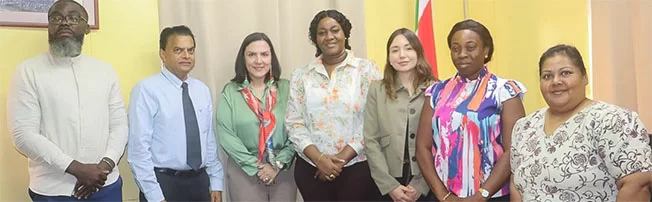
    In a milestone for Suriname’s national workforce development initiative, 50 residents of the Saramacca district have successfully completed vocational training programs organized by the Labor Mobilization and Development Foundation (Stichting Arbeidsmobilisatie en Ontwikkeling, SAO), earning their official certificates during a ceremony held Monday at the Saramacca District Commissioner’s meeting hall.

    The graduation is part of the national ‘Wroko Fu Mek Moni’ project, which aims to expand accessible skills training across the country. Trainees completed courses in three high-demand fields: textile crafts, GAWASA (public water and sanitation) maintenance, and residential electrical installation. Beyond their official certificates, each graduate received a tailored starter kit to support immediate entry into the workforce: sewing machines for textile trainees, and specialized professional tool sets for GAWASA and electrical graduates. These kits are designed to remove key barriers to launching independent work or applying new skills immediately in professional roles.

    A unique hands-on component of the training gave trainees the chance to practice their skills while contributing to public good. During the program, participants completed improvement work at a local Saramacca school, replacing outdated faucets and lighting fixtures and removing old, inefficient ventilation units. The opportunity let them refine their techniques in real-world settings while upgrading public infrastructure for the community.

    Speaking at the certificate ceremony, Deputy Minister of Health, Welfare and Labor Raj Jadnanansing emphasized the government’s commitment to investing in national workforce development. He stressed that financial barriers should not stop any person from learning a trade and achieving economic independence. Jadnanansing noted that SAO’s certification is recognized for high-quality vocational training, and directly improves graduates’ competitiveness in the national job market. The core goal of the ‘Wroko Fu Mek Moni’ project, he explained, is to help trainees generate their own sustainable income, reducing reliance on family support or social welfare programs. He urged graduates to leverage their new tools and skills to build long-term, stable income streams and grow as independent entrepreneurs.

    Looking ahead, Jadnanansing announced that the vocational training project will launch soon in the Wanica district, expanding the program’s reach to more job seekers across Suriname. He also called on district commissioners to proactively share data on local demand for specific vocational skills, so the program can align its course offerings with the needs of regional labor markets, improving employment outcomes for all participants.

    SAO Director Joyce Lapar, alongside representatives of the SAO Board of Directors and the Saramacca District Commissioner’s office, also extended congratulations to the graduating class. All speakers echoed the shared message that practical, job-focused vocational training is critical not only for individual personal and economic growth but also for driving broader socioeconomic development across Suriname’s districts.

  • Constitutional Showdown Over Ombudsman Post

    Constitutional Showdown Over Ombudsman Post

    A high-stakes constitutional conflict that has the potential to reshape the autonomy of one of Belize’s most critical government oversight bodies is currently working its way through the national judicial system. The dispute centers on retired Major Gilbert Swaso, a former head of the Ombudsman’s Office, who is asking courts to rule on whether the Belizean government violated foundational constitutional limits when it made the decision not to renew his appointment.

    Swaso has formally filed a legal claim against the Government of Belize, arguing that the administration failed to uphold the legally binding terms and conditions that govern the Ombudsman’s Office. Beyond procedural grievances, the former ombudsman alleges the non-renewal of his post in December 2025 was an act of retaliation. Specifically, he claims the government targeted him in response to a ruling he issued against the state related to a high-sensitivity Freedom of Information request.

    On July 14, 2026, the legal process officially moved forward with a case management hearing, where justices set a clear procedural timeline ahead of the scheduled full trial on November 20, 2026.

    Speaking after the initial hearing, Swaso outlined the next steps in the legal process: “Today was basically the first date that initiated the constitutional case that I had filed against the Attorney General of Belize. Today was the case management. So during the case management respective days were set, where in the first instance the Office of the Attorney General is required to make a response by this Friday and then subsequently we need to rebut and respond by the seventh of August. The exchange of responses and rebuttals will continue until the trial date, which is set for the twentieth of November 2026.”

    Swaso emphasized that the outcome of the case extends far beyond his personal employment status, framing the conflict as a make-or-break moment for the core principles of transparency, accountability and the rule of law in Belize. “Certainly there are a number of issues within this case, primarily the issue as it relates to the independence of the office of the Ombudsman. That is a case which we believe is very critical for justice, for transparency and accountability within the country of Belize and so the independence of the office of the Ombudsman must remain as stipulated by the constitution and the Ombudsman Act and also other issues that deals with the apparent violation of the constitution.”

    This report is a transcript of a televised evening newscast, with all non-English statements transcribed using a standardized spelling system for Belizean Kriol.

  • Government Taken to Court Over Ombudsman Vacancy

    Government Taken to Court Over Ombudsman Vacancy

    In a legal challenge that puts a spotlight on unaddressed gaps in Belize’s constitutional governance, social advocate Jeremy Enriquez has launched a lawsuit against the Government of Belize over the prolonged vacancy in the Ombudsman’s Office, a key institution designed to hear public grievances against state systems.

    The office has remained without an appointed leader for months, a gap that Enriquez argues is far more than a minor administrative oversight. In his view, the failure to fill the critical constitutional position is nothing less than a deliberate denial of justice for Belizean citizens who rely on the ombudsman to advocate for them when disputes with government and public bodies arise.

    Retired Major Gilbert Swaso, the former Ombudsman who previously held the role, has publicly thrown his full support behind Enriquez’s legal action, calling on all Belizeans to stand with the challenge. Swaso emphasized that the office serves as a critical lifeline, particularly for the most vulnerable segments of Belizean society, who often lack the financial resources to pursue formal legal action through the traditional court system.

    “Certainly, Mr. Enriquez is exercising a right which I believe every Belizean should be concerned and join, because it is to my view important to have such a constitutional office open and available for vulnerable people in particular to access,” Swaso stated in comments carried by local broadcast media. “We all know how difficult it is economically. So if you are now asking vulnerable people who are challenged, to get any finances to get a case resolved, I believe that is not fair and not just being given to those people. So I personally applaud Mr. Enriquez’s effort and I believe that every Belizean should join hands and come on deck with what Mr. Enriquez is doing at this time.”

    For Enriquez, the lawsuit is not only aimed at forcing the government to fill the vacancy immediately. He has framed the legal action as a long-term safeguards measure, intended to ensure that such a prolonged gap in this critical public institution never occurs again in Belize.

    This report is based on a transcript of an evening television news broadcast from July 14, 2026.

  • Will Old Constituency Boundaries Decide New Elections?

    Will Old Constituency Boundaries Decide New Elections?

    As hundreds of Belizean residents prepare to register or re-register their voting eligibility ahead of the March 2027 municipal elections, a growing constitutional crisis is brewing over outdated constituency boundaries that have not been updated in more than two decades.

    The controversy dates back to a 2025 legal challenge led by prominent social activist Jeremy Enriquez, whose legal team secured a landmark ruling in favor of court-ordered redistricting from the Caribbean Court of Justice (CCJ). Most recently, the CCJ delivered a supplementary victory for Enriquez and his lead legal counsel, Senior Counsel Anand Ramlogan, striking down a controversial wasted costs order issued against the pair by former Justice Tawanda Hondora. Enriquez described the original costs order as a blatant, politically motivated retaliatory attempt to bar Ramlogan from practicing in Belize and discredit the redistricting campaign, a claim that the CCJ’s ruling effectively validated when it tossed out the order entirely.

    Despite the string of legal wins for reform advocates, the electoral map of Belize remains entirely unchanged, creating severe representation imbalances across constituencies. Data on current voter rolls illustrates the stark disparity: major constituencies including Stann Creek West, Belmopan, and Belize Rural South each house more than 10,000 registered voters, while smaller urban constituencies such as Fort George, Mesopotamia, and Queen Square have fewer than 3,000 registered voters each. This malapportionment means that votes in smaller constituencies carry exponentially more weight than those in larger, growing districts, a violation of the democratic principle of one-person, one-vote that Enriquez and other critics argue contradicts Belize’s constitution.

    From the beginning of the legal challenge, government officials have pushed back against Enriquez’s petition, primarily criticizing the timing of his demand for redistricting. In comments from February 2025, Prime Minister John Briceño argued that if reform advocates were serious about changing constituency boundaries, they could have raised the issue much earlier, framing the lawsuit as a politically motivated stunt timed to coincide with upcoming electoral cycles.

    Following the 2025 general election, Briceño made a public commitment to complete the redistricting process by the end of 2025. When that deadline passed without any progress, the prime minister pushed the deadline to the end of 2026 during a December 2025 statement. Now, halfway through 2026, Enriquez and reform advocates say there is no visible evidence that the redistricting process has even begun, even as the 2027 municipal election rapidly approaches.

    Enriquez says that after multiple broken promises, activists are holding out little hope that the Briceño administration will meet its new 2026 deadline, but still calling on the prime minister to uphold his pledge. “The Prime Minister, we hope this time, after several repeated promises, we hope that this time his promise has some measure of integrity,” Enriquez said. “He took responsibility for the past failures. He had promised that by the end of 2025 redistricting could be done, and if not, by the end of 2026. We are more than halfway of 2026, and we hope that it will be completed as he said it will.”

    If the Briceño government fails to deliver the long-promised redistricting before March 2027, Enriquez says activists will return to the courts to block the election from proceeding under the unconstitutional outdated boundaries. “We will pursue this matter in court to establish that this cannot be repeated,” Enriquez said. “This violation of the supreme law by rogue political parties cannot be repeated, and they must respect and abide by the constitution as they swore to uphold.”

    This report was compiled from original on-the-ground reporting by Shane Williams of News Five.