作者: admin

  • Antigua and Barbuda Festival Commission Launches First-Ever Burning Flames Junior Road March Competition

    Antigua and Barbuda Festival Commission Launches First-Ever Burning Flames Junior Road March Competition

    The Antigua and Barbuda Festival Commission has officially unveiled a groundbreaking initiative to cultivate the next generation of musical talent with the launch of its first-ever Burning Flames Junior Road March Competition. This pioneering event is designed to engage school-aged children across the twin-island nation, inviting them to create and perform original compositions that capture the vibrant essence of Carnival.

    The competition takes its name and inspiration from the legendary local band Burning Flames, synonymous with Antiguan Carnival excellence. The initiative aims to preserve cultural heritage while fostering artistic innovation among youth participants. Selected finalists will receive professional mentorship from established musicians and the opportunity to record their entries in studio settings, providing invaluable industry experience.

    This strategic move addresses longstanding concerns about cultural continuity within Antigua and Barbuda’s Carnival traditions. By creating a dedicated platform for young performers, the Commission hopes to stimulate earlier interest in musical composition and performance, potentially shaping the future soundscape of the country’s premier cultural celebration. The competition structure will include multiple categories divided by age groups, ensuring appropriate challenges for both primary and secondary school students.

    Judging criteria will emphasize lyrical creativity, musical arrangement, and overall performance quality, with winning entries potentially receiving scholarships or musical equipment grants. The initiative represents a significant investment in cultural sustainability, recognizing that the evolution of Carnival depends on actively engaging younger generations rather than relying solely on established artists.
  • De triasleer: Scheiding of spreiding der machten?

    De triasleer: Scheiding of spreiding der machten?

    A significant constitutional debate has emerged within Suriname’s National Assembly (DNA) regarding the fundamental relationship between legislative, executive, and judicial powers. This discussion gains particular relevance amid pending legislative proposals addressing the structure and compensation of judicial authorities, prompting a thorough reexamination of the traditional separation of powers doctrine.

    The current parliamentary deliberations focus substantially on the judicial branch’s position, including constitutional amendment proposals that would establish a third instance within the judicial organization. These developments have revitalized academic interest in the philosophical foundations of power distribution systems, particularly the theories of French jurist Montesquieu (1689-1755), traditionally credited with formulating the Trias Politica concept.

    Constitutional scholars increasingly emphasize that Montesquieu’s original vision centered not on absolute separation but rather on a system of checks and balances—a mechanism where “power checks power” to prevent despotism. Inspired by English philosopher John Locke, Montesquieu’s seminal work “De l’esprit des lois” (The Spirit of Laws) presented a normative framework for power equilibrium aimed at safeguarding civil liberties through preventing concentration of authority.

    Suriname’s constitutional reality, as articulated in Article 70, demonstrates the practical application of this principle: legislative power is jointly exercised by the National Assembly and the Government, indicating inherent interdependence rather than strict separation. The legislative process typically initiates with the executive branch, progresses through parliamentary deliberation and adoption, and culminates in presidential ratification—illustrating how governmental branches functionally complement and constrain one another.

    The judicial function has evolved significantly beyond Montesquieu’s characterization of judges as merely “la bouche de la loi” (the mouth of the law). As noted by former Court of Justice President John von Niesewand (2008), the judiciary has transformed into a guardian of constitutional integrity, exercising oversight over political organs even when they invoke political legitimacy. This evolution has prompted some observers to describe a transition from a “rechtsstaat” (rule of law state) toward a “rechtersstaat” (judges’ state), though this characterization remains debated.

    Contemporary constitutional scholars suggest that the terminology of “power distribution” or “power balance” more accurately reflects modern governance realities than “separation of powers.” The constitutional system operates not as hermetically sealed power blocks but as a dynamic equilibrium where governmental branches mutually influence, control, and delimit each other’s authority. This intricate balance constitutes the essential foundation of democratic constitutional governance.

  • BUT backs school breakfast plan, frets over teacher involvement

    BUT backs school breakfast plan, frets over teacher involvement

    The Barbados Union of Teachers (BUT) has conditionally endorsed the government’s landmark initiative to provide free breakfasts for all primary school students, marking the first major overhaul of the national school feeding program in generations. While praising the initiative’s potential benefits for child development, the union urgently seeks clarification from education officials regarding implementation logistics and potential impacts on teaching staff.

    BUT President Rudy Lovell issued a formal statement Wednesday responding to Educational Transformation Minister Chad Blackman’s announcement at the Childhood Obesity Prevention Youth Health Summit. The union leadership acknowledged the program as “a significant and commendable investment in the well-being and academic readiness of our nation’s children,” recognizing research showing that nutritious morning meals improve concentration, classroom participation, and educational outcomes.

    However, the union raised substantial operational concerns that could affect the program’s sustainability. Primary among these is the question of student supervision if breakfast service occurs before official school hours. “Teachers already carry significant responsibilities related to instruction, preparation and extracurricular activities,” Lovell emphasized, demanding clarity on whether existing staff would shoulder additional duties or if designated personnel would be hired specifically for the program.

    The union questioned whether adequate additional staffing would be provided to manage meal distribution and student oversight, warning that “without additional staffing, there is a risk of placing undue strain on teachers, administrative staff, and ancillary workers.” Further concerns addressed potential impacts on the longstanding School Meals Department, which has provided lunch services since 1963, with the union seeking assurance that breakfast expansion wouldn’t compromise the quality or punctuality of existing lunch programs.

    Lovell also inquired about potential adjustments to the school day structure, referencing previous timetable changes during reading initiative implementations. Despite these concerns, the BUT expressed willingness to engage in constructive dialogue with the ministry, stating that “with proper planning, consultation, and resource allocation, this initiative can become a transformative measure” supporting both nutritional needs and academic success.

    The proposed breakfast program represents a substantial evolution from Barbados’ original school feeding efforts that began in the mid-1930s with milk and soda crackers during colonial rule, continuing for decades after independence in 1966 alongside the cooked lunch program established three years earlier.

  • Police Investigate Fatal Shooting of Teen in Punta Gorda

    Police Investigate Fatal Shooting of Teen in Punta Gorda

    Authorities in southern Belize have launched a comprehensive investigation into a deadly shooting incident that claimed the life of a teenage laborer and injured another young man in Punta Gorda Town on Wednesday evening. The tragedy unfolded around 8:00 p.m. when local law enforcement received multiple reports of gunfire in the New Road district. Upon arrival, police discovered the fatally wounded body of a 17-year-old from Stann Creek who had sustained multiple gunshot wounds. In a related development, 18-year-old Darwin Meraz, also identified as a local laborer, was injured during the same violent encounter and subsequently transported to Punta Gorda Community Hospital for emergency medical treatment. Preliminary investigative findings indicate both victims were walking along Cero Road when an unidentified assailant opened fire without apparent provocation. Law enforcement officials have yet to identify potential suspects or establish a definitive motive for the attack. The incident has sent shockwaves through the small community, with family members expressing profound grief over the senseless loss of life.

  • GTA expands global destination outreach through international engagements

    GTA expands global destination outreach through international engagements

    The Grenada Tourism Authority (GTA) has strategically capitalized on the nation’s Independence celebrations to enhance its tourism outreach among high-net-worth global citizens. The Investment Migration Agency Grenada (IMA) hosted approximately 200 attendees at a formal Independence Gala and engagement sessions, specifically targeting individuals who obtained Grenadian citizenship through the Citizenship by Investment (CBI) Programme from Africa, Asia, and the Middle East.

    During the event, the GTA presented Grenada as an elite leisure destination, emphasizing its luxury travel offerings, wellness retreats, eco-tourism experiences, and cultural attractions. The authority’s participation formed part of a calculated market diversification strategy aimed at strengthening connections with globally mobile audiences who already maintain ties with Grenada through citizenship.

    CEO Stacey Liburd emphasized the strategic importance of such engagements: “These platforms enable direct connections with audiences who possess meaningful relationships with Grenada. As we expand into emerging markets, we simultaneously enhance destination visibility and foster deeper, long-term engagement with our islands.

    The program featured collaborative presentations with the Grenada Investment Development Corporation (GIDC), which outlined investment opportunities, while Ambassador Terrence Forrester detailed upcoming Homecoming Week initiatives. IMA CEO Thomas Anthony noted the growing interest among new citizens in visiting Grenada, connecting with local communities, and exploring investment avenues beyond citizenship acquisition.

    The GTA continues to prioritize international partnerships and outreach initiatives that support sustainable tourism growth, market diversification, and strengthened global engagement through strategic alignment with citizenship investment programs.

  • Gov’t seeking funds to finish Hurricane Elsa home repairs

    Gov’t seeking funds to finish Hurricane Elsa home repairs

    Barbados has achieved a significant milestone in its long-term recovery from Hurricane Elsa, with 95% of homes damaged during the 2021 storm now fully restored. William Clarke, Chief Estate Officer of the National Housing Corporation (NHC), presented this progress report to Parliament during deliberations on the Ministry of Housing’s $138 million appropriations request. The comprehensive rebuilding program has successfully restored or reconstructed 505 properties across the island nation.

    The detailed parish-by-parish breakdown reveals substantial progress: St. George recorded 129 repairs and 70 rebuilds, St. Philip saw 125 repairs with 87 rebuilds, Christ Church documented 98 repairs and 62 rebuilds, while St. Michael accounted for 86 repaired properties. An additional 19 homes were restored across other parishes. Despite this progress, funding constraints have delayed completion of the remaining 5% of properties, primarily those requiring full reconstruction.

    Former Housing Minister Dwight Sutherland expressed concern about the delayed completion, warning that structural deterioration in unfinished homes could potentially double rehabilitation costs if not addressed promptly. “Leaving houses without roofs or windows in our climate will inevitably lead to further damage and greater eventual expenditure,” Sutherland cautioned during parliamentary proceedings.

    Clarke assured legislators that securing final funding remains a top priority, noting that Prime Minister Mia Mottley has committed to addressing the financial shortfall through separate allocations. The NHC maintains a database of approximately 300 vetted contractors who participated in the initial recovery phase, with mechanisms in place to reactivate these teams once funding is secured. The corporation also emphasized its commitment to developing smaller contractors through targeted training programs, ensuring both immediate project completion and long-term construction capacity building.

    “We’re not just finishing houses—we’re building a more resilient construction industry,” Clarke stated, highlighting the dual benefits of the rehabilitation program.

  • CDB notes early commodity price ‘uptick’ amid Middle East conflict

    CDB notes early commodity price ‘uptick’ amid Middle East conflict

    The Caribbean Development Bank (CDB) has issued a stark warning that escalating geopolitical tensions in the Middle East are beginning to transmit economic shockwaves across global markets, with Caribbean nations poised to experience significant repercussions. During the bank’s annual news conference, Acting Deputy Director of Economics Jason Cotton elaborated on how the ongoing Iranian conflict could destabilize the region’s economic forecasts and growth trajectories.

    Cotton observed that preliminary indicators of economic strain are already materializing through rising commodity prices, noting ‘an uptick in commodity prices… higher than we have seen in the recent past.’ While commodity-exporting Caribbean nations might theoretically benefit from elevated global prices, Cotton emphasized that the overwhelming majority of CDB member states operate service-dominated economies particularly vulnerable to external economic disturbances.

    The economic structure of most Caribbean countries, including tourism-dependent nations like Saint Lucia, creates inherent susceptibility to imported inflation. As global prices escalate, service-oriented economies face intensified pressure through increased costs for imported goods, fuel, and essential supplies. This dynamic disproportionately affects small island developing states with limited domestic production capacity.

    ‘The majority of our member countries are service-exporting countries,’ Cotton explained. ‘Consequently, these price increases would generate inflationary implications, affect economic growth projections, and potentially diminish tourism demand.’ The convergence of these factors threatens to create compound economic challenges for consumers, businesses, and overall economic stability throughout the region.

    Cotton characterized the situation as exceptionally fluid, noting that substantial uncertainty persists regarding the conflict’s ultimate economic impact. ‘We anticipate both upside and downside risks if the situation persists,’ he stated, ‘but we must monitor the evolution of this situation before determining its full ramifications.’

  • Govt to reclaim derelict lots for new housing drive

    Govt to reclaim derelict lots for new housing drive

    In a significant move to address housing challenges, the government has unveiled a comprehensive dual-track strategy focused on repurposing abandoned properties and transferring home ownership to long-term public housing tenants. The announcement was made during parliamentary hearings on housing appropriations by senior housing officials.

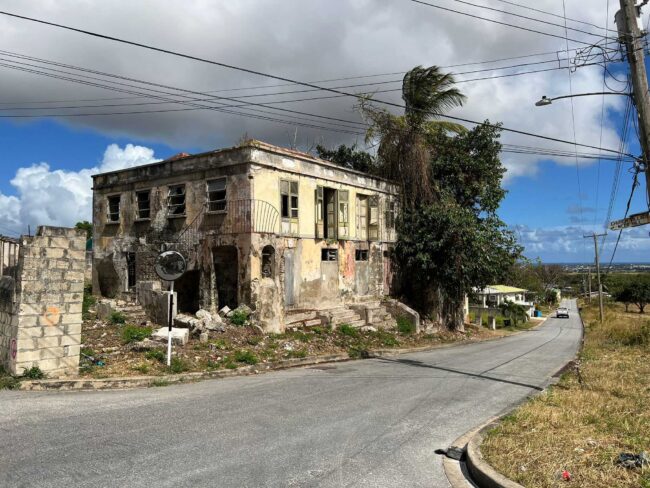
    Raymond Lorde, Acting Deputy General Manager of the National Housing Corporation (NHC) and Chief Planning Officer, detailed the new Derelict Housing Revision Project which aims to identify and reclaim neglected private properties across the island. The initiative specifically targets a minimum of 20 derelict structures initially to develop a legal framework for property acquisition and conversion into viable housing units.

    “We’re examining derelict houses from EPD notices to determine how we can access these housing units,” Lorde explained. “The project focuses on identifying properties that can be incorporated into smaller housing developments, particularly in areas where utilities and infrastructure already exist, thereby reducing government expenditure.”

    The government is collaborating with the NHC and Rural and Urban Development Commission to establish what Lorde described as a “sound legal instrument” for property reclamation, with current efforts centered on perfecting this mechanism through pilot programs.

    Concurrently, Housing Minister Chris Gibbs confirmed the administration is accelerating plans to transfer title deeds to residents who have occupied NHC housing for more than two decades. This initiative addresses concerns raised by parliamentarians regarding tenants who have paid rent for decades without achieving ownership.

    “We are committed to transferring title to these individuals in your estates that have been living in the estates for more than 20 years,” Minister Gibbs stated, characterizing the measure as “an issue of social justice.” The process will require tenants to be current on their rent for the first 20 years, with the government working to address any subsequent arrears.

    The minister revealed that transfer proceedings have already commenced in several communities, including Deacons and Fernihurst, marking the initial phase of this ownership transition program.

  • Millions in Cuba Left in the Dark After Power Plant Failure

    Millions in Cuba Left in the Dark After Power Plant Failure

    A catastrophic failure at Cuba’s primary power generation facility has triggered a nationwide electricity crisis, leaving millions of citizens without power and exacerbating the island’s ongoing energy challenges. On Wednesday, March 5, 2026, the Antonio Guiteras Thermoelectric Power Plant experienced a critical boiler system leak that forced an emergency shutdown, resulting in the most severe blackout incident in recent Cuban history.

    The technical malfunction at the country’s largest power generation unit caused a cascading failure throughout the national grid, affecting approximately two-thirds of the population. The capital city of Havana and numerous other regions experienced complete power loss, with the severity of the outage even causing state television broadcasts to temporarily cease transmission before resuming with delayed programming.

    Energy authorities confirmed that engineering teams are working around the clock to address the boiler system damage, though officials have indicated that full restoration of the plant’s operations may require several days. The incident occurs against the backdrop of Cuba’s deteriorating energy infrastructure, characterized by aging power plants and chronic fuel shortages that have plagued the nation for months.

    The current energy crisis has been further complicated by reduced oil shipments from Venezuela, a situation that Cuban officials attribute to the ongoing U.S. economic blockade that has restricted the country’s access to essential fuel supplies and maintenance equipment. These cumulative challenges have forced the government to implement severe rationing measures affecting public transportation and municipal services including waste collection, creating additional burdens on daily life across the island.

  • Northern/ Northeastern football fans in Dominica gear up for Possie Cup (Invitational) Tournament

    Northern/ Northeastern football fans in Dominica gear up for Possie Cup (Invitational) Tournament

    The northern football community in Dominica is poised for an extraordinary showcase of athletic prowess as the inaugural Possie Cup Invitational Tournament commences at Benjamin Park in Portsmouth. Orchestrated by the Portsmouth Bombers Football Club, this meticulously structured six-team competition promises to highlight elite regional talent while advancing the sport’s development across the island.

    This groundbreaking tournament features a strategic group-stage format with Group A comprising Roosevelt Skerrit Bombers FC, Marigot FC, and BAA Sharks United FC, while Group B pits Central Credit Union Dublanc FC against Calibishie FC and North Side FC. Teams will battle within their groups before top performers advance to the championship final.

    Tournament organizers emphasize the event’s multifaceted mission to elevate competitive standards while strengthening communal bonds through sport. Beyond providing high-caliber preseason preparation, the Possie Cup aims to enhance organizational capabilities, create sponsorship opportunities, and offer valuable exposure for both athletes and match officials.

    The football spectacle kicks off on March 5, 2026, with hosts Roosevelt Skerrit Bombers FC facing Marigot FC in the opening match. The tournament will unfold over several weeks, building toward the grand finale scheduled for March 29, 2026.

    Community engagement remains central to the event’s philosophy, with organizers explicitly inviting supporters from Portsmouth, Marigot, Bense, Calibishie, Dublanc, and beyond to demonstrate regional pride through enthusiastic attendance. The tournament additionally provides a strategic platform for local businesses to align with Dominican football’s growth trajectory.

    Upon conclusion, the competition will recognize excellence through multiple accolades including the Championship Trophy, Runner-Up Award, and individual honors for Most Valuable Player, Top Goal Scorer, and positional excellence across all field roles, complemented by a Fair Play Award.