作者: admin

  • Marin Warns Cartels Are Outpacing Region at Miami Security Summit

    Marin Warns Cartels Are Outpacing Region at Miami Security Summit

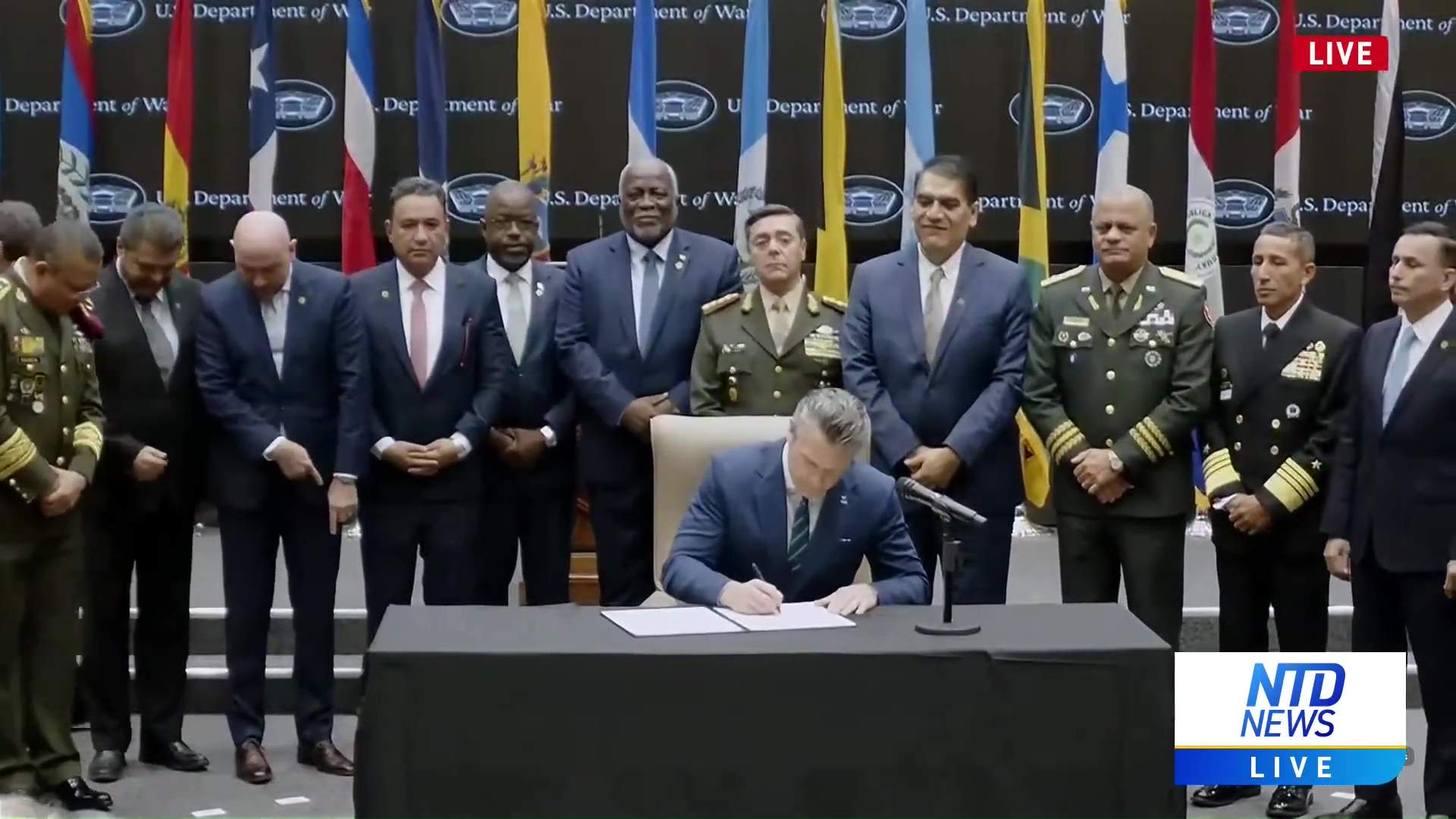
    At the inaugural Americas Counter Cartel Conference in Miami, Belizean Defense Minister Florencio Marin Jr. delivered a stark warning that transnational criminal organizations are operating with unprecedented speed and sophistication, outpacing regional security responses. The high-level security summit brought together hemispheric leaders to address the escalating threat posed by cartel networks.

    Minister Marin emphasized that Belize’s strategic location bridging Central America and the Caribbean makes it particularly vulnerable to criminal exploitation of key maritime and overland routes. “These networks traffic narcotics, weapons, and human beings,” Marin stated. “They undermine governance, distort economies, fuel corruption and erode the safety and confidence of our citizens.”

    The defense minister outlined Belize’s comprehensive security strategy involving enhanced border protection, maritime domain awareness, intelligence-led operations, and interagency collaboration. However, he stressed that no single nation—especially smaller countries like Belize—can confront this threat alone, calling for coordinated regional action mirroring the operational efficiency demonstrated by criminal organizations.

    Concurrently, the Belize Defense Force has intensified northern border security through Operation Northern Fortress amid escalating cartel violence in Mexico’s Quintana Roo state following the killing of Mexican kingpin Nemesio ‘El Mencho’ Oseguera. Brigadier General Anthony Velasquez confirmed increased troop deployments, new vehicle acquisitions, and enhanced intelligence coordination with Mexican counterparts to monitor cross-border threats.

    While acknowledging the tangible nature of the cartel threat, Velasquez reported no current escalation of violence within Belizean territory, attributing this containment to proactive defense measures and continuous vigilance along the northern frontier.


  • Twelve Soldiers Axed Amid BDF Disciplinary Shakeup

    Twelve Soldiers Axed Amid BDF Disciplinary Shakeup

    The Belize Defense Force (BDF) has initiated a significant internal disciplinary overhaul, resulting in the dishonorable discharge of twelve soldiers confirmed to have committed serious violations of military conduct protocols. This decisive action coincides with heightened security operations along Belize’s northern border, where escalating cartel-related violence in Mexico has raised national security alarms.

    Brigadier General Anthony Velasquez, Commander of the BDF, emphasized that the dismissals were essential to preserve institutional integrity while maintaining operational readiness. The discharged personnel forfeit all military benefits and are permanently barred from reenlistment due to the severity of their infractions.

    While specific details of the violations remain partially classified, General Velasquez acknowledged multiple contributing factors including alcohol abuse, misconduct during Women’s Month observances, and other breaches of military discipline. The General clarified that disciplinary measures within the BDF range from administrative penalties for minor offenses to disgraceful discharge for grave violations such as weapon mismanagement, failure to report for duty, or actions resulting in loss of life.

    The timing of this disciplinary action is particularly significant as Belize strengthens its northern border surveillance in response to spillover violence from Mexican cartel operations. General Velasquez confirmed the force remains vigilant both internally and externally, maintaining disciplined readiness for potential security challenges emanating across the Río Hondo boundary.

  • Belize Police Department Honors Women Leaders

    Belize Police Department Honors Women Leaders

    In a powerful demonstration of institutional commitment to gender equality, Belize’s security apparatus is undergoing a profound cultural transformation during Women’s Month 2026. The Belize Police Department and Belize Defense Force are implementing comprehensive initiatives to recognize female contributions while addressing systemic challenges facing women in uniform.

    The Belize Police Department hosted a landmark symposium highlighting female leadership and resilience. Senior Superintendent Dehanne Augustine, Second in Charge of Belize District, emphasized the event’s significance in addressing critical issues including career development, trauma support, and cancer awareness. The department formally honored twenty-two female officers for exceptional service in categories including community engagement, arrest records, and years of dedicated service.

    Simultaneously, the Belize Defense Force is confronting historical concerns regarding women’s safety within military ranks. Brigadier General Anthony Velasquez characterized gender-based abuse as a “wicked problem” deeply embedded in societal structures. While acknowledging past incidents, Velasquez reported dramatic improvement with only one case documented in the previous year.

    The military’s SHARP (Sexual Harassment/Assault Response and Prevention) policy has emerged as a transformative framework, creating multiple reporting channels including anonymous options and civilian police coordination. Commanders emphasize this policy has fundamentally altered institutional culture, though complete eradication of deeply rooted societal issues remains an ongoing process.

    Both institutions are maintaining vigilance through continued policy enforcement and cultural education, ensuring female personnel feel both protected and empowered throughout their careers. This coordinated approach across Belize’s security services represents a national model for addressing gender equality in traditionally male-dominated professions.

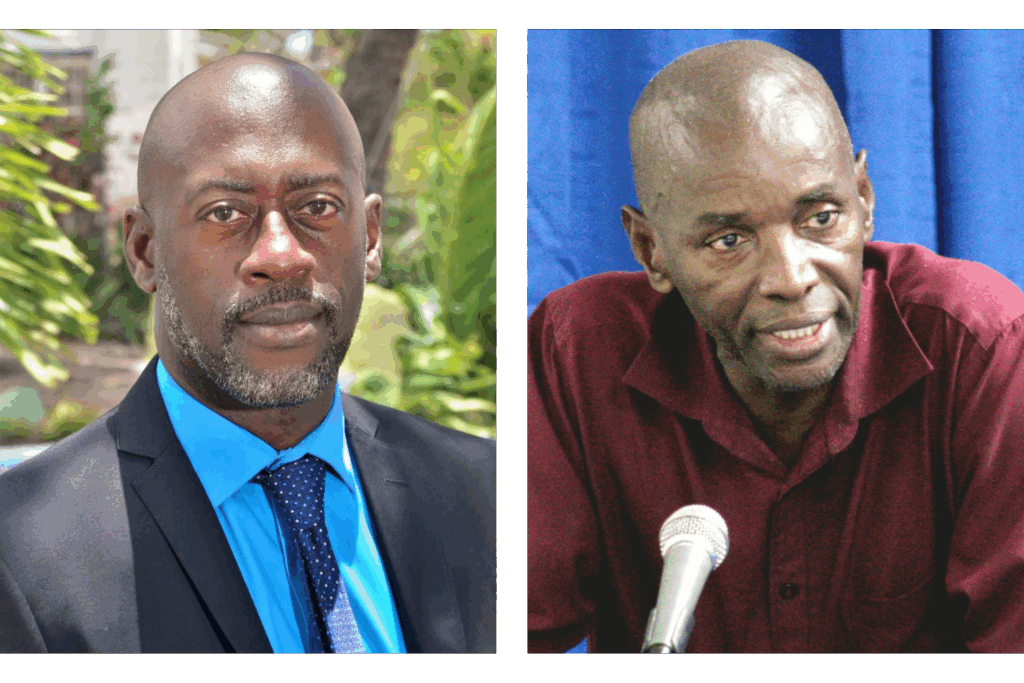
  • Unions flag ‘lack of consultation’ but back free school breakfast plan

    Unions flag ‘lack of consultation’ but back free school breakfast plan

    The Barbados Ministry of Education Transformation’s announcement of universal free breakfast for primary school students has received qualified endorsement from the nation’s two largest labor unions, though both organizations have sharply criticized the government’s failure to consult them before making the policy public.

    The National Union of Public Workers (NUPW) and Barbados Union of Teachers (BUT) expressed support for the program’s nutritional objectives while raising significant operational concerns. Both unions revealed they learned about the initiative through media reports rather than official channels, despite the policy’s potential impact on their members’ working conditions.

    NUPW Deputy General Secretary Wayne Walrond confirmed his organization received no prior communication from education authorities. “I can tell you I’m not aware of any discussion held with the union. I heard these things in the media,” Walrond stated, emphasizing the lack of details regarding implementation plans or workforce involvement.

    BUT President Rudy Lovell similarly reported no pre-announcement consultation, raising practical questions about program execution. “If breakfast is to be served before the official start of the school day, who will be responsible for supervising students during this period?” Lovell questioned, highlighting concerns about potential additional responsibilities for teaching staff without adequate support.

    Both union leaders stressed that proper consultation represents a fundamental principle of sound industrial relations, particularly for policies affecting working conditions. Walrond noted that decisions involving student populations inevitably impact non-student workers, making representative engagement essential.

    Lovell warned that insufficient staffing could create undue strain on educational personnel, stating: “Without additional staffing, there is a risk of placing undue strain on teachers, administrative staff, and ancillary workers.” He called for clarity on whether dedicated personnel would be assigned or if existing staff would assume additional duties.

    The concerns extend beyond union leadership, with reports indicating that school meals workers themselves remain uninformed about implementation details. Some workers confirmed they await guidance from management regarding the program’s rollout.

    Education Minister Chad Blackman announced the program at Wednesday’s Childhood Obesity Prevention Youth Health Summit, revealing that all primary school students will receive free breakfast beginning September 2026. The initiative forms part of the government’s education transformation agenda, addressing observations that up to one-quarter of students begin school without eating, adversely affecting concentration and learning outcomes.

    In response to mounting concerns, the ministry issued a Thursday night statement promising “strategic stakeholder consultations in the coming months” involving workers’ unions, teachers, administrators, and parent representatives. The department committed to carefully designing implementation systems and logistics.

    Despite current tensions, BUT President Lovell expressed willingness to collaborate, describing the program as a “significant and commendable investment” in children’s wellbeing. “With proper planning, consultation, and resource allocation, this initiative can become a transformative measure,” Lovell stated, acknowledging research demonstrating improved educational outcomes for students who begin their day with nutritious meals.

  • BDF Commander Dismisses Vehicle Misuse Claim

    BDF Commander Dismisses Vehicle Misuse Claim

    Belize Defense Force Commander Brigadier General Anthony Velasquez has formally addressed and dismissed allegations regarding the potential misuse of military vehicles in southern Belize. The controversy emerged after concerns were raised about an officer allegedly using an assigned BDF vehicle for personal errands, particularly in connection with his voluntary service on a local school board.

    In an official statement, Commander Velasquez provided comprehensive clarification regarding military protocols. He explained that commanding officers are permanently assigned vehicles as part of their operational requirements, enabling them to respond immediately to defense needs at any hour. The officer in question commands approximately four hundred soldiers across the Toledo district and must maintain constant mobility readiness.

    Regarding the school board involvement that triggered the complaint, Velasquez emphasized that such community service is not only permitted under BDF regulations but actively encouraged. The officer receives no personal compensation for this voluntary role, aligning with the military’s longstanding tradition of community engagement throughout Belize.

    The Commander characterized the allegations as ‘mischief’ designed to create unnecessary controversy, asserting that both the vehicle assignment and community service participation fall squarely within established military guidelines. He maintained that the officer has fully complied with all protocols while fulfilling his duties to both the defense force and the local community.

    The BDF has confirmed this concludes their investigation into the matter, finding no evidence of resource misuse or protocol violations.

  • UEH-CEP Electoral Chair : First big day of exchanges

    UEH-CEP Electoral Chair : First big day of exchanges

    In a landmark initiative to strengthen Haiti’s democratic foundations, the State University of Haiti (UEH) and the Provisional Electoral Council (CEP) have launched a comprehensive academic-electoral partnership. The UEH-CEP Electoral Chair convened its inaugural symposium at Port-au-Prince’s Karibe Hotel, gathering electoral advisors, academic scholars, international experts, and civil society representatives to address the critical challenges facing Haiti’s 2026 general elections.

    Established through a July 2025 agreement between UEH and CEP, this pioneering chair represents a strategic effort to inject scientific rigor into Haiti’s electoral processes. The symposium, themed ‘Challenges, Issues and Opportunities of the Next General Elections in Light of Electoral Experiences in Haiti,’ served as a platform for candid assessment and forward-looking solutions.

    UEH Representative Me Florence Mathieu inaugurated proceedings by emphasizing the need for thoughtful dialogue, positioning the university as an intellectual compass guiding Haiti’s democratic future. Patrick Saint-Hilaire, representing Haiti’s Episcopal Conference at the CEP, underscored elections as fundamental acts of sovereignty, noting that credible elections remain the singular path to restoring state authority amid ongoing legitimacy crises and security challenges.

    International electoral expert Dong Nguyen Huu provided historical context, observing that Haitian elections have typically been crisis-driven rather than periodically stable events. While acknowledging systemic weaknesses, he recognized the substantial institutional knowledge accumulated since 1990 that now requires modernization.

    Former CEP member Me Carlos Hercule identified three primary obstacles for 2026: dysfunction within the National Identification Office (ONI), territorial control by armed groups, and excessive international financial dependence. He outlined essential success factors including executive branch neutrality, reliable voter rolls, and modernized litigation processes.

    Security expert Me Paul Rachel Cadet presented alarming statistics showing voter participation plummeting from 70% in 1990 to approximately 20% in recent elections. His proposed solutions encompassed total transparency through digital traceability systems, comprehensive civic education reframing voting as an act of dignity, and stringent sanctions for electoral violence.

    The consensus emerged that electoral success in 2026 transcends technical preparation, requiring fundamental governance overhaul. Professor Jean Eugène Pierre-Louis concluded by advocating for patriotic commitment across sectors to establish these elections as Haiti’s ‘royal road’ to lasting stability. The UEH-CEP Electoral Chair now stands as a strategic cornerstone for building Haitian democracy on sustainable, evidence-based foundations.

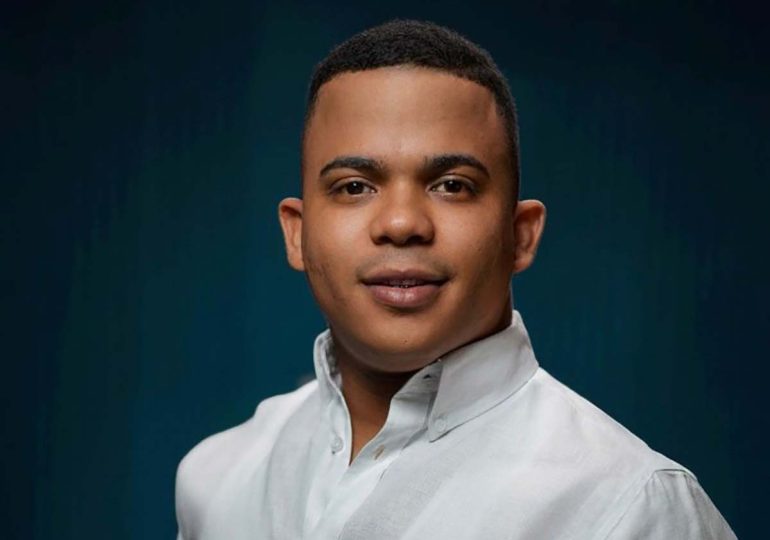
  • Luis Encarnación appointed Director of Electoral Observatory for Latin America

    Luis Encarnación appointed Director of Electoral Observatory for Latin America

    SANTO DOMINGO – In a significant move to bolster electoral integrity across Latin America, the International Conservative Leadership Council (ICLC) has named political scientist Luis Encarnación as Director of its Electoral Observatory for the region. The appointment signals a strategic effort to address growing institutional challenges and reinforce democratic governance standards.

    Encarnación brings extensive expertise to this critical role, having served as an accredited electoral observer before judicial and electoral authorities throughout the Americas. Holding advanced degrees in political science and public administration, his professional background encompasses coordinating international observation missions, conducting technical analyses, and facilitating cross-border cooperation initiatives.

    The newly appointed director will operate from the Dominican Republic, where he currently resides, spearheading collaboration among academic institutions, civil society organizations, and global partners. His mandate focuses on enhancing transparency, strengthening institutional frameworks, and restoring public confidence in electoral processes during a period of heightened political sensitivity across the region.

    Encarnación’s credentials include receiving the 2023 Youth Leadership Award from The Napolitans Victory Awards, which acknowledged his emerging influence in political education and institutional development. The ICLC emphasized that this strategic placement reinforces their regional presence and aligns with their broader mission to advance democratic norms, civic engagement, and responsible governance throughout Latin America.

  • Rift Widens Inside Canoe Association Ahead of La Ruta Maya

    Rift Widens Inside Canoe Association Ahead of La Ruta Maya

    BELIZE CITY – A deepening internal crisis within the Belize Canoe Association has cast uncertainty over the upcoming La Ruta Maya Belize River Challenge, one of the nation’s premier sporting events. With just days remaining before the iconic four-day river marathon, the association’s leadership stands publicly divided over a controversial finish line relocation and allegations of organizer mistreatment.

    The conflict emerged when race organizers moved the traditional finish line from the BelCan Bridge to Haulover Creek, triggering immediate backlash from competitors. While paddlers remain committed to participating in the weekend event, significant factions within the sport’s governing body are advocating for protests including boycotting the new finish line and refusing media cooperation with the event’s broadcast partner, Love FM.

    Association President Jesus Linares maintains a conciliatory stance, emphasizing practical considerations given the event’s imminent start. “We can’t change it for this year because the race is Friday,” Linares stated, acknowledging the logistical impossibility of reversing the decision. “Whoever goes must respect the race and its rules.” Linares urged competitors to prioritize safety after four exhausting days on the river, warning that any attempt to continue past the official finish line would occur without safety oversight.

    In stark contrast, Vice President Elvin Penner has emerged as the rebellion’s vocal leader, accusing organizers of longstanding mistreatment of athletes. Penner publicly declared a media blackout against Love FM, stating: “I am not granting Love FM one single interview – not as vice president, not as Elvin Penner, not as Coop Sheet Metal’s team manager.” He framed the protest as a moral stand, challenging fellow association members to join his boycott.

    The safety discourse has become particularly contentious. While Linares characterizes the warnings about continuing past the finish line as legitimate safety concerns, Penner interprets them as intimidation tactics. “The message they sent through our president is: you protest and you drown, we’ll watch you drown,” Penner asserted, framing the organizers’ position as fundamentally antagonistic to competitors.

    This internal rift transcends typical pre-race disagreements, revealing fundamental divisions about athlete representation, organizational transparency, and the balance of power between event organizers and participants. The outcome of this weekend’s event may determine not only the future course of the legendary river challenge but potentially reshape the leadership and governance of Belize’s canoeing community.

  • Petition on Cuba sent to president, foreign affairs minister

    Petition on Cuba sent to president, foreign affairs minister

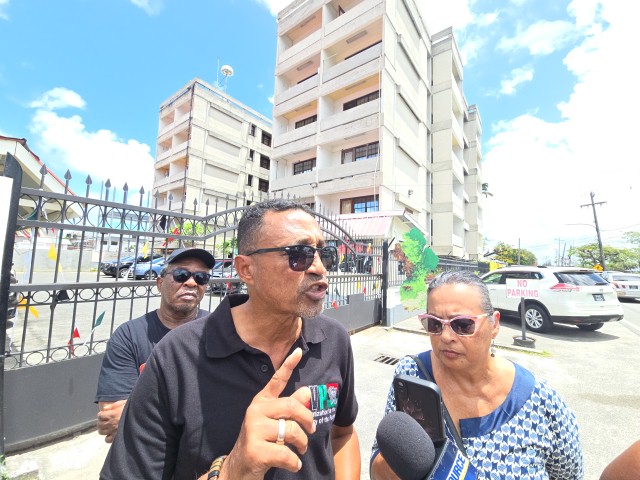
    A coalition of 146 Guyanese organizations and prominent individuals delivered a forceful petition to President Irfaan Ali and Foreign Minister Hugh Todd on Thursday, demanding immediate action against United States policies targeting Cuba. The petition specifically calls for Guyana to condemn the U.S. fuel embargo against Cuba and reverse its decision to terminate the nearly 50-year-old Cuban Medical Brigade program.

    The document, endorsed by 11 organizations and 135 citizens, characterizes the U.S. fuel restrictions as ‘immoral, illegal and barbaric,’ warning they constitute a ‘man-made humanitarian crisis’ approaching genocide. Signatories argue that preventing Cuba from accessing petroleum products cripples essential services including medical care, food production, electricity generation, and water systems.

    Beyond medical cooperation, petitioners urged resistance to U.S. pressure to end scholarship programs enabling Guyanese students—currently 45—to pursue medical studies in Cuba. They framed Cuba’s punishment as retaliation for exercising sovereignty and self-determination, noting the country poses no threat to the United States or other nations.

    Gerald Perreira, leader of the Organisation of Victory of the People party who delivered the petition, questioned U.S. reliability as an ally during subsequent remarks. He referenced historical context where the U.S. allegedly encouraged Venezuelan aggression against Guyana during the Burnham administration, contrasting it with current geopolitical alignments. Perreira expressed skepticism about Venezuelan invasion capabilities due to military hardware deterioration from embargoes and challenging border terrain.

    The petition concludes with a challenge to Guyana’s sovereignty claims, stating: ‘If Guyana is a sovereign and independent nation, as is so often claimed by our Government, then there can be no rationale for joining this shameful and barbaric attempt to destroy Cuba.’ Signatories included late former WPA co-leader Dr. Rupert Roopnaraine among other notable figures.

  • KHMH Completes Interviews for New CEO

    KHMH Completes Interviews for New CEO

    Belize’s leading tertiary healthcare facility, the Karl Heusner Memorial Hospital (KHMH), is advancing toward the selection of a permanent Chief Executive Officer following the conclusion of candidate interviews in February. The position has remained unoccupied since October 2025 upon the departure of former CEO Chandra Nisbet-Cansino.

    During the five-month interim period, hospital operations have been managed through a provisional administrative framework while the Board of Directors conducted a comprehensive search for qualified leadership. The selection process reached a critical milestone last week as the board completed final interviews with a shortlisted cohort of candidates.

    Notable contenders for the executive position include Ann-Marie Thompson, recognized for her role as Acting Labour Commissioner during the peak of Belize’s COVID-19 pandemic response. The candidate pool also features Sharine Reyes, the hospital’s incumbent Financial Director, and Timothy Seguro, a current assistant administrator with prior experience as KHMH’s Acting CEO. Additional candidates comprise Dr. Gilroy Middleton, former CEO within the Ministry of Immigration, and Gilda Diaz Hall.

    The hospital’s board is presently conducting final evaluations of the candidates before submitting its official recommendation. Health sector observers anticipate an appointment decision within coming weeks, which will determine leadership for Belize’s most essential public medical institution.