作者: admin

  • Geothermal in Nevis and solar in St. Kitts key to energy transition, minister says

    Geothermal in Nevis and solar in St. Kitts key to energy transition, minister says

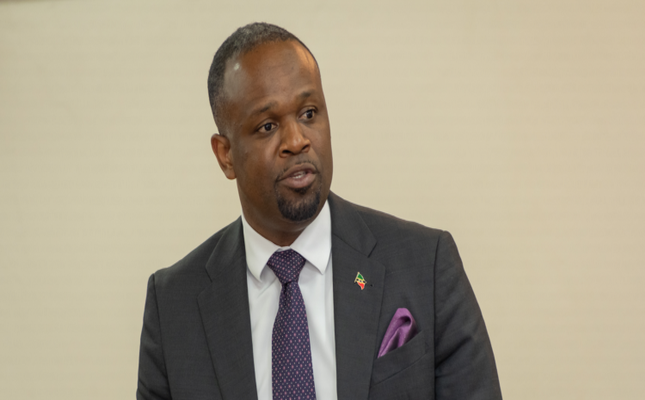
    The Federation of St. Kitts and Nevis is making substantial strides in its renewable energy transformation, with significant developments in both geothermal and solar power infrastructure. Energy Minister Konris Maynard confirmed the nation’s progress during recent statements made at the 50th CARICOM Heads of Government Meeting in Basseterre.

    Central to the energy transition is the long-awaited geothermal project on Nevis. The Nevis Island Administration is poised to announce the selected contractor for drilling operations, which will involve five specialized wells—three for energy production and two for reinjection purposes. This geothermal initiative alone could generate approximately 30 megawatts of clean electricity, representing a substantial portion of the islands’ 40-megawatt baseline energy requirements.

    Concurrently, St. Kitts is advancing a major solar energy project. Authorities are preparing to issue a Request for Proposals for a 50-megawatt solar power plant complemented by a 35-megawatt energy storage system. The innovative project is planned for the Basseterre Valley Aquifer area, where solar panels can be installed without disrupting the protected environmental zone.

    Minister Maynard emphasized the government’s comprehensive strategy: “Our objective is to maximize the renewable resources available to our Federation—specifically our abundant solar and geothermal potential.” While acknowledging previous explorations into St. Kitts’ geothermal capabilities, the minister explained the current focus remains on Nevis due to its more advanced development readiness and previously conducted studies.

    The government’s coordinated approach demonstrates a committed transition toward sustainable energy independence, leveraging the unique geographical advantages of both islands within the Federation.
  • Police arrest teacher accused of assaulting two-year-old at daycare

    Police arrest teacher accused of assaulting two-year-old at daycare

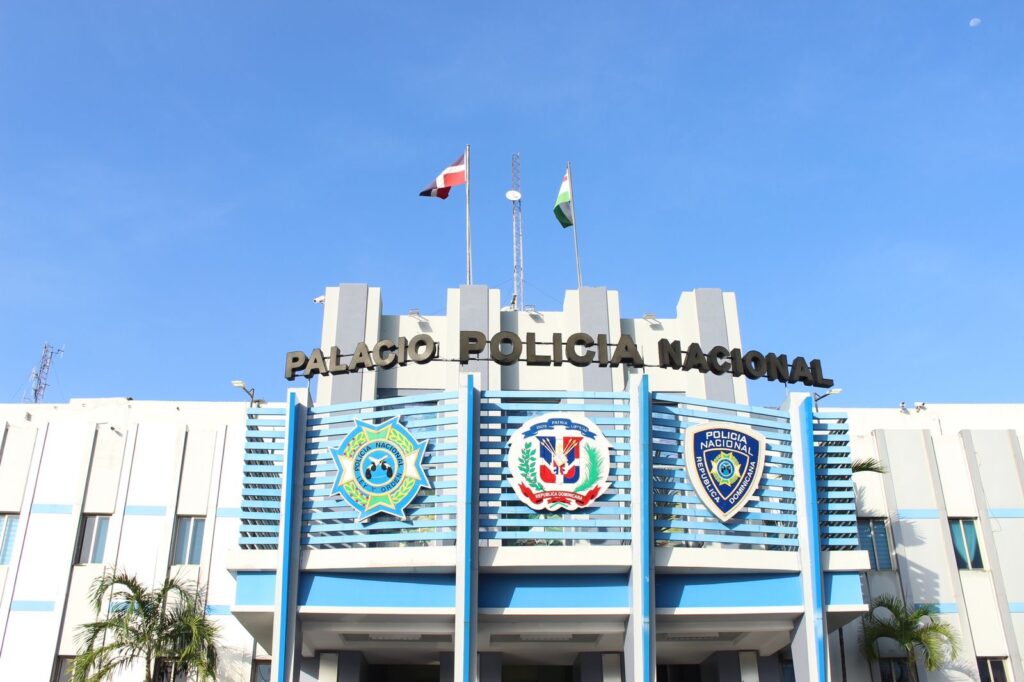
    Santo Domingo has been shaken by the arrest of a 26-year-old educator, Yamelsy Matos Beltré, following the circulation of a disturbing video that purportedly shows her physically assaulting a two-year-old child. The incident occurred at the ‘Mi Segundo Hogar/Little Steps’ daycare facility in the Ozama sector of Santo Domingo Este, triggering immediate public outcry and swift official response.

    Matos Beltré presented herself at the educational center accompanied by legal representatives, reportedly with the intention of accepting responsibility for her actions. Law enforcement officials from the National Police took her into custody at the scene, transporting her from the premises under substantial security measures. While authorities have not disclosed her current detention facility, the arrest was conducted with visible police presence.

    Representatives from School District 10-04 were documented at the childcare center, confirming that a comprehensive investigation has been initiated to establish the complete context of the alleged misconduct. Preliminary reports indicate that education officials conducted an emergency meeting with the teacher and administrative staff prior to the formal arrest procedure.

    The case gained national attention after visual evidence spread rapidly across social media platforms, generating widespread public condemnation and demands for institutional accountability. Digital activism played a crucial role in bringing the case to official attention, with citizens and child welfare advocates calling for immediate intervention from educational and judicial authorities.

  • World Disaster Report waarschuwt voor klimaatimpact in Latijns-Amerika

    World Disaster Report waarschuwt voor klimaatimpact in Latijns-Amerika

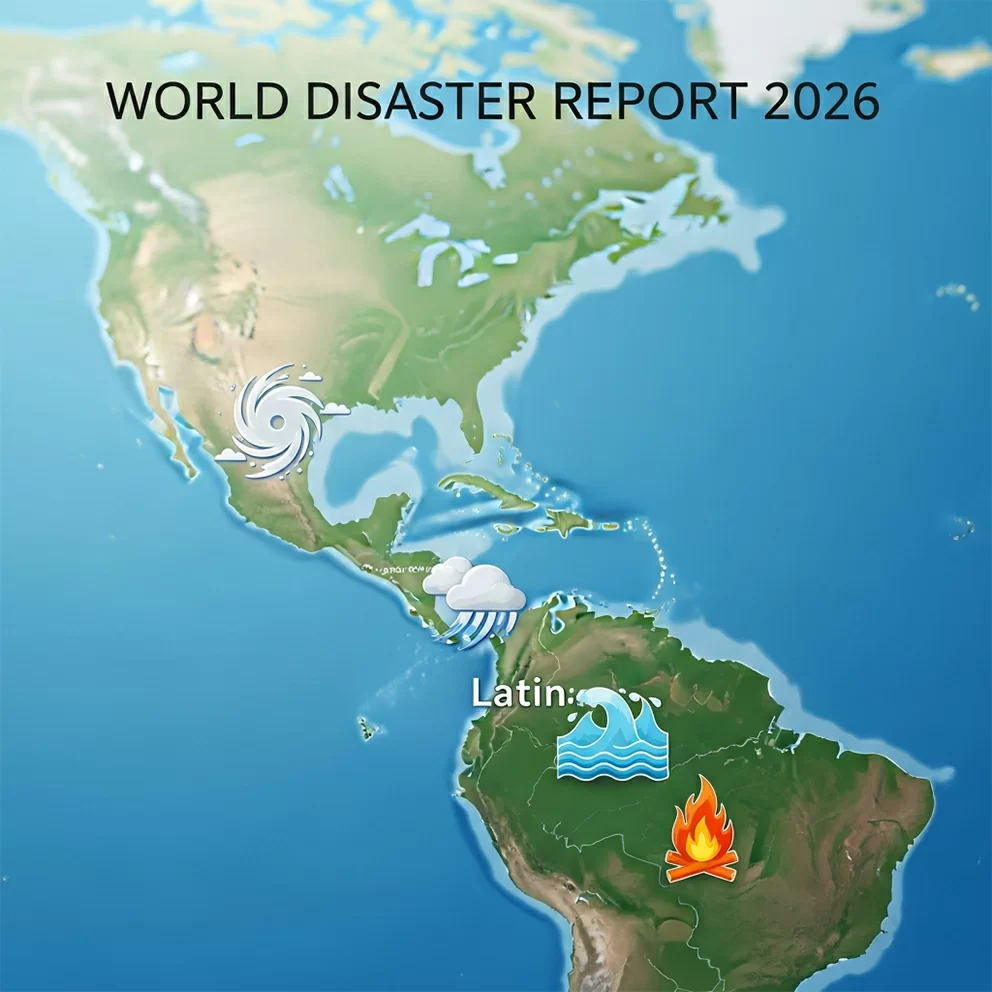
    The International Federation of Red Cross and Red Crescent Societies (IFRC) has released its comprehensive World Disaster Report 2026, revealing alarming trends in global natural disasters with particular focus on the escalating vulnerability of Caribbean and Latin American regions. The study documents a dangerous increase in extreme weather phenomena including intensified hurricanes, catastrophic flooding, and prolonged droughts that are systematically undermining community resilience across these territories.

    Climate change has dramatically amplified both the frequency and severity of destructive storms and unprecedented rainfall patterns throughout these regions, resulting in widespread infrastructure collapse, agricultural devastation, and profound social disruption. The geographical positioning and economic fragility of numerous nations within these zones exacerbate the catastrophic consequences, leaving populations increasingly exposed to systemic breakdowns in essential services and livelihood support systems.

    Emergency response agencies and local governments face monumental challenges in developing adequate disaster preparedness mechanisms amid rapidly evolving climate threats. The report emphasizes the critical need for enhanced international cooperation and substantial investments in sustainable prevention and recovery initiatives to address these growing vulnerabilities.

    A significant emerging threat identified in the report involves the proliferation of misinformation and false narratives during disaster events. The dissemination of inaccurate or deliberately misleading information severely compromises emergency response effectiveness, erodes public trust in humanitarian organizations, and triggers panic-driven decision-making among affected populations.

    The analysis underscores the vital importance of establishing reliable communication channels and strengthening public media literacy. Technological solutions to combat misinformation spread are now considered essential components of modern disaster management strategies.

    Beyond the Western Hemisphere, the report outlines concerning global patterns: natural disasters are increasing in both frequency and intensity worldwide due to interconnected factors including climate change, rapid urbanization, and socioeconomic pressures. From catastrophic wildfires across Australia and North America to devastating floods throughout Asia and persistent droughts in Africa, global vulnerability continues to escalate.

    The IFRC advocates for an integrated approach that simultaneously addresses climate adaptation measures, socioeconomic development, and comprehensive disaster risk reduction. Building resilience in high-risk regions and promoting international solidarity are identified as crucial strategies for mitigating disaster impacts in an increasingly volatile global environment.

    The World Disaster Report 2026 ultimately demonstrates that natural disaster challenges are growing in complexity worldwide, with misinformation adding new dimensions to existing threats. The Caribbean and Latin America emerge as focal points in this warning system, where effective communication and reliable information dissemination have become fundamental to saving lives and protecting vulnerable communities.

  • Abinader announces Playa Grande International Airport project

    Abinader announces Playa Grande International Airport project

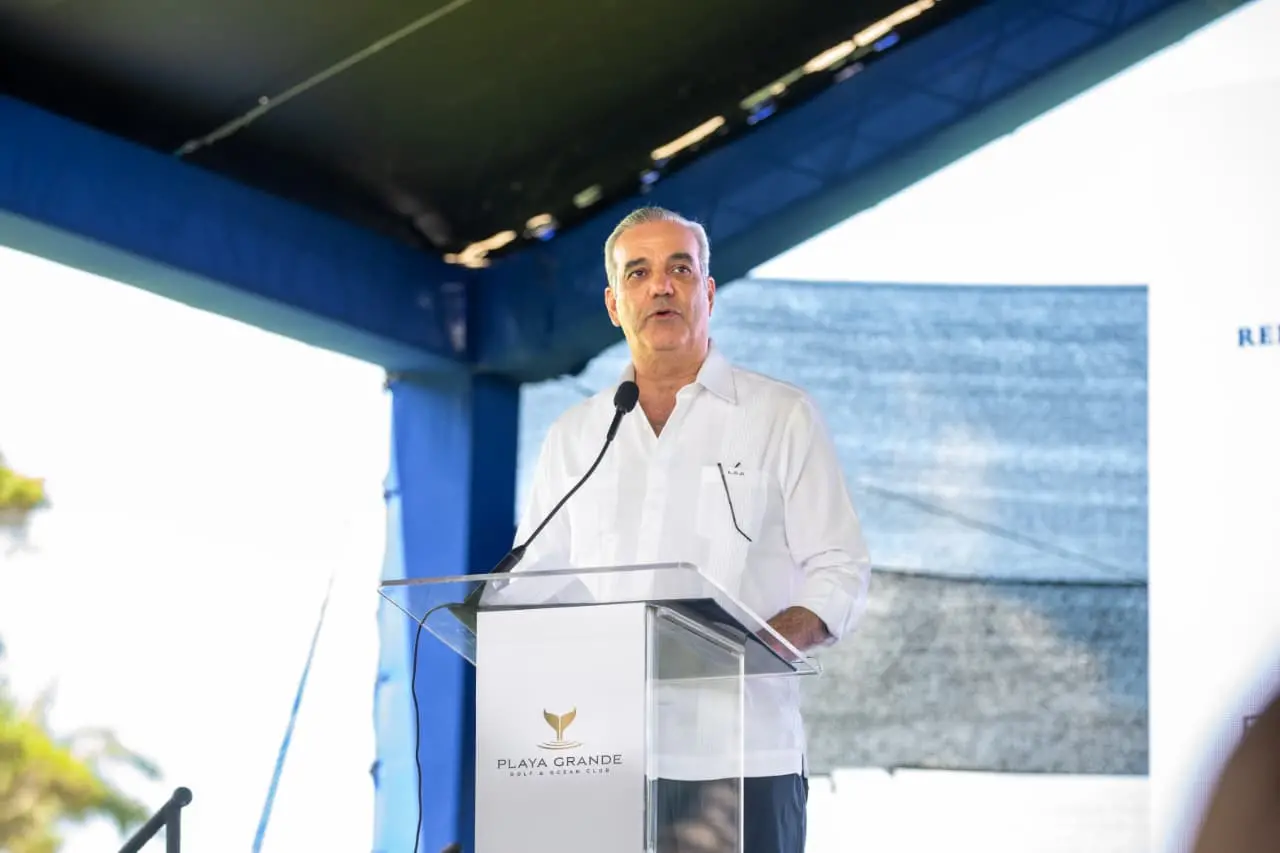
    The Dominican Republic has unveiled a landmark infrastructure project that promises to transform its northern coastline’s economic landscape. President Luis Abinader, alongside executives from Discovery Land Company, Aman Group, and Third Point, has announced the development of the Playa Grande International Airport—a private aviation facility designed to provide direct international access to the region.

    The announcement ceremony at Playa Grande was attended by Tourism Minister David Collado and prominent investors, including Third Point founder Daniel Loeb, hospitality visionary Mike Meldman, and former MLB superstar Alex Rodriguez. The airport initiative forms part of a comprehensive expansion strategy for the Playa Grande Golf & Ocean Club, with projected investments exceeding US$1 billion in residential and tourism development.

    President Abinader emphasized the government’s commitment to institutional integrity, stating that the project advanced through proper legal channels while maintaining regulatory compliance. He acknowledged investor confidence in the Dominican Republic’s economy, which attracted approximately $5 billion in foreign investment last year, and highlighted the private sector’s crucial role in driving national economic growth.

    Minister Collado revealed that previous administrations had repeatedly stalled the airport initiative. The breakthrough came when Collado directly engaged President Abinader, who subsequently endorsed the project through presidential decree authority after assuring investors of governmental support.

    Developers anticipate the airport will serve as a gateway for thousands of families connected to Discovery Land Company’s global communities. The enhanced connectivity is expected to position Playa Grande among the Caribbean’s most exclusive destinations while unlocking substantial residential development opportunities.

    Situated along 11 kilometers of protected Atlantic coastline in Río San Juan, Playa Grande Golf & Ocean Club features luxury residences, the renowned Amanera resort, and a championship golf course originally designed by Robert Trent Jones Sr. and refined by Rees Jones. The new airport infrastructure will strategically connect the destination to key markets across North America, Europe, and Latin America, catalyzing the next phase of premium tourism and real estate growth in the region.

  • SKN highlights challenges associated with rare diseases in the region

    SKN highlights challenges associated with rare diseases in the region

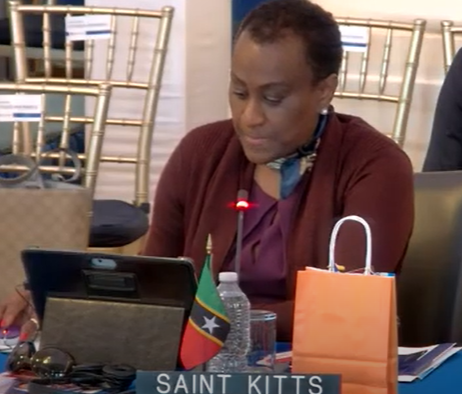
    WASHINGTON, DC – In a significant address to the Organization of American States (OAS) Permanent Council, St. Kitts and Nevis Ambassador Jacinth Henry-Martin articulated the pressing challenges surrounding rare disease management across Caribbean communities. Representing both her nation and CARICOM member states during the Rare Disease Day observance, the ambassador highlighted the critical need for strengthened surveillance mechanisms and healthcare infrastructure to address these complex medical conditions effectively.

    Ambassador Henry-Martin underscored the paradoxical nature of rare diseases in small island developing states. While documented cases remain numerically limited due to population size, this apparent scarcity often masks underlying issues of under-diagnosis, limited specialist access, and medical tourism among citizens seeking overseas treatment options. The ambassador emphasized that rare diseases collectively present substantial challenges for patients, families, and healthcare systems despite affecting relatively small numbers individually.

    The Federation’s approach centers on building resilient and equitable health systems capable of addressing diverse medical needs. St. Kitts and Nevis has strategically leveraged its existing framework for non-communicable disease (NCD) management, implementing national policies including the 2013-2017 National Policy and Action Plan for NCD Prevention and Control, followed by a comprehensive Multi-sectoral Plan of Action. While not specifically designed for rare diseases, these initiatives provide foundational support for individuals with complex medical conditions.

    Significant structural advancements are underway through collaboration with the Pan American Health Organization (PAHO) and regional academic institutions to develop a national health insurance scheme. This program aims to guarantee universal access to essential healthcare services while alleviating financial burdens associated with long-term treatments. Complementary social protection programs administered through the National Social Security Fund provide disability, maternity, child, and survivor benefits to households affected by illness.

    Given the existence of over 6,000 identified rare diseases and the inherent limitations of small states in providing specialized diagnostics and therapies, Ambassador Henry-Martin stressed the indispensable role of regional and international cooperation. Partnerships through OAS, PAHO, and CARICOM facilitate critical resources including medical referrals, telemedicine services, pharmaceutical access, and health data sharing mechanisms.

    The ambassador concluded by reaffirming the region’s commitment to dignity and human rights in healthcare, asserting that no individual should face disadvantage due to rarity or diagnostic complexity of their condition. CARICOM nations pledged continued dedication to building inclusive, resilient health and social systems that comprehensively serve all citizens, including those living with rare diseases.

    In separate proceedings, St. Kitts and Nevis and CARICOM states acknowledged Chilean Permanent Representative Thomas Pascual’s service as Vice Chair of the Permanent Council, commending his leadership and contributions to inter-American cooperation as he concluded his tenure.

  • Visa imposed: St. Lucia faces scrutiny as UK cites rising asylum claims

    Visa imposed: St. Lucia faces scrutiny as UK cites rising asylum claims

    In a significant policy shift, the United Kingdom has abruptly terminated visa-free travel privileges for citizens of St. Lucia and Nicaragua, effective immediately. UK Home Office Secretary Shabana Mahmood announced the stringent measures during a Thursday press conference, attributing the decision to escalating asylum claims from both Caribbean and Central American nations.

    The new visa mandate forms part of a comprehensive border security initiative that additionally suspends specific visa programs for Afghanistan, Cameroon, Myanmar, and Sudan. Secretary Mahmood characterized these nations as sources of ‘unacceptably high’ immigration system abuse, asserting that St. Lucia’s visa-free access had effectively created an unauthorized entry pathway into the UK.

    The St. Lucian government confirmed receiving formal notification on March 4th, one day prior to the public announcement. Officials clarified that the restrictions extend beyond ordinary visitors to include transit passengers transferring through UK airports to international destinations.

    A transitional arrangement permits travelers with pre-existing Electronic Travel Authorizations and confirmed flight bookings to maintain visa-free access until April 16th at 12:00 p.m., providing limited respite for previously arranged travel. The St. Lucian administration acknowledged the disruptive impact on citizens pursuing educational, business, tourism, and familial visits, while pledging continued diplomatic engagement with UK counterparts.

    The policy implementation reflects mounting pressures within Britain’s immigration infrastructure, signaling a broader recalibration of border management strategies. The Home Office’s decisive action underscores the government’s commitment to tightening entry protocols amid increasing asylum application volumes.

  • Solidarity in Accra: Saint Kitts and Nevis Prime Minister honoured as a Special Guest at Ghana’s 69th Independence Anniversary

    Solidarity in Accra: Saint Kitts and Nevis Prime Minister honoured as a Special Guest at Ghana’s 69th Independence Anniversary

    ACCRA, GHANA – March 6, 2026 marked a significant moment in Afro-Caribbean relations as Saint Kitts and Nevis Prime Minister Honourable Dr. Terrance Drew received special recognition during Ghana’s 69th Independence Anniversary celebrations. The event, held at the historic Jubilee House in Accra, served as the culminating engagement of Dr. Drew’s official state visit to the West African nation.

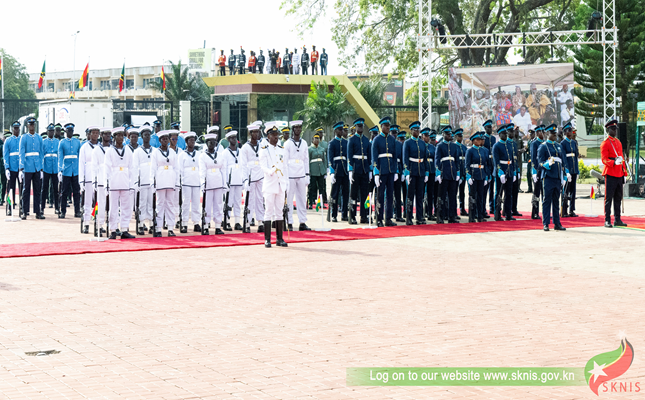
    The national ceremony assembled government dignitaries, diplomatic corps representatives, military officials, students, and citizens to commemorate Ghana’s liberation from colonial rule in 1957. Prime Minister Drew and his wife Diani Prince-Drew joined Ghanaian President His Excellency John Dramani Mahama and Vice President H.E. Professor Jane Naana Opoku-Agyemang for the ceremonial parade and official programming.

    The celebration featured vibrant cultural displays including interfaith prayers from traditional, Muslim, and Christian leaders, alongside musical performances, poetry recitations, and cultural presentations by school children. The official proceedings included a military parade inspection and the lighting of the perpetual flame preceding President Mahama’s national address.

    A particularly symbolic moment occurred as the national flag of Saint Kitts and Nevis flew prominently at Jubilee House—the very grounds where Ghana first celebrated its independence. Prime Minister Drew characterized the experience as profoundly meaningful for both nations, emphasizing the enduring historical connections between the Caribbean and Africa.

    “Witnessing Ghana’s 69th independence celebration carries deep personal and symbolic significance,” stated Dr. Drew. “Our presence here reinforces that the Caribbean narrative remains incomplete without acknowledging African roots. The resilience, culture, and spirit of our ancestors crossed the Atlantic and continue thriving within our people.”

    The prime minister’s participation concluded a series of bilateral engagements aimed at strengthening cooperation in education, diplomacy, and cultural exchange. Both governments reaffirmed their commitment to enhancing ties rooted in shared heritage and mutual respect, signaling a new chapter in South-South cooperation and diasporic reconnection.

  • Investigation into foiled terrorist infiltration attempt moves forward. U.S. authorities express willingness to cooperate

    Investigation into foiled terrorist infiltration attempt moves forward. U.S. authorities express willingness to cooperate

    Cuban authorities have confirmed significant developments in an ongoing terrorism investigation, revealing both domestic progress and international dimensions to the case. The Ministry of Interior reported that forensic and investigative procedures are advancing under Cuban legal frameworks to fully clarify the events and establish the involvement of all perpetrators.

    Investigators have obtained statements from detained suspects alongside comprehensive investigative procedures that have strengthened evidence against them. The inquiry has further uncovered new elements suggesting the participation of additional individuals based in the United States, adding an international dimension to the case.

    The Cuban government has maintained consistent communication with U.S. authorities throughout the investigation. On March 2, 2026, American officials expressed through diplomatic channels their commitment to fully cooperate in the investigation. This collaboration may encompass information and evidence exchange, alongside other joint investigative actions.

    Given the serious nature of the events and the global threat posed by terrorism, Cuban authorities emphasized their historical stance on international cooperation in confronting this universal danger. The government considers reciprocal collaboration a duty in addressing security threats that endanger all humanity.

    Regarding the detained individuals, authorities confirmed that injured suspects continue receiving specialized medical care appropriate to their health conditions and injury severity. The ministry additionally disclosed that one detainee, Roberto Álvarez Ávila, succumbed to his injuries on March 4, 2026.

    The Ministry of Interior, in its March 5 statement, committed to keeping the public informed as the investigation progresses, underscoring the transparency of the process despite the sensitive nature of the security matter.

  • Cuban President signs book of condolences in honor of Grand Ayatollah Ali Khamenei

    Cuban President signs book of condolences in honor of Grand Ayatollah Ali Khamenei

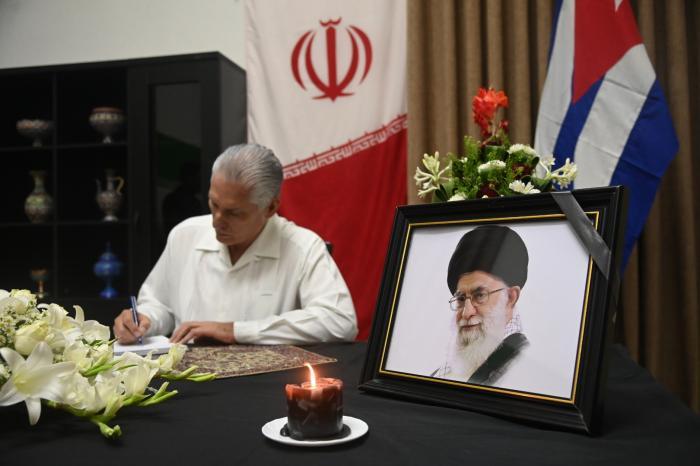
    Cuban President Miguel Díaz-Canel Bermúdez delivered a forceful condemnation of the assassination of Iran’s Supreme Leader during a solemn visit to the Iranian Embassy in Havana on Thursday. The First Secretary of the Communist Party of Cuba characterized the killing of Grand Ayatollah Seyed Ali Khamenei as a “flagrant violation of all norms of international law and human dignity” resulting from what he termed “vile aggression” by the United States and Israel.

    In a carefully orchestrated diplomatic gesture, Díaz-Canel signed the official Book of Condolences while expressing Cuba’s “deep sorrow and grief” over the incident. The Cuban leader memorialized Khamenei as “the outstanding statesman and leader of the Iranian people” who had played a pivotal role in strengthening bilateral relations between Havana and Tehran.

    The president extended formal condolences on behalf of both the Cuban government and citizens, offering sympathy to the late leader’s family, associates, and compatriots. The ceremony at the diplomatic mission featured the presence of Iranian Ambassador Zabihollah Naderi, alongside Cuban Foreign Minister Bruno Rodríguez Parrilla and Director General of Bilateral Affairs Carlos Miguel Pereira Hernández.

    This embassy visit followed earlier statements Díaz-Canel made through social media platforms regarding the February 28th attacks against Iran. The Cuban leader had previously asserted that these actions not only breached international legal standards and the UN Charter but also derailed nuclear negotiation efforts while jeopardizing regional and global stability.

    On March 4th, the president further amplified his criticism via social media, declaring that Cuba aligned with international appeals demanding an immediate cessation of hostilities against Iran and Lebanon. He specifically denounced what he described as “political assassinations and indiscriminate attacks” that have resulted in child casualties and escalated tensions throughout the Middle East.

    Díaz-Canel emphasized Cuba’s diplomatic position advocating for respect toward national sovereignty and territorial integrity across the region. He called for an end to military actions that damage civilian infrastructure and cause human suffering in Arab Gulf states, nations with which Cuba maintains friendly cooperative relations. The Cuban leader reiterated the necessity of upholding principles of neighborly conduct, moderation, and peaceful dialogue during this critical juncture in international affairs.

  • Column: Een rechtszaak die censuur betekent

    Column: Een rechtszaak die censuur betekent

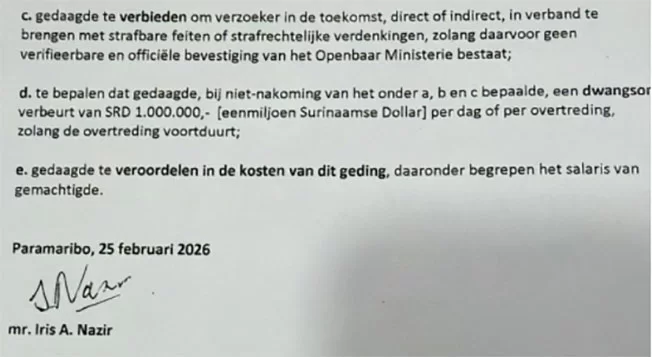
    A landmark legal case in Suriname has ignited serious concerns about press freedom and potential censorship in the Caribbean nation. Burney Brunswijk, a prominent public figure, has initiated legal proceedings against media outlet DTV-Express over their reporting of an official criminal complaint filed against him and Grassalco director Wesley Rozenhout for alleged document forgery.

    The lawsuit demands the complete removal of the article from all DTV-Express platforms, requires a formal retraction, and most alarmingly, seeks to prevent future publications linking Brunswijk to criminal activities without prior official confirmation from the Public Prosecutor’s Office. Legal experts and press freedom advocates have characterized these demands as nothing less than attempted preventive censorship.

    This legal challenge emerges at a critical juncture in Suriname’s democratic development, where journalists have recently intensified investigative reporting on political scandals, potential corruption within state-owned enterprises, and judicial financial irregularities. The media’s professional approach to the Brunswijk case included standard journalistic practices of fact verification and right-of-reply, given that the mere existence of a formal complaint constitutes verifiable news.

    Press freedom advocates argue that requiring media to await official permission before reporting on filed complaints fundamentally undermines democratic principles. Such precedents could force journalists into self-censorship, particularly when covering influential figures. The case now rests with Suriname’s judiciary to determine whether the courts will enable the preemptive restriction of journalistic reporting—a decision with profound implications for the balance between individual reputation rights and society’s right to information in a functioning democracy.