
In Antigua, a case of alleged sexual violence has cast a spotlight on the deep-rooted stigma facing male survivors of assault and failures in institutional response, according to local outlet Antigua News Room. The incident unfolded on the night of a recent Thursday, when the victim accepted an offer of a ride from two men, who are accused of carrying out the sexual attack. Since the alleged assault, the 41-year-old victim has remained in acute psychological distress, his family confirms. Immediately after the attack, he was brought to a licensed physician to receive urgent medical care, and his father has since arranged for him to leave Antigua to receive further support away from the island. The family says the victim chose not to file a formal police report on his own, overwhelmed by the shame and social stigma attached to being a male survivor of sexual violence. While the victim’s sister stepped forward to contact law enforcement and formally lodge the allegation with authorities, the family has growing concerns that the case is not receiving the urgent, appropriate attention it demands. This case highlights a persistent gap in support systems for male survivors of sexual violence across many Caribbean communities, where outdated social norms often push survivors to stay silent rather than come forward to seek justice and care.
作者: admin
-

Towards a strengthening of bilateral relations between Haiti and the Dominican Republic
In a landmark step toward deeper bilateral cooperation, top diplomatic officials from Haiti and the Dominican Republic gathered for a working meeting at the CODEVI Industrial Park in Ounaminthe on September 3, 2026, marking a new chapter in cross-border relations between the two neighboring Caribbean nations.
Haiti’s delegation was headed by Foreign Minister Raina Forbin, who was joined by a cohort of senior diplomatic representatives: Fritz Emmanuel Longchamp, Haiti’s ambassador to the Dominican Republic; Winnie Hugot Gabriel, Chief of Staff; Jean-Claude Lappé, Director of Political Affairs; Yves Rody Jean, Director of Dominican Affairs; and Ricot Almonord, Head of the Haitian Consular Post in Dajabón. Leading the Dominican delegation was Foreign Minister Víctor O. Bisonó Haza, accompanied by key officials including Rubén Silié, Vice Minister of Multilateral Foreign Policy; Francisco Caraballo, Vice Minister of Bilateral Foreign Policy; Ramón Pérez Fermín, Vice Minister in charge of Management and Operations of the Foreign Service; Faruk Miguel, Dominican Ambassador to Haiti; and Jatzel Román, Advisor to the Dominican Foreign Minister.
Talks centered on five critical shared priorities: enhancing border security, cracking down on cross-border illicit economic activity, addressing migration coordination, formalizing bilateral trade and investment frameworks, and expanding commercial air connectivity between the two countries. Both ministers reached consensus on the urgent need to reinforce existing cooperation mechanisms to upgrade border governance and migration management, with a core commitment to upholding the sovereign interests of both nations throughout all collaborative efforts.
Beyond border and economic issues, both delegations also underlined the critical importance of sustained international backing for the Haitian Gang Suppression Force (GSF). The two sides agreed to continue collective advocacy for the full operational deployment of the GSF—established under United Nations Security Council Resolution 2793—and to push for the renewal of the force’s mandate. These efforts are designed to support Haitian national authorities in restoring widespread public security, strengthening state institutional capacity, and laying the foundational conditions for long-term, lasting peace across Haiti.
On the topic of Dominican consular operations within Haiti, both parties reaffirmed their shared commitment to fully normalizing services as quickly as possible, once regional security conditions meet the threshold required for safe, consistent operation of consular facilities in their respective jurisdictions.
Following the formal bilateral working session, the two diplomatic delegations held a separate meeting with private sector stakeholders from both countries. Discussions in this session focused on expanding cross-border productive activity, generating new shared employment opportunities, accelerating mutually beneficial economic exchange, and leveraging the private sector as a core driver of stronger bilateral relations between the two nations.
The entire summit unfolded in a warm, cordial atmosphere, with both sides reaffirming their long-standing commitment to maintaining open, active bilateral dialogue as the primary channel for addressing shared challenges and advancing mutual interests. This commitment is rooted in a foundational spirit of mutual respect, targeted cooperation, and good neighborliness that will guide future engagement between Haiti and the Dominican Republic.
-
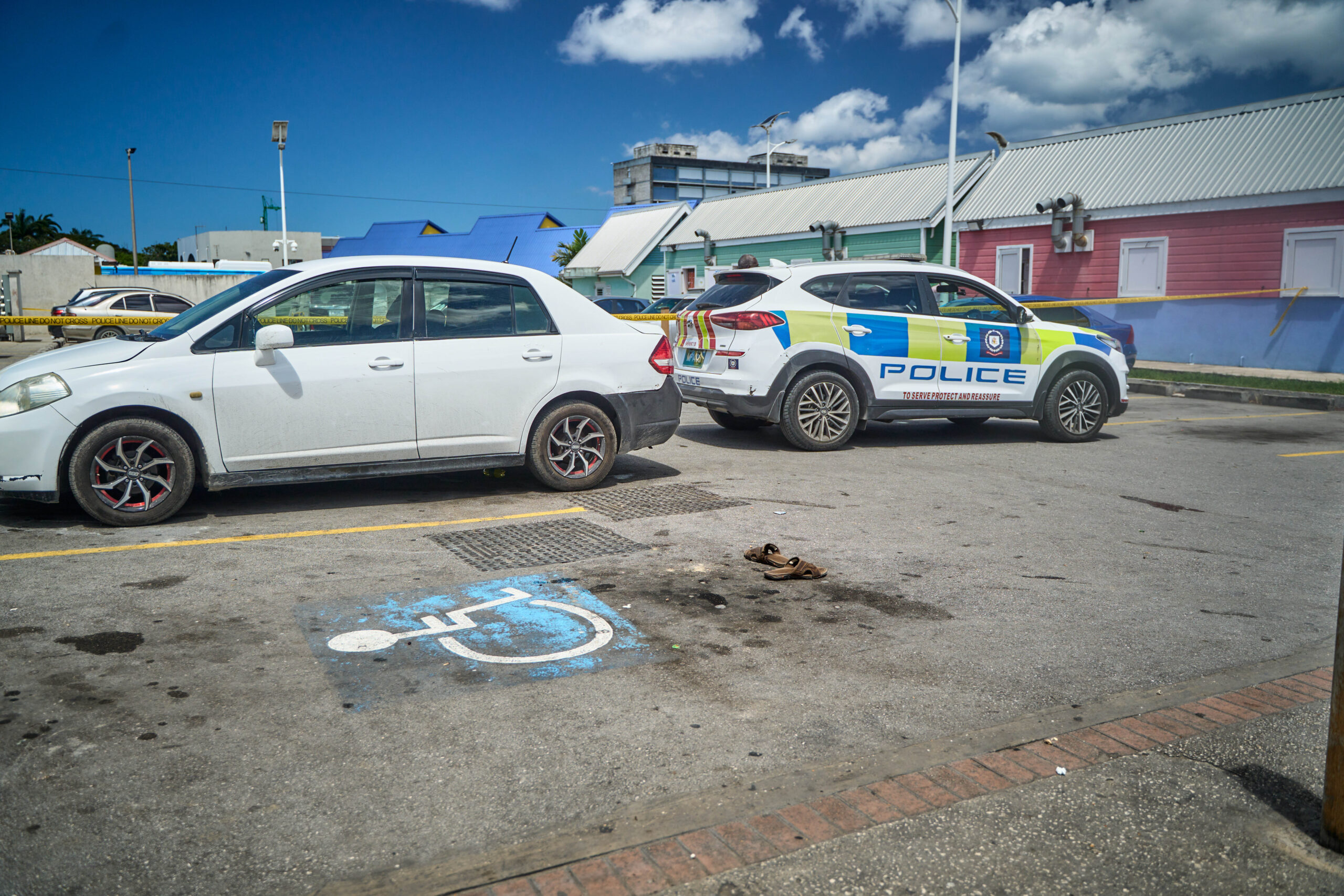
Ivy man identified as victim of Fairchild Street stabbing
A fatal stabbing incident near the Vendors Market on Fairchild Street has left one man dead, and authorities in Barbados are now working to piece together the details of what unfolded on Wednesday morning. Local law enforcement has officially identified the deceased as Andre Jamal Harry, a 42-year-old resident of 1st Avenue, Ivy, St Michael.
According to official statements from the Barbados Police Service, early investigative work shows the violence broke out around 9 a.m., when a verbal dispute between several men escalated into a physical confrontation. During the clash, Harry sustained multiple penetrating stab wounds that quickly proved life-threatening.
Unlike typical emergency transport, Harry was carried to the island’s main care facility, Queen Elizabeth Hospital, via a public service vehicle. Despite medical teams’ efforts to stabilize and treat his injuries, he was pronounced dead shortly after arriving at the hospital.
In the days following the incident, investigators have made early progress in the case: a person of interest is currently cooperating with law enforcement to help answer remaining questions about the confrontation. However, police are still reaching out to members of the public who may have been in the area at the time of the stabbing, as their accounts could be critical to closing the case.
Any individual who witnessed the altercation, or who holds any details that could advance the investigation, is encouraged to reach out to law enforcement through multiple confidential channels. Options include contacting Crime Stoppers directly at 1-800-8477, the 24/7 Police Emergency line at 211, or the Criminal Investigations Department Central office at either 430-7189 or 430-7190. Authorities have emphasized that every piece of information submitted will be held in strict confidence, to protect witnesses and encourage open cooperation with the investigation.
-

OPINION: It Is Not Complicated
Just days ago, commentator Yves Ephraim offered a framework to resolve the ongoing standoff between independent gas station operators and the government of Antigua and Barbuda, centered on a temporary reallocation of the recently enacted $2 per gallon fuel price increase. Under his proposal, station owners would immediately retain $0.50 of that per-gallon increase, with the arrangement expiring automatically if global crude oil prices fall to a pre-agreed threshold.
Ephraim’s initial proposal was crafted to deliver a rapid, mutually beneficial resolution that addresses pressing financial pressures on independent operators. The urgency of a quick fix stems from growing accumulated losses that, if left unaddressed over multiple months, could force owners to lay off fuel pump attendants. A key driver of these losses is a well-documented dynamic: when fuel prices rise, credit and debit card merchant fees, which are calculated as a percentage of the total transaction value, increase automatically, turning incremental price hikes into direct bottom-line losses for operators.
In the time since Ephraim published his first analysis, the Antigua and Barbuda government announced a new plan: it will lobby local commercial banks to slash merchant fees for gas station transactions down to just 1%. While the policy goal of reducing operators’ costs is welcome, Ephraim argues the approach is riddled with practical and structural obstacles that make it unworkable in the short term.
First, the proposal raises major technical questions about existing banking infrastructure. Can local banks’ core processing systems actually implement tiered merchant fee rates that vary by industry or customer type? Even if the technology can be adjusted, would the cost of reconfiguring these systems make the change uneconomical for the institutions?
Second, the plan sets a problematic precedent that could trigger broader industry demands. If banks grant a reduced rate to gas stations, operators in other sectors facing similar cost pressures would almost certainly demand the same preferential treatment. Opening the door to segmented fee rates would create a wave of requests that could upend the local banking sector’s existing fee structure, with no clear end to the demands.
Most critically, the entire negotiation and approval process is inherently slow. Even if all parties moved forward in good faith, the policy would take months to implement – and every passing day adds more to gas station owners’ mounting losses.
Ephraim emphasizes that he supports lower merchant fees in principle, but a pragmatic look at the local financial ecosystem shows the 1% target is unachievable. The cost of doing business in Antigua and Barbuda is already extremely high, and banks note that existing 3.5% to 4% merchant fees already cover significant costs including chargebacks and fraud losses. What is more, local banks do not keep the entire fee charged to merchants: a large portion is split between third-party payment processors and global card network operators like Visa and Mastercard.
Based on industry knowledge, Ephraim estimates that Visa alone captures roughly 1.15% of every transaction in fees, while local processor Caribbean Credit Card Corporation (4CS) takes at least another 1%. Before accounting for the local bank’s own share of the fee, more than 2.15% is already allocated to outside service providers. This means a mandated 1% total fee is mathematically impossible, and the lowest realistic rate banks could offer would still land above 3% – far too high to meaningfully relieve gas station operators’ financial strain.
The bureaucratic process only adds further delays. Before banks can even respond to the government’s proposal, executive teams would need to run detailed revenue impact simulations, then present the results to their boards of directors for approval. Each step of this process takes weeks at minimum. With gas currently selling for $16.50 per gallon, the cumulative losses will push increasingly cash-strapped operators toward drastic action long before any agreement can be reached.
Ephraim reaffirms that his original proposal delivers immediate, targeted relief that could take effect as early as the day an agreement is reached. By allowing gas station owners to keep $0.50 of the $2 per gallon price increase on a temporary basis, the plan addresses the immediate loss issue while still delivering benefits to the government, which holds a 51% stake in the West Indies Oil Company (WIOC) and will still collect dividend revenue from the remaining portion of the price increase. The framework delivers the urgent win-win outcome that all stakeholders need right now.
-
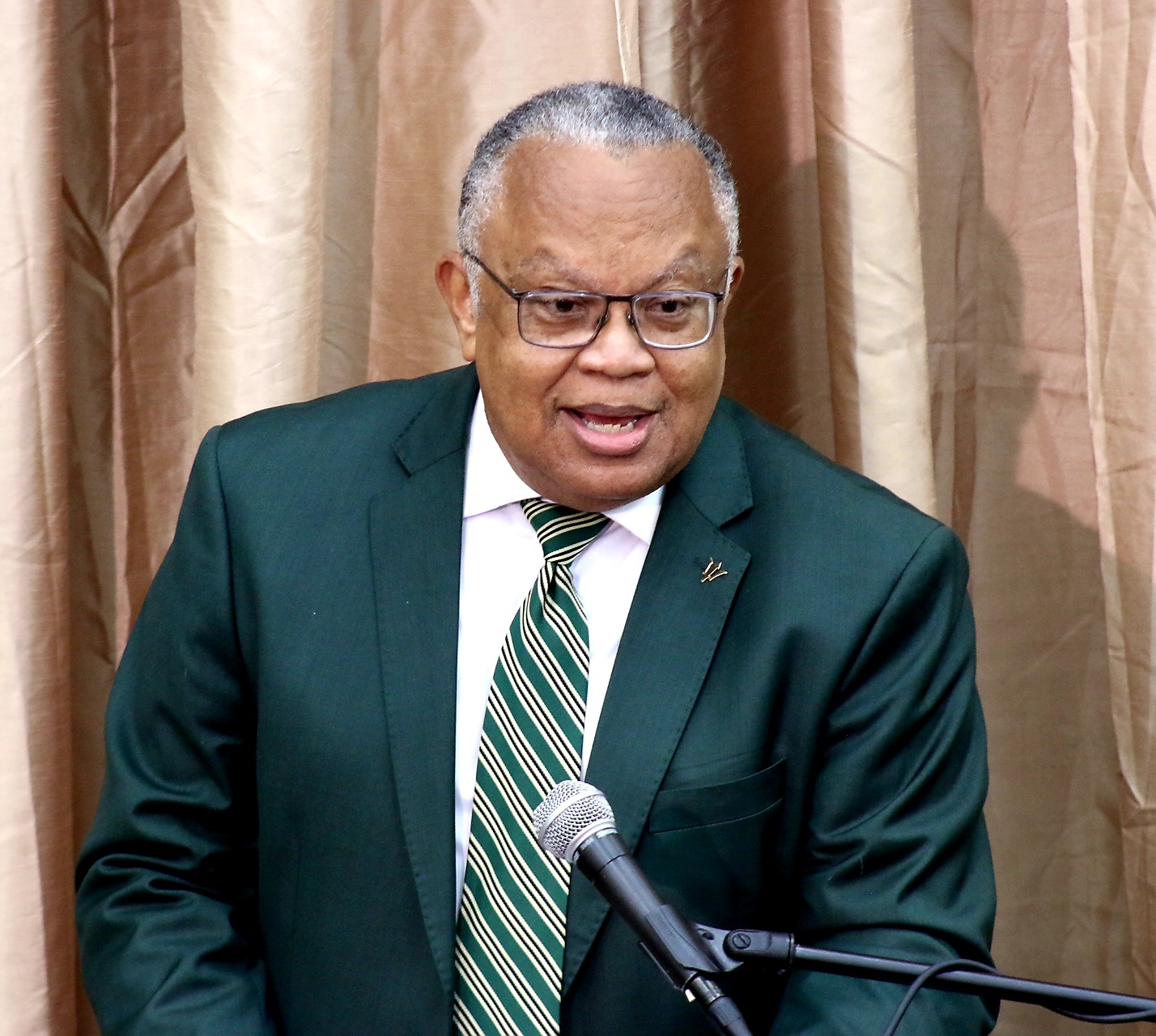
QEH expansion targets chronic lab, bed shortages
Barbados is poised to undertake a sweeping, multi-year modernization project for its primary public healthcare facility, the Queen Elizabeth Hospital (QEH), backed by $175 million in development bank financing. Senior Minister for Social and Environmental Policy Senator Dr. Jerome Walcott outlined the urgent needs and planned transformations during a recent community and stakeholder consultation focused on the QEH/Enmore redevelopment, a 42-month initiative that will reshape the island nation’s tertiary healthcare capacity over the next three to four years.
For decades, QEH has grappled with systemic gaps that have compromised its ability to deliver high-quality care to Barbadian residents, Dr. Walcott revealed. Longstanding challenges include overcrowded inpatient areas, chronic bed shortages, outdated and undersized laboratory infrastructure, limited access to comprehensive cancer care, and a critical gap in specialized burn treatment – a gap that has already resulted in preventable deaths. Decades ago, the hospital operated a functional burn unit, but that service was discontinued, leaving the island without capacity to treat severe burn injuries locally. In the most recent four serious burn cases, all patients required emergency airlift to Panama for specialized care, and none survived, according to Dr. Walcott, a former practicing physician at QEH. He emphasized that a 21st-century tertiary hospital cannot credibly claim to serve the public without a dedicated burn unit, which provides specialized intensive care that is standard across North America and Europe. “When I was a doctor years ago at the hospital, there was a burns unit, and I believe as we go forward in the 21st century to speak of having a tertiary hospital and not having a burn unit, you’re making fun,” he said.
The most neglected part of the current facility is the hospital’s laboratory, which has suffered from unresolvable mould infestation since before the COVID-19 pandemic. Years of targeted repairs, reconfigurations, repeated industrial cleaning, and in-house maintenance efforts by QEH’s engineering team have failed to eliminate the mould, creating unsafe working conditions for staff and compromising testing reliability. A 2020 independent assessment of the facility identified two potential solutions: reallocate existing space by moving other departments to expand the current lab, or construct an entirely new laboratory facility. Stakeholders have now finalized a decision to build a new, purpose-built lab, addressing the persistent safety and capacity issues.
The redevelopment project, centered at the Enmore site, will add two new multi-story towers to the QEH campus. The first tower will house the upgraded outpatient department and the new state-of-the-art laboratory, while the second will be dedicated to oncology services and hospital administrative offices. For inpatient care, the project will add four entirely new wards with 96 additional beds to alleviate chronic overcrowding. Outpatient services will also be expanded to offer dedicated, separate space for specialized clinics including otolaryngology (ENT), neurology, and paediatrics, with new on-site equipment for EEG and EMG diagnostic testing.
A core priority of the expansion is closing gaps in cancer care that currently force many patients to travel overseas for life-saving treatment. The project will add critical specialized oncology infrastructure including a new Positron Emission Tomography (PET) scanner, an updated Gamma CT scanner, and a dedicated brachytherapy facility. For the first time, Barbados will also acquire a cyclotron to produce its own radiopharmaceuticals – radioactive compounds used both for diagnostic imaging and targeted cancer treatment. Chemotherapy treatment capacity will also be scaled up, allowing the facility to treat 10 to 12 patients simultaneously, cutting wait times and reducing the need for off-island care.
Dr. Walcott framed the $175 million transformation as a strategic investment that will strengthen the resilience of Barbados’ entire national health system. Beyond improving care for local residents, the project aims to restore Barbados’ historic role as the leading medical referral hub for complex cases across the Eastern Caribbean. The recent consultation is part of ongoing stakeholder engagement as the government prepares to launch construction and finalize project planning for the large-scale redevelopment.
-
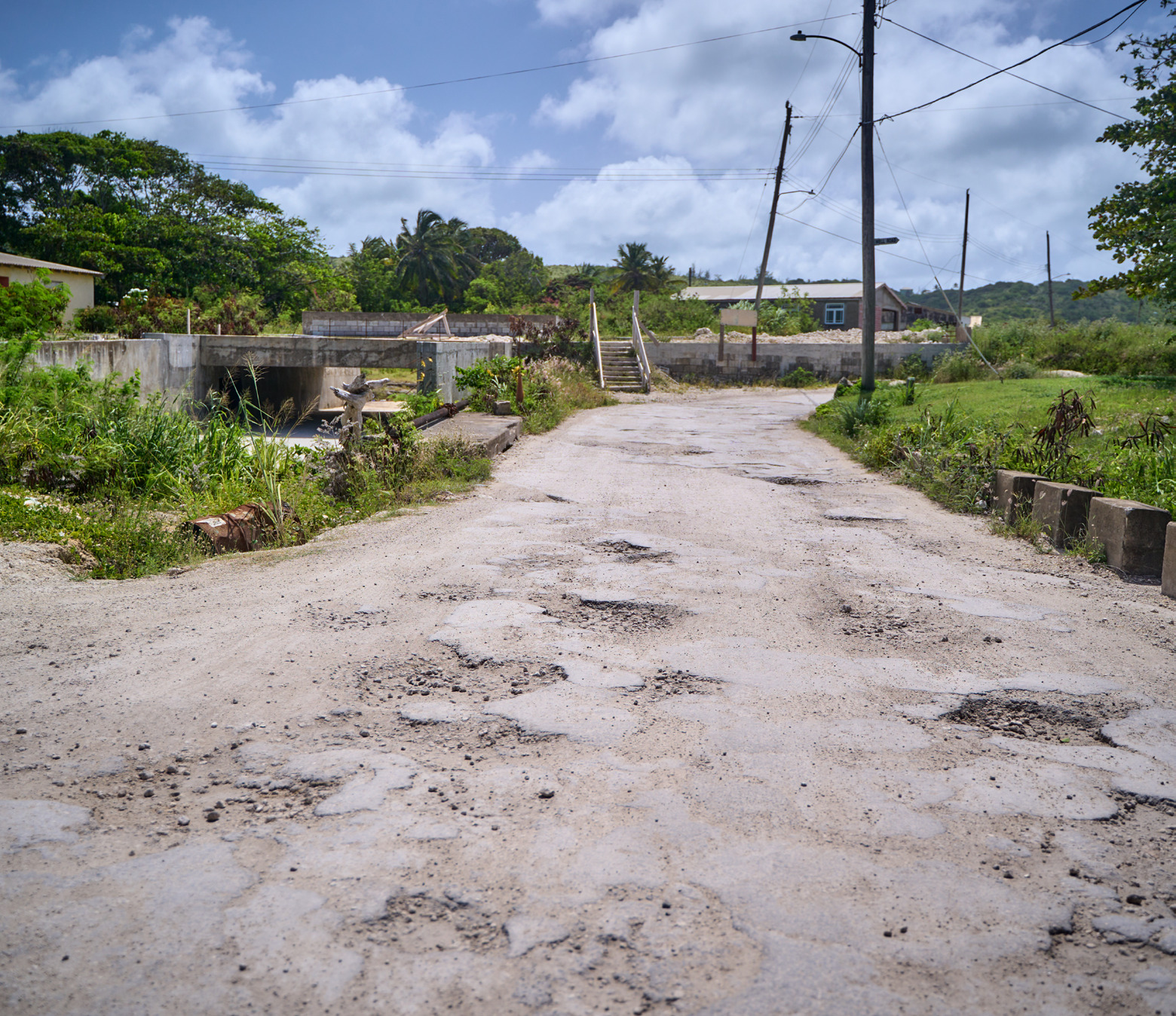
Clearer water but poor roads frustrate St Lucy folk
Residents of two northern Barbados communities, Checker Hall and Six Men’s in the parish of St. Lucy, are finally seeing tangible improvements to their drinking water quality and supply pressure after months of complaints about discolored, low-flow water. However, long-running grievances over dangerously deteriorated roads leading to the nearby settlement of Pie Corner continue to go unresolved, leaving local motorists and pedestrians at constant risk.
The progress on water services follows a site visit to the Barbados Water Authority (BWA)’s Alleynedale treatment facility last week, where agency officials met with community representatives to address ongoing concerns. At that meeting, BWA leadership confirmed that the tap water that had been turning brown for local households still meets all World Health Organization (WHO) safety standards for drinking, even when discolored. BWA Water Resources Manager Alex Ifill explained that the authority has rolled out a dual strategy to target the discoloration issue, and that the situation has improved dramatically across the district since interventions began.
When Barbados TODAY reporters visited Checker Hall this week, many local residents confirmed the noticeable upgrades to their water service. Long-time resident Valerie Husbands said the change has transformed daily life for her household. “You see a little improvement, but some days, for a few hours sometimes, it may come a little brown, but not like before,” Husbands explained. “It’s good now because we’re getting plenty of water right now. I can wash clothes now. We couldn’t wash clothes before. The last two months right here it come clear so we can wash.”
Fellow resident Michael Husbands echoed that positive assessment, noting that water is now consistently clear and supply pressure has returned to a usable level after years of low pressure. “Some days it’d be a little off…like with the smell a little. I ain’t got no filter or anything and it’s clear,” he said. “The pressure is pretty good too, because before the water pressure was real low, you know, and the quality of the water was like brown. There’s one or two areas that I still hear people complain. That’s a little minority though.”
Despite this widespread progress on water services, the unresolved state of the roads leading into Pie Corner has continued to frustrate local resident Roger Feliciano, who says the dangerous conditions pose a daily threat. While Feliciano acknowledged the incremental improvements to water service, noting occasional minor discoloration that residents have learned to adapt to, he emphasized that the road crisis demands urgent government action. “However, the roads are awful. The roads are awful straight up to Pie Corner,” Feliciano said.
He explained that the dangerous conditions were created months ago, when crews from the Ministry of Transport and Works (MTW) excavated sections of the roadway for infrastructure work, but never completed repairs or refilled the excavated trenches. The unmarked pits create a major hazard for drivers, who often do not see the hazard until it is too late to avoid it. “What I find is that MTW men dug out about five to six inches of the road straight across the road, they don’t put the cones to show you that they dug out anything, and they have not refilled them or anything like it… didn’t patch them or anything like it,” Feliciano said. “Sometimes you are driving in and you forget and [drop] into a hole. The roads in Pie Corner are terrible.”
-

TPS : Poignant appeal from Bishop Dumas to President Trump
In the wake of the Trump administration’s termination of Temporary Protected Status (TPS) for Haitian migrants, the United States has seen a sharp spike in forced deportations of Haitian nationals back to their crisis-stricken home country. Designed as a humanitarian safeguard, the TPS program has long offered protection to foreign-born migrants whose home nations face catastrophic conditions — from armed conflict and natural disasters to large-scale humanitarian collapse — that make safe repatriation impossible. Now, facing what he calls an ongoing public and humanitarian emergency, one of Haiti’s senior Catholic leaders has issued a urgent, public plea to former U.S. President Donald Trump to reverse course on the TPS cancellation.
Bishop Pierre-André Dumas, who leads the Diocese of Anse-à-Veau-Miragoâne and serves as vice president of Haiti’s Episcopal Conference, recently outlined the urgency of the crisis in an interview with Vatican News, explaining why he felt compelled to break his public silence and deliver a formal letter to Trump directly. “The core question we must answer is this: Is Haiti today a country where any person can be deported safely?” Dumas said. “The reality on the ground gives us a devastating, undeniable answer: No.”
In his formal appeal to the former president, Dumas emphasized that Haiti’s ongoing political, economic, and security collapse leaves it completely unfit to absorb large numbers of returning deportees. “Mr. President, we respectfully ask you to reconsider the status of all Haitian migrants impacted by the suspension of TPS, and to deploy every legal and humanitarian tool at your disposal to halt forced repatriations for as long as Haiti remains in this gravely unstable, dangerous state,” his letter reads.
Dumas went on to highlight the deep social and economic contributions Haitian TPS beneficiaries have made across the United States, noting that these migrants work full-time jobs, contribute to federal and local tax systems, raise their families, participate actively in local faith and community groups, and add tangible value to American society every day. Many of these migrants, he added, are parents to U.S.-born children who hold American citizenship by birthright.
The bishop stressed that the appeal does not seek to violate U.S. law or undermine national border security. “We are not asking the United States to abandon its own laws, nor are we asking the United States to compromise the security of its borders,” he wrote. “We are simply asking the United States to apply its own frameworks with humanity when human lives hang in the balance.”
The termination of Haitian TPS followed a 2025 Supreme Court ruling that cleared the way for the Trump administration to revoke the protected status, triggering a wave of deportation operations that have already seen multiple repatriation flights carry Haitian migrants back to their home country. Regional and international human rights bodies, including the Inter-American Commission on Human Rights, have already raised public alarms over the policy, with multiple reports documenting abusive treatment of deportees during transport back to Haiti.
-
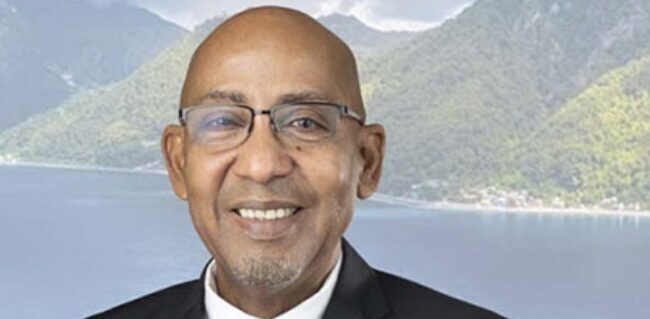
Government reaffirms commitment to strengthening primary healthcare
The Caribbean island of Dominica is advancing its long-term goal of building a healthier, more climate-resilient nation by placing primary healthcare at the center of its public investment strategy, according to the country’s Minister of Finance, the Honourable Dr. Irving McIntyre.
Dr. McIntyre made his remarks during an official ceremony to commission the newly renovated Savanne Paile Health Centre, which has been formally renamed the Nurses’ Parillon and Peter Health Centre to honor the contributions of local nursing and community health leaders. The event marks another milestone in the government’s island-wide initiative to overhaul Dominica’s community healthcare infrastructure, a program that has already delivered more than 12 newly constructed or fully upgraded modern health and wellness centers across rural and urban communities.
Speaking to attendees at the ceremony, Dr. McIntyre outlined the core principle guiding the government’s public health investment: that high-quality essential healthcare must be accessible to every Dominican, no matter their geographic location or economic standing. For decades, many community health facilities across the island suffered from outdated design, limited space, and inadequate infrastructure that could not meet the growing and changing health needs of local populations. Under the current initiative, these aging facilities are being either replaced with new purpose-built centers or extensively renovated to align with 21st-century public health standards.
The Nurses’ Parillon and Peter Health Centre is a model example of this transformation. The upgraded facility now features expanded, improved spaces for a full range of community-focused health services, including general patient consultations, maternal and child health care, routine immunization programs, public health education outreach, and ongoing management of chronic conditions. Beyond better care for patients, the renovation also addresses longstanding gaps in working conditions for local healthcare staff, providing them with safer, more functional environments to carry out their duties.
However, Dr. McIntyre emphasized that building a robust, effective primary healthcare system requires far more than just modern physical infrastructure. To deliver consistently high-quality care to patients, medical personnel need access to well-maintained, up-to-date medical equipment, a steady supply of essential medicines, reliable administrative and clinical systems, and consistent institutional support from the government. The finance minister stressed that the true success of the government’s investment will not be measured by the size or appearance of new facilities, but by the standard of care that patients experience when they access services at these centers.
“A 21st-century health system that serves all people can only be achieved when we pair upgraded infrastructure with skilled, dedicated professionals and a patient-centered approach rooted in compassion and efficiency,” Dr. McIntyre said, reaffirming the government’s commitment to continuing investments in public health across Dominica.
-
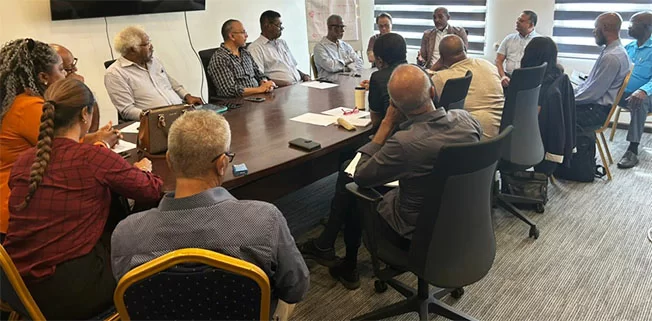
Bedrijfsleven wil 10 tot 15 MW extra zonne-energie realiseren
Suriname is facing a persistent and worsening national electricity crisis that has forced ongoing rolling blackouts for businesses and households, with peak-hour power deficits exceeding 30 megawatts (MW) amid drought-related strain on hydropower infrastructure. In response to the emergency, the country’s private sector has launched a collaborative initiative alongside financial institutions and the national government to add 10 to 15 MW of new generating capacity, leaning into expanded solar power paired with battery storage to let businesses meet a large share of their own energy demand.
The urgent plan was formally presented during an emergency emergency consultation convened by the Suriname Energy Chamber (SEC) on Thursday at Paramaribo’s Het Park venue. Stakeholders in attendance included representatives from national utility giant N.V. Energiebedrijven Suriname (EBS), energy regulator the Energie Autoriteit Suriname (EAS), private industry associations, civil society groups, organized labor, and independent energy experts.
SEC Chair Orlando Olmberg emphasized that the country’s long-running electricity shortages can no longer be addressed through fragmented, siloed action. He argued that sustained, structural solutions will only emerge from coordinated collaboration between the national government, the formal energy sector, financial institutions, and private industry.
Meeting participants unanimously confirmed that ongoing rolling blackouts have inflicted widespread, significant economic and daily harm to both commercial operations and residential households. In the current crisis, EBS is forced to continuously monitor real-time consumption to prevent the entire national grid from collapsing under unsustainable strain.
A core pillar of the private sector’s proposal is expanding on-site self-generation for businesses, with a primary focus on solar energy integrated with utility-scale Battery Energy Storage Systems. Battery storage allows excess solar power generated during off-peak daylight hours to be stored and deployed during periods of high grid demand, reducing strain on the centralized network. Negotiations with the national government, EBS, and financing partners are now underway to finalize the regulatory and financial terms that will enable the private sector to deliver the targeted 10 to 15 MW of new capacity. The SEC confirmed that multiple private companies have already advanced project planning for an initial pipeline of developments that would deliver roughly 2 MW of capacity in the near term.
EAS representative Anand Kalpoe echoed the broad consensus that rapid expansion of national generating capacity is a non-negotiable priority. Meeting participants also called for the release of reliable, up-to-date, audited data for the entire energy sector, including EBS’s full annual reports and clear disclosures of actual operational generating capacity across the country’s infrastructure. Stakeholders also put forward a proposal to open up more space for private investors to develop power generation from alternative energy sources, under a model that would keep distribution operations under EBS control while allowing multiple independent power producers to supply the national grid. Energy experts noted that any market restructuring would need to account for the country’s existing energy subsidy regime and current tariff structure to avoid unintended harm to consumers.
The urgent push for new capacity is also driven by projected growth in electricity demand that will exacerbate existing shortages without proactive action. Business associations including ASFA, SHATA, AKMOS, KKF, VES, and the Suriname Business Forum have agreed that businesses will share early projections of their future energy needs to support long-term grid planning. Planned tourism development alone, which includes the construction of 6 to 9 new hotels, is projected to require at least 10 MW of additional generating capacity. Without timely, targeted planning, this new demand will only increase pressure on an already overstretched electricity system.
A small technical working group of energy experts has now been convened to assess how the private sector and government can deliver the new capacity in the shortest possible timeline, integrating both near-term business demand projections and the government’s existing long-term structural energy plans into the final framework.
Meeting participants stressed that expanding generation alone will not be enough to resolve the crisis; energy conservation must also be a core component of the national response. The proposal calls for the national government to develop and publish a national energy conservation plan within 2 to 3 months, with regular monitoring to ensure conservation targets are met.
Proposed conservation measures include turning off unnecessary air conditioning units in public and commercial spaces, and outfitting the rooftops of all government buildings with solar panels to offset public sector energy demand. Participants also called on the national government and all parastatal organizations to settle their outstanding unpaid utility debts to EBS, which have strained the utility’s ability to maintain and expand infrastructure. Organized labor additionally called for greater transparency around water management for the key Afobaka Dam, which has seen its hydropower output constrained by ongoing drought that requires careful stewardship of remaining water reserves. Labor has also urged residential consumers to adopt intentional, reduced energy use during peak demand periods to ease strain on the grid.
Short-term emergency measures are designed to lay the groundwork for broader, long-term reform of the entire electricity sector. The SEC confirmed that the government is currently finalizing a national Electricity Sector Plan, which will set a clear strategic direction for the future development of the country’s electricity supply. Olmberg emphasized that the emergency consultation must now be followed up with binding concrete agreements and immediate implementation. The cumulative economic damage caused by repeated rolling blackouts makes it essential, he argued, for government and industry to not only pursue temporary fixes but also invest in sufficient long-term generation capacity to support sustained economic growth.
-

New agriculture scholarship awarded to three BCC students
Three associate degree students at Barbados Community College (BCC) have become the first beneficiaries of a newly launched agriculture scholarship that will cover all remaining registration fees for their programs, opening new doors for young talent invested in the island’s agricultural future.
Named the Lion Roy Ward Scholarship, the initiative was developed through a year-long partnership between BCC and the Lions Club of Barbados North, created to honor the club’s founding charter president, the late Elkins Leroy Ward—universally known as Lion Roy—who spent decades advancing Barbados’ agricultural sector. The scholarship was formally awarded during an official presentation ceremony held Wednesday.
The three selected recipients are Delano Lorde, Traude Walton and Joshua Yearwood. Each brought diverse agricultural interests that reflect the modern evolution of the industry: one focuses on dairy farming, another on entomology, and the third on integrating artificial intelligence into agricultural practices.
Dr. Arlyn Linton-Jones, Acting Senior Tutor in BCC’s Division of Natural Sciences, explained that the project filled a longstanding gap for agriculture students at the institution, which had not previously offered a dedicated scholarship for the field. Over 12 months, the college and the Lions Club worked to finalize eligibility criteria, selection processes and funding structures to bring the award to fruition. “We have worked on this scholarship, getting all the requirements in place… where we can officially reward these students,” she noted.
Louis Ifill, chair of the Lions Club of Barbados North Special Projects Committee, said advancing agricultural development and strengthening Barbados’ food security were core motivations for creating the scholarship, a mission directly aligned with Ward’s life’s work. “He was deeply involved in the production of sugar cane, various ground provisions, vegetables and also dairy farming as well,” Ifill shared. Beyond crop production, Ward helped grow the island’s iconic Sea Island cotton industry, was once Barbados’ largest dairy farmer, and counted among the first milk suppliers to the prominent local brand Pine Hill Dairy. He also made his mark in agricultural leadership: he was the first appointed chairman of the Barbados Agricultural Development Company and contributed to a landmark government project that launched the national school meals programme back in 1962. Most importantly, Ifill added, nurturing the next generation of agricultural professionals was one of Ward’s greatest passions.
To earn the award, applicants were required to hold a minimum grade point average of 3.0 and submit a detailed essay outlining their long-term career plans for agriculture in Barbados. Shortlisted candidates then moved forward to personal interviews with the Lions Club selection panel before the three winners were chosen.
Ward’s daughter, Linda Ward-Bowen, called the scholarship a perfect tribute to her father’s lifelong dedication to the sector. She recalled his core belief that still resonates amid ongoing conversations about food sovereignty: “One of the things he used to say all the time was ‘you should grow what you eat and eat what you grow, that way you would never starve.’”
BCC Deputy Principal Samuel Bowen framed the scholarship as more than just immediate financial relief for students; it is a strategic investment in Barbados’ agricultural future. He noted the launch comes at a particularly meaningful moment, as the first cohort of students officially began studies this week at the new Hope Agricultural Training Institute in St Lucy, marking a broader push to expand agricultural education across the island.
Speaking on behalf of the three recipients, Traude Walton expressed gratitude to BCC staff and the Lions Club for recognizing the students’ potential and investing in their education. “Having our registration cost covered throughout the remainder of our associate degree was a major help to us and it will allow us to focus even more on our studies,” he said, adding that all three awardees plan to apply their education to drive growth and innovation in Barbados’ agricultural sector.