作者: admin

  • Investigation into foiled terrorist infiltration attempt moves forward. U.S. authorities express willingness to cooperate

    Investigation into foiled terrorist infiltration attempt moves forward. U.S. authorities express willingness to cooperate

    Cuban authorities have confirmed significant developments in an ongoing terrorism investigation, revealing both domestic progress and international dimensions to the case. The Ministry of Interior reported that forensic and investigative procedures are advancing under Cuban legal frameworks to fully clarify the events and establish the involvement of all perpetrators.

    Investigators have obtained statements from detained suspects alongside comprehensive investigative procedures that have strengthened evidence against them. The inquiry has further uncovered new elements suggesting the participation of additional individuals based in the United States, adding an international dimension to the case.

    The Cuban government has maintained consistent communication with U.S. authorities throughout the investigation. On March 2, 2026, American officials expressed through diplomatic channels their commitment to fully cooperate in the investigation. This collaboration may encompass information and evidence exchange, alongside other joint investigative actions.

    Given the serious nature of the events and the global threat posed by terrorism, Cuban authorities emphasized their historical stance on international cooperation in confronting this universal danger. The government considers reciprocal collaboration a duty in addressing security threats that endanger all humanity.

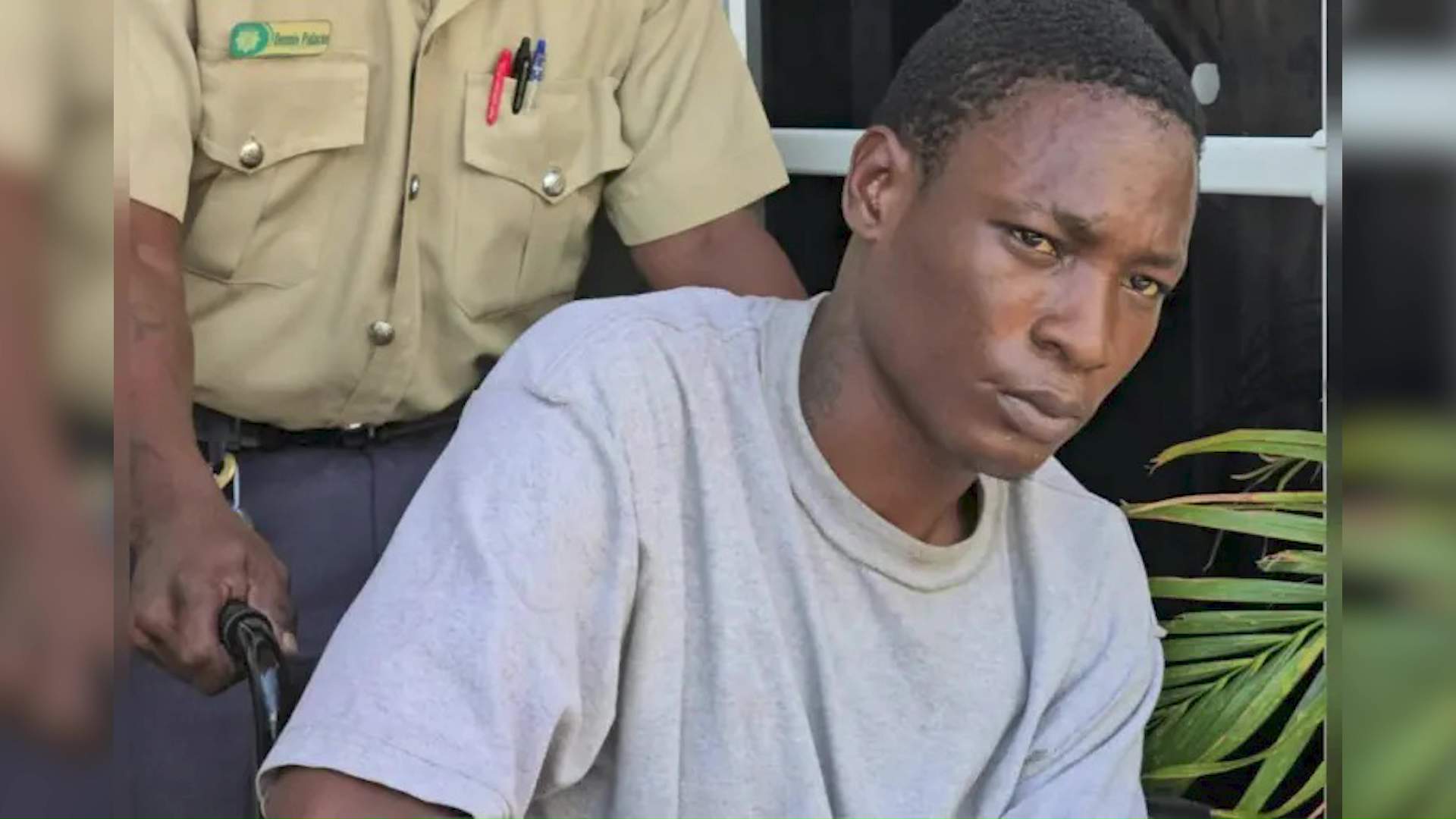
    Regarding the detained individuals, authorities confirmed that injured suspects continue receiving specialized medical care appropriate to their health conditions and injury severity. The ministry additionally disclosed that one detainee, Roberto Álvarez Ávila, succumbed to his injuries on March 4, 2026.

    The Ministry of Interior, in its March 5 statement, committed to keeping the public informed as the investigation progresses, underscoring the transparency of the process despite the sensitive nature of the security matter.
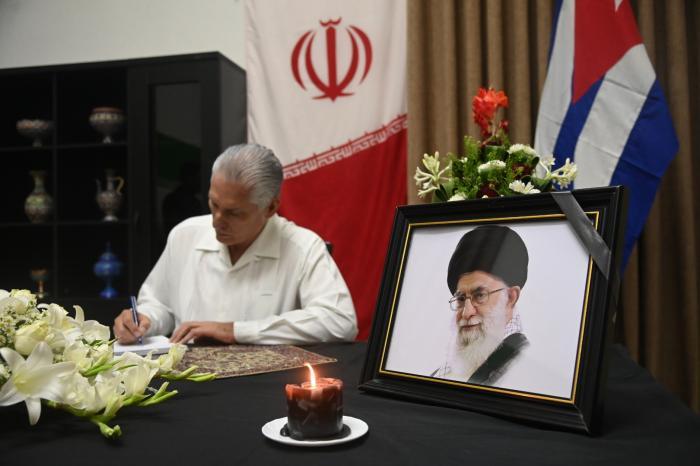
  • Cuban President signs book of condolences in honor of Grand Ayatollah Ali Khamenei

    Cuban President signs book of condolences in honor of Grand Ayatollah Ali Khamenei

    Cuban President Miguel Díaz-Canel Bermúdez delivered a forceful condemnation of the assassination of Iran’s Supreme Leader during a solemn visit to the Iranian Embassy in Havana on Thursday. The First Secretary of the Communist Party of Cuba characterized the killing of Grand Ayatollah Seyed Ali Khamenei as a “flagrant violation of all norms of international law and human dignity” resulting from what he termed “vile aggression” by the United States and Israel.

    In a carefully orchestrated diplomatic gesture, Díaz-Canel signed the official Book of Condolences while expressing Cuba’s “deep sorrow and grief” over the incident. The Cuban leader memorialized Khamenei as “the outstanding statesman and leader of the Iranian people” who had played a pivotal role in strengthening bilateral relations between Havana and Tehran.

    The president extended formal condolences on behalf of both the Cuban government and citizens, offering sympathy to the late leader’s family, associates, and compatriots. The ceremony at the diplomatic mission featured the presence of Iranian Ambassador Zabihollah Naderi, alongside Cuban Foreign Minister Bruno Rodríguez Parrilla and Director General of Bilateral Affairs Carlos Miguel Pereira Hernández.

    This embassy visit followed earlier statements Díaz-Canel made through social media platforms regarding the February 28th attacks against Iran. The Cuban leader had previously asserted that these actions not only breached international legal standards and the UN Charter but also derailed nuclear negotiation efforts while jeopardizing regional and global stability.

    On March 4th, the president further amplified his criticism via social media, declaring that Cuba aligned with international appeals demanding an immediate cessation of hostilities against Iran and Lebanon. He specifically denounced what he described as “political assassinations and indiscriminate attacks” that have resulted in child casualties and escalated tensions throughout the Middle East.

    Díaz-Canel emphasized Cuba’s diplomatic position advocating for respect toward national sovereignty and territorial integrity across the region. He called for an end to military actions that damage civilian infrastructure and cause human suffering in Arab Gulf states, nations with which Cuba maintains friendly cooperative relations. The Cuban leader reiterated the necessity of upholding principles of neighborly conduct, moderation, and peaceful dialogue during this critical juncture in international affairs.

  • Column: Een rechtszaak die censuur betekent

    Column: Een rechtszaak die censuur betekent

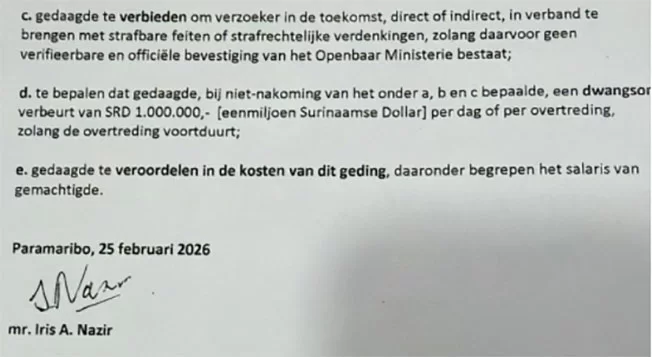
    A landmark legal case in Suriname has ignited serious concerns about press freedom and potential censorship in the Caribbean nation. Burney Brunswijk, a prominent public figure, has initiated legal proceedings against media outlet DTV-Express over their reporting of an official criminal complaint filed against him and Grassalco director Wesley Rozenhout for alleged document forgery.

    The lawsuit demands the complete removal of the article from all DTV-Express platforms, requires a formal retraction, and most alarmingly, seeks to prevent future publications linking Brunswijk to criminal activities without prior official confirmation from the Public Prosecutor’s Office. Legal experts and press freedom advocates have characterized these demands as nothing less than attempted preventive censorship.

    This legal challenge emerges at a critical juncture in Suriname’s democratic development, where journalists have recently intensified investigative reporting on political scandals, potential corruption within state-owned enterprises, and judicial financial irregularities. The media’s professional approach to the Brunswijk case included standard journalistic practices of fact verification and right-of-reply, given that the mere existence of a formal complaint constitutes verifiable news.

    Press freedom advocates argue that requiring media to await official permission before reporting on filed complaints fundamentally undermines democratic principles. Such precedents could force journalists into self-censorship, particularly when covering influential figures. The case now rests with Suriname’s judiciary to determine whether the courts will enable the preemptive restriction of journalistic reporting—a decision with profound implications for the balance between individual reputation rights and society’s right to information in a functioning democracy.

  • Dominican Republic homicide rate below regional average, expert says

    Dominican Republic homicide rate below regional average, expert says

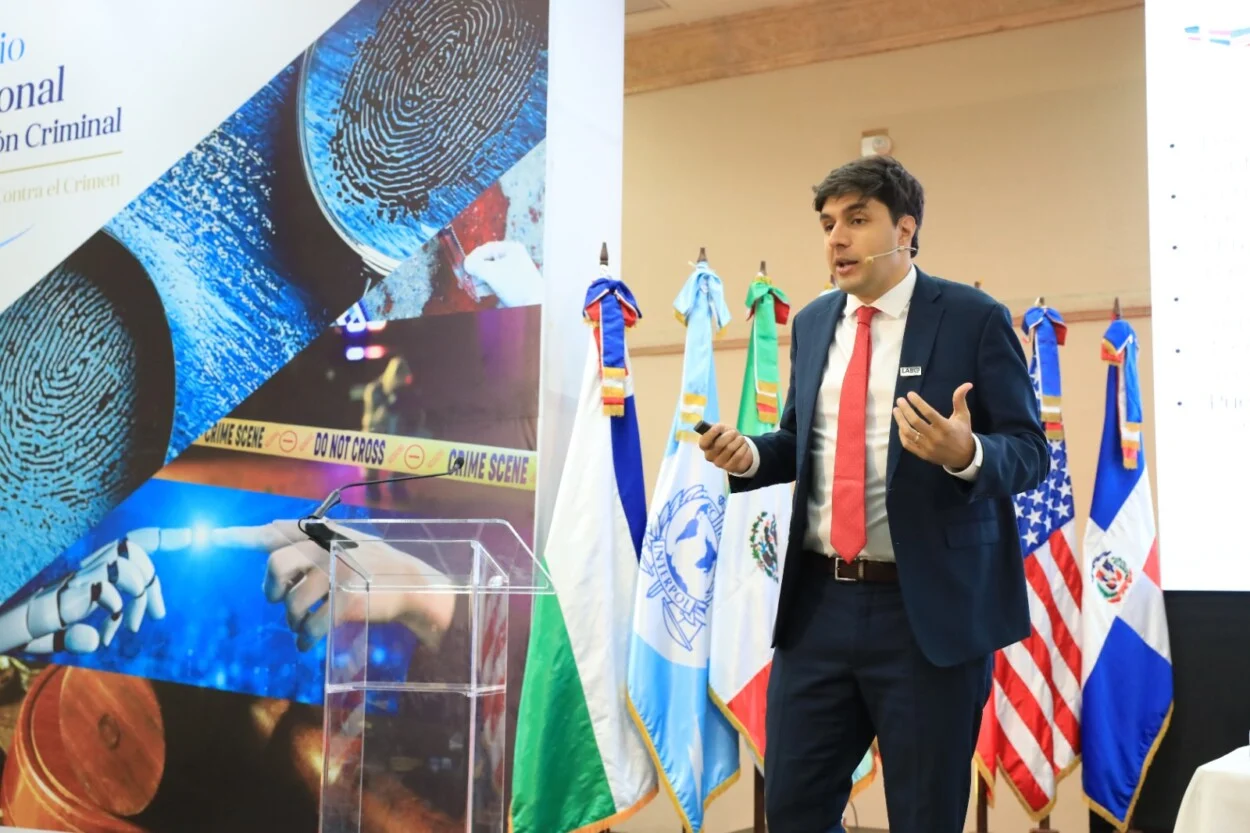
    Santo Domingo – The Dominican Republic demonstrates notable security resilience in the Caribbean region with a homicide rate of 11.5 per 100,000 residents, positioning itself favorably below regional averages. This assessment was presented by Santiago Rosas, representative of the Security Innovation Laboratory LAB-CO, during his address at the First International Symposium on Criminal Investigation.

    Rosas emphasized that the nation’s relative stability provides significant strategic advantages for critical economic sectors including tourism and foreign investment. However, this stability faces emerging threats from sophisticated transnational criminal organizations that are rapidly transforming regional security dynamics.

    The security expert highlighted Ecuador’s dramatic deterioration as a cautionary example, where criminal entities rapidly consolidated power after seizing control of strategic logistical nodes along narcotics trafficking corridors. This pattern of rapid destabilization represents a clear warning for Caribbean nations.

    Rosas identified a fundamental shift in criminal operations, with the Caribbean evolving from a traditional transit zone toward the United States into a comprehensive transatlantic hub facilitating narcotics movements to European markets. This transformation places the Dominican Republic at the center of strategic maritime networks exploited by criminal syndicates.

    Modern organized crime increasingly operates through decentralized, flexible networks rather than conventional hierarchical structures. These networks rely on discreet ‘criminal managers’ who coordinate complex logistical, financial, and technological operations with sophisticated efficiency.

    Criminal organizations are increasingly employing advanced technologies including cryptocurrency transactions, blockchain systems, and artificial intelligence to enhance their operational capabilities. This technological adoption presents growing challenges for law enforcement and governmental agencies.

    Rosas recommended comprehensive countermeasures including strengthened asset investigation protocols, enhanced criminal network analysis capabilities, and improved institutional cooperation mechanisms. These approaches are essential for detecting and disrupting illicit financial and material flows across the region.

  • Civil Defense reviews Holy Week 2026 safety plan

    Civil Defense reviews Holy Week 2026 safety plan

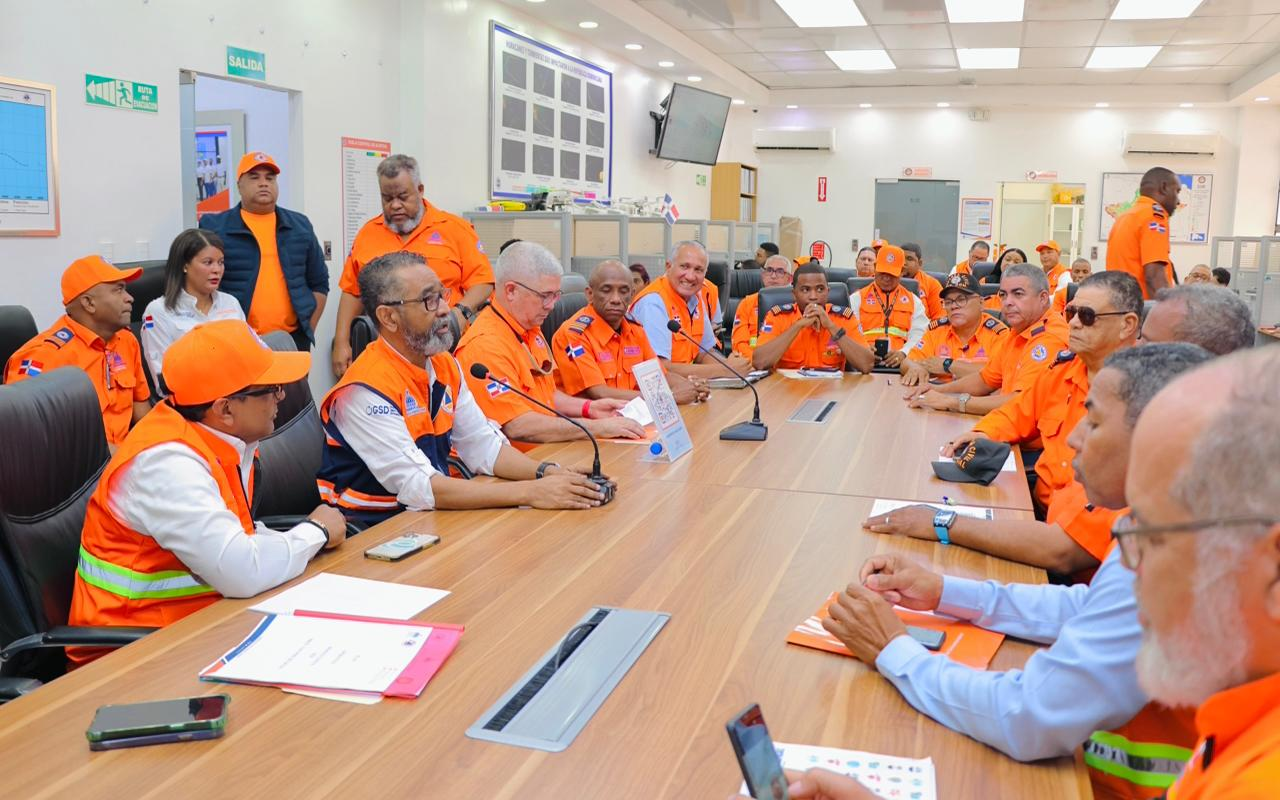
    SANTO DOMINGO – The Dominican Republic’s National Emergency Commission (CNE) has initiated advanced preparations for the Holy Week 2026 observance through a comprehensive coordination meeting led by Juan Salas, executive director of the Dominican Civil Defense. The strategic session brought together all 32 provincial directors to finalize operational protocols for one of the country’s most significant travel periods.

    During the headquarters meeting, Salas emphasized the critical nature of preventive measures as the nation anticipates massive population movements to coastal areas, major highways, and religious sites. The updated emergency strategy focuses on deploying volunteer networks and response teams equipped to handle potential incidents throughout the holiday period.

    Operational details presented by Deputy Director Delfín Rodríguez include nationwide establishment of first aid stations and preemptive identification of beaches designated for closure due to safety concerns. Authorities will maintain an updated digital registry of authorized and restricted recreational areas through the official Civil Defense portal.

    Salas issued a public appeal for responsible conduct during the traditional observance, highlighting three essential components: institutional coordination, preventive action, and citizen awareness. The official further encouraged the population to approach Holy Week with contemplative reverence and prudent judgment regarding travel and recreational decisions.

  • Prime Minister Drew pays cpurtesy call on Oguaa Omamhene during visit to Cape Coast

    Prime Minister Drew pays cpurtesy call on Oguaa Omamhene during visit to Cape Coast

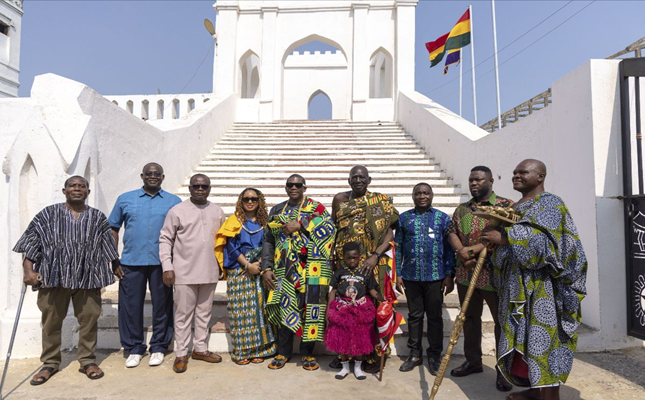
    In a significant diplomatic engagement emphasizing cultural heritage, Prime Minister of Saint Kitts and Nevis Dr. Terrance Drew conducted a formal courtesy visit to Chief Osabarimba Dr. Kwesi Atta II at the Emintsimadze Palace in Cape Coast on March 5, 2026. The meeting, occurring during Dr. Drew’s official state visit to Ghana, served as a powerful symbol of the enduring historical connections between West Africa and the Caribbean diaspora.

    The encounter at the traditional palace facilitated substantial cultural exchange, with the Oguaa Traditional Council president extending traditional Ghanaian garments to Prime Minister Drew and his wife, Diani Prince-Drew, as a ceremonial welcome. This gesture underscored the deep ancestral bonds that persist between Ghanaian communities and Caribbean nations whose populations trace their origins to the region.

    Prime Minister Drew emphasized the importance of these diplomatic interactions, noting they represent crucial opportunities for reconnection with shared heritage and history beyond conventional government-to-government relations. The discussions reportedly covered multiple areas of potential cooperation, including educational exchanges, cultural programming, and ongoing engagement between traditional leadership structures and Caribbean communities of African descent.

    The Cape Coast meeting formed part of Dr. Drew’s broader itinerary in Ghana’s Central Region, where he visited historically significant sites associated with the transatlantic slave trade, further highlighting the historical context underlying contemporary diplomatic relations between African and Caribbean nations.

  • Guyana to join US-led anti-narco-terrorism coalition

    Guyana to join US-led anti-narco-terrorism coalition

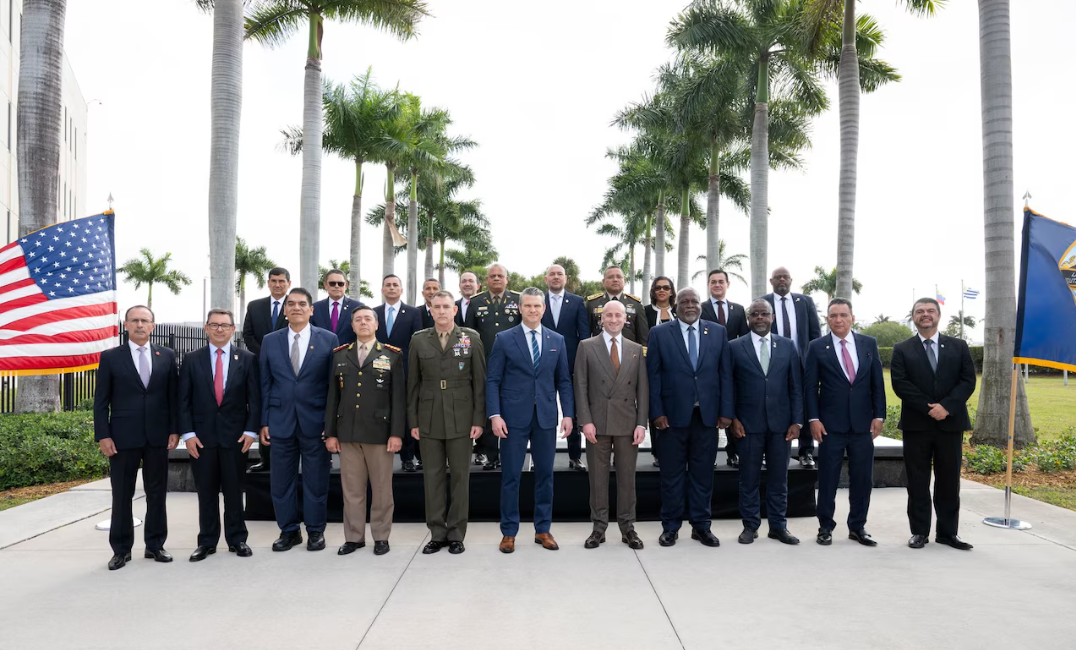
    In a significant move to bolster regional security cooperation, Guyana has officially committed to joining a United States-led multinational coalition against narco-terrorism. The announcement came from Prime Minister Mark Phillips during the inaugural Americas Counter Cartel Conference held at U.S. Southern Command headquarters in Doral, Florida on Thursday.

    Prime Minister Phillips, a retired Brigadier and former Head of the Guyana Defence Force, declared Guyana’s endorsement of the Joint Security Declaration adopted at the conference. “Guyana welcomes the adoption of the Joint Security Declaration of this Conference and looks forward to joining the coalition to combat narco-terrorism,” stated Phillips, emphasizing his nation’s commitment to hemispheric security partnerships.

    The high-level gathering brought together defense and security leaders from across the Caribbean, Central America, and South America, with U.S. Secretary of War Pete Hegseth hosting the proceedings. This conference sets the stage for Saturday’s planned meeting between U.S. President Donald Trump, Guyana’s President Irfaan Ali, Trinidad and Tobago’s Prime Minister Kamla Persad-Bissessar, and several other Western Hemisphere leaders.

    Phillips highlighted the particular vulnerability of Guyana to transnational criminal networks due to its strategic location along crucial maritime and regional transit corridors. “These threats demand coordinated intelligence sharing, enhanced operational cooperation, and strengthened defense capabilities across the hemisphere,” he explained, noting that cartels and criminal gangs increasingly threaten regional peace, undermine rule of law, weaken institutions, and jeopardize democratic stability.

    The Prime Minister characterized the U.S.-Guyana relationship as “a strong and expanding strategic partnership built on mutual trust and robust defence and security cooperation.” This collaboration has previously included capacity building initiatives, joint military exercises, and technical engagements focused on combating narco-trafficking and other transnational crimes.

    Phillips concluded with a vision for regional cooperation that respects national sovereignty: “Through deeper cooperation and partnership, we can ensure that our hemisphere remains safe, secure, and a Zone of Peace.”

  • Edward “Scrubby” Saldano Jr. Shot Dead in Belize City

    Edward “Scrubby” Saldano Jr. Shot Dead in Belize City

    BELIZE CITY – The relentless cycle of urban violence has claimed another life as 26-year-old Edward “Scrubby” Saldano Jr. was fatally shot on Thursday afternoon while riding his bicycle near the intersection of Amara Avenue and Dean Street. This tragic incident occurred less than a month after Saldano had narrowly survived a previous shooting attempt in the same vicinity.

    According to police reports, a lone assailant approached Saldano around 12:20 PM and unleashed multiple gunshots before fleeing the scene. Law enforcement officials discovered numerous expended shells and bloodstains at the location, indicating a targeted ambush. Saldano was pronounced dead at Karl Heusner Memorial Hospital shortly thereafter.

    The victim had been recently released from police custody and maintained a documented history with law enforcement, including previous charges related to robbery, unlawful firearm discharge, and alleged gang affiliations. This violent episode represents the latest chapter in a family tragedy that began in 2022 when Saldano’s father, Edward Saldano Sr., was similarly executed by gunfire on Wilson Street.

    Assistant Superintendent of Police Stacy Smith confirmed that investigators have detained one male suspect in connection with the homicide. Surveillance footage reportedly captured the altercation between Saldano and his assailant, who was apparently known to the victim. The precise motive remains undetermined, though police are exploring potential connections to previous criminal investigations and possible gang-related tensions.

    The Saldano family has endured multiple encounters with violence. In 2025, Saldano Jr. was shot by police during an incident at Michael Finnegan Market, prompting criticism from his mother regarding law enforcement procedures. Following his father’s murder in 2022, Saldano Jr. had temporarily surrendered to authorities, expressing belief that his father had been targeted due to their familial relationship.

    This daylight shooting has intensified concerns about public safety in Belize City neighborhoods, highlighting persistent challenges in breaking patterns of retaliatory violence that continue to traumatize communities.

  • Private exam enrolment climbs as 2026 season approaches

    Private exam enrolment climbs as 2026 season approaches

    Education authorities are observing a significant shift toward independent learning patterns as private examination registrations for core academic subjects show a remarkable upward trend ahead of the 2026 testing season. Final preparations are currently underway for examinations scheduled to commence next month, with officials noting particularly substantial increases in private candidate registrations for Mathematics and English language assessments.

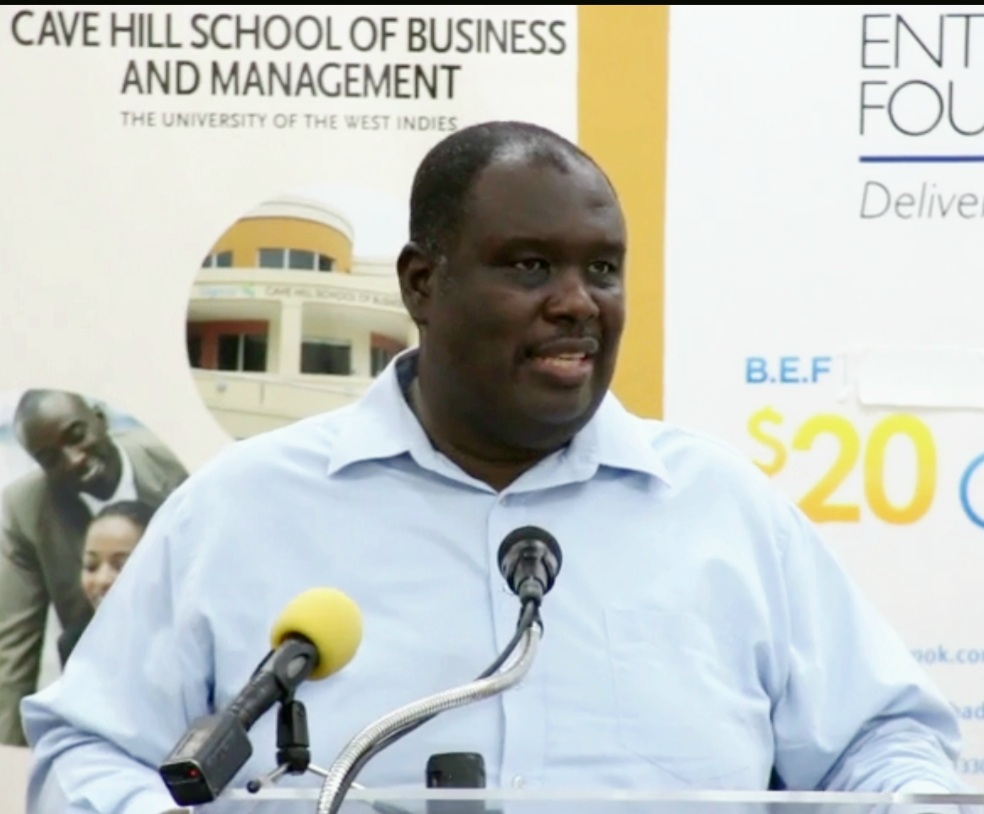
    Deputy Chief Education Officer Stephen Scott revealed preliminary data indicating Mathematics has attracted 608 private candidates—a striking increase of 157 students compared to 2025 figures. Similarly, English A, which focuses on grammar and language proficiency, has demonstrated considerable growth with 324 private registrations to date, substantially exceeding last year’s total of 211 examinees.

    Scott emphasized that these numbers remain fluid and subject to change due to the decentralized registration methodology. The current system operates on individual candidate submissions rather than a centralized preemptive database, creating challenges in tracking all potential examinees, particularly those who may have missed the recent registration deadline. “I cannot provide definitive numbers because we cannot determine how many prospective candidates have missed the deadline,” Scott explained, noting the department maintains communication with candidates who initiated but haven’t completed registration.

    The 2025 examination statistics documented 3,541 total participants in Mathematics and 3,819 in English A across both school-based and private entries nationwide. Scott confirmed all logistical preparations have reached finalization stages, stating unequivocally: “The systems are ready. We are putting things in place for those exams… all systems are go for the examinations.”

    The 2026 examination cycle will encompass both the Caribbean Secondary Education Certificate (CSEC) ordinary-level and Caribbean Advanced Proficiency Examination (CAPE) advanced-level assessments, scheduled to initiate on April 13 with language oral examinations.

  • Xillan Macrooy sluit SABI Literatuurfestival 2026 af met wervelende muzikale lezing

    Xillan Macrooy sluit SABI Literatuurfestival 2026 af met wervelende muzikale lezing

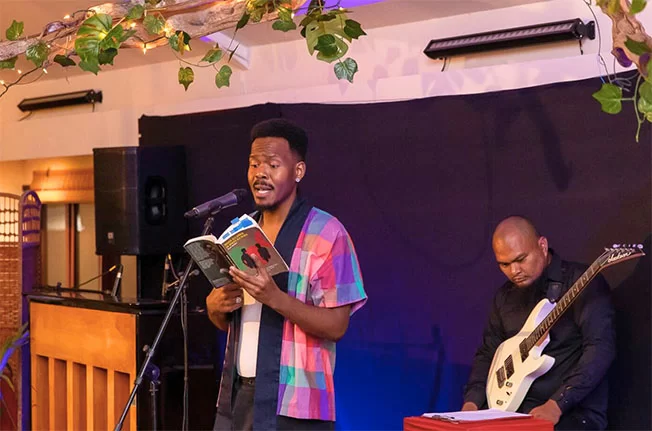
    Surinamese artist Xillan Macrooy delivered a mesmerizing multidisciplinary performance Wednesday evening, officially presenting his literary work ‘Mensen als zonnen en mensen als manen’ to a captivated Surinamese audience at a packed Spice Quest venue. The event marked both the triumphant homecoming of his Netherlands-published book and the grand finale of the SABI Literature Festival 2026.

    Macrooy masterfully intertwined poignant readings from his deeply personal narrative with musical interludes, demonstrating exceptional versatility as both writer and performer. His soulful vocals resonated through the hall during musical segments, enhanced by impeccable sound engineering, while musician Jonathan Moeslan provided atmospheric guitar accompaniment. The audience, comprising diverse age groups, remained enthralled throughout the evening, culminating in a spontaneous collective rendition of Macrooy’s earlier commercial work ‘Mi Kondre Tru’.

    The book itself courageously explores themes of identity, coming-of-age, and queer existence within the Surinamese context—particularly significant given the ongoing challenges surrounding LGBTQ+ discourse in the nation. Macrooy emphasized literature’s unique capacity to address such sensitive topics, expressing hope for increased dialogue and action regarding these and other social issues.

    During an intimate conversation with Sharda Ganga, Macrooy revealed his writing process and vulnerability within the text. Ganga observed his remarkable linguistic dexterity, noting how he ’employed the very language that once confined him as a tool for liberation.’ The author also reflected on the universal struggles of identity formation, particularly among youth, advising attendees not to fear inevitable change.

    The evening additionally honored writer Edgar Cairo, whose work profoundly influenced Macrooy’s artistic development. Beyond the main event, Macrooy recorded a podcast exploring queer legacy and visited the Nassy Brouwerschool with activist Sammy Doorson to discuss humanity and gender with students.

    Organized by Stichting Skrifi with support from the Dutch Foundation for Literature, the SABI Literature Festival aims to establish itself as a multi-day platform showcasing Surinamese literary innovation. Through partnerships with Surinamese and Dutch organizations, the foundation continues developing sustainable reading infrastructure despite limited resources, working to structurally strengthen the nation’s literary landscape through venues including Souposo, Spice Quest, and the university library.