作者: admin

  • Police Seize Cannabis Valued at EC$78,000 During Joint Drug Interdiction Operation

    Police Seize Cannabis Valued at EC$78,000 During Joint Drug Interdiction Operation

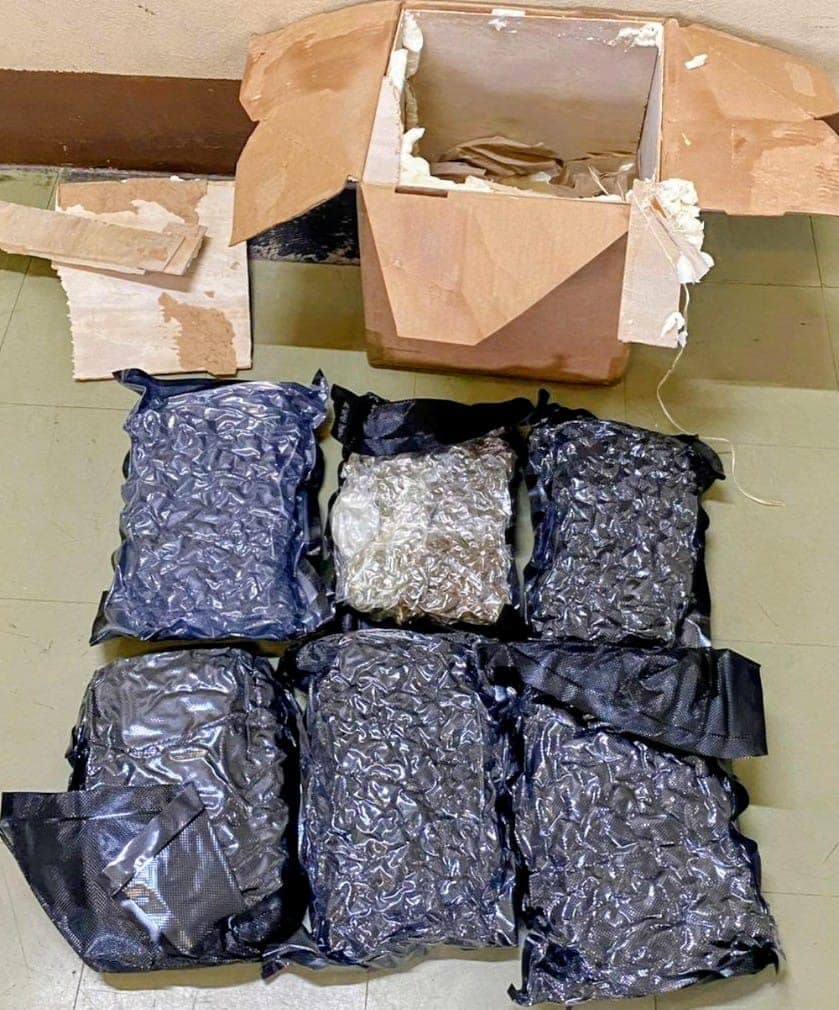
    In a significant interdiction effort, Antiguan authorities confiscated a substantial cannabis shipment valued at approximately EC$78,000 during a coordinated operation at V.C. Bird International Airport. The joint mission, conducted on Saturday, March 7, 2026, targeted the airport’s cargo facilities where law enforcement officials discovered the illicit substances.

    While the successful seizure represents a notable victory against drug trafficking networks, investigators have not yet made any arrests in connection with the incident. Authorities have confirmed that multiple agencies are actively pursuing leads as the investigation continues to develop.

    The Royal Police Force of Antigua and Barbuda emphasized their ongoing collaboration with Customs officials and interagency law enforcement partners to disrupt the flow of illegal narcotics into the country. This operation demonstrates the effectiveness of multi-agency cooperation in combating sophisticated drug importation attempts.

    Law enforcement officials have issued a public appeal for information regarding this case, encouraging citizens with relevant knowledge to come forward. Confidential tips can be provided to the Narcotics Department at 462-5150, the Criminal Investigations Department at 462-3913, or through the anonymous Crimestoppers hotline at 800-TIPS (8477).

  • Partial closure of Barbados airspace was due to staff shortage, minister says

    Partial closure of Barbados airspace was due to staff shortage, minister says

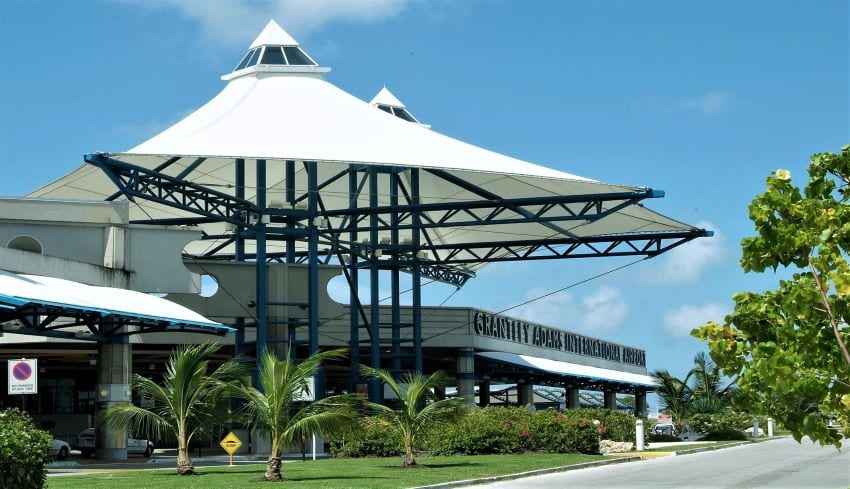
    A critical staff shortage within Barbados’s air traffic control services triggered a significant seven-and-a-half-hour closure of the island’s airspace on Saturday, causing widespread disruption at Grantley Adams International Airport (GAIA). The incident led to numerous flight cancellations and diversions, stranding passengers and highlighting systemic operational challenges.

    According to a formal statement issued by Ian Gooding-Edghill, Minister of Tourism and International Transport, the Air Navigation Services department was unable to maintain full operations due to the personnel deficit. While the airport managed to accommodate key afternoon services from the United Kingdom, including flights operated by British Airways and Virgin Atlantic, alongside all air-to-sea arrivals, several major carriers were severely impacted.

    Notable disruptions included the complete cancellation of American Airlines flights. A JetBlue service originating from New York was compelled to return to John F. Kennedy International Airport (JFK), and an Air Canada flight turned back to its point of origin in Canada. In another instance, a JetBlue flight from Boston was diverted to San Juan, Puerto Rico, with an expected arrival in Barbados delayed until later that afternoon. Amidst the chaos, authorities successfully facilitated the safe departure of one emergency medical evacuation (medivac) flight.

    Normal flight operations were restored at approximately 2:30 p.m. following an urgently convened high-level meeting. The gathering included representatives from the Ministry of Tourism and International Transport, the Ministry of the Public Service, and leaders from the Barbados Workers’ Union and the National Union of Public Workers. The discussions were characterized as productive, focusing on resolving several persistent issues affecting staff welfare and operational capacity. A subsequent meeting is scheduled for March 11 to urgently finalize solutions and prevent future occurrences.

    GAIA management is now actively collaborating with affected airlines to reschedule cancelled flights and mitigate the inconvenience caused to travelers.

  • CDB president charts decisive decade for Caribbean resilience

    CDB president charts decisive decade for Caribbean resilience

    BRIDGETOWN, Barbados — The Caribbean Development Bank (CDB) has declared a critical ‘decade of decision’ for the region, unveiling an ambitious strategic framework to navigate unprecedented global challenges. CDB President Daniel M. Best presented the bank’s transformative agenda during its annual news conference on March 3, emphasizing that geopolitical tensions, climate volatility, technological disruption, and supply chain realignments are fundamentally reshaping the economic landscape.

    The bank’s assessment reveals that the Caribbean requires an estimated US$65.2 billion between 2024-2033 to prevent economic stagnation. This financing need could potentially double when accounting for comprehensive climate adaptation measures, infrastructure reinforcement, and fiscal buffer establishment, with additional external pressures potentially driving requirements even higher.

    CDB’s Strategic Plan 2026–2035 establishes a triple-pillar approach to regional resilience:

    Social Resilience: Ensuring reliable access to essential services, poverty reduction, inclusive social protection, and enhanced education and healthcare systems.

    Economic Resilience: Diversifying and modernizing economies through climate-resistant infrastructure, robust fiscal systems, digital connectivity, food security, cultural sector development, and private sector-led green innovation.

    Environmental Resilience: Addressing what President Best termed the ‘existential’ Caribbean priority through climate adaptation, mitigation, and nature-positive development strategies.

    Operational priorities will focus on youth development, institutional strengthening, and climate action. With half the region’s population under 30, investments will target skills development, entrepreneurship, and employment pathways. Institutional enhancements will address procurement bottlenecks, fiscal management gaps, and implementation inefficiencies.

    Regarding climate financing, Best noted the stark disparity between needs and availability: ‘Our region requires approximately US$14 billion annually for climate response but mobilizes less than 10% of that. CDB is committing 30% of our total financing and 35% of our Special Development Fund resources to climate adaptation and mitigation.’

    The bank reaffirmed its commitment to Haiti, emphasizing strengthened country presence and targeted support for micro, small and medium enterprises, renewable energy, and disaster risk management.

    To support this expanded ambition, CDB is bolstering its financial capacity through multiple instruments including a CHF 100 million Swiss market capital raise, a US$450 million Exposure Exchange Agreement, and an upcoming Euro Medium-Term Note Programme enabling up to US$1 billion in issuance over three years. These initiatives build upon CDB’s AA+ credit rating recently reaffirmed by Fitch Ratings with a stable outlook.

    Concluding his address, Best envisioned a 2035 Caribbean recognized as one of the world’s most resilient regions, characterized by modernized institutions, harmonized disaster risk systems, digital public administration, and globally competitive youth-led enterprises.

    The annual conference served as a platform for CDB to outline its strategic vision, assess 2025 regional economic performance, and present the 2026 economic outlook while highlighting key project outcomes and institutional priorities.
  • Time for “status quo”change in Cuba- Irfaan Ali

    Time for “status quo”change in Cuba- Irfaan Ali

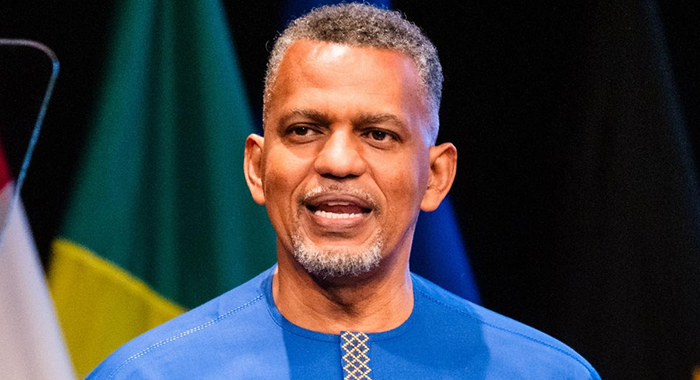
    In a significant foreign policy declaration, Guyana’s President Irfaan Ali has publicly advocated for a fundamental transformation of Cuba’s political system towards democracy and freedom. Speaking on Fox News from Florida on Saturday, March 7, 2026, President Ali asserted that the current political status quo in Cuba cannot persist indefinitely.

    ‘The consensus is clear that the existing situation cannot remain unchanged,’ stated Dr. Ali during his television appearance. ‘We recognize the necessity for modification and acknowledge that implementation will require time.’ The Guyanese leader emphasized that any transition must ultimately benefit the Cuban population through improved living conditions, strengthened rule of law, and greater democratic freedoms.

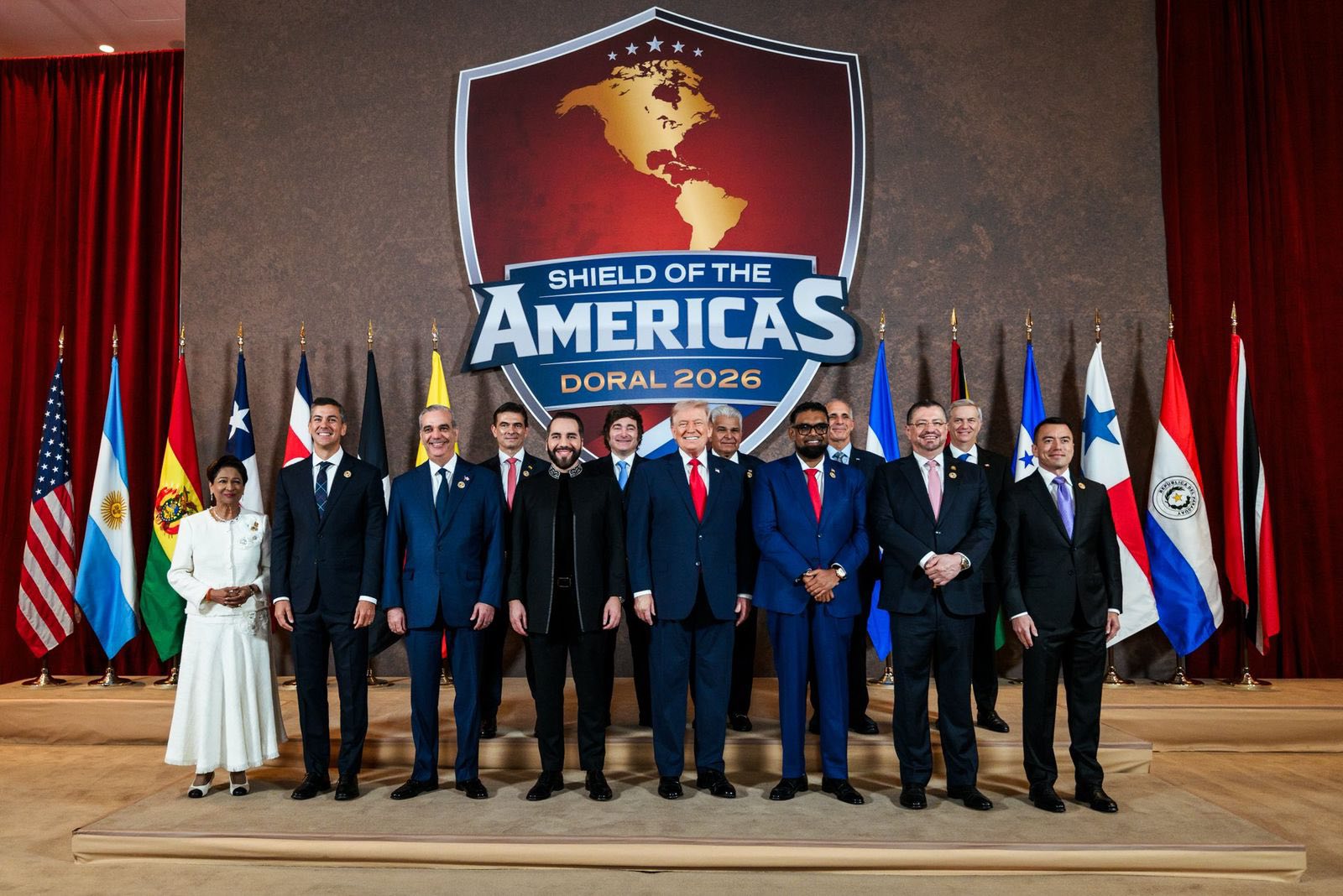
    President Ali’s remarks coincided with his participation in the Shield of the Americas Summit, where he joined U.S. President Donald Trump and numerous Latin American and Caribbean leaders in signing a proclamation targeting cartel criminal operations.

    This diplomatic positioning occurs against the backdrop of shifting regional alliances, as several Caribbean Community (CARICOM) nations gradually disengage from Cuba’s Medical Brigade program. This disengagement follows U.S. warnings last year about potential visa revocations for government officials and their families from participating countries. American authorities have characterized Cuba’s medical deployment program as a form of forced labor comparable to human trafficking.

    The Caribbean bloc, acknowledging its complex relationships with both Cuba and the United States, recently concluded its February summit in St. Kitts with a commitment to participate in initiatives benefiting the Cuban people while maintaining regional stability.

    Jamaica’s recent termination of its medical cooperation agreement with Cuba has drawn strong criticism from Havana, which accused the Jamaican government of succumbing to U.S. pressure. The Cuban Foreign Ministry maintained that this decision would deprive Jamaicans of quality healthcare and reaffirmed Cuba’s ‘unwavering commitment to the Jamaican people.’

    Meanwhile, Guyana has quietly restructured its engagement with Cuban healthcare professionals by dismantling the Medical Brigade program framework and opting instead for direct employment arrangements.

  • Vincy Heat head coach Ezra Hendrickson resigns

    Vincy Heat head coach Ezra Hendrickson resigns

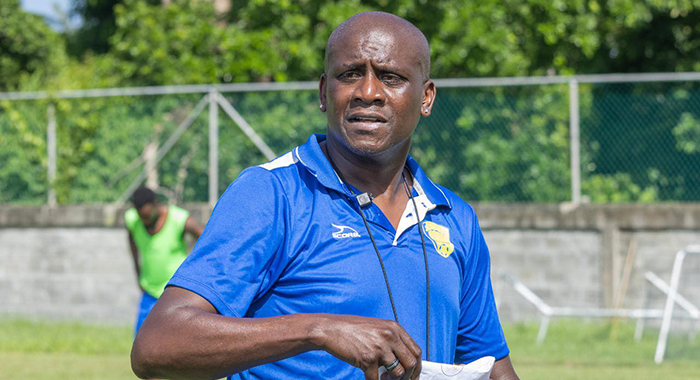
    In a significant development for Caribbean football, Ezra Hendrickson has stepped down from his position as head coach of St. Vincent and the Grenadines’ Senior Men’s National Football Team, Vincy Heat. The St. Vincent and the Grenadines Football Federation (SVGFF) officially confirmed the coaching change in a Saturday announcement.

    The Federation disclosed that Hendrickson’s departure comes after he received and accepted an unspecified professional opportunity that necessitated his resignation. SVGFF administration has accepted his decision while expressing gratitude for his dedicated service and commitment to developing the national team program.

    According to the Federation’s press release, Hendrickson’s recently concluded assignment with the Under-20 Men’s team effectively marked his final engagement with SVGFF, consistent with the terms of his agreement. The transition plan is already underway, with Wade Jackson, previously serving as first assistant coach for the Senior Men’s National Team, appointed as interim head coach during this period of change.

    Jackson will immediately assume leadership responsibilities, guiding the national squad in the upcoming CONCACAF Series Friendlies in Bonaire. The team is scheduled to compete against the Bonaire national football team on March 26, followed by a match against Barbados’ national squad on March 29.

    The SVGFF has initiated the process of identifying a permanent replacement to lead the Senior Men’s National Team forward. Federation officials emphasized their commitment to maintaining continuity and stability within the national program while preparing for upcoming international competitions.

    In their official statement, the Federation extended appreciation for Hendrickson’s contributions to football development in Saint Vincent and the Grenadines and wished him success in his future professional endeavors.

  • Jagesar: Olieprijs stijgt ook in Suriname door oorlog rond Iran

    Jagesar: Olieprijs stijgt ook in Suriname door oorlog rond Iran

    Suriname’s state oil company anticipates significant economic repercussions from the Middle East conflict, with director Annand Jagesar confirming that rising global oil prices will directly impact domestic fuel costs. The escalating tensions between Iran, the United States, and Israel have triggered international market volatility, driving oil prices upward as investors anticipate potential supply disruptions from the critical oil-producing region.

    Jagesar explained that while increased oil prices will boost government revenues through the ‘government take’ mechanism—where approximately 68 cents of every dollar flows to state coffers—this financial gain comes with complex socioeconomic implications. The Staatsolie director dismissed suggestions that locally produced oil should translate to lower consumer prices, revealing that domestic refining capacity meets less than half of national gasoline demand. With daily consumption at 5,000 barrels versus a maximum production of 2,300 barrels, Suriname must import the substantial balance.

    The oil executive cautioned against artificial price suppression, citing Venezuela’s experience where decades of ultra-low fuel prices created unsustainable economic distortions. He emphasized that market-based pricing serves as crucial signals for energy transition, encouraging consumers and businesses to seek alternatives when prices rise. However, Jagesar advocated for targeted subsidies to protect vulnerable populations, particularly seniors living on fixed incomes, from bearing the brunt of energy cost increases.

    Global analysts warn that further disruptions to Middle Eastern oil trade could drive prices even higher, creating both revenue opportunities and affordability challenges for oil-producing nations like Suriname.

  • H2O Lions Swim Club impresses at SAC Invitational Championship

    H2O Lions Swim Club impresses at SAC Invitational Championship

    The H2O Lions Swim Club, despite being the youngest and smallest contingent at the competition, delivered an impressive display of athletic prowess at the SAC Invitational Championship. Held from February 26th to March 1st at the Shewsbury Aquatic Centre, the event brought together premier swimming talent from St. Vincent and the Grenadines.

    The club’s performance was marked by significant milestones, with every single swimmer achieving new personal best times. This uniform improvement underscored the effectiveness of their training regimen and the swimmers’ dedicated pursuit of excellence. The team’s cohesion was particularly visible in the relay events, where synchronized effort propelled their success.

    A notable roster of athletes secured podium finishes in their respective age categories. Standout performers included J’nyah Rose, K’mar Rose, Ezron Quashie, Tyler Forde, Nial Allen, Tezza Sutherland, Rhonyah Jack, Trey Forde, and Kyle DeRoche. Their achievements signal the club’s ascending trajectory and growing force within the regional swimming community.

    The coaching staff, comprising Josel Williams, Elise Quashie, Odonza Dennie, and Sandra Paulemon, lauded the team’s discipline and resilience. They emphasized that each individual record broken was a testament to the squad’s collective spirit and hard work. Gratitude was also extended to the parents and supporters whose unwavering encouragement forms the backbone of the club’s endeavors.

    Buoyed by this successful outing and the valuable competitive experience gained, the H2O Lions are now channeling their momentum towards preparation for upcoming regional competitions, aiming to build on their newly fortified confidence.

  • SLFS: Hazardous materials, restricted access, complicated Computer World fire

    SLFS: Hazardous materials, restricted access, complicated Computer World fire

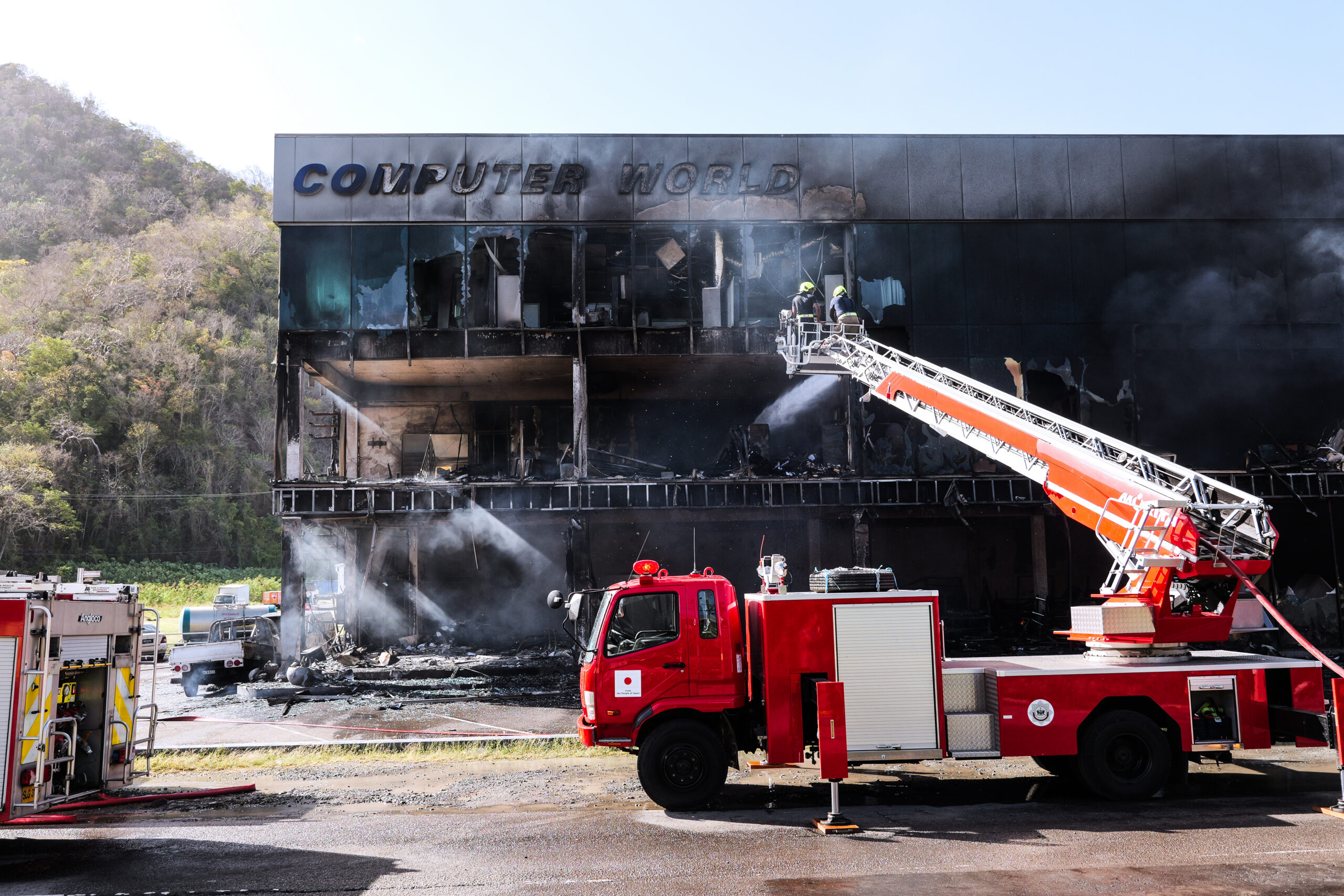
    Firefighters in Saint Lucia confronted significant operational challenges while combating a major fire that completely destroyed the Orange Park Commercial Centre in Bois d’Orange on Friday night. The Saint Lucia Fire Service (SLFS) reported that the blaze, which erupted at approximately 8:54 p.m. on March 6, required an extensive multi-unit response from stations across Gros Islet, Babonneau, George Charles, and Fire Service Headquarters.

    The firefighting operation faced substantial complications due to restricted building access and the presence of dangerous materials within the structure, notably chemical storage containers and energy storage equipment containing batteries. According to official statements, the rapid fire progression necessitated a multi-point attack strategy to contain the spreading flames.

    The entire commercial building, known for housing Computer World and other businesses, sustained extensive damage in the incident. Although authorities declared the fire contained by Saturday morning, crews remained on site addressing persistent reignition spots until the structure could fully cool.

    While the exact cause remains under investigation, fire officials issued a specific warning regarding lithium-ion battery technologies, noting their potential for continuous reignition and limited responsiveness to conventional extinguishing agents. The SLFS emphasized the importance of public awareness regarding the risks associated with these modern technologies.

    The fire service extended gratitude to the Water and Sewerage Company (WASCO), utility provider LUCELEC, and cooperative members of the public for their assistance during the emergency response operation.

  • They came for us and no one is speaking for us

    They came for us and no one is speaking for us

    A profound human rights crisis is unfolding in the Caribbean Sea as the United States continues its campaign of extrajudicial executions under the guise of combating drug trafficking. Drawing direct parallels to Martin Niemöller’s famous lament about Nazi-era complacency, Caribbean intellectuals and citizens are now confronting their own leadership’s silence in the face of American military operations that violate international law.

    The operations, characterized by drone strikes on suspected drug smuggling vessels, occur without due process, evidence preservation, or consultation with regional authorities. These actions represent flagrant violations of multiple international conventions, including the UN Convention against Illicit Traffic in Narcotic Drugs, which explicitly requires proper boarding procedures and evidence collection rather than summary executions.

    Evidence suggests these operations may serve geopolitical objectives beyond drug interdiction. Academic research indicates 84% of cocaine seized in the US originates from Colombia, not Venezuela, raising questions about the true motivation behind targeting Venezuelan-linked vessels. Dr. Emmanuel Quashie and other analysts argue this constitutes a deliberate strategy to destabilize the Maduro regime and control Venezuela’s vast oil reserves, the largest in the world.

    The Caribbean response has been hampered by economic fragility and historical power imbalances. Regional leaders often hide behind diplomatic niceties and plausible deniability, fearing economic fallout from confronting Washington. This complicity mirrors the very behavior Niemöller condemned in his famous poem about the Holocaust, where silence in the face of injustice ultimately enabled greater atrocities.

    Legal experts emphasize that even confirmed drug traffickers deserve proper judicial processes. The US approach of maritime executions contradicts its own domestic legal standards and international human rights obligations. The destruction of alleged evidence in drone strikes further undermines any claim to legitimate law enforcement.

    The solution, regional advocates argue, lies in strengthened Caribbean cooperation through organizations like CELAC (Community of Latin American and Caribbean States) and the Regional Security System. This would include developing local capacity for interdiction operations, establishing proper safeguards, and pursuing diplomatic channels to end the illegal executions. The Caribbean must reaffirm its status as a zone of peace while addressing legitimate security concerns through lawful means that respect human dignity and international standards.

  • Update: Barbados airspace reopens after disruption

    Update: Barbados airspace reopens after disruption

    Barbados’ primary aviation hub has resumed full operations following a temporary closure that disrupted air travel on Saturday. Grantley Adams International Airport (GAIA) authorities confirmed the facility reopened at 2:30 PM local time after several hours of suspended services.

    The airspace closure, which affected all inbound and outbound flights, appears connected to labor-related actions though official sources have not yet confirmed the specific nature of the disruption. Airport management issued a statement acknowledging the operational pause while refraining from detailed commentary on the underlying causes.

    Travelers experienced significant schedule interruptions throughout the day, with many flights subject to delays or cancellations. Airport officials have recommended that affected passengers directly contact their airlines for updated flight information and rebooking options. The resumption of operations follows a gradual normalization process with authorities working to clear the backlog of disrupted flights.

    As one of the Caribbean’s key transportation hubs, the temporary closure had regional implications for connecting flights throughout the Eastern Caribbean network. The incident highlights the vulnerability of island nations to aviation disruptions given their reliance on air connectivity for tourism and commerce.