
In a landmark decision, the Government of Trinidad and Tobago has allocated a historic $3.72 billion to Tobago for fiscal year 2026, marking the largest financial injection the island has ever received. The announcement was made by Finance Minister Davendranath Tancoo during the $59 billion budget presentation in the House of Representatives on October 13. This allocation fulfills the Tobago House of Assembly’s (THA) request of $3.71 billion, a stark contrast to previous years when the THA’s budgetary demands were consistently unmet under the former administration. In 2024, for instance, the THA requested $3.956 billion but received only $2.599 billion. Tancoo emphasized that the $2.96 billion allocated to the THA represents 5% of the national budget, with an additional $763 million earmarked for various ministries, bringing the total to $3.72 billion, or 6.3% of the national budget. The announcement was met with jubilation from Tobago East MP David Thomas and Tobago West MP Joel Sampson, who joined Government MPs in a spirited show of approval. The Tobago Chamber of Industry and Commerce expressed gratitude for the allocation, with President Curtis Williams highlighting the importance of transparent and efficient spending. Williams also welcomed plans for direct US-Tobago flights, the opening of the ANR Robinson International Airport’s new terminal, and the development of Marriott-brand hotels and the Elephant Tree project. However, he urged the THA to address existing financial challenges, such as unpaid vendors and contractors. Martin George, Chairman of the Tobago Business Chamber, remained cautiously optimistic, stressing the need for proper fiscal management to ensure Tobago’s economic growth.
作者: admin
-
Chief Sec: A step in the right direction
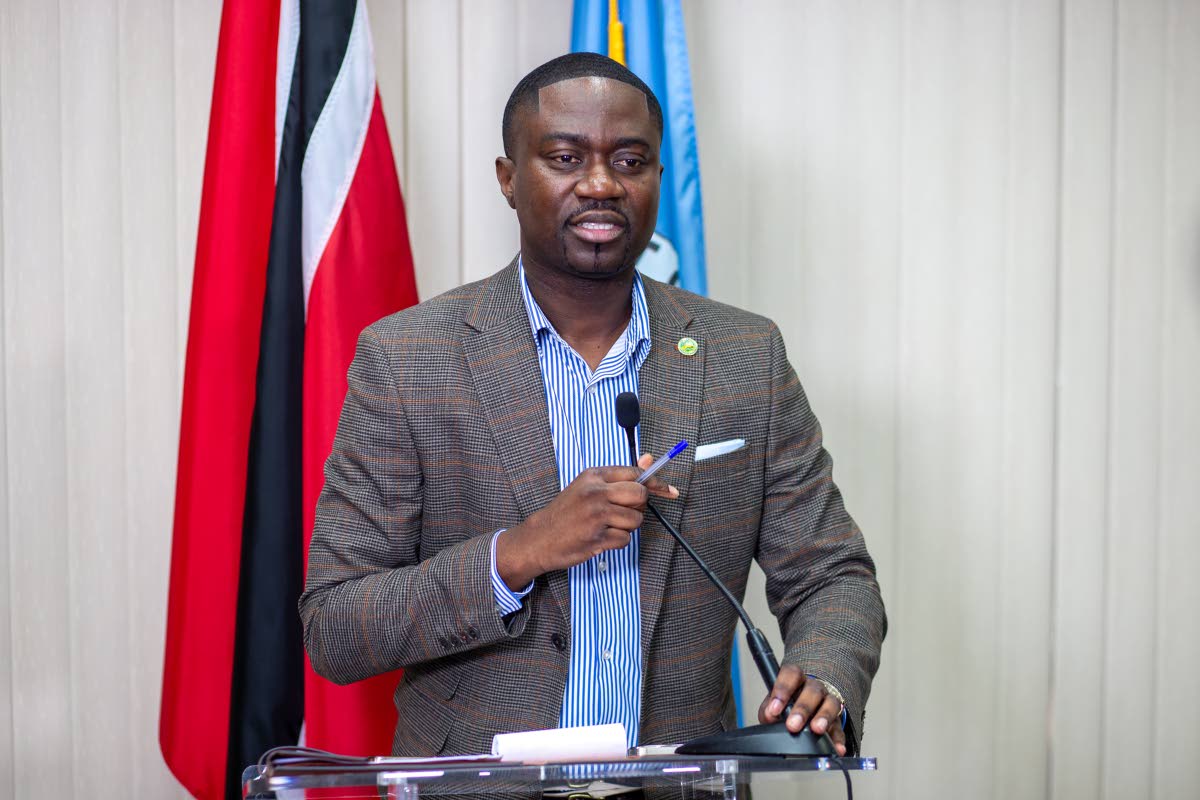
Tobago has been allocated a substantial $3.72 billion in the 2025-2026 national budget, a development hailed as a “step in the right direction” by Chief Secretary Farley Augustine of the Tobago House of Assembly (THA). Speaking after the budget was presented in the House of Representatives on Monday, Augustine emphasized that this allocation signifies that for every $100 spent on national development, $5 will be directed to Tobago. This marks a significant increase from previous budgets, where the highest allocation was $4.37. Augustine noted that the THA had requested 5.9% of the national budget in June, and while the current allocation falls slightly short at 5%, it reflects improved communication and cooperation with the central government. Augustine commended the government for its willingness to engage in dialogue, even in times of disagreement, and for considering Tobago’s needs in national policy. He described the allocation as a tangible demonstration of the central government’s commitment to Tobago’s development. THA Secretary of Finance, Trade, and the Economy, Petal Ann Roberts, expressed excitement about the budget, stating that it provides an opportunity to accelerate Tobago’s progress and transform it into “the greatest little island on the planet.” The allocation of $3.72 billion, close to the $3.71 billion requested in June, is expected to enable significant advancements in Tobago’s development, marking a new momentum for the island.
-
Business chambers welcome budget presentation
In the wake of the 2025/2026 budget presentation, Dianne Joseph, President of the TT Coalition of Services Industries (TTCSI), emphasized the need for the government to prioritize implementation over mere promises. While applauding initiatives such as the removal of VAT on basic food items and the establishment of a $1 billion National Investment Fund Holding Company Ltd, Joseph cautioned that past governments have struggled with execution. She stressed that without the right teams and strategies in place, the budget’s ambitious goals may remain unfulfilled. Joseph highlighted ongoing issues with online business registration, noting that despite promises, many members still face bureaucratic hurdles. She called for accountability and strategic planning to ensure the budget’s success. The American Chamber of Commerce of TT (Amcham TT) and other business associations welcomed aspects of the budget, particularly enhancements to the Customs and Excise Division and potential reforms to the VAT system. However, they emphasized the importance of inter-agency coordination and the establishment of oversight mechanisms to ensure lasting impact. Kiran Singh, President of the San Fernando Chamber of Commerce, praised the reduction in super gas prices, which he said would benefit the MSME sector by reducing transportation costs. However, concerns were raised about proposed rental taxes and electrical surcharges, which could increase costs for landlords and tenants. The TT Chamber of Industry and Commerce also highlighted measures to boost non-energy exports, including investment in agriculture and the establishment of an Export Academy. Overall, while the budget has been well-received, business leaders are calling for effective implementation to translate promises into tangible benefits.
-
LETTER: A special place in hell for “Churches” taking tithes from poor old people
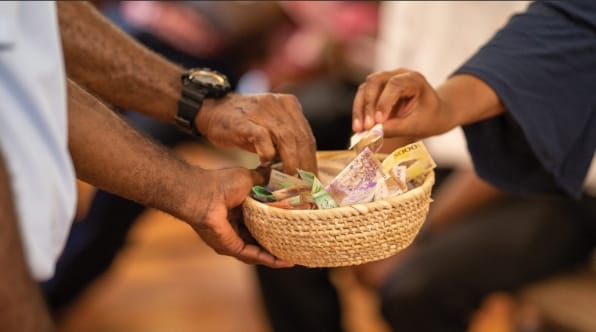
A scathing critique has emerged regarding the practice of certain churches and religious ministers accepting tithes from elderly, vulnerable individuals, many of whom suffer from dementia or live in poverty. The author, a self-proclaimed ‘God-fearing prostitute on Popeshead Street,’ expresses deep frustration and moral outrage over this exploitation. The letter highlights the case of an elderly woman in her 80s or 90s, surviving on a meager pension and occasional support from family and friends, who is still pressured to donate to the church. The author questions the ethics of religious leaders who fail to inform these elderly individuals that they are not obligated to tithe, especially when their financial situation is dire. The letter also touches on the historical context of brainwashing, where older generations were taught that withholding tithes would result in divine punishment. The author calls for legal measures to prevent religious organizations from accepting tithes from low-income seniors, labeling the practice as ‘shameful’ and ‘plain wickedness.’ The piece concludes with a broader critique of declining church attendance, attributing it to such unethical behaviors.
-
Trainingen museumwezen moeten kennis verdiepen en verbreden
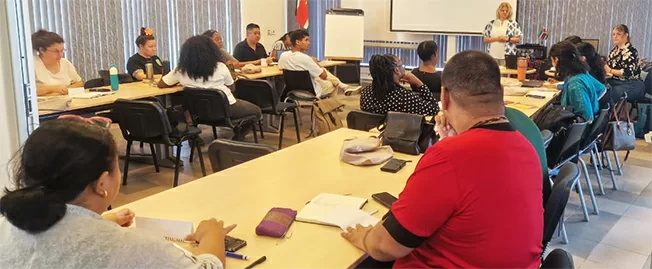
A groundbreaking collaboration between the National Museum Commission of Suriname (NMS) and the Netherlands Cultural Heritage Agency (RCE) has culminated in the launch of an extensive museum training program. The initiative, which commenced on Monday, October 13, and will run until October 31, is being held at the National Archives of Suriname. This training follows the announcement made to Surinamese stakeholders in January and the signing of a final agreement with the RCE on April 10, 2025, in the Netherlands.
Roseline Daan, Chairperson of the NMS, expressed her enthusiasm for this significant milestone, emphasizing the months of preparation that led to this point. Alongside NMS Vice-Chairperson Rita Tjien Fooh and Secretary Tanya Sitaram, Daan engaged in discussions with Dutch educators, who are now paired with Surinamese experts, referred to as ‘buddies,’ to co-facilitate the training sessions.
The program is structured into three modules, covering critical areas such as collection management and registration, conflicting value systems, organization of the museum sector, sustainability, and preventive conservation. Daan highlighted the importance of preventive conservation, noting that the training aims to enhance knowledge and skills in museum heritage, education, and presentation. This, she believes, will lay a stronger foundation for the development of Suriname’s museum sector, particularly in light of the NMS’s plans to establish a National Museum. The initiative includes the rehabilitation of Building 1790 under the PURP program and the restoration of the Zeelandiaweg building, known as ‘Devil,’ which will serve as a depot for the new museum.
‘We are building capacity now so that when the museum is ready, the expertise will already be in place to get started,’ Daan explained. She also stressed the importance of deepening the careers of museum professionals and fostering a broader understanding of operational and strategic tasks within Suriname’s cultural institutions.
The training aims to achieve several key outcomes, including broadening knowledge and skills in collection management and conservation, developing interactive and educational visitor programs, improving practical skills in exhibition design and execution, and strengthening leadership and teamwork abilities for successful collaboration within museum institutions.
The Dutch trainers include Emmy Steenhoek, Vivian van Saaze, Bente Bergmans, Marc Stappers, and Nadia Wilting, while the Surinamese trainers are Audrey Hofwijks, Irene Meulenberg, and Rinaldo Klas. Participants in the training represent a wide range of institutions, including the National Herbarium of Suriname, the National Zoological Collection of Suriname, the Koto Museum, the Commewijne Story Museum, Villa Zapakara, the Bakkie Museum, the Diitabiki Museum Fositen Gudu, the National Army Museum, VHJI, the Suriname Museum Foundation, VIDS, the Suriname Nature Conservation Foundation, and staff from the Directorate of Culture.
-

OECS conducts 5th Regional Data Governance Council Meeting to promote evidence-based growth
The Organisation of Eastern Caribbean States (OECS) Commission successfully concluded the fifth session of the Regional Data Governance Council (RDGC), held from October 7 to 10, 2025. The four-day event brought together statistical leaders from OECS member states, regional agencies, and international development organizations to enhance collaboration, improve statistical capabilities, and promote data-informed decision-making across the Caribbean region.
Corneil Williams, Chairperson of the RDGC, opened the session by stressing the importance of unified strategies in data collection and governance. Key figures and partners underscored the critical role of data governance in driving sustainable development within the OECS.
Dr. Didacus Jules, Director General of the OECS Commission, emphasized the organization’s commitment to strengthening statistical systems as vital tools for evidence-based policymaking. He highlighted the need to cultivate a culture of data use and trust, urging stakeholders to move beyond data collection to actionable insights. Jules also called for integration beyond formal treaties, fostering a shared understanding through data.
Elbert Ellis of the Caribbean Development Bank (CDB) reiterated the bank’s support for regional development efforts, including the Enhanced Country Poverty Assessment (eCPA). He emphasized the importance of robust data systems for sustainable development and outlined the CDB’s technical and financial contributions to improving data governance and institutional frameworks.
Ms. Anna Luisa Paffhausen from the World Bank highlighted the Bank’s collaboration with the OECS through the Data for Decision Making (DDM) Project. She noted the meeting’s focus on anonymizing core datasets to support data dissemination and analysis, aiming to address key policy and development priorities in the region.
Ms. Sherma Beroo, OECS DDM Project Manager, emphasized the importance of fostering stronger partnerships to ensure robust, harmonized data systems capable of supporting sustainable development.
The sessions covered critical topics, including progress on regional and national statistical initiatives, updates on flagship projects like DDM and CARDTP, strategies for data anonymization, and the development of a Communication and Advocacy Strategy to promote statistical data use. The meeting concluded with a coordinated work plan, renewed commitments to data harmonization and privacy protections, and strengthened collaborations among OECS member states and development partners.
-

Animal welfare group calls for urgent action
Barbados is grappling with a mounting dog crisis, prompting urgent calls for action from local animal welfare organizations. The issue gained heightened attention following a recent dog attack in Bayville, St Michael, which left a woman and two children injured. Ocean Acres Animal Sanctuary, a prominent animal welfare group, has issued a statement demanding stronger legislation, consistent enforcement, and greater accountability among dog owners. Karen Whittaker, Founder and CEO of Ocean Acres, emphasized the severity of the situation, stating, ‘No one should feel unsafe walking in their own neighbourhood. Animal abandonment and stray dogs have become national health and safety concerns. It is time for stronger legislation, better enforcement, and responsible ownership.’
Ocean Acres has proposed a series of measures to address the crisis. These include regular inspections of properties housing dogs, penalties or removal of animals from non-compliant owners, and annual checks of registered kennels to ensure compliance with tax and sanitary requirements. The sanctuary also advocates for stricter controls on dog imports, including a ban on certain large, thick-coated breeds like Huskies and Akitas, which are deemed unsuitable for Barbados’ tropical climate.
Additionally, the group recommends that only registered breeders or owners importing neutered pets be permitted to bring dogs into the island, with animal welfare representatives involved in all inspection and approval processes. To reduce the stray dog population, Ocean Acres has suggested a five-year moratorium on dog imports, with limited exemptions for licensed breeders.
The organization has also urged the government to bolster the Animal Control Unit and Veterinary Services Division to enhance enforcement and oversight. Whittaker stressed that the root of the problem lies not with the animals but with neglectful ownership. ‘To be clear, there are no bad dogs. These are dogs in the wrong place without adequate care and supervision,’ she said. She further cautioned potential dog owners to carefully consider their ability to care for a pet, noting that shelters are already overwhelmed, particularly with abandoned large breeds that become unmanageable as they grow.
Whittaker highlighted the need for responsible ownership, stating, ‘Many owners lack the means to manage them properly, and when that happens, tying them up or letting them roam is not a solution. There are only two viable choices: invest the time and resources to manage them responsibly, or have them humanely euthanised.’ Ocean Acres maintains that resolving the crisis will require stronger legislation, enforcement, public education, and collaboration between government, veterinarians, and animal welfare groups.
-

Grassroots basketball gets a boost at Vigie Coaching Clinic
The NetBlazers Basketball Club has taken a significant step in advancing basketball development across Saint Lucia with its recent two-day coaching clinic. Held at the Vigie Sports Complex on October 11 and 12, the event provided coaches with a free opportunity to enhance their skills through hands-on training and tactical insights. The clinic was led by Gaelen Sydney, a seasoned basketball coach from Titan Athletics in Toronto, Canada, who has a strong background in collegiate basketball in the United States. Sydney, returning to Saint Lucia for the second time in three months, emphasized the importance of certifying coaches to improve youth engagement and elevate the sport’s standards. In an exclusive interview with St. Lucia Times, Sydney shared his vision of creating robust basketball programs that not only develop players but also foster a competitive environment across the Caribbean. Coaches, including Hillian Gabriel from Micoud Secondary School and Ansel Edole of the Royal Saint Lucia Police Force Basketball Team, praised the clinic for its innovative approach and practical lessons. Gabriel highlighted the shift from traditional drills to more engaging, game-based methods, while Edole noted the eye-opening experience and new fundamentals he plans to implement. Garrick George, a coach with NetBlazers and Entrepot Secondary School, echoed these sentiments, emphasizing the importance of making training sessions enjoyable for young players. Organizers believe this event marks the beginning of a collaborative effort among coaches to elevate basketball culture on the island to new heights.
-
Lovell Calls for Action on Rising Crime in All Saints West Communities
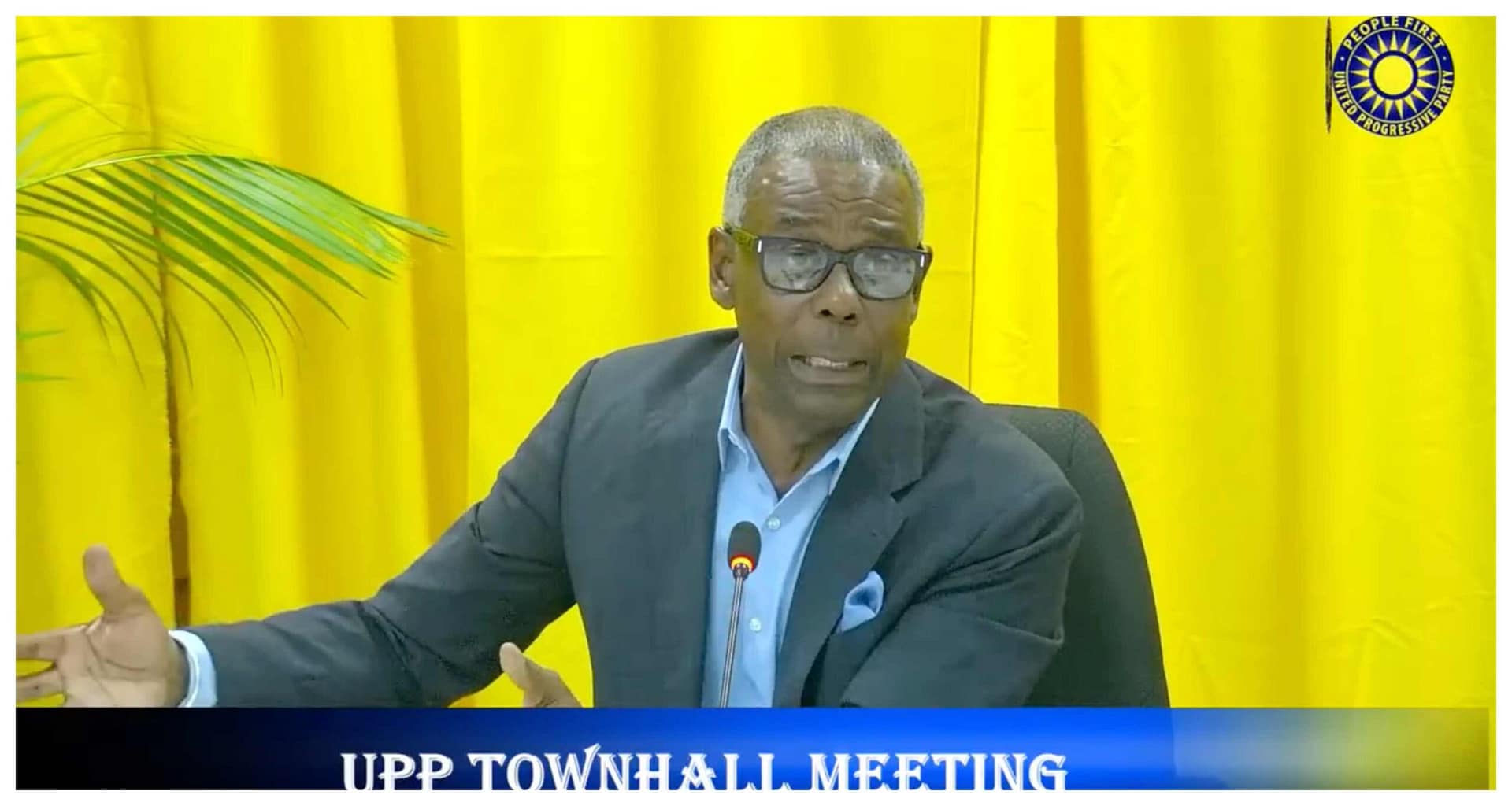
Harold Lovell, the former finance minister and caretaker for the All Saints West constituency, has voiced grave concerns over the escalating crime rates in the Bellevue Heights and Sinclair Heights areas. Speaking on Observer A.M., Lovell highlighted the growing fear among residents, particularly women, who feel like prisoners in their own homes due to frequent burglaries and robberies. He emphasized that many residents are too afraid to enter their homes alone at night, describing the situation as deeply troubling. To address these issues, Lovell revealed that two retired senior police officers, Nuffield Burnett and David, attended a recent community meeting to provide practical safety strategies. Residents have since initiated neighborhood patrols and information-sharing systems, but Lovell stressed that a more robust police response is urgently needed. He criticized the environmental neglect in the area, noting that overgrown vegetation provides cover for criminals. Lovell plans to write to relevant authorities and involve the police commissioner to tackle the problem. His comments come amid broader public concern about rising crime across Antigua and Barbuda, with police encouraging citizens to form neighborhood watch groups and report suspicious activities.
-

Prime Minister Skerrit meets with Cambodian leader on 15th anniversary of alliance
In a landmark diplomatic engagement, Prime Minister Dr. Roosevelt Skerrit of Dominica met with Prime Minister Hun Manet of Cambodia during a working visit to Phnom Penh last week. The discussions, held in a spirit of mutual respect and cooperation, focused on enhancing bilateral relations across key sectors such as trade, economic development, agriculture, tourism, and cultural exchanges. The meeting coincided with the 15th anniversary of diplomatic relations between the two nations, marking a significant milestone in their partnership.