
Horizons Art Gallery is thrilled to announce the return of acclaimed Cuban artist Alberto Sautúa with his latest exhibition, *Images of the Subconscious*. Following the success of his 2022 showcase, Sautúa’s new collection promises to mesmerize art enthusiasts with its unique fusion of realism and fantasy. Born in Havana in 1976, Sautúa honed his craft at the prestigious San Alejandro National Academy of Visual Arts and later specialized in xylography at the Higher Studies Art Institute. His career has spanned the globe, with exhibitions in Cuba, the United States, Mexico, Belgium, Germany, Canada, Argentina, Switzerland, Spain, and Sweden, earning him international recognition for his imaginative and distinctive style. Sautúa’s work is deeply rooted in Cuba’s art community, where he has contributed to cultural and social projects, including anti-smoking campaigns and initiatives to democratize access to art. His creations, often described as ‘fairy tales for grown-ups,’ feature ethereal figures touched by nature, inviting viewers into a world of pure imagination. The exhibition, which runs from October 14 to October 25, offers a glimpse into Sautúa’s subconscious, with each painting serving as a fragment of thought and emotion. The opening night on October 14, from 6:30 pm to 8:00 pm, is free to attend at 37 Mucurapo Road, St James. For more information, call 628-9769 or visit www.horizonsartgallery.com.
作者: admin
-
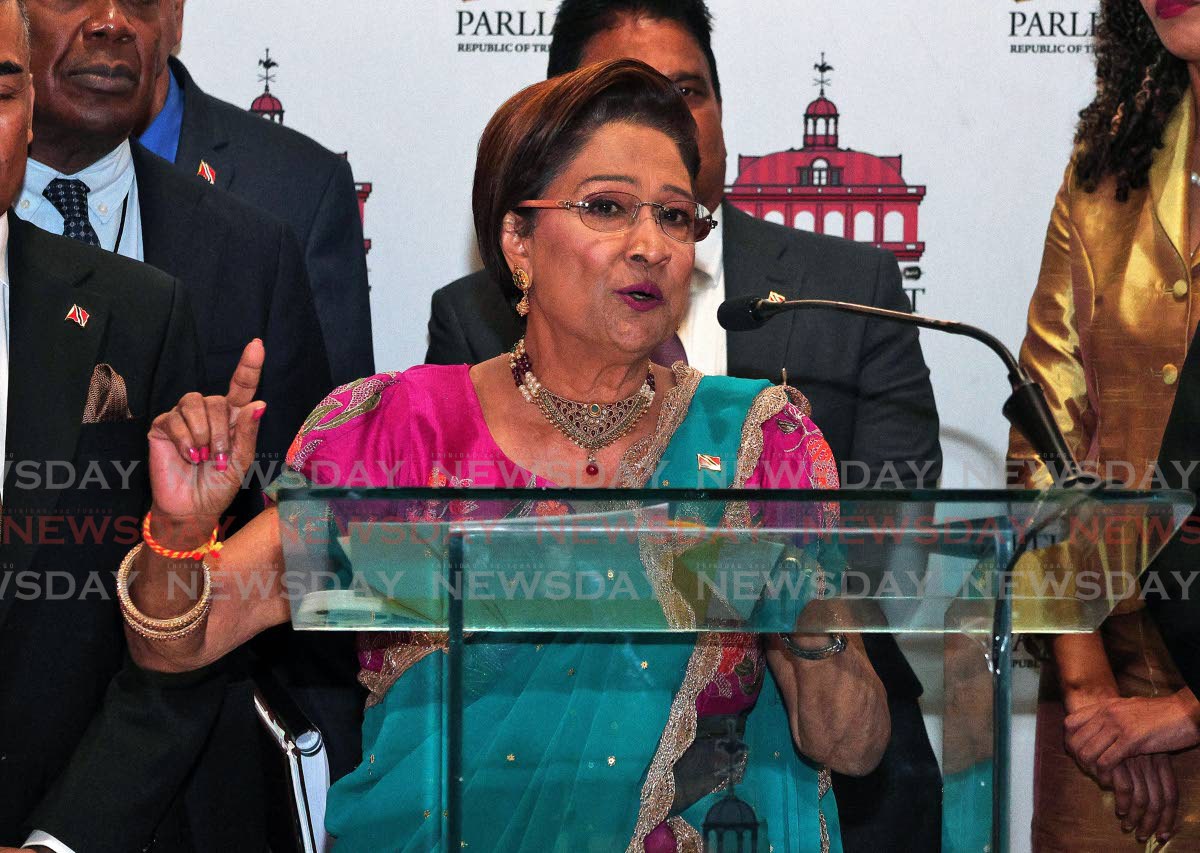
PM on UNC government’s first budget – ‘All about fairness and equality’
Prime Minister Kamla Persad-Bissessar emphasized fairness and equality as the cornerstone of her UNC government’s 2025-2026 budget during a press briefing at the Red House rotunda on October 13. The fiscal package, presented by Finance Minister Davendranath Tancoo, introduced several measures aimed at rebalancing economic disparities and ensuring accountability. Among the key announcements was a 0.25% levy on the assets of banks and insurance companies, alongside a landlord business surcharge targeting undeclared rental properties. Persad-Bissessar clarified that the surcharge was not a property tax but a mechanism to protect both landlords and tenants while boosting public revenue. She also highlighted a reduction in the price of super gasoline by $1 per liter, which she estimated would save consumers $500,000 annually. Additionally, the removal of VAT on agricultural inputs was framed as a move to empower farmers. The Prime Minister contrasted her government’s $3 billion budget deficit with the former PNM administration’s $16-$18 billion deficits over a decade, attributing the improvement to diligent management. Other measures included a 3% increase in National Insurance Scheme (NIS) contributions, expected to raise the National Insurance Board’s annual collections by 23%. Persad-Bissessar also addressed the dire state of the NIS, warning that without immediate action, funds for pensions and benefits would soon be depleted. She praised Tancoo’s allocation of $2.96 billion for the Tobago House of Assembly’s development plan, which represents 5% of the national budget, and an additional $763 million through various ministries, bringing Tobago’s total allocation to $3.7 billion. In response to a reporter’s question, the PM identified 8,000 public sector vacancies, promising better job opportunities.
-
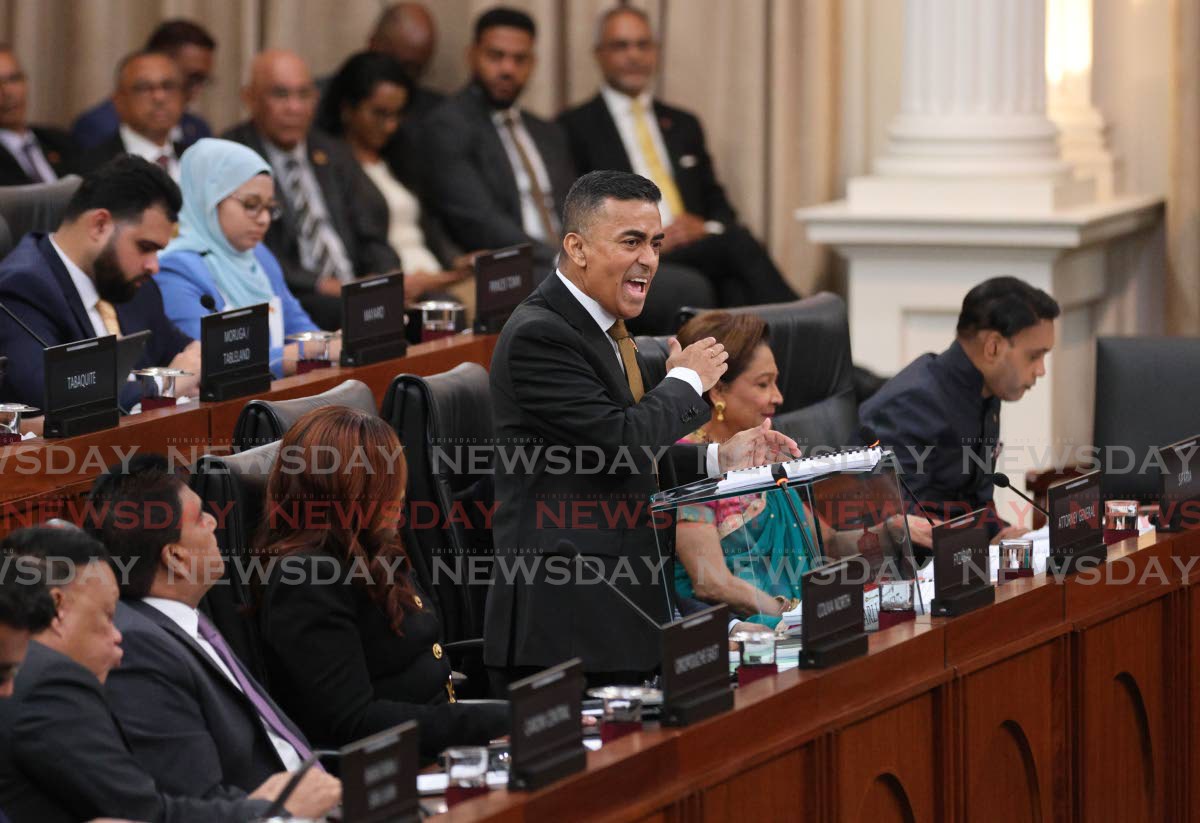
Tancoo’s ‘give & take’ budget
The United National Congress (UNC) government, led by Finance Minister Davendranath Tancoo, presented its inaugural national budget for 2025-2026, striking a balance between relief measures and revenue-generating policies. The budget, delivered in the House of Representatives on October 13, 2025, was framed as a ‘give and take’ fiscal package aimed at fulfilling election promises while addressing economic challenges. Key highlights include a $1 per litre reduction in super gasoline prices, a 10% wage increase for public servants, and the removal of VAT on essential food items—measures designed to ease the financial burden on citizens. However, the government also introduced new levies, such as increased customs duties on alcohol and tobacco, a 3% hike in National Insurance System (NIS) contributions, and a landlord surcharge, targeting big businesses and commercial entities. Tancoo emphasized that the budget reflects the UNC’s commitment to ‘putting the people of Trinidad and Tobago first,’ with a projected expenditure of $59.232 billion and revenue of $55.367 billion, resulting in a $3.865 billion deficit. The budget also allocated significant funds to Tobago ($3.724 billion) and prioritized sectors like education ($8.766 billion), health ($8.214 billion), and national security ($6.366 billion). Additionally, Prime Minister Kamla Persad-Bissessar will oversee a newly established Financial Oversight & Appropriations Committee (FOAC) to ensure transparent management of state resources. The budget debate is set to begin on October 17, with Opposition Leader Pennelope Beckles expected to respond.
-
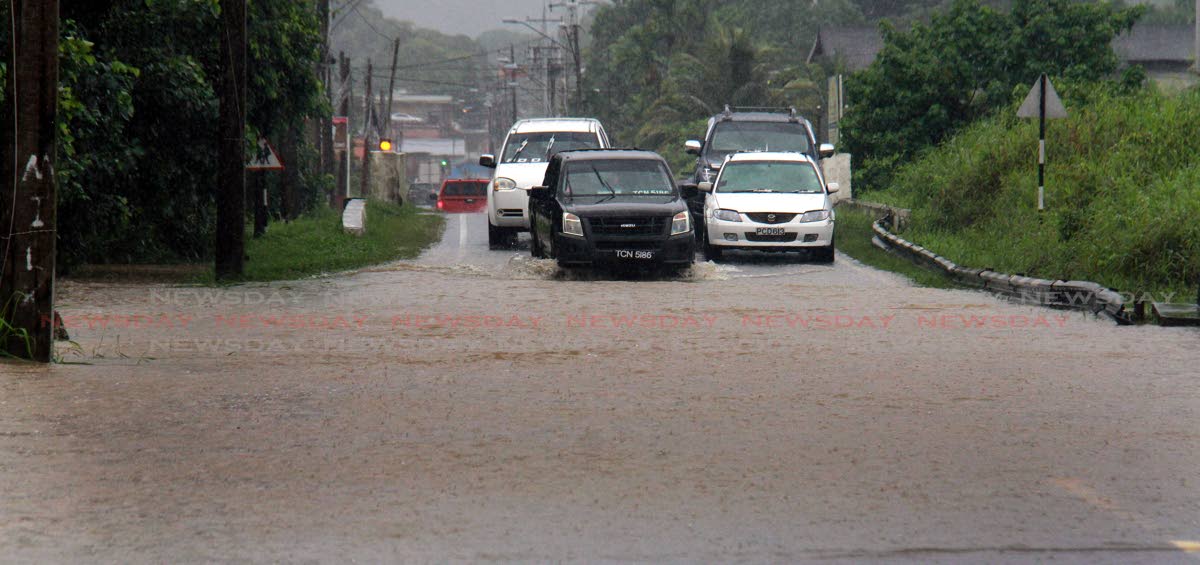
Flash flooding in south, central Trinidad
Heavy rainfall on the afternoon of October 13 led to sudden flash floods in multiple regions of central and south Trinidad, prompting urgent warnings from disaster management authorities. The Office of Disaster Preparedness and Management (ODPM) issued a 4 pm update, highlighting significant flooding in the Couva/Tabaquite/Talparo and Princes Town municipalities. In the central area, residential flooding was reported along Hermitage Road in Claxton Bay, while Pine Avenue in Fairview Park, Freeport, and Macaulay Trace Junction faced street flooding. In Princes Town, Guaracara Tabaquite Road near the Williamsville Community Centre and Piparo Junction were also affected. Fortunately, no property damage was reported. The ODPM urged residents in flood-prone zones to secure household items, relocate vehicles to higher ground, and avoid walking or driving through floodwaters to ensure safety.
-

John Procope starts journey to swim around Tobago
Endurance swimmer John Procope embarked on a monumental challenge on October 13, aiming to swim around the island of Tobago within 48 hours. The grueling endeavor began at Pigeon Point, where Procope was met by a group of supporters, including Wane Clarke, the Secretary of Community Development for the Tobago House of Assembly (THA). A support vessel equipped with essential supplies like food and water will accompany him throughout the journey. Additionally, two fellow swimmers, Jacob Cox and William Carr, will join Procope for portions of the swim to provide moral and physical support. Procope’s ambitious goal is to complete the circumnavigation by 9 a.m. on October 15. This is not the first time Procope has taken on such a daunting task. In October 2024, he successfully swam from Tobago to Trinidad in approximately 25 hours, showcasing his exceptional endurance and determination. This latest challenge further cements his reputation as a pioneer in the world of extreme swimming.
-

Yorke unfazed by Curacao’s artificial pitch for World Cup qualifier
The Trinidad and Tobago (TT) senior men’s football team is gearing up for a pivotal World Cup qualifier against Curacao on October 14 at the Ergilio Hato Stadium. With the match set to kick off at 7 pm, TT head coach Dwight Yorke emphasized the importance of securing victories in challenging away conditions to keep their World Cup dreams alive. Currently third in Group B with four points, TT trails Curacao, who lead the group with seven points following their recent upset against Jamaica. Jamaica sits in second place with six points.
-

Tunapuna Chamber welcomes ‘economic fairness’ budget
The Greater Tunapuna Chamber of Industry and Commerce (GTCIC) has expressed its support for the government’s emphasis on ‘economic fairness’ and fiscal accountability in the 2026 national budget. However, the business lobby group has raised concerns about the persistent liquidity and competitiveness challenges faced by small and medium-sized enterprises (SMEs), calling for immediate and practical solutions. In a statement following Finance Minister Davendranath Tancoo’s budget presentation, GTCIC President Ramon Gregorio acknowledged the budget’s focus on tax modernization, institutional renewal, and digital transformation as steps toward reform. Yet, he emphasized the need for ‘concrete, time-bound measures’ to address foreign exchange shortages, improve SME financing, and bolster business confidence. Gregorio stated, ‘The business community seeks accountability matched by delivery – a Trinidad and Tobago where entrepreneurship thrives, forex flows freely, and SMEs drive inclusive growth.’ The chamber welcomed the reduction in super gasoline prices as a relief measure for transport and manufacturing sectors, potentially lowering logistics costs and inflation. It also praised initiatives in the energy sector, such as the Dragon Gas project and expanded exploration, as crucial for stabilizing foreign exchange inflows. Additionally, the GTCIC commended the creation of an employment fund and the replacement of CEPEP and URP with formal, productivity-driven jobs, viewing these as steps toward long-term economic restructuring. Gregorio highlighted the government’s digitization efforts, including the National Payment and Innovation Company of TT’s online payment system and the ‘Anansi’ virtual assistant, as tools to reduce bureaucracy and corruption. However, the chamber urged the government to ensure transparent and equitable forex distribution, especially for manufacturers reliant on imported raw materials. It also called for direct SME funding and credit guarantees, beyond recent reforms to the Export Academy and Eximbank. On tax reform, the GTCIC stressed the need for detailed consultation with small businesses to avoid disruptions in pricing and compliance systems. It also emphasized the importance of sustained crime reduction for investor and business confidence. The GTCIC expressed its willingness to collaborate with the Ministry of Finance, the Ministry of Trade and Industry, and the newly established Private Sector Organisation of TT (PSOTT) to translate policy intentions into measurable outcomes. ‘We stand ready to collaborate to ensure that policies translate into tangible results for business owners, workers, and consumers alike,’ the statement concluded.
-

AI and education
Artificial Intelligence (AI), a transformative technology that simulates human learning, decision-making, and creativity, has evolved significantly since its inception in the 1950s. By the 1980s, machine learning introduced ‘expert systems’ that leveraged historical data. The 2010s marked the rise of deep learning, enabling machines to mimic human brain functions. This technological leap was driven by major corporations seeking to enhance efficiency and productivity, particularly through the vast data generated by social media platforms. AI’s unique ability to reshape societies, economies, and education systems sets it apart from traditional digital technologies, but it also raises critical ethical and social challenges, including fairness, transparency, privacy, and accountability. As AI becomes increasingly integrated into education, systems worldwide are grappling with its implications. Educators emphasize that AI should support, not replace, human decision-making and intellectual development, while respecting human rights and cultural diversity. In the absence of a national policy framework, UNESCO’s AI competency frameworks for students and teachers provide essential guidance. These frameworks focus on fostering a human-centered mindset, ethical AI use, foundational AI knowledge, and system design. For teachers, the framework emphasizes lifelong professional development, responsible AI use, and innovative teaching methods. The overarching principle is that AI should amplify human judgment, creativity, and empathy, not replace them. Schools are advised to develop their own AI policies, ensuring robust privacy safeguards and accountability mechanisms to prevent misuse of personal data and protect civil liberties.
-
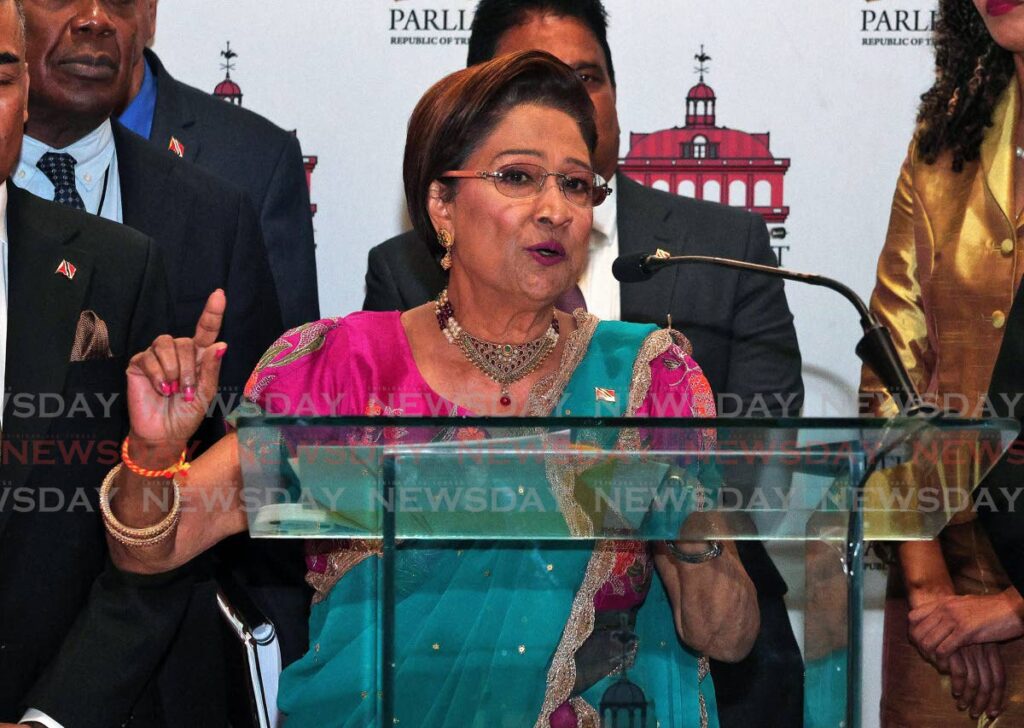
PM on UNC govt’s first budget – ‘All about fairness and equality’
Prime Minister Kamla Persad-Bissessar emphasized fairness and equality as the cornerstone of her UNC government’s 2025-2026 budget during a press briefing at the Red House rotunda on October 13. The fiscal package, presented by Finance Minister Davendranath Tancoo, introduced several measures aimed at rebalancing economic sectors and ensuring accountability. Persad-Bissessar defended a 0.25% levy on the assets of banks and insurance companies, alongside a landlord business surcharge on undeclared rental properties, clarifying that this was not a property tax but a mechanism to protect both landlords and tenants. She stressed that the budget was not about taxing individuals but about fostering accountability. The Prime Minister highlighted a reduction in the price of super gasoline by $1 per liter, which she said would save consumers $500,000 annually. Additionally, the removal of VAT on agricultural inputs was framed as a move to empower farmers. Persad-Bissessar contrasted her government’s $3 billion budget deficit with the former PNM administration’s $16-$18 billion deficits, attributing the improvement to diligent management. She also announced a 3% increase in National Insurance Scheme (NIS) contributions, expected to boost the National Insurance Board’s (NIB) annual collections by 23%. The PM urged citizens to consider private pensions, which are tax-free, unlike government pensions. She warned that without immediate action, the NIS would face collapse, leaving no funds for pensions or benefits. Persad-Bissessar praised Tancoo’s allocation of $2.96 billion for the Tobago House of Assembly’s development plan, along with an additional $763 million through various ministries, totaling $3.7 billion or 6.3% of the national budget. Responding to a reporter, she identified 8,000 public sector vacancies and promised better job opportunities.
-
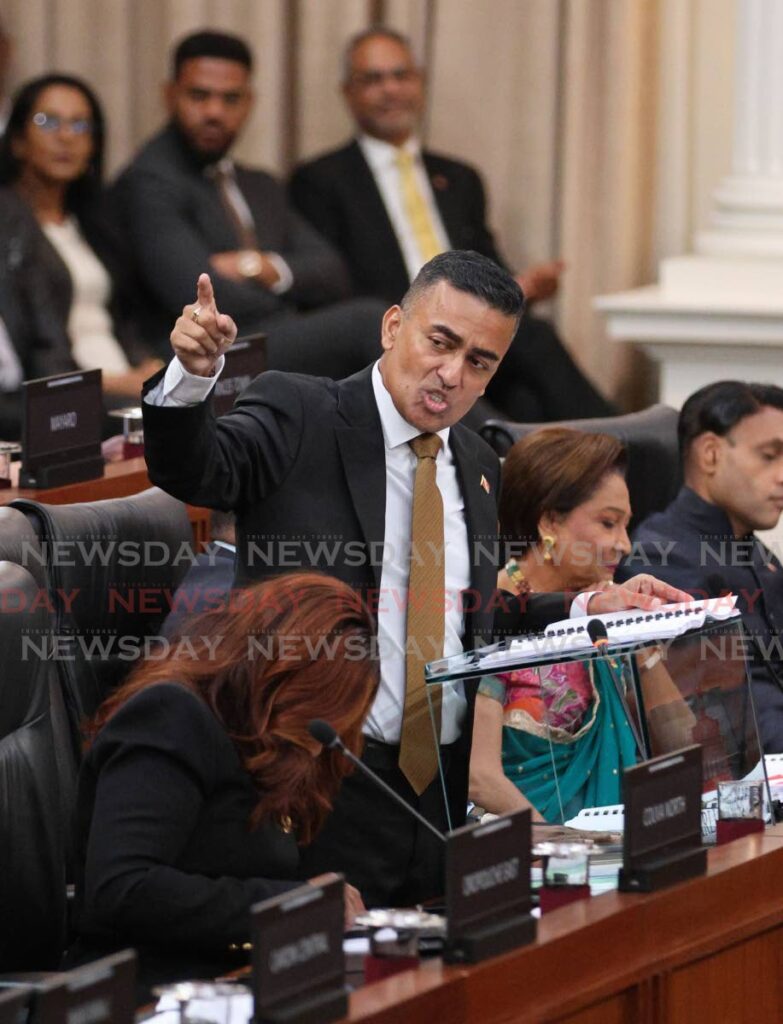
Tancoo’s tightrope bets on growth
In a landmark parliamentary session on October 13, Finance Minister Davendranath Tancoo presented the 2025-2026 budget, marking the first budget under the UNC administration in a decade. The fiscal plan, described as bold and ambitious, hinges on sustained public investment, institutional reforms, and the preservation of social safety nets. Key highlights include an anticipated boost in staffing at the Board of Inland Revenue by February, a projected GDP growth by 2026, and a promised 10% salary increase for civil servants. Despite these optimistic measures, the budget reflects cautious optimism rather than radical economic transformation. Energy revenues, though declining, still account for 20% of total income, while diversification efforts remain modest, with token mentions of agriculture, university business labs, and renewable energy. The budget deficit stands at $3.89 billion, the lowest in years, though concerns linger over optimistic oil and gas price assumptions. Tancoo’s three-hour speech, marked by directness and enthusiasm, avoided excessive criticism of the previous PNM administration while acknowledging structural economic challenges. The budget balances short-term gains, such as increased education spending and VAT reductions on select items, with potential drawbacks like higher duties on cigars and alcohol, increased NIS rates, and new levies on private enterprises. The absence of clarity on the Petrotrin refinery’s future suggests the budget is part of a broader, long-term strategy.