作者: admin

  • Voter apathy cause for concern, says Atherley

    Voter apathy cause for concern, says Atherley

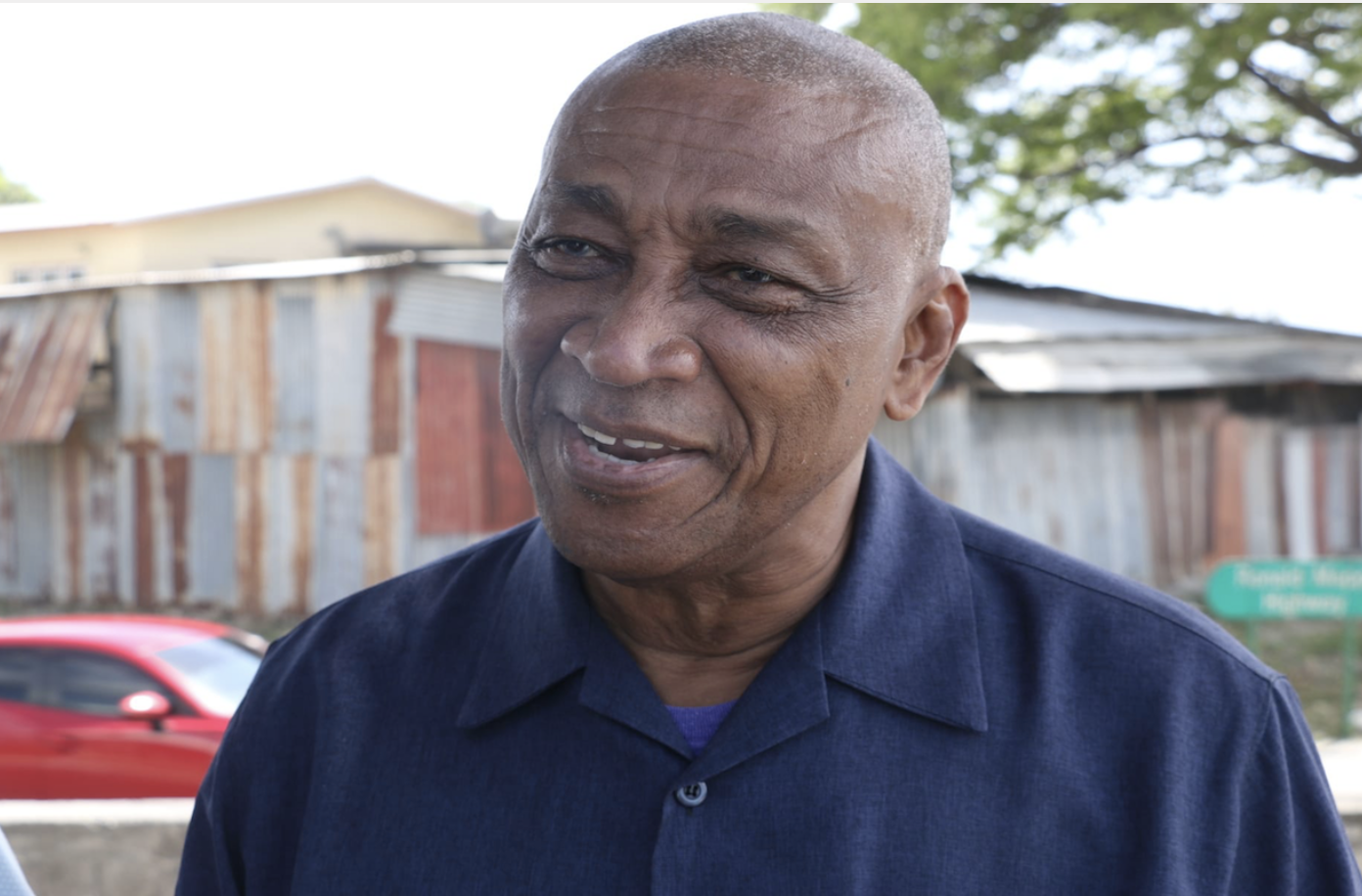
    With Barbados approaching its February 11 general election, former Opposition Leader Bishop Joseph Atherley has identified escalating voter apathy as the most pressing threat to democratic integrity. In an exclusive interview with Barbados TODAY, Atherley revealed that diminishing public engagement with the political process represents a fundamental challenge to the nation’s democratic foundations.

    Atherley’s concerns are substantiated by both empirical polling data and firsthand observations from his nationwide tour of political gatherings. He emphasized that true democracy requires not merely the mechanical holding of elections, but active citizen participation driven by informed understanding of socio-political realities.

    Historical context reveals this trend isn’t entirely novel—voter turnout has demonstrated consistent decline across multiple election cycles. However, Atherley contends the situation has reached critical severity, with citizens increasingly disconnecting from traditional political participation. The phenomenon manifests through both refusal to disclose voting intentions and outright abandonment of electoral involvement.

    Social media platforms have emerged as both symptom and catalyst of this disengagement. While digital spaces host vigorous political discourse, Atherley observes they often substitute for physical participation and facilitate the unchecked spread of unverified claims that erode institutional trust.

    The roots of this apathy extend beyond digital transformation. Atherley identifies profound public disappointment with political outcomes as a primary driver, noting many citizens believe electoral results yield negligible impact on their daily lives. This sentiment combines with evolving societal priorities and increased distractions in modern Barbadian life.

    Crucially, Atherley reframes the issue as non-partisan, stating: ‘People believe that both parties have done well and both parties have done ill.’ This nuanced perspective suggests systemic rather than party-specific challenges. The fundamental task now becomes revitalizing civic engagement to ensure citizens remain invested in making informed electoral decisions.

  • Commonwealth, CARICOM observers due to arrive soon to oversee general election

    Commonwealth, CARICOM observers due to arrive soon to oversee general election

    Barbados is poised to make electoral history this week as it welcomes international observer missions from the Commonwealth and CARICOM to monitor its general election—marking the first time the island nation has subjected its democratic process to formal overseas scrutiny. The landmark initiative follows a formal invitation extended by Prime Minister Mia Mottley, who characterized the move as a testament to the nation’s dedication to democratic principles, governmental transparency, and the rule of law.

    The Commonwealth delegation, under the leadership of former Saint Lucia House of Assembly Speaker Sarah Flood-Beaubrun, includes six observers recruited from various Commonwealth nations, supported by administrative staff from the organization’s secretariat. Simultaneously, a separate contingent from the Caribbean Community (CARICOM) is scheduled to arrive, collectively forming a robust multinational monitoring presence.

    Throughout their mission, the observer teams will conduct comprehensive assessments of multiple electoral dimensions. Their mandate encompasses evaluating the pre-election climate, campaign activities, and administrative readiness. On election day, the groups will monitor the operational procedures at polling stations—from their opening through the voting process—and continue through the critical phases of vote counting and result tabulation. Additionally, the missions plan to engage with essential stakeholders, including the Electoral and Boundaries Commission, representatives from competing political parties, media organizations, and civil society groups.

    Upon conclusion of the electoral process, both missions will release preliminary statements detailing their initial findings, to be followed by comprehensive final reports. Prime Minister Mottley has vigorously defended the decision to invite international oversight, emphasizing that it enables citizens to independently verify electoral integrity. “The presence of independent electoral observers allows the public to judge the conduct of our elections for themselves,” Mottley stated. “There is no need to rely solely on claims from political figures; let the independent observers cast their judgment.”

    This unprecedented move toward electoral transparency occurs against a backdrop of opposition criticism regarding the election’s timing and allegations of discrepancies within the voter registry. Democratic Labour Party leader Ralph Thorne has formally requested a postponement, citing alleged irregularities that require corrective measures. However, Prime Minister Mottley has asserted that constitutional provisions under Section 18 of the Representation of the People Act prevent any alteration of the election date, ensuring the process proceeds as scheduled under international observation.

  • Regional emergency managers meet, test response readiness

    Regional emergency managers meet, test response readiness

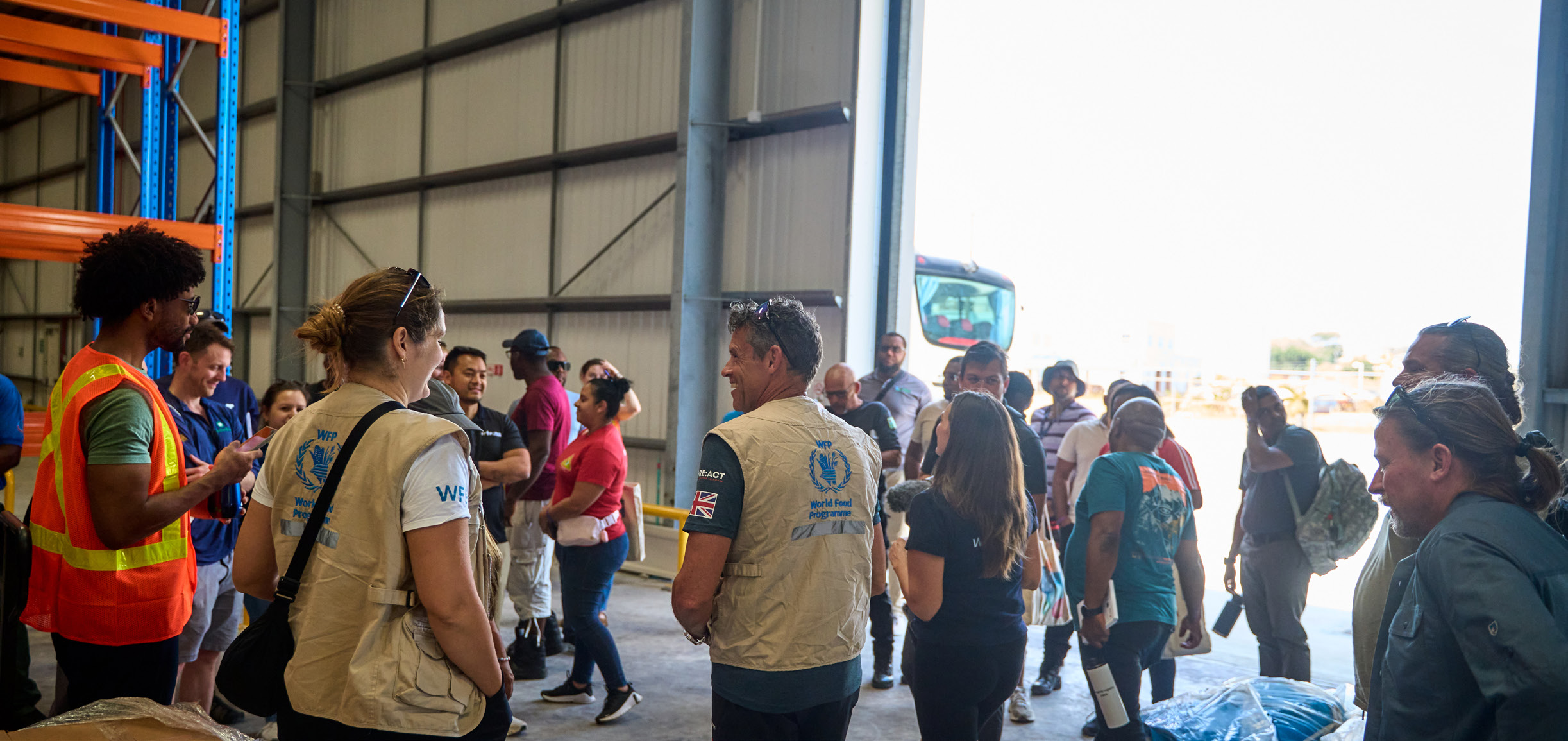
    Barbados has become the epicenter of a groundbreaking regional preparedness initiative as disaster management specialists and humanitarian organizations from across the Caribbean converge for an unprecedented emergency logistics coordination exercise. This landmark simulation, hosted at the Caribbean Regional Logistics Hub, represents the first comprehensive effort to enhance collective readiness for the anticipated challenges of the 2026 Atlantic hurricane season.

    The collaborative drill brings together emergency response coordinators from 12 Caribbean nations alongside 14 regional humanitarian partners, creating an integrated network of expertise. Participants are engaging in a meticulously designed scenario-based exercise set in a fictional Caribbean nation struck by a major hurricane, enabling agencies to practice real-time problem-solving and coordination under simulated emergency conditions.

    Brian Bogart, Representative and Country Director for the UN World Food Programme’s Caribbean Multi-Country Office, emphasized the critical importance of such preparatory measures. “Through these simulations, we create a controlled environment where response teams can confront operational challenges without the devastating human cost of actual disasters,” Bogart explained. The exercise specifically focuses on improving coordination mechanisms, information sharing protocols, and collective decision-making processes during large-scale emergencies.

    The simulation’s design incorporates dynamic elements that mirror the complexity and unpredictability of real disaster scenarios, requiring participants to adapt rapidly to evolving circumstances. This approach allows response organizations to identify potential gaps in their emergency frameworks and develop practical solutions before actual hurricanes materialize.

    Bogart further highlighted the equitable training benefits of such exercises: “While some organizations gain experience through actual emergency response, not all nations or agencies have equal exposure to major disasters. These simulations ensure that all regional partners can develop essential response capabilities through structured, realistic training.”

    The initiative represents a proactive shift in regional disaster preparedness strategy, moving from theoretical planning to practical, hands-on training that enhances collective response capabilities well in advance of each hurricane season.

  • At Global Summit, Browne Outlines High-Value Tourism Strategy for Antigua

    At Global Summit, Browne Outlines High-Value Tourism Strategy for Antigua

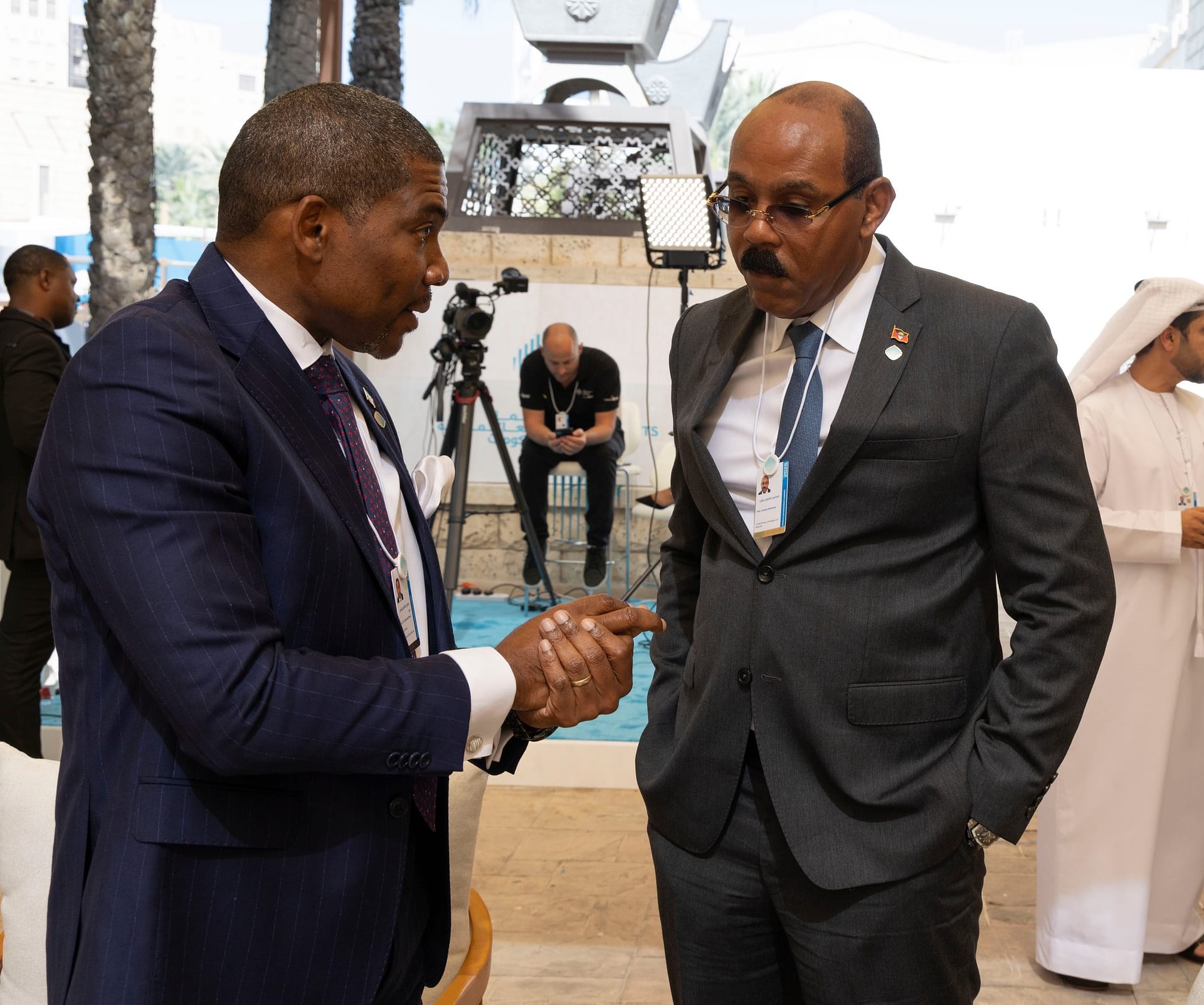
    In a significant policy address at the World Government Summit in Dubai, Prime Minister Gaston Browne unveiled a transformative national strategy to fundamentally reposition Antigua and Barbuda’s tourism industry. Moving beyond traditional metrics of success, the government is implementing a comprehensive overhaul designed to convert tourism into a powerful engine for inclusive economic development.

    Browne critically assessed the historical shortcomings of the tourism sector, describing it as operating too long as an ‘enclave industry’—successful in generating visitor arrivals and revenue but remaining critically disconnected from the broader national economy. This approach, while profitable for some, failed to deliver widespread benefits to the population.

    The new vision centers on creating a high-value tourism model with intentional linkages across multiple economic sectors. Strategic connections to construction, agriculture, creative industries, transportation, financial services, and small business development form the cornerstone of this initiative. This integrated approach aims to ensure that more Antiguans and Barbudans can participate meaningfully and benefit substantially from the tourism economy.

    Success indicators will be radically redefined under this new framework. Rather than focusing primarily on arrival numbers, the government will prioritize outcomes including increased domestic ownership, expanded entrepreneurship opportunities, livable wages for workers, higher visitor spending patterns, enhanced foreign exchange earnings, and more equitable tax revenue distribution.

    As part of this strategic pivot, the administration is actively courting luxury tourism investments while simultaneously encouraging existing all-inclusive properties to upgrade their offerings. This dual approach seeks to establish Antigua and Barbuda as a premier high-end destination while elevating standards across the entire industry.

    Browne emphasized that these transformative benefits will not materialize automatically. They require what he termed a ‘national reset’ of the tourism sector, supported by deliberate policy choices, targeted infrastructure investment, and comprehensive human capital development programs. The Prime Minister framed tourism not merely as an economic activity but as an overarching national development strategy touching all aspects of society—from physical infrastructure and cultural preservation to environmental stewardship and skills development.

    This strategic repositioning addresses what Browne identified as the central challenge facing small island states: designing tourism-driven economies capable of delivering resilient growth, shared prosperity, and long-term sustainability amid ongoing global economic, environmental, and technological changes.

  • Hetmyer to join West Indies for World Cup

    Hetmyer to join West Indies for World Cup

    West Indies cricketer Shimron Hetmyer is scheduled to reunite with his national squad in India on Thursday, February 5th, following the resolution of significant visa complications that threatened his participation in the ICC Men’s T20 World Cup. The 29-year-old Guyanese batsman’s arrival comes just two days before the team’s opening match against Scotland.

    The travel disruption originated from Hetmyer’s use of a newly issued Guyanese passport during the recent South African T20I series. According to renowned international commentator Dr. Joseph Reds Perreira, who spoke exclusively with St. Lucia Times, the batsman traveled to South Africa without carrying his previous passport containing the essential Indian visa. Since Guyanese citizens enjoy visa-free entry to South Africa, the omission went unnoticed until his scheduled departure to India.

    Perreira revealed that high-ranking West Indies Cricket Board officials expected the matter to be resolved imminently, with Hetmyer projected to depart South Africa within hours and reach India by Thursday afternoon Eastern Caribbean time.

    This incident echoes previous travel challenges for the talented left-hander, who ranks fourth in run accumulation (1,345 runs) among current squad members. In 2022, Hetmyer faced exclusion from the T20 World Cup squad after missing two rescheduled flights to Australia due to personal reasons.

    His potential absence would have represented a substantial setback for the Men in Maroon, given his impressive recent form. Hetmyer has compiled 233 runs this year at an average of 46.60, including a remarkable 171 runs across just three innings against South Africa.

    While acknowledging Hetmyer’s personal responsibility, Perreira suggested broader accountability within team management. He questioned whether team manager Rawl Lewis had adequately communicated the specific documentation requirements before players departed their Caribbean homes.

    The visa issue caused Hetmyer to miss Wednesday’s warmup encounter against Afghanistan as well as the official ICC tournament photoshoot, though his anticipated timely arrival preserves West Indies’ batting strength for their crucial opening fixture.

  • More details on immigration amnesty could be discussed at Cabinet next week

    More details on immigration amnesty could be discussed at Cabinet next week

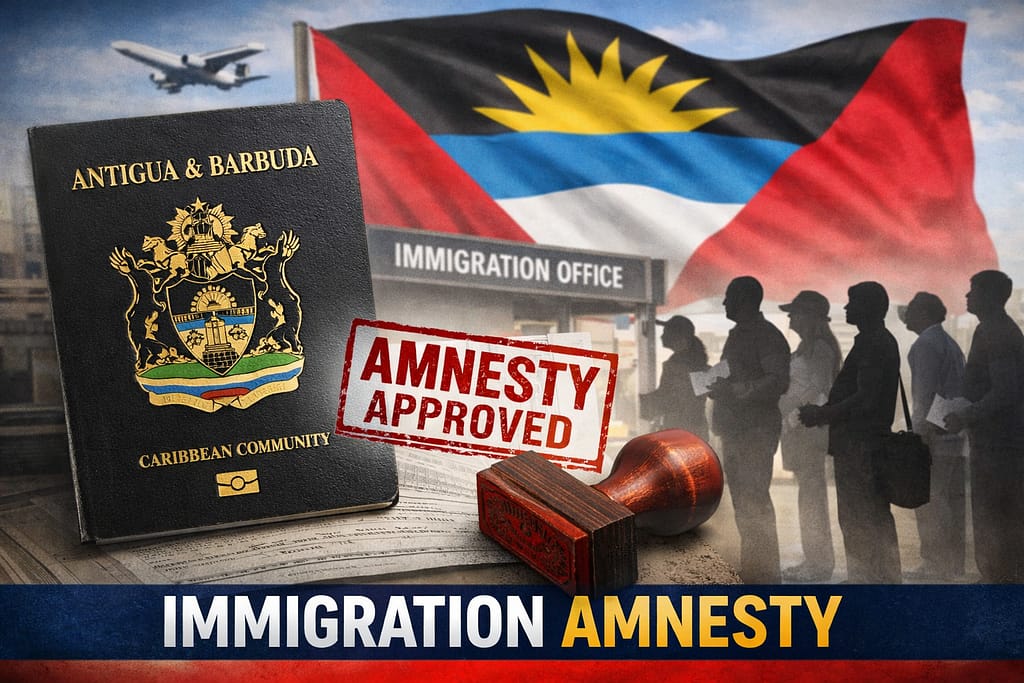
    The Trinidad and Tobago government is poised to review a comprehensive immigration amnesty plan, marking a significant advancement in a long-awaited initiative. Director General of Communications Maurice Merchant confirmed during Thursday’s post-Cabinet press briefing that a formal operational proposal will be presented to ministers next week.

    The development follows extensive collaboration between the Attorney General’s office and immigration authorities, who have been spearheading the program’s formulation. Merchant indicated the proposal has reached an advanced stage, though specific details regarding eligibility parameters, program duration, and implementation scope remain undisclosed until after Cabinet deliberation.

    ‘Substantial progress has been achieved through the coordinated efforts of the Honourable Attorney General’s team and immigration officials,’ Merchant stated. ‘We anticipate presenting a structured operational framework for Cabinet consideration next week, with subsequent public disclosure following approval.’

    The announcement signals the administration’s movement toward resolving complex immigration status matters, though the government maintains that final specifics will only be released upon official endorsement. This procedural approach suggests careful consideration of the policy’s legal and administrative implications before public rollout.

  • Footballer Caull makes Mo Bay move

    Footballer Caull makes Mo Bay move

    Montego Bay United, the current frontrunners in Jamaica’s top-tier football competition, have secured the signing of promising Saint Lucian winger Kegan Caull for the remainder of the 2025-2026 Wray and Nephew Jamaica Premier League season. The 21-year-old talent makes his Caribbean return after several years in European football, transferring permanently from England’s Isthmian League Premier Division side Hashtag United.

    The move marks a significant homecoming for Caull, who last played in the Caribbean region in 2021 before embarking on his European career that included spells with Gibraltar’s Europa Point FC and Slovenian club NK Tolmin. The young attacker brings an impressive pedigree having previously spearheaded Saint Lucia’s national youth teams to victory in prestigious tournaments including the 2018 Caribbean Football Union Boys’ Under-14 Challenge Series and the 2019 Concacaf Boys’ Under-15 Championship.

    Caull’s arrival comes at a crucial juncture for Montego Bay United as they push for their first league title since the 2015-2016 season. The club currently dominates the JPL standings with 45 points from 21 matches, boasting a league-best offensive record of 40 goals scored despite defensive vulnerabilities that place them sixth in goals conceded.

    The signing potentially signals broader recruitment strategy focused on Saint Lucian talent. Jamaican media reports indicate Montego Bay United may be pursuing additional experienced internationals from Saint Lucia, including defender Melvin Doxilly and goalkeeper Vino Barclett, both currently training with the squad while under contract elsewhere. This approach follows the club’s previous engagement with Saint Lucian midfielder Gregson President in 2024.

    For Caull, who turns 22 in March, this transfer represents an opportunity to revitalize his professional career and potentially earn recall to Saint Lucia’s senior national team setup after his European journey yielded limited first-team opportunities at his most recent club.

  • Second suspect charged in 2024 murder of teenager

    Second suspect charged in 2024 murder of teenager

    In a significant breakthrough for Saint Lucian law enforcement, authorities have successfully captured and charged a second individual in connection with the 2024 fatal shooting of 13-year-old Melchizedek Gilbert Tixcy. The development concludes an intensive nearly two-year international pursuit that spanned multiple Caribbean jurisdictions.

    Merkyle Cooper, a 20-year-old resident of Desruisseaux, Micoud, now faces capital murder charges for his alleged involvement in the juvenile’s death. The teenage victim was tragically shot and killed at his Blanchard residence on July 31, 2024, sparking widespread community outrage and an extensive investigation.

    According to Superintendent Stephen Victorin, overseeing the Southern Division, the initial phase of the investigation led to the prompt arrest of Makalay Simon, another Blanchard resident, on August 8, 2024. Simon was formally charged with murder and has remained in custody at the Bordelais Correctional Facility since his apprehension.

    Cooper, however, managed to evade capture by fleeing Saint Lucia immediately following the incident. His prolonged escape ended recently when Dominican authorities arrested him on narcotics violations. Through coordinated inter-agency collaboration between Saint Lucian and Dominican law enforcement, Cooper was extradited and returned to Saint Lucia on January 22, 2026.

    Following thorough interrogation and evidence review, prosecutors formally charged Cooper with murder on January 25, 2026. The suspect made his initial court appearance before the Second District Court on January 26, where he was ordered to remain in custody at the Bordelais Correctional Facility pending further judicial proceedings.

    The case has drawn significant public attention, highlighting both the challenges of cross-border law enforcement cooperation and the persistent issue of youth violence in the region. Authorities have expressed confidence that the judicial process will deliver appropriate justice for the victim and his family.

  • Factory setbacks, market woes could delay sugar crop

    Factory setbacks, market woes could delay sugar crop

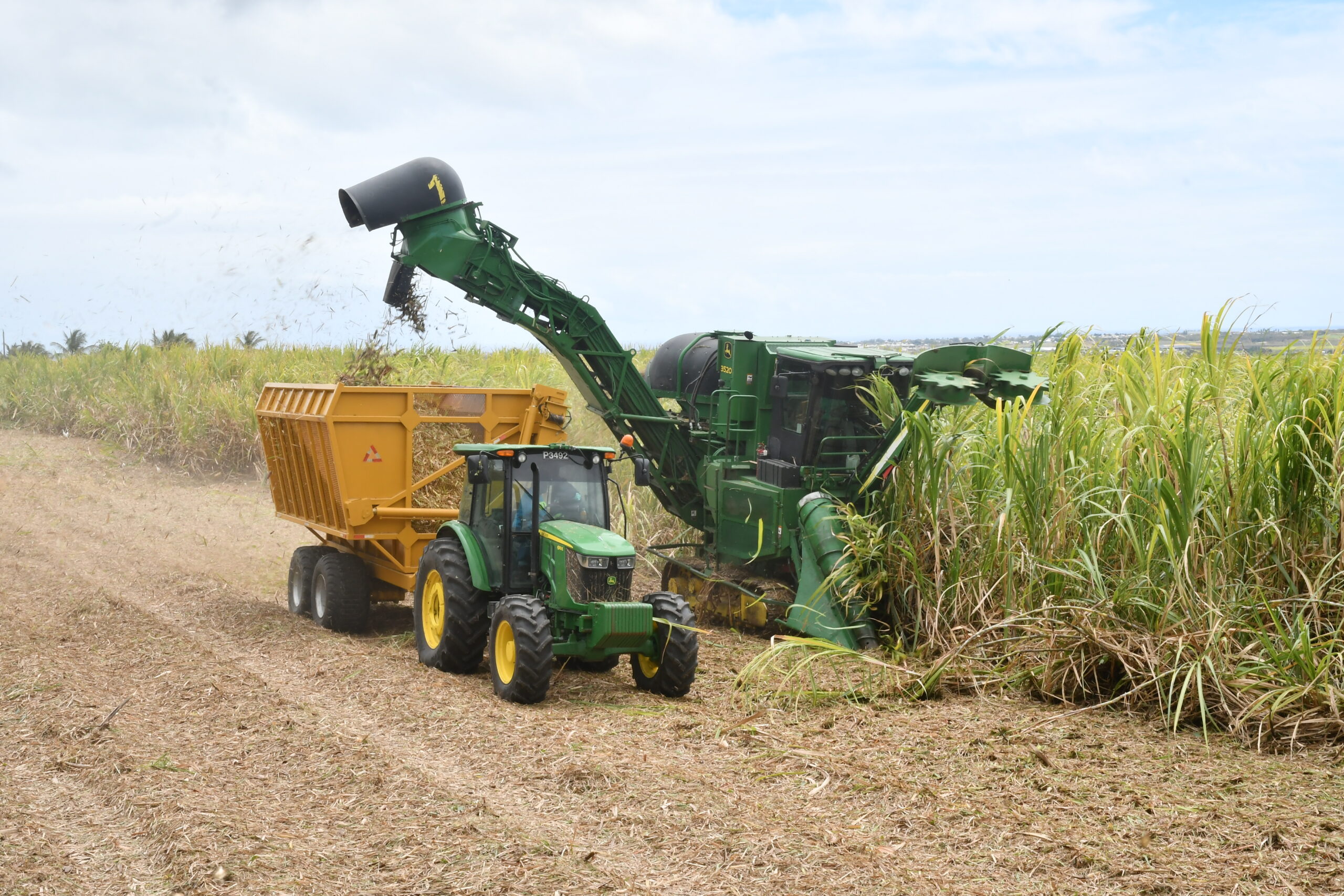
    Barbados’ historic sugar industry confronts mounting uncertainty as the 2026 harvesting season faces significant operational delays. Multiple industry sources confirm that Portvale Factory, the nation’s sole sugar processing facility, remains unprepared to receive sugarcane, casting doubt on previously anticipated February start dates.

    Technical assessments reveal substantial maintenance requirements still underway at the manufacturing plant. Dwight Millar, President of the Sugar Industry Staff Association (SISA), indicated that extensive equipment repairs and system upgrades must be completed before operations can commence. “Based on current progress indicators,” Millar stated, “a mid-February initiation appears highly improbable, with more realistic projections pointing toward early March.”

    The factory’s operational timeline faces additional complications awaiting critical agricultural data. Industry professionals await the annual brix report, which measures sucrose concentration in standing cane, to determine optimal harvesting conditions. Simultaneously, purchasing numbers for the season require finalization before processing can begin.

    Market dynamics further complicate the situation. Significant sugar inventories from the 2025 harvest remain unsold, reportedly due to competition from imported Jamaican sugar within CARICOM markets. This surplus storage issue creates logistical challenges for the upcoming season’s production cycle.

    Industry representatives have expressed grave concerns about external market pressures. Mark Sealy, Chairman of Barbados Sugar Industry Limited, highlighted how non-CARICOM brown sugar imports “directly compete with local production, essentially undermining domestic agricultural sustainability.” Producers argue these imports threaten the entire industry’s viability, potentially causing collapse within months without regulatory intervention.

    Management transitions have introduced additional complexity. Since January 2024, Co-op Energy has overseen sugar operations through subsidiaries BESCO Ltd (factory management) and Agricultural Business Company Ltd (farmland oversight), following government divestment of the Barbados Agricultural Management Company.

    Despite these challenges, private farmers maintain readiness to deliver cane once the factory announces operational dates. However, with general elections approaching next Wednesday and former agriculture minister Indar Weir pledging to address the situation, the industry’s future remains entangled in both operational and political dimensions.

  • Phillips pledges sweeping upgrades, reforms for St Peter

    Phillips pledges sweeping upgrades, reforms for St Peter

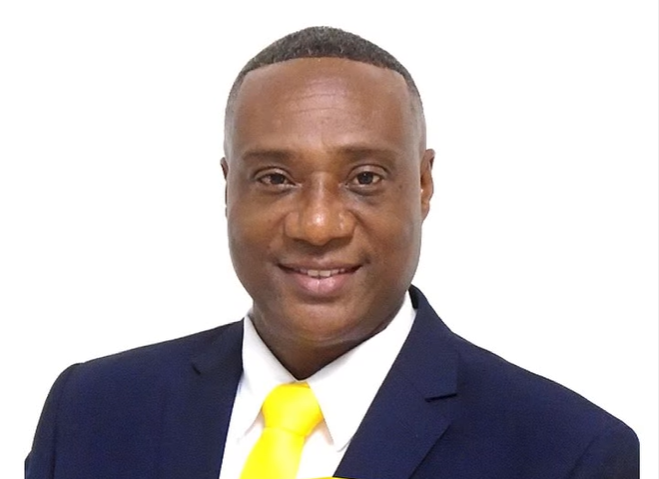
    Jason Phillips, the Democratic Labour Party candidate for St Peter, has presented a transformative development agenda targeting comprehensive infrastructure and social reforms for the northern Barbados constituency. During a recent campaign meeting, Phillips articulated a multi-faceted strategy addressing long-standing community concerns through systematic governmental intervention.

    The candidate identified road rehabilitation as an immediate priority, advocating for a structured program focusing on critical corridors including Boscobel to Speightstown and Indian Ground to Speightstown. Phillips emphasized the necessity of proper paving, drainage, and lighting systems, explicitly rejecting temporary patchwork solutions. His infrastructure proposal extends to enhanced street lighting to improve road safety and reliable waste management systems featuring fixed collection schedules and community clean-up initiatives.

    Water infrastructure emerged as another cornerstone of Phillips’ platform, with commitments to demand greater investment and accountability to ensure residents receive clean, reliable water. The candidate specifically addressed housing reform in Six Men’s Village, promising transparent, time-bound land regularization processes to provide legal ownership for current occupants. Additional community development initiatives for the area include establishing youth resource centers and recreational hard courts.

    Healthcare transformation features prominently in the candidate’s vision, with ambitious proposals to upgrade the Maurice Byer Polyclinic to a 24/7 mini-hospital facility equipped with ambulance services, emergency departments, and multiple wards to serve northern Barbados residents. Phillips also outlined economic measures including skills training programs, apprenticeships, and private sector partnerships to boost youth employment, alongside policies aimed at reducing living costs through agricultural development and protection for low-income households.

    Following his policy presentation, Phillips characterized his campaign approach as authentically engaged, stating his visibility reflects genuine connection with constituents rather than political strategy. The candidate highlighted his 26-year teaching career and legal practice as qualifications for implementing transformative representation.