In a landmark move to ensure the integrity of the democratic process, St. Vincent and the Grenadines has introduced a comprehensive Code of Ethical Political Conduct ahead of the 2025 General Election. The initiative, spearheaded by the St. Vincent and the Grenadines Christian Council and the National Monitoring and Consultative Mechanism (NMCM), aims to foster a fair, transparent, and peaceful electoral environment. The Code, endorsed by key political leaders including Prime Minister Dr. Ralph E. Gonsalves and Opposition Leader Dr. Godwin Friday, underscores the nation’s commitment to upholding democratic principles, human rights, and social justice. The document emphasizes the importance of maintaining moral integrity, promoting tolerance, and ensuring the secrecy of the ballot. It also addresses the need for candidates to avoid inflammatory rhetoric, refrain from using state resources for political gain, and discourage any form of violence or intimidation. The Code further mandates equal access to media and public venues for all political parties, ensuring a level playing field. The Christian Council and NMCM will monitor adherence to the Code, with the public encouraged to report any breaches. This initiative reflects the nation’s dedication to preserving the dignity of its democratic institutions and fostering a culture of respect and accountability in political discourse.
作者: admin
-

2025 election conduct code includes security for Opposition Leader
In a significant move towards ensuring peaceful and fair elections, the two major political parties in St. Vincent and the Grenadines—the ruling Unity Labour Party (ULP) and the opposition New Democratic Party (NDP)—signed a revised Code of Election Conduct on Tuesday, November 4, 2025. The signing ceremony, facilitated by the National Monitoring and Consultative Mechanism (NMCM), took place in Kingstown and included a key addition: guaranteed police protection for the Leader of the Opposition, a provision absent in the 2020 version of the code. Augustine Ferdinand represented the ULP, while NDP Chairman Daniel Cummings signed on behalf of his party. NMCM Coordinator Godfrey E. Samuel emphasized that the 2025 code largely mirrors its predecessor, with minor grammatical adjustments and the notable inclusion of security measures for the opposition leader. Ferdinand highlighted the importance of the agreement, linking it to the Grand Beach Accord of 2000, which aimed to resolve political unrest through early elections. Both leaders underscored their commitment to peaceful campaigning and adherence to the rule of law, with Ferdinand quoting biblical scripture to reinforce the ULP’s dedication to stability. Cummings, meanwhile, contrasted the NDP’s law-abiding approach with past ULP actions, particularly in the contentious 1998 and 2020 elections. The NMCM’s role in monitoring campaign events and addressing potential breaches was also outlined, with Samuel detailing the process for handling violations. The Christian Council’s Bishop Gerard County expressed hope for a peaceful election, urging citizens to report concerns to the NMCM’s newly opened office. As the November 27 general election approaches, the signing of the code marks a critical step in fostering a peaceful democratic process.
-
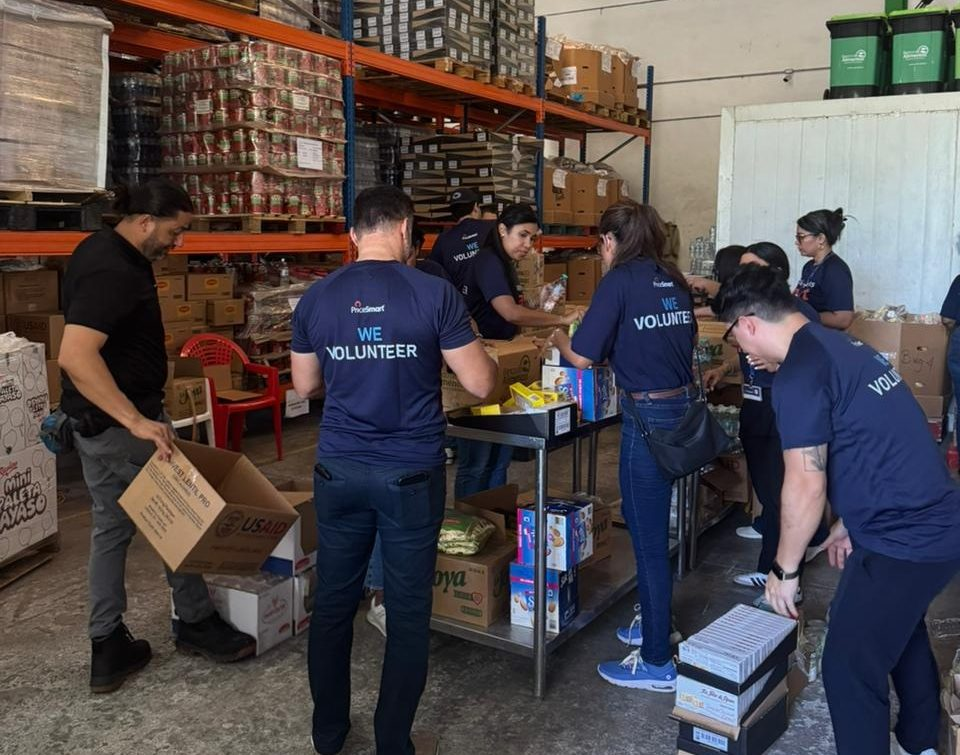
BARD delivers aid to families affected by Hurricane Melissa in Ocoa
In response to the devastating impact of Hurricane Melissa, the Food Bank of the Dominican Republic (BARD) has intensified its efforts to support affected families in San José de Ocoa. With financial backing from ADM, BARD has successfully distributed essential aid packages to 100 families in the region. These packages include critical supplies such as food, drinking water, and other basic necessities, providing immediate relief to those grappling with the aftermath of the storm.
-
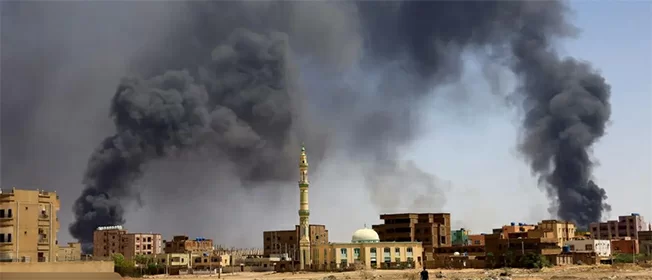
Oorlog in Sudan volledig uit de hand gelopen, waarschuwt VN
The civil war in Sudan has reached a critical point, with United Nations Secretary-General António Guterres declaring that the situation is “completely spiraling out of control.” The intensifying conflict between rival military factions has led to thousands of civilian casualties and forced millions to flee their homes. The ongoing violence has severely hindered humanitarian efforts, making it nearly impossible for aid organizations to reach besieged areas. Guterres emphasized the urgent need for international intervention during a UN summit in Qatar, warning that without immediate action, Sudan risks descending into total state collapse. The war, which erupted in April 2023 between the Sudanese Armed Forces and the paramilitary Rapid Support Forces (RSF), stems from a power struggle over control of the country. Despite mediation attempts by the African Union and neighboring nations, no lasting ceasefire has been achieved. Key facts include over 9 million displaced persons, tens of thousands of deaths, and widespread human rights violations, including attacks on hospitals and refugee camps. The UN has called for immediate international action, sanctions against responsible leaders, and increased financial support for humanitarian aid to prevent Sudan from following the tragic paths of Syria and Yemen.
-
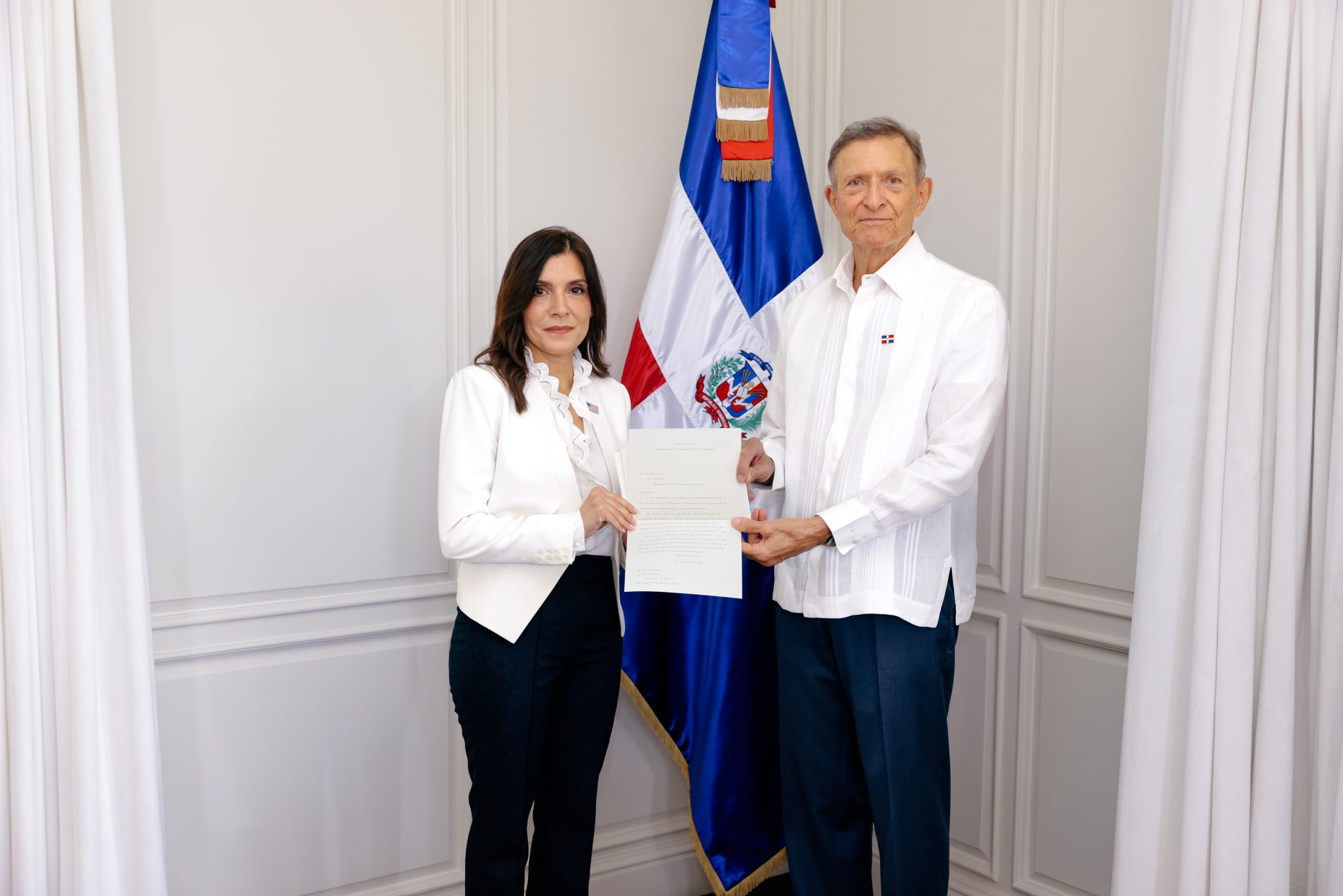
U.S. Ambassador Leah Campos presents credentials to Dominican Foreign Minister
In a significant diplomatic event held in Santo Domingo this Wednesday, Dominican Foreign Minister Roberto Álvarez formally received the copies of credentials from Leah Francis Campos, the newly appointed U.S. ambassador to the Dominican Republic. The ceremony underscored the strengthening of bilateral ties between the two nations, with discussions centering on mutual interests and collaborative opportunities. Ambassador Campos, a seasoned diplomat with a robust background in strategic advisory roles, previously served as a senior advisor in the U.S. House of Representatives and as a case officer at the Central Intelligence Agency (CIA) from 1997 to 2012. Her extensive experience in hemispheric affairs and national security positions her as a key figure in fostering U.S.-Dominican relations. The next step in her diplomatic journey will be the presentation of her Letters of Credence to President Luis Abinader, a formal act that will officially commence her tenure as the U.S. representative in the Dominican Republic.
-
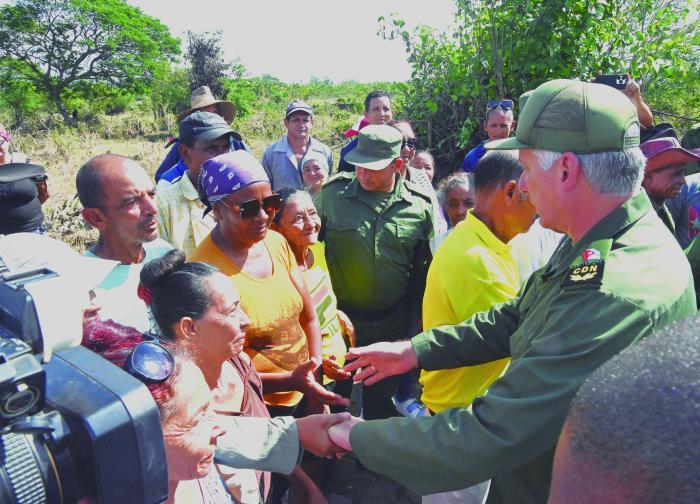
Working together to defend Cuba
Cuban President Miguel Díaz-Canel Bermúdez has intensified efforts to assess and accelerate recovery in the eastern regions devastated by Hurricane Melissa. Over the past week, Díaz-Canel has focused on the hardest-hit areas, including Cauto Cristo and Río Cauto, which remain under hurricane alert. Accompanied by high-ranking officials, he engaged with local residents, emphasizing the importance of community solidarity and government responsiveness during this challenging period. The President highlighted the critical role of the Revolutionary Armed Forces (FAR) and Ministry of Interior (Minint) in rescue operations, particularly in flood-affected zones. He also stressed the need for swift action to restore infrastructure, agriculture, and housing, while ensuring the safety and well-being of displaced families. Despite significant losses in crops and livestock, Díaz-Canel expressed optimism about the recovery process, urging collective effort and resilience. The President’s visit underscored the importance of updating disaster response plans to better handle future crises of similar magnitude.
-
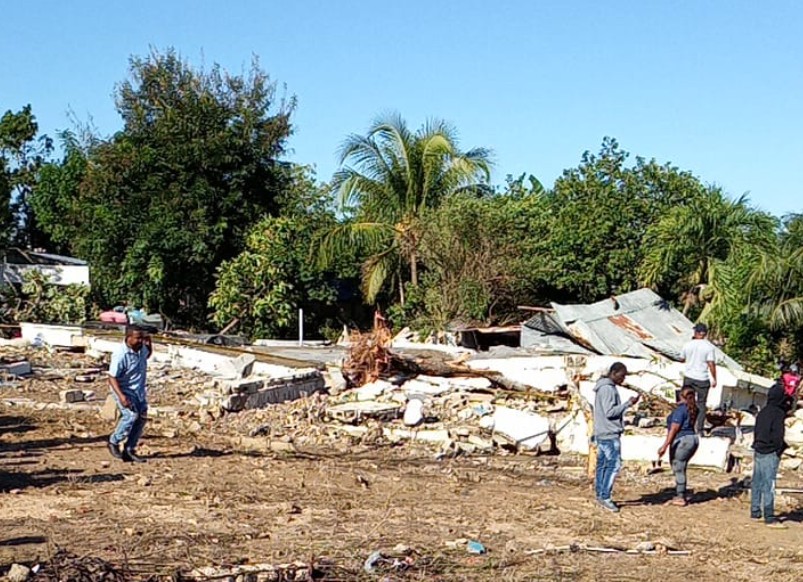
INAPA water tank explosion destroys homes and injures three in San Pedro de Macorís
A water tank operated by the National Institute of Drinking Water and Sewerage (INAPA) exploded early Wednesday morning in Consuelo, San Pedro de Macorís, resulting in extensive damage to at least ten homes and leaving three individuals injured. The explosion occurred on Isidro Barros Avenue, close to the Sor Leonor Gibb Elementary School, where the force of the blast also damaged a nearby vehicle. The injured victims were promptly transported to the Antonio Musa Regional Hospital, while other residents affected by the shockwave are reported to be in stable condition. Provincial governor Yovanis Baltazar swiftly arrived at the scene to coordinate relief efforts and assess the damage. Emergency response teams, including the Emergency Medical Services (DAEH), the Dominican Red Cross, Civil Defense, Fire Department, and National Police, were deployed to assist victims, secure the area, and mitigate further risks. Authorities remain on-site, providing aid to affected families and monitoring the situation to ensure safety.
-
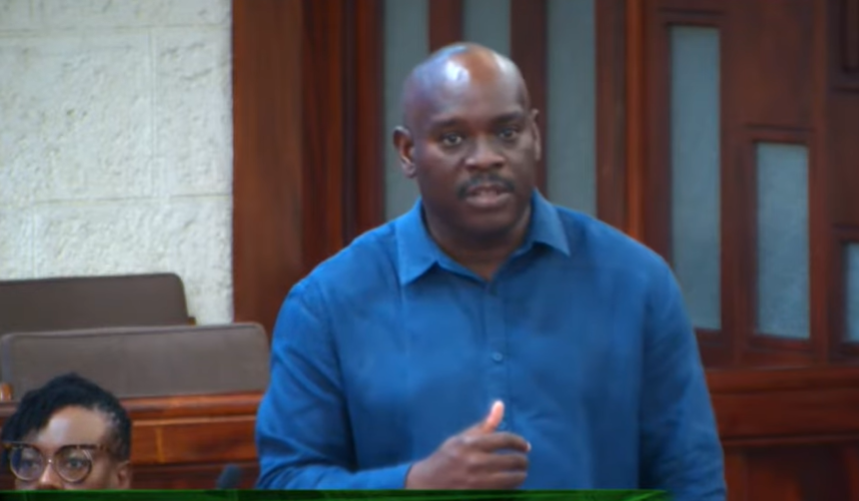
Straughn to private sector: Seize opportunities with CAF membership
Barbadians are being encouraged to capitalize on investment opportunities across the Caribbean and Latin America as Barbados prepares to become a full member of the Development Bank of Latin America and the Caribbean (CAF). Finance and Economic Affairs Minister Ryan Straughn emphasized this vision during the introduction of the Development Bank of Latin America and the Caribbean Bill in Parliament on Tuesday. The bill, which seeks to elevate Barbados’ membership status, will unlock access to up to US$18 billion in concessional financing for the government, local businesses, and individuals. Straughn highlighted that this financial access will empower Barbadians to acquire businesses regionally and beyond, fostering economic growth and integration. He urged a shift in mindset from concerns about foreign ownership to proactive regional investment by Barbadian enterprises. Straughn also called on local credit unions to innovate and support this vision, enabling Bajan companies to expand their reach. As the smallest member of CAF, Barbados will join a prestigious group of regional economies, marking a significant milestone in its financial and economic integration with Latin America and the Caribbean.
-
Barbados to join Latin American development bank as smallest full member
Barbados is poised to become the smallest full member of the Development Bank of Latin America and the Caribbean (CAF), a move that will grant the island nation access to $18 billion in loan financing. This funding will benefit not only the government but also the private sector and individuals. Finance and Economic Affairs Minister Ryan Straughn introduced legislation on Tuesday to ratify Barbados’ membership, marking its transition from Series C to Series A status. This upgrade will enhance the country’s influence in the bank’s operations and expand its eligibility for funding opportunities. CAF, headquartered in Caracas, Venezuela, is a regional development bank owned by its member countries and financial institutions. It focuses on promoting sustainable development, regional integration, and social inclusion across Latin America and the Caribbean. To achieve Series A membership, Barbados will pay over $1 million in membership dues, necessitating the repeal of existing legislation and its replacement with the new bill. Minister Straughn emphasized the strategic importance of this move, particularly as the World Bank shifts its stance on climate-related development projects under the influence of the U.S. administration. He highlighted that CAF offers greater insulation and flexibility for Barbados to secure concessional loans, especially for middle-income countries like Barbados and The Bahamas, which face unique vulnerabilities. Unlike other institutions where non-borrowing members dominate lending policies, CAF is governed primarily by its borrowing members, ensuring decisions align with their collective interests. Straughn likened CAF to a credit union for Latin America and the Caribbean, where member contributions translate into ownership and influence. He also stressed the importance of maintaining access to concessional financing during crises beyond the country’s control. CAF provides concessional loans, grants, and technical assistance for projects in infrastructure, energy, water, transport, and climate resilience, often linking financing to transformative development outcomes for the region.
-
We agree, reading must become our true superpower
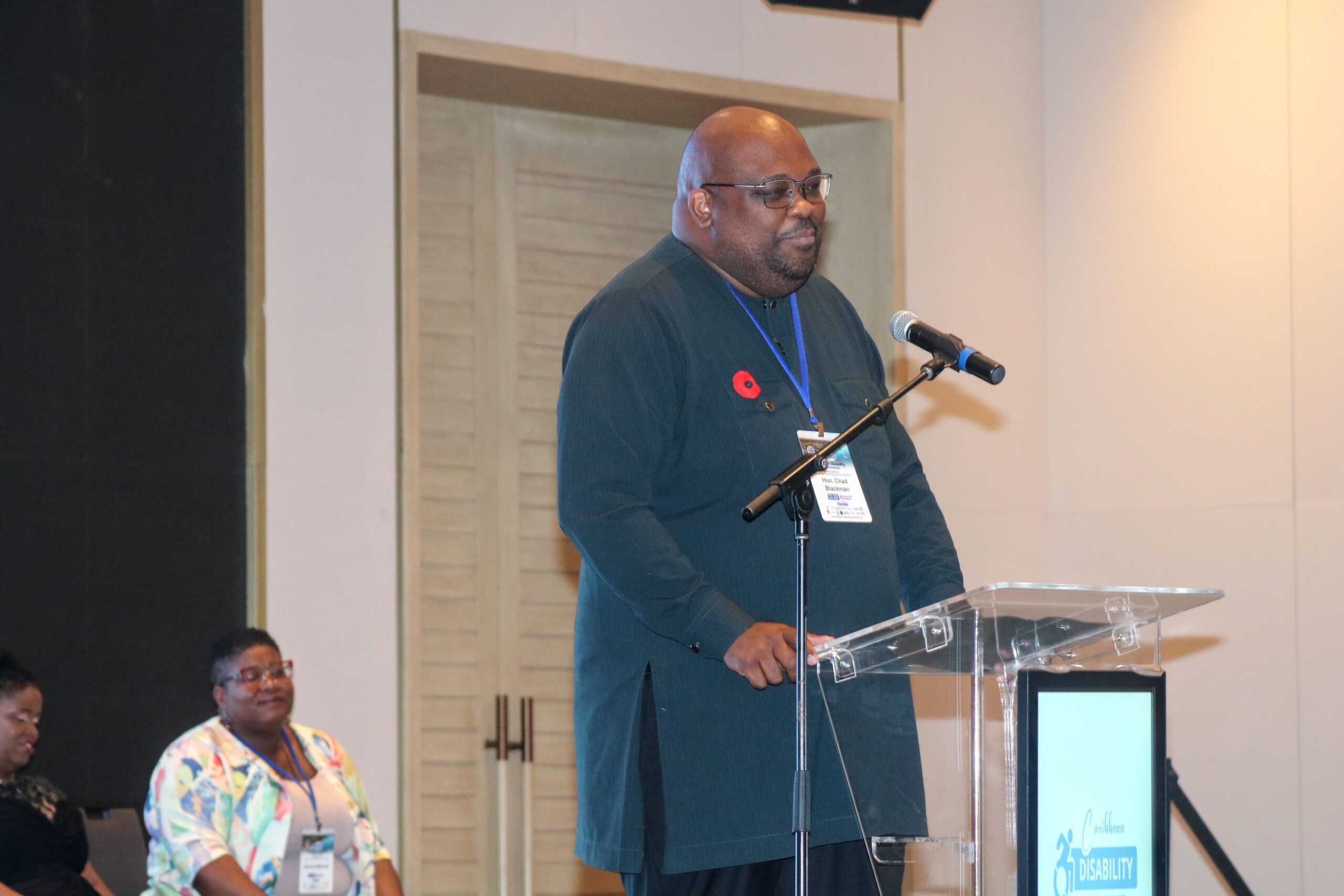
Barbados, a nation celebrated for its impressive 99.6% literacy rate, is taking bold steps to address underlying gaps in comprehension and critical thinking. Minister of Educational Transformation Chad Blackman has emphasized that literacy must be more than a statistic—it should be the cornerstone of national development. In a world increasingly driven by data, innovation, and creativity, Blackman’s assertion that “reading has to be our country’s superpower” underscores the importance of intellectual capital over material resources. However, despite the high literacy rate, challenges persist. Misinformation spreads rapidly, and public discourse often lacks reasoned debate, revealing deficiencies in how information is processed and understood. Recognizing these issues, the government has launched Project SOAR (Strengthen Our Ability to Read), a comprehensive literacy initiative targeting both children and adults. The program aims to foster a love for reading, enhance critical thinking, and empower individuals to participate meaningfully in societal and national discussions. Blackman highlights the critical role of parental involvement, acknowledging that economic pressures and the dominance of digital distractions pose significant challenges. The initiative also addresses adult literacy, offering community-based and online resources to ensure inclusivity. For Project SOAR to succeed, it will require sustained funding, teacher training, public-private partnerships, and a cultural shift that prioritizes reading as essential to national identity. Barbados, already a leader in education, now has the opportunity to redefine literacy for the digital age and set a global example.