作者: admin

  • Belize Flag Waved at Super Bowl: “Worth it 100%”

    Belize Flag Waved at Super Bowl: “Worth it 100%”

    In a striking display of cultural pride during one of America’s most-watched television events, an 18-year-old dancer captured international attention at Super Bowl LX. Nyah Davis, a recent high school graduate, prominently waved the Belizean flag during Bad Bunny’s electrifying halftime performance, creating an unforgettable moment of national representation before an estimated global audience of 135 million viewers.

    Positioned strategically at the forefront of the stage, Davis executed her carefully choreographed role with precision and passion. ‘Being right in front and center was very important to me,’ she recounted in a post-performance interview. ‘It was such an amazing moment to showcase my heritage on such a massive platform.’

    The path to the Super Bowl stage required rigorous dedication. Davis secured her position through a competitive audition process with a talent agency, followed by extensive rehearsals characterized by long hours and physical demands. She described the preparation as challenging but ultimately rewarding, emphasizing that every effort was ‘worth it 100%.’

    Despite her mixed Guatemalan and Belizean heritage, Davis made a conscious decision to honor her Belizean grandmother by carrying the Belizean flag. She credited her grandmother with maintaining her connection to cultural roots while growing up in the United States. ‘She made sure that I knew my culture,’ Davis explained. ‘I wanted to pay my respects to her and express gratitude that she didn’t let me forget my heritage.’

    Reflecting on her collaboration with the Puerto Rican superstar, Davis characterized Bad Bunny as remarkably humble and genuinely committed to creating a performance that celebrated the diversity and vibrancy of Latin American cultures. The experience, she noted, exceeded all expectations both professionally and personally.

  • BCWJ Warns of International Action Over BTL Severance

    BCWJ Warns of International Action Over BTL Severance

    The Belize Communication Workers for Justice (BCWJ) has escalated its confrontation with Belize Telemedia Limited (BTL), issuing a stern warning about potential international intervention regarding unresolved severance payments for 175 former employees. Union representative Emily Turner expressed profound disappointment with BTL’s contradictory communications and persistent delays in addressing the compensation issue, despite weeks of sustained protests. The labor dispute has gained additional complexity due to BTL’s concurrent pursuit of an $80 million acquisition of telecommunications provider Speednet/SMART while leaving severance obligations unmet. Turner revealed the union’s strategic connections with international labor organizations, specifically mentioning affiliations with the Caribbean Congress of Labour. While emphasizing the union’s preference for diplomatic resolution, Turner unequivocally stated that BCWJ stands prepared to mobilize its international networks if domestic negotiations continue to falter. The situation represents a significant test of corporate responsibility versus expansion ambitions in Belize’s telecommunications sector.

  • Cuba denounces aggressive escalation by the US in Geneva

    Cuba denounces aggressive escalation by the US in Geneva

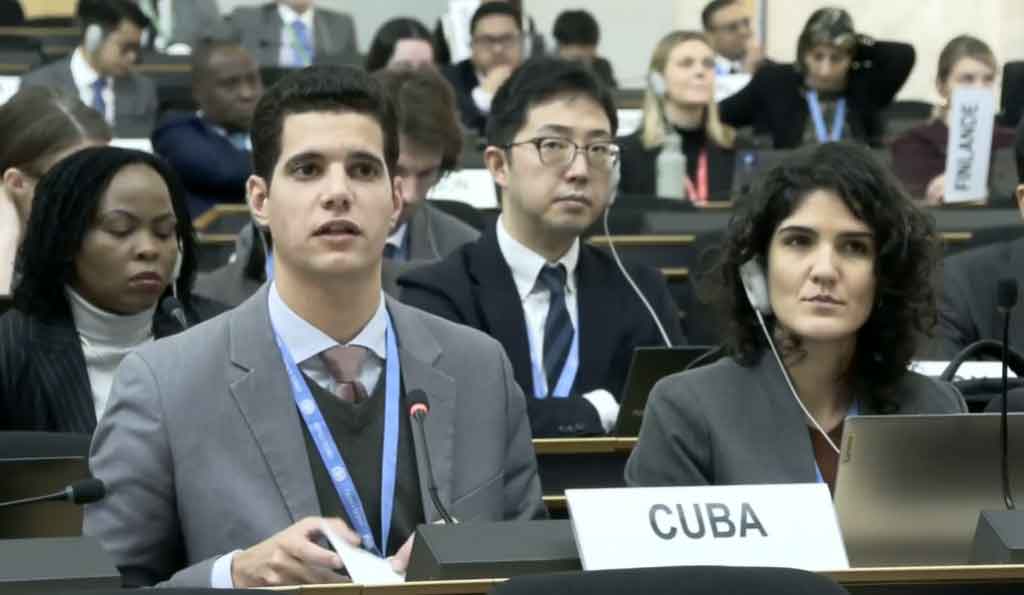
    At a United Nations human rights session, Cuban diplomat Roberto Cabanas delivered a forceful condemnation of American economic policies toward his nation, characterizing them as an act of aggression against the Cuban populace. Cabanas asserted that these unilateral coercive measures are designed to inflict collective punishment, thereby constituting a flagrant violation of fundamental human rights.

    The representative detailed the extent of these policies, highlighting Washington’s threats to impose trade tariffs on any nation that supplies oil to Cuba. This tactic, he argued, is a deliberate strategy to coerce the international community into becoming complicit in what he termed an ‘energy blockade’ aimed at crippling the island nation.

    Cabanas dismissed the foundational premise for these actions—the long-standing U.S. classification of Cuba as an ‘unusual and extraordinary threat’ to its national security—as an absurd pretext. He exposed the true objective behind these draconian measures: to paralyze Cuba’s economic and social infrastructure and deliberately generate widespread suffering among millions of Cuban citizens.

    In his address to the Human Rights Council, Cabanas issued a direct challenge, emphasizing that the body ‘cannot remain silent in the face of these criminal acts.’ He framed his nation’s plight within a broader, more complex international context, noting that the 61st session of the Council convenes as the entire multilateral system and its institutions face direct attack from powerful nations undermining global cooperation.

  • Peruvians and Cubans condemn US threats on Cuba

    Peruvians and Cubans condemn US threats on Cuba

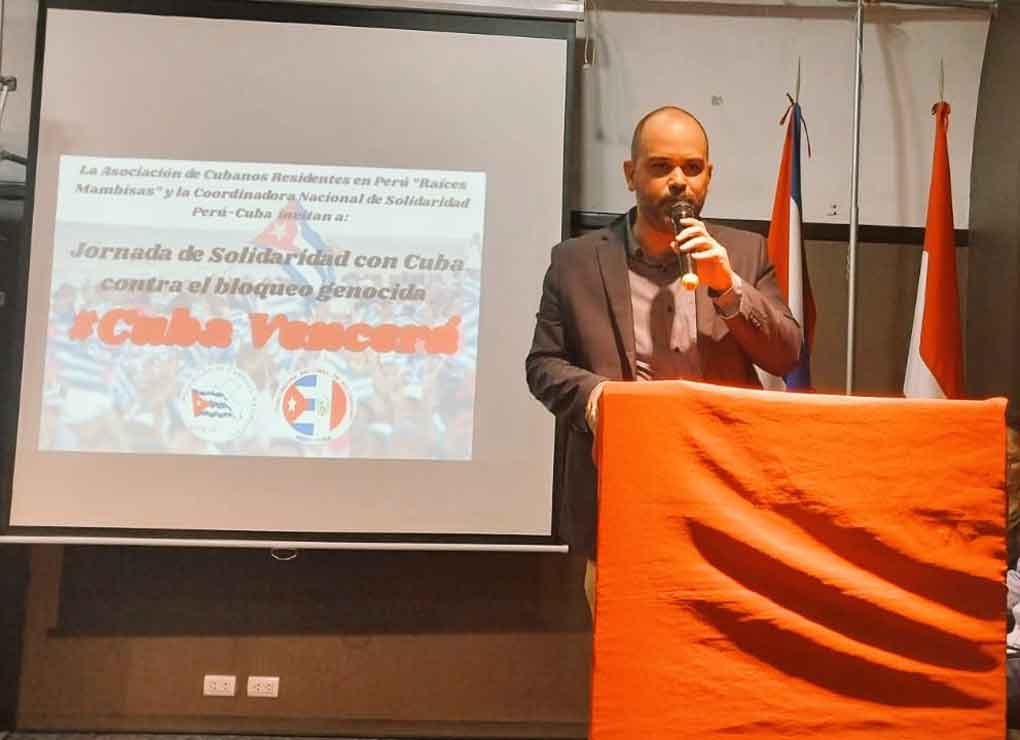
    In a powerful display of international solidarity, Peruvian activists and Cuban expatriates convened at Lima’s Casa del Maestro auditorium to vehemently condemn escalating U.S. hostilities toward Cuba. The gathering resonated with passionate chants against U.S. President Donald Trump and fervent appeals for Cuban sovereignty.

    Participants unanimously declared Cuba’s readiness to mount a determined defense should military aggression materialize—a scenario reportedly contemplated by various sources. The event featured cultural performances blending Peruvian and Cuban musical traditions, symbolizing the deep historical bonds between the two nations.

    Rita Fernandez, representing the ‘Raices Mambisas’ Association of Cuban Residents in Peru, characterized Washington’s policies as deliberate economic strangulation designed to inflict suffering upon the Cuban people. She categorically rejected Trump’s characterization of Cuba as a national security threat, asserting instead that Cubans embody “a cooperative and supportive people” open to dialogue without preconditions.

    Gabriel Cabrera of the Peruvian Coordinating Committee for Solidarity with Cuba issued a call for pan-Latin American unity against what he termed illegal U.S. measures targeting the island nation. He specifically denounced recent Washington policy shifts and implied threats of military intervention as violations of international norms and Cuban self-determination.

  • 13,500 IBCs Struck Off as Antigua and Barbuda Tightens Compliance Framework

    13,500 IBCs Struck Off as Antigua and Barbuda Tightens Compliance Framework

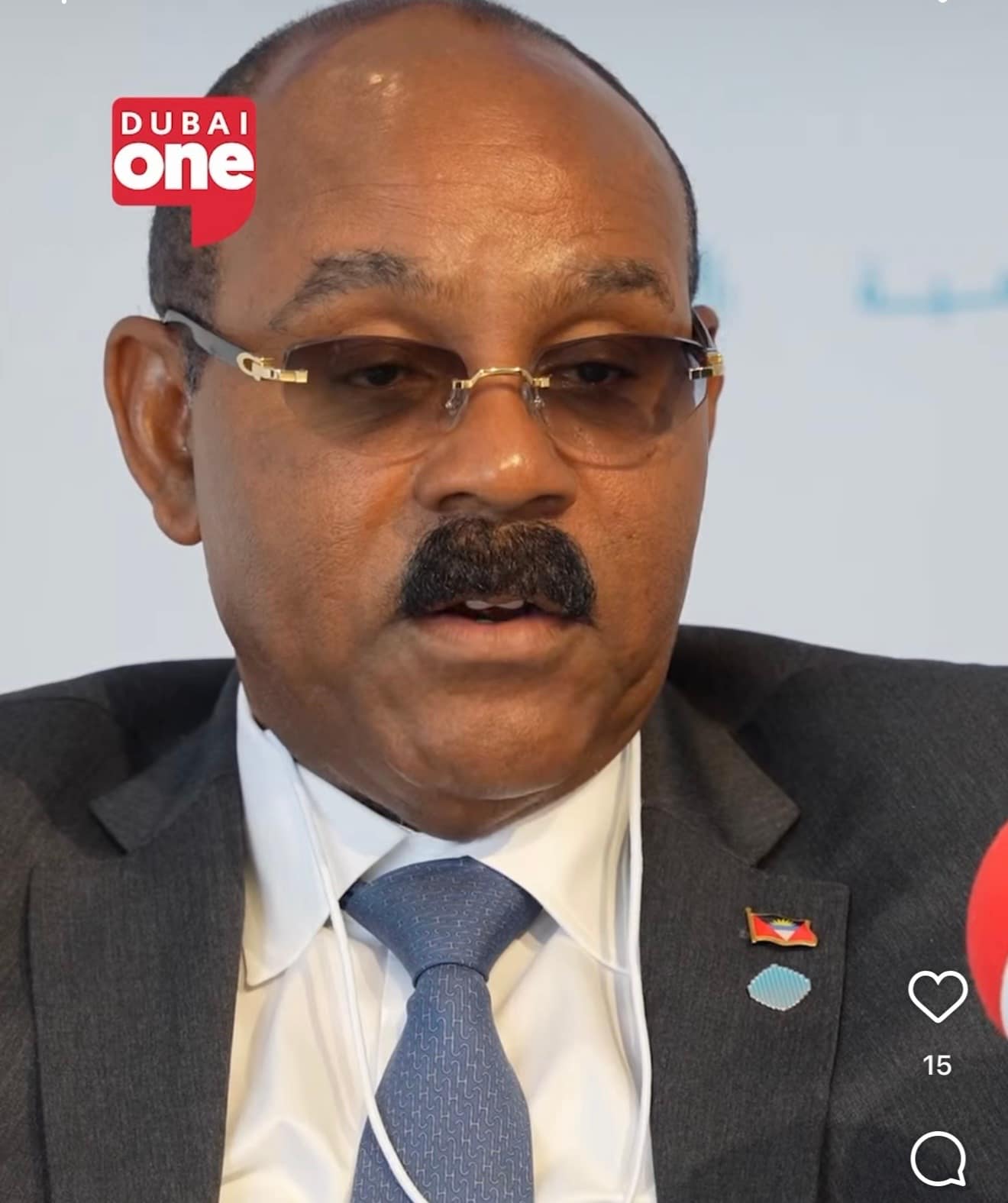
    In a decisive move to enforce regulatory compliance, the government of Antigua and Barbuda has undertaken a massive cleanup of its offshore financial sector, removing approximately 17,000 international business companies (IBCs) from its corporate registry. Prime Minister Gaston Browne revealed the scale of this operation during a recent appearance on the ‘Browne and Browne’ show, framing it as evidence of the nation’s strengthened commitment to financial oversight.

    The purge targeted two distinct groups of companies. The first, comprising roughly 13,500 entities, were involuntarily ‘struck off’ the registry for failing to meet statutory compliance requirements. A further 3,500 companies opted for voluntary dissolution as regulatory scrutiny intensified. Prime Minister Browne emphasized that these actions demonstrate proactive enforcement, countering any perception of jurisdictional neglect.

    This initiative forms part of a broader, critical reassessment of the offshore industry’s economic contribution to the twin-island nation. PM Browne openly questioned the sector’s current value, stating, ‘It’s a difficult sector right now, and I don’t find that the yield that we’re getting from it is sufficient.’ The comments were made in the context of Antigua and Barbuda’s recent evaluation by the Global Forum on Transparency and Exchange of Information for Tax Purposes, highlighting the government’s aim to align with international standards and shed any reputation as a lax financial haven.

  • Diaz-Canel thanks Mexico for aid

    Diaz-Canel thanks Mexico for aid

    In a significant display of international solidarity, Mexico has launched a major humanitarian mission to assist Cuba amid ongoing economic challenges. Two vessels, the Papaloapan and Isla Holbox, departed from Veracruz port carrying substantial aid shipments destined for the Cuban people.

    The Mexican Foreign Ministry provided detailed specifications of the relief effort, revealing that the Papaloapan is transporting approximately 536 tons of essential supplies. This shipment includes critical food items such as liquid milk, meat products, cookies, beans, rice, tuna in water, sardines, and vegetable oil, alongside personal hygiene products.

    Concurrently, the Isla Holbox carries a specialized cargo of over 277 tons of powdered milk, addressing specific nutritional needs. Mexican authorities confirmed that both vessels are expected to reach Cuban shores within four days, with additional shipments already planned. More than 1,500 tons of powdered milk and beans remain scheduled for subsequent transport, indicating a sustained support initiative.

    Cuban officials have responded with profound appreciation. Ambassador to Mexico Eugenio Martínez expressed “sincere and profound gratitude to the Government of Mexico, its people, and its President for the material aid sent to the Cuban people.” He characterized the assistance as vital support against what he described as “the consequences of the cruel economic war against Cuba.

    The Cuban Foreign Ministry echoed this sentiment with a formal acknowledgment, simply stating: “Thank you.” This exchange highlights the continuing diplomatic relationship between the two nations and Mexico’s commitment to assisting its Caribbean neighbor during a period of economic difficulty.

  • Shuggy says he’s going to Trinidad to “study” Carnival

    Shuggy says he’s going to Trinidad to “study” Carnival

    Kelvin “Shugy” Simon, Member of Parliament for St. Mary’s South, is embarking on a knowledge-exchange mission to Trinidad and Tobago to analyze how their world-renowned Carnival has evolved into a powerful economic engine. The fact-finding visit aims to extract valuable insights that could transform Antigua and Barbuda’s summer festival into a more profitable and culturally significant event.

    The parliamentary representative emphasized the substantial economic potential currently untapped within Antigua’s festival landscape. His strategic approach involves studying Trinidad’s successful long-term development model, particularly their methodologies for maximizing both revenue generation and cultural preservation through Carnival celebrations.

    Beyond immediate economic benefits, Simon highlighted the broader imperative of enhanced regional cooperation through CARICOM frameworks. He articulated that Trinidad’s exemplary approach provides a replicable blueprint for other Caribbean nations seeking to amplify their cultural festivals’ economic impact while strengthening regional cultural ties.

    The initiative represents a proactive effort in policy learning and economic diversification, positioning cultural heritage as a viable economic sector rather than merely a traditional celebration. This cross-border knowledge transfer could potentially establish new standards for festival economics throughout the Caribbean region.

  • Prize Giving Ceremony honours creativity at Walcott Expressions Competition

    Prize Giving Ceremony honours creativity at Walcott Expressions Competition

    Saint Lucia’s vibrant arts scene took center stage during the prestigious Walcott Expressions Competition Prize Giving Ceremony last Friday. The event, a cornerstone of the island’s annual Nobel Laureate Festival, honored exceptional creative works inspired by the legacy of Nobel laureate Sir Derek Walcott.

    Organized by the Cultural Development Foundation (CDF), the ceremony showcased the remarkable talent emerging from Saint Lucia’s younger generation. CDF Executive Director Raymona Henry-Wynne emphasized the extraordinary diversity of submissions, noting that participants had “beautifully expressed their interpretation of Walcott’s work through numerous artistic forms.”

    The Foundation has strategically expanded its Nobel Laureate Month programming beyond the traditional Derek Walcott Lectures to embrace broader creative participation. Henry-Wynne encouraged all artists—including dancers, literary artists, and other creatives—to engage with this growing platform while urging parents to actively support their children’s artistic development and recognize the arts’ power to foster empathy.

    A particularly significant aspect of this year’s ceremony was the participation of inmates from Bordelais Correctional Facility. Minister for Crime Prevention and Conflict Resolution Jeremiah Norbert characterized the prison environment as “dynamic” and noted that while not all inmates are drawn to vocational programs, many possess strong artistic interests. He emphasized that artistic expression provides crucial emotional outlets and enables inmates to “see life differently.”

    Norbert commended the CDF for their courageous inclusion of the correctional facility in the program and expressed hope that this initiative would continue. The competition winners included Khadijah Halliday (first place), Ken Hardy (second), Nicole Monalisa Samuel (third), and Koffee Emanuel (People’s Choice Award), along with numerous other distinguished participants. Top winners received cash prizes of $500, $300, and $200 respectively.

  • Mexico Halts Oil to Cuba, Sends Humanitarian Aid Instead

    Mexico Halts Oil to Cuba, Sends Humanitarian Aid Instead

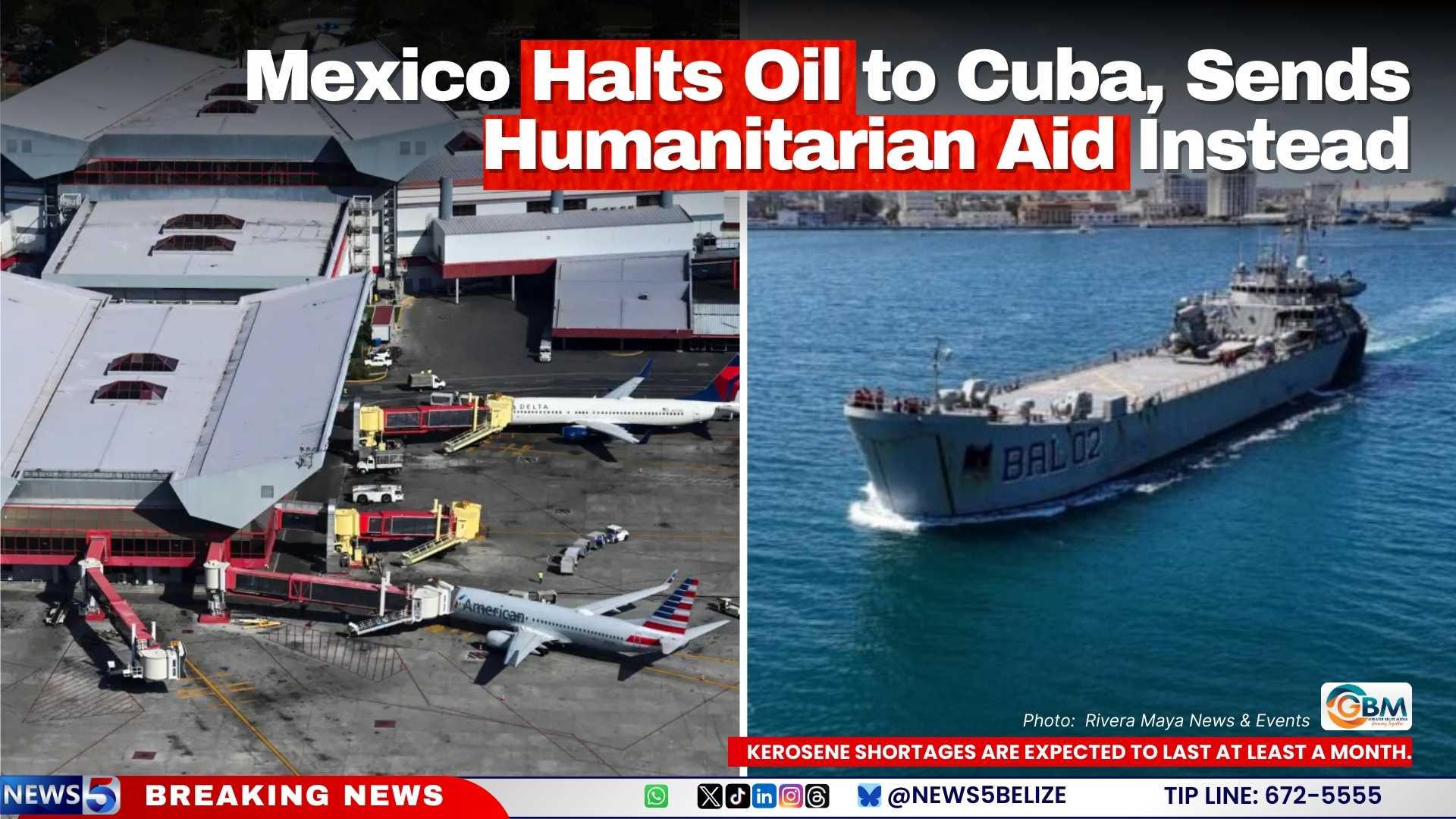
    In a significant diplomatic shift, the Mexican government has officially suspended its oil exports to Cuba while simultaneously dispatching a substantial humanitarian relief mission to address the island nation’s escalating energy crisis. The strategic move appears designed to navigate complex international pressures, particularly from the United States, while maintaining regional solidarity.

    President Claudia Sheinbaum formally announced the suspension, emphasizing that the redirected assistance is exclusively intended for civilian welfare. “Our aid aligns with Mexico’s longstanding tradition of solidarity with Latin American peoples,” Sheinbaum stated, framing the decision within historical regional cooperation frameworks.

    This policy change carries substantial geopolitical weight. Mexico had emerged as Cuba’s primary petroleum supplier following the complete cessation of Venezuelan oil deliveries in December, which resulted from intensified U.S. sanctions. The Washington administration had previously issued warnings that nations facilitating oil transfers to Cuba could face significant trade tariffs and other economic repercussions.

    The humanitarian convoy, which departed from Veracruz port on February 8, represents a comprehensive relief effort. Official manifests indicate the shipment contains 536 metric tonnes of essential commodities including liquid milk, protein sources, shelf-stable carbohydrates, and hygiene products, supplemented by an additional 277 metric tonnes of powdered milk. Mexican authorities project the vessels will complete their journey to Cuban ports within a four-day transit period.

    Concurrently, Cuba’s transportation infrastructure faces critical challenges. Government officials confirmed that aviation fuel shortages have compelled international carriers to suspend refueling operations at all Cuban airports. Intelligence sources cited by EFE news agency indicate that aviation kerosene reserves could be entirely depleted as early as Monday, potentially grounding all international flight operations. Industry analysts project the kerosene supply crisis may persist for a minimum of thirty days, creating substantial disruption to Cuba’s connectivity and tourism economy.

  • Greatness in Grenada

    Greatness in Grenada

    Grenada has recently been immersed in a vibrant celebration of its cultural identity through a series of national events, though concerns about preserving traditional practices have emerged alongside the festivities.

    The Workboat Regatta at Grand Anse beach showcased the island’s maritime heritage, where veteran boat builders shared their expertise. Lennox (Leonard Julien) of Woburn, an 82-year-old craftsman, expressed disappointment about being unable to fund repairs for his boat this year. Joseph Paris of Grand Mal demonstrated innovative boat-building techniques using bamboo masts and recycled sails. Both veterans voiced concerns about declining participation, noting that only Woburn and Gouyave communities were represented this year compared to broader regional involvement in previous years.

    Simultaneously, Independence celebrations filled the streets with displays of national pride. The red, green, and gold colors adorned costumes from preschool children to adults, while the aroma of traditional oil down cuisine permeated the island. The Spice Garden at Laura in St. David offered educational tours highlighting the medicinal value of local herbs, with Agriculture Ministry recognizing them as ‘minor spices’ despite their significant cultural importance.

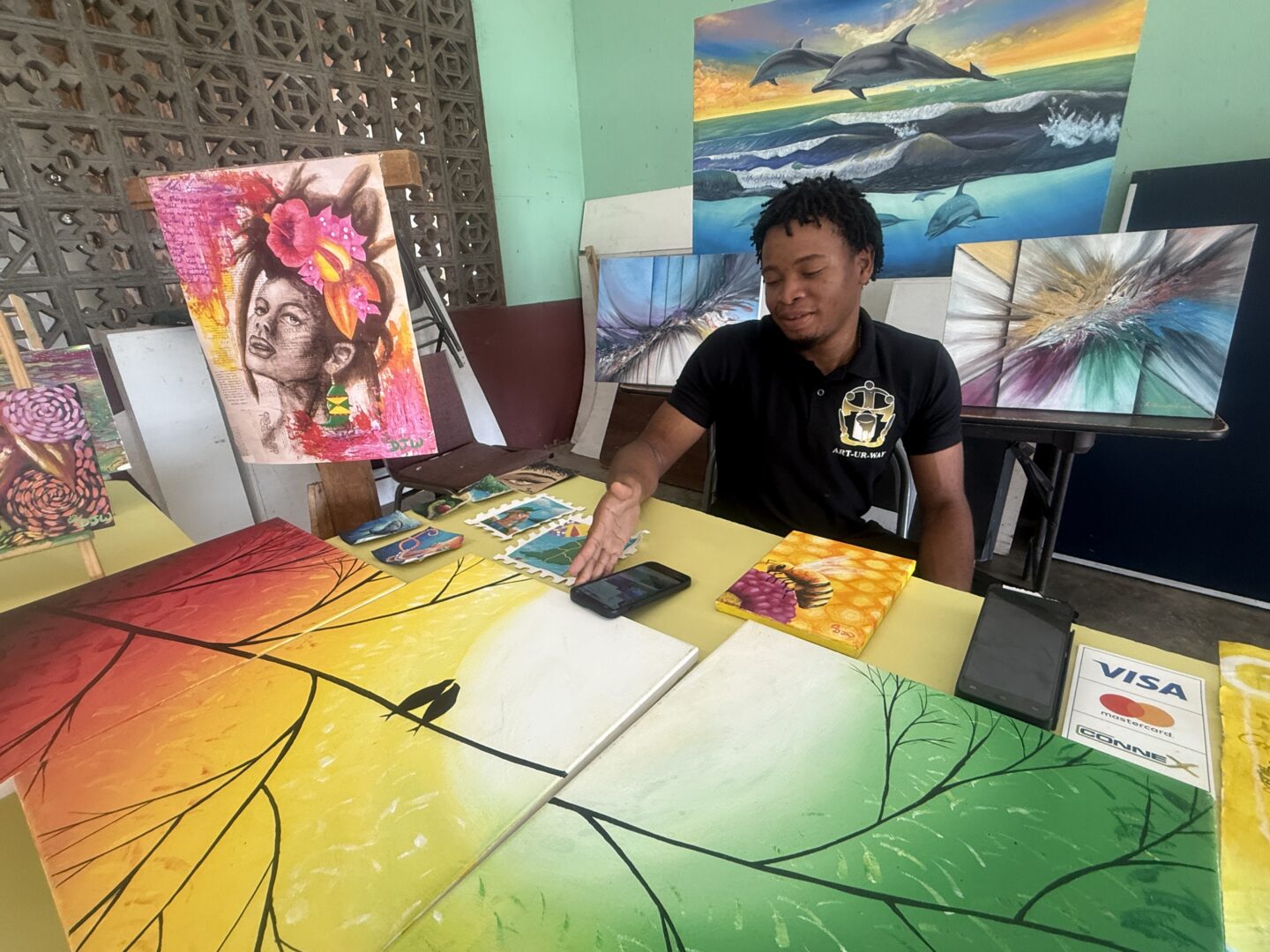
    The cultural scene continued with the St. Paul’s Extravaganza featuring music, dance, and local crafts. The Conception Dance Company presented a reinterpretation of traditional dance, combining white dresses and broad-brimmed hats with symbolic ‘one good foot and one cow foot’ movements. Local artisans displayed unique jewelry made from upcycled natural materials, while artists exhibited paintings that found their way into Grenadian homes.

    A moment of national pride occurred when Grenada’s flag appeared during Bad Bunny’s Super Bowl halftime show, showcasing the country alongside other Americas nations. The author also recounted a personal experience where community members quickly assisted after a vehicle accident, demonstrating the Grenadian spirit of mutual support.

    Despite these celebrations, organizers emphasized the need for greater institutional support to preserve these cultural traditions for future generations.