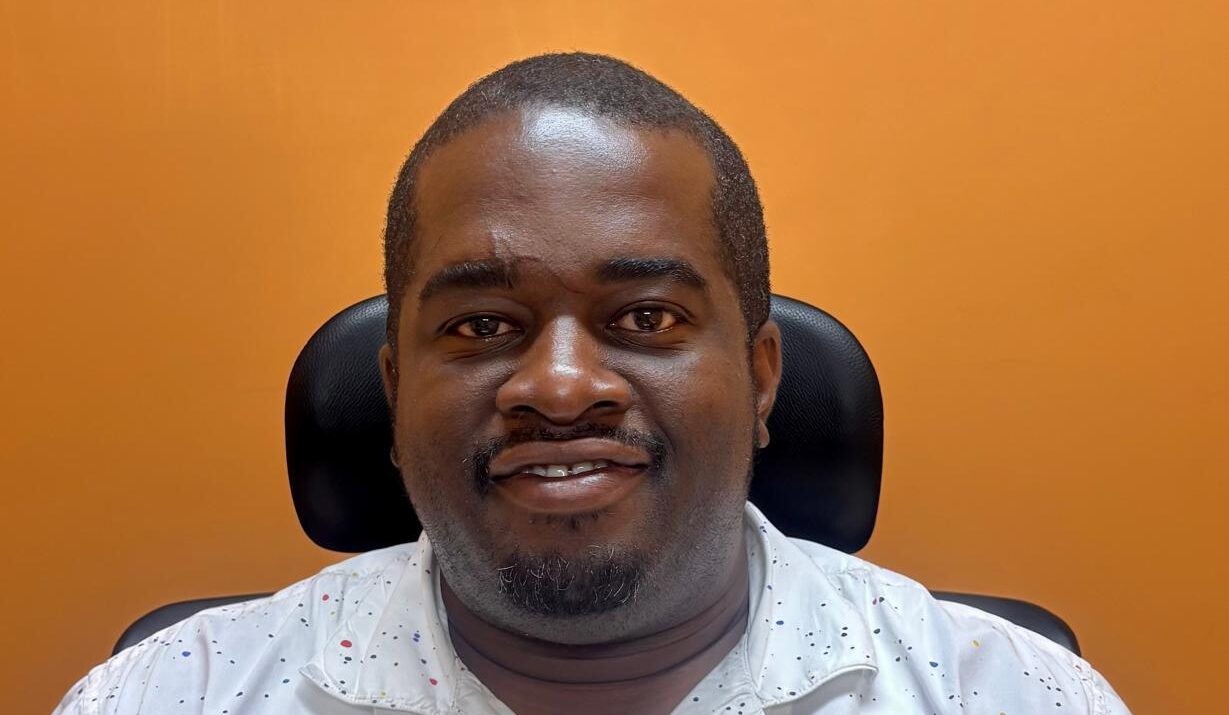
Saint Lucia is grappling with a growing diabetes epidemic, with health officials sounding the alarm on the urgent need for national awareness and preventive measures. Dr. Kedhma Dorh, President of the Saint Lucia Diabetes and Hypertension Association (SLDHA), highlighted the severity of the issue, citing data from the International Diabetes Federation (IDF) that reveals 11.4% of Saint Lucian adults now live with diabetes—a significant increase from 8.4% in 2011. Dr. Dorh emphasized the rising prevalence of risk factors, particularly childhood obesity, as a major contributor to the surge in cases. The 2020 national STEPS survey further underscored the crisis, showing that 15-16% of adults have elevated blood sugar levels, indicating pre-diabetes or undiagnosed diabetes. As World Diabetes Day 2025 approaches, the SLDHA is intensifying its efforts under the global theme ‘Diabetes and Well-Being,’ with a local focus on ‘Diabetes and the Workplace.’ The association is urging employers and employees to prioritize health and wellness, recognizing the critical role workplace habits play in prevention and management. Type 2 diabetes, driven by poor diet, physical inactivity, and obesity, remains the most common form. Dr. Dorh stressed the importance of early detection and regular screening, noting that many cases go undiagnosed until complications arise. To address access gaps in rural areas, the SLDHA has launched mobile and workplace screening initiatives. The association is also advocating for stronger nutrition policies, including front-of-package warning labels on processed foods. Key preventive measures include maintaining a healthy weight, engaging in regular physical activity, and adopting balanced diets. The SLDHA is organizing the Diabetes Awareness 5K Walk-Run on November 16, encouraging corporate participation to promote workplace wellness. Dr. Dorh reiterated that a healthy workforce is essential for national productivity, urging Saint Lucians to take proactive steps toward better health.
作者: admin
-

Vreedzaam eist onderzoek naar gronduitgifte in inheemse gebieden
Jennifer Vreedzaam, a member of Suriname’s National Assembly (NDP), has formally requested the Attorney General and the Minister of Agriculture to investigate the contentious allocation of over 113,000 hectares of land in the Wayambo region. Vreedzaam alleges potential legal violations and the infringement of indigenous rights in the communities of Cornelis Kondre and Donderkamp. The land, allocated to the Ministry of Agriculture, Livestock, and Fisheries (LVV) for agricultural purposes on November 16, 2022, spans 27,925 hectares. Vreedzaam argues that the allocation process may have bypassed legal procedures, particularly those safeguarding the rights of indigenous communities as outlined in the 1982 Decree on State Land Allocation. She highlights the presence of visible communities, agricultural activities, and hunting grounds on the allocated land, raising concerns about the lack of prior consultation or consent from local residents. The case draws parallels to a 2015 ruling by the Inter-American Court of Human Rights, which condemned Suriname for human rights violations in the Kaliña and Lokono case. Vreedzaam also points to the inclusion of the protected Coroniezwamp area in the allocation, further complicating the issue. She calls for accountability, emphasizing the need for transparency and adherence to legal frameworks, including the 2017 Anti-Corruption Law. The letter underscores the importance of protecting indigenous rights and ensuring proper governance in land allocation processes.
-
Letter to the Editor: A challenge to the Caribbean Zone of Peace
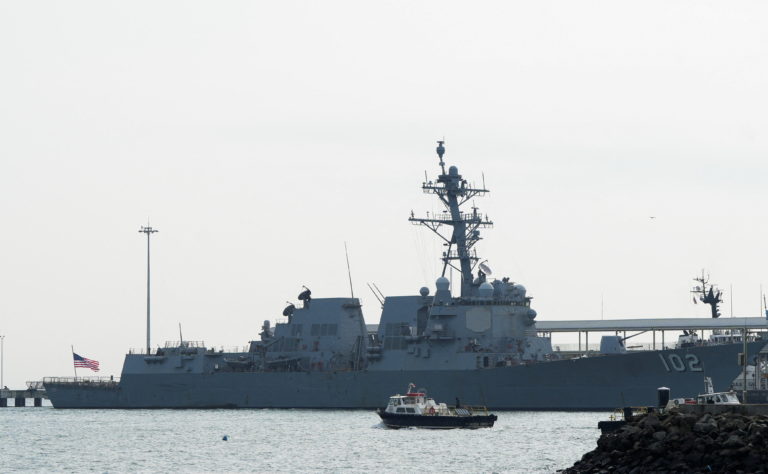
The deployment of a formidable US naval fleet off the coast of Venezuela has sparked a heated debate among CARICOM leaders, exposing deep divisions within the regional bloc. While some view the presence as a necessary deterrent against Venezuelan President Nicolas Maduro’s alleged destabilizing activities, others, led by Barbados Prime Minister Mia Mottley, have condemned it as a threat to the Caribbean’s long-standing commitment to peace and sovereignty. This tension underscores the fragility of regional unity in the face of external pressures and internal disagreements.
-
Claudette “CP” Peters Honoured in Toronto for 25 Years of Musical Excellence
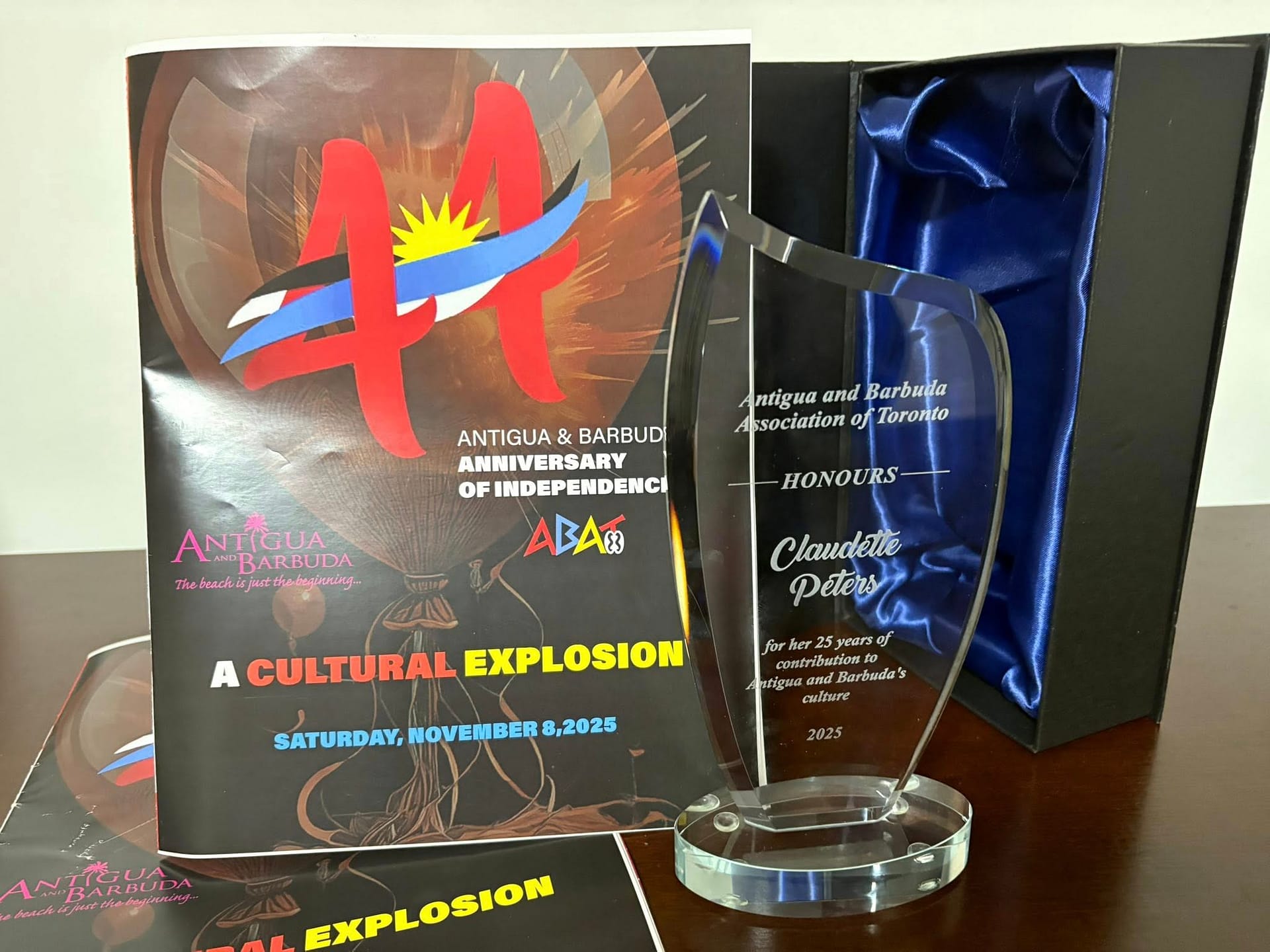
The Antigua and Barbuda Association of Toronto celebrated the 44th Independence Dinner and Dance on November 8, 2025, at the Toronto Grand Convention Centre, honoring Claudette ‘CP’ Peters, the renowned Soca Queen, for her remarkable 25-year contribution to music, culture, and community service. The event, a vibrant gathering of the Antiguan and Barbudan diaspora and their Canadian friends, showcased national pride and cultural heritage. Peters, accompanied by the Disturbance Band, headlined the evening’s entertainment, which also featured performances by Drastic, Menace, Island Prince, and Soca Villain, the 2025 Carnival Road March champion. The event was co-presented by the Antigua and Barbuda Tourism Authority’s Canada Office, with Director of Tourism Tameka Wharton and Association President Selma Alincy emphasizing the importance of preserving cultural connections with the diaspora. Wharton expressed pride in sponsoring the entertainment for the second consecutive year, underscoring the value of promoting Antiguan and Barbudan talent globally. The program included a keynote address by Khan Cordice, Director of Culture and arranger for the Hell’s Gate Steel Orchestra. Attendees enjoyed an elegant evening of live music, fine dining, and patriotic celebration, commemorating 44 years of Antigua and Barbuda’s independence in grand fashion.
-
Khan Cordice Honoured by Canadian Steelpan Federation for His Musical Contributions
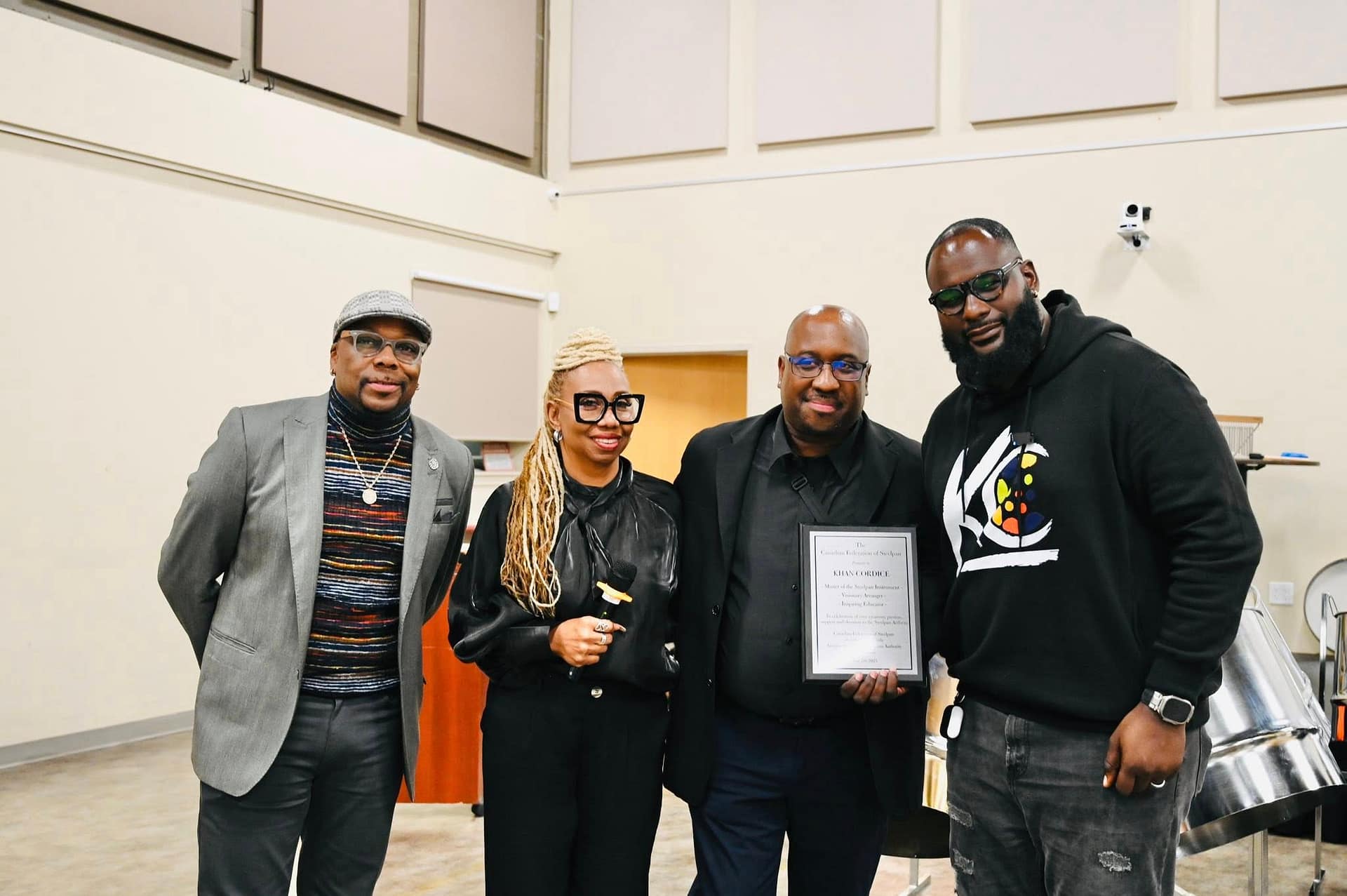
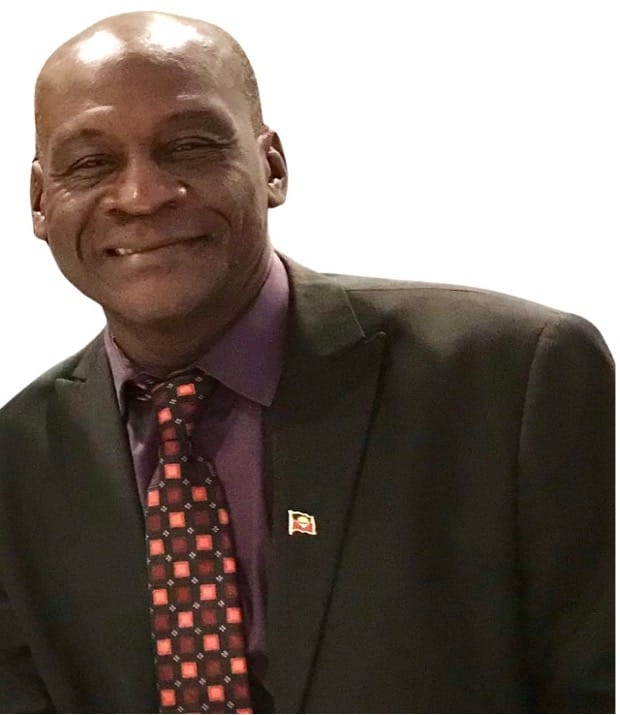
Khan Cordice, a distinguished Antiguan musician and cultural ambassador, has been celebrated in Toronto for his exceptional contributions to the steelpan art form. Cordice, who serves as the Director of Culture and arranger for the Hell’s Gate Steel Orchestra, was honored by the Canadian Steelpan Federation and the Pan Arts Network during a special ceremony dedicated to Caribbean musical heritage. This accolade further cements Cordice’s reputation as a globally recognized steelpan educator, arranger, and advocate for cultural development. His visit to Canada coincided with the 44th Independence Dinner and Dance hosted by the Antigua and Barbuda Association of Toronto, where he was a featured speaker alongside renowned performers, including Claudette “CP” Peters. The event highlighted the vibrant cultural ties between Antigua and Barbuda and the Caribbean diaspora in Canada. (Photo: Khan Cordice, second from right, with fellow honourees and event organizers in Toronto.)
-
COMMENTARY: Who Helps the Helpers?
In the aftermath of natural disasters like Hurricane Melissa, therapists, counselors, pastors, psychologists, psychiatrists, wellness coaches, and psychotherapists emerge as the unsung heroes, offering emotional support to countless survivors. However, these caregivers often carry the hidden weight of collective trauma, absorbing the pain of others while neglecting their own well-being. Research highlights that secondary traumatic stress and compassion fatigue can diminish the empathy and resilience that define their profession. Addressing the mental health needs of these helpers is not merely a luxury but an ethical, emotional, and professional imperative.
The journey to healing begins with intentional self-care. Trauma psychology emphasizes that sleep, nutrition, physical activity, and hydration are not mundane routines but vital biological interventions for emotional recovery. Self-care should be redefined as sacred stewardship rather than selfish indulgence. Professionals are encouraged to incorporate ‘pause points’ into their weekly schedules—moments for prayer, mindfulness, silence, or nature walks—to regulate their overstimulated nervous systems. Group check-ins and reflective supervision sessions can normalize vulnerability and reinforce the idea that healing is a communal process.
Peer-to-peer counseling and group debriefing sessions are equally crucial. These forums allow helpers to address personal challenges, whether related to family, finances, illness, or grief, in a supportive environment. Studies in positive psychology and organizational resilience demonstrate that sharing emotional burdens with trusted colleagues accelerates recovery from crisis work. Structured debriefings, story circles, or virtual ‘listening cafés’ provide safe spaces for open dialogue, fostering empathic witnessing and collective therapy. These shared rituals strengthen psychological resilience and dissolve feelings of isolation.
Creativity also plays a pivotal role in healing. Music, art, journaling, and storytelling can transform vicarious trauma into meaningful experiences. Neuroscience confirms that creative expression activates restorative neural pathways, alleviating anxiety and emotional exhaustion. Faith leaders might compose reflections or poetry on resilience, while clinicians could participate in expressive arts or reflective writing groups. By rediscovering beauty amid brokenness, healers are reminded that hope is a powerful form of resistance.
Ultimately, sustaining others requires helpers to embrace their own humanity. Self-compassion, born of experience, is essential. In the wake of Hurricane Melissa, caregivers must be afforded the grace to weep, rest, and recover. As the Caribbean rebuilds its physical and emotional foundations, its healers must also reconstruct their inner well-being. Tending to oneself ensures that the lamp of service remains lit for others.
About the Author: Dr. Oswald Thomas is a distinguished clinical psychologist with over three decades of experience. He serves with the New Jersey State Department of Health and Addictions and Long Island City Psychotherapy Services. Recognized for his contributions to mental health and suicide prevention, Dr. Thomas integrates faith, science, and human resilience to help individuals and institutions thrive amid adversity.
-
Call for stronger coaching, more participation in school sports
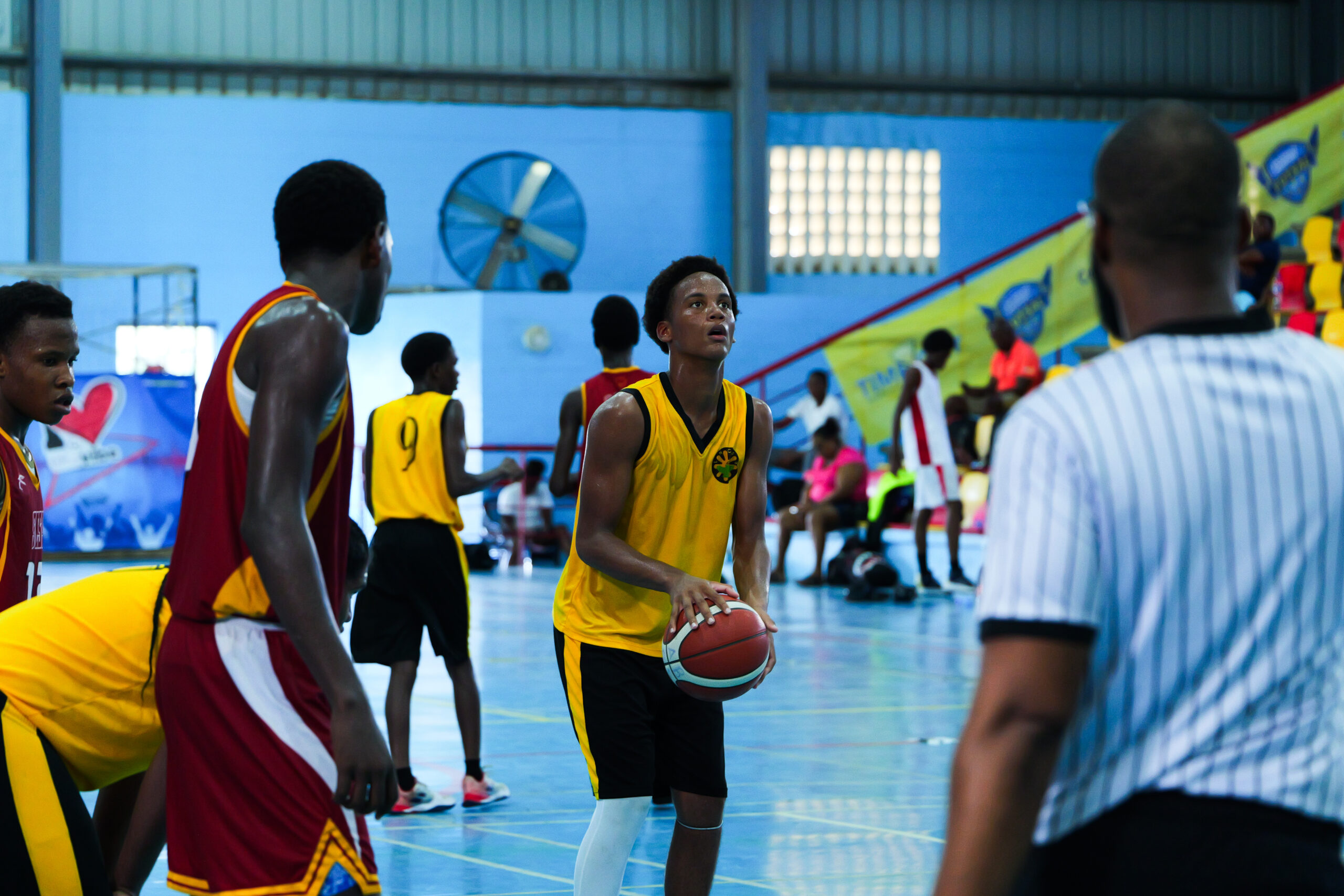
The first term of school sports in St. Lucia is nearing its conclusion, with competitions wrapping up in team sports by the second week of November, well ahead of end-of-term exams. However, the Ministry of Youth Development and Sports (MYDS) is grappling with challenges in raising participation levels, coaching consistency, and overall standards. Despite these hurdles, school sports coordinator Isabel Alexander-Marquis expressed satisfaction with the term’s activities, particularly highlighting the smooth scheduling of basketball and netball tournaments at the Beausejour Indoor Facility, which remained unaffected by adverse weather conditions. Nevertheless, participation rates have been a persistent issue, with only about half of the island’s 24 secondary schools involved in netball and basketball. Football, on the other hand, has seen stronger engagement, with 19 teams in the Under-16 boys’ competition and 21 in the Under-19 boys’ tournament. Alexander-Marquis attributed the low participation to staffing gaps, including a lack of dedicated coaches and limited teacher availability. She also noted that some educators may lack confidence in coaching sports, while physical education teachers often juggle multiple responsibilities. Netball coordinator Shem Maxwell echoed these concerns, emphasizing the need for more schools to participate and for additional coaching support. Financial constraints and waning volunteerism have further exacerbated the staffing shortage, particularly with rising temperatures discouraging outdoor activities. Despite these challenges, both Maxwell and Alexander-Marquis observed improvements in the quality of play this year, with more competitive games and consistent progression from younger age groups to varsity levels. Alexander-Marquis urged schools to establish alumni organizations and seek support from graduates to enhance coaching, transportation, and nutrition, which could significantly boost the success of school-level and national sports programmes.
-

Firearm seized in Riversdale, St Catherine
In a targeted operation in the Lodge district of Riversdale, St Catherine, law enforcement officials successfully recovered a 9mm pistol along with an attached magazine on Sunday evening. Acting on actionable intelligence, a specialized police unit conducted the operation around 6:30 pm. The firearm was discovered concealed within a bag, strategically placed behind an abandoned structure in the area. Despite the recovery of the weapon, no arrests were made in connection with the incident. Authorities have confirmed that investigations are actively ongoing to trace the origins of the firearm and identify potential suspects involved in its possession. This operation underscores the continued efforts by Jamaican police to combat illegal arms circulation and enhance community safety.
-
Jamaica secures seat on UNESCO executive board
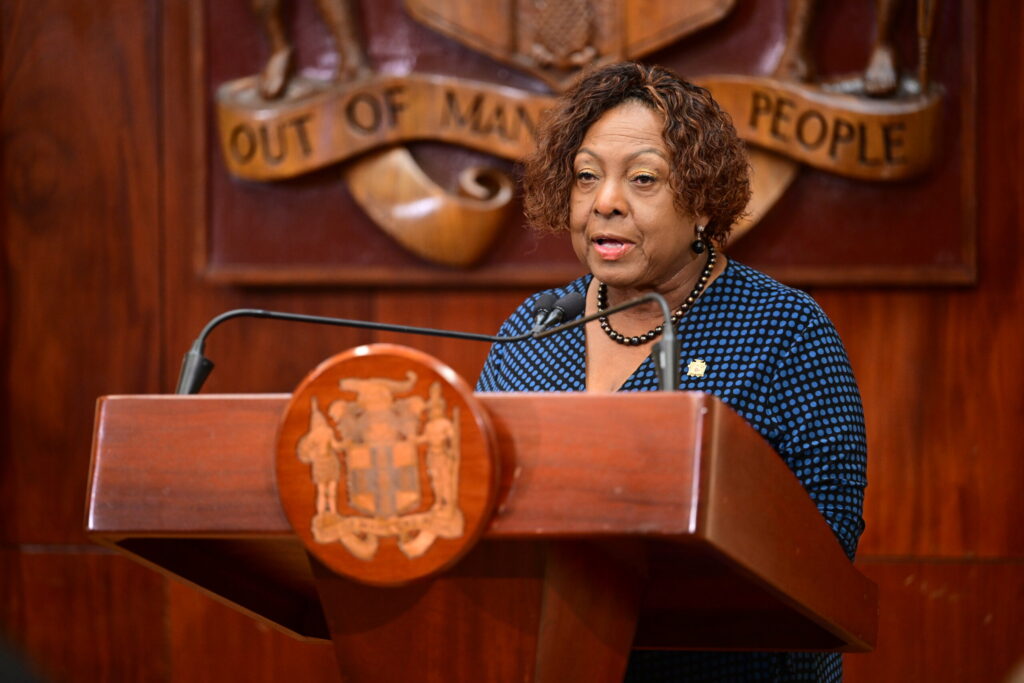
KINGSTON, Jamaica — In a significant diplomatic achievement, Jamaica has been elected to the United Nations Educational, Scientific and Cultural Organization (UNESCO) executive board, securing a four-year term from 2025 to 2029. The election was held during the ongoing UNESCO General Conference in Samarkand, Uzbekistan, marking a pivotal moment for the Caribbean nation in global governance.
This appointment represents a second term for Olivia Grange, Jamaica’s Minister of Culture, Gender, Entertainment, and Sport, who previously served on the executive board from 2017 to 2021. Minister Grange expressed her enthusiasm for the opportunity, emphasizing Jamaica’s commitment to advocating for the interests of developing nations.
In her statement, Grange highlighted Jamaica’s key priorities, which include amplifying the voices of Small Island Developing States (SIDS) and the broader Global South within UNESCO’s decision-making framework. Additionally, she pledged to champion UNESCO’s global agenda, particularly its focus on Africa and gender equality, two critical areas of the organization’s mission.
This election underscores Jamaica’s growing influence on the international stage and its dedication to addressing pressing global issues through multilateral platforms. The country’s renewed presence on the UNESCO executive board is expected to foster greater representation and equity for marginalized regions worldwide.
-
US pledges additional US$10 million for Jamaica’s hurricane recovery
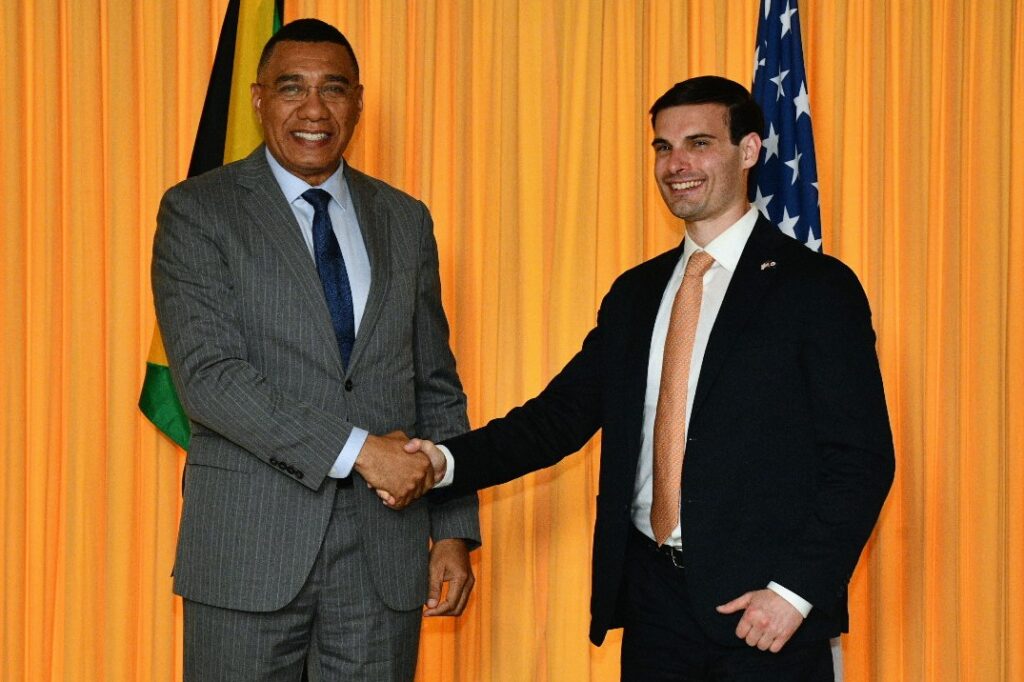
KINGSTON, Jamaica — The United States has announced an additional $10 million in aid to support Jamaica’s recovery efforts following the catastrophic impact of Hurricane Melissa. This latest contribution elevates the total financial assistance from the US Government to $22 million. The announcement was made by Jeremy Lewin, US Under Secretary for Foreign Assistance, Humanitarian Affairs, and Religious Freedom, during a meeting with Jamaican Prime Minister Andrew Holness on Monday. Holness expressed profound gratitude, highlighting the US as one of the first international partners to respond swiftly after the disaster. He emphasized the critical role of US military assets, particularly heavy-lift helicopters, in reaching isolated communities during the initial relief operations. Preliminary estimates suggest the hurricane caused approximately $68 billion in damages, with assessments still ongoing. Holness stressed the necessity of sustained international support for Jamaica’s recovery, particularly in infrastructure investment, technology transfer, and commerce. Lewin reaffirmed the US commitment, noting that financial aid is just one aspect of their comprehensive support, which includes military personnel and search-and-rescue operations. He expressed confidence in Jamaica’s resilience and pledged continued assistance throughout the recovery process.