作者: admin

  • Africa Union exports to Caricom could surpass US$1 billion mark

    Africa Union exports to Caricom could surpass US$1 billion mark

    A transformative economic partnership between Africa and the Caribbean is gaining momentum as new research reveals up to $1.6 billion in untapped trade potential. The groundbreaking findings emerged during the inaugural AfriCaribbean Private Sector Webinar Series, where government and business leaders convened to forge a new south-south economic alliance.

    Commissioned by the Caricom Private Sector Organisation (CPSO), the comprehensive study titled ‘Africa Union–Caricom Trade in Goods: Scope and Potential’ identifies 579 competitively priced product lines that African nations can supply to Caribbean markets at approximately 60% of current benchmark prices. The analysis demonstrates that at least 13 African Union countries each possess capacity to export over $58 million worth of non-mineral fuel goods to Caricom nations.

    Antigua and Barbuda’s Foreign Affairs and Trade Minister, Honourable E.P. Chet Greene, emphasized the strategic imperative behind this economic integration. “Political leadership establishes the framework, but it is businesses that drive innovation, generate trade volumes, mobilize investment, and create employment,” Minister Greene stated during his keynote address. He highlighted how global protectionism, geopolitical instability, and supply chain disruptions have made strengthened Africa-Caricom relations an economic necessity rather than merely an opportunity.

    CPSO Chief Executive Officer Dr. Patrick Antoine presented compelling market data showing that for most identified products, Caricom typically has four potential sourcing options from African Union countries, ensuring both supply diversity and competitive pricing. Dr. Antoine issued a powerful call to action: “We in the Caricom Private Sector choose not to wither; we choose not to retreat. Instead, we choose to engage relentlessly despite challenges of affordability, trade concentration, and scale inefficiencies.

    The virtual forum, jointly organized by the International Trade Centre, African Export-Import Bank (Afreximbank), CPSO, and Africa Business Council, brought together over 200 business leaders and private sector firms. Anthony Ali, CEO of Goddard Enterprises Limited, shared practical insights from his company’s African market engagements, emphasizing the need for flexible approaches including local production partnerships and licensing arrangements to overcome logistical and financial barriers.

    While participants acknowledged persistent challenges including limited transport connectivity, high logistics costs, and fragmented payment systems, the consensus pointed toward innovative solutions in digital payments, shipping, and financing. The webinar series will continue with focused sessions on agribusiness, fashion, cosmetics, wellness, and medical technologies to translate this strategic vision into concrete business opportunities.

  • Chebat Says Over 20 Internet Providers in Belize

    Chebat Says Over 20 Internet Providers in Belize

    Belize’s telecommunications sector faces a pivotal moment as Belize Telemedia Limited (BTL), the nation’s dominant internet service provider, seeks governmental approval for its proposed acquisition of SpeedNet. Public Utilities Minister Michel Chebat has directly addressed mounting concerns about potential market consolidation, asserting that the transaction would not establish a broadband monopoly given Belize’s competitive landscape.

    Minister Chebat revealed these insights on Tuesday following BTL’s formal presentation of its acquisition proposal to the Cabinet. The minister emphasized that no definitive decision has been reached, with Cabinet members awaiting the conclusion of BTL’s ongoing stakeholder consultations before rendering judgment.

    In a significant regulatory development, Chebat confirmed the Public Utilities Commission (PUC) is drafting a statutory instrument designed to safeguard consumer interests. This legislation would mandate that internet service rates and package offerings remain frozen throughout any potential ownership transition period.

    When confronted directly about monopoly apprehensions, Chebat responded: “The notion of a monopoly doesn’t align with market reality. To my knowledge, approximately 23 other licensed broadband providers currently operate within our national borders.” This statement finds support in a 2024 International Trade Administration report acknowledging BTL’s market leadership while noting 27 companies hold official operating licenses. However, the report simultaneously questioned whether average Belizean consumers recognize this competitive diversity.

    BTL’s Cabinet presentation culminated weeks of negotiations with key stakeholders including the Social Security Board and the Belize Communications Workers’ Union. Company Chairman Markhelm Lizarraga characterized the high-level meeting as “productive,” noting Cabinet engagement with numerous aspects of the proposal. “The discussion progressed exceptionally well with highly engaged participation from Cabinet members,” Lizarraga stated, reflecting optimism about the proposal’s reception despite pending deliberations.

  • Santa Ana Women Turn Tradition into Enterprise

    Santa Ana Women Turn Tradition into Enterprise

    In a significant cultural recognition event, the National Institute of Culture and History alongside the Institute of Creative Arts has honored the Santa Ana Cultural Sewing and Embroidery Group from Corozal District. The collective, predominantly comprising senior women artisans, has successfully converted traditional textile craftsmanship into a viable commercial venture.

    The recognition ceremony coincided with the inauguration of a special exhibition displaying the group’s intricate handmade creations. These artisans recently completed an intensive training program focused on enhancing production efficiency, refining product quality, and preparing their traditional embroidery for commercial distribution in broader markets.

    Gilvano Swasey, the exhibition curator, emphasized the profound significance of the women’s artistic endeavors, noting: “What distinguishes this art form is its fundamental purpose beyond mere decoration. This represents the art of survival—manifested through culinary traditions, wearable textiles, and oral storytelling practices.”

    Swasey further highlighted the substantial challenges faced by women pursuing creative professions, particularly in rural communities. “Visiting their workspace provides genuine appreciation for both their artistry and cultural preservation efforts, especially when understanding the obstacles these female artists consistently overcome,” he explained.

    The curator humorously acknowledged the personal sacrifices involved, joking about potential domestic tensions: “I teased the ladies that their husbands must frequently dine on Chinese takeout due to their late working hours.”

    The ongoing exhibition offers visitors unique insight into how traditional cultural practices can successfully integrate with contemporary entrepreneurial ambition, creating sustainable economic opportunities while preserving heritage.

  • Literacy and training key to positive change in inmates, says superintendent

    Literacy and training key to positive change in inmates, says superintendent

    The Dominica State Prison has launched comprehensive rehabilitation initiatives focused on education, vocational training, and agricultural development to prepare inmates for successful societal reintegration. Under the leadership of Superintendent Jeffrey Edmond, the facility is implementing multiple programs designed to equip incarcerated individuals with practical skills and academic qualifications.

    Fourteen inmates are currently enrolled in Caribbean Secondary Education Certificate (CSEC) courses covering Social Studies and English, with examinations scheduled for June. This academic program operates in collaboration with the adult education department and aims to enhance literacy while fostering personal development among participants.

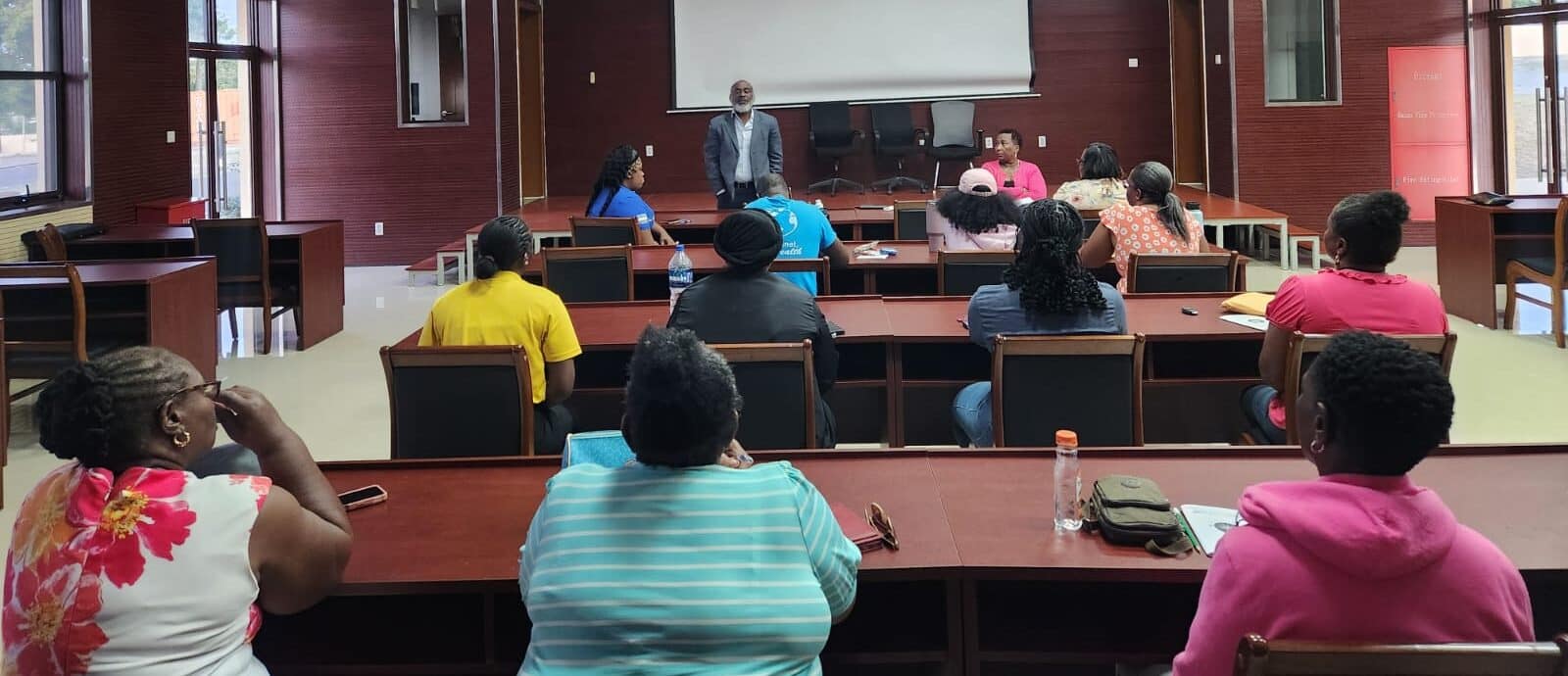
    The prison has expanded its vocational offerings through partnerships with various governmental agencies. A building maintenance module conducted with the Youth Division has benefited nine inmates, while thirty-two inmates and two officers completed a candle and soap-making workshop that authorities plan to continue.

    A significant agricultural initiative has been established through cooperation with the Portsmouth Agricultural Station. This farm rehabilitation program provides inmates with tools, equipment, and seedlings to learn sustainable farming practices. The project has already yielded increased production of dasheen, plantain, and vegetables, which supplement prison meals and will eventually support local charitable institutions including the Grotto Home for the Homeless and the Dominica Infirmary.

    Superintendent Edmond emphasized that these programs represent the prison’s commitment to transformative rehabilitation rather than mere incarceration. The institution aims to provide inmates with tangible skills and educational foundations that will enable positive life changes post-release.

    Edmond issued a compelling appeal to the public, urging employers and community members to support formerly incarcerated individuals seeking employment opportunities. He stressed that societal development requires embracing rehabilitated citizens rather than perpetuating stigma based on past incarceration.

  • EXCLUSIVE: Caribbean Sprinter Details Credit Card Fraud

    EXCLUSIVE: Caribbean Sprinter Details Credit Card Fraud

    A comprehensive investigation into Belize’s burgeoning Business Process Outsourcing (BPO) sector has uncovered widespread credit card fraud operations with devastating financial consequences for local enterprises. Water taxi operator Caribbean Sprinter has emerged as a primary case study, revealing sophisticated fraudulent activities that have systematically targeted Belizean businesses.

    The scheme involved perpetrators utilizing stolen US credit card information to purchase transportation tickets, which were subsequently resold domestically at discounted cash rates. The fraudsters employed fabricated bank transfer confirmations to validate transactions, creating an elaborate facade of legitimacy. The financial damage compounded when legitimate cardholders initiated chargebacks—automatic payment reversals mandated under US consumer protection regulations.

    Caribbean Sprinter reported sustaining approximately $5,000 in monthly losses before implementing enhanced security protocols. The company’s forensic analysis revealed multiple failed authorization attempts preceding successful fraudulent transactions, indicating systematic testing of compromised card data.

    Through the deployment of multi-layered security measures including identity verification systems, advanced bank transfer monitoring software, and specialized credit card fraud detection technology, the company successfully reduced monthly losses to under $500. This represents a 90% reduction in financial damage.

    The investigation has illuminated the broader economic threat posed by these operations, particularly to smaller enterprises with limited financial resilience. Caribbean Sprinter emphasized that beyond direct financial losses, businesses risk termination of merchant services due to excessive fraudulent activity, potentially crippling their operational capabilities.

    In a particularly distressing case, the company documented how a US cancer patient’s payment card was disabled due to fraudulent charges, preventing her from securing transportation to chemotherapy treatments. This highlights the human impact extending beyond commercial consequences, affecting vulnerable individuals thousands of miles away.

    The revelations underscore the critical need for enhanced cybersecurity measures and cross-border financial cooperation to combat increasingly sophisticated international fraud networks targeting developing economies.

  • Africa–CARICOM Trade Could Top US$1 Billion

    Africa–CARICOM Trade Could Top US$1 Billion

    A groundbreaking economic study reveals that trade between the African Union and CARICOM (Caribbean Community) is positioned to exceed the US$1 billion milestone. The comprehensive analysis, titled “Africa Union–CARICOM Trade in Goods: Scope and Potential,” was unveiled during the inaugural AfriCaribbean Private Sector Webinar Series this Tuesday.

    The research, conducted by the CARICOM Private Sector Organization (CPSO), attracted over 200 prominent business executives, government representatives, and organizational leaders from both regions. These stakeholders convened to explore emerging commercial opportunities and investment prospects strengthening transatlantic economic cooperation.

    During his keynote presentation, Antigua and Barbuda’s Minister of Foreign Affairs and Trade, E.P. Chet Greene, emphasized the critical importance of enhanced Africa-CARICOM relations within the evolving global trade landscape. He characterized this strategic partnership as an urgent imperative rather than merely an option.

    Dr. Patrick Antoine, Chief Executive Officer of CPSO, presented compelling findings indicating substantial untapped trade potential. The investigation identified more than 500 competitively priced product lines, with at least thirteen African nations individually capable of supplying over US$58 million in CSME non-mineral fuel imports. Notably, these offerings typically average approximately 60% of current benchmark prices.

    Dr. Antoine encouraged CARICOM enterprises to diversify their trading networks to enhance resilience against global market fluctuations. The webinar series will continue in subsequent weeks, featuring dedicated sessions on agricultural development, creative industries, and health and wellness sectors.

    For Belize specifically, the report highlights significant advantages for local exporters and manufacturers. As CARICOM deepens its economic integration with African markets, Belizean businesses stand to gain substantially through expanded market access and reinforced trade alliances.

  • Trump Labels U.S. “Unstoppable” if It Seized Greenland

    Trump Labels U.S. “Unstoppable” if It Seized Greenland

    Speaking at the World Economic Forum in Davos, Switzerland on January 21, 2026, former U.S. President Donald Trump renewed his controversial campaign to acquire Greenland while delivering sharp criticisms of European allies. During an extensive hour-long address, Trump asserted that the United States stands as the only nation capable of properly securing the strategically vital Arctic territory, though he explicitly stated he “won’t use force” to achieve this goal.

    The former president intensified his rhetoric against Denmark, labeling the country “ungrateful” for previously rejecting his proposal and suggesting the nation owed the United States for its defense during World War II. Trump made the striking claim that while America would be “frankly unstoppable” if he decided to employ “excessive strength,” he would refrain from such measures.

    European officials attending the forum expressed concern that the Greenland dispute could significantly strain NATO unity, with many preparing to address these tensions during the gathering. Adding economic pressure to the geopolitical confrontation, Trump revealed plans to impose a 10% tariff on goods from eight European countries that have opposed his territorial ambitions regarding the Danish autonomous territory.

    The renewed push for Greenland acquisition, coupled with threatened trade measures against European allies, marks a significant escalation in Trump’s approach to international relations and territorial expansion, potentially creating fresh diplomatic challenges for Western alliances.

  • Windwards women lose fourth in a row

    Windwards women lose fourth in a row

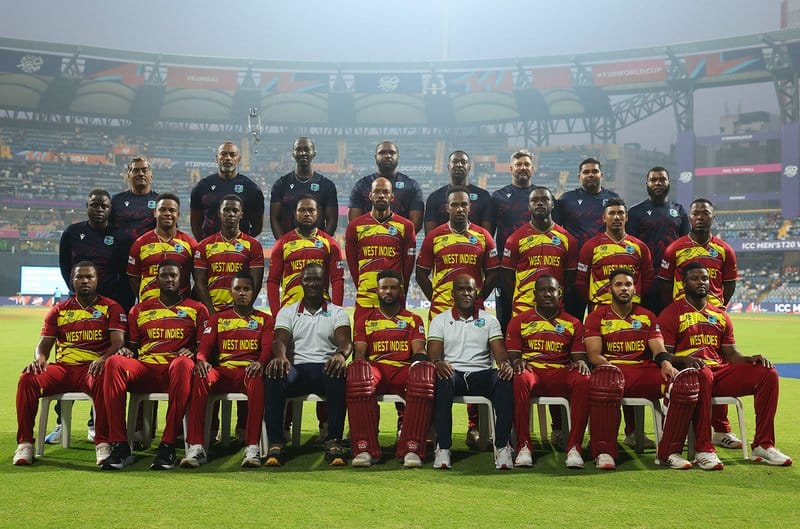
    The Windward Islands women’s cricket team endured their fourth consecutive defeat in the Cricket West Indies T20 Blaze tournament on January 19th, suffering a seven-wicket loss to Jamaica at Arnos Vale Sporting Complex in Kingstown, St. Vincent and the Grenadines. The hosts now sit at the bottom of the tournament table following their disappointing performance under the lights.

    With regular captain and West Indies allrounder Zaida James absent, stand-in skipper Jannillea Glasgow won the toss and elected to bat first. The Windwards never found their rhythm with the bat, posting a modest 99-7 from their 20 overs—their highest total yet after scoring 89-5, 79 all out, and 86-8 in previous matches. Glasgow emerged as the lone batting standout with 47 runs off 37 deliveries, including six boundaries and one maximum. Earnisha Fontaine contributed 21 runs while Ashlene Edward added 11 to the total.

    Jamaica’s chase encountered an early setback when opener Chedean Nation sustained an injury during the second over with 18 runs already on the board. Captain Rashada Williams (21) and Abigail Bryce (23) stabilized the innings with a composed partnership before experienced international star Stafanie Taylor sealed the victory with an unbeaten 28 off 32 deliveries. Jamaica reached their target of 100-3 in the 17th over, demonstrating clinical efficiency.

    Adding insult to injury, former Windward Islands player Qiana Joseph was named Player of the Match for the Leeward Islands in their concurrent 31-run victory over Barbados. Joseph excelled with both bat and ball, scoring 27 off 17 deliveries (including three fours and two sixes) and claiming 2-10 with her slow left-arm bowling.

    The Windwards will conclude their preliminary campaign against the undefeated Leeward Islands on Wednesday night, seeking to salvage pride in their final tournament appearance.

  • APNU scolds House Speaker for attacking US, Canadian envoys over appointing Opposition Leader

    APNU scolds House Speaker for attacking US, Canadian envoys over appointing Opposition Leader

    A significant constitutional crisis has erupted in Guyana’s National Assembly, with the opposition A Partnership for National Unity (APNU) delivering a stern rebuke to House Speaker Manzoor Nadir for his unprecedented criticism of American and Canadian diplomats. The controversy centers on the prolonged vacancy of the Opposition Leader position, a constitutional office that remains unfilled despite mounting international concern.

    APNU parliamentarian Dr. Dexter Todd, a legal professional, issued a formal statement condemning the Speaker’s remarks against US Ambassador Nicole Theriot and Canadian High Commissioner Sébastien Sigouin. The diplomats had previously advocated for the timely election of an Opposition Leader to safeguard democratic processes—a position Dr. Todd characterized as supporting constitutional integrity rather than foreign interference.

    “When the international community calls for this vacancy to be filled, they are not taking sides. They are standing on the side of the Supremacy of the Constitution,” Dr. Todd asserted, emphasizing that the diplomats were fulfilling their fundamental duty to advocate for democratic principles.

    The confrontation escalated when Speaker Nadir questioned the democratic credentials of both nations during his remarks. He challenged Ambassador Theriot regarding the existence of an Opposition Leader in the US system and reminded High Commissioner Sigouin of Canada’s six-month budget delay and its history of unelected prime ministers.

    Dr. Todd countered that the Speaker’s personal views must remain subordinate to constitutional obligations when acting in an official capacity. “The Speaker is a human being entitled to his personal views,” he acknowledged, “but the moment he speaks in his official capacity, his personal feelings must be subservient to the Rule of Law.”

    The political drama intersects with complex legal matters involving Azruddin Mohamed, leader of the 16-seat We Invest in Nationhood (WIN) party and the most likely candidate for Opposition Leader. Mr. Mohamed and his father face serious international legal challenges, including US sanctions for alleged gold smuggling involving over 10,000 kilograms worth approximately $50 million, plus federal indictments for wire fraud, mail fraud, and money laundering. Extradition proceedings are currently underway, with committal hearings scheduled for February 5.

    This situation echoes previous tensions in 2020 when the then-APNU+Alliance For Change administration accused international observers of manipulating election outcomes, though a CARICOM-brokered recount ultimately confirmed the People’s Progressive Party Civic’s victory.

    Dr. Todd concluded with a call for constitutional respect above political agendas, stating: “Our international partners expect it, but more importantly, the Guyanese people deserve it.”

  • Internationale steun voor hervorming Surinaamse sportsector

    Internationale steun voor hervorming Surinaamse sportsector

    Suriname has embarked on a comprehensive restructuring of its sports sector following disappointing performances by national athletes in international competitions. The Caribbean nation is now partnering with Panam Sports, the overarching Pan-American sports organization, to implement systemic reforms aimed at building sustainable competitive capabilities at elite levels.

    The collaboration emerged from recent evaluations revealing Suriname’s inadequate preparedness for consistent podium performances in top-tier international events. This assessment has prompted intensified cooperation between the Surinamese Olympic Committee (SOC), the Ministry of Youth Development and Sports (JOS), and Panam Sports.

    During high-level consultations, officials addressed evaluation outcomes from 2025 that highlighted the necessity for a coherent, structural, and sustainable approach to sports development. The meeting featured Karla Alemán Cortez, Methodologist Advisory of Panam Sports, in a introductory working visit with Minister Lalinie Gopal. Also present were SOC Chairman Ramon Tjon A Fat, SOC Secretary-General Dennis MacDonald, SOC board member Kirtie Algoe, and Acting Sports Director Enrique Ralim.

    The initial concrete step involves conducting a rapid assessment examining both the condition of sports facilities nationwide and the administrative capabilities of national sports federations. Findings will culminate in a diagnostic report containing targeted recommendations for institutional strengthening and professionalization of the sports ecosystem.

    Panam Sports advocates for an integrated development model encompassing all levels—from school sports and youth development to talent identification and elite performance. Critical components include certified coaching education, structured training programs, multidisciplinary athlete support (including sports psychology and medical services), and professionally managed sports organizations.

    Surinamese officials emphasized sport’s status as a national priority, highlighting ongoing inventories of sports infrastructure and development of legislative frameworks for sports governance. The establishment of a fully-fledged sports ministry was noted as a significant step toward structural reinforcement.

    The partnership also stressed enhanced collaboration between government, sports governing bodies, and stakeholders, alongside commitments to ensure balanced gender representation in national teams. All parties expressed confidence that this joint approach will yield improved athletic performances and create a stronger foundation for Surinamese sports future.