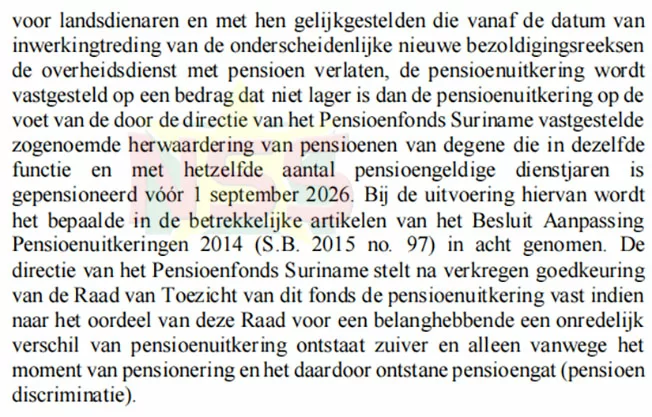
On September 8, the government of Suriname formally approved a revised 15% pay scale structure for all civil servants and equivalent public sector employees, set to take retroactive effect starting September 1 this year. As the policy rollout approaches, the administration has introduced a landmark protective provision aimed at eliminating unfair disparities in retirement benefits that could arise solely from the timing of a worker’s exit from public service.
作者: admin
-

Grenada marks World EV Day 2026
On World EV Day 2026, Grenada joined global efforts to promote electric transportation, aligning its local observance with the international theme “Switching Electric: Driving Down the Cost of Motoring” – a priority that carries unique urgency for the small island nation.
As a country that relies entirely on imported fossil fuel to meet its energy needs, Grenada faces constant exposure to volatile global oil price swings driven by geopolitical and economic events outside its control. When fuel prices rise, the ripple effects touch every corner of the national economy: transportation fares climb, electricity generation costs increase, and the prices of everyday goods and services surge, putting sustained pressure on households and businesses alike. This persistent vulnerability has made the shift to electric mobility far more than an environmental initiative for Grenada; it is a critical step toward strengthening national energy security and economic stability.
To advance this transition, the Government of Grenada has already built a comprehensive policy and infrastructure foundation anchored by the National Energy Policy for Transport to 2035, which sets a long-term strategic framework for sustainable transportation adoption across the country. The first phase of electric vehicle integration is already underway, with EVs rolled out to government public institutions to set an example for private adoption. Supported by the Global Environment Facility (GEF) and the UN Environment Programme (UNEP) through the Global Electric Mobility Programme, the nation is steadily expanding its public charging network to address range anxiety and enable wider EV use.
Alongside infrastructure development, Grenada is updating its regulatory framework to support safe, orderly EV adoption. New national standards for charging equipment have been introduced, and amendments to the Road Traffic Act are advancing to accommodate electric transportation. To avoid creating unmanaged environmental challenges down the line, the government is also developing a national roadmap for end-of-life electric vehicle battery disposal and recycling, ensuring the environmental benefits of EV adoption are not undermined by future waste management risks.
At the center of this transition is the Grenada Transport Commission, the lead agency tasked with guiding public transport operators through the shift to electric mobility while delivering near-term relief to address current fuel cost pressures. Between 2025 and 2026, the commission channeled more than EC$1.7 million in direct support to the public transport sector. Of that total, approximately EC$1.45 million went to operators through the Fuel Tax Rebate Programme, while an additional EC$250,000 was distributed via the Western Bus Passenger Relief Initiative to ease cost burdens for both drivers and commuters.
Cabinet has recently approved additional support for operators, including a 50% concession on tyres, vehicle parts, and operational consumables, a policy developed in close consultation with the National Bus Association to address operators’ stated needs. The commission has also conducted independent, route-by-route research to map actual transportation costs across all zones of the country, ensuring any future debates over public transport fares are rooted in evidence-based, objective analysis rather than anecdote.
As the national technical lead for electric mobility in the transport sector, the commission is currently conducting on-the-ground evaluations of electric bus performance, national charging infrastructure requirements, and the unique practical needs of Grenada’s roughly 1,500 public transport operators. A core priority of this work is ensuring the transition is accessible and affordable for small-scale operators, particularly the thousands of owner-drivers who operate a single vehicle and operate on tight profit margins.
Speaking ahead of World EV Day 2026, Hon. Kerryne James, Grenada’s Minister for Climate Resilience and the Environment, emphasized that while near-term fuel rebates provide critical relief for operators grappling with high fuel costs, electric mobility offers a permanent, long-term solution by eliminating the sector’s exposure to volatile global fossil fuel prices entirely.
James reiterated the government’s commitment to a collaborative, operator-centered transition: “Government remains committed to ensuring that operators are not asked to make this transition alone. Charging infrastructure, financing mechanisms, and ownership cost assessments are all being developed with operators at the centre of the discussion.”
As the nation marked World EV Day 2026, its core message echoed across government and stakeholder groups: switching to electric transportation delivers dual benefits for Grenada. It advances global and local climate action, while also delivering practical, long-term gains by lowering transport operating costs, strengthening energy independence, and building a more economically and environmentally resilient future for all Grenadians.
This report is issued from the Prime Minister’s Office of Grenada. NOW Grenada does not take responsibility for the views and content shared by contributing stakeholders, and invites users to report any inappropriate content via official platform channels.
-
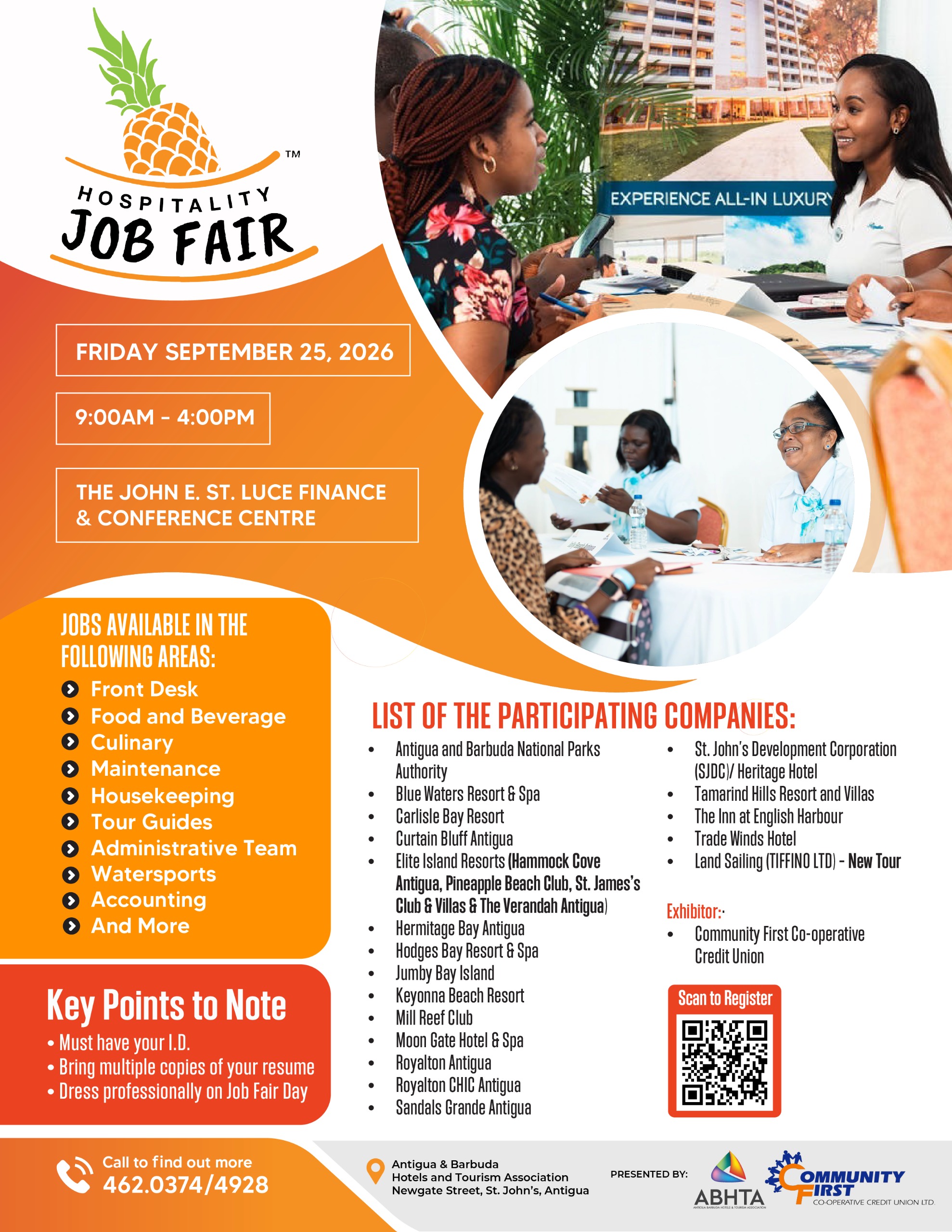
ABHTA Hospitality Job Fair Returns September 25, Connecting Job Seekers with Industry Opportunities
Antigua & Barbuda’s leading tourism industry body is set to connect local and prospective workers with top regional tourism employers through its much-anticipated 2026 Hospitality Job Fair, timed to coincide with the annual celebration of World Tourism Day. The event is scheduled to take place on Friday, September 25, 2026, at the John E. St. Luce Finance & Conference Centre, running from 9:00 a.m. to 4:00 p.m., and will showcase hundreds of open roles across nearly every segment of the island nation’s hospitality and tourism sector. Participating hiring companies are recruiting for positions spanning front desk operations, food and beverage service, culinary arts, facility maintenance, housekeeping, tour guiding, administrative support, watersports instruction, accounting, and a range of additional specialized and entry-level roles. This year’s fair has been structured to prioritize connecting a diverse pool of candidates to career pathways, welcoming job seekers from all professional backgrounds—from seasoned hospitality veterans looking for a career shift to first-time workers ready to enter the rapidly growing tourism industry. The roster of participating employers spans the full breadth of Antigua & Barbuda’s tourism ecosystem, bringing together long-established luxury resorts, smaller boutique properties, public sector tourism bodies, and new tourism-focused ventures. Confirmed participants include the Antigua and Barbuda National Parks Authority, Blue Waters Resort & Spa, Carlisle Bay Resort, Curtain Bluff Antigua, Elite Island Resorts’ collection of properties (Hammock Cove Antigua, Pineapple Beach Club, St. James’s Club & Villas, and The Verandah Antigua), Hermitage Bay Antigua, Hodges Bay Resort & Spa, Jumby Bay Island, Keyonna Beach Resort, Mill Reef Club, Moon Gate Hotel & Spa, Royalton Antigua, Royalton CHIC Antigua, Sandals Grande Antigua, St. John’s Development Corporation (SJDC)/Heritage Hotel, Tamarind Hills Resort and Villas, Trade Winds Hotel, and newcomer Land Sailing (TIFFINO LTD) – New Tour. The mix of organizations in attendance underscores the wide range of employment options available across Antigua & Barbuda’s $1.5 billion tourism industry, which accounts for more than 60% of the nation’s annual GDP. Beyond large resort properties, roles exist in public park management, adventure tourism, small boutique operations, and support services, creating opportunities for workers with a wide variety of skills and interests. Event organizers with the Antigua & Barbuda Hotels and Tourism Association (ABHTA) encourage attending job seekers to take full advantage of the in-person networking opportunity by scheduling conversations with as many participating employers as possible to learn about unadvertised roles and company cultures. This year’s event also welcomes back Community First Co-operative Credit Union Ltd. as its major sponsor, marking the second consecutive year the financial institution has partnered with ABHTA to advance the association’s mission of bridging the gap between qualified job seekers and growing tourism employers. Community First will also have an on-site booth at the job fair, where attendees can learn more about the credit union’s range of financial services for hospitality workers, explore its product offerings, and register for on-site membership. To help job seekers make the best possible first impression on hiring managers, ABHTA has issued clear guidance for attendees ahead of the event. All participants are advised to dress in professional attire, bring a valid government-issued form of identification, and carry multiple printed copies of their updated resume to share with prospective employers during one-on-one meetings. Whether a candidate is an experienced hospitality professional exploring new career opportunities, or an individual looking to break into the dynamic tourism industry for the first time, the 2026 Hospitality Job Fair offers a rare chance to meet hiring teams face-to-face, learn about the unique career pathways available across the sector, and connect directly with decision-makers. Registration for the 2026 event is officially open now, with all job seekers required to complete advance registration ahead of the closing date set for Wednesday, September 16, 2026. Event organizers note that registration may close earlier than the scheduled date if the maximum capacity for participants is reached, so interested candidates are strongly urged to complete their registration as soon as possible to secure their spot. For registration inquiries or additional information about the event, job seekers can contact the ABHTA directly at 462-0374 or 462-4928.
-

Saint Lucian advocate recognised in UN campaign for disability-inclusive employment
The United Nations has launched a landmark four-month regional initiative across the Caribbean to dismantle systemic barriers that exclude persons with disabilities from the workforce, kicking off the campaign by honoring a cohort of local disability rights trailblazers, including Saint Lucian advocate Nody Gilbert.
Dubbed the HireAbility Campaign, the effort operates under the guiding slogan “Break Barriers. Embrace Inclusion. Champion Rights”, with a core mission to embed disability inclusivity in workplaces across the region and expand economic access for disabled people. At the official launch, Simon Springett, United Nations Resident Coordinator for Barbados and the Eastern Caribbean, publicly recognized Gilbert and seven other leading advocates from across the Caribbean for their sustained work advancing disability rights. The honorees include Joshuanette Francis from Antigua and Barbuda, Barbados Senator Janeel Odle, Rena Pierre-Thomas and Deansha Edwards from Grenada, Roosevelt Howee from St Kitts and Nevis, and Tharā Gabriel and Matthew Williams from Trinidad and Tobago.
Beyond elevating grassroots advocates, the campaign has also earned early buy-in from the Caribbean private sector, with Massy Stores Saint Lucia among the first local businesses celebrated for its proactive leadership in building inclusive work environments.
Rooted in the core principle that disability never equals inability, the HireAbility Campaign challenges employers across the region to shift their hiring perspectives: instead of centering impairment, they are urged to prioritize the unique skills, education, professional experience, creativity and grit that disabled candidates bring to teams. Springett framed the initiative as a critical turning point for disability inclusion across the Caribbean, noting that while the specific barriers disabled people face vary by national context, the end goal is universal.
“Although barriers differ across countries, the aspiration is universal: persons with disabilities must be able to participate fully in society, access decent work, contribute their talents and skills, and be recognised for those contributions,” Springett said in remarks at the launch.
The campaign is aligned with the UN Convention on the Rights of Persons with Disabilities, the 2006 international treaty that enshrines equal opportunity for disabled people and calls for the removal of systemic barriers to full societal participation. A key framing of the initiative pushes back against common misconceptions: UN organizers emphasize that systemic societal exclusion, not individual disability, is the single largest barrier to equitable employment and inclusion for disabled people across the region.
To deliver lasting change, the HireAbility Campaign brings together a broad coalition of stakeholders, including UN country teams, national governments, employer associations, disabled people’s organizations, youth advocates and development partners across both English- and Dutch-speaking Caribbean nations. A central action of the campaign invites businesses to formalize their commitment to change by signing the Disability Inclusive Employer Pledge, which commits signatories to equitable hiring practices and intentional work to build more inclusive workplace cultures.
The four-month campaign will run through the International Day of Persons with Disabilities on December 3, when the initiative will culminate in collective action to highlight progress. At its core, the UN’s ultimate vision for the effort is to build a Caribbean where all talent is valued, systemic barriers are eliminated, and disabled people can participate fully and equally in every part of the world of work.
-
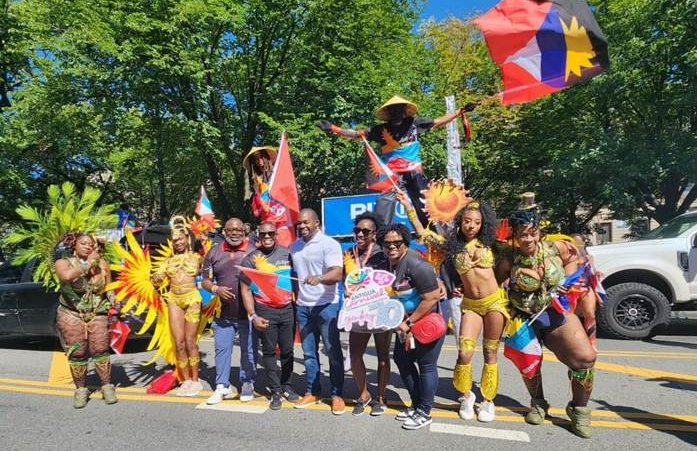
Antigua and Barbuda Take Center Stage at Brooklyn’s West Indian Day Parade
One of North America’s largest and most vibrant Caribbean cultural celebrations, the annual West Indian Day Parade held in Brooklyn, New York, drew hundreds of thousands of attendees this year, and it was the twin-island nation of Antigua and Barbuda that emerged as the event’s headline attraction.
Hosted every Labor Day along Brooklyn’s iconic Eastern Parkway, the parade is a decades-old tradition that brings together dozens of Caribbean and West Indian nations to showcase their distinct cultural heritage, rhythmic music, savory cuisine, and colorful artistry to a diverse global audience. For the 2024 iteration, organizers selected Antigua and Barbuda as the featured nation, granting the small Caribbean country an unmatched platform to highlight its national identity, tourism offerings, and vibrant community roots to millions watching both in-person and via live stream.
Participants representing Antigua and Barbuda pulled out all stops for the event, rolling out intricately designed floats adorned with the nation’s vibrant sun-drenched red, gold, and black flag motifs, images of its world-famous white-sand beaches, and depictions of the iconic Devil’s Punchbowl natural landmark. Local dancers clad in traditional feathered and sequined carnival costumes led the contingent, moving in sync to the upbeat sounds of Antiguan soca and calypso music that echoed for blocks along the parade route.
Members of the Antigua and Barbuda diaspora based in the United States turned out in record numbers to support their home nation, many carrying hand-painted signs and wearing custom apparel emblazoned with national slogans. Local political leaders and tourism officials from the country also traveled to Brooklyn for the event, using the opportunity to hold informal meetings with business leaders and promote Antigua and Barbuda as a top-tier travel and investment destination for North American travelers.
Event attendees and organizers alike praised the Antigua and Barbuda contingent for its energetic, authentic presentation that captured the spirit of Caribbean carnival. Parade organizers noted that featuring a small island nation like Antigua and Barbuda helps bring much-needed attention to smaller Caribbean cultures that often receive less global spotlight, while strengthening the bonds between the diaspora community and their home countries. For many attendees, the parade’s focus on Antigua and Barbuda sparked new interest in visiting the twin islands, with many taking to social media to share photos of the contingent and research travel opportunities after the event.
-

UK Rejects Jamaica’s £10 Billion Reparations Demand
On September 7, 2026, a high-level Jamaican delegation led by Culture Minister Olivia Grange delivered an unprecedented formal petition to Buckingham Palace, calling on the UK government to pay £10 billion in reparations for Britain’s centuries-long role in the transatlantic slave trade. Two days later, the UK government issued a firm rejection, reaffirming a long-held policy that has remained consistent across successive administrations.
A spokesperson for UK Prime Minister Andy Burnham restated the government’s stance clearly: “The UK does not pay and will not pay reparations.” While the spokesperson acknowledged the universally recognized abhorrence of colonial-era slavery and the immense wealth Britain extracted from the trade, he confirmed that no UK government has ever agreed to a formal apology or entered into economic negotiations over reparations for descendants of enslaved people.
What sets Jamaica’s 2026 demand apart from previous reparations campaigns is its novel legal framework. Unlike earlier efforts that sought direct political or royal action, this petition asks King Charles III to refer the case to the Judicial Committee of the Privy Council – the London-based body that remains the final court of appeal for Jamaica and many other Commonwealth nations. This marks the first time any Commonwealth country has pursued this specific legal avenue, meaning the case could set a landmark precedent for future reparations claims across the Global South if it proceeds.
The petition outlines three core legal questions for the court to consider: first, whether the enslavement of African people in Jamaica was actually unlawful under English law as it existed at the time of the trade; second, whether the practice violated established international norms regardless of its domestic legality; and third, whether the UK retains a binding legal obligation to compensate for the intergenerational harm caused by centuries of slavery. Alongside financial reparations, Grange also tied the demand to a broader global movement for cultural restitution, calling for the return of hundreds of Caribbean artifacts currently held in major British museums.
Despite the UK’s immediate rejection, Grange struck an optimistic tone in comments to international media, framing the delivery of the petition itself as a meaningful step forward. “This moment is progress regardless of the immediate response from London,” she said, noting that the campaign has already drawn global attention to the ongoing impacts of colonial slavery. King Charles III was traveling in Scotland when the delegation arrived at Buckingham Palace, a coincidence that drew sharp criticism from anti-monarchy activists. Graham Smith, chief executive of the UK-based campaign group Republic, argued that the monarch has a pattern of avoiding scrutiny over the crown’s historical ties to the slave trade, saying “he once again seeks refuge whenever the issue of slavery and empire is raised.”
Jamaica’s petition comes amid growing global pressure on former colonial powers to address historical harm. A United Nations committee has already formally concluded that sovereign states carry a legal obligation to consider reparations for the transatlantic slave trade, warning that meaningful global progress on eliminating systemic racial discrimination will remain impossible without redress for the ongoing intergenerational damage of slavery.
To contextualize the claim: Jamaica became a British colony in 1655, and over more than 300 years of colonial rule, hundreds of thousands of enslaved African people were trafficked to the island and subjected to brutal forced labor. The country gained full independence from the UK in 1962 and remained a Commonwealth realm with the British monarch as its formal head of state until a 2024 constitutional amendment removed that role, moving Jamaica closer to becoming a full republic.
Britain rose to become the world’s largest slave-trading power by the 1730s, after entering the trade in 1562. Over the course of its involvement in the transatlantic trade, British ships transported more than three million enslaved African people, mostly to colonies in the Caribbean and North America. Notably, the UK has paid reparations for slavery once before – but not to the victims or their descendants. When Britain abolished slavery across its empire in 1833, the government paid hundreds of millions of pounds in compensation exclusively to white slave owners for the “loss of property,” a debt that British taxpayers only finished paying off in 2015.
In more recent years, UK state and non-state institutions have begun to acknowledge historical complicity: in March 2024, the Church of England pledged to create a £1 billion fund to address its own historical ties to the slave trade. But successive UK political leaders have repeatedly rejected calls for state-funded reparations to descendant communities. As recently as October 2024, then-Prime Minister Keir Starmer’s office confirmed the UK would not issue a formal apology or pay any financial compensation, and the British monarchy has also never issued a formal apology for its role in enabling and profiting from the transatlantic slave trade.
To date, the Netherlands remains the only European country to have issued a formal, state-level apology for its role in the transatlantic slave trade. When the UN General Assembly voted in early 2026 to recognize the transatlantic slave trade as “the gravest crime against humanity” in history, the UK was among a small group of European nations that abstained from the vote.
-
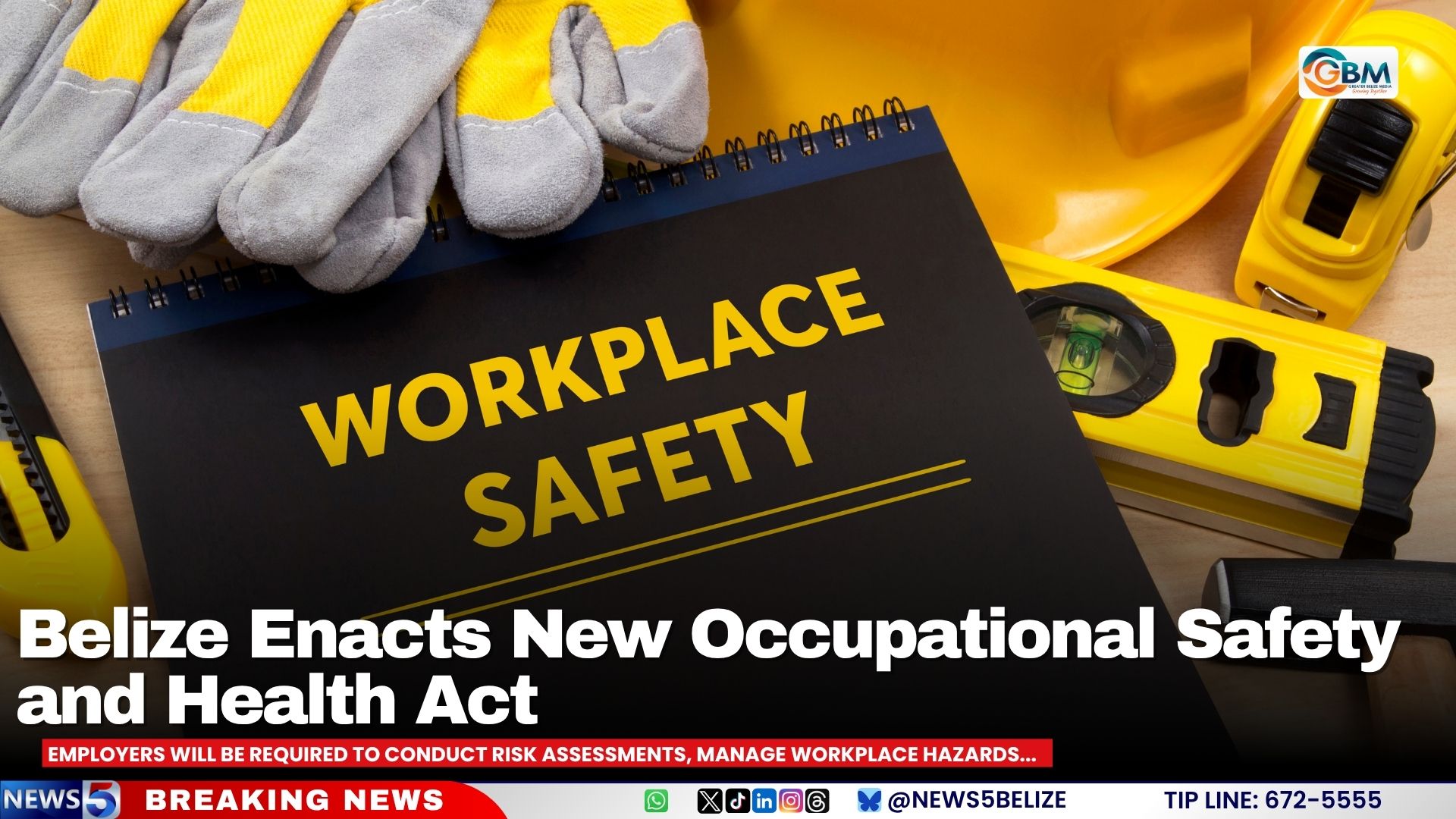
Belize Enacts New Occupational Safety and Health Act
In a landmark update to Belize’s national labor governance framework, the Government of Belize has formally enacted the Occupational Safety and Health Act 2026, replacing the decades-old Factories Act with a modern, comprehensive set of rules designed to protect worker well-being across every sector of the national economy.
Unlike the outdated predecessor legislation that focused primarily on industrial factory settings, the new law casts a far broader regulatory net, extending coverage to a wide range of work environments that were previously underregulated. These include all public and private sector workplaces, large and small construction sites, heavy industrial facilities, in-home domestic work positions, and even eligible remote work arrangements. The act explicitly outlines clear, legally binding responsibilities for both employers and workers, eliminating ambiguous language that created gaps in protection under the old law.
A core structural change introduced by the legislation is the creation of two dedicated new government bodies to oversee the new framework. The National Occupational Safety and Health Advisory Committee will take charge of long-term policy development, updating standards to align with emerging workplace risks, and advising the government on adaptive regulatory changes. The second new body, the Occupational Safety and Health Inspectorate, will be responsible for on-the-ground compliance work, including routine workplace inspections, investigating worker complaints, and enforcing adherence to the new safety standards.
Under the new requirements, employers face a series of binding obligations designed to proactively prevent workplace harm. They are mandated to conduct regular, detailed risk assessments of all work activities, implement systematic controls to mitigate identified workplace hazards, and build out robust, transparent systems for reporting workplace accidents and occupational diseases. For workers, the act delivers landmark new protections that were not available under previous legislation: workers are now fully protected from employer retaliation when they report unsafe working conditions, and they hold a legal right to refuse any work assignment when they have a reasonable belief that the task poses an imminent, serious threat to their health or safety.
Additional provisions in the act set strict new standards for the handling and management of hazardous materials, including toxic industrial chemicals, dangerous substances, and potentially harmful biological agents. It also requires workplaces meeting defined size thresholds to establish internal Safety and Health Committees and elect worker safety representatives to facilitate ongoing communication between staff and management about safety concerns.
While the legislation has already been formally gazetted as official law, it will not go into full effect immediately. Instead, implementation will roll out in staggered phases through a series of commencement orders issued by the responsible government minister. This phased approach is designed to give authorities sufficient time to build out the two new regulatory bodies, develop supporting secondary regulations, and prepare the national workforce and business community for the new rules. Belize’s Labour Department will lead the implementation process, with core responsibilities including standing up the new Inspectorate, drafting the required supporting regulations, and delivering targeted training and public education campaigns to help employers and workers understand their new rights and obligations.
-
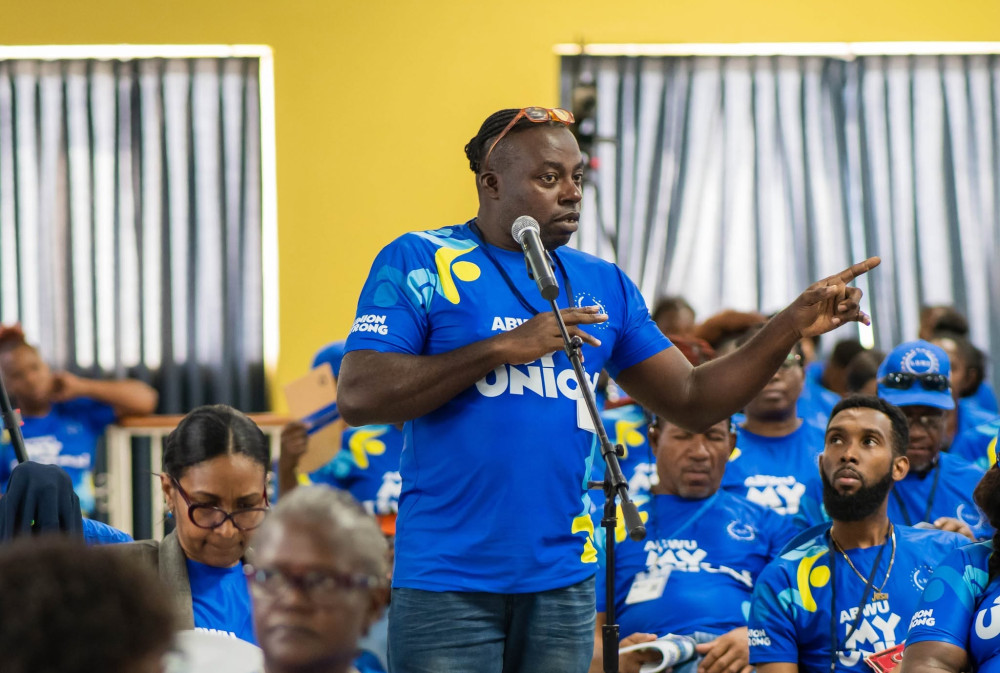
ABWU to Host 59th Annual Delegates Conference
As workplaces around the globe undergo rapid transformation driven by technological advancement and evolving employment norms, the Antigua and Barbuda Workers’ Union (ABWU) is preparing to convene its 59th Annual Delegates Conference, scheduled to take place across two days: September 20 and 21. This year’s gathering carries a deliberate, forward-thinking theme: “Celebrating 59 years of Stewardship: Embracing the Changes and Preparing for the Future World of Work.”
More than a routine annual meeting, the conference will draw hundreds of delegates and observers from the union’s 10 industry-based sections, covering key sectors of Antigua and Barbuda’s economy including banking, hospitality, and transportation. Over the course of the two-day event, attendees will work collaboratively to conduct a transparent review of the union’s achievements and challenges over the past 12 months, then align on strategic priorities that will guide the organization’s work into the next year.
The choice of this year’s theme is no coincidence. It directly responds to the unprecedented shifts reshaping work for laborers across every sector today: from the rise of automation and artificial intelligence to the breakdown of traditional long-term employment models and the growing demand for new, digital-first skill sets. Trade unions across the world are grappling with how to adapt their core mission of protecting worker rights to this new landscape, and ABWU is positioning itself as a proactive leader in this space.
In comments ahead of the conference, ABWU General Secretary David Massiah emphasized that the theme captures the union’s core strategic approach: to remain focused on its legacy of worker advocacy while proactively preparing members for the challenges ahead. “The world of work is changing at a pace we have never seen before, and as a representative body for workers, we cannot afford to simply stand by and react to changes that are already happening,” Massiah explained. “Our role is to understand these shifts early, equip our members with the support and resources they need to navigate them, and make sure that workers have a seat at the table when decisions about the future of work are being made.”
One of the most high-stakes and anticipated components of this year’s conference is the scheduled election of a brand-new Executive body for the union. The incoming leadership team will take on responsibility for steering the organization’s strategic direction, managing its day-to-day affairs, and advancing its core mandate of protecting and advancing worker interests across Antigua and Barbuda.
Massiah stressed that the union’s strength has always stemmed from the active engagement of its membership, and he called on all attending delegates and rank-and-file members to bring their unique experiences, ideas, and energy to the conference and election process. “The decisions we make during this gathering must reflect the hopes and needs of the workers we represent,” he said. “Our goal coming out of this conference is to build a union that is responsive to worker needs, relevant to the modern world of work, and fully prepared for whatever challenges and opportunities lie ahead.”
Beyond setting the union’s strategic course for the coming year, the 59th Annual Delegates Conference will also serve as a critical launching pad for ABWU’s upcoming 60th anniversary celebrations, scheduled to take place next year. For an organization that has spent nearly six decades advocating for worker rights in Antigua and Barbuda, the conference represents both a moment to reflect on decades of impact and a deliberate step toward securing its relevance for decades to come.
-
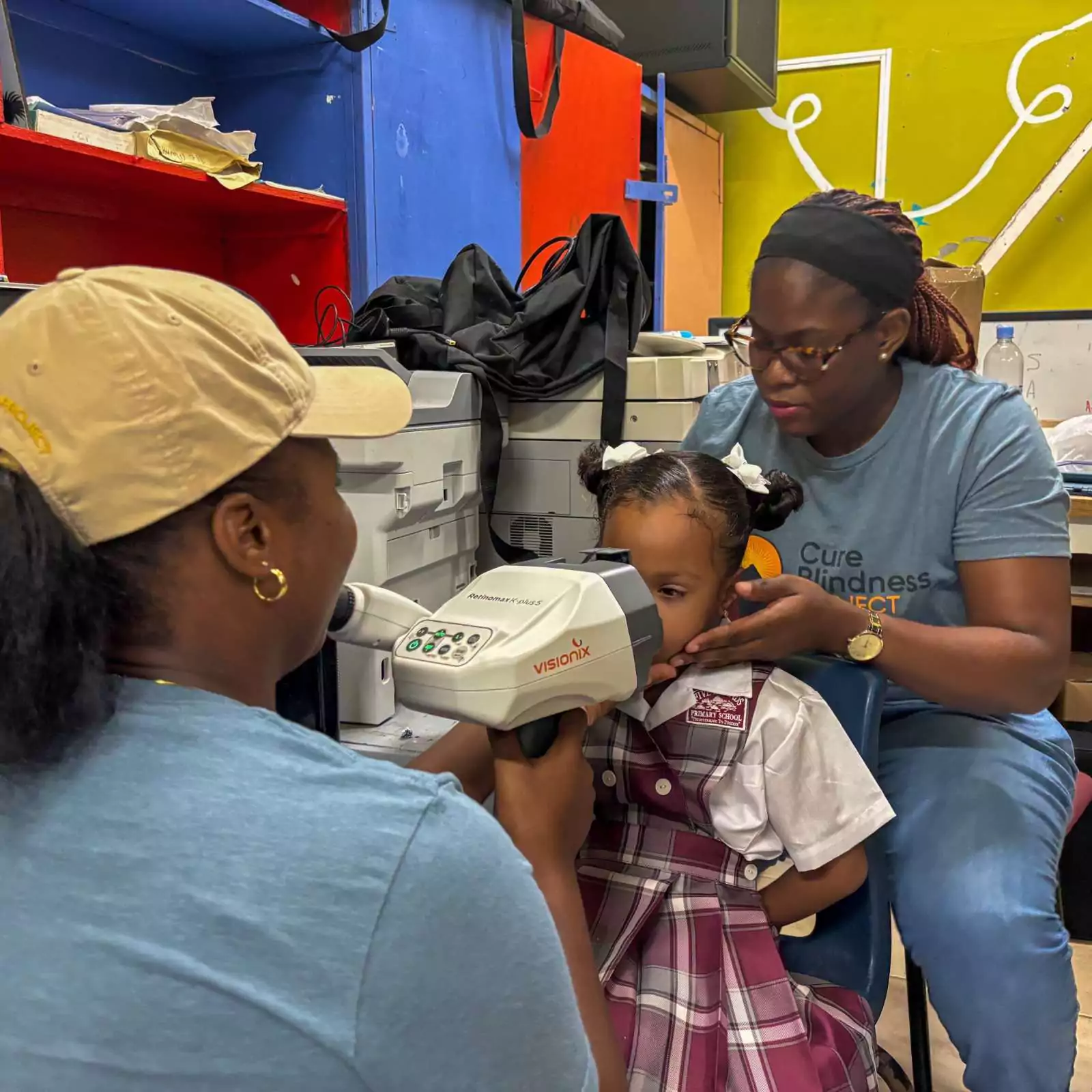
Phase Two of PM’s Vision Initiative Begins at Five Islands Primary School
A government-supported public health initiative aimed at catching undiagnosed vision impairments in young students has launched its second phase of operations, opening with a full round of free screenings at Five Islands Primary School. Known as the Prime Minister’s Vision Initiative, this program operates in close collaboration with the Trinidad Eye Hospital, bringing specialized, professional eye care services directly to student populations across the country as the new phase of outreach gets underway. Unlike general public health programs, this initiative centers on early detection of vision issues — a priority that public health officials say is critical, because unaddressed vision impairments often create significant barriers to children’s learning. Left untreated, common undiagnosed problems like nearsightedness, farsightedness, or astigmatism can limit a child’s capacity to read text on classroom whiteboards, follow written assignments, and engage fully with peers during interactive learning activities. Over the coming weeks and months of Phase Two, the initiative’s mobile screening teams will travel to a growing number of schools across the region, expanding their reach to serve more students and reinforce the link between children’s long-term eye health and their sustained academic success. Organizers note that expanding access to early screenings fills a critical gap in local pediatric health care, ensuring that even students from families that lack access to regular specialized eye care get the support they need to thrive in school.
-
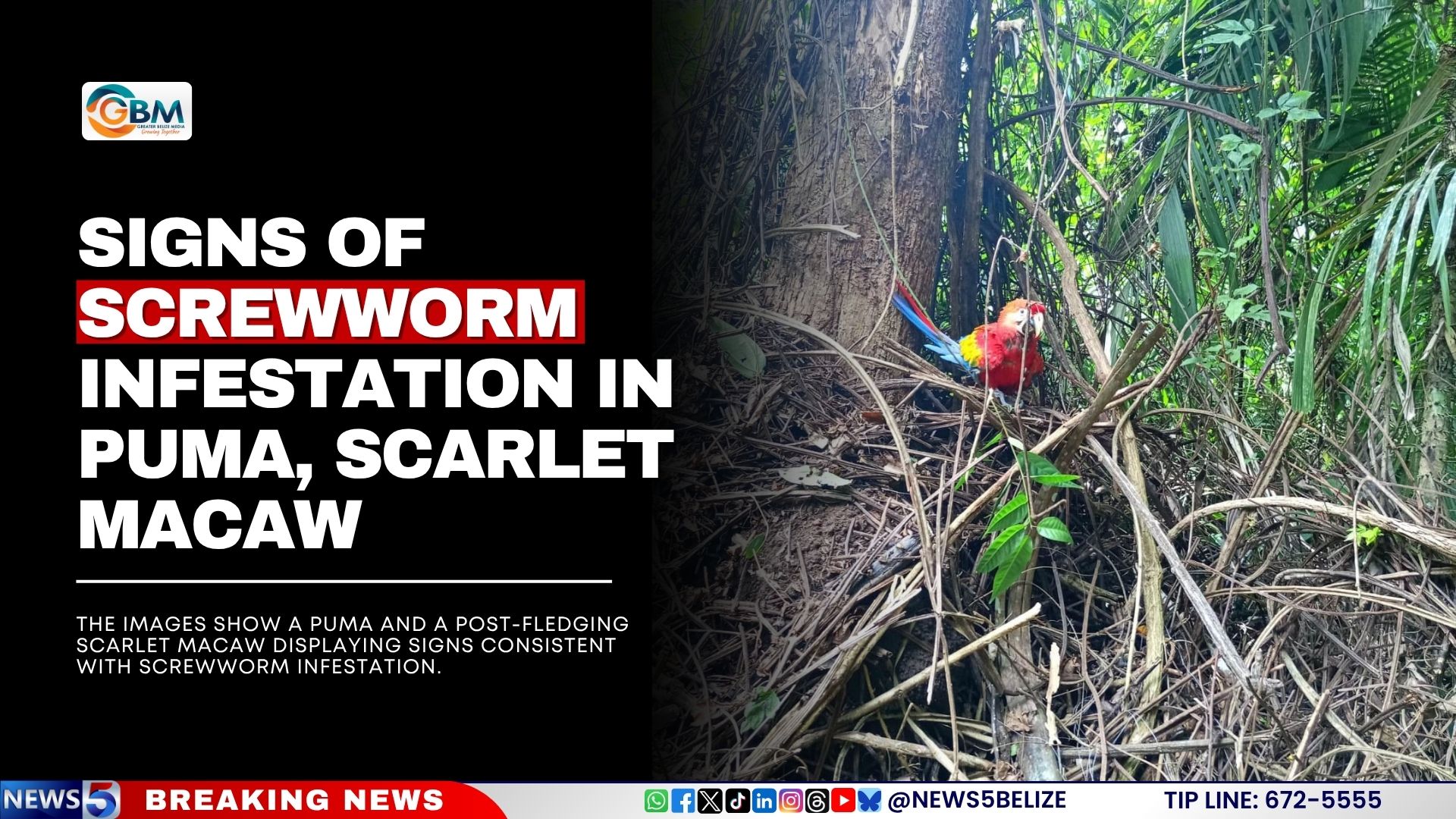
Signs of Screwworm Infestation in Puma, Scarlet Macaw
A decades-long victory over a devastating parasitic pest in Central America has been thrown into jeopardy, after conservation groups confirmed suspicious signs of New World screwworm infestation in two iconic wild species in Belize’s western Maya Mountains.
Camera-trap imagery collected by Friends for Conservation and Development (FCD), in partnership with the Belize Wildlife and Referral Clinic, captured a wild puma and a recently fledged Scarlet Macaw exhibiting visible symptoms that match New World screwworm infection. The discovery marks one of the first confirmed detections of potential infestation in native wildlife in Belize, after the parasite reclaimed territory across the region over the past three years.
Scientifically named *Cochliomyia hominivorax*, New World screwworm is a parasitic fly whose larvae feed on the living flesh of warm-blooded animals. Once the eggs hatch, larvae burrow deep into host tissue, causing extreme pain, widespread tissue damage, life-threatening secondary infections, and almost certain death if left untreated. For more than 50 years, the parasite had been completely eradicated from North and Central America through the widespread use of the sterile insect technique: conservation and agricultural authorities released massive volumes of sterilized male flies that mated with wild females, producing no offspring and collapsing local populations. That success unraveled in 2023, when the pest reemerged in Panama. It has since spread northward at an alarming rate, moving through Costa Rica, Nicaragua, Honduras, and Guatemala before reaching Belize, El Salvador, and ultimately Mexico.
Long before this recent wildlife detection, public health officials had warned that Belize faced disproportionate risk from the parasite’s spread. Earlier this year, Belize’s Ministry of Health and Wellness partnered with the Pan American Health Organization and the U.S. Centers for Disease Control and Prevention to host a national training seminar focused on boosting surveillance systems and clinical response capacity. Authorities have highlighted multiple factors that make the country uniquely vulnerable: unregulated cross-border movement of wild and domestic animals, existing livestock production infrastructure that facilitates parasite spread, warm, humid environmental conditions ideal for fly reproduction, and high occupational exposure for rural workers who regularly interact with livestock and wildlife.
While the infestation has primarily been monitored for its impact on domestic livestock to date, the new detection in a large predator and a threatened bird species has underscored critical gaps in understanding of the pest’s effect on Belize’s native biodiversity. FCD notes that the full population-level impact of screwworm infestation on Belize’s wild animal communities remains unstudied, but the camera-trap findings make clear that expanded monitoring, systematic documentation, and targeted research are urgently needed to assess how the parasite is disrupting ecosystems beyond agricultural production.
FCD has committed to integrating ongoing screwworm surveillance into its existing long-term wildlife monitoring programs across the country. The organization will share the data it collects with national and international conservation and public health bodies to support coordinated regional response efforts and protect both Belize’s wildlife and human communities.