作者: admin

  • LISTEN: PM says diplomat’s failure to disclose was the reason behind relieving him of his duties

    LISTEN: PM says diplomat’s failure to disclose was the reason behind relieving him of his duties

    Prime Minister Justin Trudeau has publicly confirmed the dismissal of a Canadian diplomat, citing a critical failure to disclose pertinent information as the central reason for the termination. The announcement, made during a press briefing, underscores the government’s stringent adherence to accountability and transparency protocols within its foreign service operations.

    While the Prime Minister did not reveal the specific nature of the undisclosed information or identify the diplomat, he emphasized that the omission represented a fundamental breach of trust and the established code of conduct expected of all public office holders. The decision to relieve the individual of their duties was characterized as necessary to uphold the integrity of Canada’s diplomatic corps and its international engagements.

    The incident has triggered immediate reviews within Global Affairs Canada to reassess and potentially reinforce disclosure procedures for personnel. Political analysts suggest this move reinforces the Trudeau administration’s hardline stance on operational security and ethical compliance, particularly following recent periods of heightened scrutiny over government transparency. The government’s decisive action aims to preempt any potential diplomatic ramifications and preserve Canada’s credibility on the world stage.

  • Caribbean crossroads: 4th Dominican Writing Festival maps a region in motion

    Caribbean crossroads: 4th Dominican Writing Festival maps a region in motion

    Santo Domingo prepares to host a groundbreaking cultural convergence as the fourth Dominican Writing Festival (FESD) unfolds at Galería 360 on April 25-26, 2026. Under the thematic banner “We tell our great stories,” this multidisciplinary event transcends conventional literary gatherings to examine the evolving Caribbean identity through the prism of displacement and homecoming.

    Organized by the visionary multicultural platform CuentaRD—founded by writers Roxanna Marte and Rafael J. Rodríguez Pérez—in collaboration with Luna Insomne Editores, the festival strategically connects the island nation with its extensive global diaspora. The 2026 edition positions itself as a dynamic forum exploring transnationalism, the psychological landscape inhabited by authors who create from the peripheries of their homeland.

    The festival’s centerpiece dialogue, “Archipelago on Fire: For whom do we Caribbean writers write?”, addresses the complex relationship between Caribbean authors and their geographically dispersed audiences. This thematic focus gains depth through the participation of acclaimed Cuban-American author Achy Obejas, whose work exemplifies the concept of “extra-territorial” belonging that resonates with many Dominican writers.

    Regional integration forms a critical component of this year’s programming. The festival deliberately intertwines Dominican narratives with broader Caribbean experiences through several curated discussions. “Haiti in words: identity, resistance, and hope” brings together Edwin Paraison, Jhak Valcourt, and Jacques Alix Louis to examine literature as an instrument of resilience during crisis. Similarly, “Reading Cuba: between the island and the diaspora” features Alberto Garrido, Bismar Galán, and Celestino Esquerré dissecting the political and intimate dimensions of writing from within and beyond national borders.

    The Venezuelan migratory experience receives dedicated attention through the colloquium “Reading a new country” with Siddharta Mata and Aída Magallanes, acknowledging the shared displacement narratives that increasingly unite Caribbean nations.

    Beyond traditional literary formats, FESD embraces the multidisciplinary nature of contemporary Caribbean storytelling. Filmmakers Natalia Cabral and Tito Rodríguez join author Miguel Yarull in analyzing the transition from “paper to screen” in a session moderated by Juan José Namnún. Theatrical adaptations take center stage as Manuel Chapuseaux, Ingrid Luciano, and Richarson Díaz explore the translation of Dominican literature to performance mediums.

    The festival incorporates vibrant performative elements, including a presentation inspired by Julia de Burgos’ work and a tribute to Cuban poet Dulce María Loynaz. The event culminates with “The voice on fire,” a Spoken Word performance celebrating the visceral power of oral storytelling.

    Academic discourse finds its place through Sarah Aponte, Chief Librarian of the Dominican Studies Institute at CUNY, who presents a conference on digital preservation in specialized libraries. This addresses the paradoxical reality that significant portions of Dominican intellectual heritage are currently maintained and digitized abroad.

    Maintaining its commitment to accessibility, the festival offers free admission to all events, supported by sponsors including Kelsy Wilmot, Navegante Urbano, and Editora Pulpo. Complementary programming includes workshops for parents led by Mariela García and sessions examining the global emergence of Dominican comic books, ensuring the festival cultivates a sustainable reading culture amidst digital age challenges.


  • FLASH : Violette AC crowned D1 champions of the 2025-2026 LHF season

    FLASH : Violette AC crowned D1 champions of the 2025-2026 LHF season

    In a dramatic conclusion to the Haitian Football League’s inaugural 2025-2026 season, Violette Athletic Club emerged victorious as national champions after defeating Baltimore SC 2-1 in the championship final. The decisive match unfolded on February 14, 2026, at Parc Sainte-Thérèse in Pétion-ville, marking a significant milestone in Haitian football history.

    The championship showdown reached its climax after the teams played to a tense 0-0 draw in the first leg, setting the stage for an electrifying return match. Violette AC, affectionately known as the Old Tigers, demonstrated their championship pedigree with Elyvens Dejean breaking the deadlock in the 29th minute. Baltimore SC fought back valiantly, equalizing in the 64th minute through Stravinsky Dupiton, before Micheneider Chery secured the historic victory for Violette with a decisive 78th-minute goal.

    The league recognized exceptional individual performances that defined the season. Claudeson Stanley Céus earned dual honors as both the Best Player and Top Scorer of the championship, netting an impressive 8 goals while displaying remarkable consistency and technical brilliance. His influential performances proved instrumental throughout the competition.

    Between the posts, Guivemy Joseph received recognition as the Best Goalkeeper of the inaugural edition. His spectacular saves and commanding presence established him as a formidable last line of defense, earning him the reputation as a veritable wall for his team during both regular season and playoff matches.

    The Haitian Football League administration extended congratulations to both finalists, acknowledging Baltimore SC’s remarkable campaign and fighting spirit that elevated the championship’s competitive standard. The final represented more than just a trophy celebration—it signaled a new era of professional football in Haiti, with the league emerging stronger and more promising after this elite competition.

  • Buxton labourer charged with robbing Montrose woman

    Buxton labourer charged with robbing Montrose woman

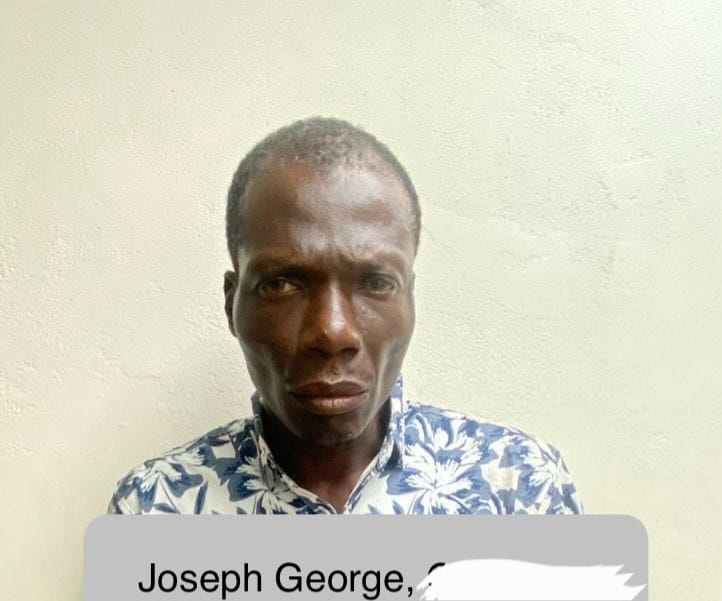
    A 53-year-old laborer from Brush Dam, Buxton has been formally charged with the armed robbery of a Montrose businesswoman in a case that has drawn attention to coastal criminal activity. Joseph George appeared before Senior Magistrate Clive Nurse at the Sparendaam Magistrate’s Court on Thursday, February 12, 2026, where he entered a plea of not guilty to the allegations.

    The alleged incident occurred on Monday, February 9, 2026, when the accused reportedly targeted a 47-year-old self-employed woman residing in Vryheid’s Lust, East Coast Demerara. While the Guyana Police Force has not disclosed specific details regarding the circumstances of the offense or the items stolen, the charge formally accuses George of robbery under arms—a serious criminal offense in Guyanese law.

    Magistrate Nurse granted the defendant bail set at GY$150,000 pending trial, allowing George to remain free under financial guarantee while awaiting judicial proceedings. The court has scheduled the matter for further hearing on March 17, 2026, when both prosecution and defense are expected to present their respective cases.

    The case represents another entry in the ongoing judicial processing of criminal activities along the East Coast Demerara corridor, highlighting the continuing challenges faced by law enforcement in the region. The relatively quick progression from alleged offense to formal charges—within three days of the reported incident—demonstrates the operational response capacity of local authorities in addressing serious criminal complaints.

  • Cattle owner charged with suffering animals

    Cattle owner charged with suffering animals

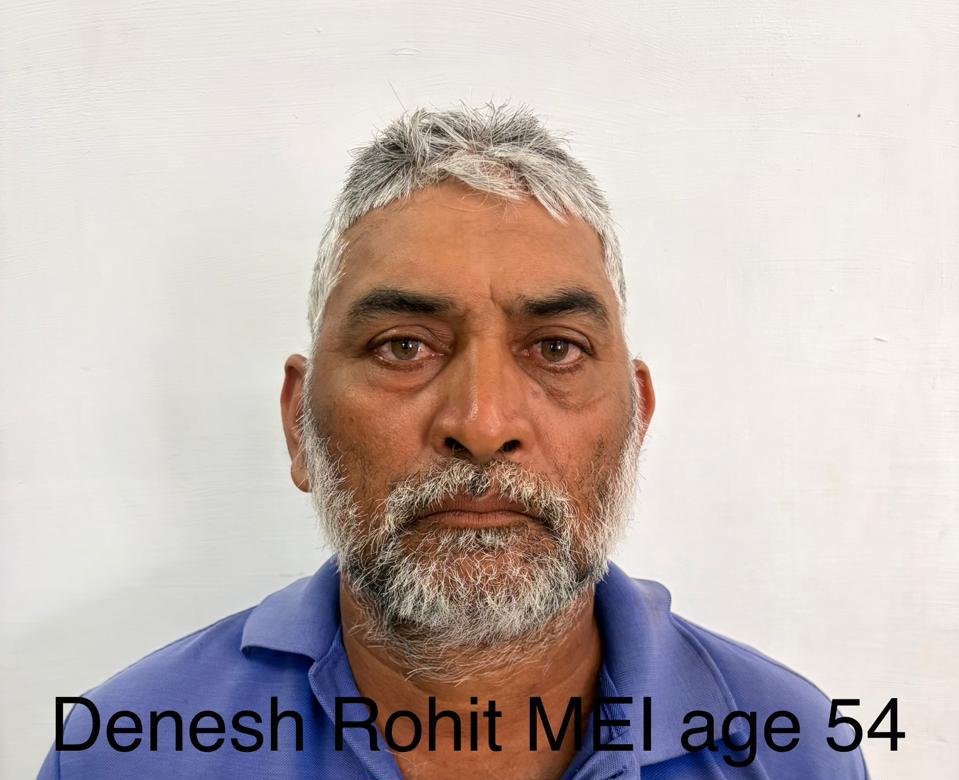
    A livestock proprietor from Garden of Eden, East Bank Demerara has been convicted on multiple animal welfare violations after admitting to charges of neglecting his cattle. The Guyana Police Force confirmed Saturday that 54-year-old Denesh Rohit entered guilty pleas for three distinct counts of permitting his bovines to stray unlawfully, contravening national road legislation.

    The judicial proceedings unfolded at the Diamond Magistrate’s Court on February 13, 2026, where Magistrate Dylon Bess presided over the case. Court records indicate the offenses occurred across three residential zones: Prospect Young Professional Housing Scheme, Herstelling Housing Scheme, and Farm Housing Scheme along the East Bank Demerara corridor.

    Following his admission of guilt, Rohit received financial penalties totaling GY$30,000—structured as GY$10,000 per individual count. Beyond monetary sanctions, the magistrate issued formal directives mandating the implementation of appropriate containment measures to prevent future incidents involving unrestrained livestock.

    Authorities emphasized this judgment serves as both punitive action and preventive measure, highlighting the legal responsibilities of animal owners to maintain proper control over their herds. The case represents ongoing efforts to address public safety concerns and animal welfare standards in developing residential communities where human-animal conflicts occasionally emerge.

  • Bartica man jailed for drugs trafficking

    Bartica man jailed for drugs trafficking

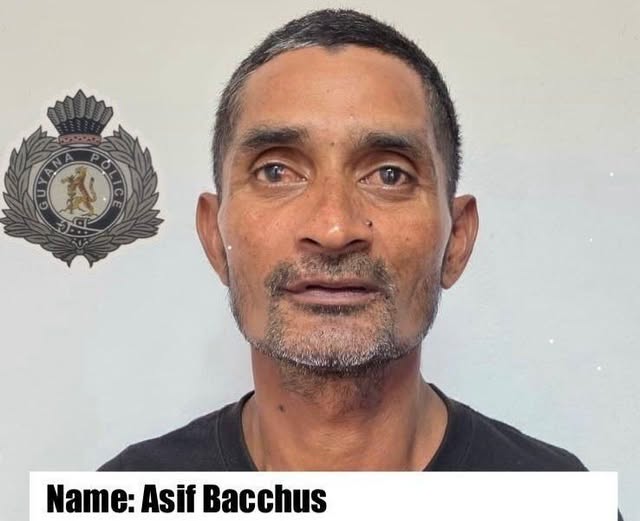
    In a significant judicial ruling from Guyana’s Bartica Magistrate’s Court, 43-year-old Asif Bacchus has been handed a substantial prison term for narcotics offenses. The unemployed Arcade Street resident faced charges under the stringent Narcotic Drugs and Psychotropic Substances (Control) Act for possession with intent to traffic.

    The case, prosecuted by the Guyana Police Force, reached its conclusion on February 14, 2026, following Bacchus’s virtual court appearance via Zoom technology. Presiding Magistrate Ravindra Mohabir formally presented the charges to the defendant, who subsequently entered a guilty plea.

    Court documents reveal that Bacchus’s arrest and conviction mark a continued effort by Guyanese authorities to combat drug trafficking in the mining-dependent region of Bartica. The case represents another successful prosecution under the country’s comprehensive anti-narcotics legislation.

    The four-year sentence reflects the seriousness with which the Guyanese judiciary treats drug-related crimes. Legal experts suggest this ruling may establish precedent for future narcotics cases in the region, particularly those involving trafficking quantities of controlled substances.

    Law enforcement officials have indicated that the conviction forms part of broader operations targeting drug distribution networks in the Bartica area, which has historically faced challenges related to illegal narcotics trade alongside its legitimate mining activities.

  • Hesse Relieved of Duties After $450,000 Alfa Nero Commission Disclosure

    Hesse Relieved of Duties After $450,000 Alfa Nero Commission Disclosure

    Antigua and Barbuda’s Prime Minister Gaston Browne has confirmed that senior official Johann Hesse was summoned before the Cabinet following revelations of a substantial undisclosed commission payment related to the Alfa Nero superyacht transaction. The development emerged during Browne’s weekly radio program, the Browne and Browne Show, where he addressed growing concerns about the financial arrangements surrounding the vessel’s 2024 sale.

    Court documents recently unveiled in the United Kingdom exposed a US$450,000 introductory commission paid to Rufus Gobat, identified as Hesse’s business associate. Prime Minister Browne emphasized that this substantial payment had not been formally disclosed to government authorities, prompting immediate scrutiny. However, the Prime Minister clarified that preliminary investigations have uncovered no evidence suggesting Hesse engaged in illegal activities regarding this transaction.

    During Wednesday’s Cabinet meeting, Hesse provided comprehensive explanations regarding the controversial payment. He asserted that the commission was exclusively part of a private business arrangement between Gobat and himself, completely separate from any government funds or resources. Hesse further testified that no government officials, Cabinet members, or their relatives derived any financial benefit from this transaction.

    The Alfa Nero superyacht, previously owned by sanctioned Russian billionaire Andrey Guryev, has been at the center of complex international negotiations since its seizure. Antigua’s government has been attempting to sell the luxury vessel through legal channels, making transparency in all financial aspects particularly crucial given the sensitive nature of the asset.

    Prime Minister Browne indicated that additional information regarding this matter is anticipated to emerge as investigations continue. The government maintains its commitment to ensuring all transactions related to state assets undergo proper scrutiny while preserving the integrity of its administrative processes.

  • Directeur Belfor met pensioen na 33 jaar bij Arbeid

    Directeur Belfor met pensioen na 33 jaar bij Arbeid

    Suriname’s Directorate of Welfare and Labor celebrated the distinguished career of Director Jimmy Belfor on Friday as he concluded his 33-year tenure in public service with an official retirement ceremony. Belfor’s extensive governmental career began in 1993 when he joined as a legal affairs officer before ascending to Undersecretary for Legal and International Affairs three years later—a position he maintained for nearly two decades. His subsequent thirteen-year leadership as director saw him guide numerous policy initiatives affecting labor relations and social welfare programs. Beyond his departmental responsibilities, Belfor chaired the Dismissal Committee for over thirty years and contributed significantly to the Labor Advisory Council. His international representation included multiple appearances at the International Labor Conference in Geneva and other global forums where he advocated for Suriname’s interests. Ministerial officials from the Health, Welfare, and Labor portfolio expressed profound gratitude during the farewell gathering, highlighting Belfor’s dedicated service and strategic leadership that shaped the nation’s labor policies and social protection frameworks.

  • ECCB Suspends DCash 2.0 Development to Prioritize Regional Payments Systems

    ECCB Suspends DCash 2.0 Development to Prioritize Regional Payments Systems

    In a strategic pivot toward enhanced financial integration, the Eastern Caribbean Central Bank (ECCB) has officially suspended development of its DCash 2.0 digital currency initiative. The decision was ratified during the 112th meeting of the Monetary Council held on February 13 at the ECCB headquarters in St. Kitts and Nevis.

    The Council’s communique revealed that resources will be reallocated to accelerate the implementation of a regional fast payment system and active participation in the CARICOM Payments and Settlement Systems (CAPSS) pilot program. This shift signifies a fundamental recalibration of the bank’s digital transformation strategy, moving from a central bank digital currency (CBDC) focus toward real-time payment infrastructure modernization.

    ECCB’s DCash, launched as a digital iteration of the Eastern Caribbean dollar, initially aimed to revolutionize payment systems and promote financial inclusion across member states. The suspension of its next development phase suggests officials are prioritizing immediate payment efficiency over CBDC expansion.

    Notably, the announcement during the media briefing lacked detailed elaboration, and no journalists pressed for additional information regarding the suspension. The meeting was chaired virtually by Antigua and Barbuda Prime Minister Gaston Browne, underscoring the regional cooperation aspect of these financial system enhancements.

    This strategic realignment positions the ECCB at the forefront of regional financial innovation, potentially creating a more interconnected economic landscape for Eastern Caribbean states through cutting-edge payment solutions.

  • COMMENTARY: Koudmen, Institutions, and the architecture of dignity – A reflection on Dominica’s civic inheritance and our present reckoning

    COMMENTARY: Koudmen, Institutions, and the architecture of dignity – A reflection on Dominica’s civic inheritance and our present reckoning

    In a powerful testament to Dominica’s cultural heritage, Dr. Irving Pascal emerges as a quintessential Nature Islander—a distinction transcending mere citizenship through birth or passport acquisition. This concept, deeply rooted in the island’s consciousness, represents a cultural fortress born from freedom struggles and commitment to Koudmen, the collaborative ethic preserving nature’s bounty for future generations.

    The philosophical foundation of Nature Island identity originates from 1970s Zion at the Dominica Government Stock Farm, where naturalist awakening germinated amidst independence movements and Rastafarian philosophy. This environment nurtured profound connections to the land through luxuriant soursop, glory cedar, mango trees, and sustainable agricultural practices that sustained herds of Holstein and Zebu cattle.

    Koudmen represents an organic social technology dating to pre-emancipation eras when enslaved Africans forged systems of collective labor, shared food, and mutual risk management. This dignity-in-action philosophy evolved from Maroon communities’ resistance to contemporary community building, creating economies of belonging rather than extraction. Seaside villages like St. Joseph maintained collaborative rhythms where dawn fires belonged to everyone, slaughtered pigs were communally smoked, and fishing required collective participation rewarded through distribution networks built on trust.

    This cooperative ethic extended into formal institutions including the Roseau Credit Union, where annual meetings transformed into exercises in grassroots democracy and financial literacy. Children absorbed lessons in collective responsibility while enjoying refreshments that demonstrated local agricultural abundance—L. Rose Lime Juice Cordial, carefully crafted lime squash with brown sugar and Angostura Bitters, and freshly prepared grapefruit drink served by gracious community members.

    Dominica’s industrial past featured local bottling factories for Ju-C, Coca-Cola, and 7-Up, while educational institutions like Dominica Grammar School and St. Mary’s Academy fostered collective thought through student publications. The Dominica Botanic Gardens served as both practical agricultural resource and conservation educator, enabling food security through export networks maintained by formidable market women trading with neighboring islands.

    Today, this inheritance faces existential threats. Environmental advocates including Nasio Fontaine, Athie Martin, and Dr. Pascal himself confront ecological destruction at Deux Branches and across the island. The Koudmen conservation ethic—conserving land that feeds and water that slakes thirst—is being undermined by passport-selling schemes, foreign money laundering, and negligent governance.

    International sanctions reflect this deterioration: the UK removed visa-free access in July 2023, the White House imposed travel sanctions in December 2025, and Norway implemented strict vetting for Dominican passport holders. These developments mark a tragic departure from the values that once made Dominicans recognized across the Caribbean as honorable and trustworthy.

    The passing of elders like Alberta Christian (1929-2025) underscores the urgency for the “blessed remnant” who experienced authentic Nature Islander culture to defend against this tyranny of ruin. The challenge remains to preserve Koudmen’s legacy against profit extraction, agricultural neglect, and hollowed-out industries that threaten to transform Dominica into another Dubai rather than protecting its unique ecological and cultural heritage.