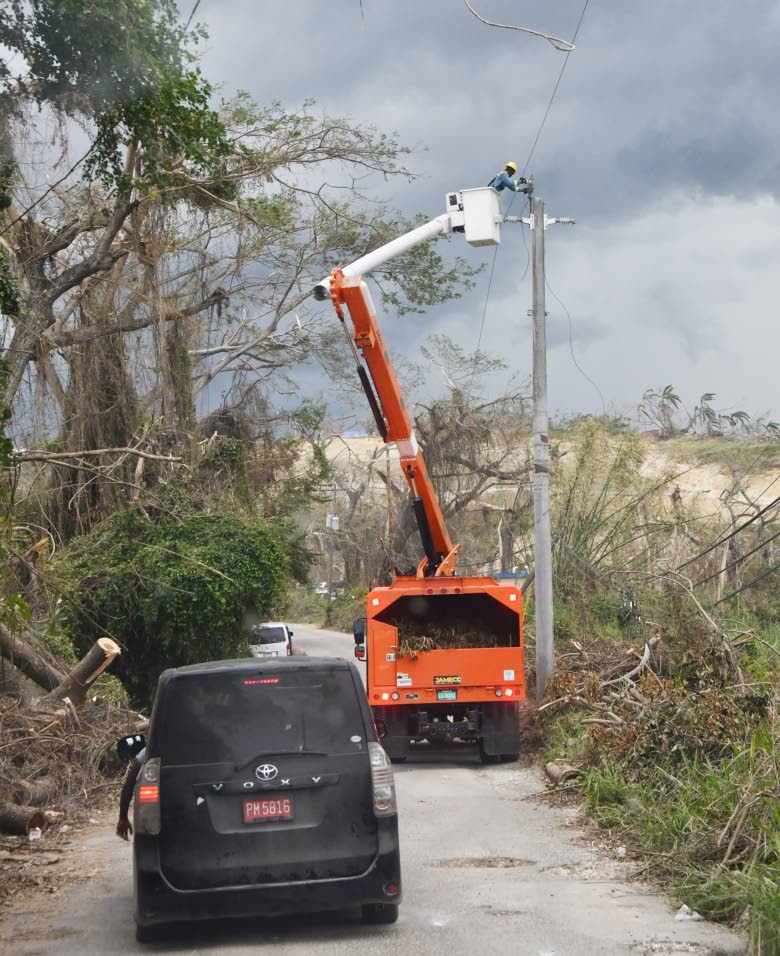
Two weeks after Hurricane Melissa devastated Jamaica, the Jamaica Public Service Company (JPS) has successfully restored electricity to 64% of its customers, according to JPS President and CEO Hugh Grant. Speaking at a government-organized press briefing on Tuesday, Grant described the progress as a “solid achievement” given the extensive damage caused by the storm. Over 300,000 customers have been reconnected since the hurricane left large parts of the island without power. Grant emphasized that the on-ground devastation was far more severe than aerial assessments suggested, particularly in the western region, which requires extensive rebuilding rather than simple repairs. To accelerate restoration, JPS has deployed over 200 additional overseas line workers and is bringing in specialized equipment, including bucket trucks and hole-digging vehicles. The company has prioritized restoring critical services such as hospitals, water pumps, and economic hubs. Notable successes include the restoration of power to Cornwall Regional Hospital, St Ann’s Bay Hospital, Ocho Rios Port, Dunn’s River Falls, and Sangster International Airport. Grant also highlighted creative solutions, such as rerouting power from Manchester to supply St Elizabeth. Despite challenges, JPS remains committed to transparency and aims to provide detailed restoration timelines for all affected areas by the end of the week.
作者: admin
-
Lovers’ Leap concert series repurposed for aid
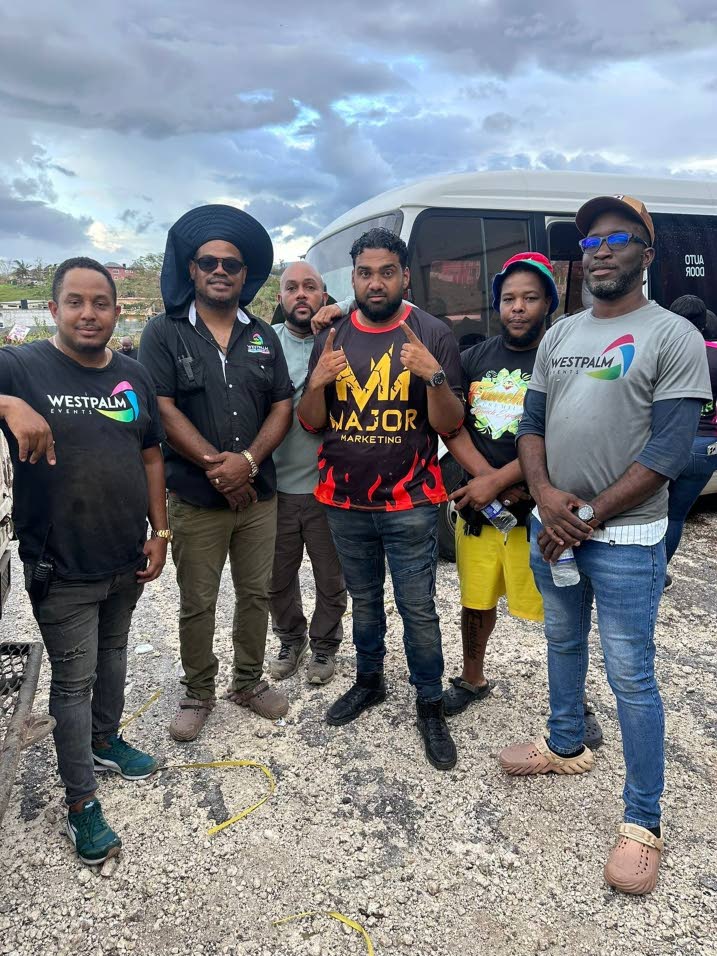
The much-anticipated Lovers’ Leap Lighthouse Series show, initially set for October 25, has been postponed and transformed into a charity event aimed at supporting the reconstruction of the iconic attraction and assisting communities in need. The rescheduled benefit concert will still showcase performances by renowned artists Marcia Griffiths and Tanya Stephens. Jason Ricketts, the marketing and communications director of Lovers’ Leap, shared with the Jamaica Observer that the venue for the event remains undecided, though the attraction’s own property is under consideration as cleanup efforts are underway. Ricketts expressed confidence in the overwhelming support from the Jamaican community, emphasizing the event’s purpose of giving back to the people. St Elizabeth, one of the parishes most severely impacted by Hurricane Melissa on October 28, saw Lovers’ Leap suffer significant infrastructural damage, compounding the destruction caused by Hurricane Beryl earlier in 2024. Despite these challenges, Ricketts highlighted the resilience of the St Elizabeth community and the ongoing efforts by entertainment stakeholders to provide aid, including distributing care packages and hot meals to affected areas. The event’s organizers are conducting thorough assessments to ensure a well-planned execution, with proceeds from the concert dedicated to rebuilding Lovers’ Leap and supporting local communities. Tickets purchased for the original date remain valid, and promoters have offered refund options for patrons who prefer to redirect their contributions to charity. Ricketts extended gratitude to the Sandz team and Romeich Entertainment for their assistance in these relief efforts.
-
‘The recovery starts now’
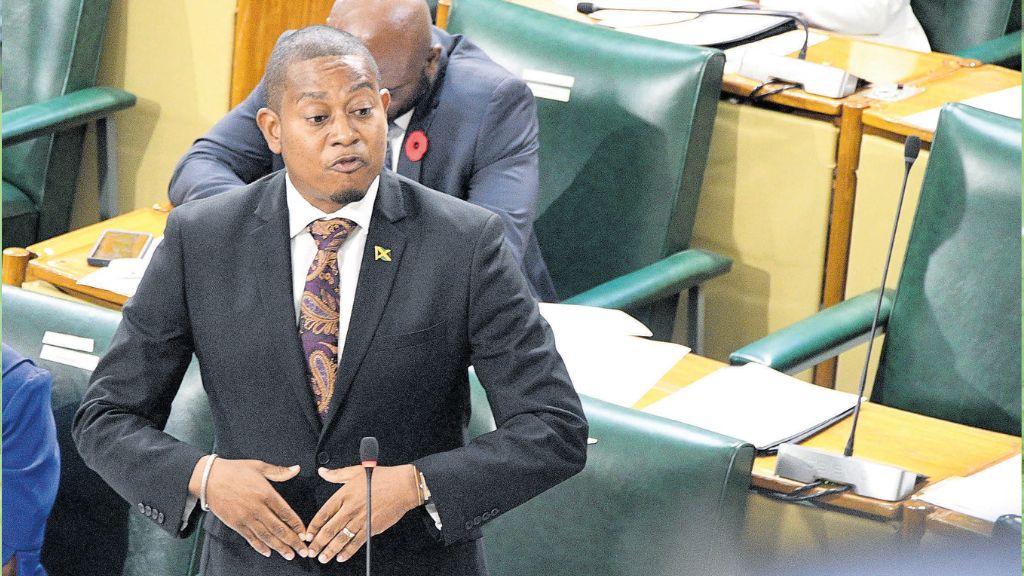
Jamaica’s Agriculture Minister Floyd Green delivered a sobering report to Parliament on Tuesday, revealing the catastrophic impact of Hurricane Melissa on the nation’s agricultural sector. The Category 5 hurricane, which struck on October 28, caused an estimated $29.5 billion in damages, affecting 41,390 hectares of farmland and over 70,000 farmers across the country’s most productive regions. The devastation included the destruction of 32,400 hectares of vegetable crops, significant losses in banana and plantain production, and the death of approximately 1.25 million animals. The fisheries sector also suffered a $5.76 billion blow, with 25% of the national fishing fleet damaged or destroyed. Minister Green, however, expressed unwavering resolve, stating that recovery efforts have already begun. He announced the reactivation of the Agricultural Disaster Recovery Task Force and the reallocation of $450 million from the Production Incentive Programme to emergency recovery. Immediate measures include the importation of essential food items like tomatoes, lettuce, and cabbage, as well as chicken, fish, and eggs, to stabilize the food supply. On the ground, seeds, fertilizers, and other critical inputs are being distributed to farmers, with a focus on early planting in less-affected areas such as Eastern Jamaica and agro-parks. Support for the fisheries sector includes clearing debris to reopen beach access and repairing damaged vessels. For livestock farmers, the Veterinary Services Division is implementing a recovery program to stabilize animal health and reduce further losses. Looking ahead, Minister Green emphasized the need for climate-smart agricultural practices and improved infrastructure resilience. He concluded with a rallying call, urging private sector partners to remain committed and praising the resilience of the nation’s farmers and fishers, stating, ‘We shall rise again.’
-

Your chicken is safe, for now
Jamaica’s poultry industry has incurred staggering losses estimated at $2 billion following the devastating impact of Hurricane Melissa. The storm, which struck several western parishes, resulted in the loss of over 1.2 million birds, including 780,000 broilers and 458,000 layer birds. Agriculture Minister Floyd Green described the hurricane as the most catastrophic event ever faced by the country’s agriculture and fisheries sectors, despite extensive preparatory measures. The Ministry of Agriculture has swiftly transitioned into recovery mode, prioritizing livestock rehabilitation, particularly backyard poultry farming. An initial $40 million has been allocated to support small farmers with chicks, feed, and infrastructure. Additionally, the government has introduced a moratorium on lease payments for farmers within agro-parks to alleviate financial strain. Major producers Caribbean Broilers (CB) and Jamaica Broilers Group (JBG) have assured consumers of stable chicken supply, leveraging their unaffected central parish operations, which account for 62% of national production. While smaller farmers in western parishes face significant challenges, industry leaders emphasize that the overall poultry supply remains secure. Recovery efforts include distributing over 400,000 baby chicks and rebuilding coops for affected farmers. Despite the setbacks, Jamaica’s poultry sector is poised for a gradual rebound, supported by coordinated relief initiatives and strategic interventions.
-
TJH in $3.8-m storm toll talks
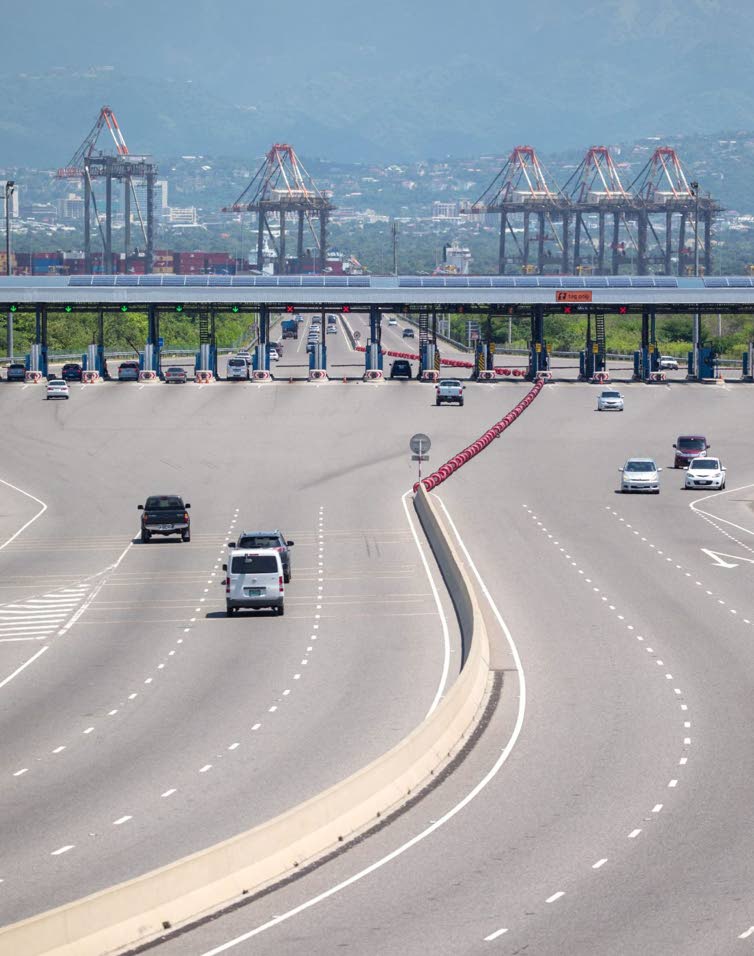
As Jamaica assesses the economic fallout from Hurricane Melissa, TransJamaican Highway Limited (TJH) has initiated discussions with the government to address the significant revenue loss incurred during a 15-day toll suspension. The suspension, mandated by Transport Minister Daryl Vaz as the hurricane approached, resulted in an estimated $3.8 million loss for TJH, based on its average daily revenue of $254,000. Despite this setback, TJH reported a 27% increase in third-quarter net profit, reaching $10.3 million, highlighting the financial impact of the temporary halt.
-

‘It’s not a good picture’
Jamaican Teas Limited is grappling with a significant downturn in its US market sales, a critical revenue stream for the company. CEO John Mahfood identified a ‘triple threat’ of challenges impacting consumer spending among the Caribbean Diaspora: increased tariffs, heightened immigration enforcement, and the suspension of food stamp payments. These factors have collectively dampened sales in key states like New York and Florida.
-
Unsafe to eat
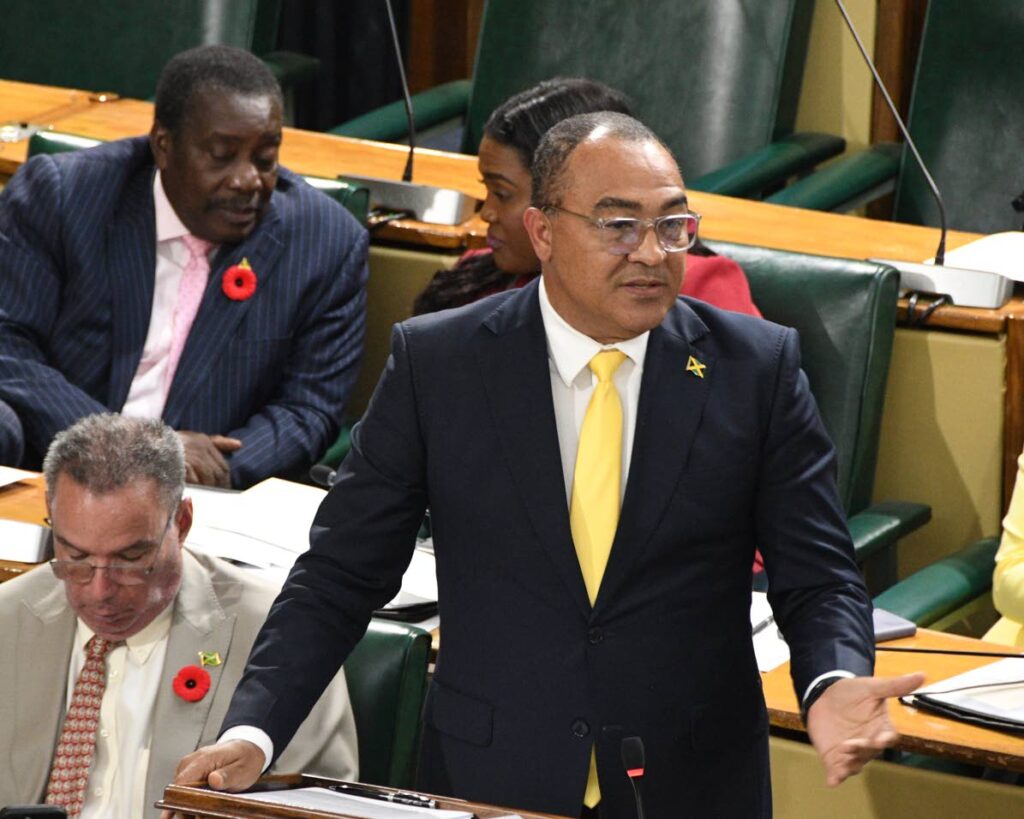
In the wake of Hurricane Melissa, which struck Jamaica on October 28, the Public Health Department has ordered the destruction of 5,661 kilogrammes of food deemed unsafe for consumption. The decision followed inspections of 5,052 food handling establishments, as disclosed by Minister of Health and Wellness Dr. Christopher Tufton in Parliament on Tuesday. The hurricane, a Category 5 storm, left several south-western parishes without electricity, severely disrupting food safety and public health systems.
Dr. Tufton emphasized the government’s efforts to monitor large farms and food processing facilities to prevent unsafe food from entering the supply chain and to avert potential outbreaks of food-borne diseases. He assured that safety measures would be intensified as access to previously marooned communities improves. Opposition health spokesman Dr. Alfred Dawes echoed the need for vigilance, warning that diseases such as dysentery, dengue, and cholera could emerge in the aftermath of the disaster.
The hurricane caused catastrophic damage to health infrastructure across the island, particularly in the southern and western regions. Seven hospitals, including Black River, Noel Holmes, and Cornwall Regional, suffered extensive roof and structural damage. A field hospital has been established in Black River, with plans for additional facilities in Falmouth and Savanna-la-Mar. Over 100 health centres also reported damage, severely impacting primary care services.
Despite these challenges, the Ministry of Health has initiated a three-phase recovery plan. The first phase focuses on restoring basic health services, preventing disease outbreaks, and addressing staff welfare. Dr. Tufton highlighted that 79% of healthcare professionals have returned to work, enabling the resumption of critical services such as maternal and child health care, HIV treatment, and immunizations in 30% of damaged facilities.
The government’s response also includes mass environmental health actions, psychosocial interventions, and infrastructure repairs. Dr. Tufton stressed the importance of rebuilding the health system to be more resilient, stating, ‘We must build back better.’ The Ministry continues to urge citizens to practice proper hygiene, use safe water sources, and report any illness symptoms promptly.
-

‘COLLECTIVE ACTION’
The Wray & Nephew Jamaica Premier League (JPL) is set to resume on December 7 after a hiatus caused by Hurricane Melissa, which devastated parts of the island in late October. However, Professional Football Jamaica Limited (PFJL) CEO Owen Hill has highlighted significant financial and logistical challenges that must be addressed to ensure a smooth restart. The league, which has completed nine match weeks, was paused due to the hurricane’s widespread destruction, including loss of lives and severe damage to infrastructure. Following discussions with stakeholders, including the 14 clubs, the PFJL executive, and the Jamaica Football Federation (JFF), a consensus was reached to delay the restart until December. While some Kingston-based clubs advocated for an earlier resumption, severely affected teams like Treasure Beach FC and Montego Bay United (MBU) requested additional time to recover. Hill emphasized the need for collective responsibility, stating that the December 7 restart date balances the needs of all parties. The decision has resulted in nearly 50 postponed matches, with teams now likely to play twice weekly to meet the league’s schedule. Venue challenges also persist, as MBU and Treasure Beach’s home grounds remain unplayable due to hurricane damage. Hill suggested a hub model, centralizing games at available venues, while calling for financial support from sponsors and corporate Jamaica to address the league’s immediate needs. He also urged fans to attend matches or subscribe to broadcasts, as gate receipts and subscriptions are crucial for clubs’ financial viability. As the league prepares to restart, MBU leads the standings with 22 points, followed by Portmore United with 18. Treasure Beach FC sits in 10th place, while defending champions Cavalier and unbeaten Mount Pleasant Football Academy are fourth and eighth, respectively.
-
Rainwater harvesting consultations
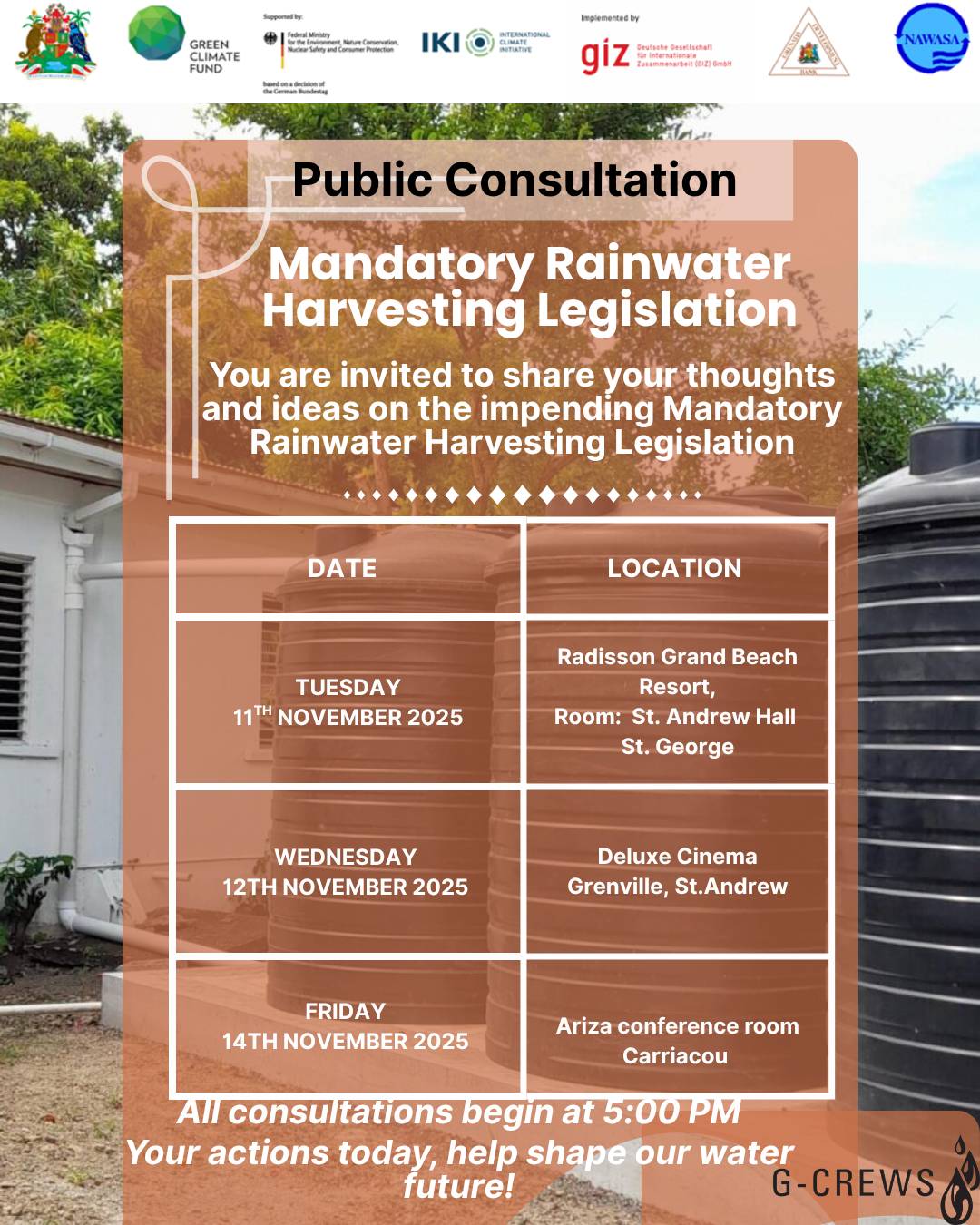
The Government of Grenada, in collaboration with the German Development Corporation (GIZ), is spearheading the Climate-Resilient Water Sector in Grenada (G-CREWS) project. This initiative is co-funded by the Green Climate Fund (GCF) and the German Federal Ministry for the Environment, Climate Action, Nature Conservation and Nuclear Safety (BMUKN) through its International Climate Initiative (IKI), alongside contributions from the Grenadian government. A key component of the project is the promotion of rainwater harvesting to enhance climate resilience in the nation’s water sector. The success of this effort will be measured by the increased adoption of rainwater harvesting practices. To facilitate this, the government is considering the introduction of mandatory rainwater harvesting legislation. As part of this process, public consultation sessions are being held to gather feedback and suggestions on the draft regulations. The draft legislation is currently open for public comment, and an online consultation is scheduled for Wednesday, 12 November 2025, from 5–7 pm. The draft can be accessed via the Climate Resilience Portal, and comments can be submitted to [email protected]. The G-CREWS project underscores Grenada’s commitment to sustainable water management and climate adaptation.
-

Venezuela congratulates Angola on 50 years of independence
In a significant diplomatic gesture, Bolivarian Minister of Foreign Affairs Yvan Gil conveyed heartfelt congratulations to Angola on behalf of Venezuelan President Nicolas Maduro via Telegram. Minister Gil highlighted that this milestone not only strengthens the path toward peace and sovereignty but also acknowledges the rich cultural diversity shared between the two nations. He underscored the deep-rooted historical connections between Venezuela and Angola, reaffirming their mutual dedication to enhancing collaboration across economic, political, and cultural spheres. Diplomatic and political relations between Caracas and Luanda were formally established on December 6, 1986, marking the beginning of a robust partnership. Two decades later, Venezuelan Commander Hugo Chavez made a high-profile visit to Angola, further solidifying ties. The relationship continued to flourish, as evidenced by the meeting between Presidents Nicolas Maduro and Joao Lourenco during the Group of 77-China summit in Havana, Cuba, in September 2023. Currently, both nations are actively engaged in cooperative efforts, particularly in the mining sector. In April 2023, high-level political consultations were held in Angola’s capital, led by Venezuela’s Vice Minister for Africa, Yuri Pimentel, signaling a renewed commitment to bilateral progress.