作者: admin

  • Politic : Haiti and El Salvador strengthen their cooperation

    Politic : Haiti and El Salvador strengthen their cooperation

    In a significant diplomatic development, Haitian Prime Minister Alix Didier Fils-Aimé and Salvadoran Vice President Félix Ulloa convened a high-level bilateral meeting during the presidential inauguration ceremony of Chile’s newly elected leader José Antonio Kast. The discussions marked a pivotal moment in bilateral relations between the two nations facing similar security challenges.

    The Haitian delegation expressed profound appreciation for El Salvador’s military and humanitarian assistance, acknowledging the Central American nation’s solidarity during Haiti’s ongoing security crisis. The dialogue centered on operational knowledge transfer, with Salvadoran officials sharing their proven methodologies in combating criminal organizations and implementing prison system reforms.

    Central to the discussions was Haiti’s comprehensive stabilization framework, structured around four critical components: security enhancement, judicial reform, social reintegration programs, and disarmament initiatives. This multidimensional approach aims to systematically address the gang violence epidemic through demobilization and rehabilitation strategies.

    The meeting also addressed logistical preparations for the imminent deployment of a United Nations-mandated international security force. This contingent, operating under Chapter VII of the UN Security Council, will comprise approximately 5,500 personnel primarily from Benin, Chad, and Mongolia. Their mission will involve direct support operations against armed groups and securing strategic locations to establish lasting security conditions.

    Both nations reaffirmed their commitment to strengthened strategic cooperation, emphasizing regional solidarity and shared responsibility in addressing transnational security threats. Prime Minister Fils-Aimé reiterated Haiti’s determination to restore institutional stability and rule of law, identifying these as fundamental prerequisites for national recovery and sustainable development.

  • MBS Expands Access with New Pharmacy at Glanvilles Polyclinic

    MBS Expands Access with New Pharmacy at Glanvilles Polyclinic

    In a significant move to enhance community healthcare services, the Antiguan government has inaugurated a new Medical Benefits Scheme (MBS) pharmacy at the Glanvilles Polyclinic. The facility, which opened with an official ceremony on March 10, 2026, represents a strategic integration of pharmaceutical services within existing medical infrastructure.

    The inauguration event saw participation from key health officials including Health Minister Sir Molwyn Joseph, State Minister Senator Michael Joseph, Medical Benefits Board Chairman Sir Lionel Hurst, MBS CEO Kevin Silston, and Primary Health Care Acting Permanent Secretary Marsha Joseph.

    This development fundamentally transforms healthcare delivery for residents of Glanvilles and neighboring communities by eliminating the necessity to travel to St. John’s for prescription medications. The integrated approach particularly benefits patients managing chronic conditions who require consistent medication access, creating a seamless continuum from consultation to treatment.

    Operational from 8:00 a.m. to 3:00 p.m. Monday through Friday, the pharmacy offers same-day services to MBS beneficiaries presenting valid prescriptions and identification cards. This initiative forms part of a broader governmental strategy to decentralize healthcare services and improve medical accessibility across the nation.

    For additional information regarding MBS services and locations, beneficiaries can contact the scheme’s headquarters at (268) 481-6366/67/68.

  • Cubaanse artsen verlaten Guyana en regio na toenemende druk van VS

    Cubaanse artsen verlaten Guyana en regio na toenemende druk van VS

    Cuban authorities are preparing to recall their medical brigade from Guyana following the Guyanese government’s decision to pay Cuban doctors and nurses directly rather than routing the majority of payments through the Cuban government. This move comes after years of criticism from the United States, which has condemned Cuba’s medical missions as a form of forced labor.

    Guyana’s Health Minister Frank Anthony stated Monday that Cuba has chosen to terminate the nearly 50-year-old program. The Cuban contingent, comprising over 200 medical professionals, has been instructed to prepare for departure from Guyana. Despite the governmental rupture, Guyana remains open to contracting individual Cuban doctors who wish to remain in the country.

    This development reflects a broader regional pattern. Jamaica recently ended its decades-long medical agreement with Cuba due to disputes over direct payments to physicians. Similarly, Cuban doctors departed Honduras after the government suspended its contract with Cuba citing regulatory non-compliance. Other nations including the Bahamas, Antigua, Dominica, and Saint Lucia are considering adjustments to their payment structures for Cuban medical personnel.

    Concurrently, diplomatic tensions are escalating. Cuba recently closed its embassy in Quito after Ecuador declared Cuba’s ambassador and staff persona non grata, giving them 48 hours to leave the country. Ecuador also recalled its ambassador from Havana. This move signals Ecuador’s alignment with the United States, which is working to strengthen its influence in Latin America while further isolating Cuba.

    The United States has implemented various measures to pressure the Havana regime, including blocking oil shipments to Cuba. This combined economic, diplomatic, and political pressure is resulting in a significant reversal of Cuba’s longstanding medical and diplomatic cooperation throughout the region.

    The withdrawal of medical teams from Guyana and other nations, coupled with the embassy closure in Ecuador, marks a rupture in Cuba’s international standing and will have far-reaching implications for healthcare delivery and diplomatic relations across Latin America and the Caribbean.

  • Politic : Bilateral meeting between PM Fils-Aimé and the President of Chile José Antonio Kast

    Politic : Bilateral meeting between PM Fils-Aimé and the President of Chile José Antonio Kast

    In a significant diplomatic engagement at Santiago’s historic Cousiño Palace on March 19, 2026, Haitian Prime Minister Alix Didier Fils-Aimé convened with Chilean President-elect José Antonio Kast just prior to his presidential inauguration. The high-level meeting featured substantial delegations from both nations, with Haiti represented by Foreign Minister Raina Forbin, Ambassador Hervé Saint-Louis, and Special Advisor Wilner Joseph, while Chile’s incoming administration included designated Foreign Minister Francisco Pérez Mackenna.

    The comprehensive dialogue centered on reinvigorating bilateral relations through a framework of mutual respect and shared strategic interests. Both governments articulated a clear vision for enhanced collaboration across multiple domains including diplomatic coordination, economic partnership frameworks, educational exchange programs, and coordinated regional policy initiatives.

    Prime Minister Fils-Aimé emphasized Haiti’s dedication to fortifying historical bonds with Chile, highlighting opportunities for innovative partnership models that could drive sustainable development and enhance Caribbean-Latin American stability. The Haitian leadership expressed particular interest in expanding professional mobility pathways and academic exchange mechanisms between the two nations.

    President-elect Kast reciprocated with commitments to intensify cooperative engagements, focusing on actionable initiatives with tangible benefits for both populations. The Chilean side demonstrated strong interest in developing concrete cooperation programs that would strengthen institutional capabilities and people-to-people connections.

    This strategic dialogue represents a pivotal moment in Haiti-Chile relations, signaling a mutual commitment to building a comprehensive partnership based on reciprocal benefits and a shared vision for regional prosperity. The meeting’s timing, immediately preceding presidential inauguration ceremonies, underscores the priority both governments place on strengthening inter-American cooperation and South-South collaboration.

  • Deacons folk see jobs as exit from violence

    Deacons folk see jobs as exit from violence

    Residents of Deacons community are demanding increased employment opportunities for youth following a brazen daylight shooting that injured two individuals on Monday. The incident has left the neighborhood grappling with a complex mixture of resilience and underlying anxiety about public safety.

    While daily routines have resumed superficially, interviews reveal a community deeply concerned about socioeconomic challenges facing young people. Adrian Williams, a 66-year resident, articulated the prevailing sentiment: “People get accustomed to the chores. They go to the shop. It ain’t stopping the people.” This apparent normalcy, however, masks a deeper reality where gun violence has become a recurring global phenomenon that communities have learned to navigate through various coping mechanisms.

    The fundamental issue identified by multiple residents is the critical lack of legitimate economic pathways for youth. Williams emphasized that financial stability represents the cornerstone of community improvement: “If they can have money in their pockets, they can take care of their basic needs. I don’t think all the problems will be solved, but some of them would be.”

    The shooting’s timing—during daylight hours while residents conducted ordinary activities—has intensified feelings of vulnerability. One community member expressed heightened concerns: “It makes you more fearful to come out, to walk around… a life can be lost just by exiting your house to go next door.”

    Younger voices within Deacons are advocating for vocational training and mentorship programs, urging peers to pursue constructive pathways despite challenging home environments and limited local resources. This generational perspective highlights a strong desire for personal and community advancement.

    Regarding law enforcement, residents demonstrate pragmatic realism. While police patrols are generally welcomed, there’s widespread recognition of their limitations given the community’s open layout with multiple access points. One resident noted: “Security for this neighbourhood will be a challenge… It’s a very open place, and entrances are coming from a lot of different directions.”

    Many believe sustainable solutions require more than increased policing, advocating instead for long-term community development combined with resident vigilance. Despite evolving community dynamics over decades, Deacons maintains a core of law-abiding citizens dedicated to their families and neighborhood.

    As the community processes Monday’s events, residents hope attention will shift from the violence itself toward creating futures where young people possess the tools to thrive rather than becoming casualties of circumstance.

  • Duartian Institute calls for international action on Haiti crisis

    Duartian Institute calls for international action on Haiti crisis

    Santo Domingo witnessed significant political declarations on Monday as Wilson Gómez Ramírez, presiding over the Duartian Institute, articulated a firm stance regarding the escalating crisis in neighboring Haiti. During a ceremonial gathering at the Altar de la Patria honoring the 209th birth anniversary of national hero Francisco del Rosario Sánchez, Gómez Ramírez emphasized that resolving Haiti’s multidimensional institutional, political, and social collapse requires robust international intervention rather than unilateral Dominican responsibility.

    The institute leader explicitly urged Dominican authorities to intensify the repatriation of Haitian nationals residing in irregular migratory status, framing border control as a matter of national sovereignty. His address connected contemporary immigration policy to historical principles, highlighting Sánchez’s legacy of courage and sacrifice during the independence struggle. Gómez Ramírez asserted that defending sovereignty and maintaining institutional order remain fundamental, non-negotiable tenets for the Dominican state.

    The ceremony also served as an educational platform, recounting Sánchez’s pivotal role alongside Matías Ramón Mella and the La Trinitaria movement in advancing independence during Juan Pablo Duarte’s exile. Participants remembered Sánchez’s proclamation of independence at Puerta del Conde, his leadership of the provisional government, and his ultimate execution in 1861 after opposing Pedro Santana’s annexation efforts.

    In a concurrent observance, the institute commemorated International Women’s Day with floral tributes at Plaza María Trinidad Sánchez, recognizing foundational female figures including María Trinidad Sánchez, Concepción Bona, Rosa Duarte, and Manuela Díez for their indispensable contributions to Dominican liberation and identity formation.

  • Politic : The Minister for the Status of Women speaks at the United Nations (video)

    Politic : The Minister for the Status of Women speaks at the United Nations (video)

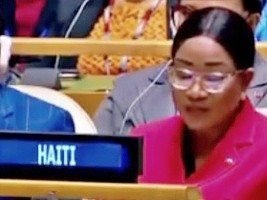
    Haiti’s Minister for the Status of Women and Women’s Rights, Pedrica Saint Jean, delivered a significant address at the United Nations Headquarters in New York on March 10, 2026. Her presentation occurred during the seventieth session of the Commission on the Status of Women (CSW70), the premier global intergovernmental forum dedicated to advancing gender equality and women’s rights worldwide.

    Minister Saint Jean participated in the Ministerial Roundtable focused on ‘Ensuring and Strengthening Access to Justice for All Women and Girls,’ where she outlined Haiti’s comprehensive approach to gender equality. The minister detailed concrete governmental initiatives, including the implementation of a mandatory 30% quota for female representation in the new government cabinet and the adoption of the groundbreaking 2014-2034 Gender Equality Policy.

    Her address highlighted several critical legislative reforms aimed at eliminating systemic discrimination against women and girls. These measures include establishing specialized judicial units specifically designed to handle cases of sexual violence and implementing more inclusive legal frameworks that offer enhanced protection for women’s rights.

    In her formally delivered speech, Minister Saint Jean presented a candid assessment of Haiti’s current justice landscape regarding gender equality. She emphasized that accessible, inclusive, and equitable justice serves as a fundamental pillar for achieving genuine gender equality, noting that without such judicial foundations, women’s rights remain vulnerable and inequalities persist.

    Concluding with a powerful commitment, the minister reiterated Haiti’s dedication to constructing a truly equitable and accessible justice system. She emphasized that women’s full participation and guaranteed rights are essential prerequisites for building a more just and peaceful society where every woman and girl can exercise her rights, live free from violence, and contribute meaningfully to national development.

  • Fire chief appeals for vigilance after blaze injures pensioner

    Fire chief appeals for vigilance after blaze injures pensioner

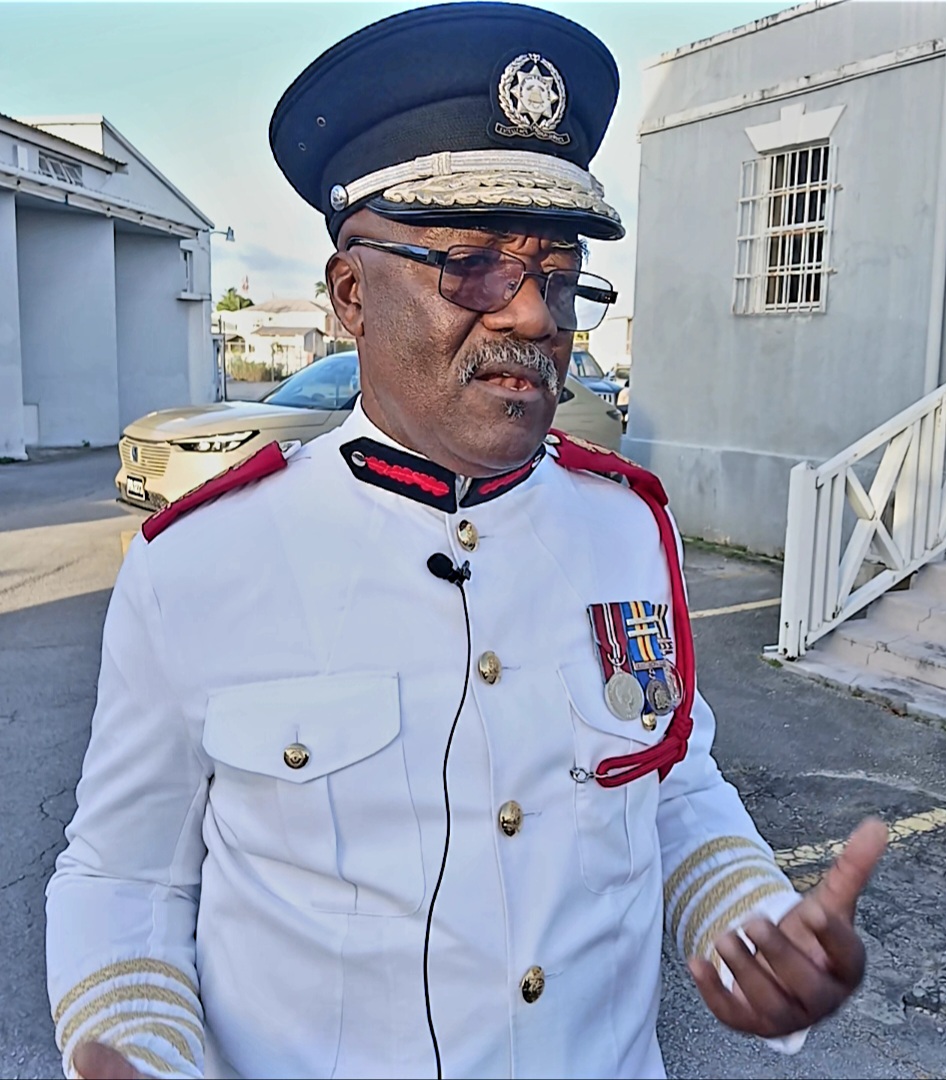
    Barbados Fire Chief Errol Maynard has issued an urgent public safety appeal following a severe house fire that left a 90-year-old pensioner hospitalized with serious injuries at Two Mile Hill. The incident has sparked renewed concerns about residential fire safety across the island nation.

    While investigations continue into the exact cause of the blaze, preliminary data reveals a complex fire safety landscape. Thus far in 2026, Barbados has recorded 15 house fires, representing a slight decrease from the 17 incidents reported during the same period in 2025. However, the overall fire count across all categories has risen to 282 incidents, up from 274 last year.

    This increase is primarily attributed to a surge in rubbish fires, which climbed to 90 cases compared to 86 previously, while grass fires have decreased from 129 to 115 incidents. Chief Maynard expressed particular concern about the Two Mile Hill incident, praising a courageous bystander whose intervention saved the elderly resident from certain tragedy.

    The fire chief emphasized the critical importance of community vigilance and proper safety equipment. He specifically urged all households to install early-warning systems such as smoke detectors and regularly inspect electrical appliances.

    When questioned about common fire origins, Maynard identified electrical failures, unattended cooking equipment, and aging appliances as primary culprits. He recounted a recent case where a microwave continued operating after being switched off, highlighting the dangers of malfunctioning equipment.

    “When residents use damaged power strips or compromised plugs,” Maynard explained, “the wiring generates intense heat that can ignite nearby combustible materials like dust or insulation. Once internal wiring becomes compromised, the appliance transforms into a significant heat source capable of sparking a major blaze.”

    The Barbados Association of Retired Persons (BARP) issued a statement commending the neighbors whose quick actions saved the elderly resident. President Marilyn Rice-Bowen praised their “quick thinking, compassion, and willingness to act without hesitation,” noting their immediate intervention proved decisive in ensuring the resident’s safe extraction from the burning structure.

    Rice-Bowen emphasized that the rescue operation underscores the vital importance of community cooperation during emergencies, serving as a powerful reminder that vigilance and neighborly care can mean the difference between life and death for vulnerable community members.

  • Employers urge more tripartite talks to navigate economic turbulence

    Employers urge more tripartite talks to navigate economic turbulence

    Barbados business representatives have addressed growing public concerns following a series of high-profile company closures, acknowledging significant operational challenges while maintaining confidence in the island’s economic fundamentals. During a press briefing at the Barbados Employers’ Confederation (BEC) headquarters, executive director Sheena Mayers-Granville confirmed that multiple sectors are experiencing substantial cost pressures without indicating a systemic economic crisis.

    Recent months have witnessed the shutdown of several establishments including Bryden’s Pharmacies, Cavi and Vino, and Mojos Bar and Restaurant, with Berger Paints announcing imminent factory closure plans. Mayers-Granville emphasized that each business cessation creates ripple effects throughout the economy, noting that ‘when a business closes, it is not just a company that disappears – it is jobs, livelihoods and economic activity.’

    Business leaders identified Barbados as operating within a high-cost jurisdiction characterized by elevated expenses across labor, energy, and transportation sectors. However, they clarified that business failures typically result from multiple converging factors rather than single issues. Contrary to public speculation, the recently implemented minimum wage increase has not been cited by members as the primary driver behind closures, according to BEC president Gail-Ann King.

    Global economic uncertainties have introduced additional complications for local enterprises. Middle Eastern tensions and consequent oil price volatility have created unpredictable conditions that require careful monitoring. Mayers-Granville observed that ‘the price of oil has jumped drastically in the last week or two. But how long will that price jump last? None of us knows.’

    The confederation highlighted Barbados’ established tradition of social dialogue between government, labor representatives, and private sector stakeholders as a critical mechanism for navigating external economic shocks. This collaborative approach has historically helped the nation weather previous economic challenges.

    Despite recent closures, BEC leadership reported no widespread discontent among businesses operating in Barbados. Most members remain focused on operational continuity rather than cessation plans. Mayers-Granville cautioned against overinterpreting a limited number of closures within a condensed timeframe, noting that the majority of Barbadian businesses are small-to-micro enterprises whose market entry and exit represents normal economic evolution.

    The organization emphasized that sustainable enterprise development remains paramount for maintaining employment stability. ‘Only a sustainable enterprise is going to offer continued employment,’ Mayers-Granville stated, adding that ‘we cannot be calling for workers to be employed if we are not allowing business fertile ground within which to be sustainable and which to grow.’

  • Rats, rubbish force early closure at Hilda Skeene Primary

    Rats, rubbish force early closure at Hilda Skeene Primary

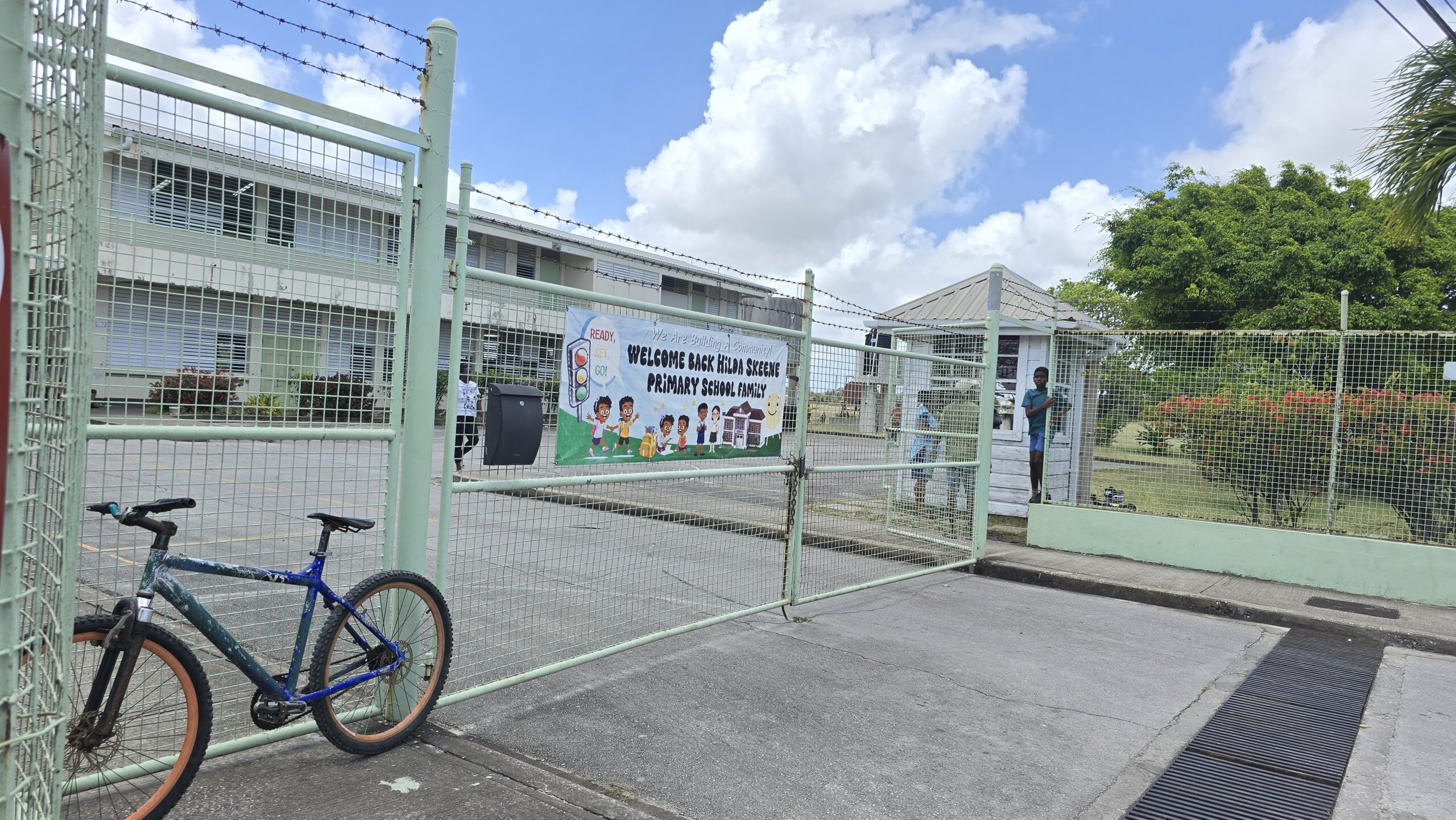
    An emergency early dismissal was enacted at Hilda Skeene Primary School in St Philip, Barbados, on Tuesday, triggered by significant environmental health concerns, primarily a rat infestation. The sudden closure created a scene of confusion and logistical chaos as parents, many alerted through informal channels rather than official communication, scrambled to collect their children.

    The event exposed critical flaws in the school’s emergency protocol. Numerous parents reported a complete absence of formal notification from either the school administration or the Ministry of Education. Instead, information spread haphazardly through social media posts, private teacher-parent chats, and word-of-mouth from other families. One local business owner and parent stated she learned of the situation online, remarking, ‘I hear the school shutting but they ain’t tell we why, but I hear the same thing, rat infestation.’

    Further compounding the distress was a breakdown in on-the-ground procedures. Parent Charles Domingo recounted a frustrating experience, arriving to find the school gate locked and his child’s classroom door shut while teachers were reportedly in a meeting. He voiced serious concerns over child supervision, noting that children were gathered in a pasture area without a clear system for secure, organized parent collection, as the school guard had received no specific directives.

    Julian Pierre, First Vice-President of the Barbados Union of Teachers, confirmed that the infestation issue is multifaceted. While the school compound itself requires industrial cleaning, the problem is exacerbated by a publicly used adjacent pavilion that accumulates significant garbage. Pierre emphasized the collective responsibility needed for a solution and publicly called on the Ministry of Education to equip all schools with covered, industrial-grade garbage bins to deter rodents. He also indicated that Hilda Skeene Primary may be slated for more extensive repairs under the ministry’s upcoming summer maintenance program. As of the incident, the Ministry of Education had not issued an official public statement.